Walking Tours in Taipei
30 Landmarks in Taipei
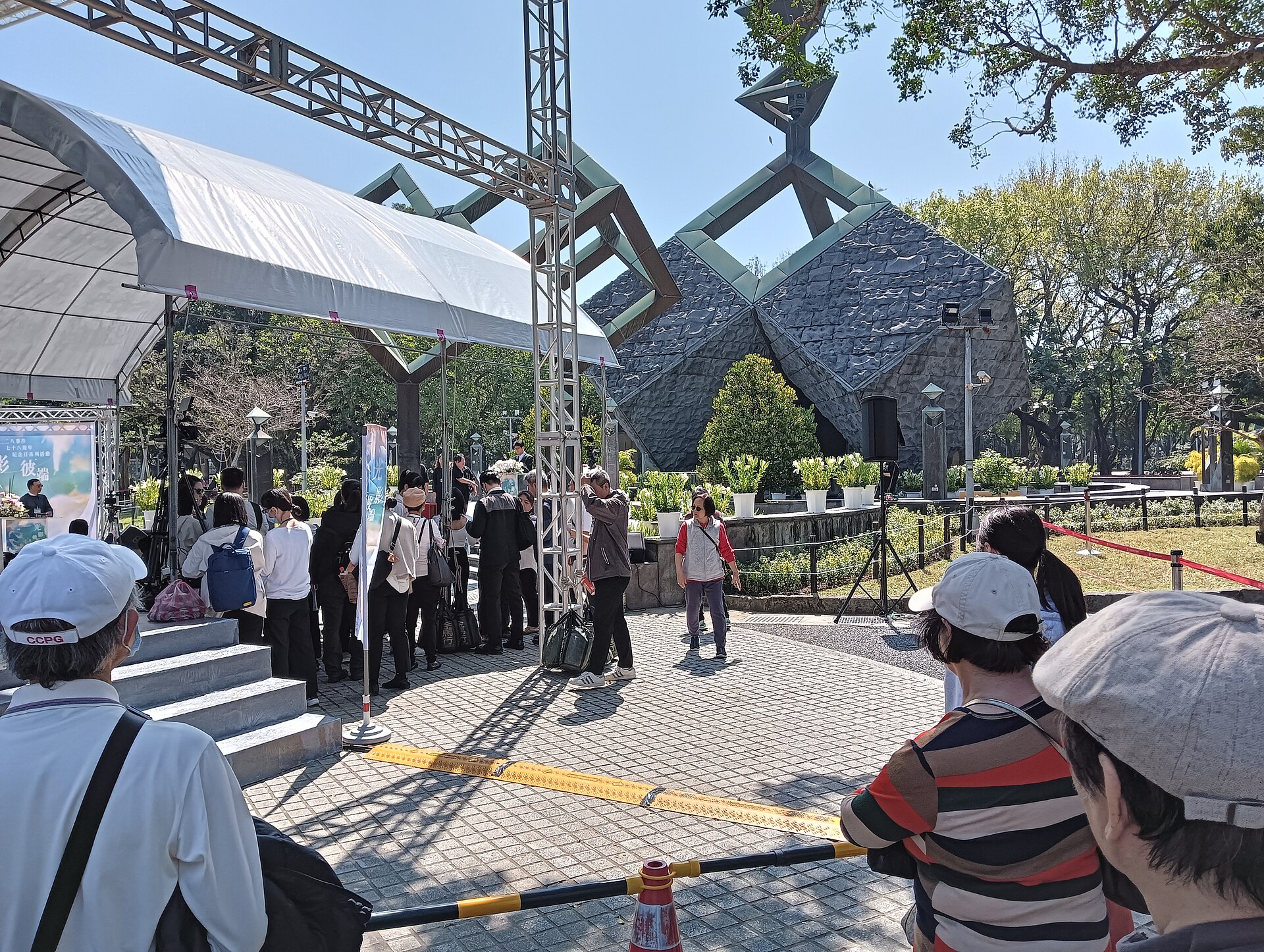
228 Peace Memorial Park
No. 3 Ketagalan Blvd, Liming, Zhongzheng District, 100006, Taiwan
228 Peace Memorial Park is Taipei's most historically significant green space — a park in the civic centre of the city that memorialises the February 28 Incident of 1947, when the KMT government's suppression of an anti-government uprising led to the massacre of an estimated 18,000-28,000 Taiwanese civilians. The incident was a taboo subject during martial law (1949-1987), and the park's renaming (from Taipei New Park) and the construction of the 228 Memorial Museum within its grounds represent Taiwan's post-democratisation reckoning with its authoritarian past. The museum, in a colonial-era building within the park, documents the incident through photographs, testimony, and the personal effects of victims — a presentation that is frank, emotional, and essential for understanding the political trauma that shaped modern Taiwanese identity. The park itself — with its mature trees, lotus pond, and the colonial-era gazebo — provides a contemplative setting for material that is anything but peaceful.
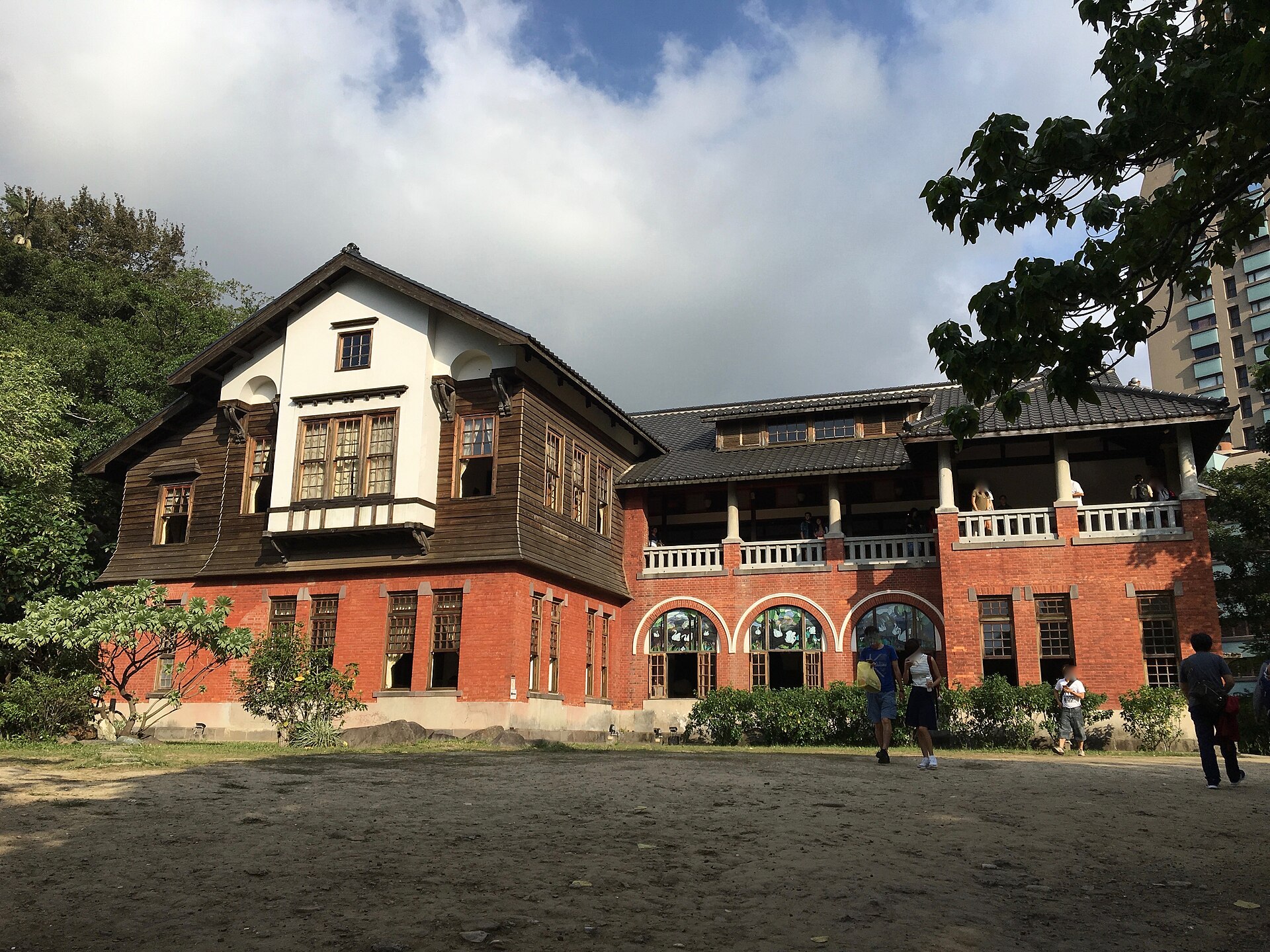
Beitou Hot Springs
Beitou District, Taiwan
Beitou is Taipei's hot spring district — a valley on the northern edge of the city where volcanic activity heats natural springs to temperatures of 40-100°C, creating a bathing culture that has been central to Taipei life since the Japanese colonial government developed the area as a resort in the early 1900s. The district, accessible by MRT in 30 minutes from the city centre, contains public hot spring baths, private resort hotels, and the steaming, sulphur-scented landscape of Thermal Valley (Hell Valley), where water bubbles at 80-100°C in a jade-green pool. The Beitou Hot Spring Museum, housed in a 1913 Japanese-era public bathhouse (one of the finest examples of Japanese colonial architecture in Taiwan), documents the history of the hot spring culture and provides context for the bathing traditions that the district preserves. The public hot springs at Millennium Hot Spring (a modern, outdoor facility with multiple pools at different temperatures) provide the most accessible bathing experience for visitors. The Japanese influence on Beitou's bathing culture is pervasive — the traditional public baths follow the Japanese onsen model (separate pools for men and women, nudity required in the indoor baths, etiquette rules about washing before entering), and the ryokan-style hotels in the valley offer private baths and the kind of contemplative soaking that the Japanese treat as a spiritual practice.
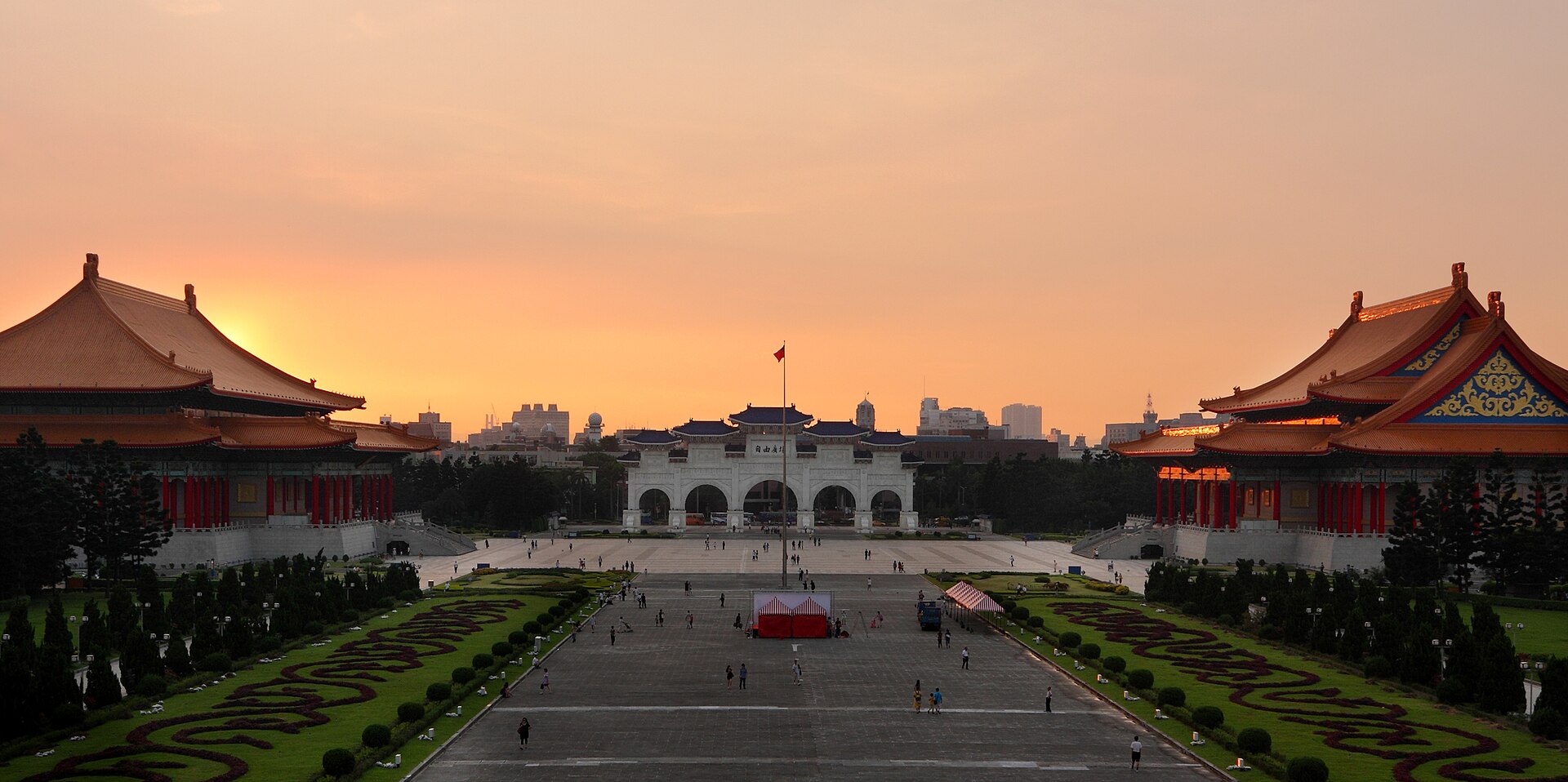
Chiang Kai-shek Memorial Hall
No. 21 Zhongshan S Rd, Dongmen, Zhongzheng District, 100011, Taiwan
The Chiang Kai-shek Memorial Hall is Taipei's most imposing landmark — a white marble and blue-tile monument on a 25-hectare plaza that honours the Republic of China's founding leader and is simultaneously a political monument, a cultural venue, and the most contested piece of architecture in Taiwan. The memorial's status has shifted with Taiwan's democratic evolution — once a sacred national shrine, it's now a site of ongoing debate about how a democracy should remember an authoritarian leader. The memorial's scale is deliberate — the 76-metre-tall hall (76 for Chiang's age at death), the 89 steps to the main hall (89 for his years lived by Chinese counting), and the bronze statue of Chiang seated in the upper hall were all designed to project power and permanence. The hourly changing of the guard ceremony — two soldiers performing a choreographed rifle routine at the foot of the statue — draws crowds and provides the kind of military pageantry that the KMT era valued. The plaza surrounding the memorial — Liberty Square, renamed from Chiang Kai-shek Memorial Square in 2007 — contains the National Theatre and National Concert Hall (two palatial Chinese-style buildings) and has become Taipei's main gathering space for protests, festivals, and the public events that a democratic society uses to express itself. The Sunflower Movement's 2014 occupation of the nearby Legislature used the square as its rally point, and the memorial's role has shifted from celebrating state power to providing the space where state power is questioned.
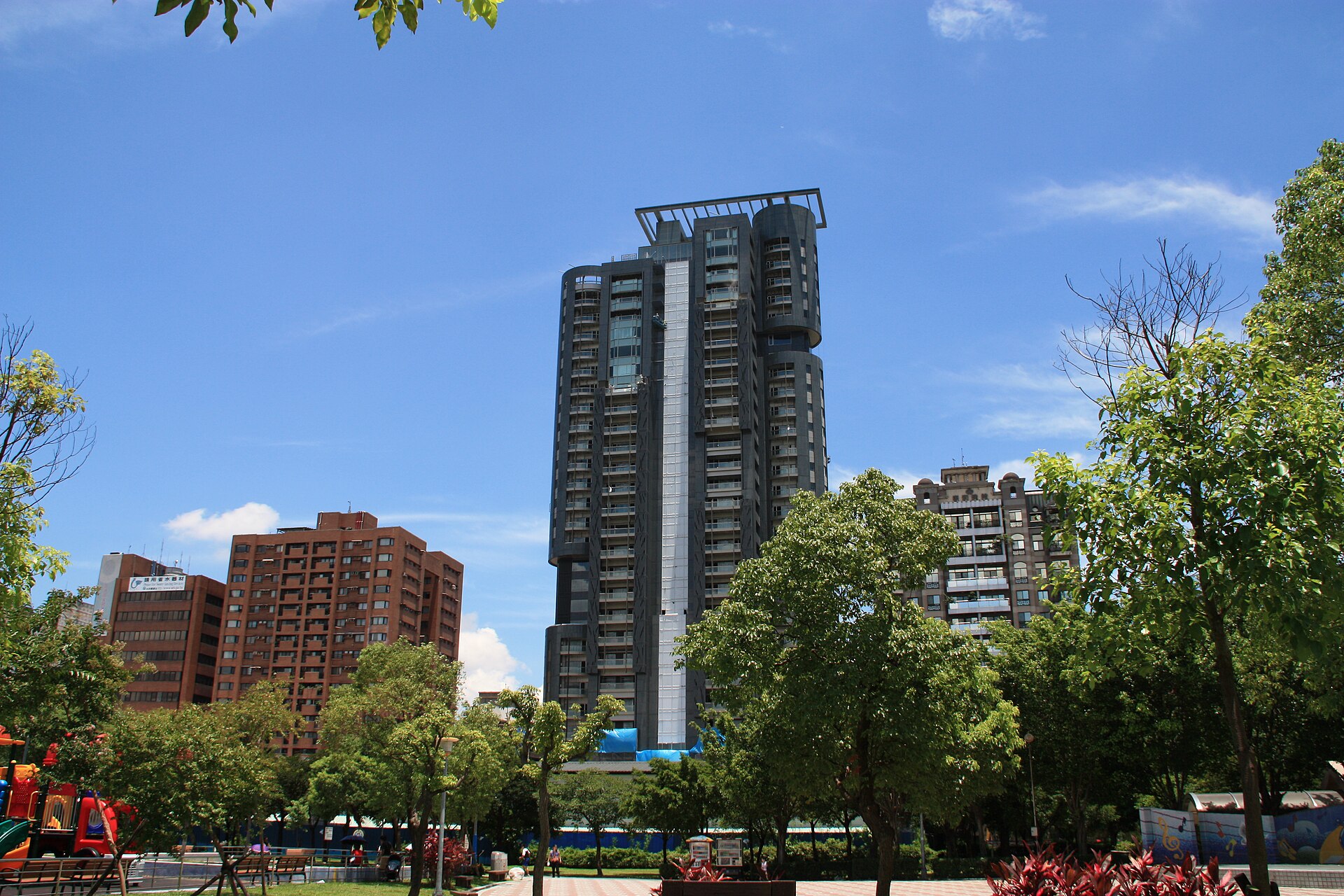
Da'an Forest Park
No. 1, Section 2, Xinsheng South Road, Da'an District, Taipei
Da'an Forest Park is Taipei's Central Park — a 26-hectare green space in the Da'an district that was a military housing compound until 1994 and has since been transformed into the most popular urban park in the city. The park's mature trees (planted on the former military site and supplemented with new plantings), amphitheatre, jogging paths, and the ecological pond (where herons, egrets, and migrating birds stop during the spring and autumn migration) provide the daily outdoor escape that Taipei's apartment-dwelling population requires. The park sits in the geographic centre of Taipei's most liveable district — surrounded by the cafés, bookshops, and restaurants of Da'an, adjacent to the Yongkang Street food district, and a short walk from the MRT (Da'an Park and Da'an stations). The weekend crowd — families, joggers, tai chi groups, elderly men playing chess, and the couples who treat the park benches as public living rooms — provides the cross-section of Taipei society that malls and night markets can't.
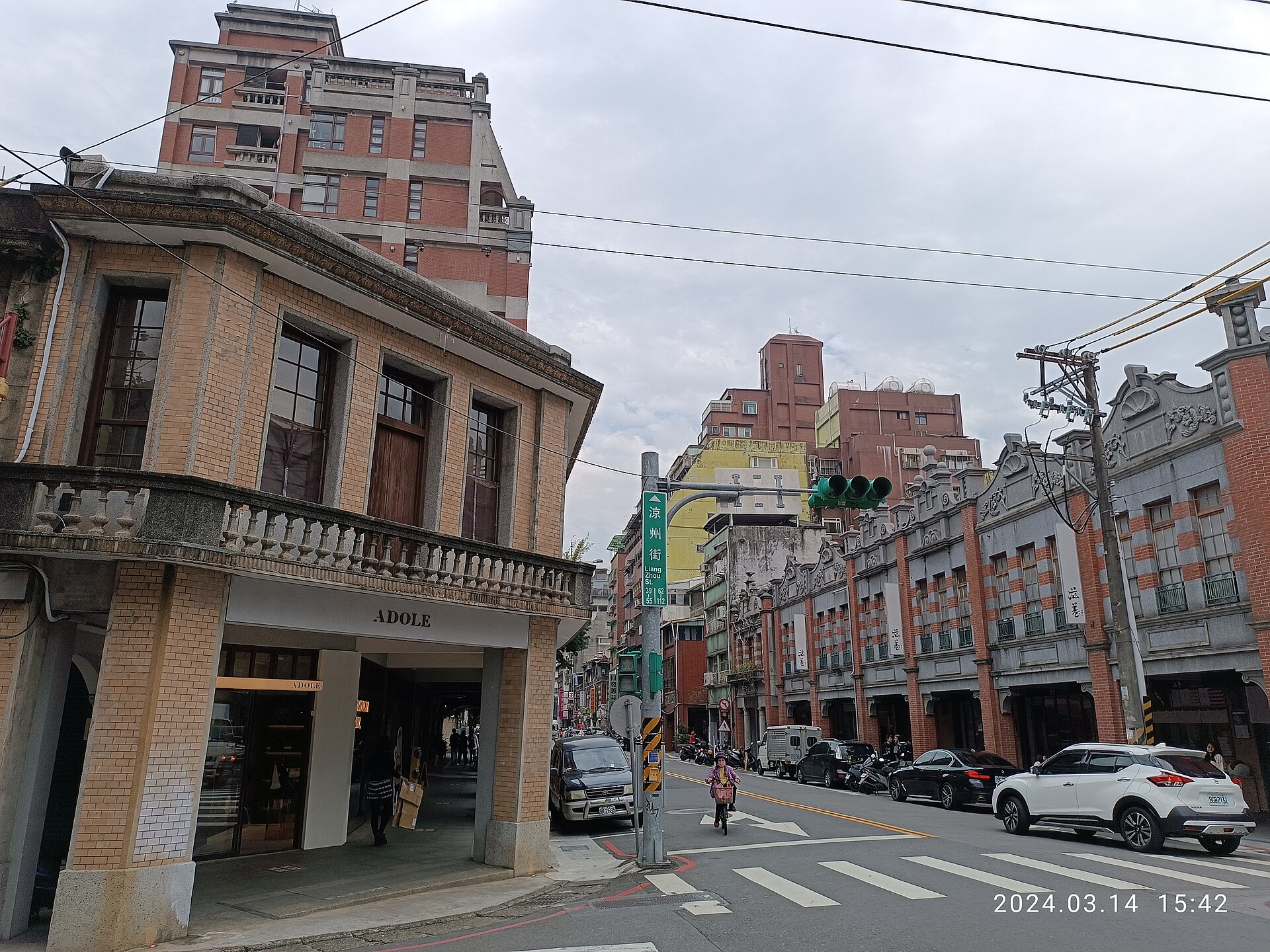
Dadaocheng & Dihua Street
No. 4 Dihua St, Fengnian Village, Taitung City, 950022, Taiwan
Dadaocheng is Taipei's oldest commercial district — a neighbourhood of Baroque and Art Deco shophouses along Dihua Street that has been the centre of Taipei's tea, fabric, and dried goods trade since the 1850s. The street, running about a kilometre through the Datong district, contains the best-preserved collection of early 20th-century commercial architecture in Taipei, with ornate facades that blend Chinese, Japanese, and European decorative elements. Dihua Street is where Taipei shops for Chinese New Year — the dried goods shops (selling dried mushrooms, scallops, abalone, Chinese sausage, and the ingredients for New Year feasts) operate year-round but reach peak activity in the weeks before the holiday, when the street transforms into a corridor of commerce that is the most intensely traditional shopping experience in the city. The fabric merchants, traditional Chinese medicine shops, and the tea houses that have been operating since the Japanese colonial era give Dihua Street a historical depth that modern Taipei's shopping malls can't replicate. The neighbourhood has been revitalised in recent years — converted shophouses now house specialty coffee shops, craft studios, and the Taipei Story House (a half-timbered building from 1914 that mixes Japanese and English Arts and Crafts styles). The weekend Yongle Market on the street's southern end sells fabric, tailoring services, and the Taiwanese street food that accompanies every market experience in the country.
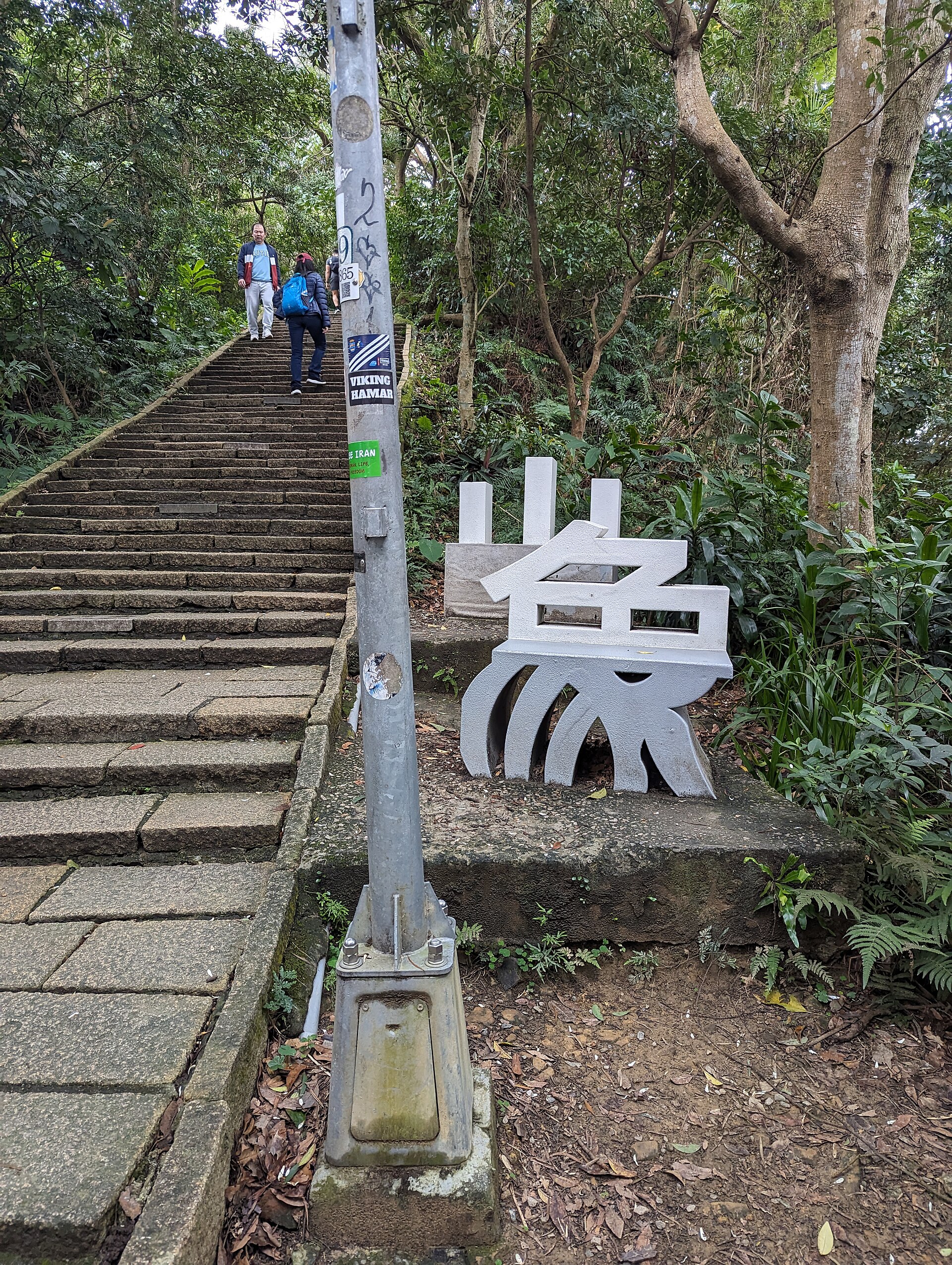
Elephant Mountain (Xiangshan)
Xiangshan Tunnel, Sanli, Xinyi District, 110049, Taiwan
Elephant Mountain is Taipei's most accessible urban hike and the best place to photograph Taipei 101 — a short, steep trail on the eastern edge of the Xinyi District that climbs through subtropical forest to a series of rock outcrops providing panoramic views of the city skyline with Taipei 101 as the centrepiece. The hike takes about 20 minutes from the trailhead and is the most popular sunset activity in Taipei. The trail begins near MRT Xiangshan station (the last stop on the Red Line) and climbs approximately 150 metres through a forest of banyan trees, palms, and the dense subtropical vegetation that covers Taipei's surrounding mountains. The viewpoints — flat rock platforms with unobstructed west-facing views — fill with photographers every evening, particularly around sunset when the golden light catches Taipei 101's glass facade and the city below begins to light up. Elephant Mountain is part of the Nangang Mountains trail system, and hikers who continue past the main viewpoints can extend the walk to the more challenging peaks of the Four Beasts Mountains (Elephant, Tiger, Leopard, and Lion), which together provide a half-day ridge walk with continuous city views. The trailhead convenience stores (Taiwan's extraordinary convenience store culture extends to selling hiking supplies at trailheads) provide water, snacks, and the onigiri rice balls that fuel Taiwan's hikers.
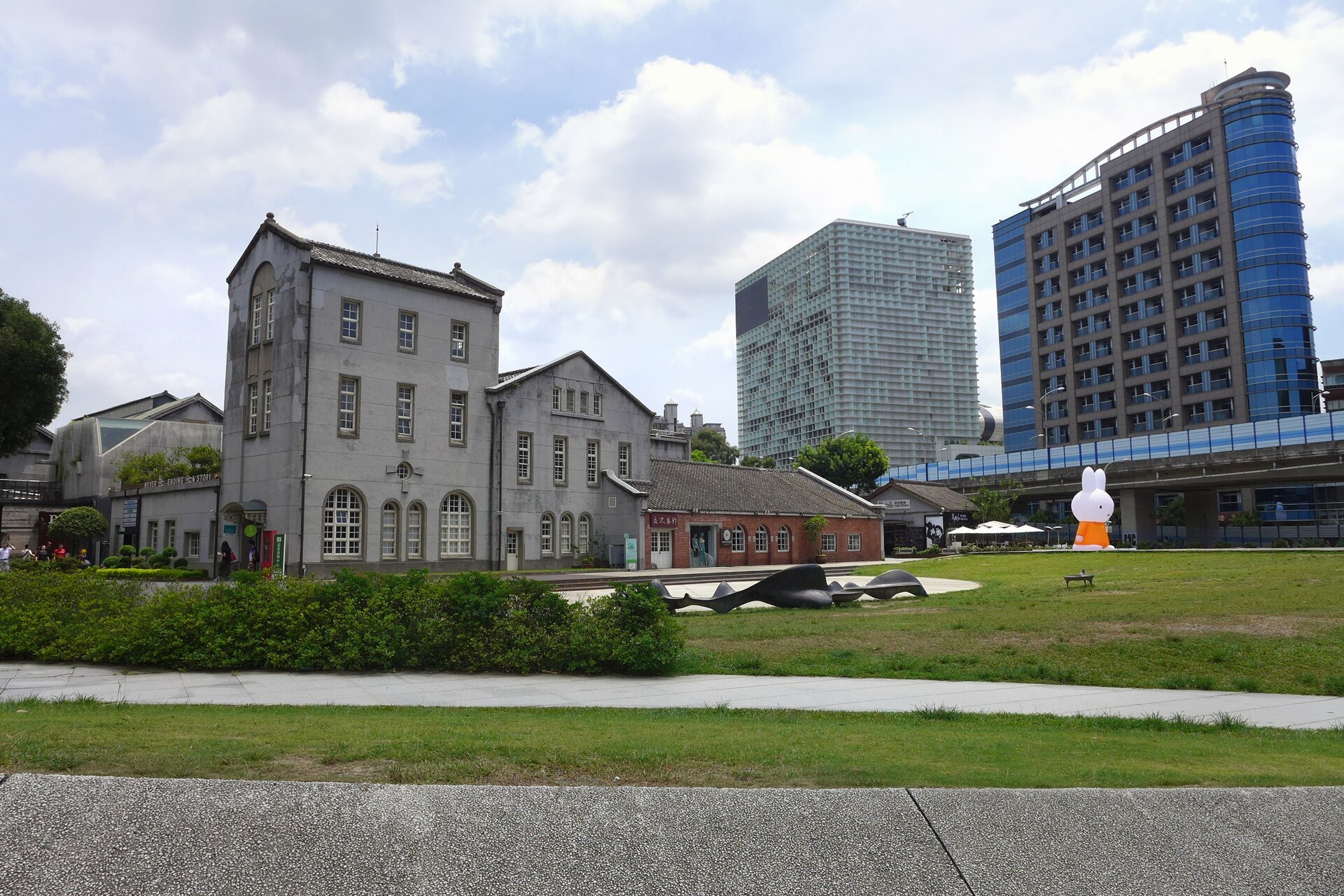
Huashan 1914 Creative Park
No. 1, Section 1, Bade Road, Zhongzheng District, Taipei
Huashan 1914 is a former sake brewery converted into Taipei's most important creative park — a campus of red-brick industrial buildings from the Japanese colonial era that now houses galleries, performance spaces, indie cinemas, design shops, and the weekend markets that bring Taipei's creative community together. The complex was abandoned after the brewery closed in 1999 and was squatted by artists before the government formalised it as a cultural venue. The industrial architecture — brick warehouses, wooden-beamed halls, and the courtyard spaces between buildings — provides the raw, characterful setting that purpose-built cultural centres can never replicate. The programme mixes art exhibitions, film screenings, design markets, and the kind of pop-up events that keep the space alive and unpredictable. The surrounding Zhongzheng district is one of Taipei's most walkable areas.
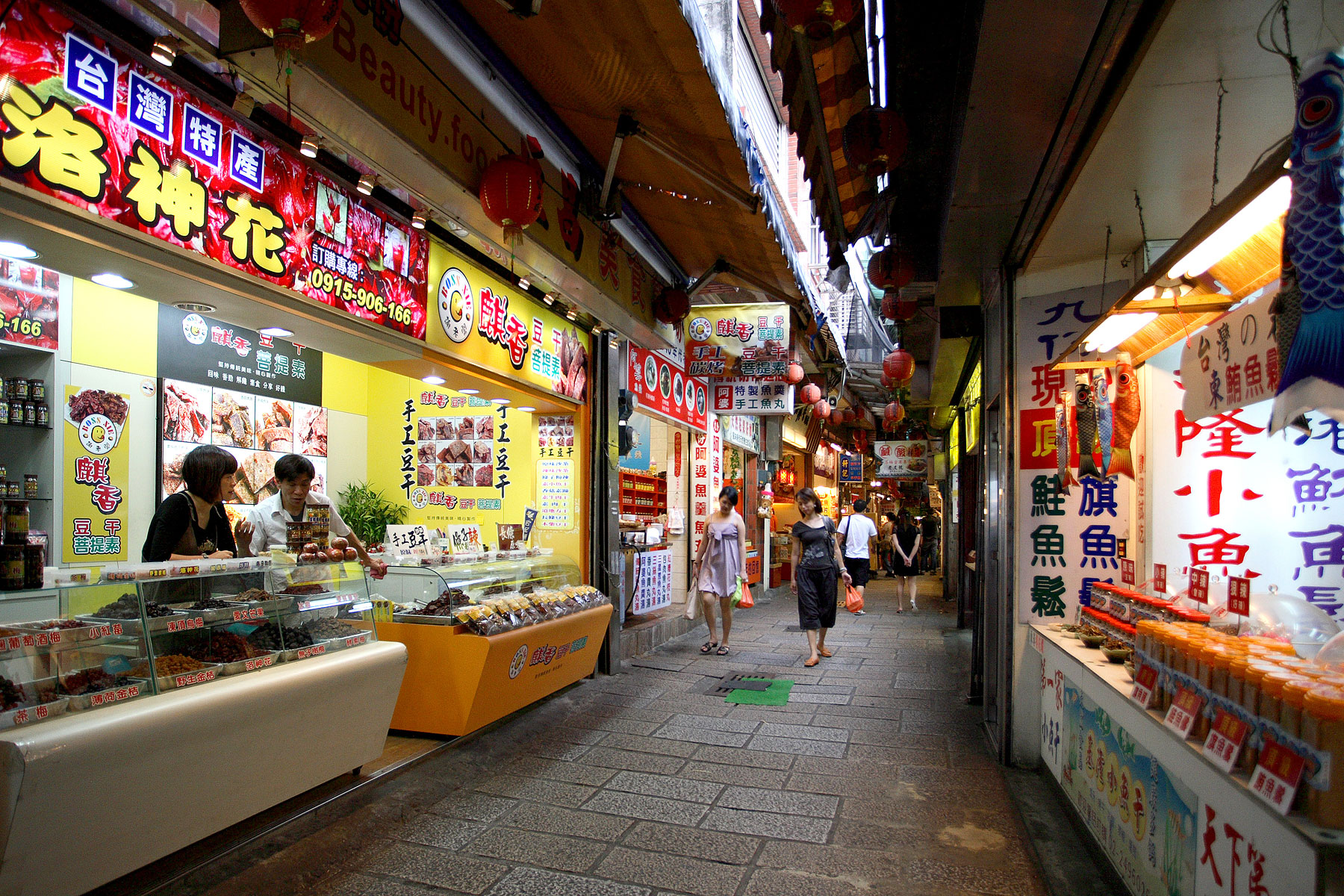
Jiufen Old Street
Jiufen, Ruifang District, New Taipei City
Jiufen is a hillside village an hour east of Taipei that was a gold mining town in the Japanese colonial era, fell into quiet decline when the mines closed, and was reborn as one of Taiwan's most popular tourist destinations after it was widely (though inaccurately) identified as the inspiration for the spirit bathhouse in Hayao Miyazaki's 'Spirited Away.' Whether or not Miyazaki actually based his film on Jiufen (he's denied it; the resemblance is striking), the village's narrow stone staircases, red paper lanterns, and the teahouses perched on the mountainside overlooking the Pacific create an atmosphere that feels like walking through an anime. Jiufen Old Street is a narrow alley of food stalls and shops selling taro balls (yùyuán, the chewy, colourful dessert that is Jiufen's signature food), tea eggs, peanut ice cream rolls, and the snacks that Taiwanese tourists eat with the same enthusiasm as foreign visitors. The A-Mei Tea House, a multi-storey wooden teahouse with lanterns hanging from its balconies, is the building most often compared to the bathhouse in 'Spirited Away' and provides the most atmospheric tea-drinking experience on the North Coast. The village's mining heritage is preserved in the Gold Museum in nearby Jinguashi, where the Japanese-era mine buildings, a Shinto shrine, and the largest gold ingot in the world (a 220-kilogram bar you can touch) document the industry that built and abandoned this extraordinary hillside settlement.
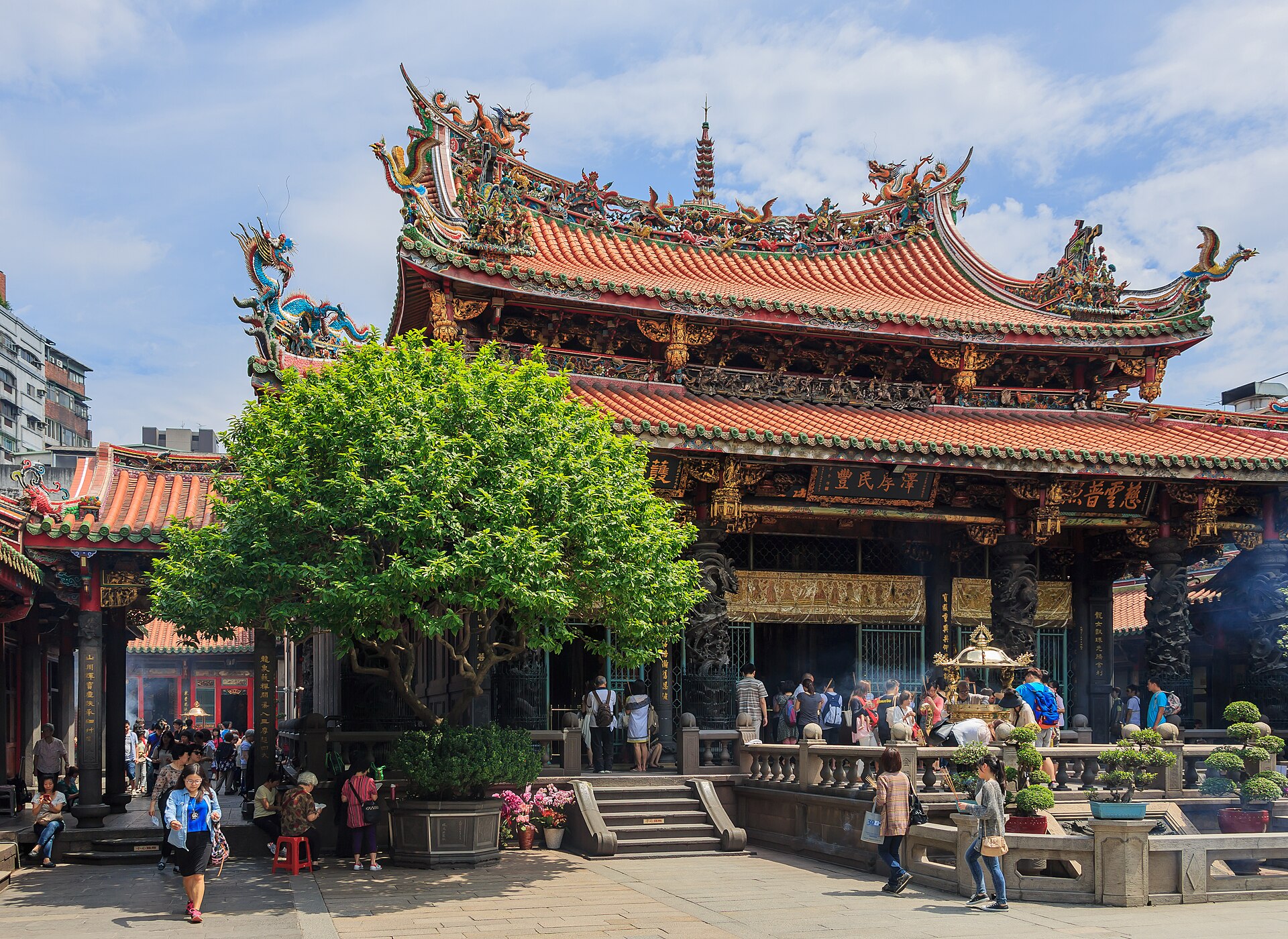
Longshan Temple
No. 211, Guangzhou Street, Wanhua District, Taipei
Longshan Temple is the most important temple in Taipei — a 1738 Buddhist-Taoist-folk religion complex in the Wanhua district that has survived earthquakes, typhoons, Japanese colonial prohibition of Chinese religion, and a World War II Allied bombing that destroyed the main hall (the statue of Guanyin, the goddess of mercy, survived unscathed in the rubble, which cemented the temple's reputation for divine protection). The temple is a masterwork of Southern Chinese temple architecture — carved stone dragon columns, multi-tiered roof ridges decorated with ceramic figures (jiǎnnián, the cut-and-paste ceramic art unique to Fujian and Taiwan), bronze incense cauldrons, and the painted door gods that guard every entrance. The interior is dense with incense smoke, prayer, and the percussion of wooden divination blocks (jiǎobēi) being thrown on the floor by worshippers seeking answers from the gods. Longshan Temple is not a museum — it's a functioning religious site where hundreds of people pray daily, and the experience of standing in the courtyard while devotees chant, light incense, and perform prostrations provides an encounter with living Taiwanese folk religion that no historical exhibit can replicate. The surrounding Wanhua district is Taipei's oldest neighbourhood, and the streets around the temple — Bopiliao Historic Block, Huaxi Street Night Market, and the traditional Chinese medicine shops along Xiyuan Road — preserve the streetscape of pre-modern Taipei.
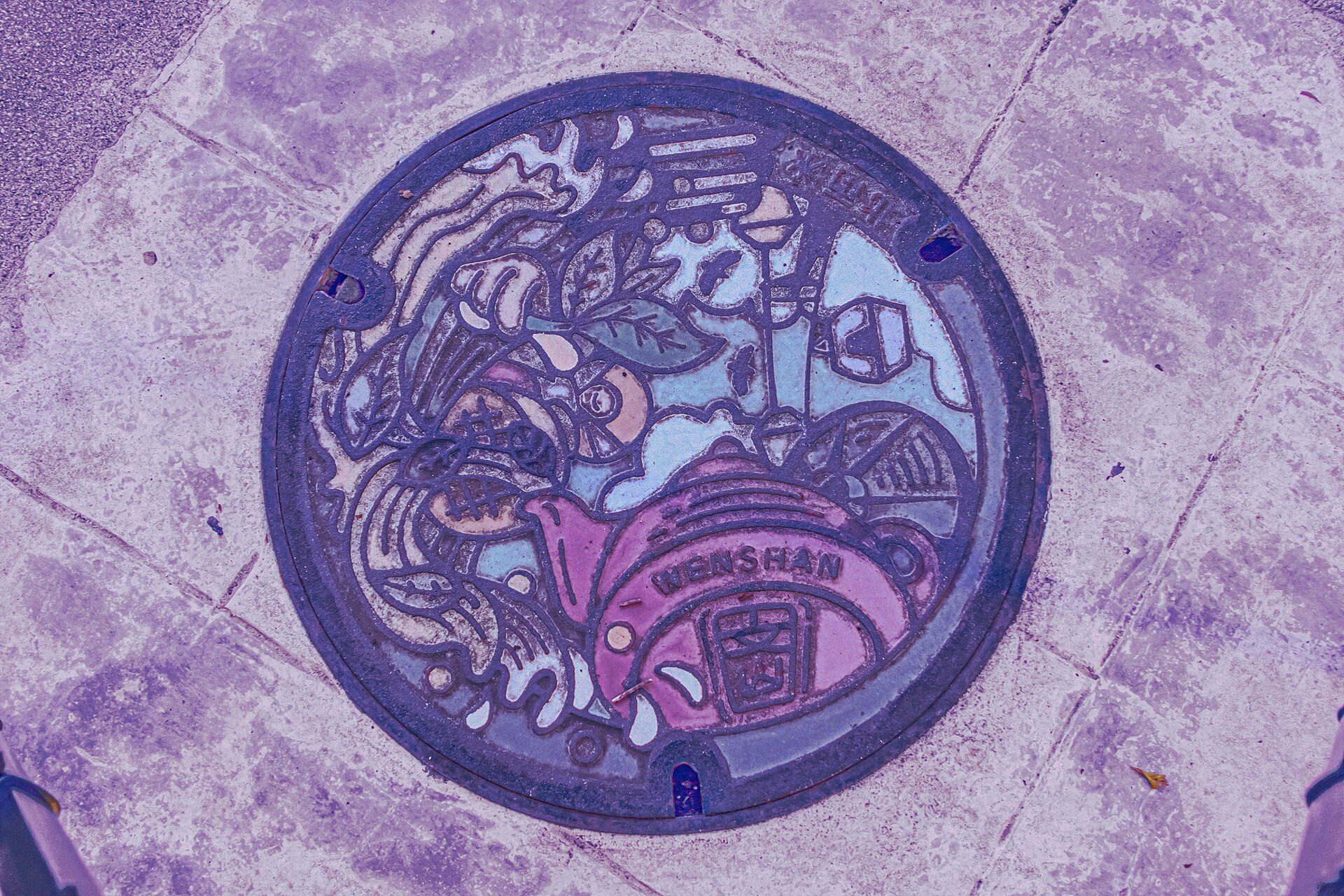
Maokong Gondola & Tea Plantations
Wenshan District, Taiwan
Maokong is Taipei's tea mountain — a hillside of tea plantations, temple gardens, and traditional teahouses south of the city that is accessible by a 4-kilometre gondola ride from Taipei Zoo station, providing aerial views of the city, the zoo, and the forested mountains before depositing you at the top of a hill where Tieguanyin oolong tea has been grown since the late 19th century. The gondola itself is the experience — the 25-minute ride in glass-bottomed 'crystal cabins' (for those without vertigo) passes over jungle canopy, tea terraces, and the city sprawl receding below, providing a transition from urban to rural that is more dramatic for being accomplished by cable rather than road. The gondola runs from morning to late evening, and the night ride — with the city lights visible below and the tea mountain dark above — is one of Taipei's most romantic experiences. The teahouses at the top serve Maokong's own Tieguanyin (Iron Goddess) oolong — a roasted, fragrant tea that is the local specialty — in the traditional gongfu style (multiple short infusions from a small clay teapot, each revealing different flavours). The teahouses range from simple outdoor terraces overlooking the city to elaborate traditional establishments where the tea ceremony is performed with the meditative attention that Chinese tea culture demands. The Taipei skyline visible from the mountain — Taipei 101 in the distance, the city spreading across the basin below — provides the backdrop that makes tea-drinking on Maokong a distinctly Taipei experience.
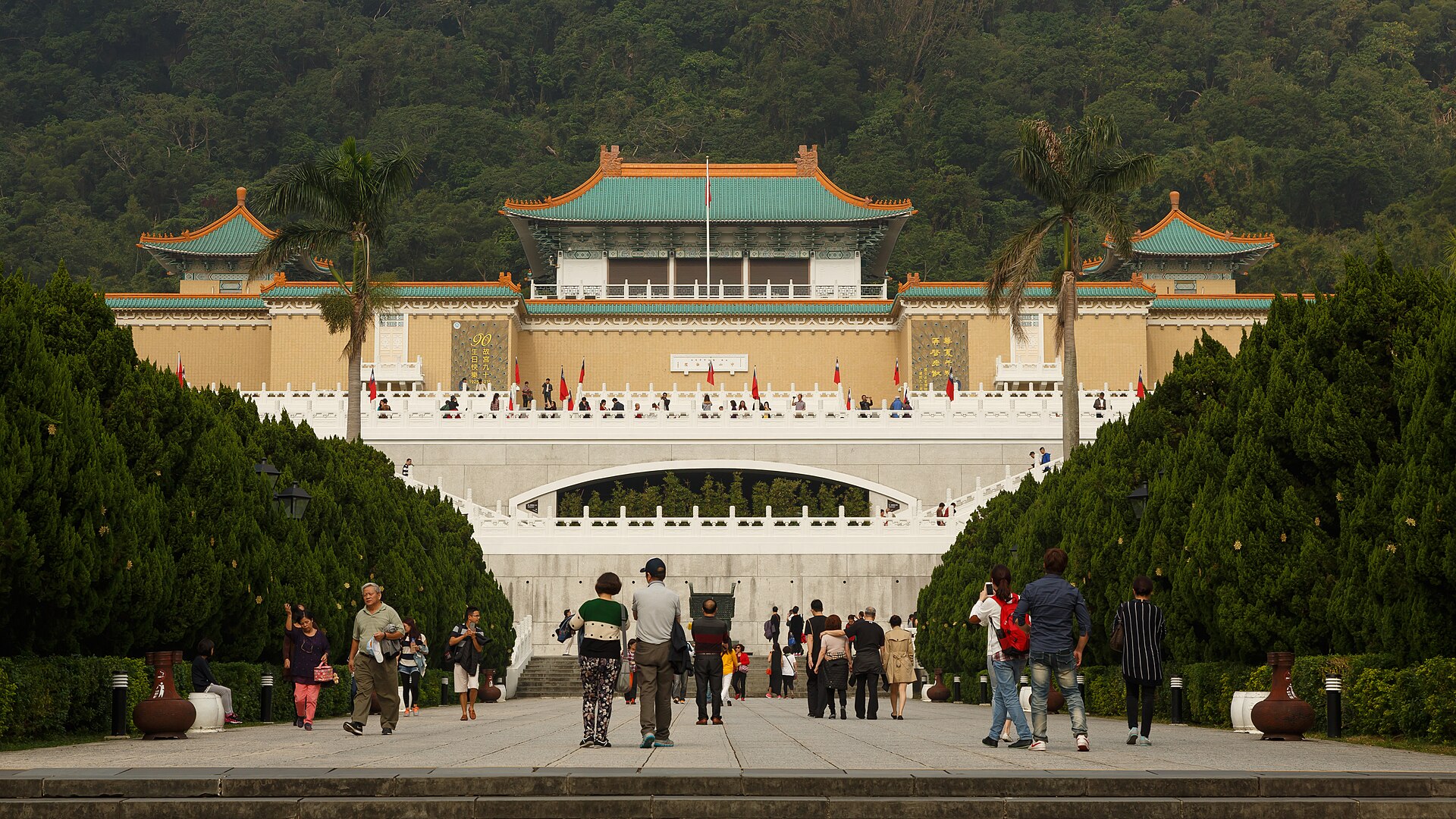
National Palace Museum
No. 221 Zhishan Rd Sec 2, Linxi, Shilin District, 111001, Taiwan
The National Palace Museum houses the world's largest collection of Chinese art — nearly 700,000 artifacts spanning 8,000 years that were brought to Taiwan by Chiang Kai-shek's Nationalist government when they fled the Chinese mainland in 1949. The collection, which represents the accumulated treasures of the Chinese imperial palace, includes the finest examples of Chinese painting, calligraphy, ceramics, bronzes, jade carvings, and lacquerwork in existence. The Jadeite Cabbage (a Qing dynasty jade carving of a cabbage with a cricket and locust hiding in its leaves, so realistic that visitors lean in to check if it's real) and the Meat-Shaped Stone (a piece of jasper that looks exactly like a cube of braised pork belly) are the museum's most famous objects — everyday items rendered in precious stone with a skill that transforms craft into art. The collection is rotated continuously (only about 3% is displayed at any time), which means repeat visits always reveal different objects. The museum sits in the hills of Shilin, surrounded by a Chinese-style garden, and the approach — up a grand staircase to a Chinese palace-style building overlooking Taipei — provides the ceremonial experience that the collection's imperial origins demand. The museum is one of the four great Chinese art museums in the world (alongside the Palace Museum in Beijing, the Shanghai Museum, and the Nanjing Museum), and the fact that this collection is in Taipei rather than Beijing is the most tangible legacy of the Chinese Civil War.
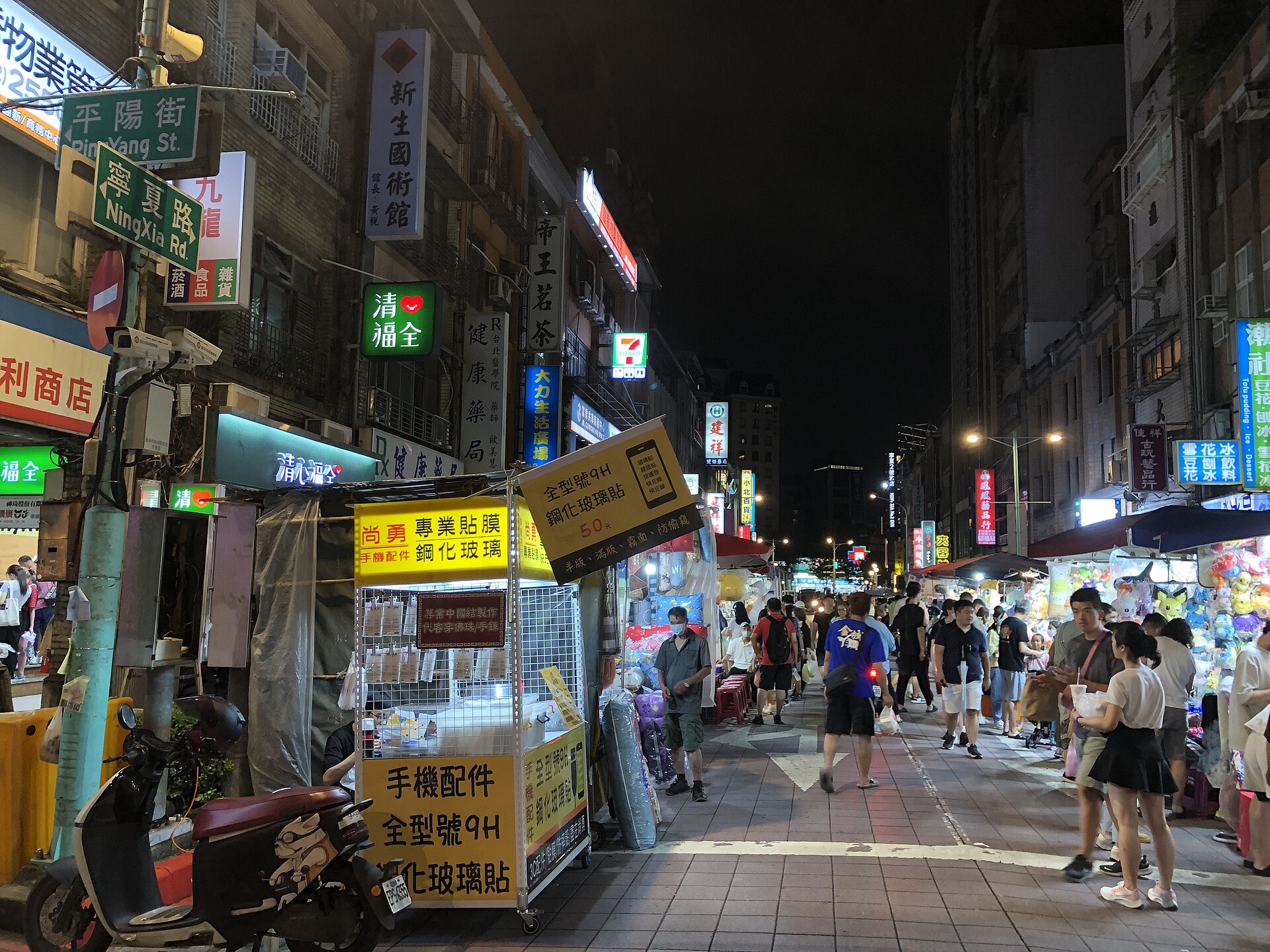
Ningxia Night Market
Ningxia Road, Datong District, Taipei
Ningxia Night Market is the locals' night market — a compact, single-street market in the Datong district that lacks Shilin's scale and Raohe's fame but consistently produces the best food of any night market in Taipei. The market has won multiple Taipei City awards for food quality, and the stalls — many operated by second and third-generation vendors — serve the traditional Taiwanese dishes that have been refined over decades of nightly repetition. The must-eat stalls include Liu Yu Zi (oyster omelette and egg crêpe), Fang Jia Shredded Chicken (boiled chicken on rice with sesame oil), and the grilled squid and taro ball stalls that draw queues from early evening. The market is a 10-minute walk from MRT Zhongshan station and is best visited on weekday evenings when the queues are shortest.
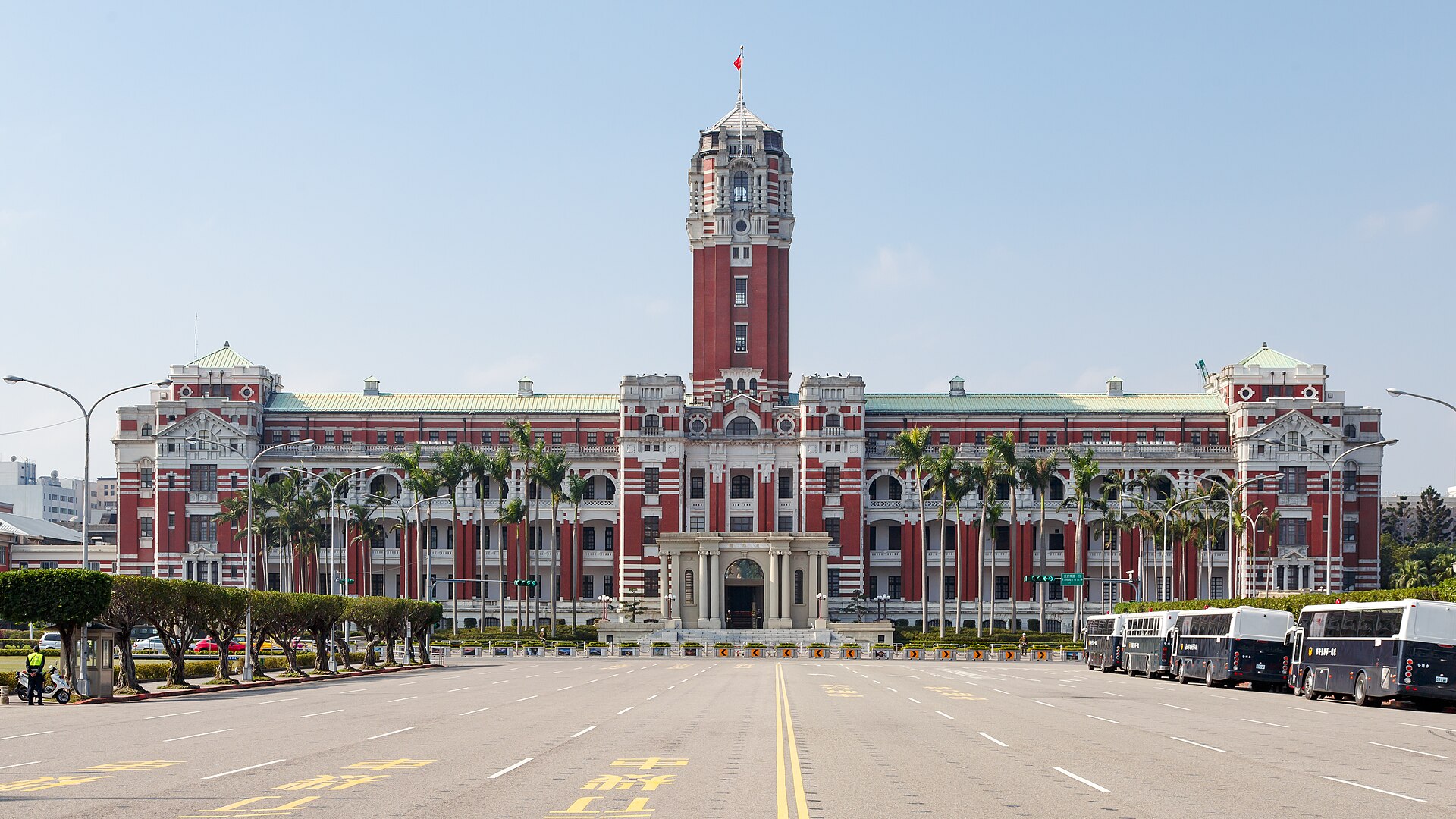
Presidential Office Building
No. 122, Section 1, Chongqing South Road, Zhongzheng District, Taipei
The Presidential Office Building is Taiwan's most important government building — a red-brick and concrete structure completed in 1919 as the Governor-General's Office of Japanese-controlled Taiwan and now serving as the office of the President of the Republic of China. The building's tower (60 metres, the tallest structure in colonial Taipei) and its Renaissance Revival facade were designed by Japanese architects to project imperial authority, and the scale was deliberately intended to dwarf the surrounding Chinese-style buildings. The building is open for guided tours on weekdays (advance registration required) and provides access to the ornate interior, including the main hall, the president's office (a recreation — the actual working office is elsewhere), and the exhibitions on Taiwan's democratic history. The annual Open House (around National Day, October 10) allows unrestricted access and draws tens of thousands of visitors.
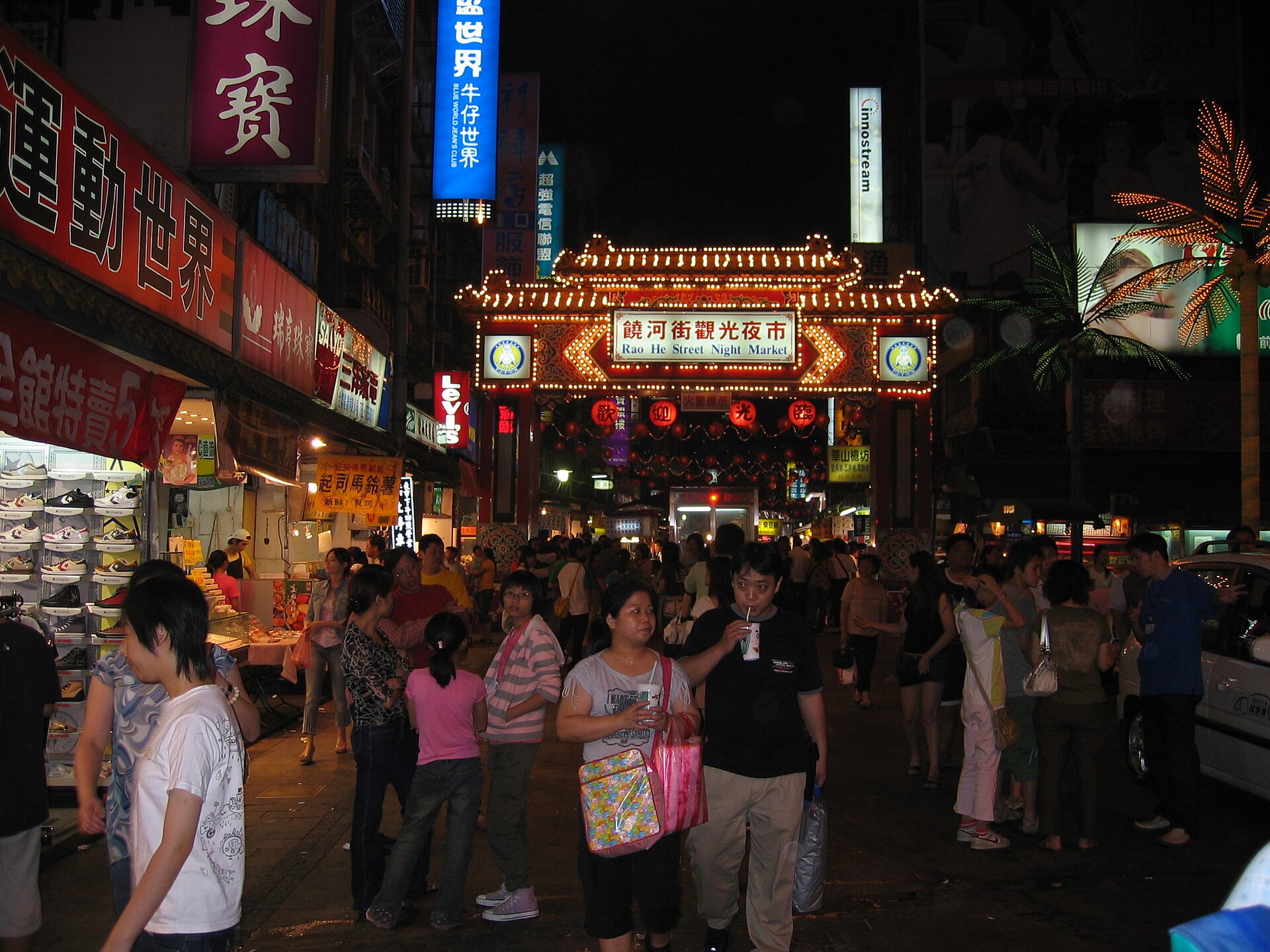
Raohe Street Night Market
135–185 Raohe St, Ciyou, Songshan District, 105058, Taiwan
Raohe Street Night Market is Taipei's oldest night market — a single 400-metre street in the Songshan district that many Taipei residents prefer to Shilin for the quality of its food and the more manageable scale. The market entrance, through an ornate gate next to the Ciyou Temple (a Mazu sea goddess temple whose elaborate roof carvings are worth a visit independently), sets the tone: this is a food market first, shopping market second. The black pepper bun (hújiāo bǐng) stall at the market entrance — where the buns are baked in a tandoor-style clay oven and emerge with a crispy, flaky exterior and a juicy pork-and-pepper filling — is the most famous street food stall in Taiwan, and the queue that forms before the market officially opens is a daily testament to its reputation. The stinky tofu (chòu dòufu), medicinal herb stewed ribs, and the flame-torched beef cubes served on hot stones are Raohe's other signature dishes. The market's single-street format makes it more navigable than Shilin's labyrinthine layout, and the food concentration is higher — virtually every stall sells something edible, and the ratio of excellent to mediocre is better than at any other night market in the city. Raohe is accessible by MRT (Songshan station) and is best visited on weekday evenings when the crowds are manageable.
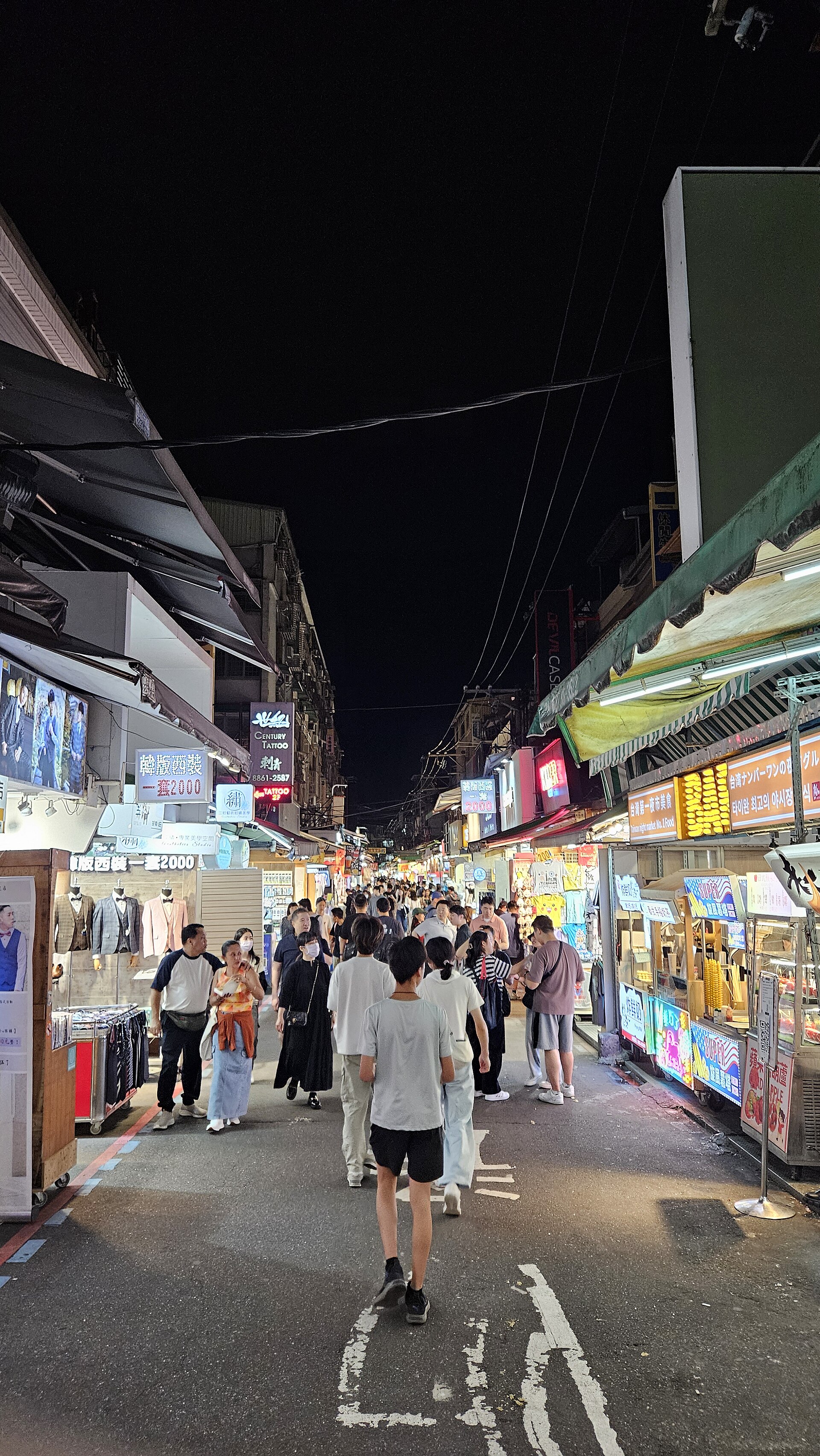
Shilin Night Market
No. 101, Jihe Road, Shilin District, Taipei
Shilin Night Market is the largest and most famous night market in Taipei — a sprawling labyrinth of food stalls, clothing vendors, game booths, and the general sensory chaos that makes Taiwanese night markets one of the greatest street food experiences on Earth. The market operates every evening from about 4pm to midnight, and the food — stinky tofu, oyster omelettes, pepper buns, bubble tea, grilled squid, fried chicken cutlets the size of your face — represents Taiwanese street food at its most abundant and affordable. The underground food court (Shilin Market Food Court) concentrates the most famous stalls in a basement hall where the density of cooking stations creates a heat and fragrance that is either intoxicating or overwhelming. The pepper bun (hújiāo bǐng, a dough pocket stuffed with seasoned pork and black pepper, baked in a tandoor-like clay oven) and the XXL fried chicken cutlet (jīpái, pounded thin, seasoned, and fried crispy) are the market's signature dishes. Taiwanese night markets are not tourist inventions — they're the evening social infrastructure of a culture that eats out more frequently than almost any other, and Shilin draws more locals than tourists despite its fame. The market is accessible by MRT (Jiantan station), and the walk from the station through the market's entrance streets, past the game stalls and clothing vendors to the food core, is a progression from commerce to cuisine that mirrors the market's own hierarchy of values: food first, everything else second.
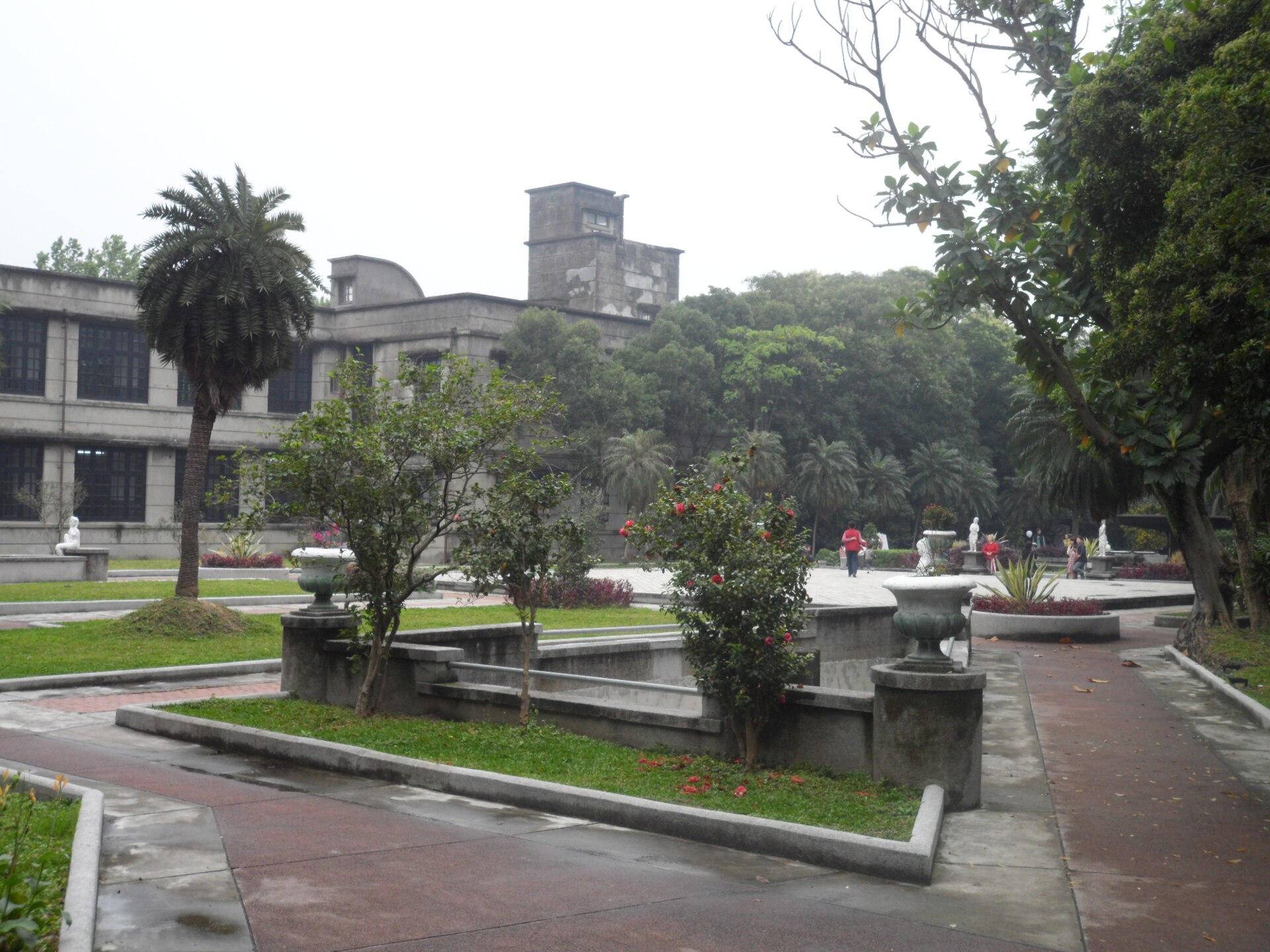
Songshan Cultural & Creative Park
No. 133 Guangfu S Rd, Xinren, Xinyi District, 110055, Taiwan
Songshan Cultural and Creative Park is a converted Japanese-era tobacco factory that has become Taipei's design and creativity hub — a campus of Art Deco industrial buildings from 1937 surrounding a central garden with a lotus pond and mature banyan trees. The complex houses the Taiwan Design Museum, rotating art and design exhibitions, a performance space, and the kind of creative retail (independent bookshops, design studios, craft coffee) that reflects Taipei's growing reputation as an Asian design capital. The factory buildings — low-slung, brick-and-concrete structures with large windows and the clean industrial lines of 1930s Japanese modernism — have been sensitively converted to retain their industrial character while accommodating contemporary uses. The central garden, shaded by enormous banyan trees whose aerial roots create curtains of vegetation, is one of the most peaceful outdoor spaces in the Xinyi District.
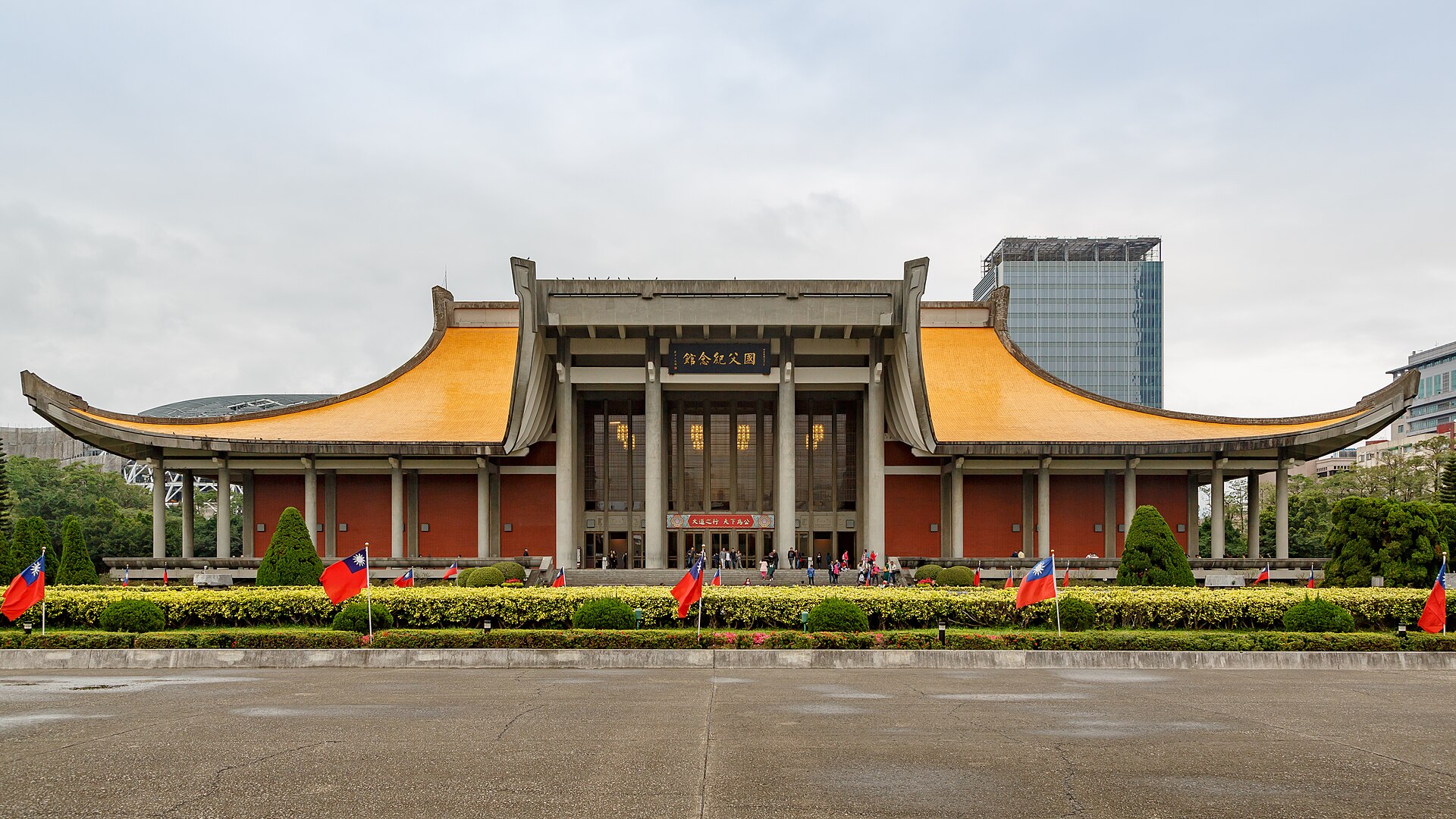
Sun Yat-sen Memorial Hall
No. 505, Section 4, Renai Road, Xinyi District, Taipei
The Sun Yat-sen Memorial Hall is a monument to the founder of the Republic of China — a massive Chinese palace-style building in the Xinyi District that houses a 5.8-metre bronze statue of Sun Yat-sen, exhibition galleries on the history of the ROC, and the changing of the guard ceremony that draws crowds every hour on the hour. The building, completed in 1972 and designed by Wang Da-hong (one of Taiwan's most important modernist architects), combines Chinese palace architecture (the swooping roof, the red columns, the ceremonial proportions) with modernist construction (reinforced concrete, large spans, the geometric simplicity that distinguishes the building from traditional Chinese palace buildings). The surrounding park — 11.5 hectares of lawns, flower gardens, and the Chinese-style garden on the building's north side — provides green space in the heart of the Xinyi District. The memorial's most popular feature for visitors is not the statue but the framing — the view from the memorial's front steps across the park to Taipei 101 rising behind is one of the city's classic photographic compositions. The hourly changing of the guard ceremony (similar to the one at CKS Memorial Hall but less crowded) provides the military precision that ROC ceremonial culture values, performed with the same white-gloved exactitude whether the audience is 500 tourists or five.
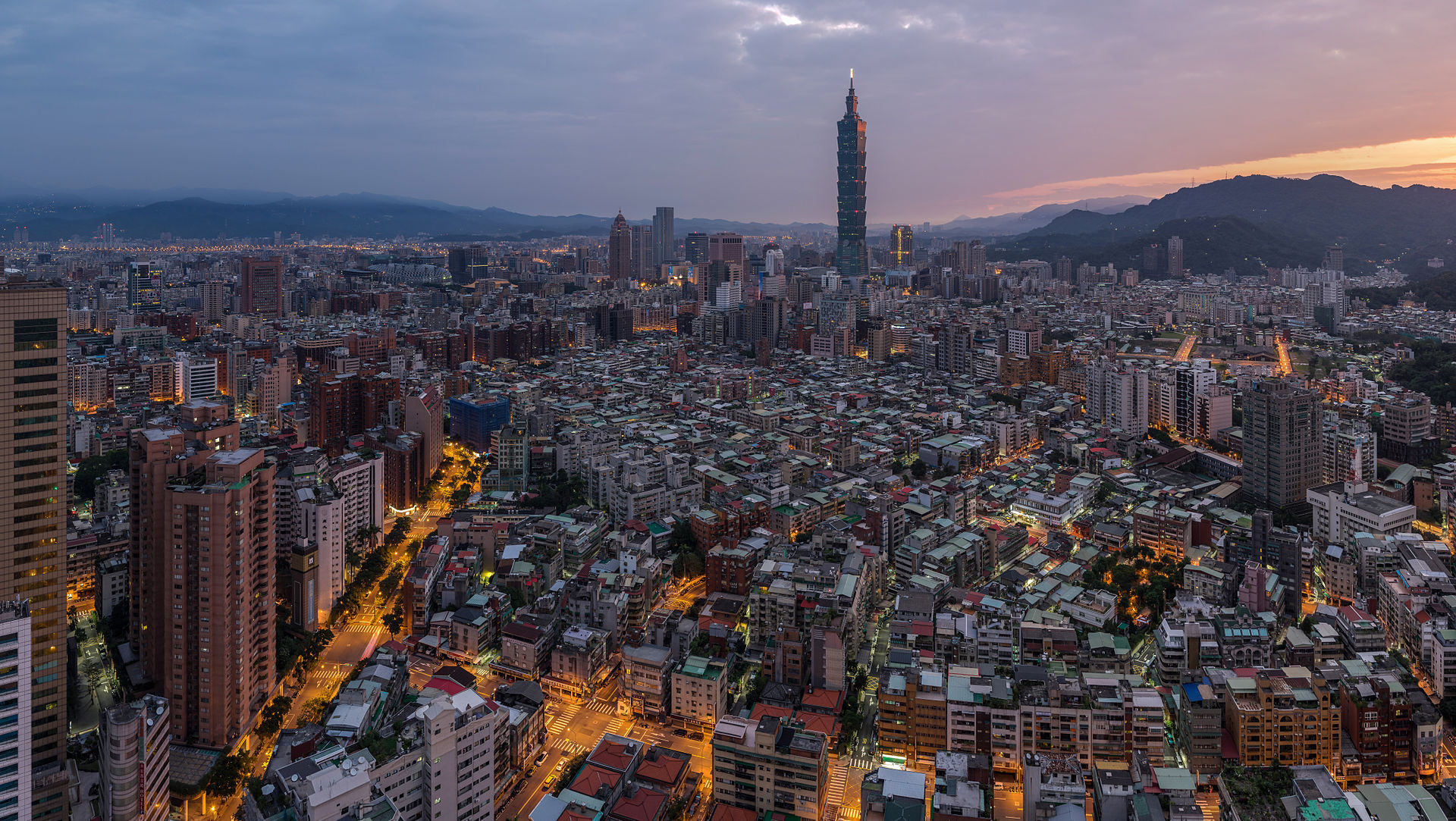
Taipei 101
No. 7, Section 5, Xinyi Road, Xinyi District, Taipei
Taipei 101 was the tallest building in the world from its completion in 2004 until the Burj Khalifa surpassed it in 2010 — a 508-metre tower of blue-green glass designed by C.Y. Lee & Partners in a form inspired by a stalk of bamboo, with eight sections (eight being the luckiest number in Chinese numerology) stacking upward in a pagoda-like silhouette that has become the symbol of Taipei. The observation deck on the 89th floor provides views across the Taipei basin to the surrounding mountains — on clear days, the volcanic peak of Yangmingshan is visible to the north and the forested ridges of the Central Mountain Range form the eastern horizon. The building's 730-tonne tuned mass damper (a giant steel pendulum suspended between the 87th and 92nd floors to counteract wind sway and earthquake movement) is visible to visitors and has become a tourist attraction in its own right — a gold sphere the size of a small building, swinging gently inside the tower. The annual New Year's Eve fireworks, launched from the tower's facade, are Taiwan's most watched spectacle — the building becomes a vertical firework display that lights up from base to tip and is visible from across the city. The Xinyi District surrounding the tower is Taipei's luxury shopping and entertainment zone, and the contrast between the gleaming tower and the traditional temple (Songshan Ciyou Temple) a few blocks away captures Taipei's characteristic blend of ultra-modern and deeply traditional.
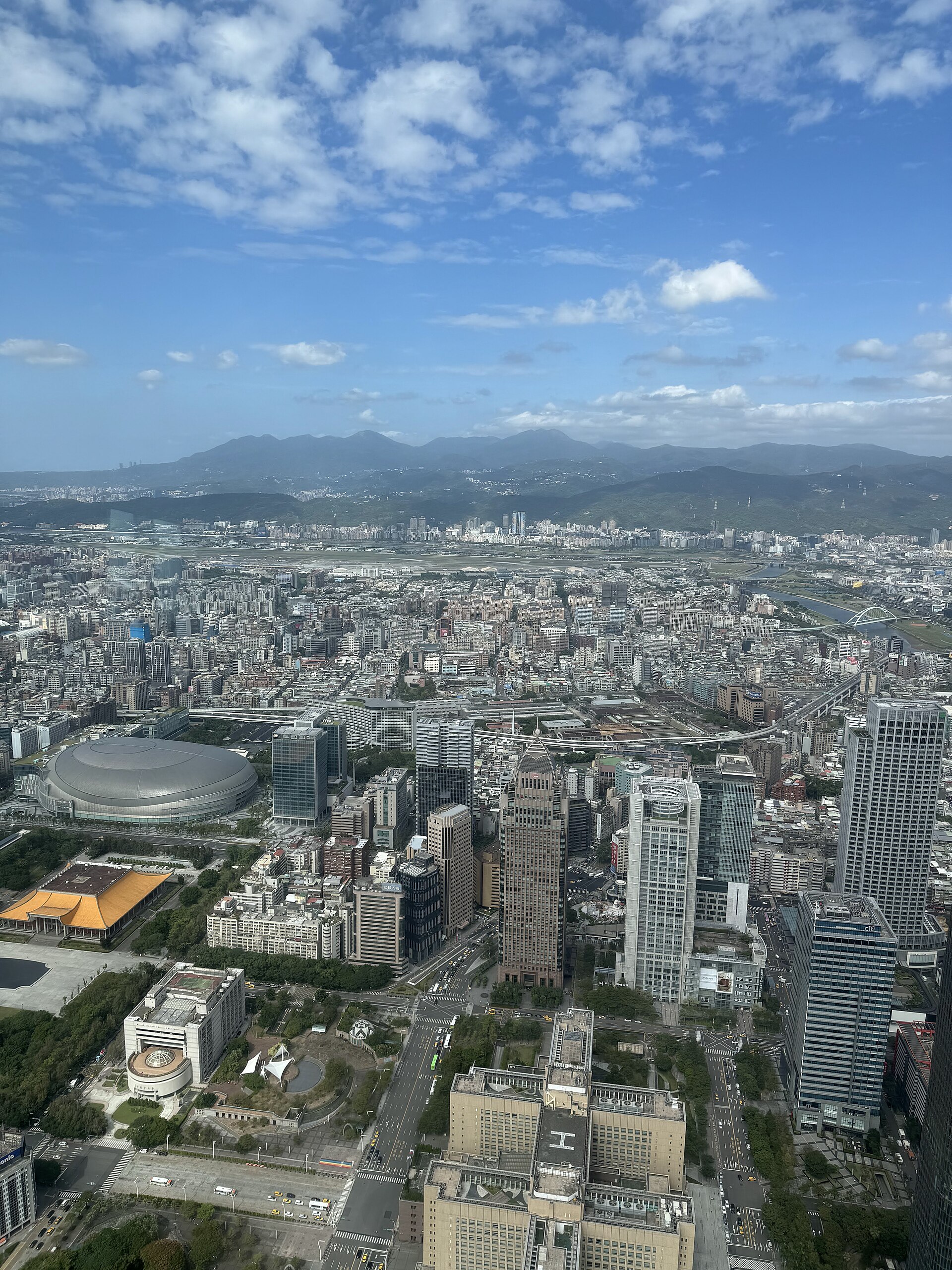
Taipei 101 Observatory & Xinyi District
Xinyi District, Taiwan
The Xinyi District is Taipei's commercial and entertainment centre — a planned development of shopping malls, department stores, and nightlife venues surrounding Taipei 101 that represents modern Taiwan's commercial ambition. The district contains the Taipei 101 Mall (luxury brands in the tower's base), Breeze Center, the ATT 4 Fun complex, and the weekend Xinyi district outdoor markets. The Xinyi nightlife scene — concentrated in the bars and clubs of the ATT 4 Fun building and the surrounding streets — is where Taipei's young professional class goes after work, and the rooftop bars with views of Taipei 101 (particularly INGE'S and Ce La Vi) provide the most glamorous drinking experience in the city. The contrast between the Xinyi District's glass-and-steel modernity and the traditional temples, night markets, and old streets a few MRT stops away captures the temporal range that makes Taipei one of Asia's most interesting cities to explore.
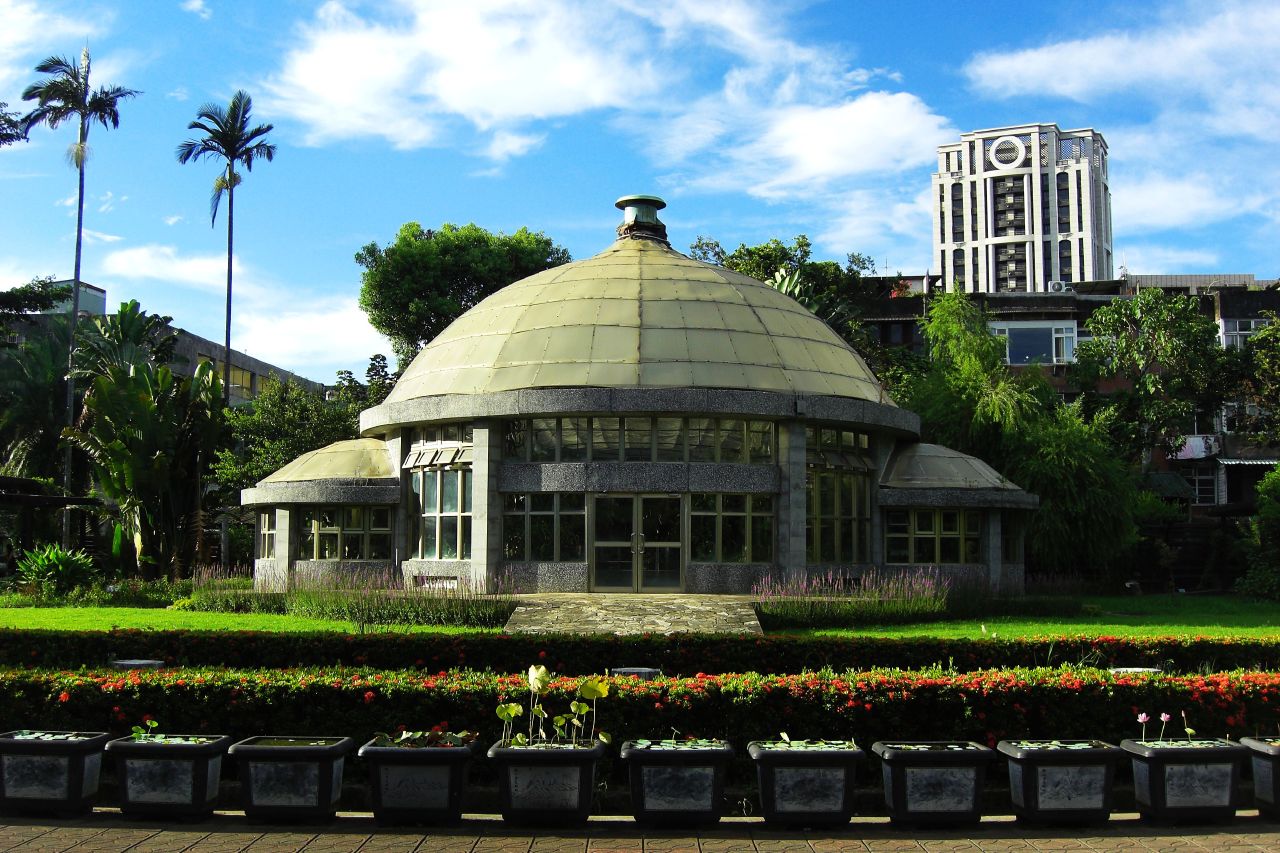
Taipei Botanical Garden
No. 53, Nanhai Road, Zhongzheng District, Taipei
The Taipei Botanical Garden is a 15-hectare green space in the Zhongzheng district that has been growing tropical and subtropical plants since the Japanese established it as a research garden in 1921. The lotus pond (at its most spectacular in June-August when the flowers bloom), the palm garden, and the fern collection provide a botanical escape from the city that is free, uncrowded, and peaceful in a way that Taipei's more famous parks rarely achieve. The garden contains the National Museum of History (a Chinese palace-style building) and is adjacent to the National Taiwan Arts Education Institute, creating a small cultural precinct that combines botany, art, and the kind of quiet that Taipei's commercial districts have engineered out of existence.
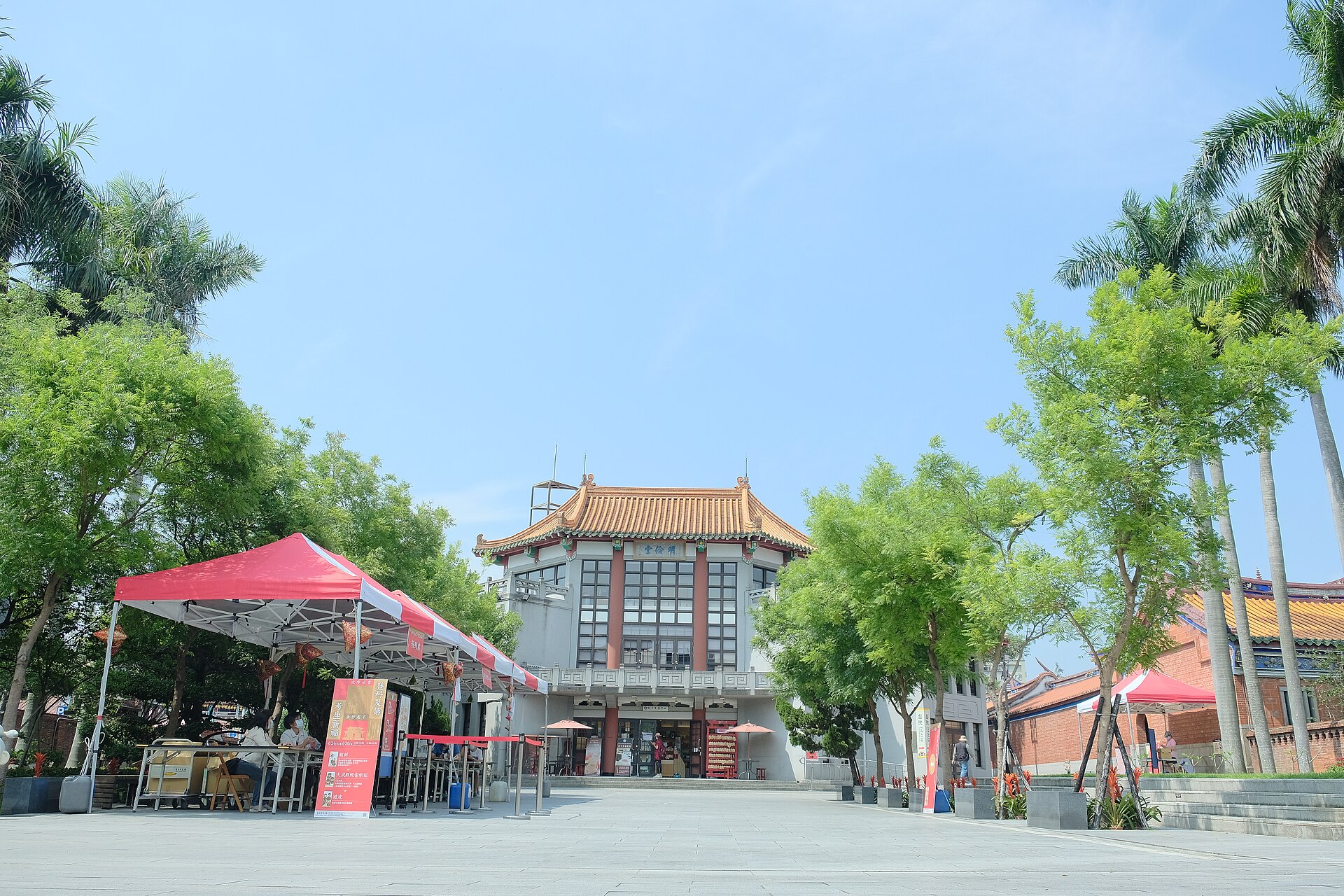
Taipei Confucius Temple
No. 275, Dalong Street, Datong District, Taipei
The Taipei Confucius Temple is a Southern Fujian-style temple completed in 1939 that honours Confucius with the traditional rites and architectural conventions that have been practised across the Chinese world for over 2,000 years. The temple is distinguished by its absence of images — unlike Buddhist and Taoist temples, Confucian temples contain no statues of deities, reflecting Confucius's emphasis on ethics and education over religious worship. The annual Teacher's Day ceremony (September 28, Confucius's birthday) features a full performance of the ancient Eight Row Dance (bāyì wǔ) that has been performed in Confucian temples since the Han Dynasty. The temple sits adjacent to the Dalongdong Baoan Temple (a Taoist temple from 1805 that won the UNESCO Asia-Pacific Heritage Award for its restoration), and the two together provide a paired experience of Confucian and Taoist architecture within 50 metres of each other.
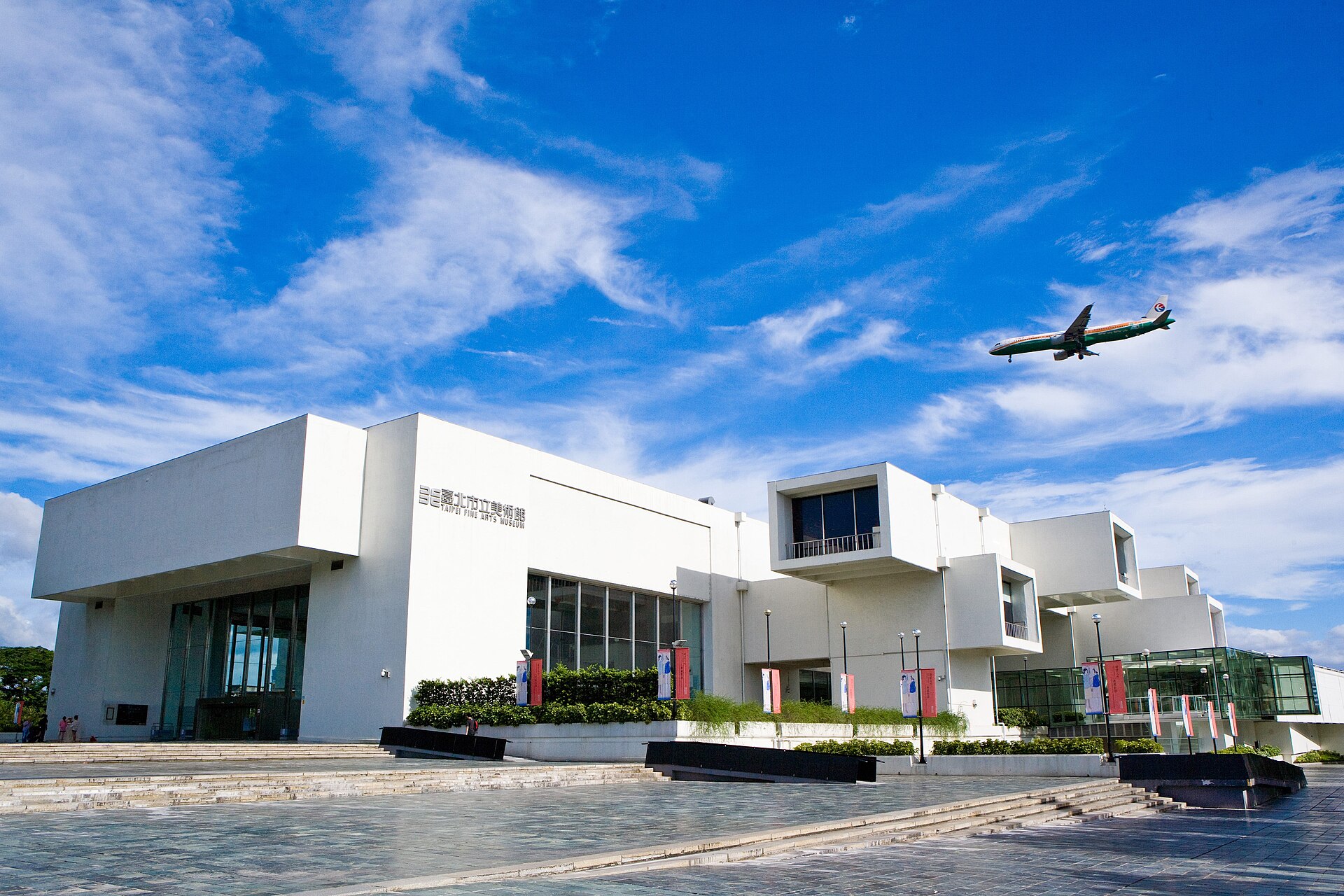
Taipei Fine Arts Museum (TFAM)
No. 181, Section 3, Zhongshan N Road, Zhongshan District, Taipei
TFAM is Taiwan's first and most important contemporary art museum — a white modernist building in Taipei's Expo Park that has been the centre of Taiwanese contemporary art since 1983. The museum represents Taiwan at the Venice Biennale and hosts the Taipei Biennial (one of the most important contemporary art events in Asia), and the collection traces Taiwanese art from the Japanese colonial period through martial law to the explosion of creative freedom that followed democratisation. The building itself — a grid of white concrete and glass designed by Kao Er-Pan — is a strong example of late modernist museum architecture, and the open floor plans provide flexible gallery spaces for the large-scale installations that dominate the exhibition programme. The surrounding Expo Park (the former site of the 2010 Taipei International Flora Exposition) adds green space and outdoor sculpture.
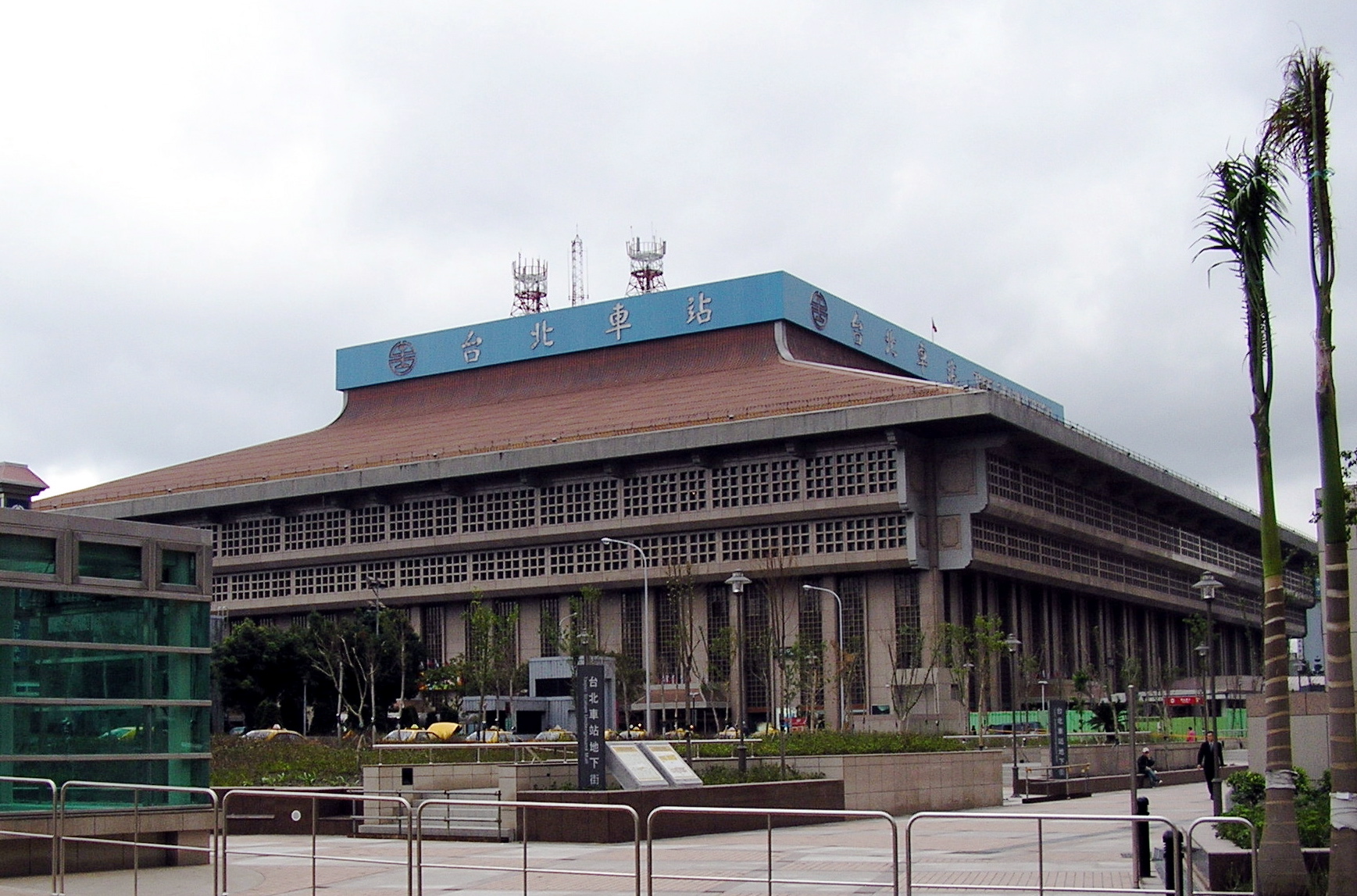
Taipei Main Station & Underground Mall
Zhongzheng District, Taiwan
Taipei Main Station is the transit hub of Taiwan — a massive station building connecting MRT, Taiwan Railways, and the High Speed Rail, with an underground city of shopping malls, food courts, and pedestrian corridors extending in every direction beneath the streets of the Zhongzheng district. The station's underground floors — the Taipei City Mall, Q Square, and the connected underground passages — create a subterranean commercial world that rivals Montreal's underground city. The station's main hall is a cavernous marble space used by workers and students as an informal sitting area (people sit directly on the floor, a distinctly Taiwanese practice that has been the subject of cultural debate), and the surrounding food options range from the basement food courts to the Japanese-influenced department store restaurants above.
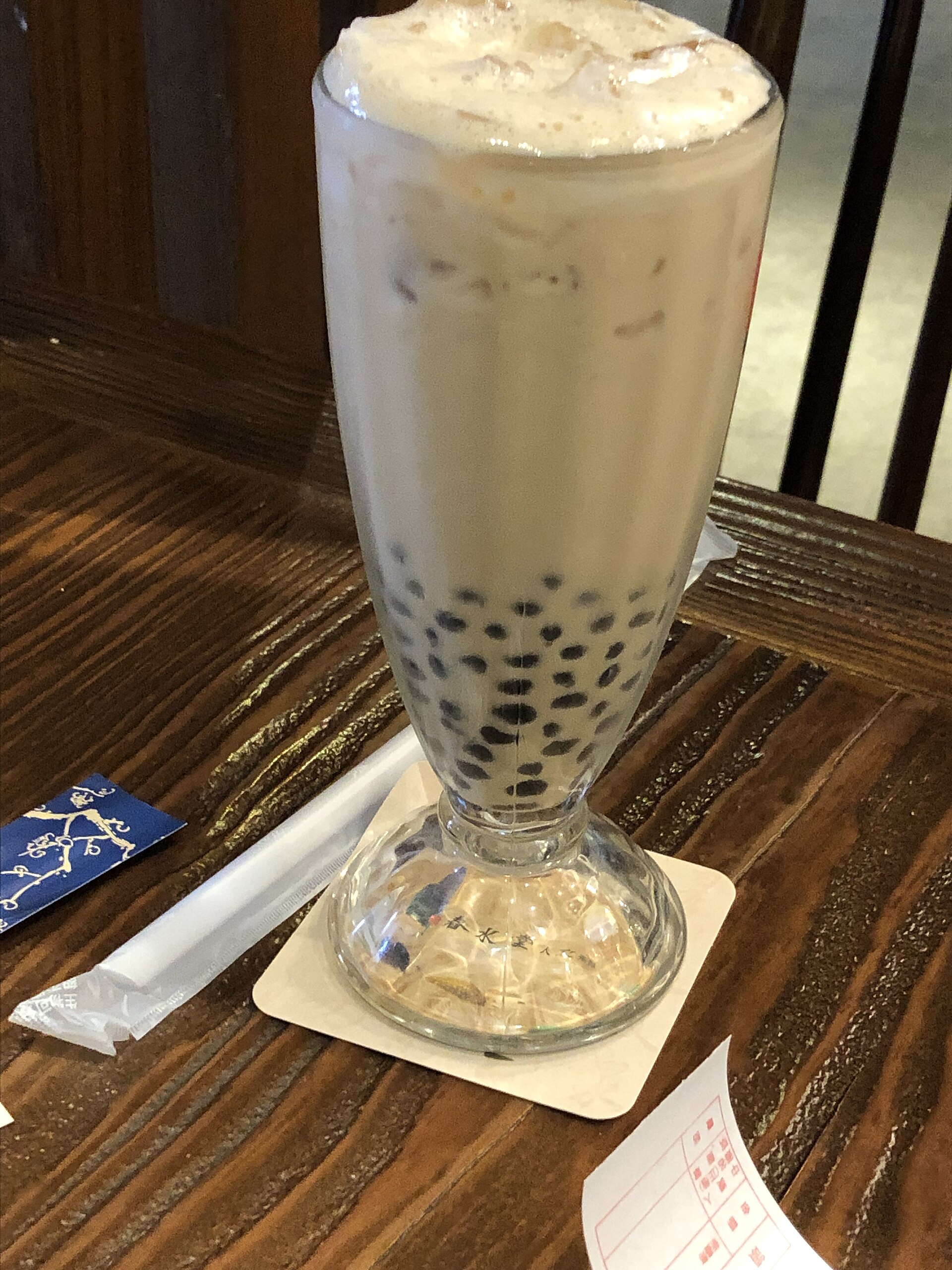
Taipei's Bubble Tea Culture
Taiwan
Bubble tea (zhēnzhū nǎichá, pearl milk tea) was invented in Taiwan in the 1980s — a drink of tea, milk, and chewy tapioca balls (boba) that has become one of the most successful Taiwanese cultural exports and is now available in virtually every city in the world. Taipei is where the drink reaches its fullest expression, with shops on every block serving variations that range from the original pearl milk tea to fruit teas, cheese teas, brown sugar boba, and the seasonal innovations that Taiwan's competitive tea industry produces continuously. Chun Shui Tang in Taichung claims to have invented bubble tea in 1983, while Hanlin Tea Room in Tainan claims the same credit. The dispute has never been resolved, but Taipei is where the drink became a global phenomenon — the concentration of tea shops in the city (literally thousands, with chains like 50 Lan, CoCo, Tiger Sugar, and Xing Fu Tang on nearly every corner) creates a landscape where selecting a bubble tea shop is a daily decision that Taiwanese people take with surprising seriousness. The ordering process at a Taiwanese tea shop is customizable to a degree that Starbucks has never achieved — you choose your tea base, your sweetness level (from zero to full), your ice level (no ice, less ice, regular, extra), your toppings (tapioca pearls, aloe vera, grass jelly, pudding, coconut jelly), and the result is a personalised drink that reflects individual taste with the precision of a bespoke suit. The drink costs between NT$30-80 ($1-2.50), making it one of the most affordable luxuries in a city that treats affordable luxury as a fundamental right.
Tamsui (Danshui) Old Street & Fort San Domingo
Zhongzheng Rd, Qingwen Village, Tamsui District, 251018, Taiwan
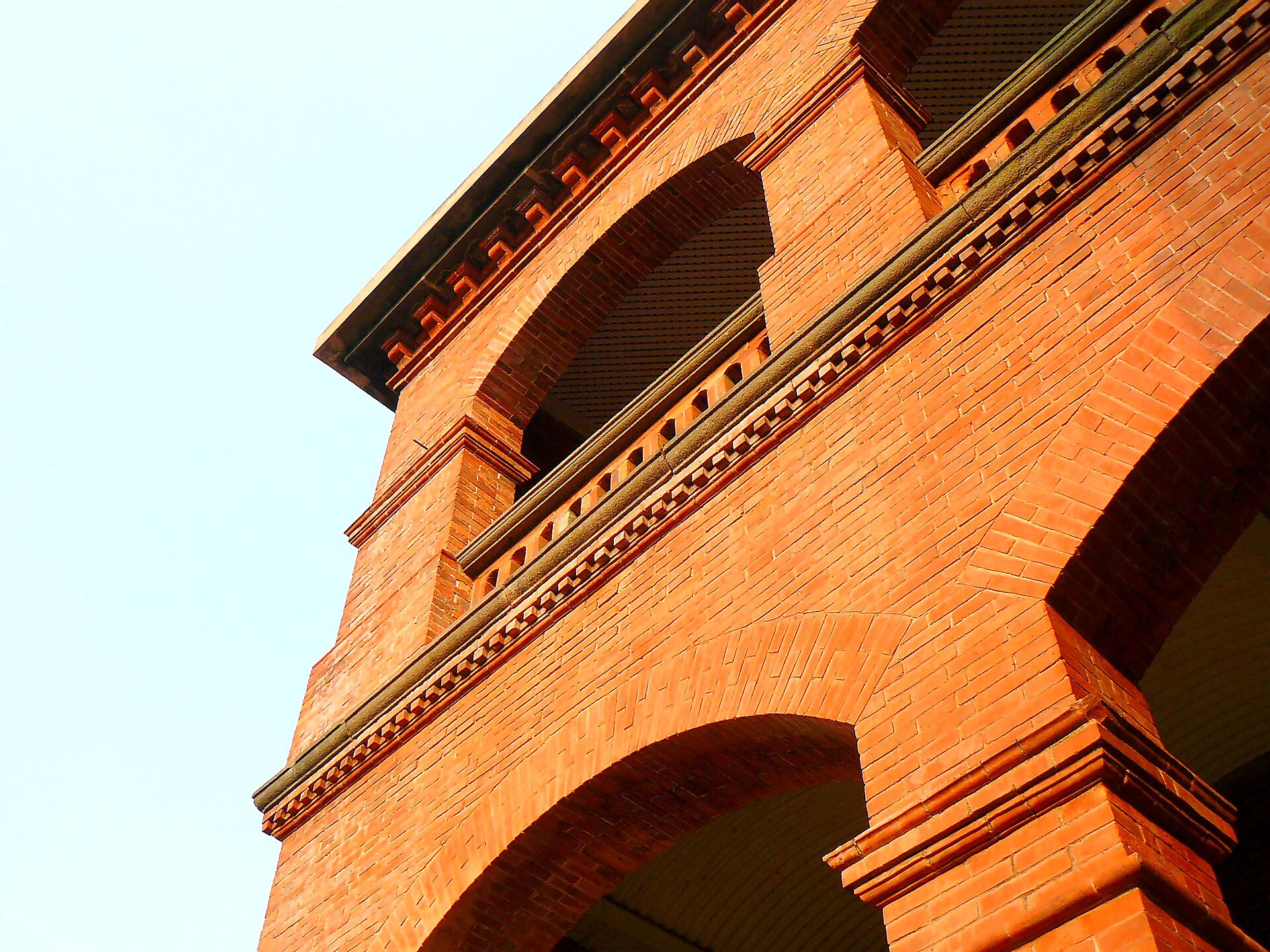
Tamsui is the riverside town at the end of the MRT Red Line — a 40-minute ride from central Taipei that takes you to a former port town where Fort San Domingo (a 17th-century Spanish and later Dutch fort), a Japanese-era customs house, and the waterfront old street (lined with stalls selling iron eggs, fish crackers, and ā-gěi — a fried tofu pouch stuffed with glass noodles) provide a half-day excursion that covers 400 years of Taiwanese history. Fort San Domingo, built by the Spanish in 1628 and occupied by the Dutch, Chinese, British, Japanese, and Americans at various points, is the most historically layered colonial building in Taiwan. The adjacent British Consul's Residence (a red-brick Victorian building) and the Tamsui Oxford College (the first Western-style college in Taiwan, founded by Canadian missionary George Leslie Mackay in 1882) complete a heritage cluster that documents Taiwan's colonial encounters. The Tamsui waterfront at sunset — looking across the river to the mountains of Guanyinshan with the sky turning orange — is one of the most popular evening destinations for Taipei residents, and the walk along the riverfront promenade, eating street food and watching the fishermen and the ferries, provides the most relaxed end-of-day experience accessible from the city.
Treasure Hill Artist Village
No. 2 Tingzhou Rd Sec 3, Linxing, Zhongzheng District, 100050, Taiwan
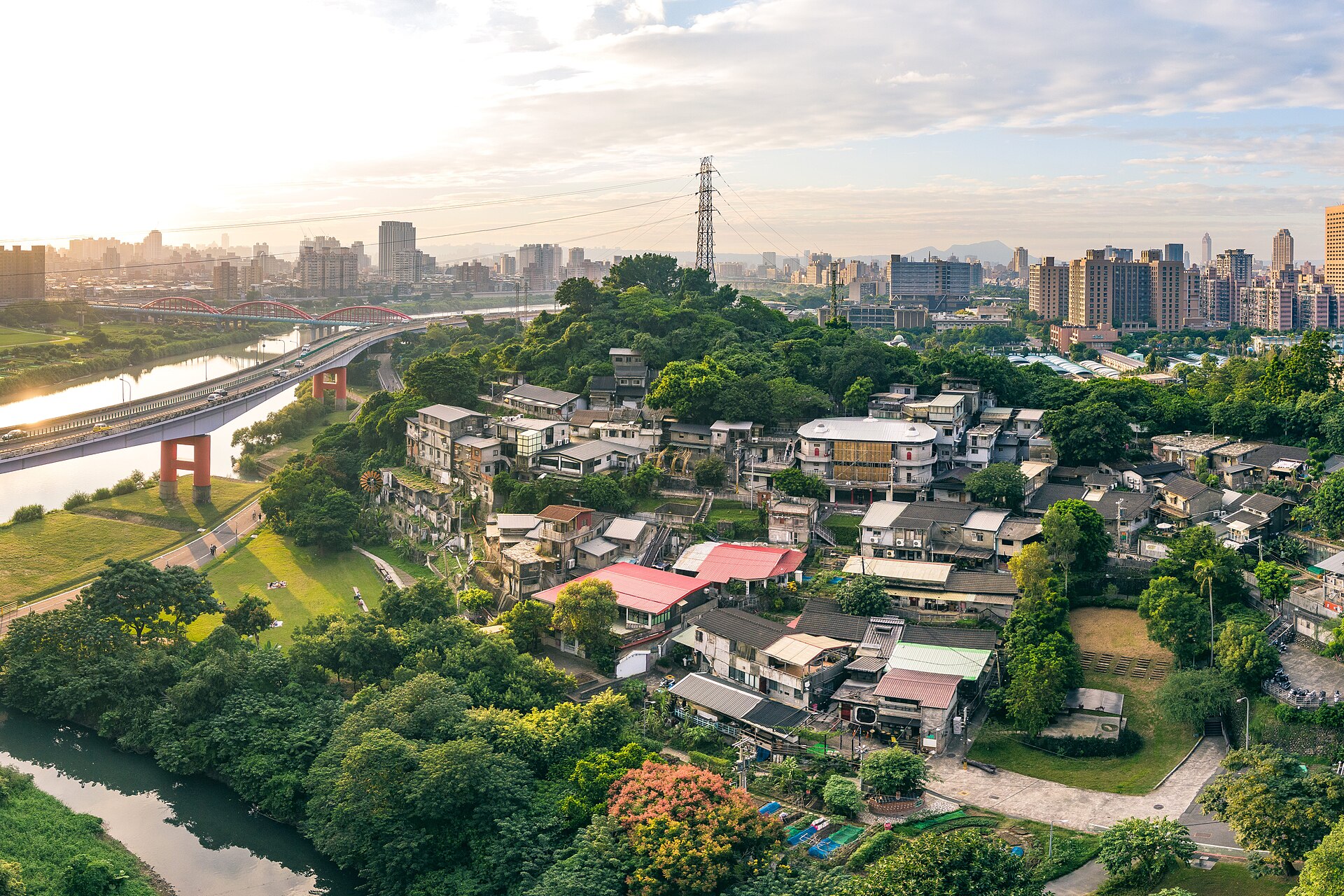
Treasure Hill is one of Taipei's most unusual cultural spaces — a hillside of self-built houses along the Xindian River that was an illegal settlement from the 1940s (occupied by military veterans and their families who had followed the KMT from mainland China) and has been converted into an artist village where residents and visiting artists live alongside the remaining original inhabitants. The village's architecture — narrow paths climbing the hillside between houses that were built incrementally over decades, with additions, staircases, and rooftop gardens added as families grew — creates a labyrinthine landscape unlike anything else in Taipei's grid of wide boulevards and apartment blocks. The art installations (often site-specific works that respond to the village's architecture and history) are scattered through the houses and pathways, and the experience of discovering art in someone's former kitchen or on a retired veteran's rooftop is what makes Treasure Hill unique.
Wistaria Tea House
No. 1 Xinsheng S Rd Sec 3 Ln 16, Longpo, Daan District, 106021, Taiwan
The Wistaria Tea House is the most historically significant tea house in Taipei — a Japanese-era wooden house that served as a secret meeting place for democracy activists and intellectuals during the martial law era (1949-1987) and has been a designated heritage site since 1997. The house, draped in the ancient wistaria vine that gives it its name, serves Taiwanese and Chinese teas in an atmosphere of quiet intellectualism that connects contemporary visitors to the democracy movement that shaped modern Taiwan. The tea house was frequented by writers, academics, and political dissidents during the White Terror period, when expressing opposition to the KMT government could result in imprisonment or execution. The house's role as a meeting place for the tangwai (literally 'outside the party') democracy movement makes it a pilgrimage site for Taiwanese people who value the freedoms that were fought for within these walls.
Ximending
Xinqi, Wanhua District, Taiwan
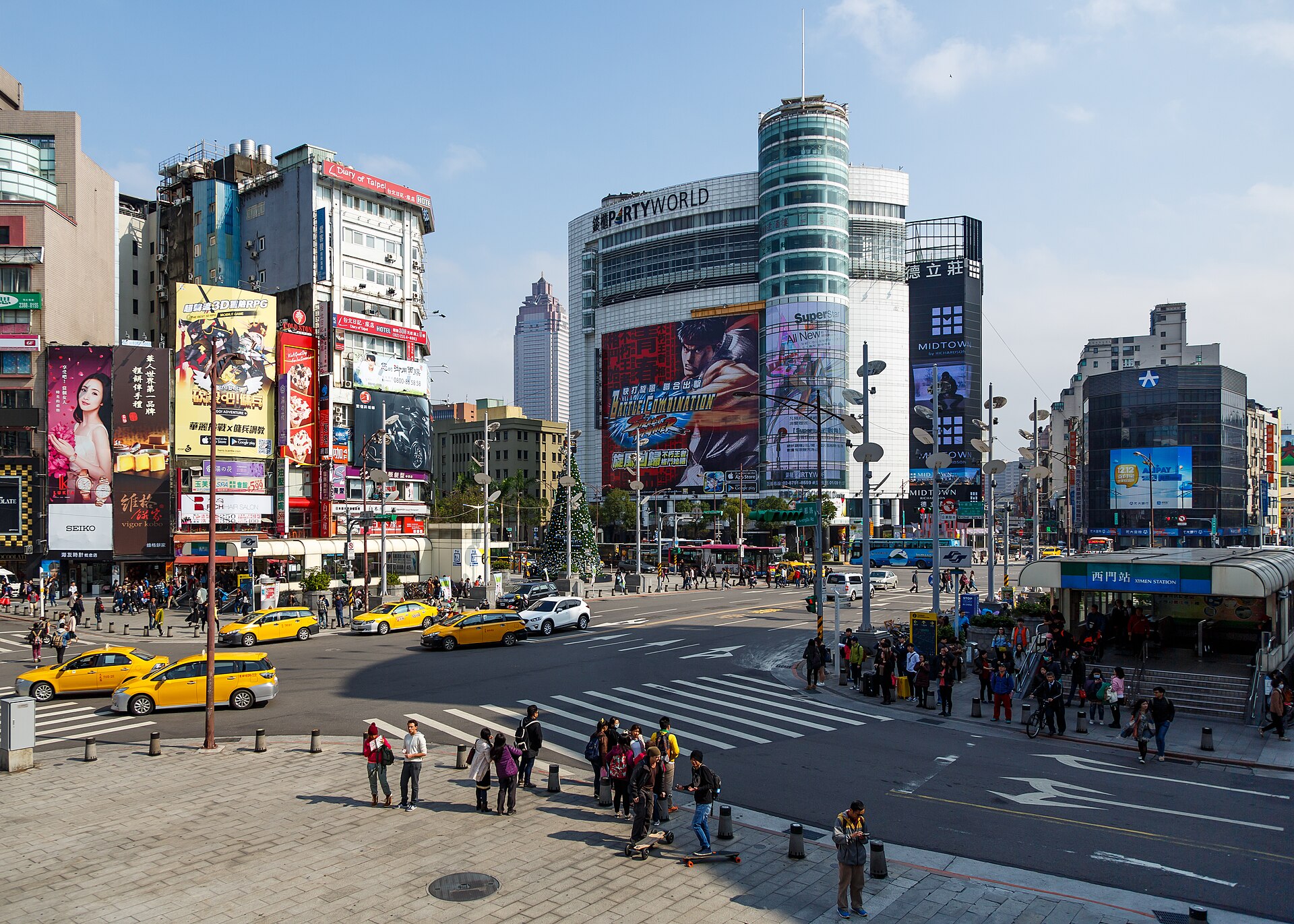
Ximending is Taipei's youth culture district — a pedestrianised shopping and entertainment zone in the Wanhua district that has been the city's centre of fashion, street culture, and nightlife since the Japanese colonial era, when the area was developed as Taipei's first entertainment district with theatres, cinemas, and department stores. The neighbourhood's character is a mix of Tokyo's Harajuku and New York's Times Square — neon signs, street performers, cosplay enthusiasts, bubble tea shops, tattoo parlours, and the kind of youth-oriented commerce that changes faster than any guidebook can track. The Red House (originally a Japanese-era market building from 1908) has been converted into a creative hub and LGBTQ+ friendly bar and market district, and the surrounding streets host an evolving ecosystem of vintage clothing shops, record stores, and the independent retailers that keep Ximending culturally alive. The movie theatres on Wuchang Street are the historical anchor — Ximending was Taipei's cinema district from the 1930s through the 1980s, and several classic theatres survive alongside modern multiplexes. The street food in Ximending tends toward the international and trendy (Korean fried chicken, Japanese ramen, Thai milk tea) rather than the traditional Taiwanese night market fare, which reflects the district's role as the place where Taipei experiments with new food trends before they spread citywide.
Yangmingshan National Park
No. 1-20 Zhuzihu Rd, Hutian, Beitou District, 112092, Taiwan
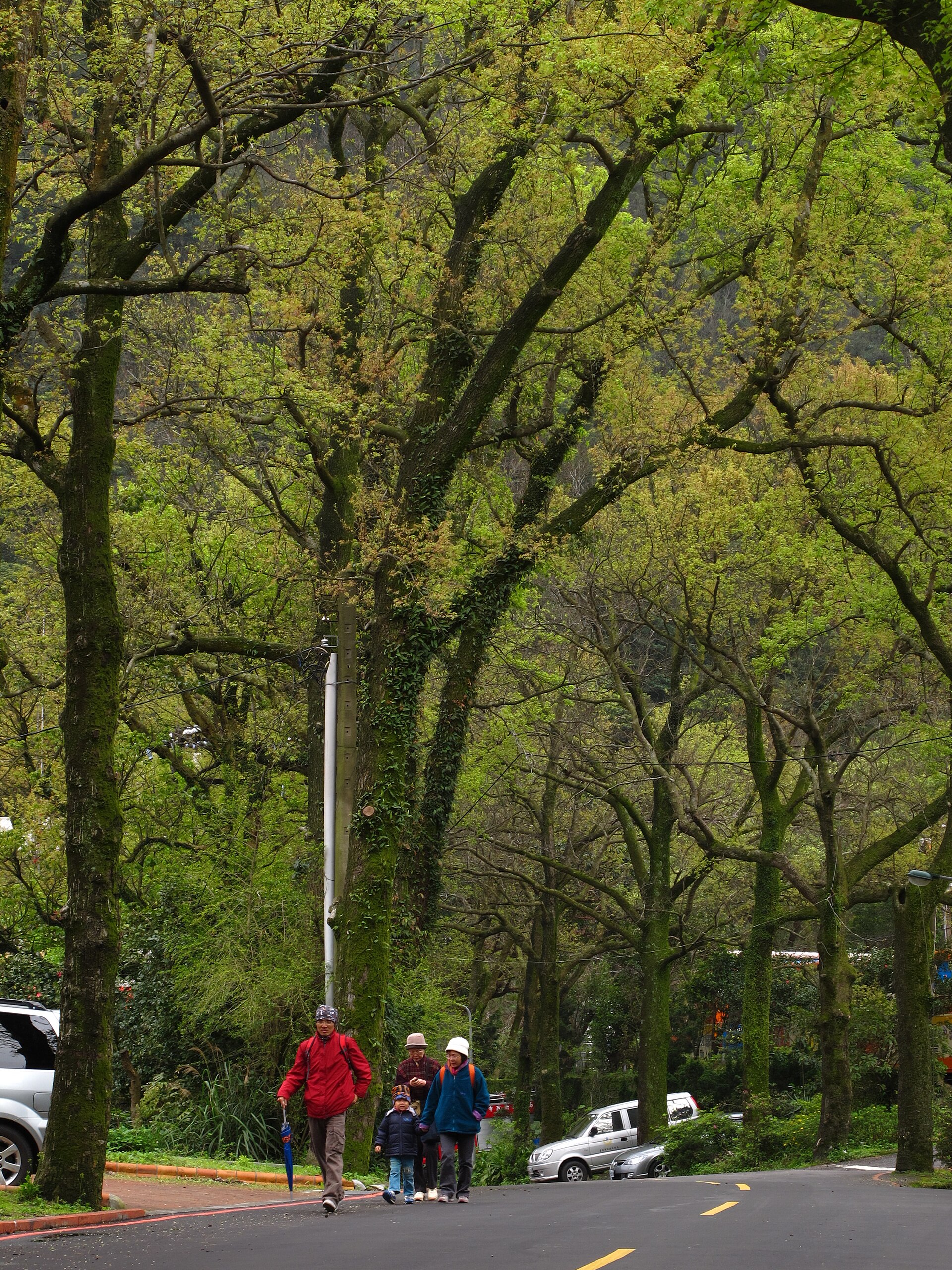
Yangmingshan is Taipei's backyard volcano — a national park of dormant volcanic peaks, hot springs, sulphur fumaroles, and subtropical forest on the mountains north of the city that provides the most dramatic natural landscape accessible from any Asian capital. The park's highest point, Qixing Mountain (Seven Star Mountain, 1,120m), offers views across Taipei to the south and to the Pacific coast and the Keelung volcanic archipelago to the north. The volcanic landscape is the park's most distinctive feature — Xiaoyoukeng (a fumarole area where sulphurous gases vent from the mountainside in hissing, yellow-stained vents) provides the most visceral encounter with the volcanic activity that created the mountains. The Lengshuikeng hot spring area offers free public hot spring pools fed by the volcanic heat, and the hiking trails between the volcanic features pass through forests of cherry trees that bloom spectacularly in February-March. The park is accessible by bus from MRT Jiantan or Shipai stations (about 40 minutes), and the network of trails ranges from gentle walks through the flower gardens (the park is famous for its flower festivals — calla lilies in March, cherry blossoms in February, hydrangeas in May) to challenging ridge walks across the volcanic peaks. The combination of volcanic geology, subtropical ecology, and the proximity to a city of 2.6 million people makes Yangmingshan one of the most remarkable urban national parks in the world.
Yongkang Street Food District
Yongkang Street, Da'an District, Taipei
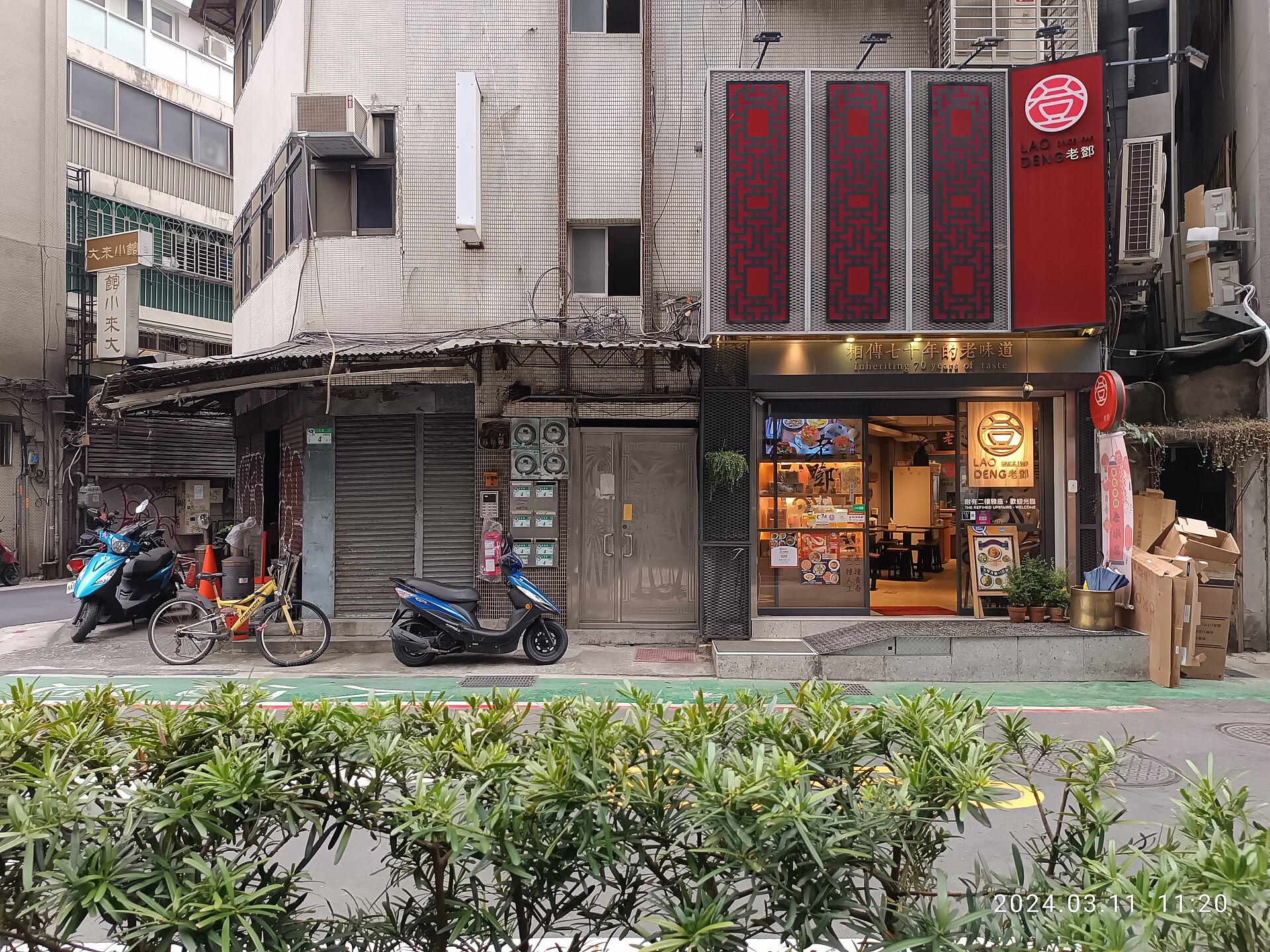
Yongkang Street is Taipei's most famous food street — a tree-lined lane in the Da'an district where Din Tai Fung (the xiao long bao dumpling restaurant that started here in 1972 and has since expanded to a global chain with Michelin stars) sits alongside independent noodle shops, mango shaved ice parlours, and the kind of small, family-run restaurants that make Taipei one of the great eating cities. Smoothie House (Sì Bǐng Mùguā Niú Nǎi) serves the mango shaved ice that has become Yongkang Street's second most famous dish (after Din Tai Fung's dumplings), and the surrounding lanes contain beef noodle soup shops (niúròu miàn, Taipei's signature dish), scallion pancake stalls, and the Taiwanese comfort food that international food media has been discovering over the past decade. The street is walkable, compact, and eating your way from one end to the other is the best concentrated food experience in Taipei.