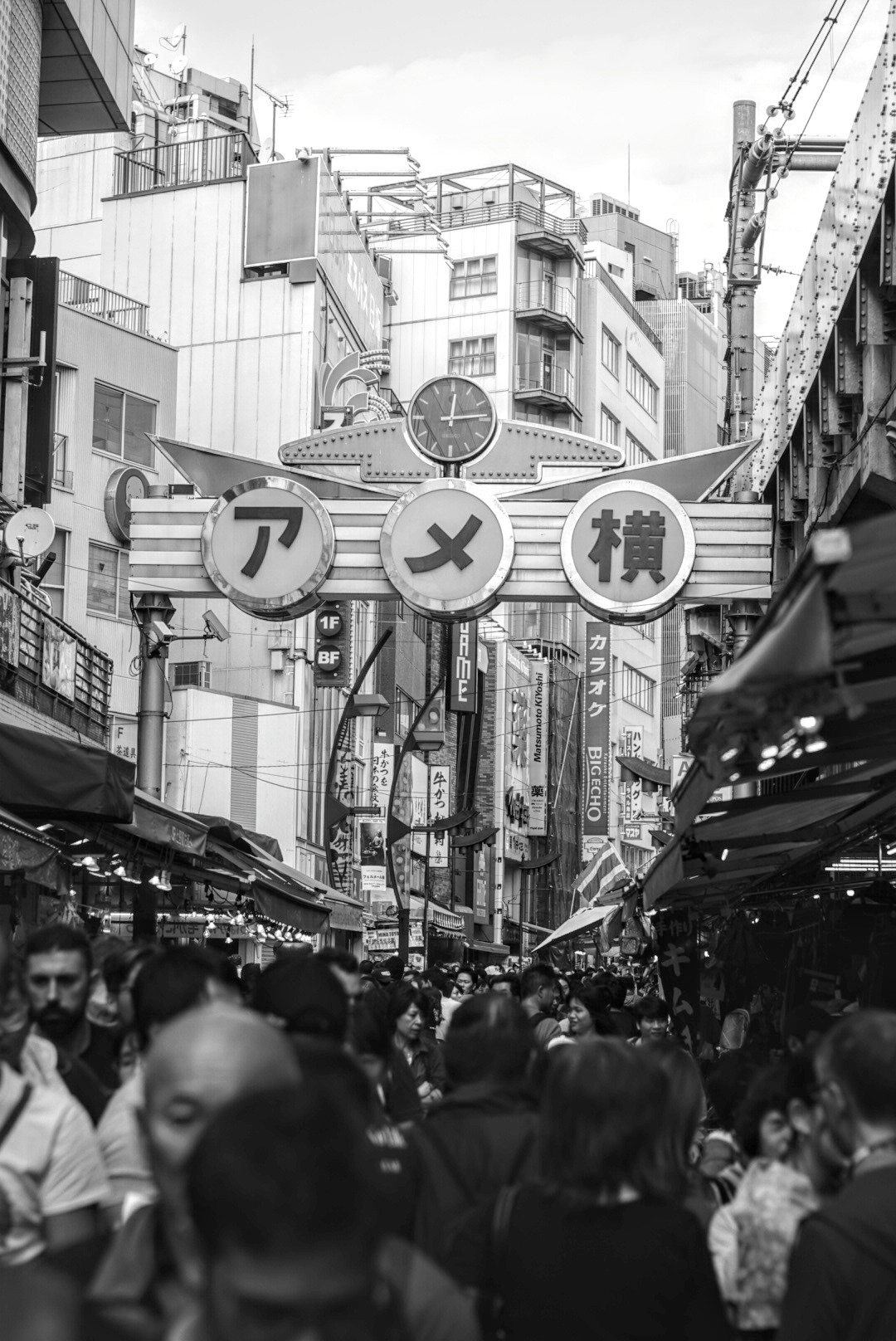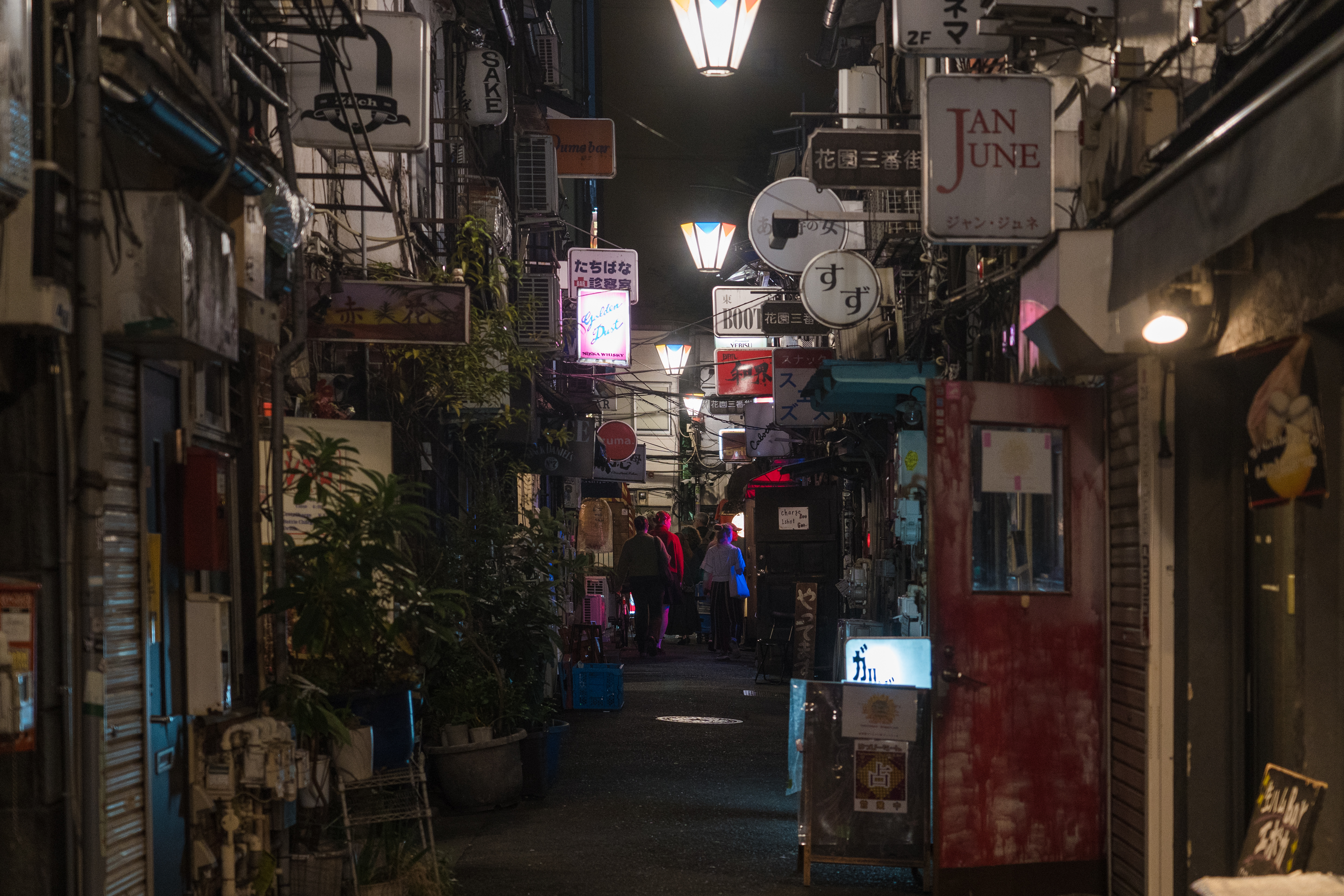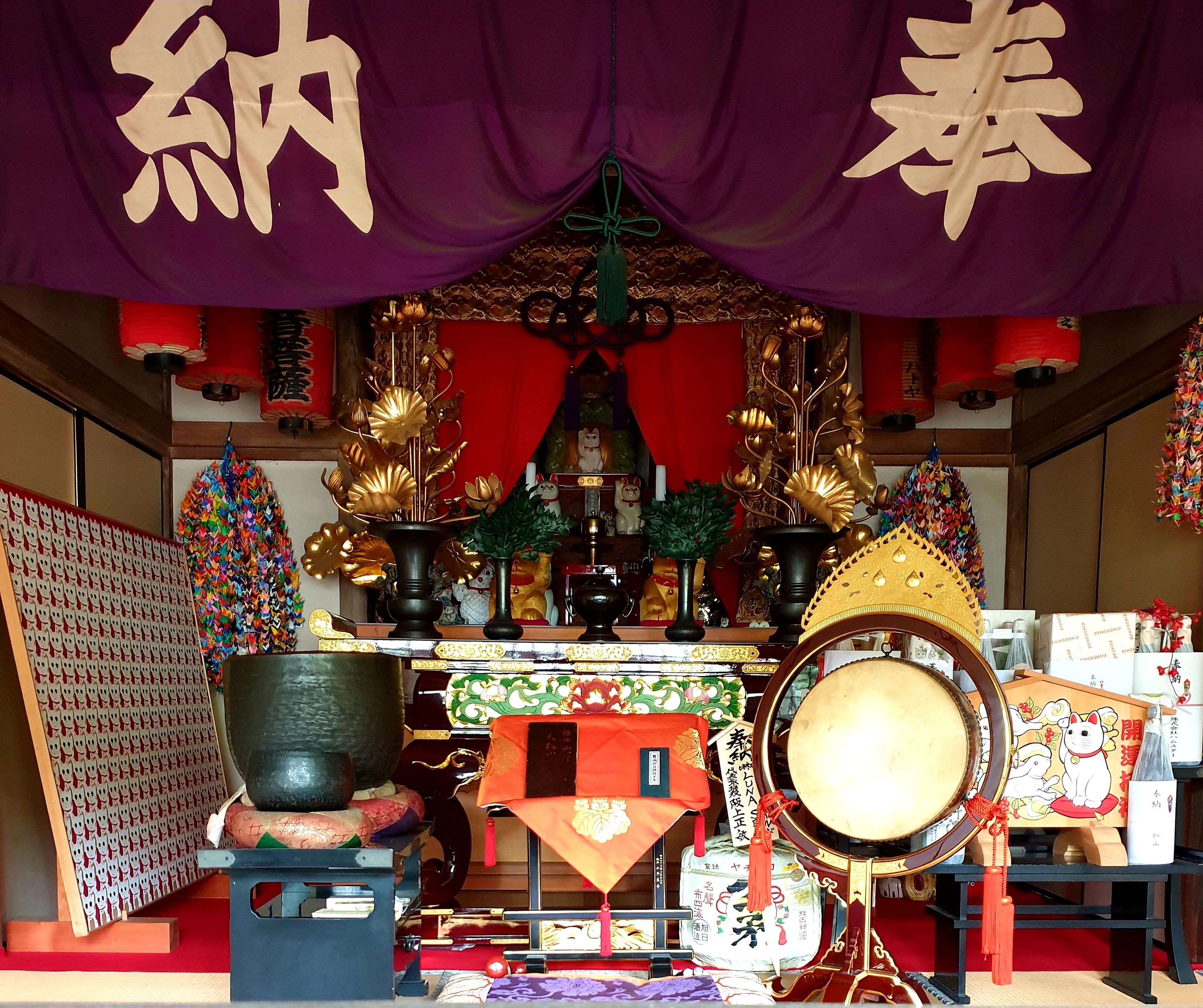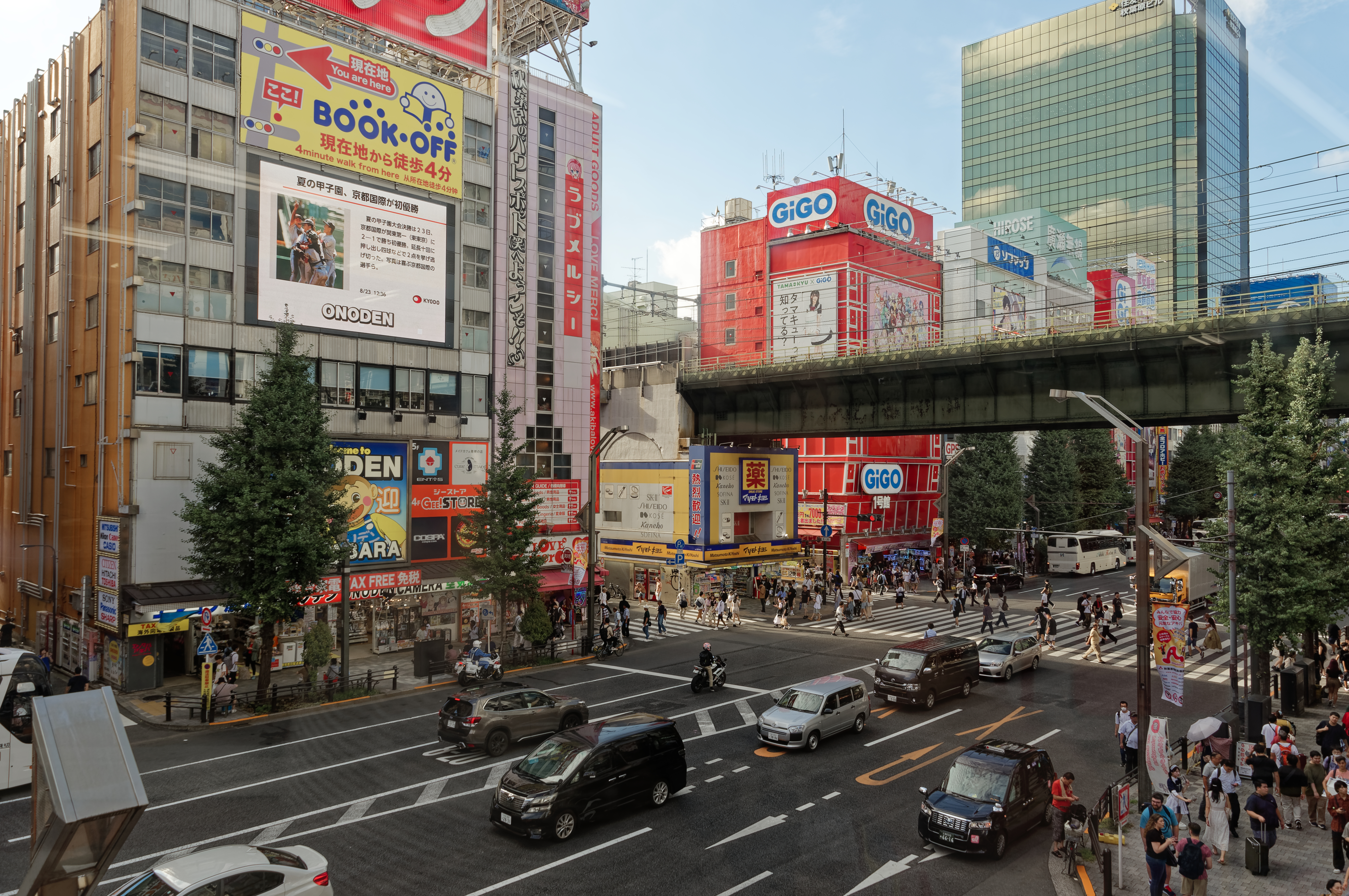
The world capital of anime and manga is named after a fire god. In eighteen sixty-nine, after a devastating fire tore through this neighbourhood, authorities built a shrine to a fire-suppression deity. Locals started calling the area around the shrine Akibagahara, which eventually got shortened and mangled into Akihabara. The shrine itself was relocated in eighteen eighty-eight, but the name stuck.
After the Second World War, students from a nearby technical college started selling radio parts and vacuum tubes from makeshift stalls under the railway tracks. That black market for electronic components was the seed of everything you see around you. Through the nineteen fifties and sixties, Akihabara became Japan's go-to district for household electronics. And here is a detail that will recalibrate your image of this place — for decades, Akihabara was literally the washing machine district. Not anime figurines. Not maid cafes. Washing machines, refrigerators, and rice cookers.
The shift to otaku culture only happened in the late nineteen nineties. The computer enthusiasts who came here for hardware also happened to be manga and anime fans. Shops noticed what their customers were browsing and started stocking related merchandise. By the early two thousands, the electronics stores were being crowded out by anime shops, gaming arcades, and maid cafes. The transformation was not planned — it was a market responding to its customers.
Today the district has over seven hundred shops and is the beating heart of Japan's otaku economy. But if you look carefully between the anime storefronts, you can still find tiny stalls selling individual resistors and capacitors, run by elderly vendors who remember when this was all radio parts and washing machines.
Verified Facts
Named after a fire-suppression deity shrine built after an 1869 fire
Postwar black market for radio parts started by technical college students
Was Japan's washing machine/appliance district in the 1960s-70s
Shift to otaku culture happened in the late 1990s
Shrine relocated in 1888 but name stuck
Get walking directions
Sotokanda, Sotokanda, Chiyoda, Japan