Book of Kells
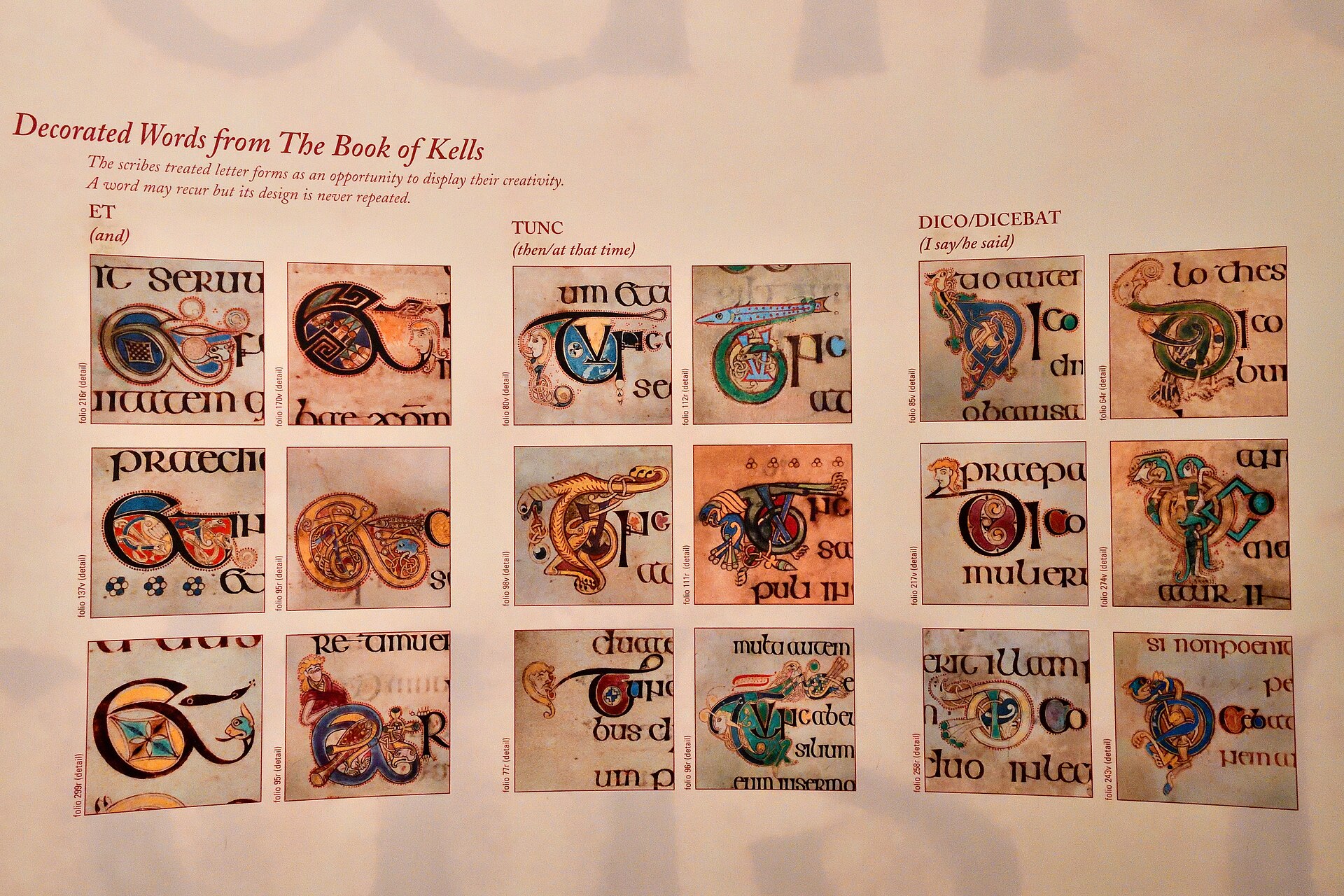
It’s genuinely hard to imagine a story that could generate so much sheer, terrifying effort. The Book of Kells, an 800-year-old manuscript, was created by monks who almost certainly got murdered over it. Its origins trace back to around 800 AD, likely starting on the Scottish island of Iona. The whole thing took a dramatic turn in 806 when a Viking raid killed 68 monks, forcing the survivors to flee to Kells in County Meath.
They managed to complete one of the most lavishly decorated books in human history while on the run. When it was stolen in 1007, it was found months later buried under sod, stripped of its jeweled cover. This isn't just a book you look at in a museum; it’s a physical artifact of survival, a piece of history that literally refused to stay buried.
You won't see the whole thing at once—only two of its 680 pages are displayed at any one time, and they rotate every twelve weeks. Go check out the display at College Green, Mansion House A, and try to picture the 68 monks who wrote this thing before they were wiped out.
Christ Church Cathedral
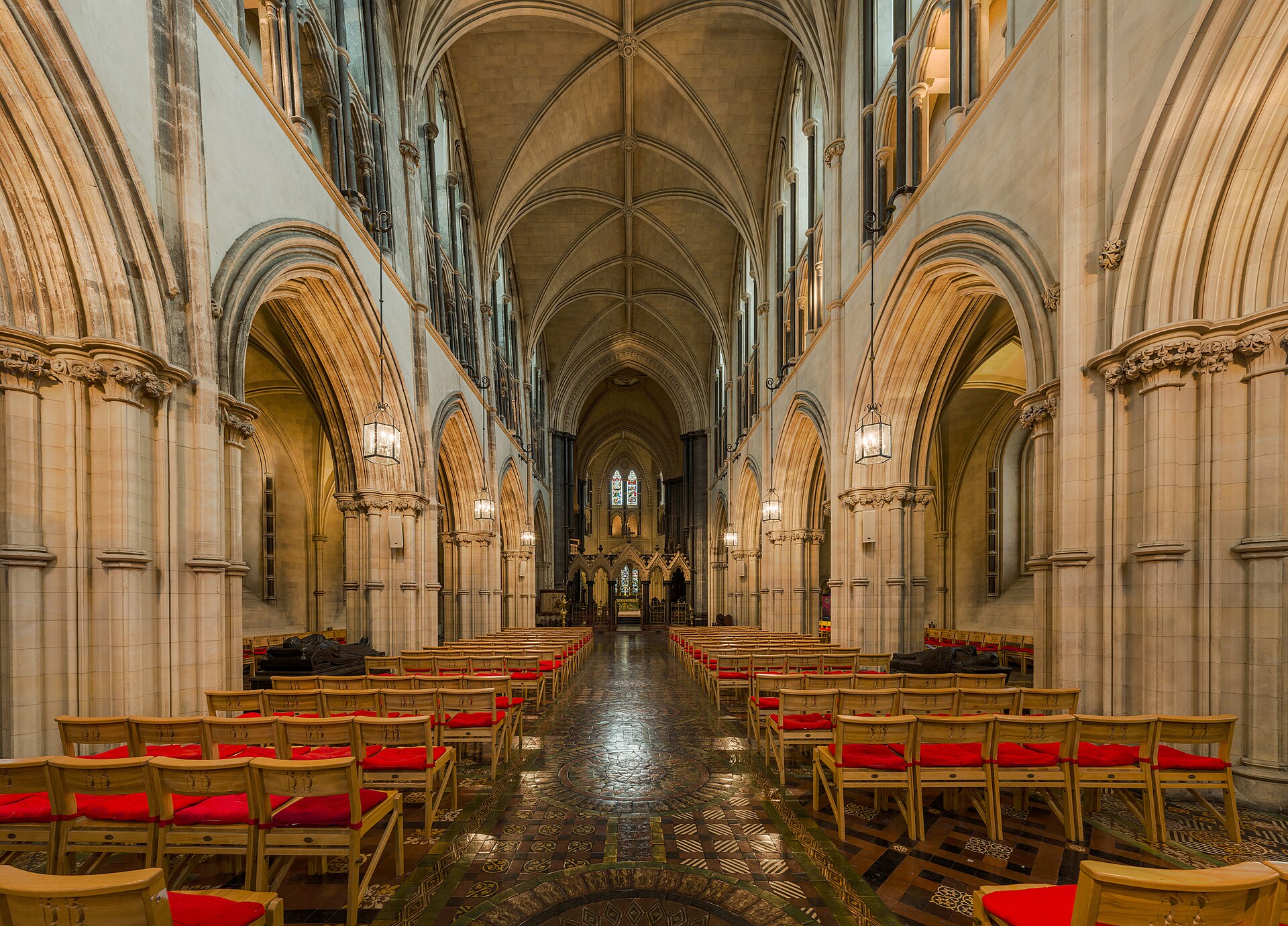
If you want to understand how Dublin has always argued about religion, you start here. The massive stone cathedral you see today is built on a foundation of arguments that date back over a millennium. The original wooden church was founded here in 1030 by Sitriuc Silkenbeard, the Norse King of Dublin.
The history is so layered it’s exhausting. After the Norman invasion, the structure was rebuilt, and the crypt itself is a marvel, stretching 63.4 metres and dating back to 1172–1173. Tucked away in the crypt, you can even find a mummified cat and rat trapped inside an organ pipe—a bizarre, perfect detail that screams "Dublin."
It’s worth knowing that the Victorian restoration in the 1870s cost a staggering £230,000, funded by whiskey distiller Henry Roe. If you’re wandering through the Wood Quay area, take the time to explore the crypt; it feels like walking through the argument itself.
Dublin Castle
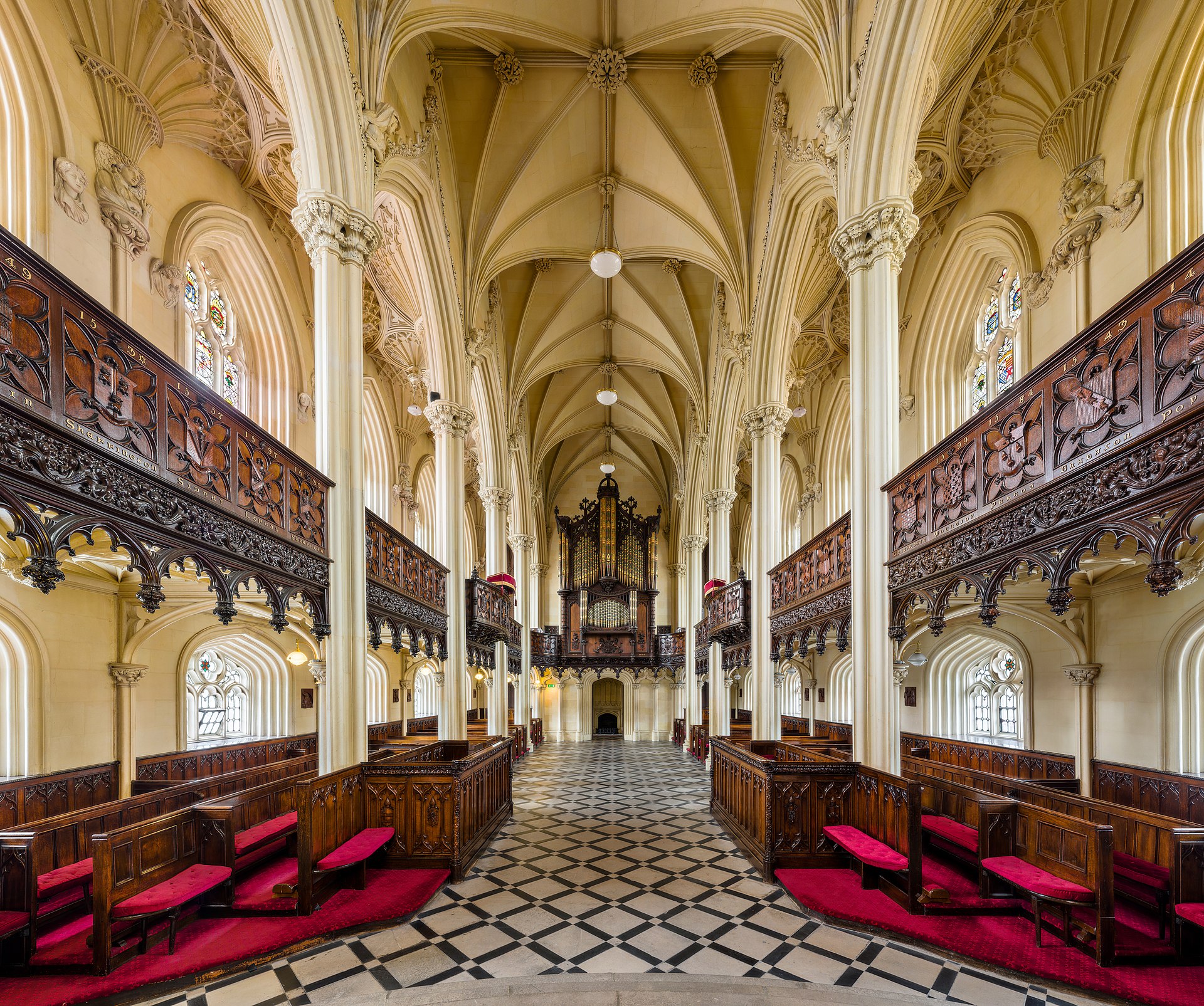
For over seven centuries, this was the administrative heart of British rule in Ireland, and the irony is that almost nobody in Ireland wanted it to be. King John of England ordered the castle built in 1204 as a defensive fortress, and by 1230 it was complete with its signature four circular corner towers.
While the medieval structure was largely destroyed by a catastrophic fire in 1684, the history you can still uncover is immense. Underground excavations revealed Viking defences and the Dubh Linn, the "dark pool," from which Dublin even takes its name.
The castle has seen everything from serving as the place where lord lieutenants managed Irish affairs to being handed over from British to Irish control in January 1922. Wandering the courtyards on Dame Street, you can almost feel the weight of those 700 years of power passing through the stone.
Dublinia
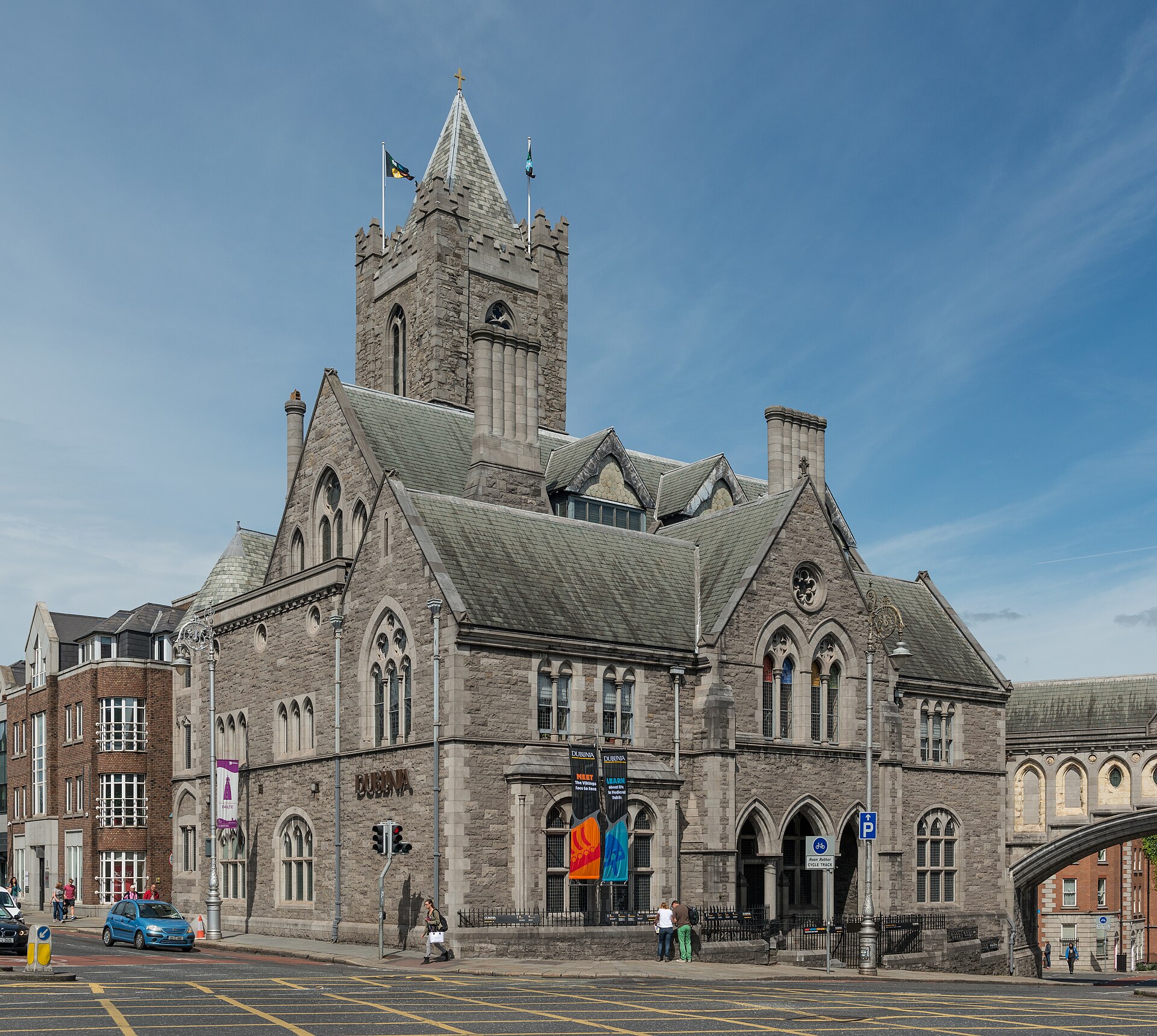
If you want to know what Dublin smelled like in 1050, you have to head to Dublinia. This hands-on museum is dedicated to Viking and medieval Dublin, and it’s housed in the former Synod Hall of the Church of Ireland. The building itself is connected to Christ Church Cathedral by an elegant covered bridge, which is one of the most photographed spots in the city.
The museum sits right at the epicentre of Viking Dublin. Just outside, at Wood Quay, archaeologists uncovered over 100 Viking house foundations—the largest Viking settlement excavated in Europe. You get to see the artifacts from these excavations on permanent loan from the National Museum of Ireland.
It’s a perfect stop for putting ancient life into perspective. Once you’ve seen the Viking foundations near Wood Quay, you’ll understand how much history is literally beneath the cobblestones of the city centre.
EPIC The Irish Emigration Museum
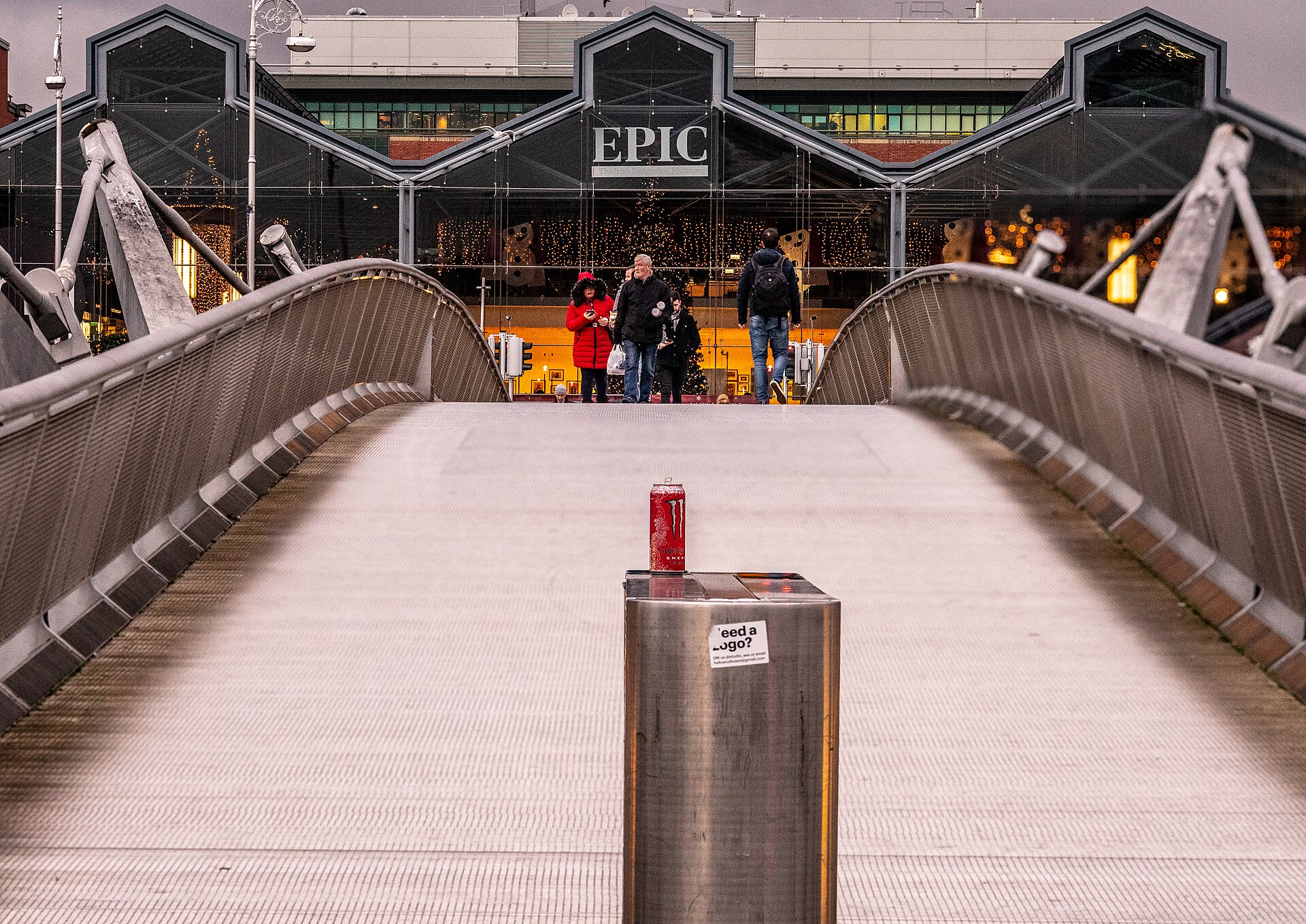
Ten million people left Ireland between 1800 and 1930—more than the island’s current population—and EPIC tells their story with astonishing technological sophistication. This experience is housed in the 200-year-old stone vaults of the CHQ Building, a customs warehouse built between 1817 and 1820 by John Rennie and Thomas Telford to store goods like tea and tobacco.
The irony of telling an emigration story inside a customs warehouse is a punch to the gut. The building itself was a massive undertaking, and the museum was officially opened in 2016 by former President Mary Robinson.
This museum gives you the emotional context for the city’s global story. It grounds the monumental history you’ve been walking through, giving you a modern, human scale to the massive movements of people that shaped Dublin.
Fishamble Street
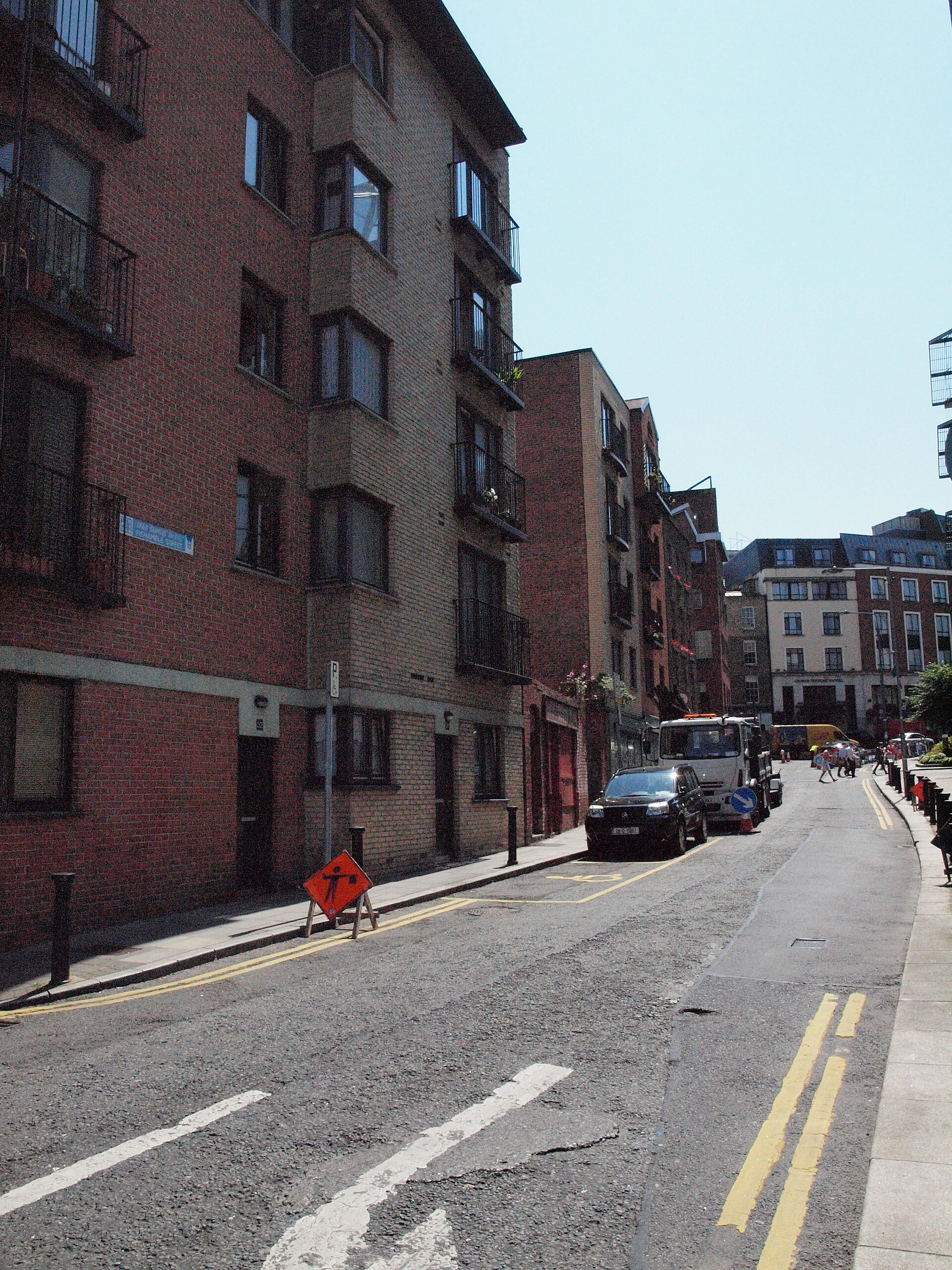
Walking down this narrow, unassuming passage in the shadow of Christ Church Cathedral, you are walking down the oldest street in Dublin: Fishamble Street. This is where Handel’s *Messiah* received its world premiere on April 13, 1742, at Neal’s Music Hall.
The details of that premiere are wild. To squeeze in as many paying customers as possible, gentlemen were asked to leave their swords at home, and ladies were asked to come without hooped skirts. This small street, named for the medieval fish market (the fish shambles), whispers of the everyday life that underpins the grand historical moments.
It’s a pocket of time that feels entirely disconnected from the modern rush. If you’re wandering through Wood Quay, make sure you duck into Fishamble Street; it’s a quiet moment of absolute historical immersion.
Four Courts
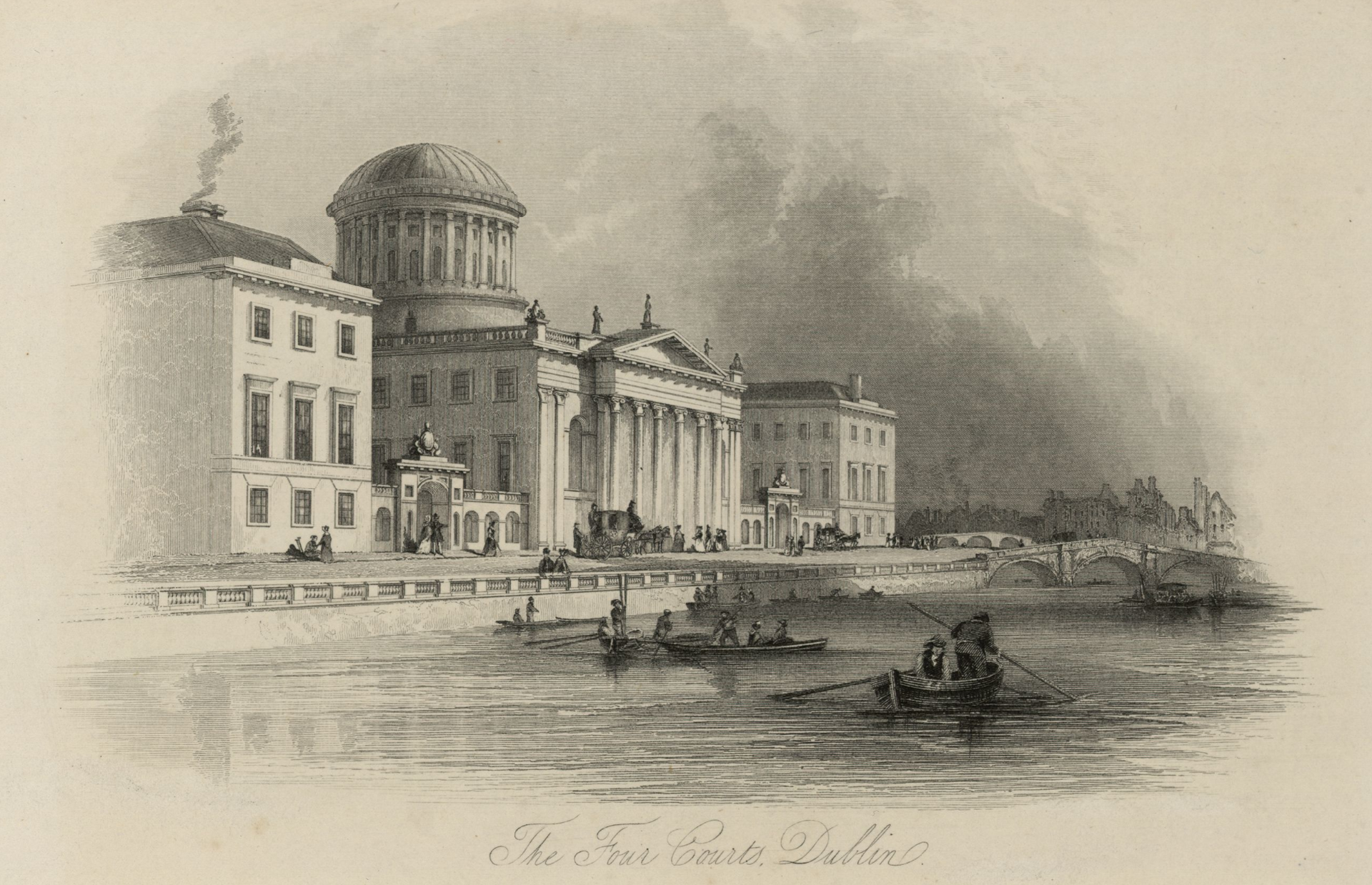
This building is where Irish law has been argued and decided for over two centuries, but it’s also where a thousand years of Irish records went up in smoke during a single catastrophic afternoon. James Gandon designed it and completed it in 1802, giving it its distinctive copper dome and Corinthian portico overlooking the Liffey.
The building has been a witness to massive political upheaval. In June 1922, the Provisional Government bombarded the structure with 375 artillery shells to dislodge Anti-Treaty IRA occupiers. This bombardment marked the beginning of the Irish Civil War.
The history here is brutal and absolute. While the architecture is stunning, the real weight comes from the fact that an explosion in the Public Record Office destroyed a thousand years of irreplaceable Irish records. You can see the grandeur, but you also sense the fragility of history.
Garden of Remembrance
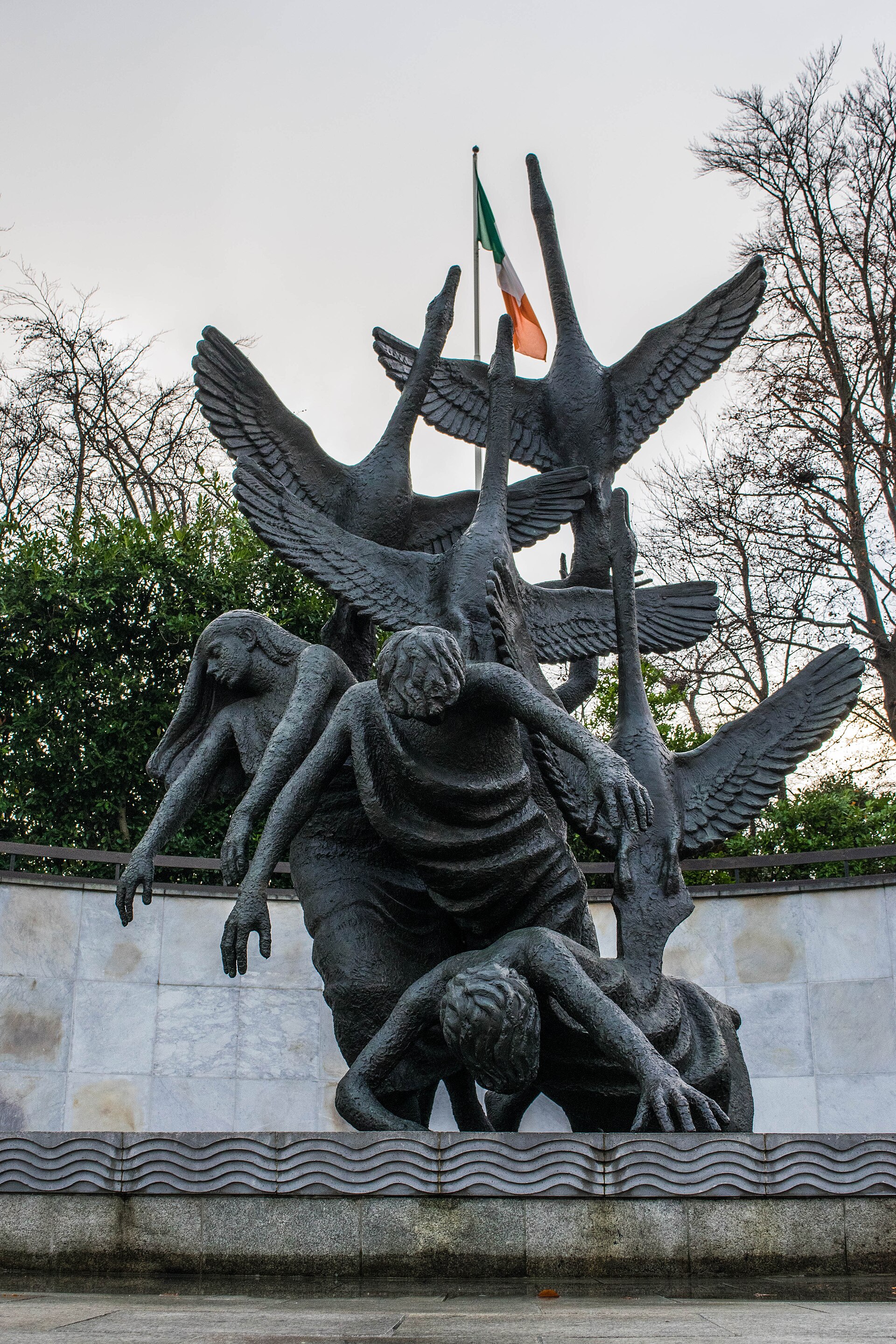
This quiet memorial garden, located at the north end of Parnell Square, is dedicated to everyone who died in the cause of Irish freedom. The ground beneath your feet has earned this dedication several times over, having been the place where the Irish Volunteers mustered on the eve of the 1916 Rising.
It was designed by architect Daithi Hanly and opened by President de Valera on April 10, 1966—the 50th anniversary of the Easter Rising. The sunken pool is particularly striking, featuring mosaic tiles depicting broken weapons, based on the Celtic tradition of throwing weapons into rivers after a battle.
It’s a place designed for quiet reflection, a necessary pause in the whirlwind of political history. After standing here, you’ll feel the scale of the struggle that built modern Dublin.
General Post Office (GPO)
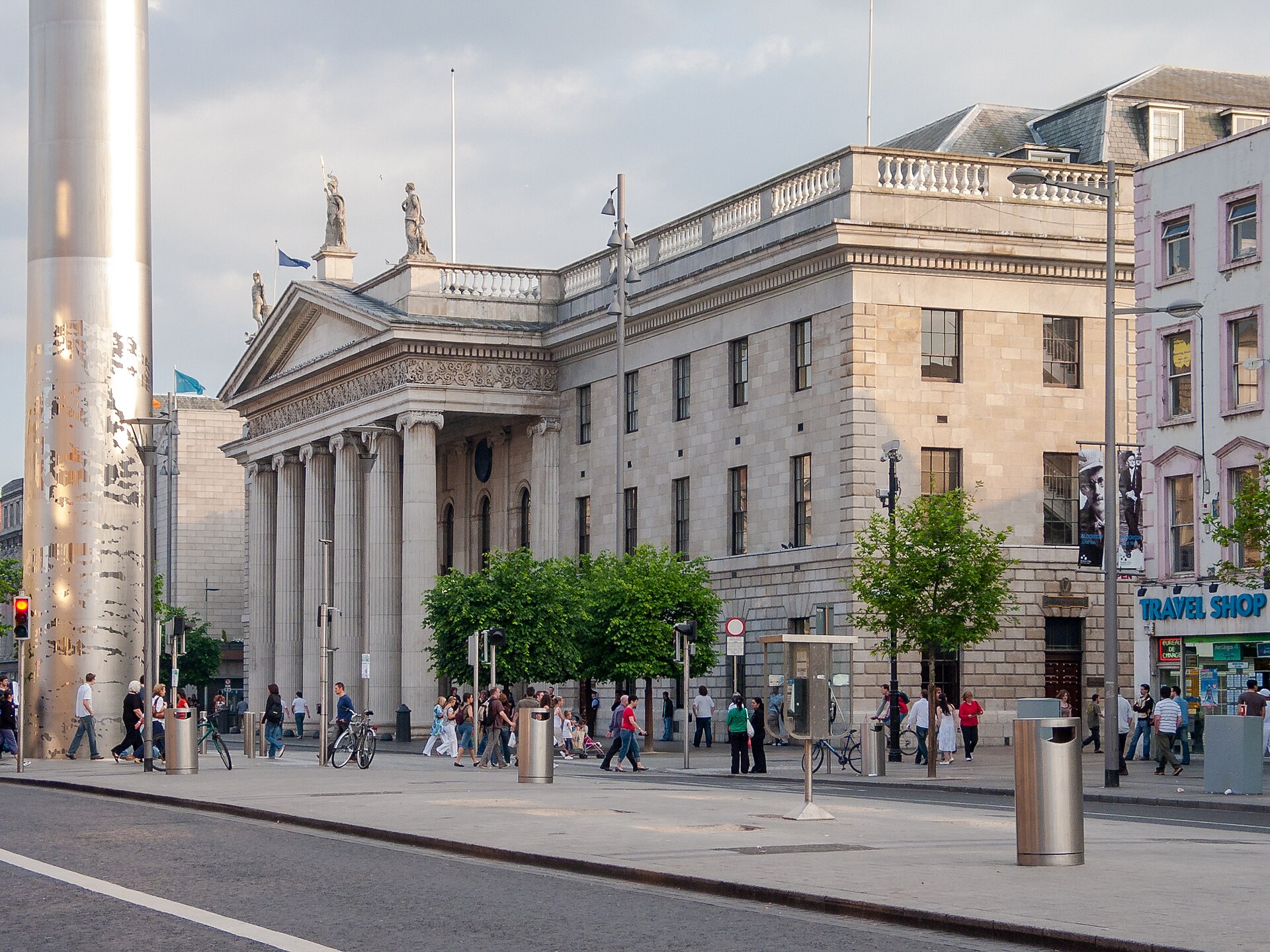
This is where modern Ireland was born, and it’s arguably the most politically charged spot in the entire city. On Easter Monday, April 24, 1916, Patrick Pearse walked out the front door of the GPO and read the Proclamation of the Irish Republic to a bewildered crowd of shoppers.
The GPO was built between 1814 and 1818 at a cost of up to £80,000, and the building itself is a magnificent piece of neoclassical architecture. After being completely gutted during the Rising, it was rebuilt by the Irish government, reopening in 1929.
The power of the place is in its dual nature: a mundane post office that became the epicenter of a revolution. When you stand before its Ionic portico, it’s impossible not to feel the echoing weight of history.
Glasnevin Cemetery
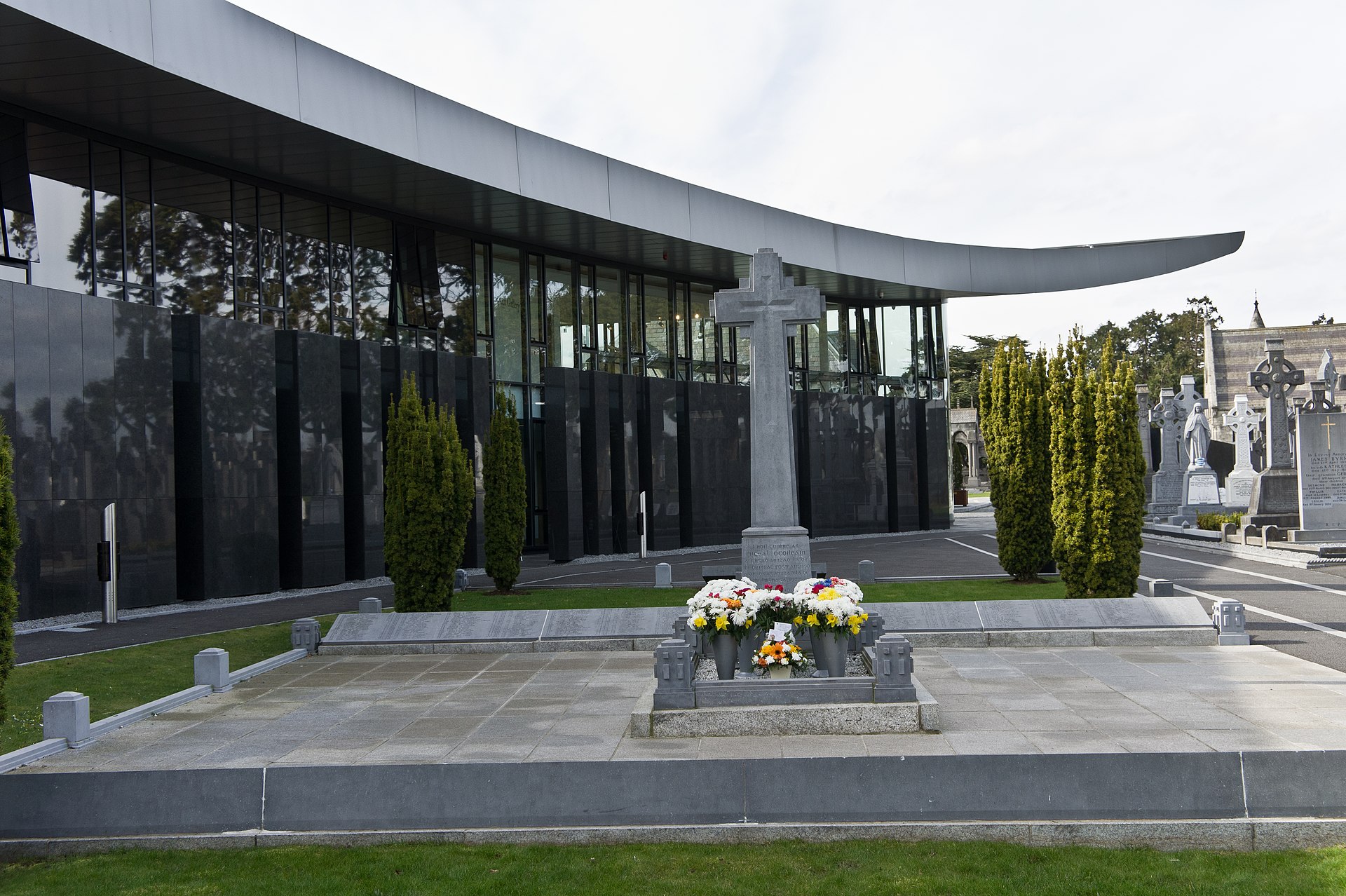
If the GPO is about the birth of a political idea, Glasnevin Cemetery is about the right to be remembered. Founded by Daniel O'Connell in 1832, it was established as Ireland's first non-denominational cemetery, a defiant act against the Penal Laws that had made it effectively illegal for Catholics to conduct burials with any ceremony.
Over 1.5 million people are buried across the 124-acre grounds. The sheer scale of the history here is staggering: Michael Collins' funeral in 1922 drew an estimated 500,000 mourners—one-fifth of Ireland's population.
It’s a vast, quiet place that handles public death with dignity. Walking here gives you a sense of the enduring community that has always defined Dublin, regardless of creed or politics.
Grafton Street
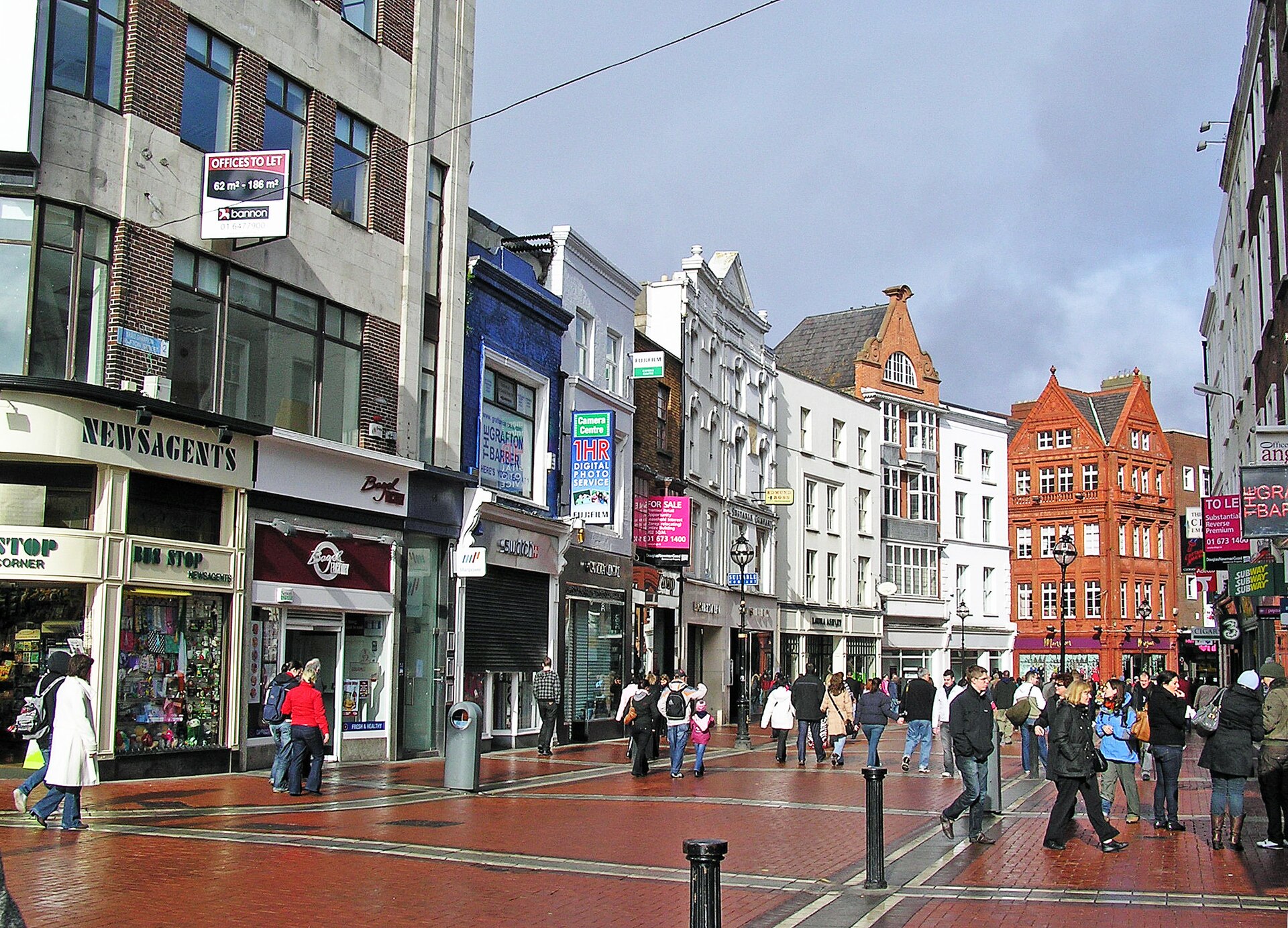
After the heavy weight of the political history, Grafton Street offers a sharp, beautiful pivot. This premier shopping street has been a catwalk for the city’s aspirations since it was first laid out in 1708, connecting Trinity College to St. Stephen's Green.
It was pedestrianized in 1982, and it remains one of the most expensive retail strips in Europe. While you might come here for the retail therapy, the real show is the buskers. The Molly Malone statue by Jeanne Rynhart was unveiled during the 1988 Dublin Millennium celebrations, and the Bewley's Oriental Cafe has been a constant fixture since 1927.
It’s a place where the energy of modern Dublin pulses—a brilliant contrast to the solemnity of the cemeteries and cathedrals you’ve just visited.
Guinness Storehouse
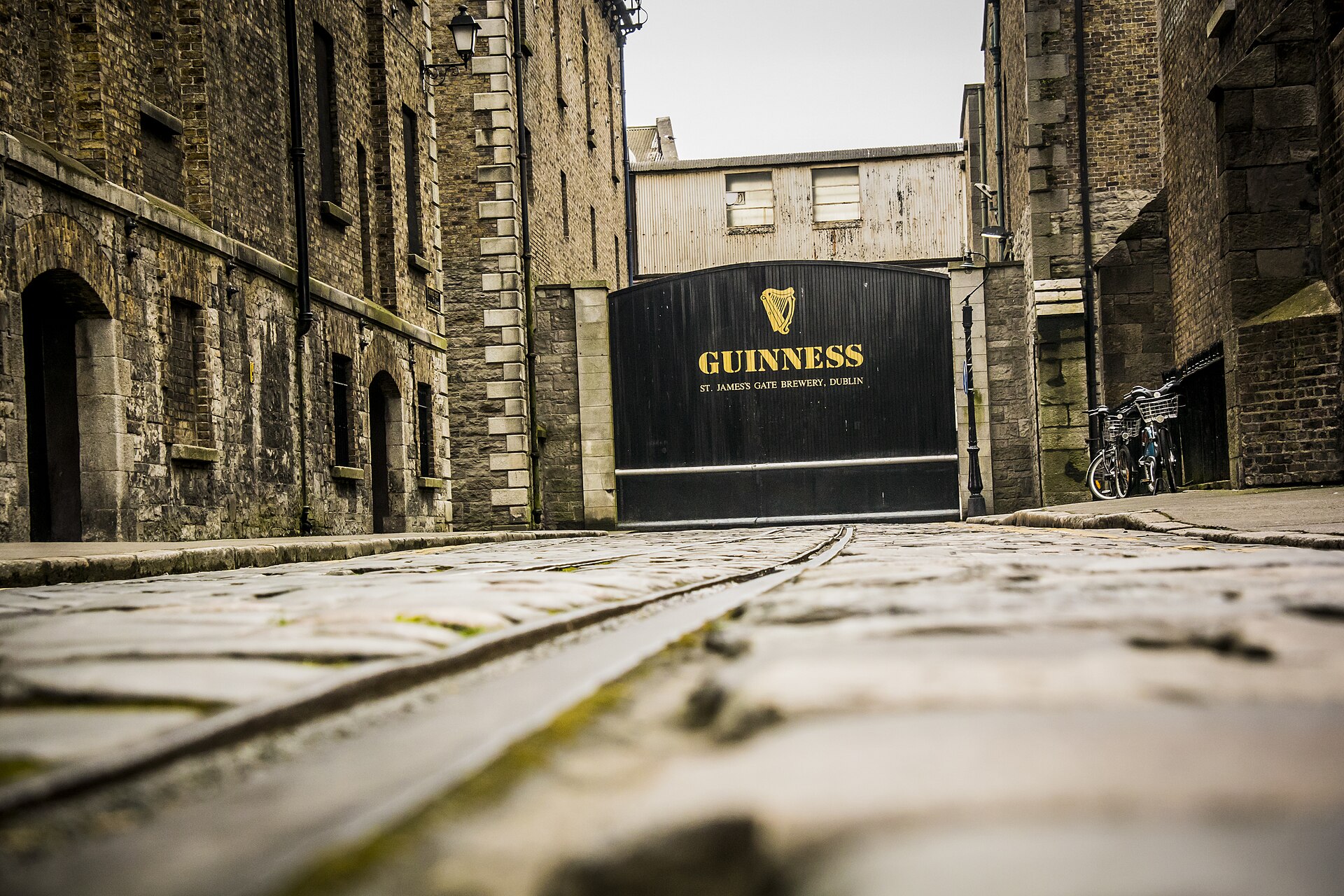
You might assume that a visit to the Guinness Storehouse is purely about the stout, but it’s actually a story of staggering real estate confidence. Arthur Guinness signed a 9,000-year lease on the brewery in 1759 at £45 per year. Nine thousand years.
It paid off spectacularly. By 1838, St. James's Gate was the largest brewery in Ireland, and by 1886, it was the largest brewery in the world with an annual output of 1.2 million barrels. The 1902 fermentation plant was, in fact, the first multi-storey steel-framed building constructed in Ireland.
It’s a testament to ambition—a massive, modern industrial success story built on a historical bet. Go visit the Storehouse at Saint James's Gate to see how a single, audacious contract changed the course of Irish industry.
Dublin is less a city and more a geological cross-section of time. From Viking settlement foundations under Christ Church to the revolutionary fervor at the GPO, every block tells a story of survival, rebellion, and reinvention. The best way to understand the deep, complex soul of the Emerald Isle is by walking its streets. Download VoiceWalks and let us guide you through the secrets nobody else knows.