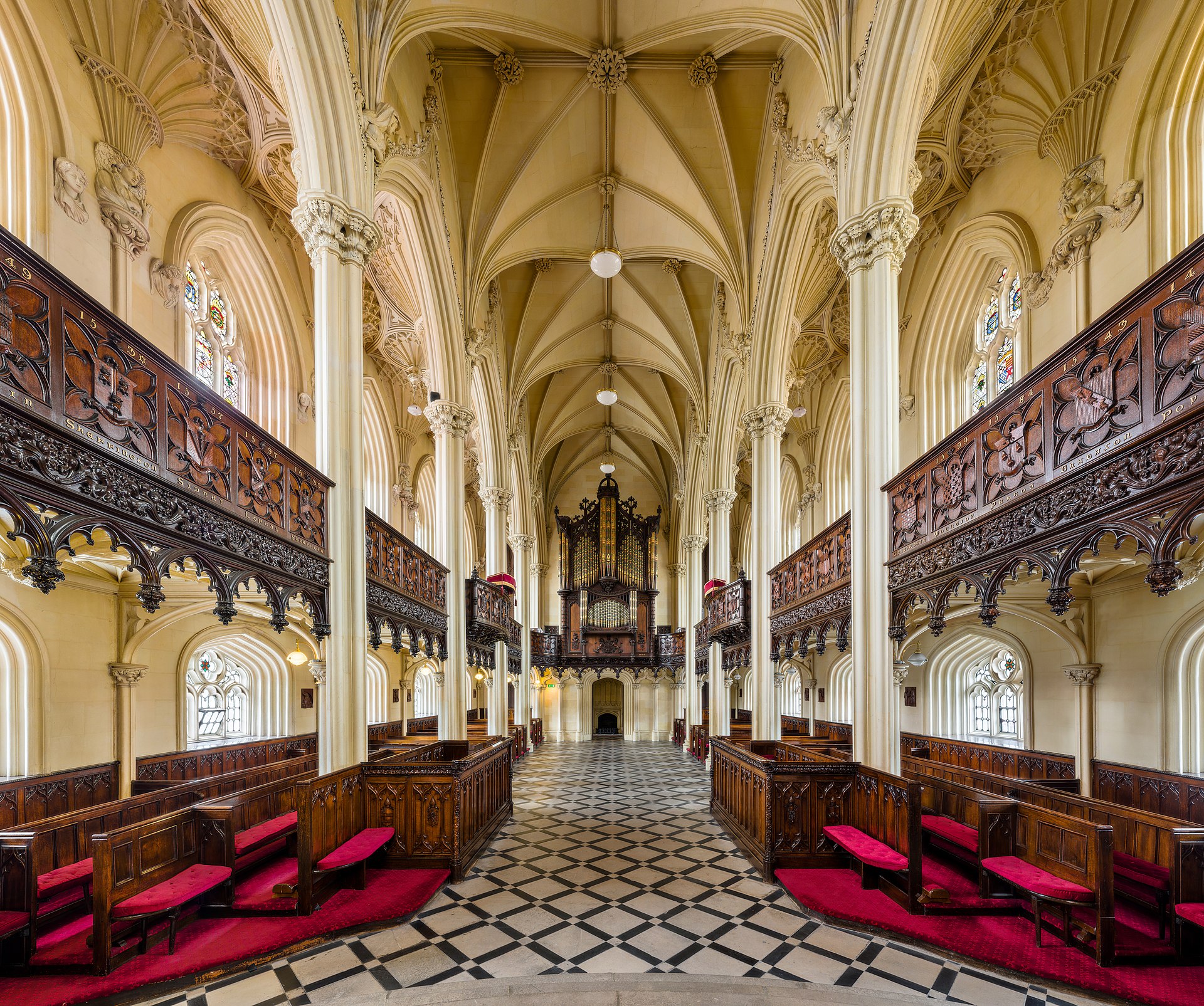
For over 700 years, this was the seat of British power in Ireland, and almost nobody in Ireland wanted it to be. King John of England ordered the castle built in 1204 as a defensive fortress, and by 1230 it was a classic Norman courtyard design with four circular corner towers. For centuries it served as the administrative heart of British rule — the place where lord lieutenants governed, taxes were collected, and Irish affairs were managed by people who mostly weren't Irish.
Then in 1684, a catastrophic fire destroyed most of the medieval structure. What you see today is largely the Georgian reconstruction — stately, elegant, and deliberately designed to project authority rather than military might. The State Apartments, with their ornate plasterwork and massive chandeliers, are where the serious business of ruling happened. They're still used for presidential inaugurations and state receptions.
But the most fascinating part lies underground. Excavations beneath the castle have uncovered sections of the original medieval walls, the castle moat, and — most remarkably — remains of the Viking defences that predated the Norman fortress. The name Dublin itself comes from "Dubh Linn," the dark pool on the River Poddle where Vikings first established their longfort around 841 AD. Recent archaeology has revealed this tidal pool was nearly 400 metres wider than originally thought.
The handover of Dublin Castle from British to Irish control in January 1922 was loaded with symbolism. Michael Collins arrived seven minutes late. When the British Viceroy complained, Collins reportedly replied, "We've been waiting 700 years, you can have the seven minutes." The story may be apocryphal, but it captures the mood perfectly.
Verified Facts
King John of England ordered the castle built in 1204; it was completed by 1230 with four circular corner towers
A catastrophic fire in 1684 destroyed most of the medieval structure, leading to the Georgian reconstruction
Underground excavations revealed Viking defences and the Dubh Linn (dark pool) from which Dublin takes its name
The castle was handed from British to Irish control in January 1922
Get walking directions
Dame Street, Royal Exchange A, Dublin 2, Ireland