Argyle Cut
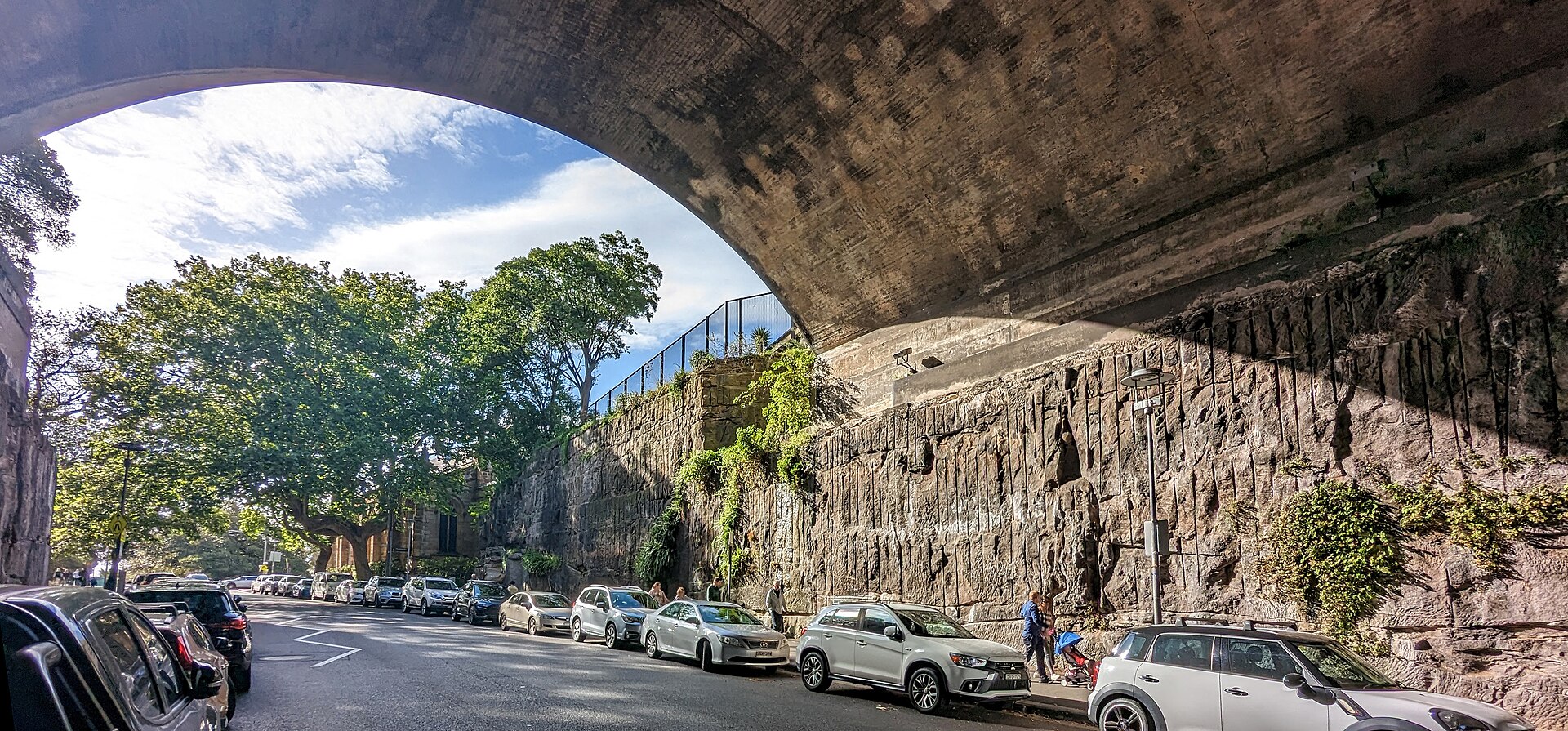
The best things to do in Sydney aren't the postcard views; they are the sections of the city you walk through without noticing. Start by paying attention to the walls of the Argyle Cut. This passage is a living piece of history that most people rush through, completely missing the raw evidence etched into the sandstone.
Look closely at the lower sections of the rock face. You can see visible chisel marks—rough, uneven marks left by convict chain gangs starting in 1843. Men in irons spent their days swinging hand tools into solid sandstone, all under the watchful eye of an overseer named Tim Lane.
The contrast is striking. The rough, hand-carved sections stand right next to the smoother, wider blasted sections, a physical timeline showing the difference between human labor and explosives. It’s ranked alongside Busby's Bore as one of early Sydney's most impressive, and grim, engineering feats.
Barangaroo Reserve
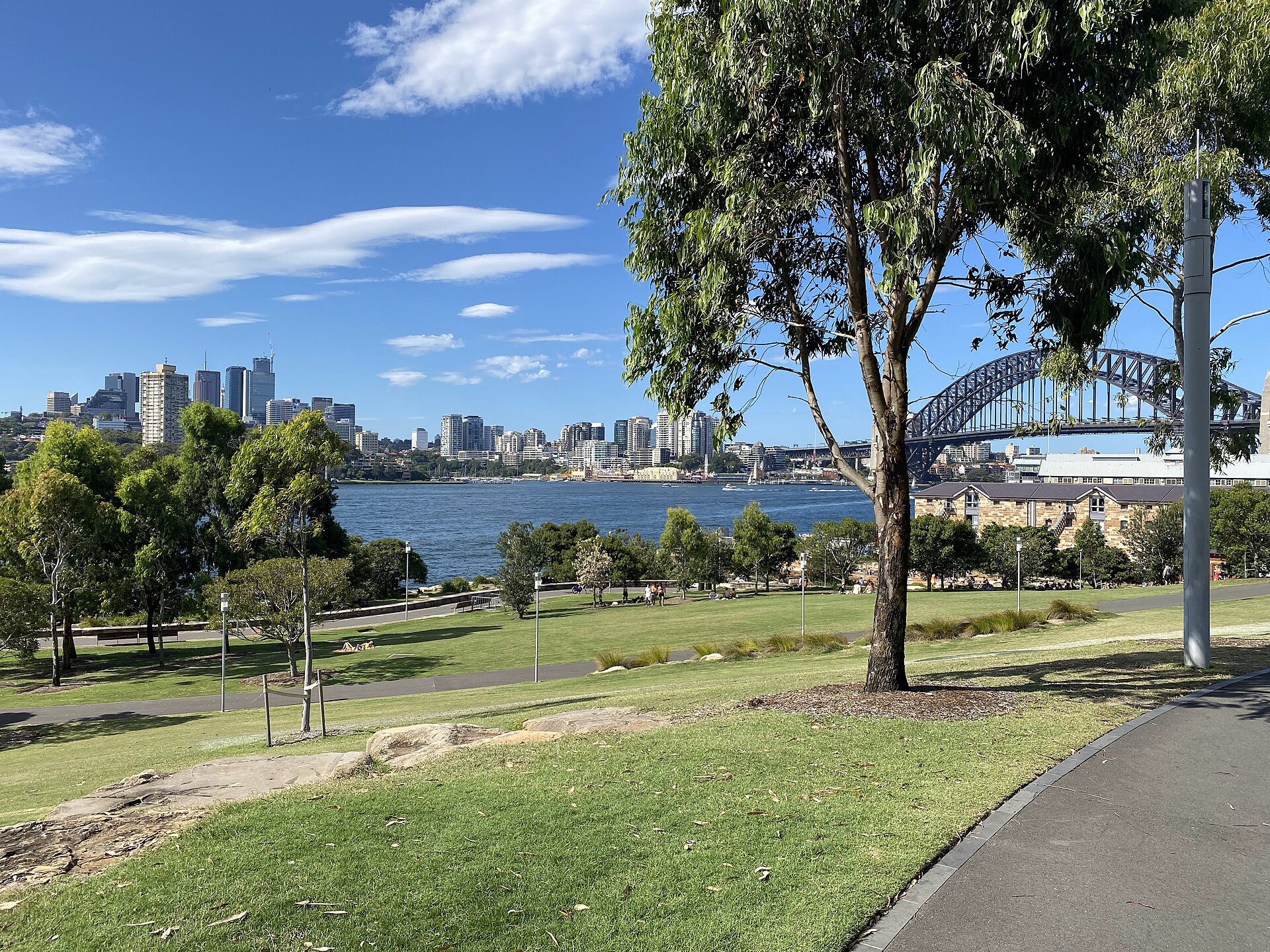
From the convict-cut sandstone to the parkland, the stories in Sydney are deeply layered. To understand the city, you have to know whose ground you're standing on. This six-hectare headland park is named after Barangaroo, a Cammeraygal fisherwoman who, when the colonists arrived, refused to adopt their customs.
The irony is almost too much to bear, considering the entire 22-hectare precinct is not on her traditional Cammeraygal lands. Barangaroo herself, born around 1750, was outspoken, famously outraged when colonists hauled in four thousand salmon in a single haul.
The park’s own structure tells a story of cultural replacement. It used 10,000 sandstone blocks to recreate the pre-1836 natural foreshore, forcing you to confront the history of both the land and the people who originally lived here.
Camperdown Cemetery
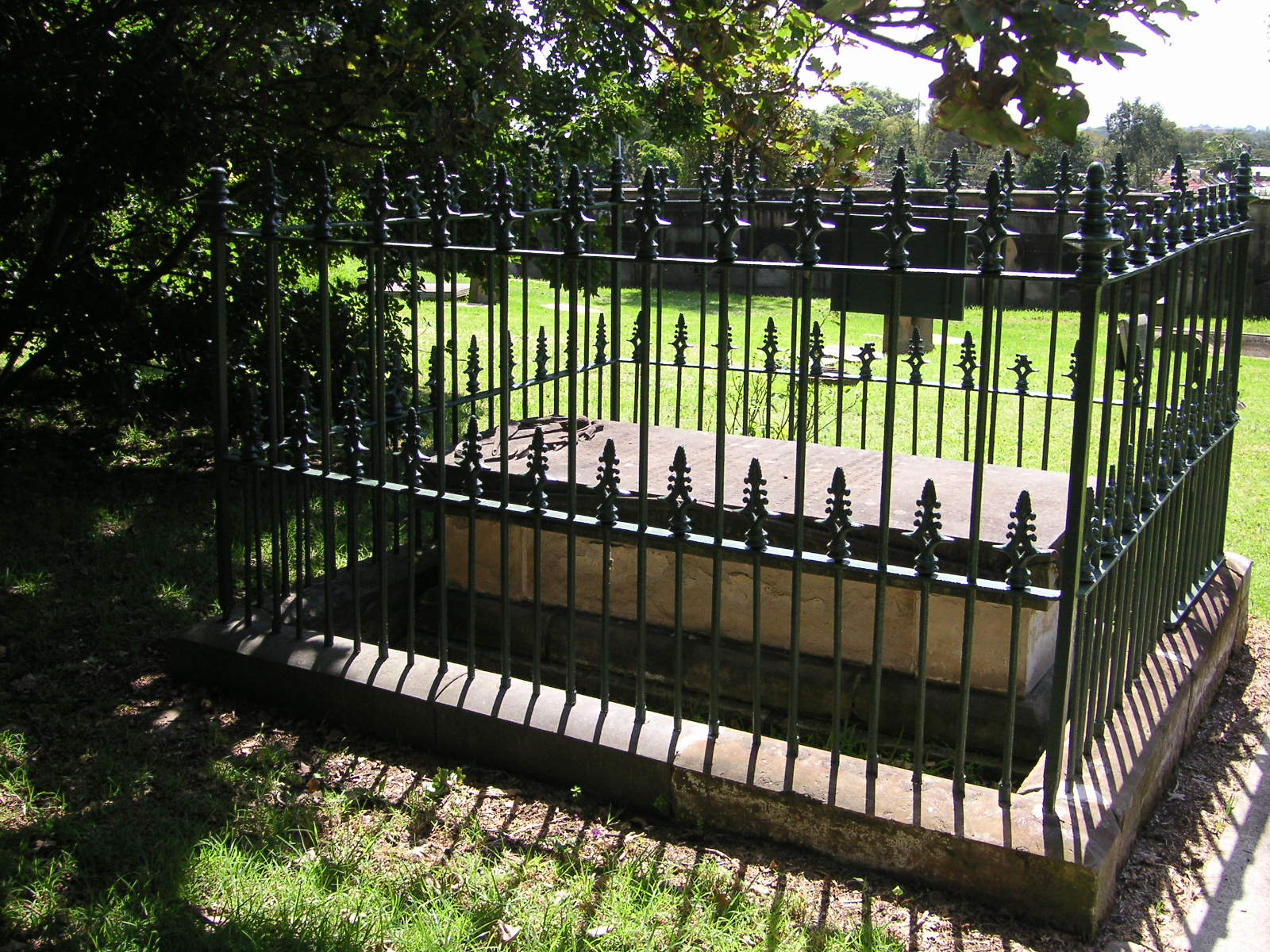
If you want a genuine, dark dive into Sydney’s past, head to Newtown. This cemetery contains three separate stories that each deserve a visit, yet almost nobody goes here. It is a profound reminder of the people who were simply forgotten.
One of the most haunting stories is the mass grave of 22 victims of the 1857 Dunbar shipwreck. The clipper ship had been caught in a storm approaching Sydney Harbour, and 121 of the 122 people aboard died.
But the history isn't just tragedy. It contains Eliza Donnithorne, the woman believed to have inspired Miss Havisham in *Great Expectations*, and the grave of Tommy, an 11-year-old Aboriginal boy who died in 1816. It is one of the few main early cemeteries to have survived, giving you a rare, unfiltered look at Sydney's original population.
Cockatoo Island
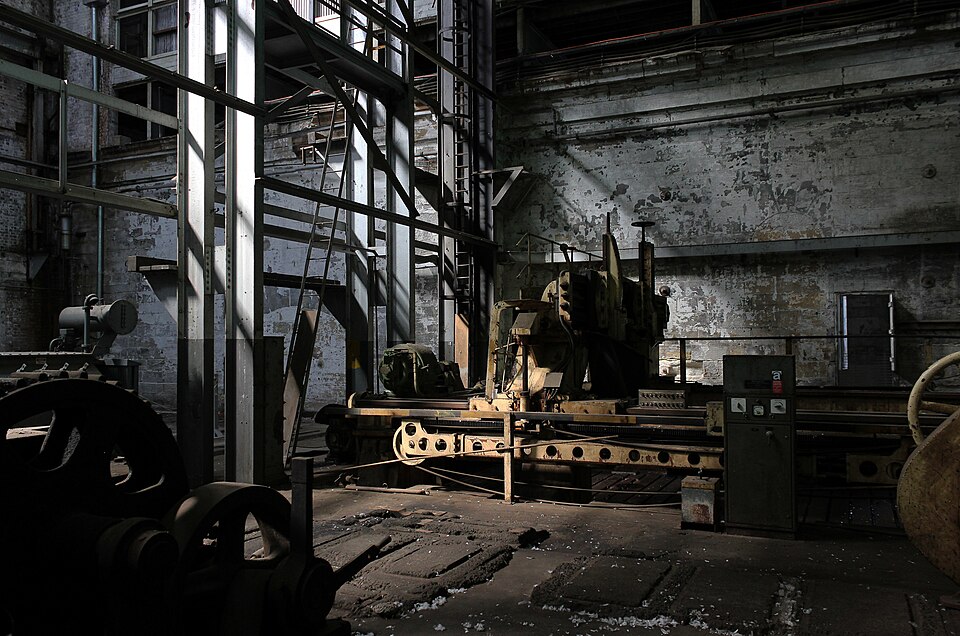
For a true sense of what life was like during the colony's earliest years, you have to visit Cockatoo Island. You can catch a ferry to this UNESCO World Heritage convict site and camp overnight—that alone is a unique Sydney experience.
The island, known as Wa-rea-mah to Aboriginal people, was settled in 1839 when the first sixty convicts arrived from Norfolk Island. The welcome was grim, and the harsh reality quickly set in.
To survive, the convicts carved 17 bottle-shaped grain silos directly out of the solid rock, with each one reaching up to 5.8 metres deep. They also excavated an estimated 1.5 million cubic feet of rock by hand to create Australia's first dry dock.
Customs House
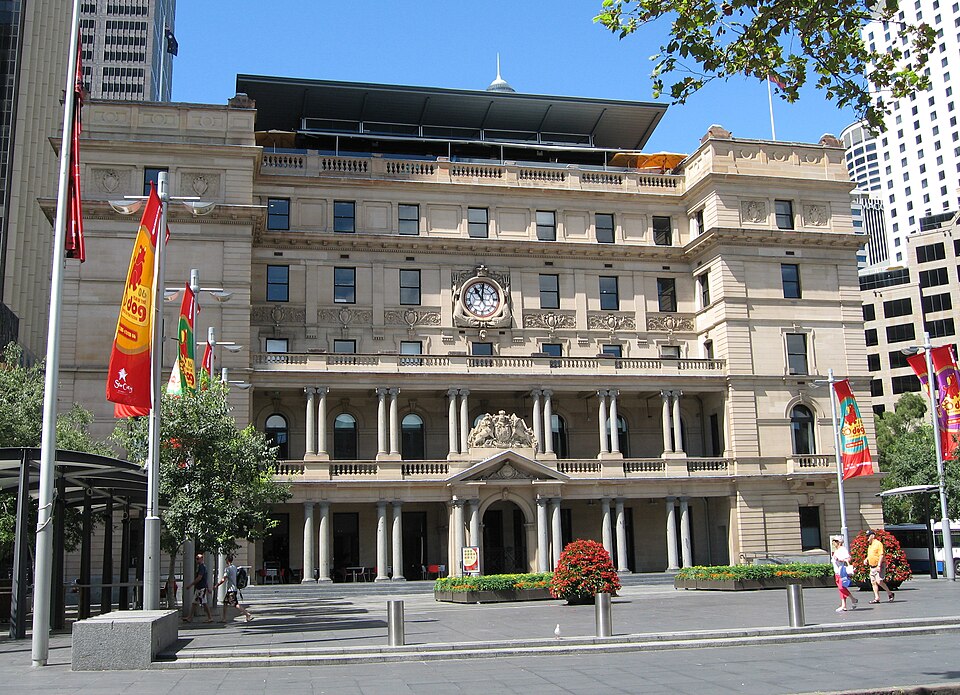
Sometimes the most incredible things to do in Sydney are things you walk straight past. When you wander into the ground floor of the Customs House, look down. Beneath a glass floor panel is a one-tonne scale model of the Sydney city centre.
This model is a miniature world, covering ten square kilometres at a 1:500 scale. It contains over one thousand individually handcrafted buildings, and the whole thing measures four-point-two by nine-point-five metres.
What makes it arresting is that it’s constantly evolving. The model has been continuously updated for over 20 years, and at night, hundreds of fibre-optic lights come alive inside the tiny structures.
Dawes Point
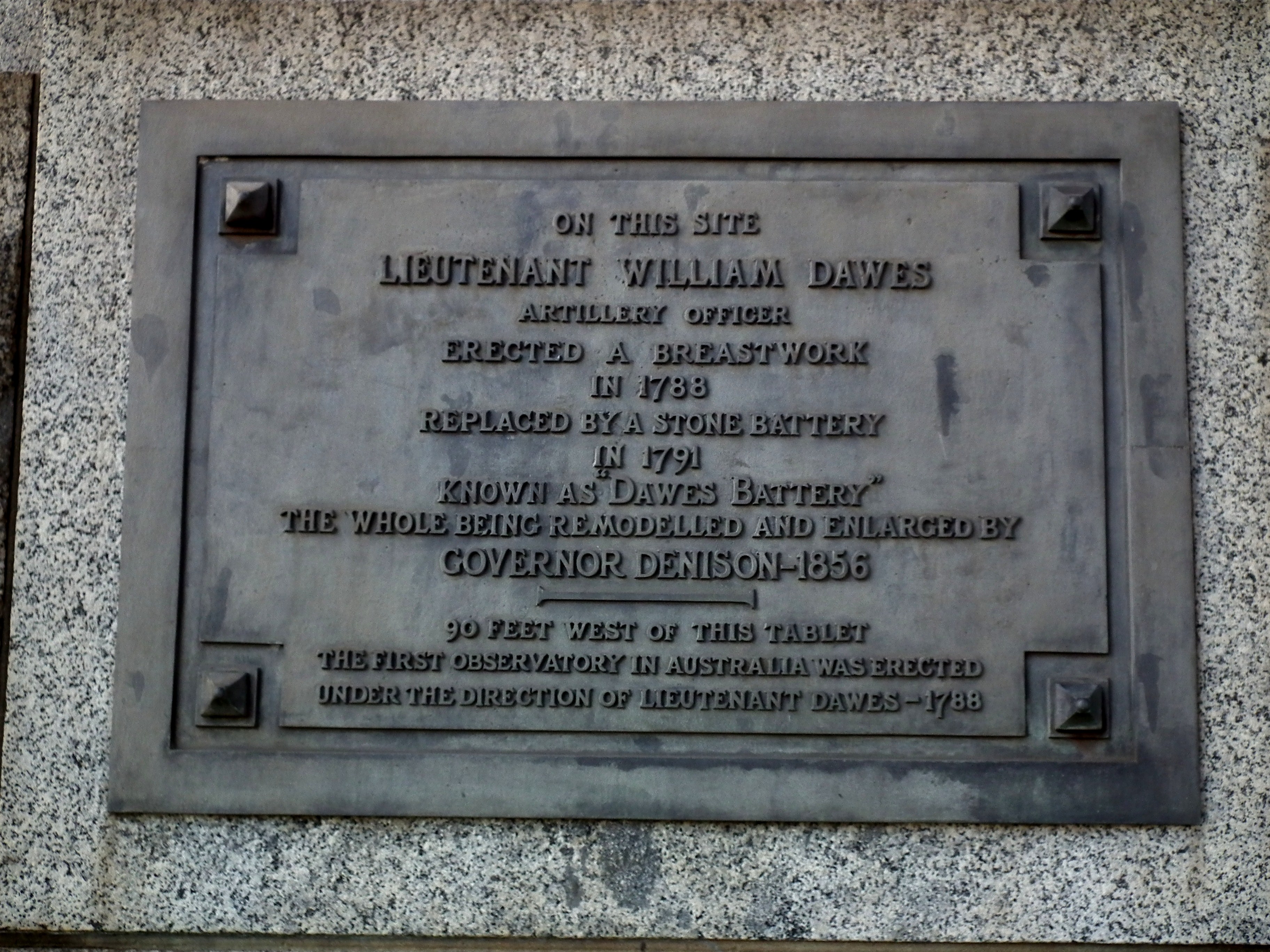
Sometimes the most important stories aren't about what was built, but what was risked. Standing under the shadow of the Harbour Bridge, you are near one of the most extraordinary stories of language preservation in Australian history.
Lieutenant William Dawes arrived with the First Fleet in 1788, initially to build the colony's first observatory on this point. But his scientific interests quickly shifted into something far more profound.
He and a local woman named Patyegarang ended up creating the first written documentation of the local Aboriginal language. His notebooks are now regarded as the first European study of Aboriginal people and culture, a vital piece of the city’s intellectual heritage.
Forgotten Songs (Angel Place)
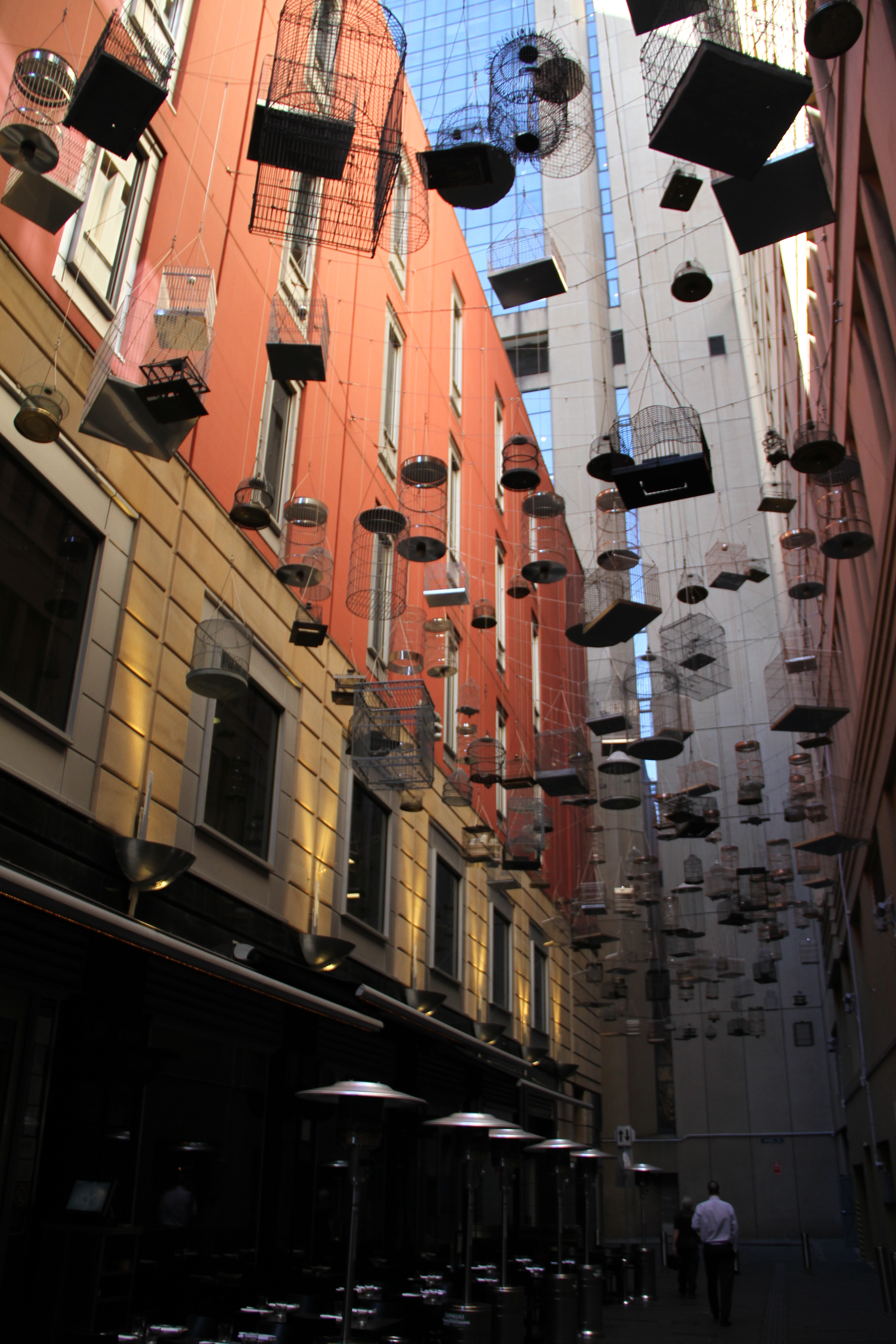
After walking through the heavy weight of history, this laneway offers a sudden, strange lightness. Look up into the narrow passage at Angel Place. You will see 180 empty bird cages suspended overhead.
These cages aren't empty in the way you think. They play recordings of 50 bird species that once lived in central Sydney before urbanisation drove them out. It’s like listening to ghost music from a Sydney that no longer exists.
The installation is clever because the soundscape changes based on the time of day, adjusting for seasonal day length. Furthermore, the names of all 50 species are subtly embedded in the ground beneath the cages, inviting you to look down as well as up.
Fort Denison (Pinchgut Island)
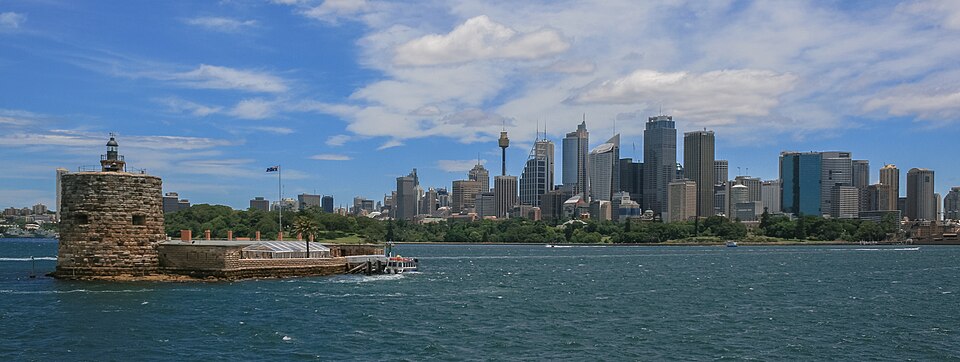
The Harbour is full of secrets, and this tiny island holds one of the most punitive and fascinating histories. Its nickname, Pinchgut, comes from the convict starvation rations given out here. It’s a name that immediately tells you this place was anything but charming.
In the early days of the colony, convicts who committed offences were rowed out here and left on rations for days or weeks. It was a brutal form of punishment.
The fort’s military significance also marks it as a unique structure. The Martello tower here is the only one in Australia and the last one built in the British Empire. In 1796, it was also the site where a convict named Francis Morgan was hanged and gibbeted.
Garrison Church (Holy Trinity)
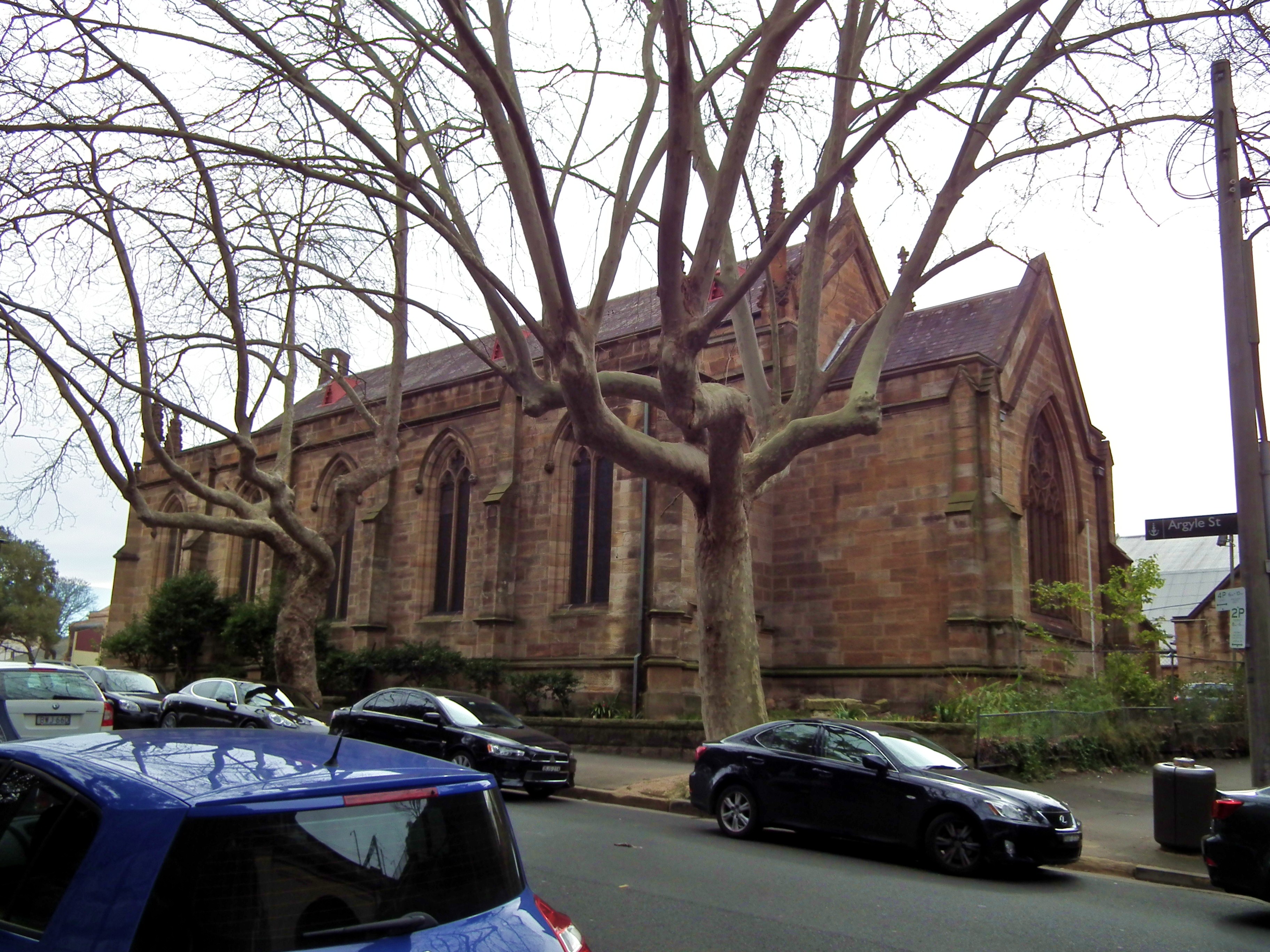
The Rocks area is a masterclass in layering history, and the Garrison Church shows it perfectly. It was the first military church built in colonial Australia, and its architecture speaks to the shifting needs of the British Empire.
The foundation stone was laid in 1840, making it the official place of worship for the British imperial troops stationed nearby. It was designed by Henry Ginn, though it was later expanded by Edmund Blacket.
The church was built for the military, initially holding 250 people, and was expanded to 600 in 1855. It stands as a testament to the structured, imperial life that underpinned the early development of Sydney.
GPO Clock Tower (Martin Place)
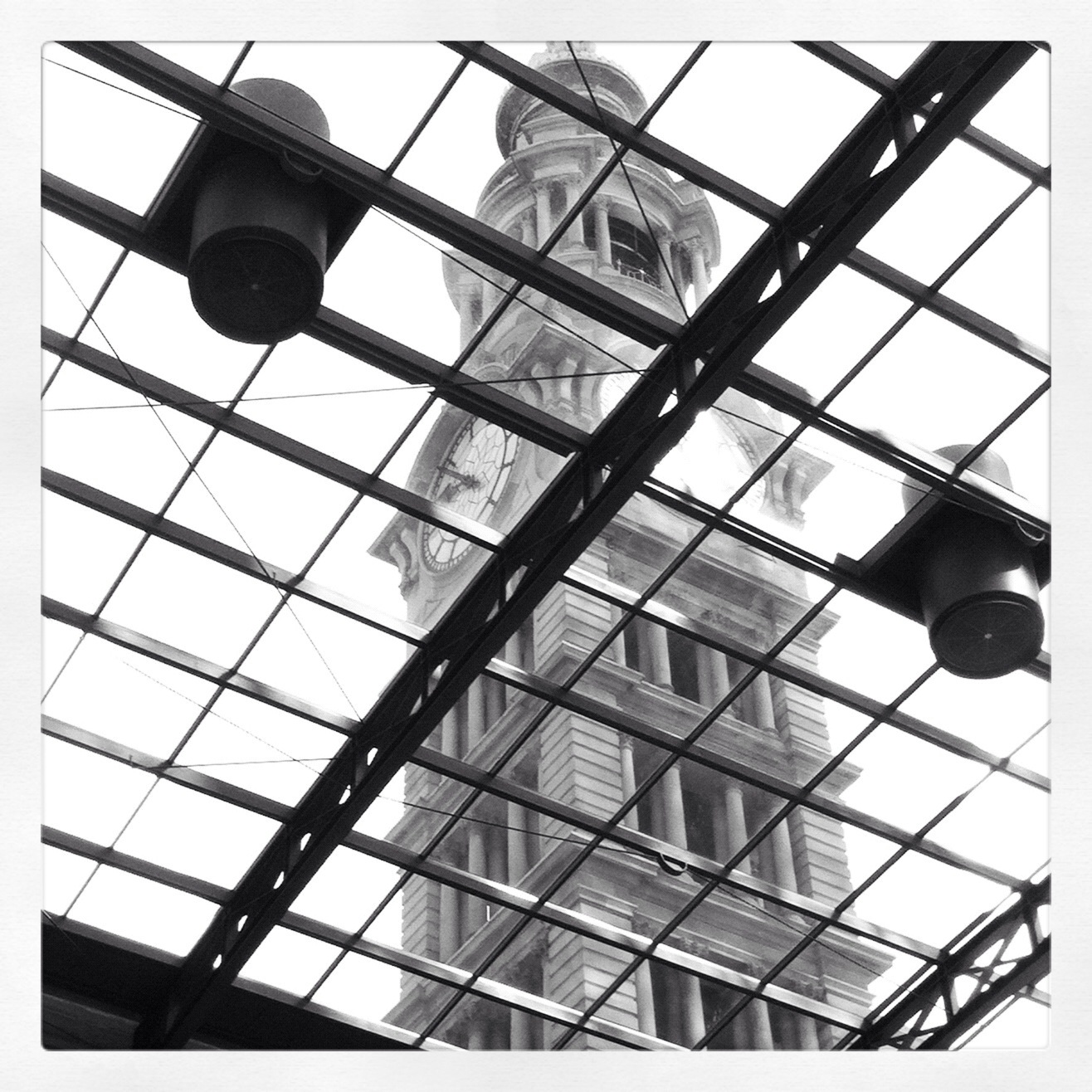
From 1891 to 1939, the clock tower on the General Post Office was the tallest point in Sydney, standing at eighty-three metres. It was known as the working man's watch, a central point that every worker could glance up to check the time.
But that central point was abruptly silenced. In 1942, the entire tower was dismantled. Japan had entered the war, and the military determined that the tallest structure in the city centre was too visible a target for aerial bombing.
Its history is a stark lesson in vulnerability. It wasn't rebuilt until 1964, proving that even the most permanent civic landmarks are subject to the unpredictable pressures of time and war.
Hero of Waterloo Hotel
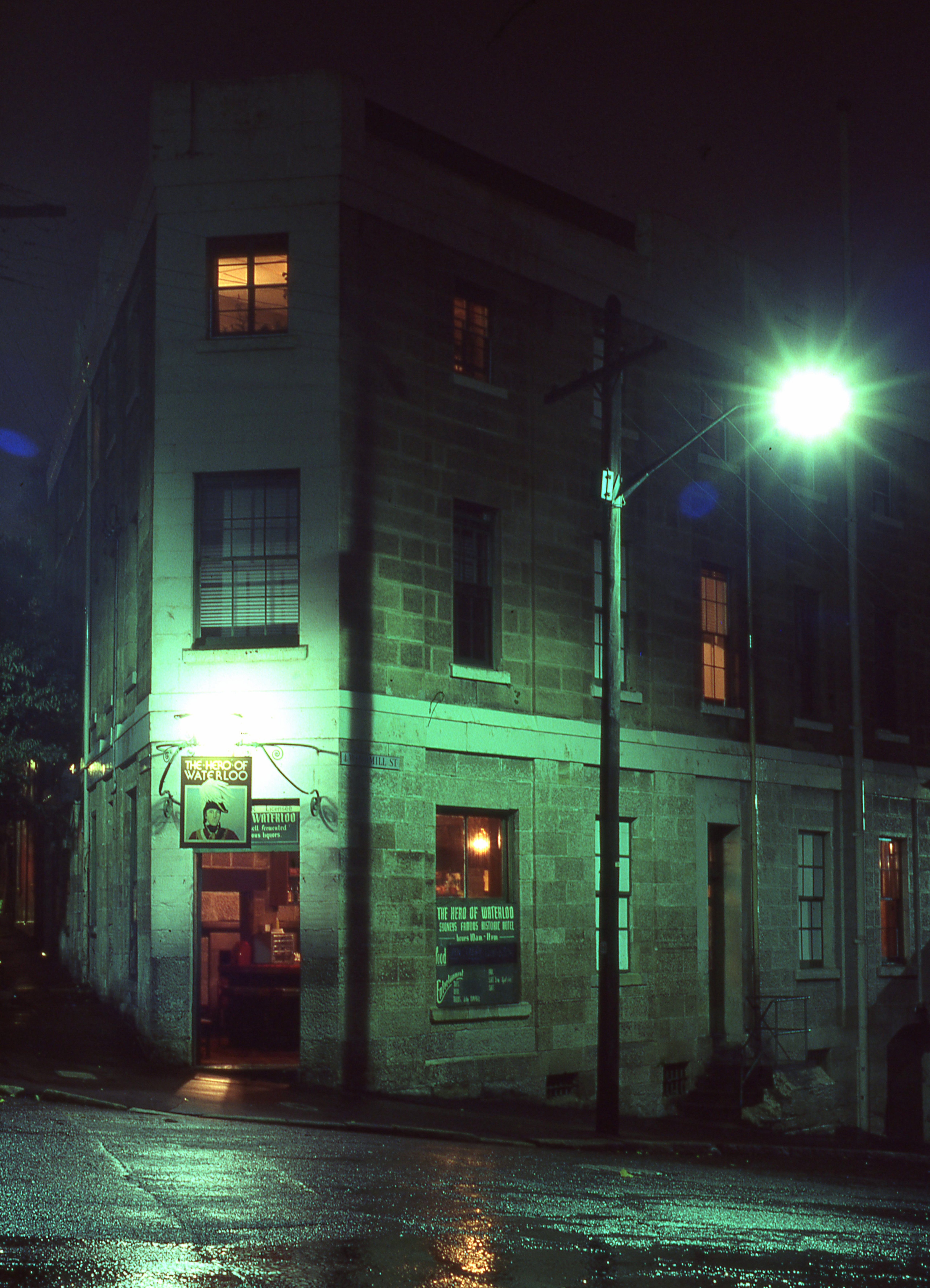
If you are looking for a place to stop and drink, the Hero of Waterloo is a masterpiece of enduring mystery. Built from sandstone quarried by convicts from the nearby Argyle Cut, it has been pouring drinks continuously since 1845.
The building’s continuous operation spans over one hundred and eighty years. The stonemason who completed the structure was a convict-turned-builder named George Paton, who finished the job in 1843-1844.
But the real draw is its subterranean life. A tunnel runs from the cellars, allegedly used for rum smuggling and press-ganging. Though the tunnel was filled in during the 1960s, the shackles and the tunnel entrance are still visible in the cellar, making it a deep dive into Sydney's secretive past.
Hyde Park Barracks
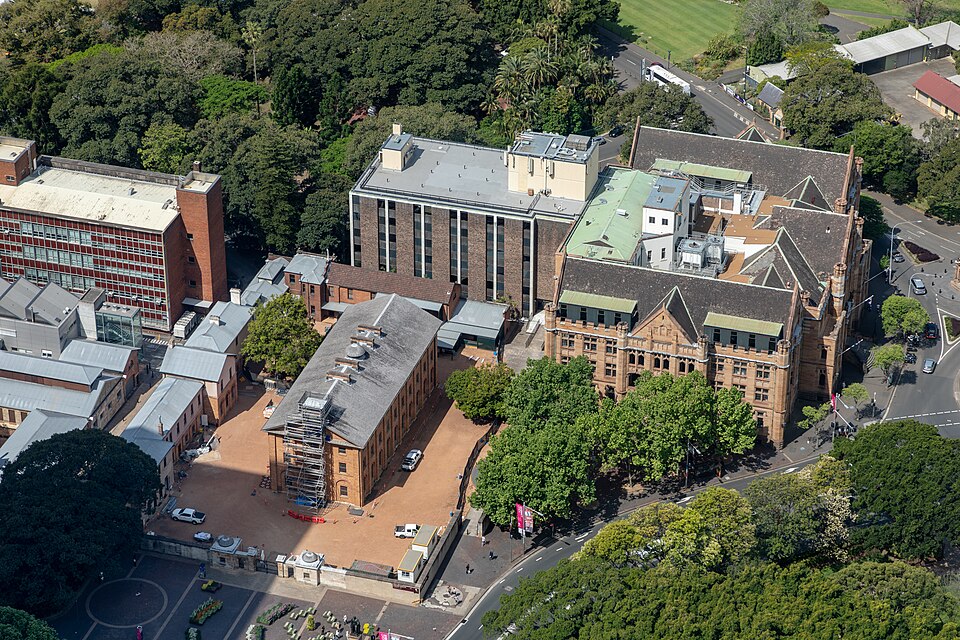
To wrap up the sheer scale of Sydney’s history, you have to look at the Hyde Park Barracks. The architect, Francis Greenway, was himself a convict who had been transported to the colony for the crime of forgery.
Governor Macquarie saw his immense talent and put him to work, leading Greenway to design the barracks so well that Macquarie granted him a full pardon. He literally designed his way out of a prison sentence, and his face is still featured on the Australian ten-dollar note.
The barracks are a vast, surviving piece of the colonial puzzle. Remarkably, rats living in the roof cavity preserved convict possessions for 200 years, creating an accidental archive of the past.
These sites prove that the best things to do in Sydney are found not in glossy brochures, but in the very foundations of the city—in the engineering, the hidden tunnels, and the voices of the forgotten. If you want to uncover these layers of history and understand the true depth of the city, don't just wander. Use the VoiceWalks app to guide you through these stories, turning a simple walk into a journey through time.