Walking Tours in Biarritz
Biarritz — Hidden Basque Side
Discover the Biarritz the tourists miss. Start at the covered market where Basque farmers have sold espelette peppers and ewe's milk cheese since 1885, find a hidden chapel built by an empress homesick for Mexico, stand before a Russian Orthodox church funded by a tsar, stumble on two thousand pieces of Asian art, watch the world's fastest ball sport in a Basque pelota court, then walk the cliffs from a medieval whaling cove to a lighthouse with 248 steps and a lovers' cave where the Atlantic swallowed two star-crossed souls.
Biarritz: Imperial Seafront Walk
From an empress's seaside palace to the birthplace of European surfing, this walk traces Biarritz's wild reinvention — from Basque whaling village to imperial playground to surf capital. You'll walk past art deco casinos, peer into a Belle Epoque tearoom that served queens, cross a metal bridge to a rock in the Atlantic, and end on the beach where a Hollywood screenwriter accidentally started a revolution.
30 Landmarks in Biarritz
Anglet Beaches & La Barre
Biarritz, France
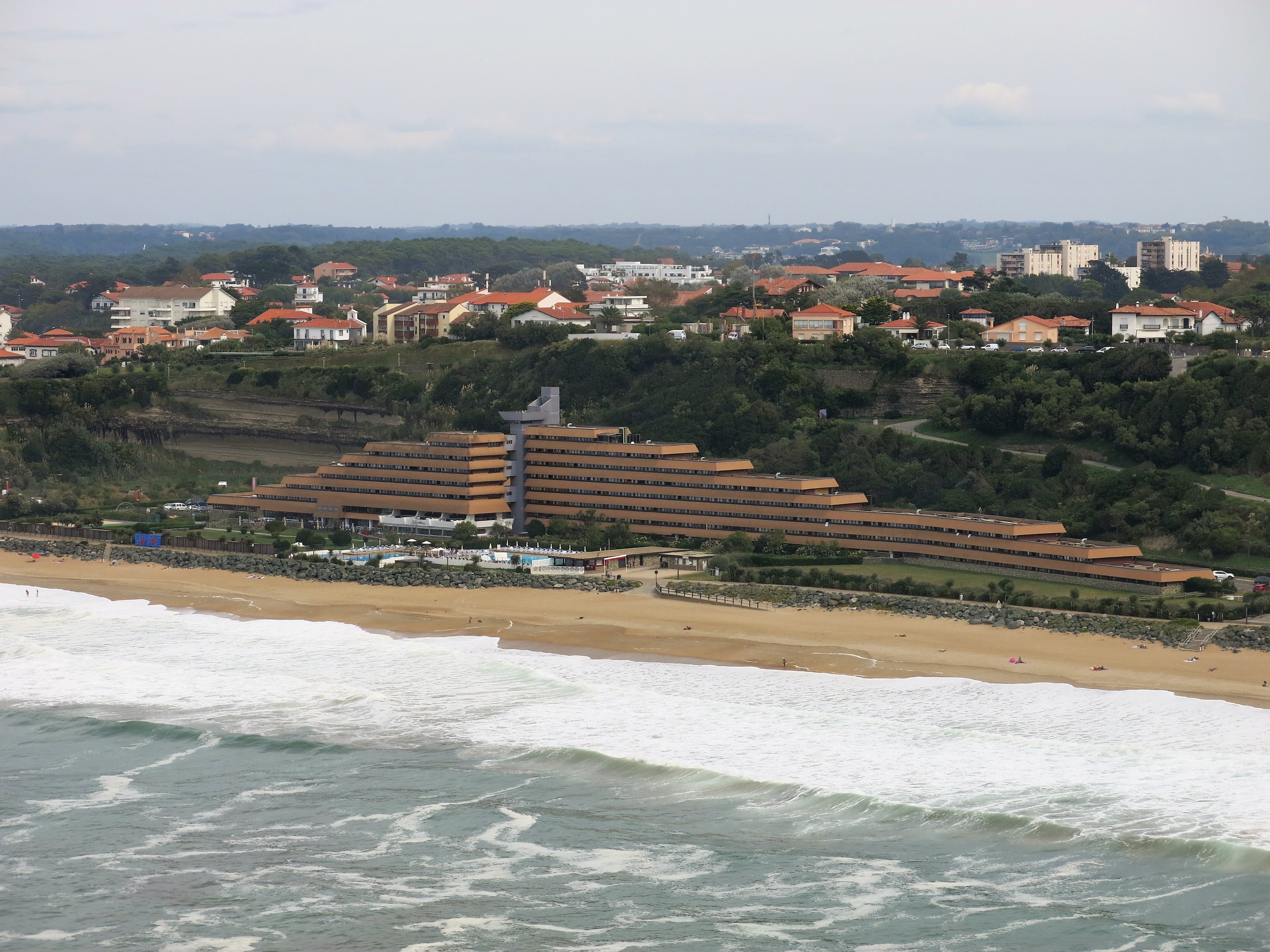
Anglet's 4.5-kilometre stretch of beaches north of Biarritz provides the space and the waves that Biarritz's more famous but smaller beaches can't — 11 named beaches running from La Barre (at the mouth of the Adour River) to the Chambre d'Amour cliffs, each with its own character and surf break. The Anglet beaches are where Biarritz locals actually surf when the tourist beaches are too crowded, and the pine-forested Chiberta dunes behind the beaches provide shaded walking paths.
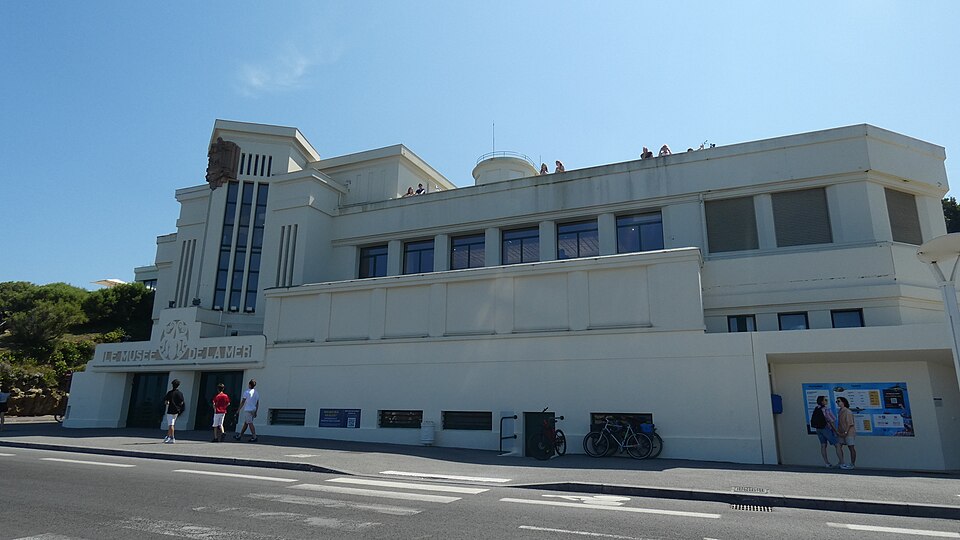
Aquarium de Biarritz
Esplanade des Anciens Combattants, Biarritz, 64200, France
This Art Deco building sits on the exact cliff where medieval whale spotters used to stand. That's not a metaphor. This is the Plateau de l'Atalaye, and for centuries, a lookout was posted here day and night, scanning the Bay of Biscay for whales. When he spotted one, he'd burn wet straw to create a thick column of smoke, and every man in town would drop what he was doing and sprint for the boats. From whale-hunting watchtower to ocean conservation museum. That's quite a journey. The idea for a marine museum here was first proposed way back in eighteen seventy-one by the Marquis Leopold de Folin. It took over sixty years for anyone to actually build it. The Art Deco building you're looking at opened to the public on August the tenth, nineteen thirty-three, designed by architects Hiriart, Lafaye, and Lacoureyre. It was one of the first establishments in France to present oceanography to ordinary people. Before this, marine science was something that happened in universities. This place brought it to families on holiday. A major extension between two thousand and nine and two thousand and eleven doubled the visiting area from three thousand five hundred square metres to seven thousand, adding one of the largest aquarium pools in France at fifteen hundred cubic metres. That's a lot of water and a lot of fish. The building itself is worth appreciating from outside. Art Deco architecture tends to age beautifully by the ocean. The clean lines and geometric shapes hold up against the salt air better than fussier styles. And the position is unbeatable. You're perched on a cliff with the Atlantic spread out in front of you, standing where whale spotters once burned wet straw and changed the course of an entire town's day.
Bayonne Old Town (Day Trip)
15 Rue Montaut, Bayonne, 64100, France
Bayonne is the Basque capital and Biarritz's historic neighbour — a fortified medieval city 8km inland where half-timbered houses line the Nive River, the Gothic cathedral (Cathédrale Sainte-Marie, UNESCO-listed as part of the Camino de Santiago) dominates the skyline, and the Musée Basque provides the most comprehensive introduction to Basque culture in France. The old town's chocolate shops, ham vendors (jambon de Bayonne is the local specialty), and the August Fêtes de Bayonne (the largest festival in France, five days of bullfighting, music, and revelry in white-and-red dress) make Bayonne the cultural heart of the French Basque Country.
Biarritz Chocolate & Bayonne
Avenue de Biarritz, Bidart, 64200, France
The Basque Country has been making chocolate since the 17th century — Sephardic Jews fleeing the Spanish Inquisition brought cacao preparation techniques to Bayonne (10km from Biarritz), making it the first place in France to produce chocolate. Maison Pariès (founded 1895), Cazenave, and Daranatz continue the tradition, and the local mouchous (chocolate-filled Basque pastries) are the region's signature sweet.
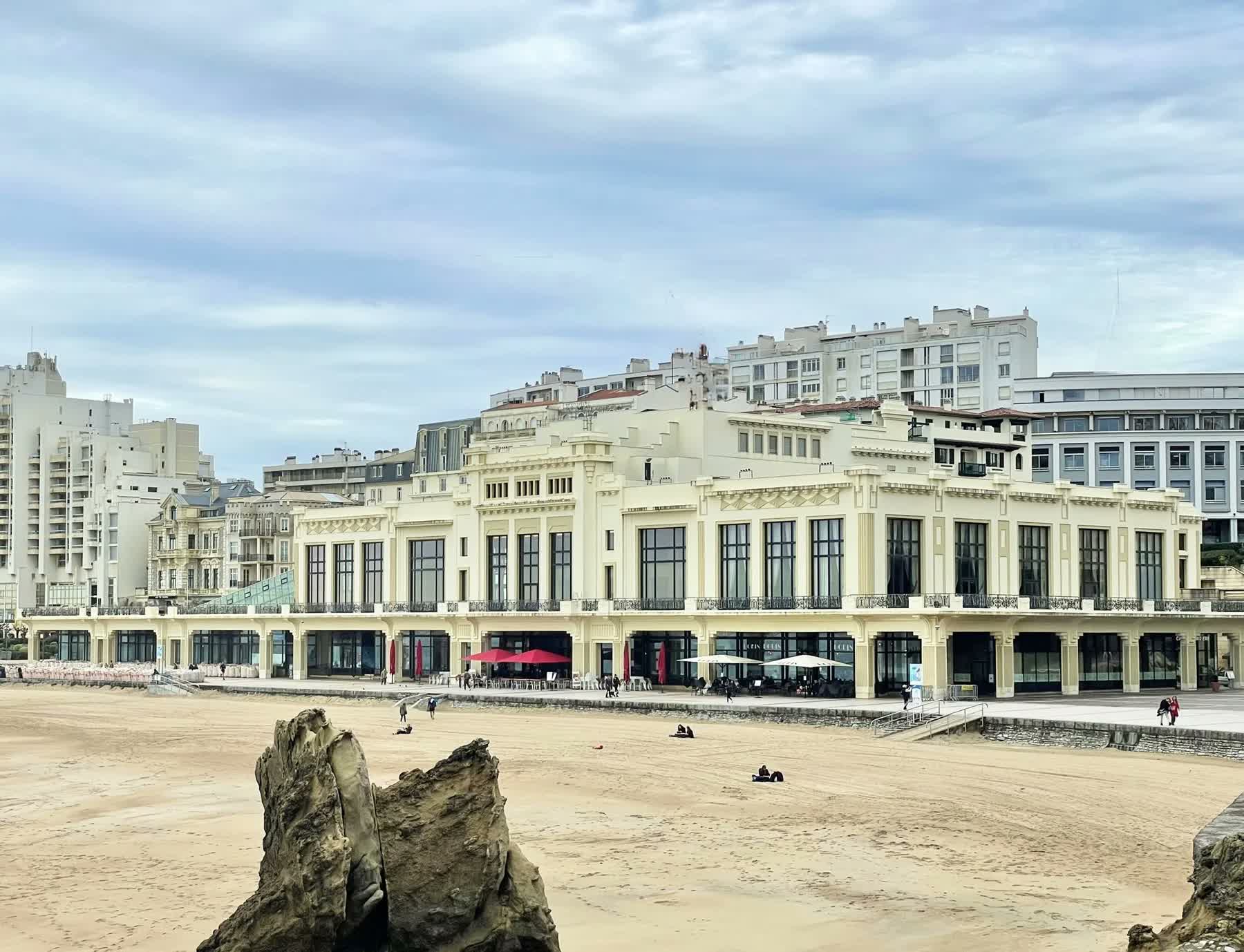
Casino Municipal
1 Avenue Edouard VII, 64200 Biarritz
This Art Deco beauty almost didn't survive. By the late nineteen eighties, it was virtually abandoned. The municipality seriously considered demolishing it. Knocking the whole thing down. It was saved at the absolute last minute in nineteen ninety-two when it was classified in the Supplementary Inventory of Historical Monuments. That classification made demolition legally impossible. Without it, you'd be looking at a car park or a condo block right now. The casino you see was built in nineteen twenty-nine by architect Alfred Laulhe. But this site has been entertaining people since Napoleon the Third's time. In eighteen fifty-eight, Napoleon built the Bains Napoleon here, baths for the fashionable set. That was replaced by an Art Nouveau casino, which was then replaced by this Art Deco one. Three buildings, three eras, one site, all dedicated to the idea that wealthy people need somewhere glamorous to spend money by the sea. Laulhe's design was ambitious. The building combined gaming rooms, reception halls, a theatre, a swimming pool, and an external gallery promenade stretching along the Grande Plage. That long facade facing the ocean is pure Art Deco confidence. Clean lines, geometric patterns, the whole vocabulary of the style applied to a building designed for pleasure. Architect Francois Lombard later adapted the interior for the modern era while preserving the facade. The exterior is essentially what you would have seen in nineteen twenty-nine, minus some weathering. Stand back and look at it alongside the Grande Plage. The beach, the casino, the ocean. This is the postcard image of Biarritz. The fact that it was nearly demolished is one of those stories that makes you grateful someone filled out the right paperwork at the right time.
Chapelle Imperiale
Rue des 100 Gardes, Biarritz, 64200, France
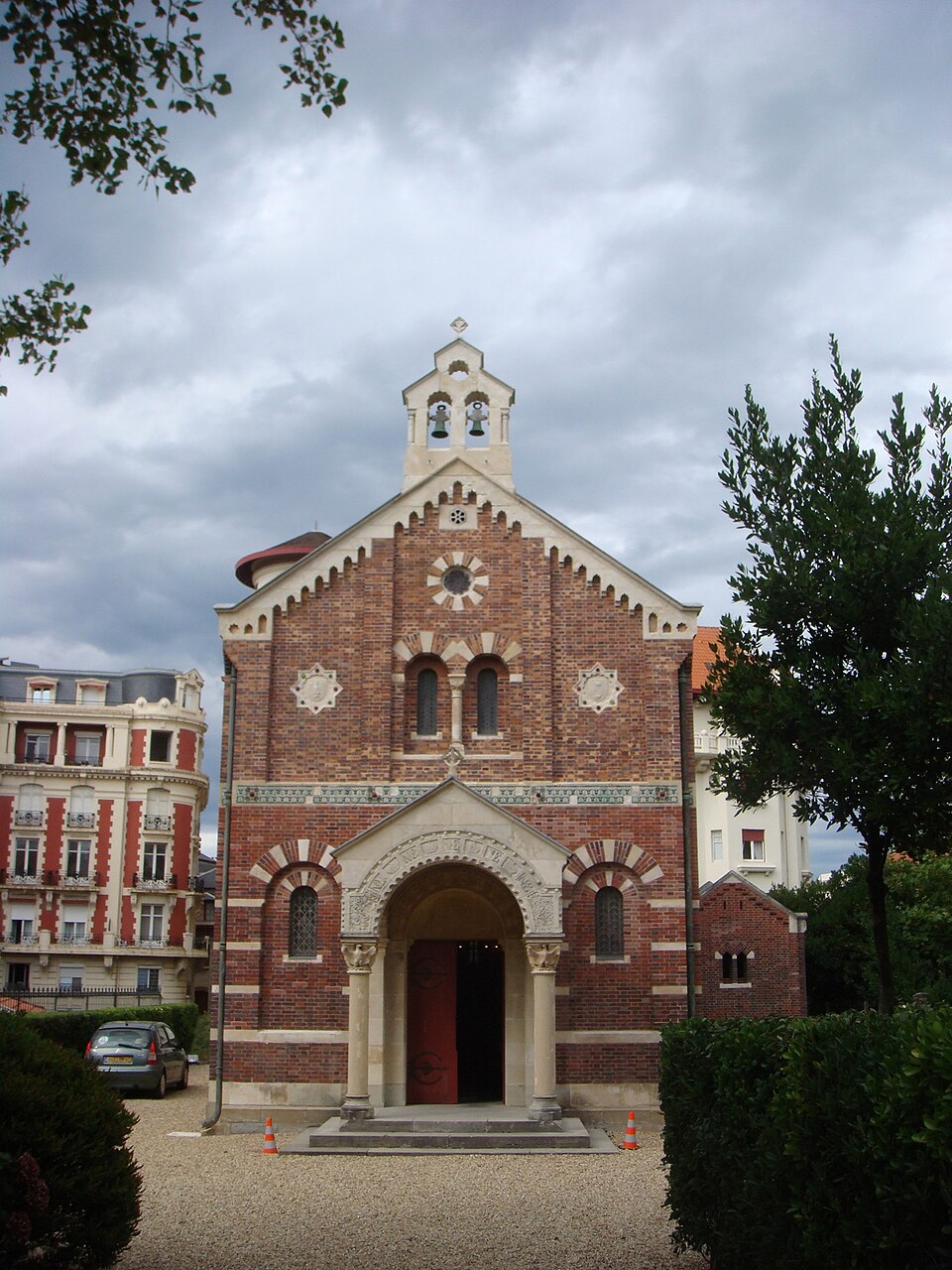
This is one of the strangest chapels in France, and almost nobody knows it's here. Built in eighteen sixty-five by architect Boeswillwald for Empress Eugenie, it combines Roman-Byzantine architecture with Hispano-Moorish decoration. A Catholic chapel that looks like it belongs in Seville or Cordoba, sitting in the Basque Country. You won't find anything else like it in this part of France. But the real story is who it's dedicated to. Our Lady of Guadalupe. The Mexican Black Madonna. Why would a French empress dedicate a Basque chapel to a Mexican saint? Because her husband, Napoleon the Third, had just launched a catastrophic military expedition to Mexico. He was trying to install an Austrian archduke named Maximilian as Emperor of Mexico. It was a disaster that ended with Maximilian facing a firing squad. This chapel was essentially propaganda in stone, a political statement dressed up as devotion. Eugenie was deeply invested in the Mexico adventure and the Guadalupe dedication was her way of blessing it. After Napoleon the Third fell from power at Sedan in eighteen seventy, an angry mob attacked this chapel with hammers. They wanted to destroy every trace of the imperial couple. A captain named Etienne Ardoin personally intervened and saved the building from destruction. Without him, you'd be looking at an empty lot. The city eventually purchased the chapel for the symbolic price of one franc. One franc for a Moorish-Byzantine imperial chapel. That might be the greatest property deal in Biarritz history. It was classified as a historic monument in nineteen eighty-one. Step inside if it's open. The interior is extraordinary. Moorish arches, Byzantine mosaics, and the ghost of a failed Mexican empire, all in a tiny chapel most tourists walk right past.
Cite de l'Ocean et du Surf
1 Avenue de la Plage, 64200 Biarritz
If you think this building looks like a wave, you're right. New York architect Steven Holl won the international competition for this museum in two thousand and five with a concept he called under the sky, under the sea. The concave roof creates the outdoor plaza you might be standing on right now. The convex floor creates the exhibition spaces below. The whole building is essentially an inverted landscape. You walk on the roof. Holl designed it with collaborator Solange Fabiao, and it opened in June two thousand and eleven. The roof slopes toward the ocean and is paved in Portuguese cobblestone. Two glass boulders sit on the surface, one containing a restaurant and the other a surfer kiosk. They're designed to echo the natural boulders on the nearby beach. From the air, the whole structure looks like a sculpted wave frozen in concrete and glass. The building won the twenty eleven Emirates Glass LEAF Award and the twenty twelve American Architecture Award. It's one of those structures that divides opinion sharply. Some people find it brilliant. Others think it looks like a skate park designed by aliens. Either way, it's a bold piece of architecture for a town that mostly trades on Belle Epoque charm. Inside, the exhibitions focus on ocean science and surf culture. The museum explores everything from deep-sea ecosystems to wave mechanics to the physics of surfing. It's hands-on and designed to work for all ages, though the building itself is probably more interesting than any single exhibit. What makes this place genuinely unusual is the ambition. A small Basque surf town hired one of the world's most celebrated architects to build a museum about the ocean. And he designed a building that IS the ocean. It's a statement about what Biarritz thinks it deserves.
Cote des Basques
Perspective de la Côte des Basques, Biarritz, 64200, France
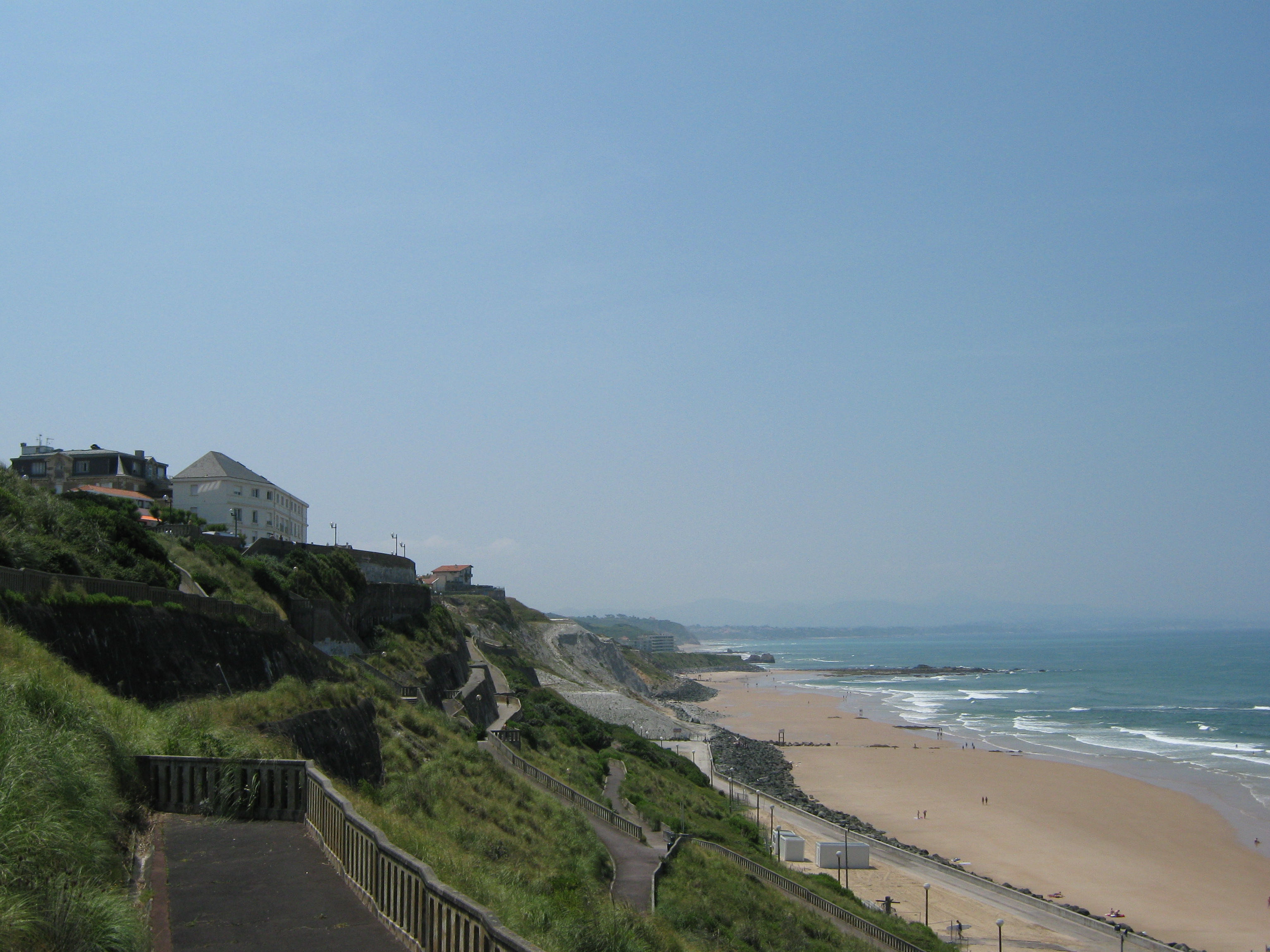
You're looking at the birthplace of surfing in Europe, and it happened because a Hollywood screenwriter got bored. In nineteen fifty-six, Peter Viertel was in Biarritz working on a film adaptation of Hemingway's The Sun Also Rises. He'd surf in California, and watching these Atlantic waves, he couldn't help himself. He had a surfboard shipped over from the States and started riding waves right here at Cote des Basques. The film's producer, Dick Zanuck, son of the legendary Darryl Zanuck, brought a board too. And here's the detail that makes the whole story perfect. Ernest Hemingway himself reportedly watched from the sand. The man whose novel inspired the film sat on this beach watching the birth of European surfing. You couldn't write a better origin story if you tried. A local nicknamed Geo Trouvetout, real name Georges Hennebutte, got his hands on Viertel's board, fixed it up, and became one of the first Europeans to actually surf. He and three others are still known locally as the tontons surfeurs, the uncle surfers. They're legends in this town. From that moment in nineteen fifty-six, surfing spread across France, then Spain, then Portugal, then the rest of Europe. It all started right here. The Biarritz Maider Arosteguy competition, created in nineteen eighty-four, is the oldest surfing competition in Europe. And this stretch of coast produces some genuinely excellent waves. The beach break here works best at mid to low tide, and when a solid Atlantic swell rolls in, you'll understand exactly why Viertel couldn't resist. What strikes you about this beach is how little it's changed in character. Yes, there are more surfers now. Many more. But the waves, the cliff backdrop, the light on the water in late afternoon, that's all exactly what Viertel and Hemingway would have seen.
Eglise Orthodoxe Alexandre Newsky
8 Avenue de l'Imperatrice, 64200 Biarritz
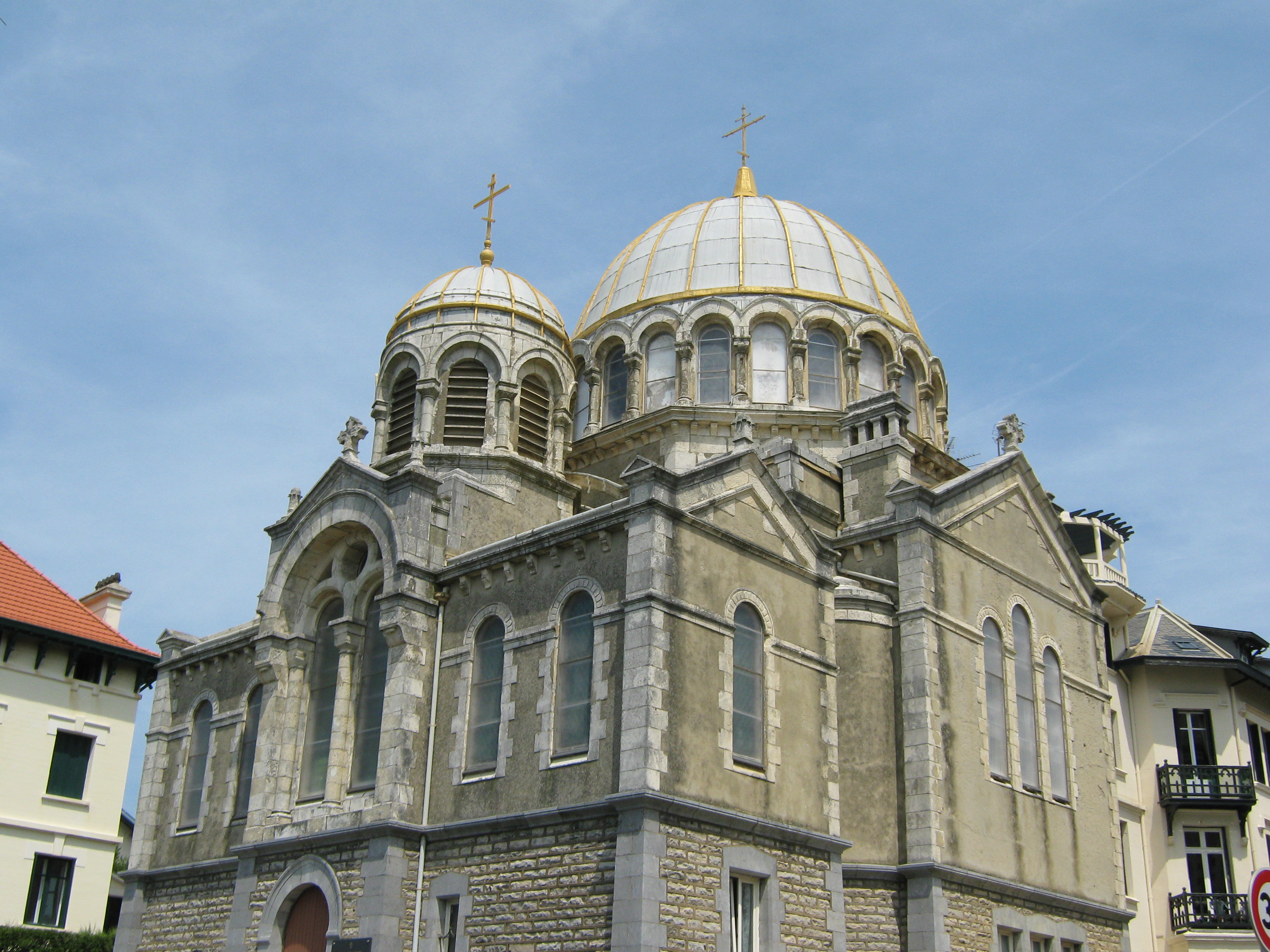
There's a Russian Orthodox church on the same street as the empress's palace, and that's not a coincidence. In the late nineteenth century, Biarritz was essentially the summer playground for Russian aristocracy. The tsars and their court came here in droves. Empress Maria Feodorovna, wife of Tsar Alexander the Third, was a regular visitor. When you have that many Russian nobles in one resort town, eventually someone builds a church. This one was built in eighteen ninety-two specifically by and for Russian aristocrats. It was consecrated on September the twenty-fifth of that year in the presence of members of the Russian imperial family. The architecture is distinctly Russian Orthodox, with the characteristic onion dome that looks utterly out of place against the Basque Country skyline. That visual contrast is part of what makes it so striking. You're walking along an avenue of Belle Epoque villas and suddenly there's a piece of Saint Petersburg. Now here's a detail that connects tsarist Russia to the Cold War. Alexander Solzhenitsyn, the Nobel Prize-winning author and Soviet dissident who spent years in the gulags, donated money to the church's nineteen eighty-four restoration. Solzhenitsyn, the man who exposed the horror of Soviet labour camps in The Gulag Archipelago, helping restore a church built by the very aristocracy the Soviets overthrew. The ironies pile up. The church was classified as a Historic Monument in two thousand and fifteen. It's small and easy to miss if you're not paying attention, but it represents something fascinating about Biarritz's history. This town wasn't just French and Basque. For decades, it was one of the most cosmopolitan places in Europe. Russian, British, Spanish, and French aristocrats all claimed a piece of it.
Eglise Sainte-Eugenie
Place Sainte Eugenie, 64200 Biarritz
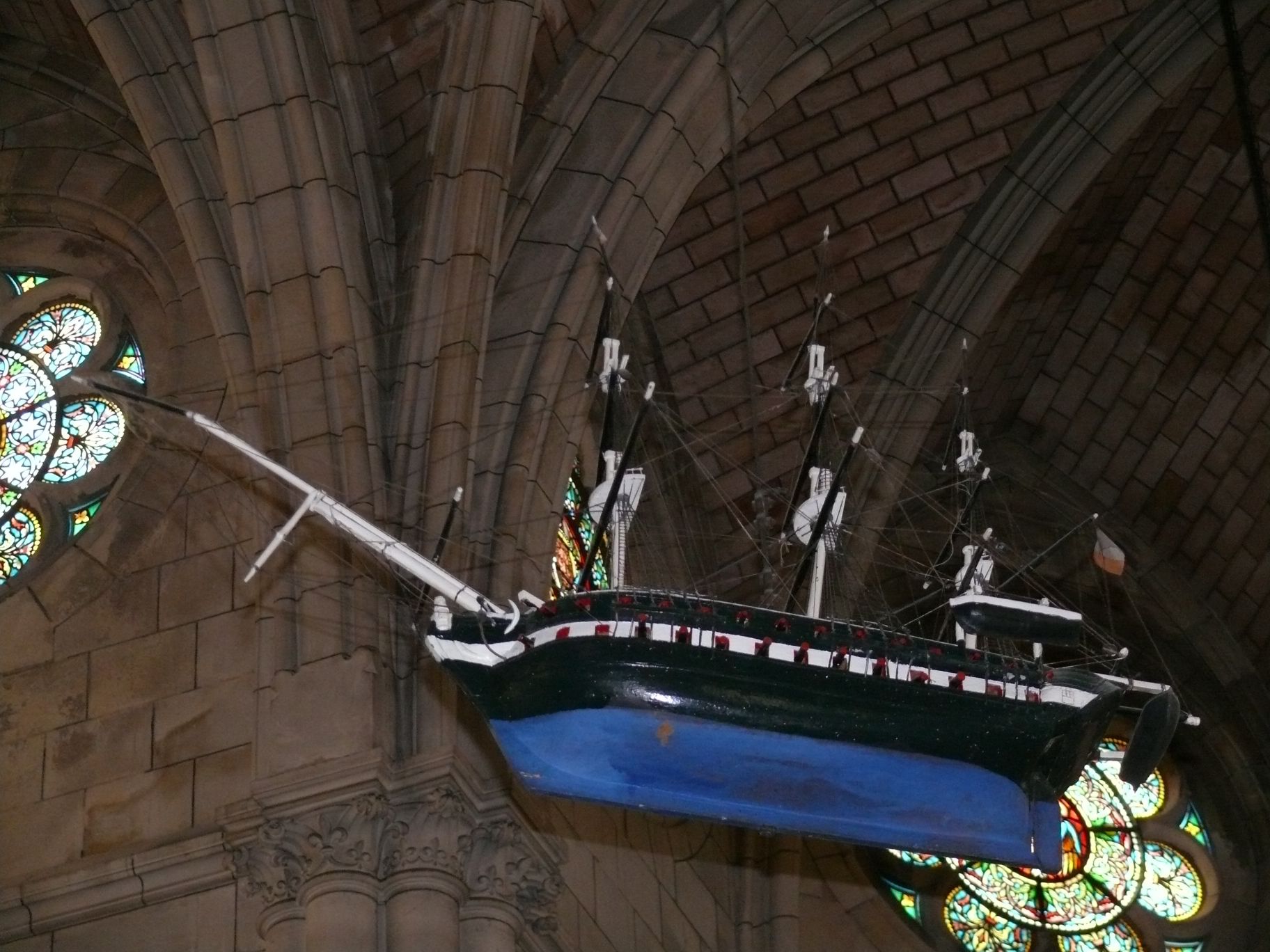
Go inside and look for the baptismal fonts. They're giant seashells. Not carved stone shaped like shells. Actual enormous seashells shipped all the way from Manila in the Philippines. In a neo-Gothic church. On the Basque coast. Named after a Spanish empress. If that combination doesn't make you smile, nothing will. The church was built between eighteen ninety-eight and nineteen oh three, replacing an older chapel called Notre-Dame-de-Pitie. It's named after the patron saint of Napoleon the Third's wife, Empress Eugenie de Montijo, who basically put Biarritz on the map. Napoleon personally financed the bell tower to the tune of thirty thousand francs. That was serious money in the eighteen sixties. The stained glass windows are worth a proper look. They were designed by Luc-Olivier Merson, a Prix de Rome winner and celebrated painter. Merson was famous for his religious and mythological paintings, and the windows here have that same luminous quality. The light coming through them in the afternoon is particularly striking. But honestly, come back to those seashells. The Philippines connection is a reminder of how far Biarritz's maritime reach extended. This wasn't just a fishing village that got lucky with an empress. Basque sailors travelled the world. They hunted whales across the Atlantic, fished cod off Newfoundland, and traded across the globe. Giant shells from Manila as baptismal fonts aren't random decoration. They're a statement about where these people went and what they brought back. The church sits on one of the best vantage points in town, overlooking the little harbour below. If you sit on the terrace outside, you get the full sweep of Biarritz's coastline. Eugenie knew how to pick a spot.
Fronton Parc Mazon
Avenue du Maréchal Joffre, Biarritz, 64200, France
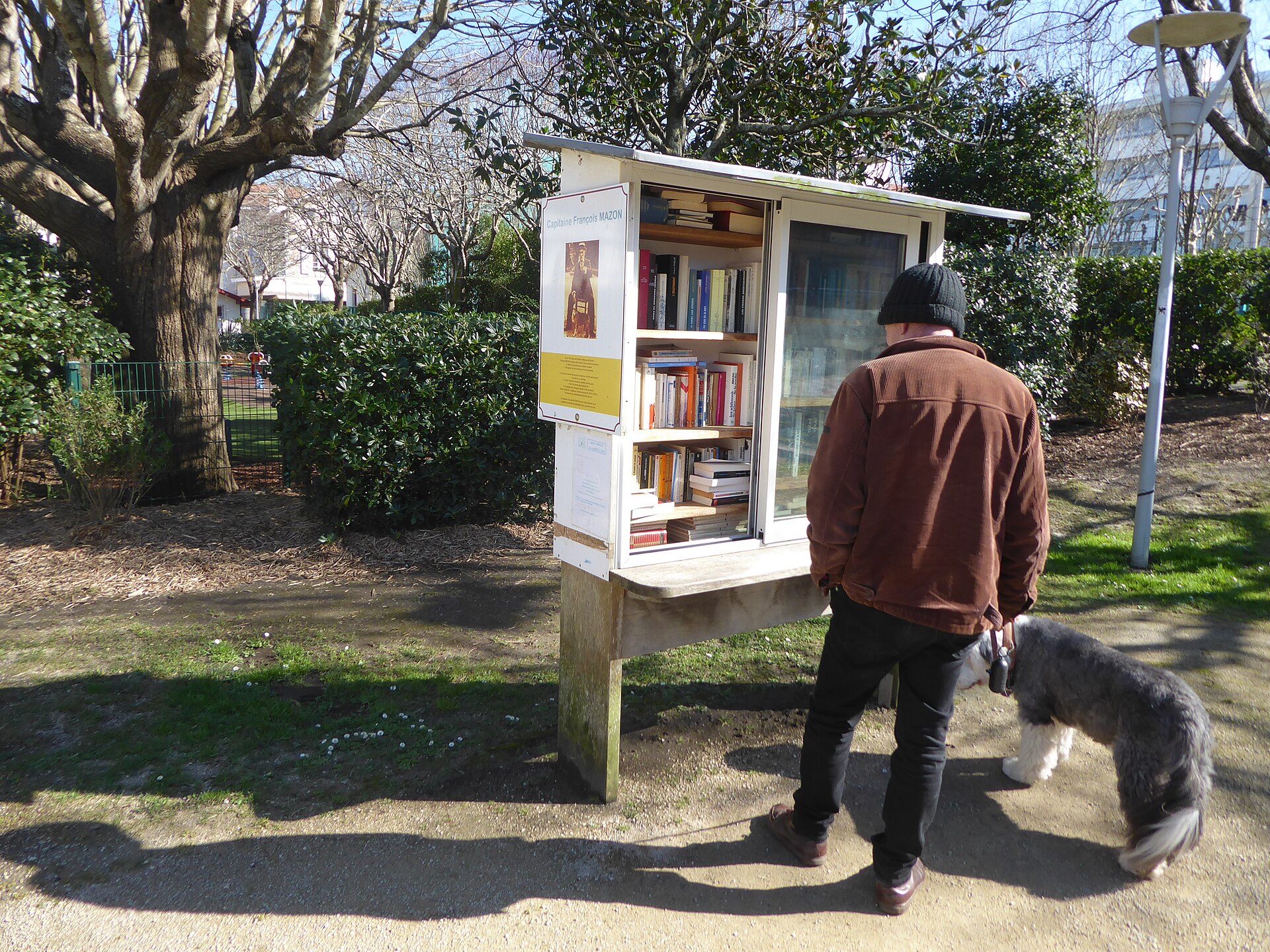
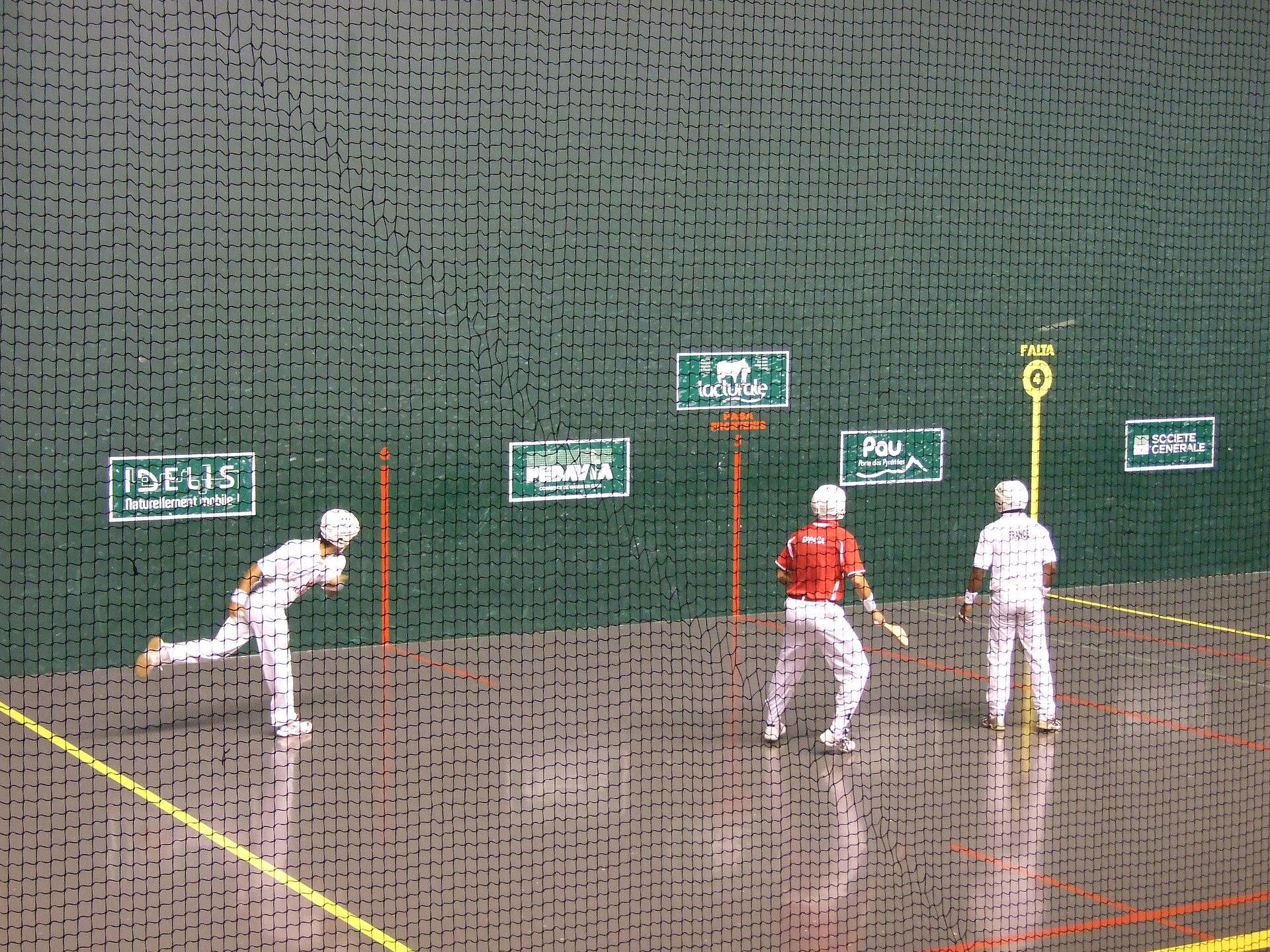
The ball travels at three hundred kilometres per hour. That's faster than a Formula One car in the rain. And the players catch it with a curved wicker basket strapped to their arm. Welcome to pelota basque, the national sport of the Basque Country, and this is one of the best places to see it played. This open-air fronton, basically a massive wall that players hurl the ball against, has been recently renovated and seats five hundred spectators. During summer months, they host competitions and demonstrations here that are genuinely thrilling to watch. The speed of the ball is almost impossible to track with your eyes. The version you're most likely to see is cesta punta, which the rest of the world calls jai alai. The players wear helmets, and after watching for about thirty seconds, you'll understand why. The pelota, the ball, is harder than a baseball and travels at speeds that would be lethal if it hit you in the head. This isn't a gentle game. It's one of the fastest ball sports in the world. The roots of pelota basque might go all the way back to Roman times. Some historians trace it to the Roman game harpastum, though the modern version evolved in the Basque Country over centuries. Pelota basque was recognised as a UNESCO intangible cultural heritage in two thousand, and the World Championships were held right here in Biarritz in twenty twenty-two. The court surface here is sixty by twenty metres of asphalt, lit by two hundred and forty lux of lighting for evening matches. If you can catch an evening game during summer, do it. There's nothing quite like watching a sport where the ball moves so fast your brain can't follow it, played against a wall in a Basque park while the sun sets.
Grande Plage
1 Boulevard du Général de Gaulle, Biarritz, 64200, France
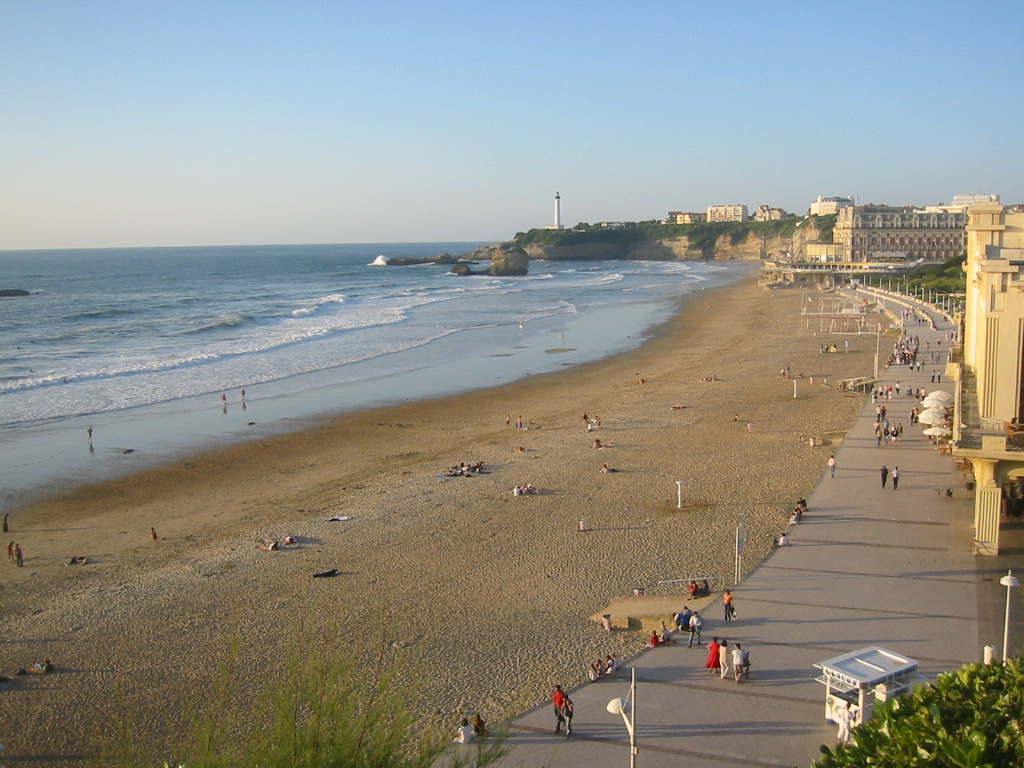
This glamorous stretch of sand has a past that would horrify today's sunbathers. Before the parasols and the designer swimwear, this was a whale-butchering beach. From the twelfth century, Biarritz was a whaling town, and the Grande Plage was where they hauled the carcasses in for processing. Whale oil was rendered here to light houses across the region. The bones were used for building fences and furniture. The meat was eaten. And here's a detail you won't find in most guidebooks. The whalers gave the whale tongues to the church as voluntary gifts. Tongues. To the church. The whaling industry was so central to Biarritz's identity that a whale appeared on the town's coat of arms. Whalers were exempt from taxation, which tells you exactly how much the community depended on them. But by the sixteenth century, the whales had started migrating elsewhere, driven by overhunting. Basque whalers didn't give up. They crossed the entire Atlantic Ocean to hunt off Labrador and Newfoundland. When that got harder too, they pivoted to cod fishing. Adaptable people. The transformation from whale beach to glamour beach happened remarkably fast. When Empress Eugenie started bathing here in the eighteen fifties, European aristocrats followed. In the Victorian era, men and women had segregated bathing times with separate beaches. Eugenie helped popularise mixed sea bathing, which was considered scandalous. Look at the beach today. It's almost impossible to reconcile the chic scene in front of you with the medieval whale-processing operation that happened on this exact sand. But that's Biarritz in a nutshell. A town that reinvented itself so completely that its origin story sounds like fiction.
Grotte de la Chambre d'Amour
Sentier du Bascou, Anglet, 64600, France
The Love Chamber. That's what the name means. But the real story of how this cave got its name is much darker and stranger than any romance novel. The legend goes like this. Two young lovers, Laorens, a poor orphan, and Saubade, the daughter of a rich farmer, were forbidden from seeing each other. They met secretly in this cave, hidden from the world by the cliffs and the tides. One night, a storm came in faster than expected. The tide rose. The cave flooded. They drowned in each other's arms. It's the Basque Romeo and Juliet, and locals have been telling the story for centuries. But here's where it gets properly weird. The first written reference to the chambre d'amour appears in sixteen twelve, in an account by Pierre de Lancre. De Lancre wasn't a romantic. He was a witch-hunter. He came to the Basque Country on a mission to identify and persecute alleged witches. He was responsible for the torture and execution of dozens of women. And somewhere between the witch trials, he casually noted this cave and its drowning legend. The Love Chamber got its name from a man who burned women alive. The romantic version of the legend that most people know was actually popularised much later, in eighteen seventeen, by a writer named Etienne de Jouy in a book called The Hermit in the Provinces. He cleaned up the story, made it poetic, and stripped out the witch-hunting context. The sanitised version stuck. The cave has given its name to the entire district facing the seafront between Anglet beach and the Biarritz lighthouse. Today it's a popular spot for sunset walks. Couples come here. They have no idea they're visiting a place named by a man who hunted witches for a living.
Hotel du Palais
1 Avenue de l'Impératrice, Biarritz, 64200, France
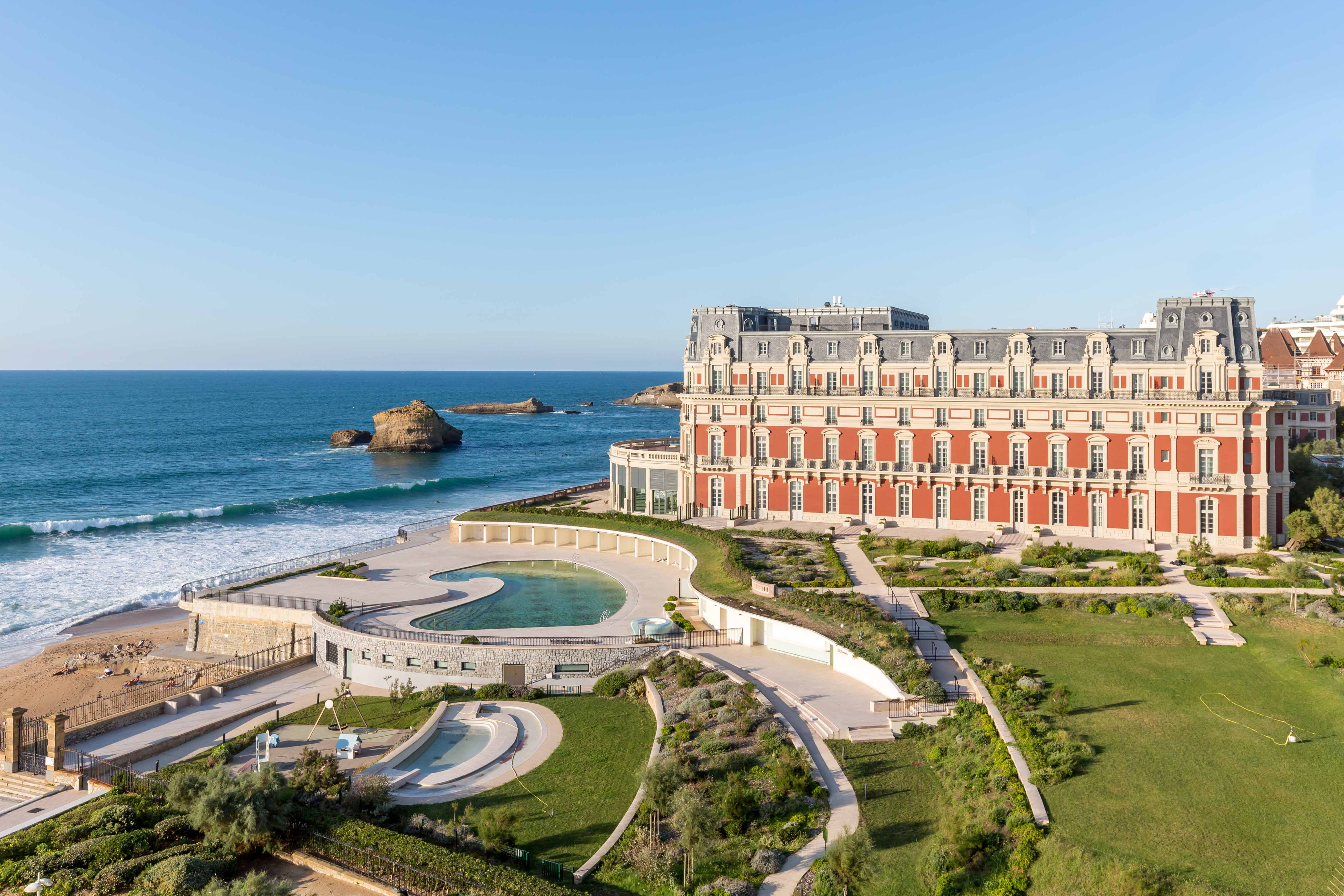
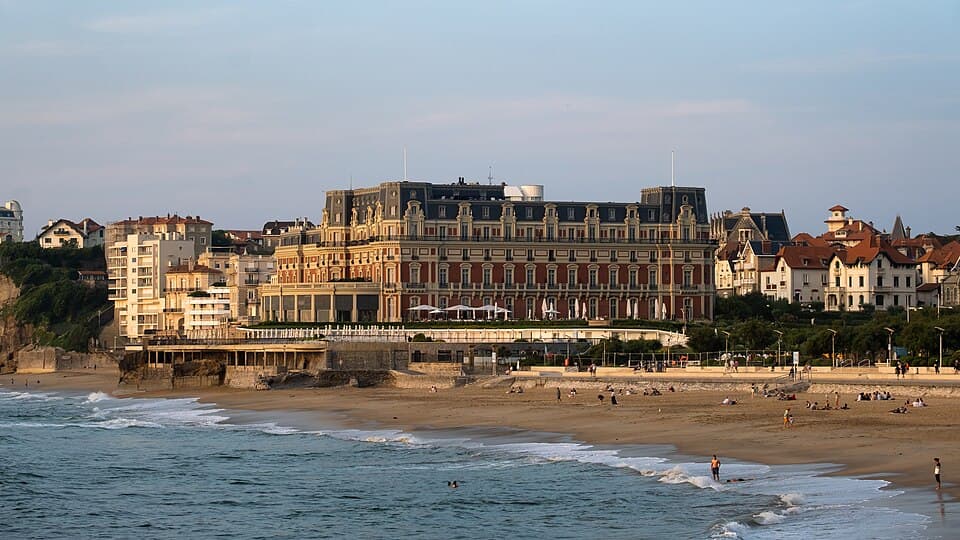
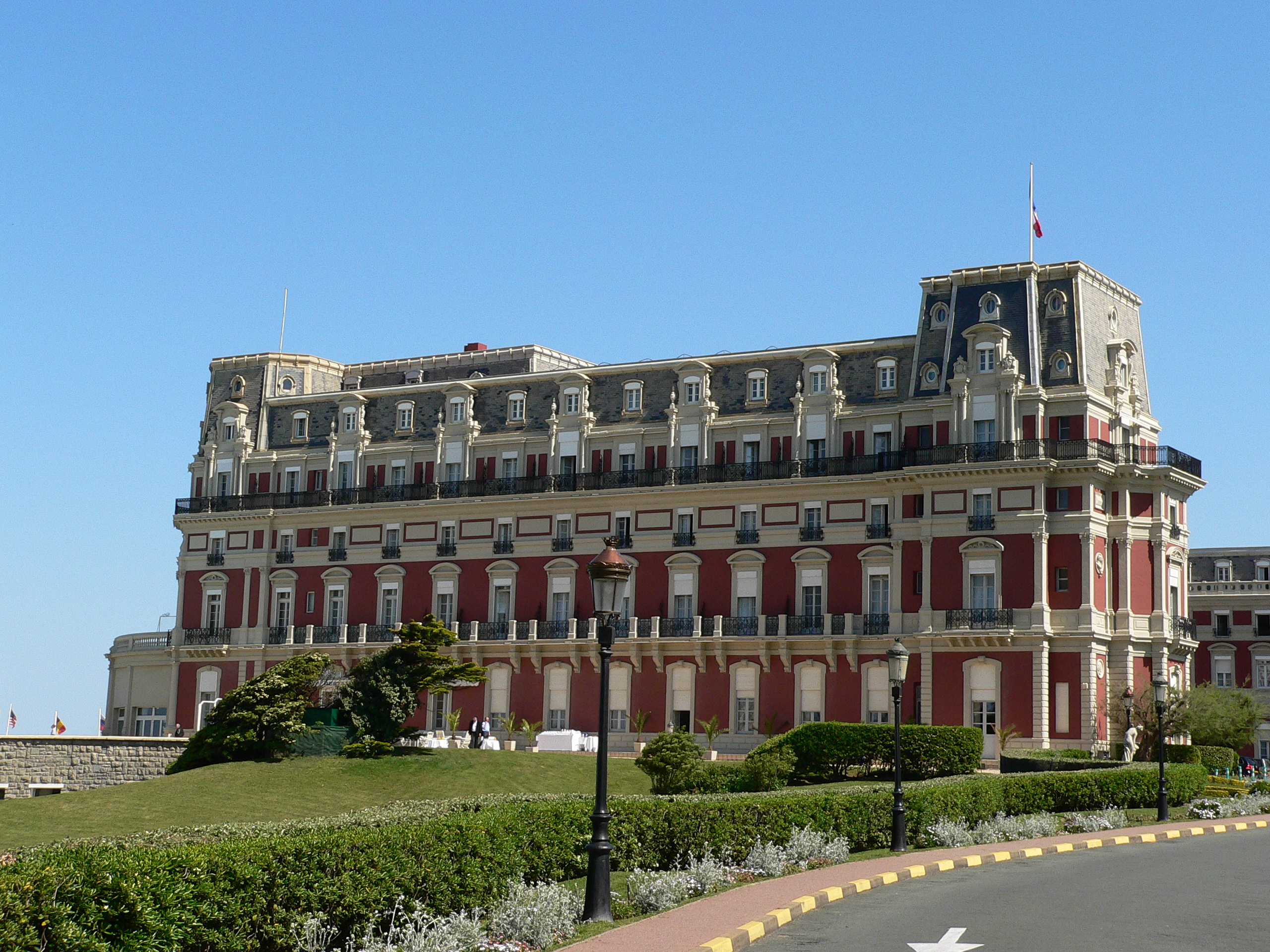
This enormous building started life as a love letter. In eighteen fifty-four, Napoleon the Third built this villa for his wife, Empress Eugenie de Montijo, a Spanish countess he was besotted with. She adored Biarritz. She'd visited as a child and told Napoleon she wanted a summer palace right here, overlooking the ocean. He said yes. Obviously. The original architect, Hippolyte Durand, got fired mid-construction. His replacement was a twenty-seven-year-old named Louis-Auguste Couvrechef. Imagine being twenty-seven and told to finish building an empress's palace. No pressure. Now here's the thing about Eugenie. She was a wild ocean swimmer. Every single morning, she'd wade into the Atlantic in a voluminous bathing dress and swim far from shore, preferably when a storm was approaching. This was the eighteen fifties. Women barely showed an ankle in public. She was out there battling waves for fun. She basically invented extreme sea bathing and made it fashionable. European aristocrats followed her here, and suddenly Biarritz was the place to be. After Napoleon the Third fell from power in eighteen seventy, the villa was sold in eighteen eighty and converted into a hotel casino. Queen Victoria stayed here. So did Empress Elisabeth of Austria, the one everyone calls Sisi. King Edward the Seventh of England was a regular. The guest list reads like a who's who of European royalty. In nineteen oh three, a devastating fire gutted the interior. They rebuilt it lavishly within the original walls, and what you see today is that reconstruction. The building survived two world wars, bankruptcy, and over a century of Atlantic storms. But it all started because one woman loved swimming in rough seas and an emperor couldn't say no to her.
La Rhune (Mountain Railway)
3170 Santinazioko Errebidea, Sare, 64310, France
La Rhune is the sacred mountain of the Basque Country — a 905-metre peak on the French-Spanish border that has been a place of pilgrimage and mythology since pre-Christian times. The Petit Train de la Rhune, a rack railway built in 1924, climbs from the Col de Saint-Ignace to the summit in 35 minutes through a landscape of wild Pottok ponies, Manech sheep, and the heather-and-gorse moorland that covers the Basque Pyrenean foothills. The summit views extend from the Bay of Biscay to the high Pyrenees.
Les Halles de Biarritz
Rue des Halles, 64200 Biarritz
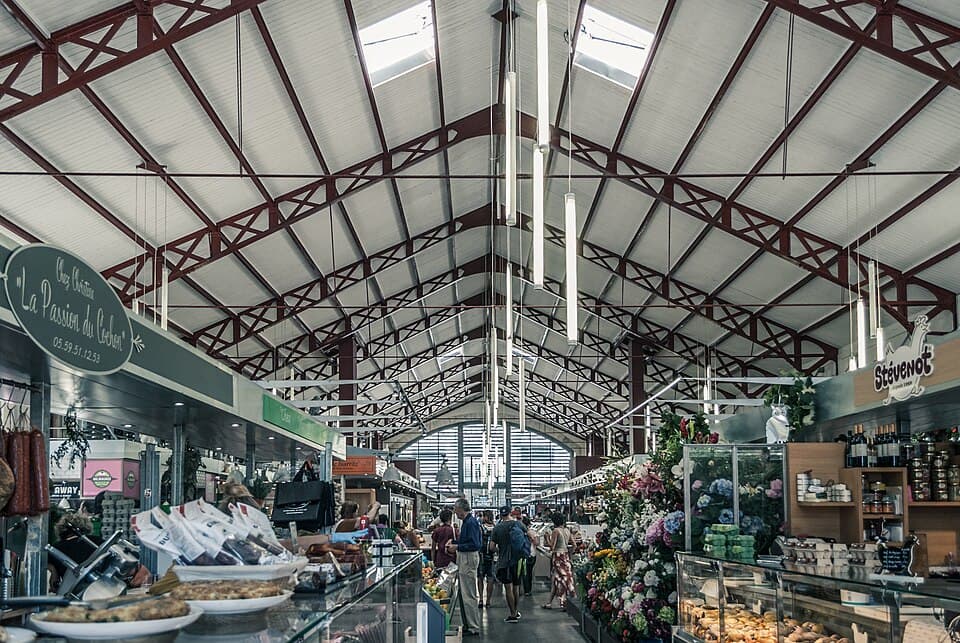
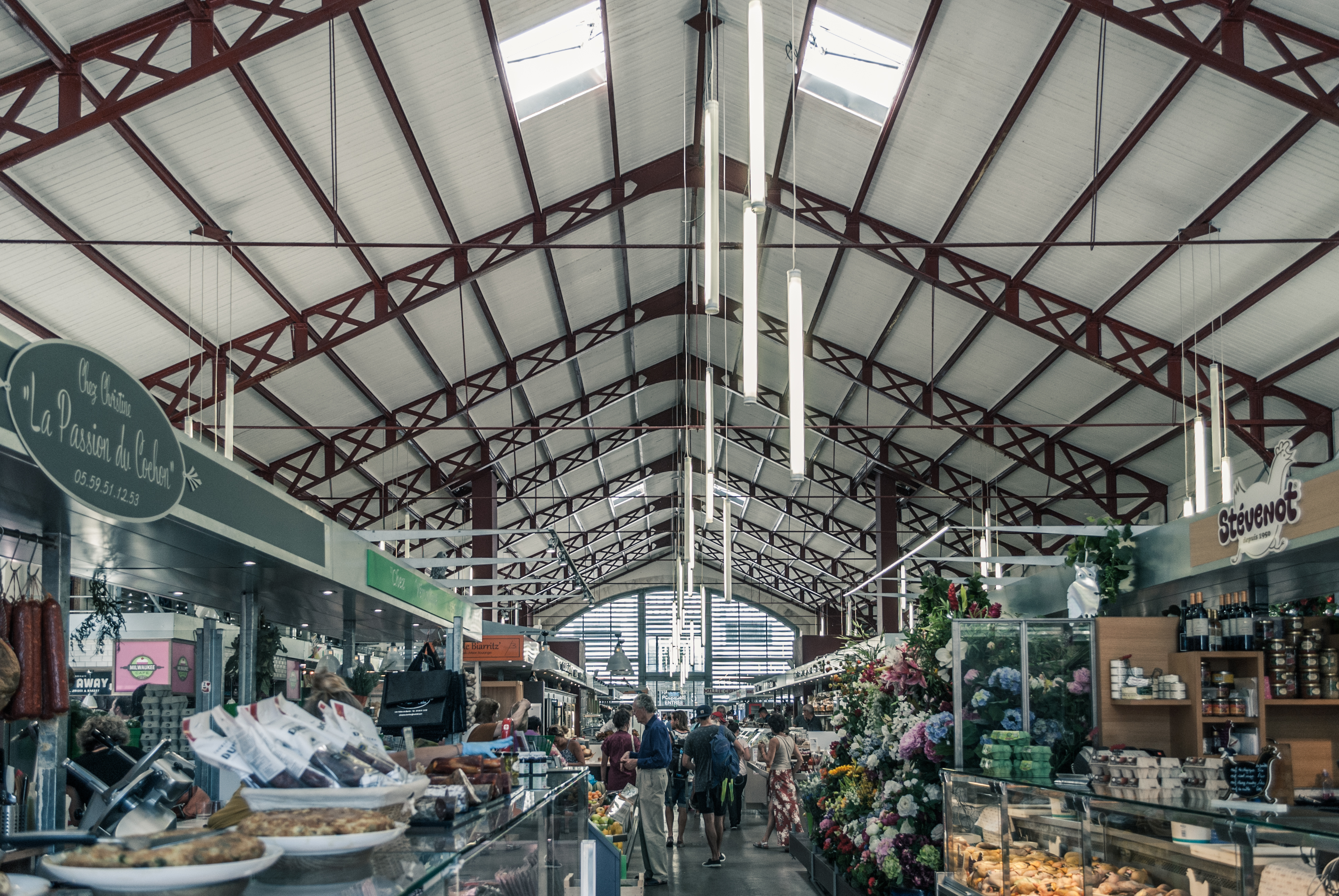
This market was built on a tennis court. In eighteen eighty-five, architect Alexandre Ozanne constructed Les Halles on the site of a former jeu de paume, the real tennis game that was popular with French aristocracy for centuries. They tore down the court and put up a food market. It tells you something about how Biarritz's priorities were shifting. Inside, one entire hall is dedicated solely to seafood. The other sells everything from Espelette pepper to foie gras to Ossau-Iraty cheese to cured Bayonne ham. If you want to understand Basque food culture in thirty minutes, this is where you come. The market is open every day from seven thirty in the morning until two in the afternoon, and during July and August, it reopens from six to nine in the evening for tapas-style eating. Those summer evenings here are special. Now, about that chocolate you'll see everywhere in this region. The Basque Country's chocolate tradition has a remarkable origin story. In the seventeenth century, Sephardic Jews fleeing the Spanish Inquisition settled in nearby Bayonne. They brought cocoa beans and chocolate-making expertise with them. By eighteen seventy, there were over one hundred and thirty chocolate shops in Bayonne alone. France's entire chocolate tradition in this region exists because of religious persecution driving people across the border. The Espelette pepper is the other signature ingredient. Those dark red peppers you see hanging from building facades all over the Basque Country get their name from the village of Espelette, about twenty kilometres inland. They have their own appellation d'origine, like a fine wine. This market is the real Biarritz. Not the grand hotels, not the casino. This is where locals actually eat.
Musee Asiatica
1 Rue Guy Petit, 64200 Biarritz
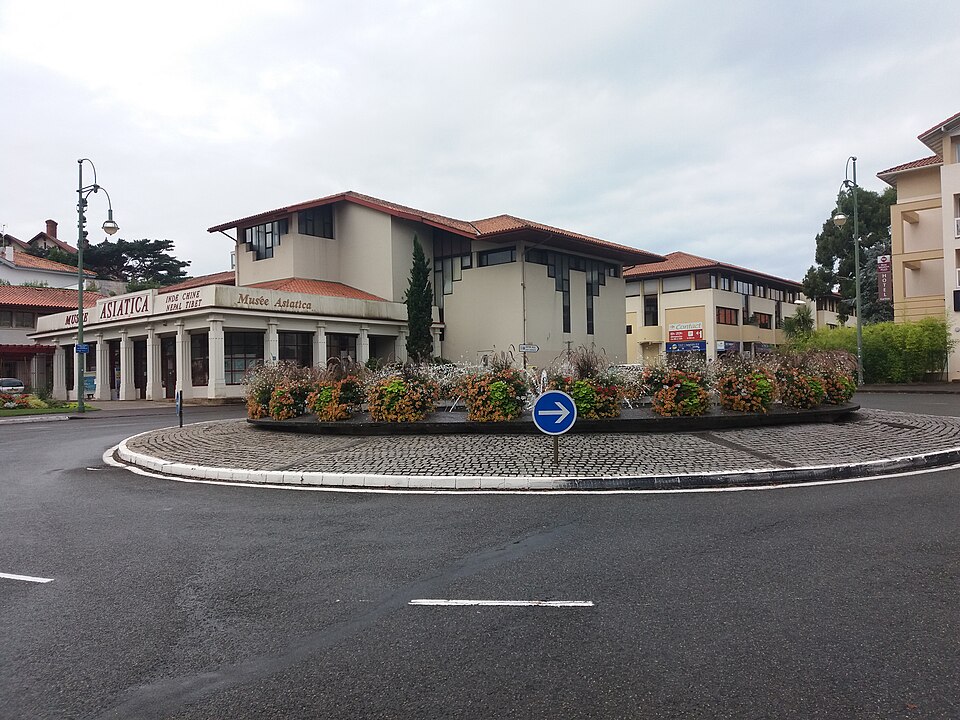
One of the top five Asian art museums in Europe is hiding in a Basque surf town. Nobody expects this. You're walking through Biarritz thinking about waves and pintxos and suddenly there's a museum with over two thousand pieces spanning four thousand years of Asian art. It's genuinely one of the most surprising things in this city. The museum was founded by Michel Postel and Xintian Zhu, who holds a PhD in East Asian Art from the Sorbonne. It officially opened in March nineteen ninety-nine. Postel spent decades collecting, and Zhu brought the academic rigour to turn a private collection into a world-class museum. The collection that really stops you in your tracks is the Greco-Buddhist sculptures from Gandhara, which is now modern-day Afghanistan and Pakistan. These are sculptures of Buddha wearing what looks like a Roman toga. When Alexander the Great's armies reached the Indian subcontinent, Greek artistic traditions fused with Buddhist ones. The result is Buddha with curly Mediterranean hair and draped robes that look straight out of Rome. They're some of the most unusual art objects in any French museum, and they're here, in Biarritz. There are also Chola-period Hindu bronzes from southern India, Hongshan jade pieces that are over five thousand years old, golden Nepalese bronzes, and Taoist art from China. The range is staggering for a museum this size. The question everyone asks is why Biarritz? The answer is partly personal passion, partly the town's cosmopolitan history. Biarritz has always attracted people from everywhere. Russian aristocrats, British nobility, Spanish royalty, American surfers. A world-class Asian art museum fits the pattern, even if it sounds absurd at first. This town collects the unexpected.
Patisserie Miremont
1 bis Place Georges Clémenceau, Biarritz, 64200, France
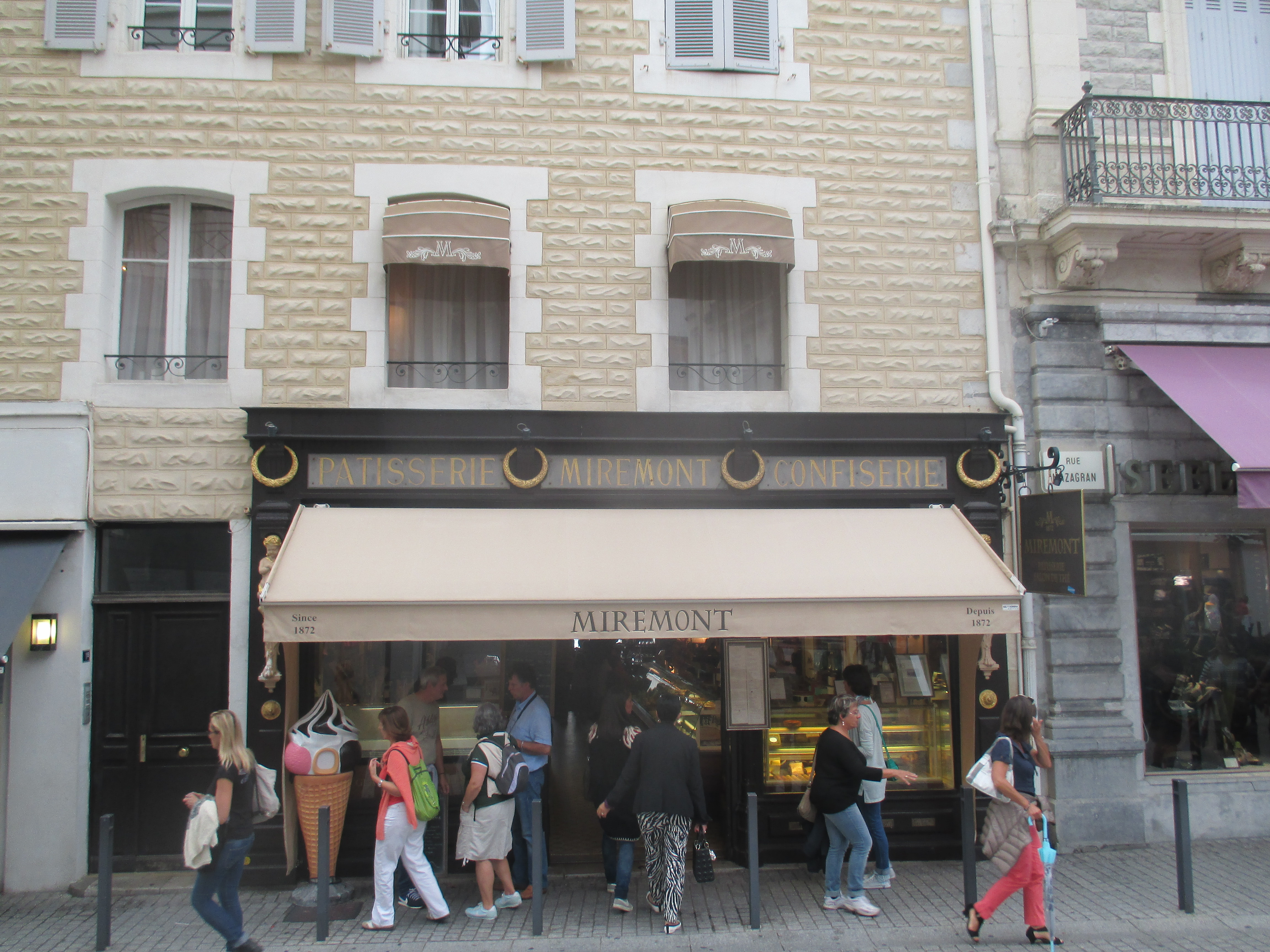
Two European kings used to eat cake in this room. King Alfonso the Thirteenth of Spain came here for lunch. King Edward the Seventh of England came for tea. When your regular customers include actual monarchs, you're probably doing something right. The patisserie was founded in eighteen seventy-two by Etienne Singher, a confectioner from Saint-Moritz in Switzerland. Joseph Miremont acquired it in eighteen eighty and gave it the name it still carries. What you see inside is essentially what those kings saw. The interior has a leather ceiling with Moorish-inspired decoration, ornate mirrors, and Berain-style interlaced panels featuring classical putti. Those are the little cherub figures. The whole room is a classified historic monument. You're eating pastry in a heritage site. Their signature creation is the Paris-Biarritz. You might know the Paris-Brest, that ring-shaped choux pastry filled with praline cream, named after a bicycle race. The Paris-Biarritz takes that concept and spikes it with Espelette pepper, the Basque chili. It's sweet, it's creamy, and then there's this unexpected warmth from the pepper that builds at the back of your throat. It's a clever thing. A Basque twist on a French classic. The location is perfect. Place Georges Clemenceau is the main square of Biarritz, and Miremont's terrace overlooks the whole scene. In the Belle Epoque era, this is where you came to see and be seen. The social currency of having a table at Miremont's was considerable. This place has been serving continuously since eighteen seventy-two. Over one hundred and fifty years of pastry. Most businesses don't last a decade. Miremont has outlasted empires, two world wars, and every food trend since the nineteenth century.
Pelote Basque (Basque Ball Games)
Porte de Biarritz, Biarritz, 64200, France
Pelote basque is the Basque national sport — a family of ball games played against a wall (fronton) that has been the social and competitive centrepiece of Basque culture for centuries. The fastest version, cesta punta (jai alai), sends the ball at over 300 km/h. Matches at the fronton in Parc Mazon and professional games at the Cesta Punta Jai Alai complex provide the most authentic Basque sporting experience in the French Basque Country.
Phare de Biarritz
Esplanade Elisabeth II, 64200 Biarritz
Look up. Two hundred and forty-eight steps to the top, and if you make the climb, you'll be standing inside one of the most powerful lighthouses in all of Europe. The beam reaches roughly fifty kilometres out to sea with a light intensity of up to one million candelas. When this was first lit in eighteen thirty-four, it was equipped with one of the earliest Fresnel lenses ever developed. That lens technology was revolutionary. Instead of losing light in all directions, it concentrated the beam into a single devastating shaft. Sailors could see Biarritz from impossibly far away. Now look at the shape. It's cylindrical today, but it wasn't always. When it was built in eighteen thirty-four, it was octagonal. They reshaped it to a cylinder in nineteen fifty during electrification. And here's a detail almost nobody notices. Look at the copper dome at the very top. See those gargoyles? There are twelve bronze lion heads up there, and every single one is different. Twelve individually sculpted lions, each with its own expression, snarling down from a lighthouse dome on the Basque coast. Someone went to extraordinary trouble for something most people never look at. This spot also made world headlines in twenty nineteen. On August the twenty-fourth, Emmanuel Macron hosted the G7 summit right here in Biarritz, and the world leaders had dinner on this very esplanade. Trump, Merkel, Macron, Johnson, Abe, Trudeau, Conte, and Tusk, all sitting on the lawn beside this lighthouse, eating what was presumably a very expensive meal while the Atlantic crashed below them. The lighthouse became a listed historic monument in two thousand and nine. It's one of those places that rewards people who actually look closely.
Plage de la Milady
Avenue de la Milady, Biarritz, 64200, France
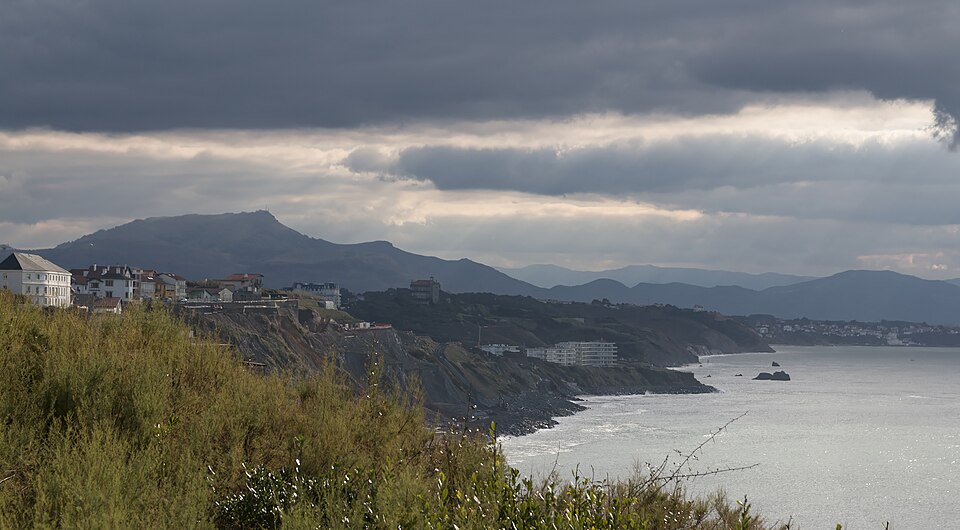
This beach is named after a Scottish noblewoman, and the story of how that happened is pure nineteenth-century Biarritz. Lady Mary Caroline Bruce was a descendant of the Kings of Scotland and married the Marquis of Ailesbury. She came to Biarritz and fell in love with the place, as everybody seemed to in those days. She chaired the British Club of Biarritz for twelve years. Twelve years running the social calendar for every British aristocrat on the Basque coast. In eighteen sixty-three, she had the Villa Marbella built in Moorish style, perched on the cliffs overlooking this stretch of coast. The French locals didn't bother learning her actual name. They just called her Milady. When she died, both this beach and the neighbouring Marbella beach were named in her honour. So you have a beach in France named with an English word for a Scottish woman who built a Moorish villa. Biarritz, everyone. What's interesting about Milady today is how different it feels from the rest of Biarritz. Grande Plage and Cote des Basques get the crowds, the surfers, the scene. Milady is quieter. It's where locals come when they want to actually relax without performing for tourists. The beach has a more neighbourhood feel, with families and dog walkers outnumbering the selfie crowd. The beach is also a leader in accessibility through the Handiplage initiative, with ramps and dedicated staff to help people with disabilities access the water. It's one of the most thoughtfully designed beach access programmes in France. Lady Mary Caroline Bruce probably wouldn't recognise much about modern Biarritz. But this beach, a little removed from the chaos, overlooking good waves with nobody trying too hard, feels like the kind of place she chose on purpose.
Plateau de l'Atalaye
Esplanade des Anciens Combattants, Biarritz, 64200, France
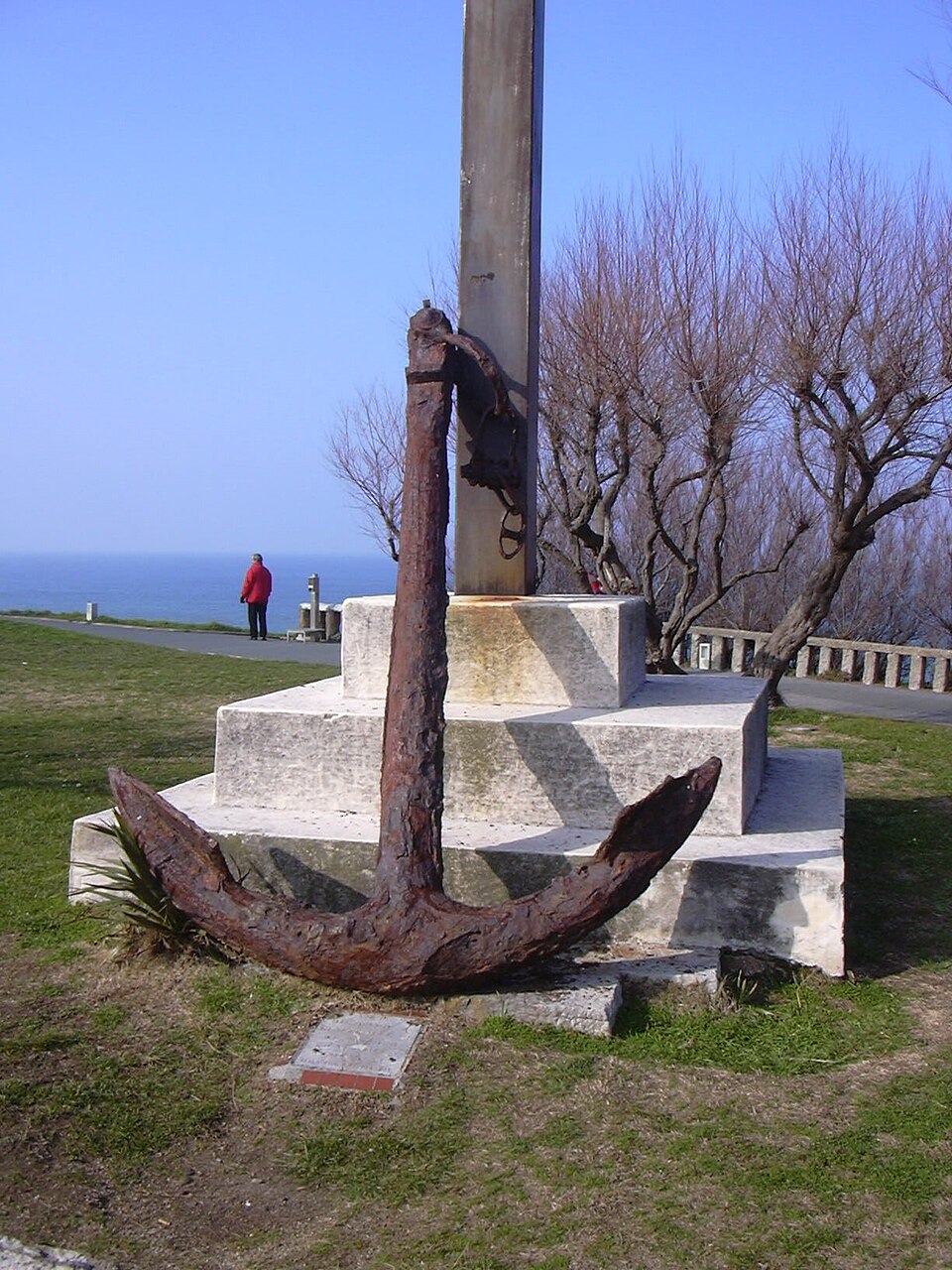
This unassuming clifftop used to be the most important place in Biarritz. Atalaye means promontory or watchtower in Basque, and that's exactly what it was. From the Middle Ages onward, a lookout was stationed here around the clock, watching for whales in the Bay of Biscay. His job was simple but critical. The moment he spotted the spray of a whale, he'd burn wet straw to create a thick smoke signal visible across town. That was the alarm. Every man who could hold an oar would abandon whatever he was doing and race to the boats. Think about what that means. One person on this cliff could mobilise an entire town in minutes. Biarritz's economy depended on this spot. The whaling industry was enormous. Whale oil lit houses, bones were used for fencing and construction, and the meat was eaten. Whalers were so valuable that they were exempt from paying taxes. Imagine that incentive structure. But this plateau wasn't just for whale-watching. The people's assembly of Biarritz gathered right here to discuss matters of general interest. Wars, desertions, whale-hunting disputes, community decisions. This was the town hall before there was a town hall. They called these gatherings meetings in capitu, and they happened on this exposed, wind-blasted cliff above the ocean. In twelve eighty-four, Biarritz's right to hunt whales had to be formally reinstated by the authorities of Lapurdi and the Duchy of Aquitaine after prolonged disputes. The politics of whale hunting were serious business in medieval Basque Country. Stand here for a moment and try to picture it. No buildings around you. Just this cliff, the ocean, and a man burning wet straw while below him, a town erupts into action. This is where Biarritz began.
Port des Pecheurs
Allee Port des Pecheurs, 64200 Biarritz
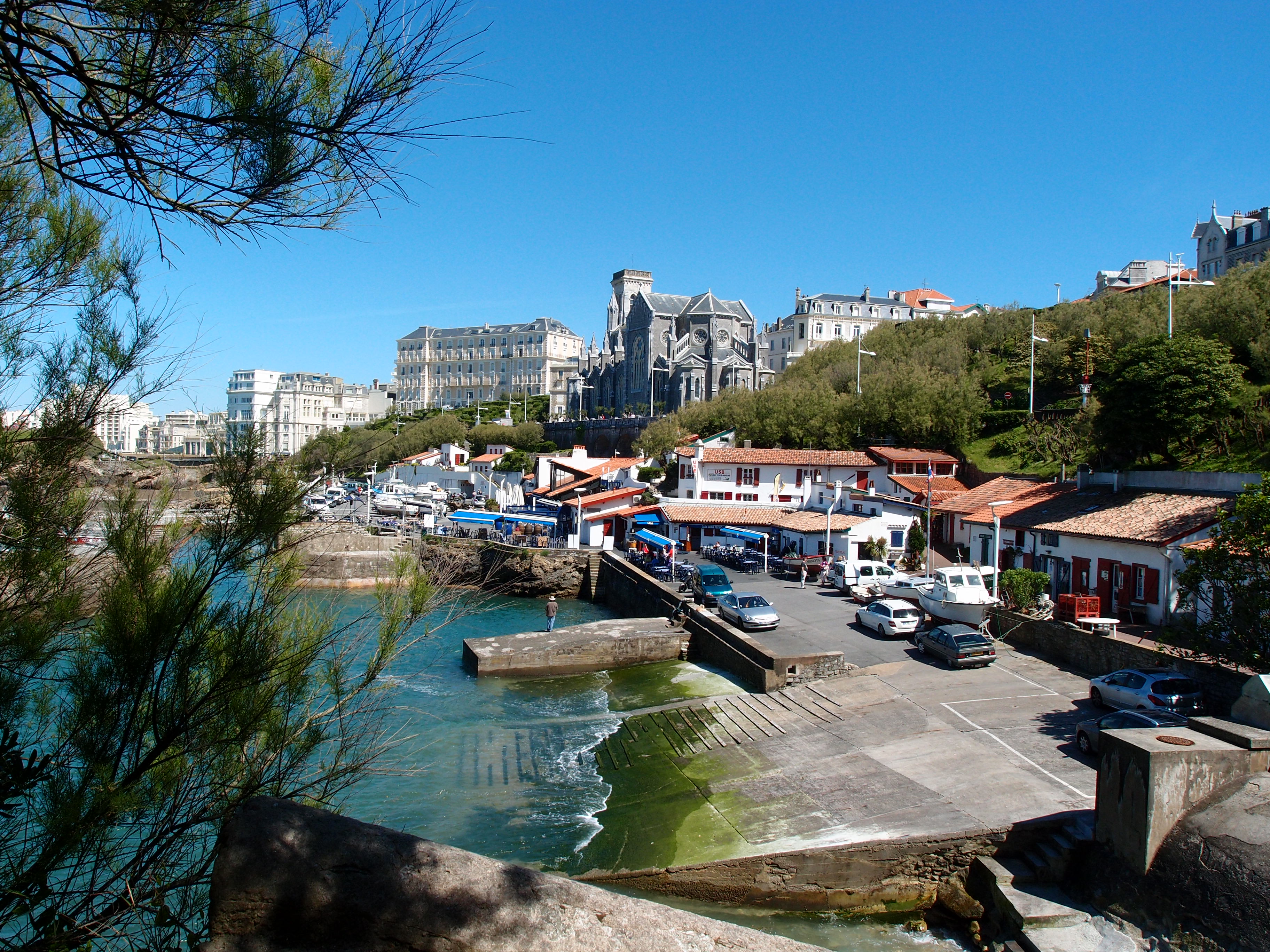
Welcome to the last un-gentrifiable corner of Biarritz. See those little white cabins with red shutters tucked into the harbour wall? Those are called crampottes. Traditional Basque fishing huts. There are exactly fifty-nine of them for ninety-four boat anchorages, and here's the thing that makes them special. The Coastal Law prohibits building any new ones. Ever. This is it. Fifty-nine, frozen in time. You can't buy one either. They're all owned by the city. The only way to get a crampotte is to rent one from the municipality, and you have to be a Biarrot, a local, who actually owns a boat moored in this harbour. No boat, no cabin. No local address, no cabin. In a town where a studio apartment costs a fortune, these little fishing huts are the one thing money can't touch. The port itself was inaugurated in eighteen sixty-five after decades of failed attempts. Building breakwaters strong enough to resist the full force of the Atlantic proved extraordinarily difficult. The ocean kept destroying everything they built. When they finally got it right, the port became the centre of what was left of Biarritz's fishing community. And that community goes way back. The earliest written evidence of fishing here dates to the twelfth century, when Biarritz was a serious whaling centre. Basque whalers would launch from this coast, harpoon whales in the Bay of Biscay, and drag them back to shore for processing. The whale was on the town's coat of arms. Today you'll find a handful of small restaurants serving fresh seafood down here. It's a completely different atmosphere from the grand hotels above. This is working Biarritz, and it has been for over eight hundred years.
Port Vieux
Biarritz, France
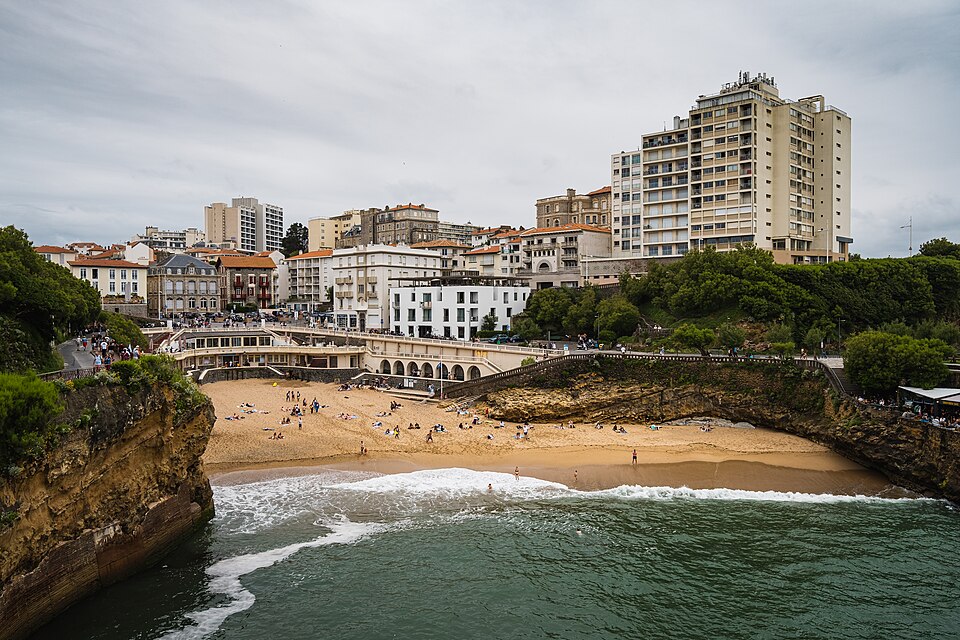
You're standing at the oldest documented heart of Biarritz. This sheltered little cove, protected by cliffs on both sides, is where it all began. The oldest written evidence of commercial activity here dates to May the twenty-sixth, thirteen forty-two. That document authorised Biarritz residents to sell fresh fish to the nearby city of Bayonne. A fish-selling licence. That's the founding document of Biarritz's economy, and it was all about this harbour. Look up at the promontory above you. The Chateau de Ferragus, also called the castle of Belay, was first mentioned in that same thirteen forty-two document. It was constructed by the English on the foundations of a Roman structure. That's right. The English built a castle on Roman ruins overlooking this tiny Basque fishing harbour. In the Middle Ages, this whole region was part of the Duchy of Aquitaine and under English control after Eleanor of Aquitaine married Henry the Second. Before Biarritz became a resort town, this cove was the entire reason anyone lived here. Sheltered from the worst of the Atlantic swells by the rock formations on either side, it provided the only safe harbour for small fishing boats. Everything else on this coast is exposed. This pocket of calm water was the difference between life and death for fishermen in bad weather. Today it's one of the most pleasant swimming spots in Biarritz. While surfers battle the waves at Cote des Basques and Grande Plage, families and swimmers come here for the calm, clear water. The cliffs still provide shelter from the wind. Four hundred years of fishing village, then one hundred and seventy years of resort town. This little cove has seen the full arc of Biarritz's story, from medieval fish markets to sunscreen.
Quartier Sainte-Eugénie
Place Sainte-Eugénie, Biarritz, 64200, France
The Quartier Sainte-Eugénie is the charming neighbourhood between the Grand Plage and the Port des Pêcheurs — a cluster of Belle Époque and Art Deco buildings around the Église Sainte-Eugénie and its panoramic terrace overlooking the old port. The quarter's restaurants, shops, and the covered market (Les Halles) provide the most concentrated eating and browsing experience in Biarritz, and the evening promenade along the cliff path to the Rocher de la Vierge is the town's daily social ritual.
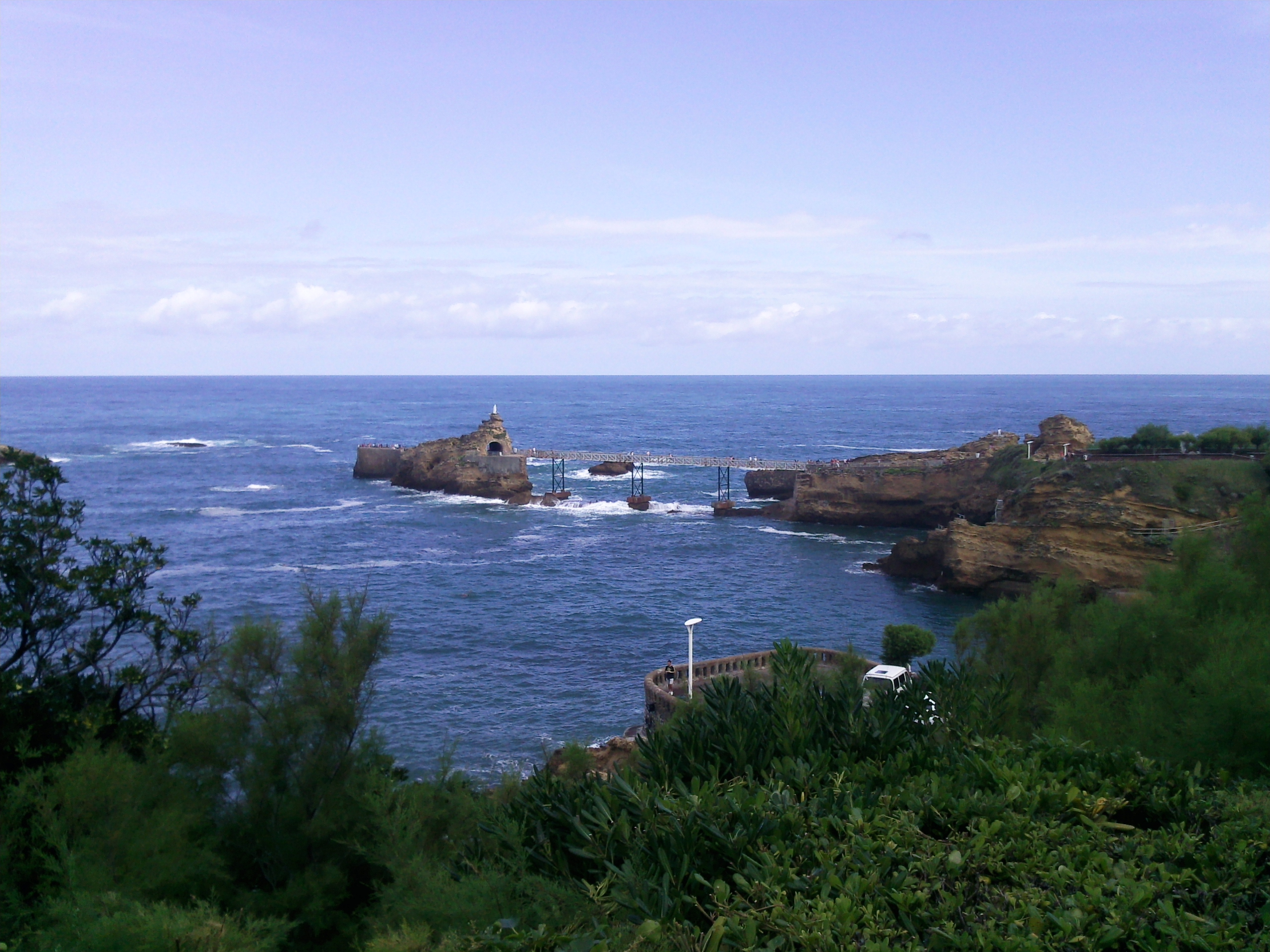
Rocher de la Vierge
Esplanade de la Vierge, Biarritz, 64200, France
You're standing at the most iconic spot in Biarritz, and almost everything you've been told about it is wrong. See that metal footbridge stretching out to the rock? Every guidebook, every tour guide, every postcard vendor will tell you Gustave Eiffel built it. He didn't. Not even close. The bridge was built by a company called Schryver et Cie from Haumont in northern France, and it was installed in eighteen eighty-six to eighteen eighty-seven. Eiffel had nothing to do with it. It's one of the most persistent myths in French tourism, and now you can correct everyone who repeats it. So why is there a Virgin Mary statue on a rock in the Atlantic? Here's the real story. In the eighteen sixties, Biarritz whalers got caught in a horrific storm. As they fought to survive, they spotted a mysterious light guiding them back to shore. They attributed their survival to the Virgin Mary and placed her statue on this rock in eighteen sixty-five as a thank-you. But the rock itself had a completely different purpose. Napoleon the Third ordered engineers to blast a tunnel straight through it in eighteen sixty-four. He wasn't building a tourist attraction. He wanted a harbour. His marine engineers were scouting the coastline, and this rock was supposed to anchor a major new port. The harbour plan never materialised, but the tunnel and the walkway remained. Before the metal bridge, there was a wooden one built in eighteen sixty-three. The Atlantic kept smashing it to pieces. The ocean here is relentless. If it's windy today, you'll feel exactly what those engineers were up against. This is a place shaped by storms, stubborn emperors, and grateful whalers. Not by Eiffel.
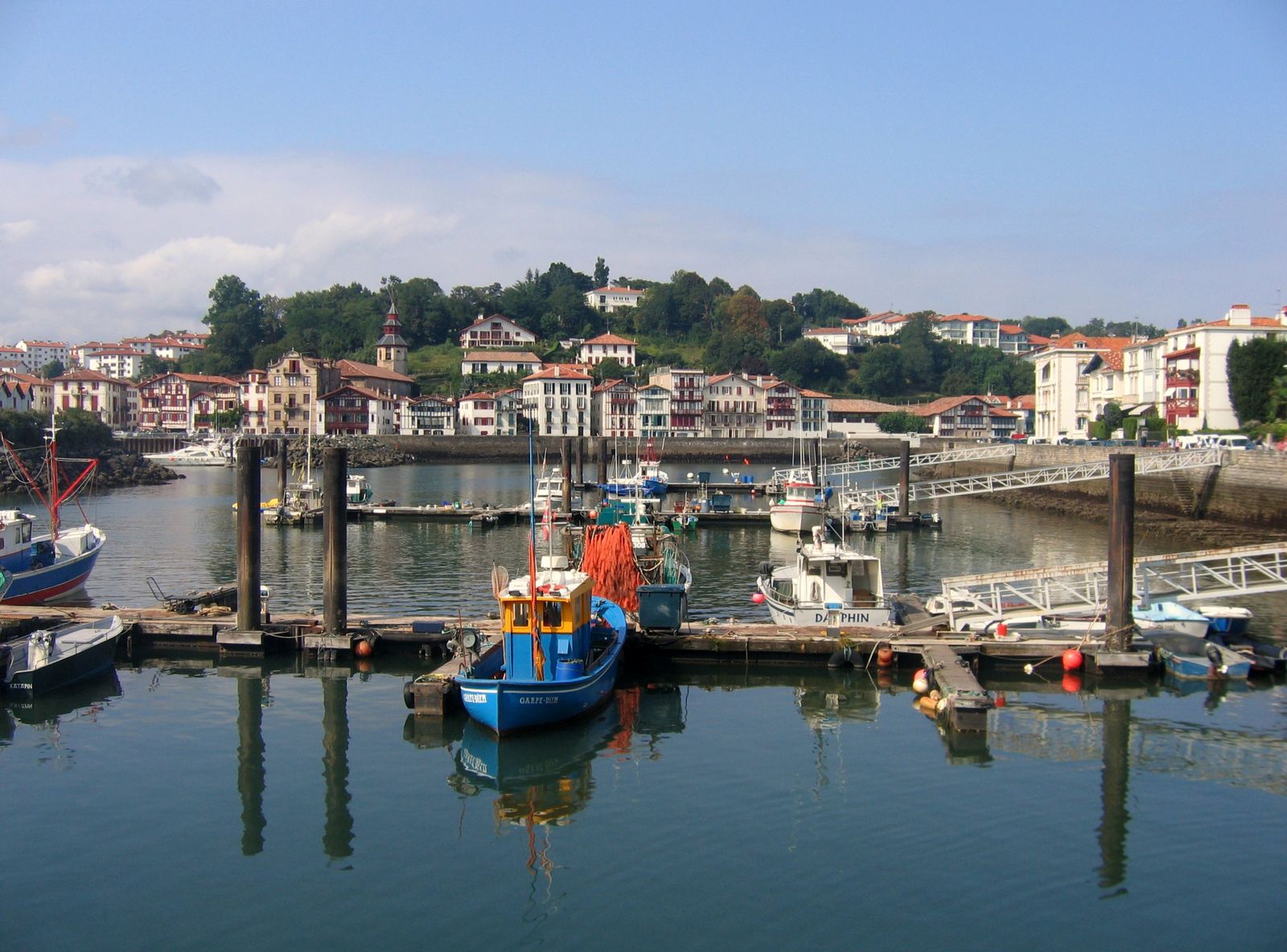
Saint-Jean-de-Luz
Biarritz, France
Saint-Jean-de-Luz is the prettiest fishing port on the Basque coast — a sheltered bay town 20 minutes south of Biarritz where Louis XIV married Maria Theresa of Spain in 1660 (the wedding church, Église Saint-Jean-Baptiste, has the finest Basque church interior on the French side) and where the working tuna fishing fleet still lands its catch at the harbour. The town's main street (Rue Gambetta) is a corridor of Basque linen shops, espadrille makers, and the Maison Adam patisserie that made the macarons for the royal wedding and has been baking them ever since.
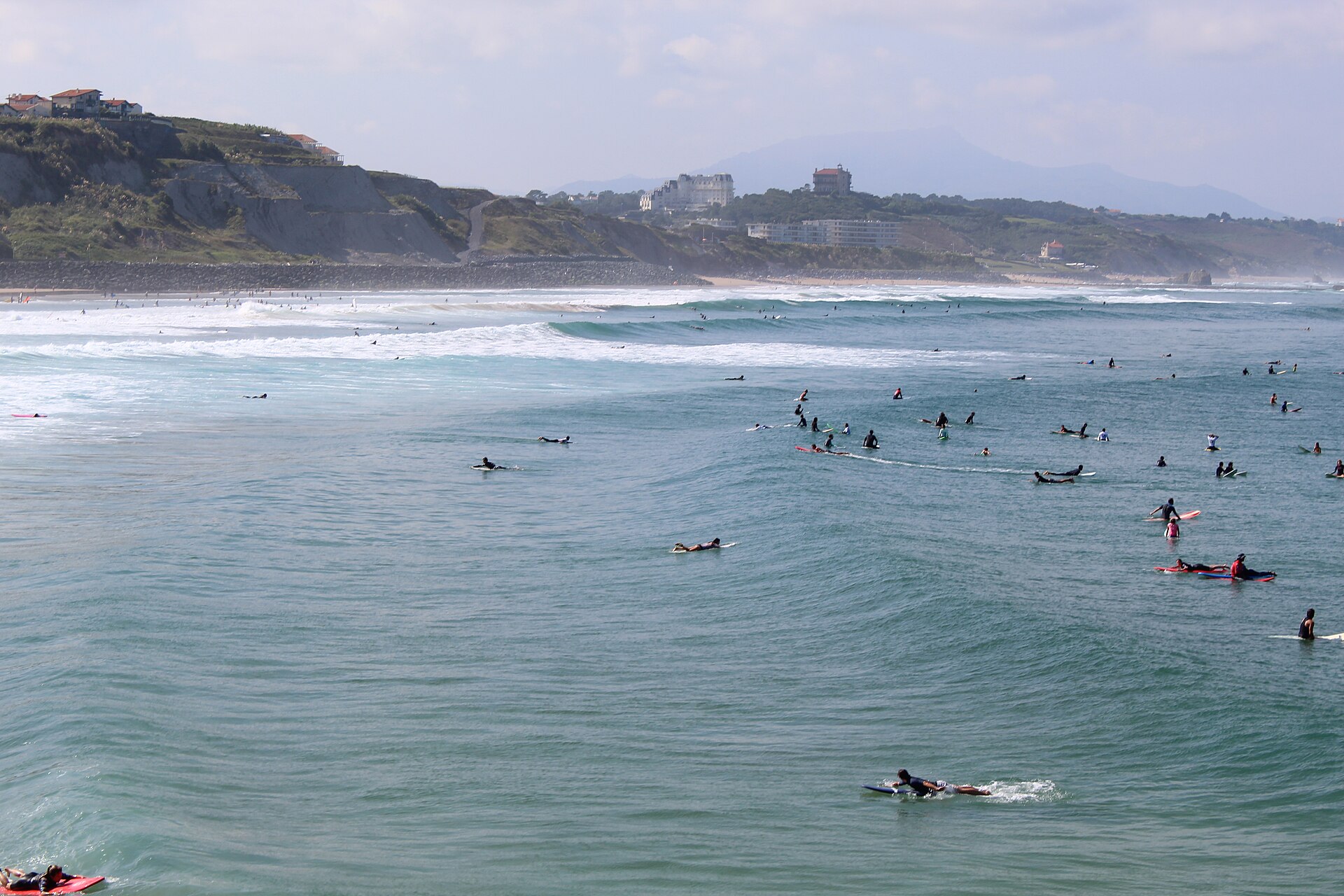
Surf Culture & Côte des Basques
Biarritz, 64200, France
Biarritz is the birthplace of European surfing — the Côte des Basques beach is where American screenwriter Peter Viertel first surfed in France in 1957, introducing a sport that transformed this fading aristocratic resort into the surf capital of Europe. The beach's long, consistent left-hand break, framed by cliffs and the Basque coastline stretching south to Spain, is the most scenic surf spot in France.
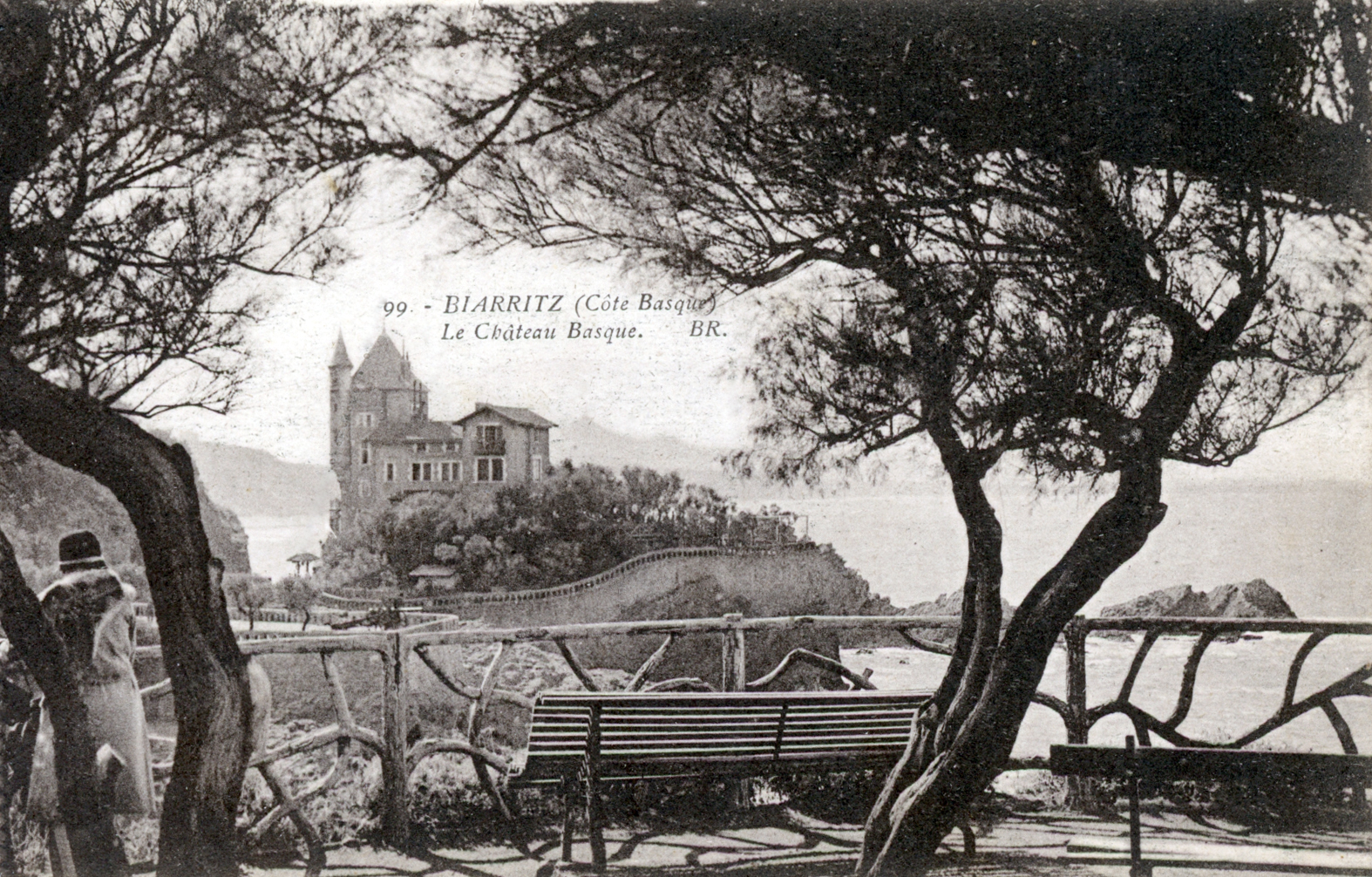
Villa Belza
25 Perspective de la Côte des Basques, Biarritz, 64200, France
The name means black in Basque. Belza. And this place has earned it. That neo-medieval silhouette perched on the cliff with turrets jutting out over the Atlantic was built between eighteen eighty-two and eighteen eighty-nine by architect Alphonse Bertrand. It looks like it belongs in a gothic novel, and honestly, its history reads like one. In the nineteen twenties, a man named Gregoire Beliankine took it over and turned it into a Russian restaurant. Beliankine was the brother-in-law of Igor Stravinsky. Yes, that Stravinsky. The composer of The Rite of Spring. Beliankine threw legendary themed parties here. He hosted so-called African Nights with live gorillas and boa constrictors roaming the garden while guests dined. Just picture that. A cliff-edge villa in the Basque Country, a Russian throwing parties with actual gorillas, and the brother-in-law of one of the greatest composers in history probably lingering somewhere in the background. Then the Nazis arrived. In nineteen forty, the German army requisitioned Villa Belza and built a concrete blockhouse right here to protect the port they'd occupied. The same rooms where Stravinsky's in-laws threw gorilla parties became a military installation. After the war, locals started telling ghost stories. The cave directly beneath the villa is known as the Devil's Hole. The combination of that name, the medieval silhouette, the cliff-edge location, and the genuinely dark history has made Villa Belza the most haunted-feeling building in Biarritz. People claim to hear things. The wind does strange things on this cliff, funnelling through gaps and howling at unexpected moments. Whether you believe in ghosts or not, standing here looking at a building named Black that housed gorilla parties and then a Nazi bunker, sitting above something called the Devil's Hole, you have to admit the atmosphere is doing a lot of heavy lifting.
Villa Natacha
110 Rue d'Espagne, Biarritz, 64200, France
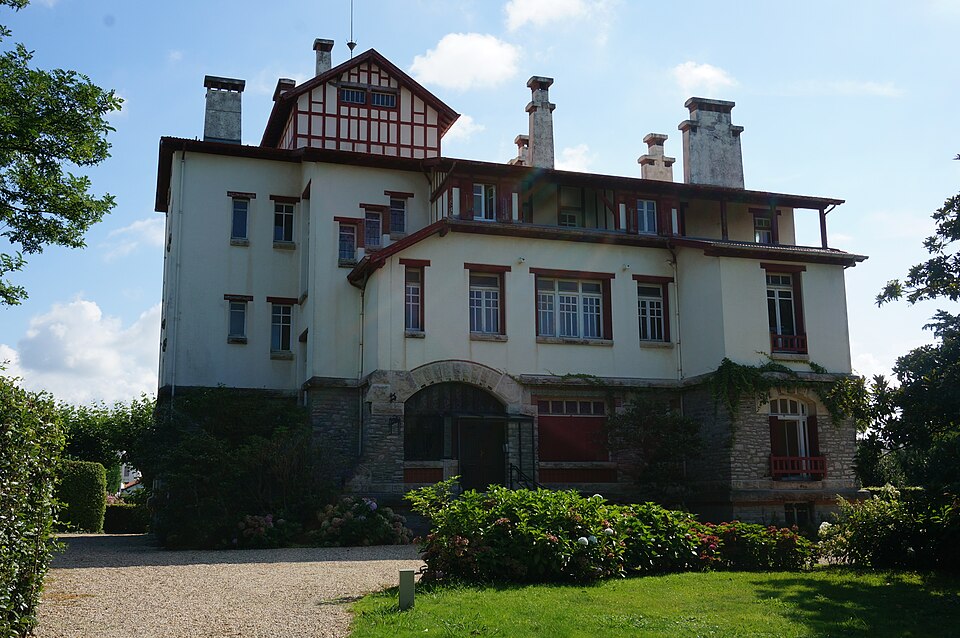
One of the most radical architects in Paris designed this hidden Art Nouveau villa for a stockbroker, and he designed every single door handle himself. Henri Sauvage was not a normal architect. He later became famous for inventing the stepped-terrace apartment building in Paris, the ones on Rue Vavin that look like ziggurats. Those buildings changed how people thought about urban housing. But before all that, he came to Biarritz. Sauvage and his partner Charles Sarazin designed Villa Natacha for a stockbroker named Albert-Guillaume Leuba. Construction of the stables and caretaker's quarters began in nineteen oh five, and the villa itself was completed in nineteen oh seven. What makes the villa remarkable is that it's a synthesis of three things that shouldn't work together but somehow do. A neo-Basque silhouette, which gives it the regional shape locals would recognise. Rationalist structure, which means everything serves a function. And pure Art Nouveau decoration, with flowing organic lines covering every surface. Sauvage and Sarazin didn't just design the building. They designed the fireplaces, the stained glass, the door handles, the furniture. Total design. Every element in the house was conceived as part of a single artistic vision. This level of obsessive detail was characteristic of Art Nouveau at its peak, but it's rare to find it this well preserved. The city of Biarritz acquired the property in nineteen seventy-eight. Today it houses the architecture archives of the Basque Coast and has a public garden you can walk through. Most tourists have no idea it exists. It's tucked away on Rue d'Espagne, far from the beaches and the main drag. If you care about design at all, this is one of the most rewarding detours in Biarritz. A total work of art, hiding in plain sight.