Jiufen is a hillside village an hour east of Taipei that was a gold mining town in the Japanese colonial era, fell into quiet decline when the mines closed, and was reborn as one of Taiwan's most popular tourist destinations after it was widely (though inaccurately) identified as the inspiration for the spirit bathhouse in Hayao Miyazaki's 'Spirited Away.' Whether or not Miyazaki actually based his film on Jiufen (he's denied it; the resemblance is striking), the village's narrow stone staircases, red paper lanterns, and the teahouses perched on the mountainside overlooking the Pacific create an atmosphere that feels like walking through an anime.
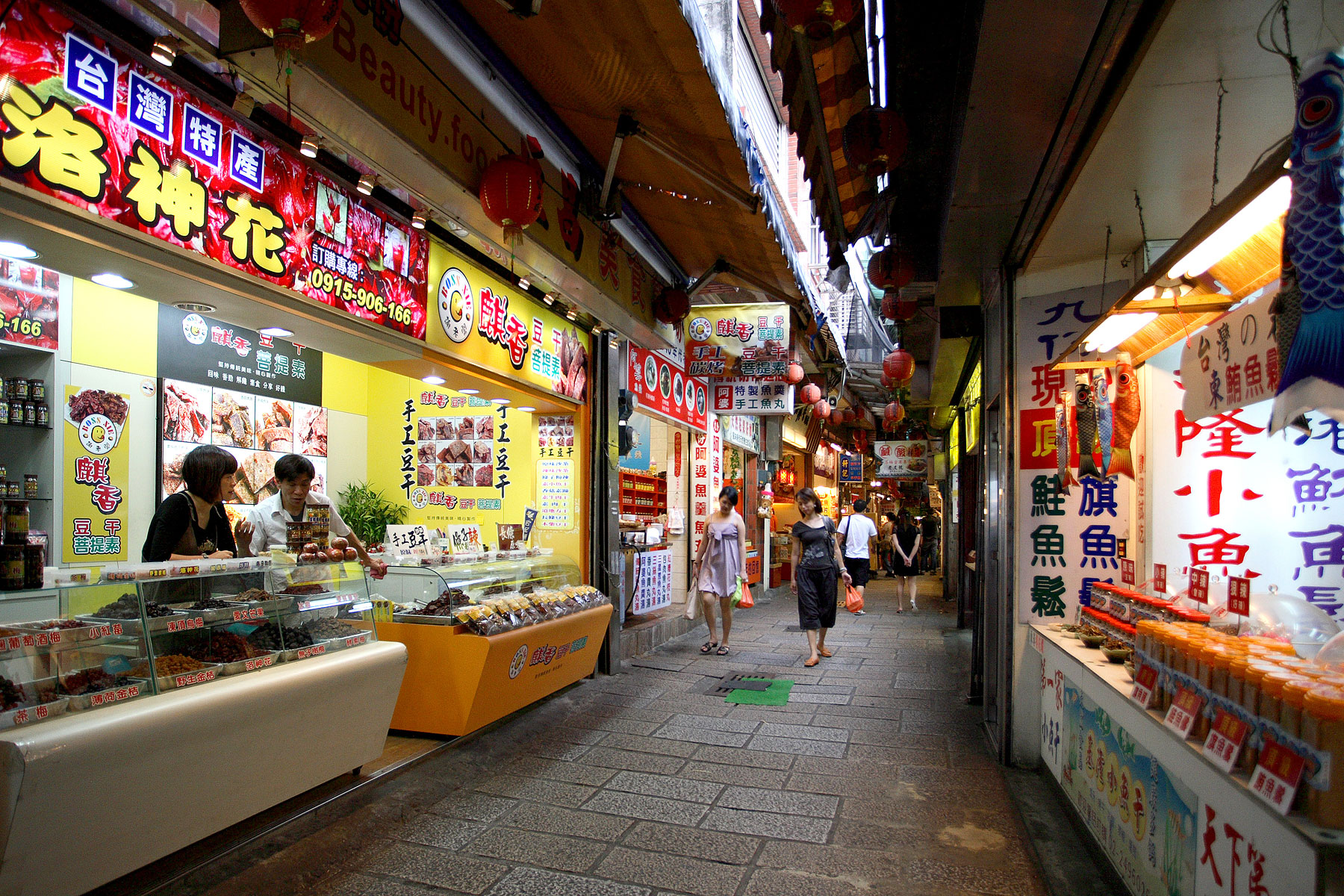
Jiufen Old Street is a narrow alley of food stalls and shops selling taro balls (yùyuán, the chewy, colourful dessert that is Jiufen's signature food), tea eggs, peanut ice cream rolls, and the snacks that Taiwanese tourists eat with the same enthusiasm as foreign visitors. The A-Mei Tea House, a multi-storey wooden teahouse with lanterns hanging from its balconies, is the building most often compared to the bathhouse in 'Spirited Away' and provides the most atmospheric tea-drinking experience on the North Coast.
The village's mining heritage is preserved in the Gold Museum in nearby Jinguashi, where the Japanese-era mine buildings, a Shinto shrine, and the largest gold ingot in the world (a 220-kilogram bar you can touch) document the industry that built and abandoned this extraordinary hillside settlement.
Verified Facts
Jiufen was a gold mining town during the Japanese colonial era
The village is widely associated with Miyazaki's 'Spirited Away'
Taro balls (yùyuán) are Jiufen's signature dessert
The Gold Museum in Jinguashi has a 220-kilogram gold ingot
Get walking directions
Jiufen, Ruifang District, New Taipei City