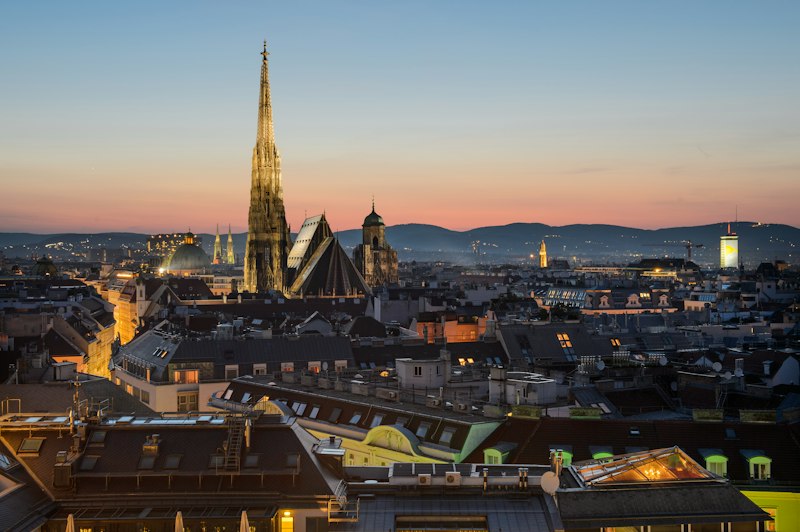
Walking Tours in Vienna
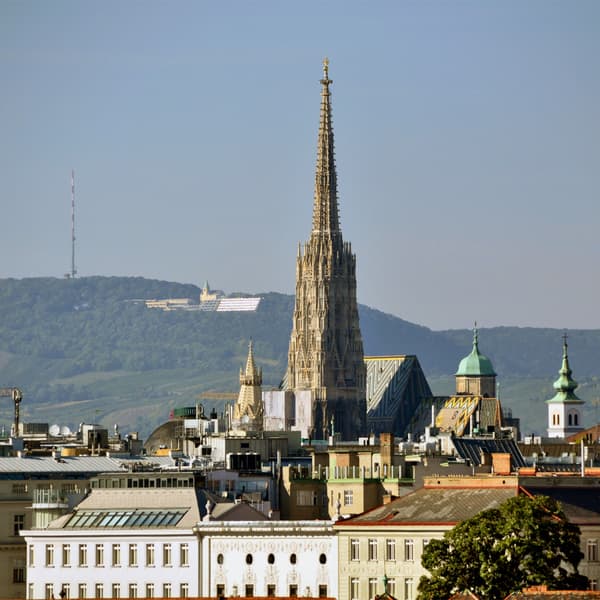
Vienna City Walk
A 2.5 km GPS-guided walk through the heart of Austria. Visit Vienna City Walk, Café Sacher, Albertinaplatz, and Kärntner Strasse — with narrated stories at every stop.
Vienna: Habsburgs, Coffee Houses & the Ring
Stand at the gothic heart of Vienna, walk the Ringstrasse past the Opera and Parliament, detour into the Naschmarkt for apricot Marillenknoedel and debate, and understand how a city that ruled half of Europe became the world's greatest exporter of music, psychoanalysis, and coffee.
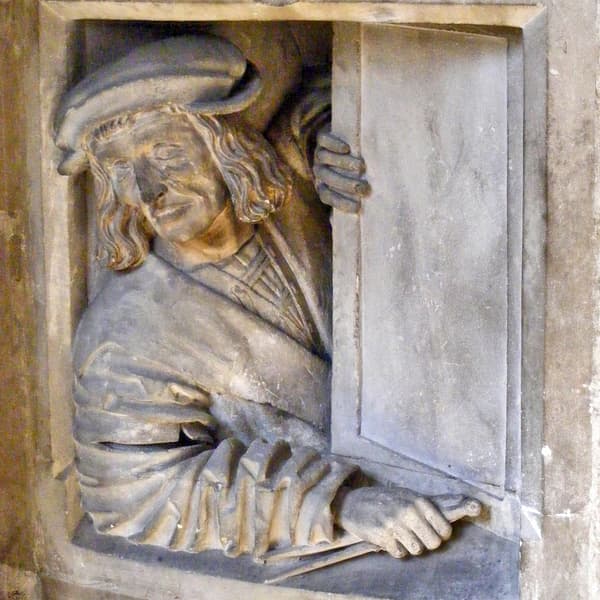
Vienna's Cathedral of St. Stephen's
A guided tour of Vienna's Cathedral of St. Stephen's in Austria with 12 stops. Highlights include St. Stephen's Cathedral, Circling the Exterior, and Main Entrance.
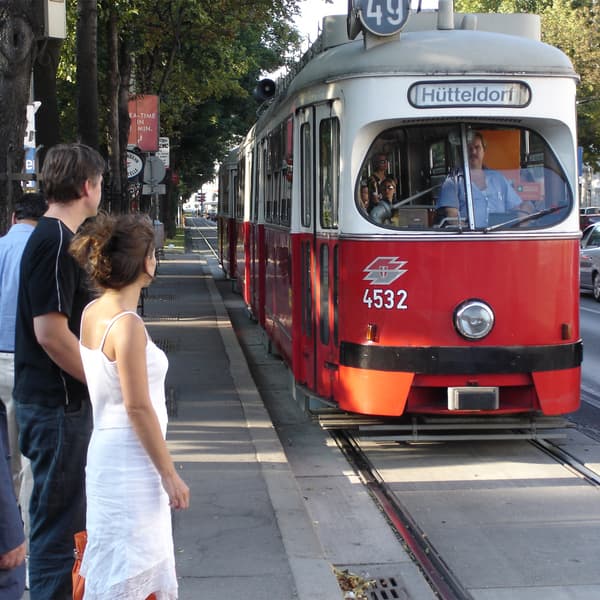
Vienna's Ringstrasse Tour
A 17-stop walking tour through the heart of Austria. Visit Vienna Ringstrasse Tram Tour, Opernring Tram Stop, Schwarzenbergplatz, and Weihburggasse — with narrated stories at every stop.
30 Landmarks in Vienna
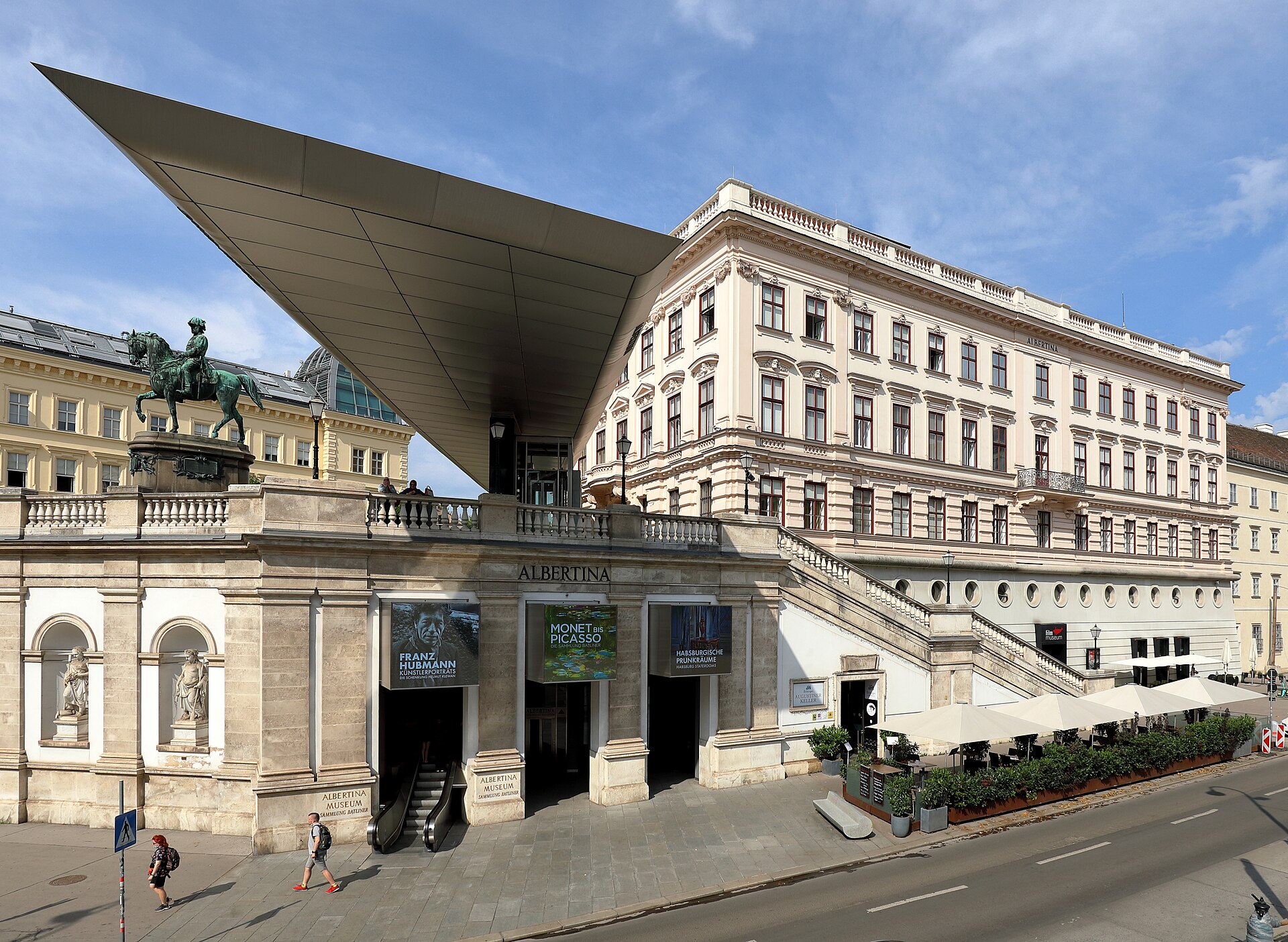
Albertina
Albertinapl. 1, 1010 Vienna
Duke Albert of Saxe-Teschen started collecting drawings in 1776 the way some people start collecting stamps — obsessively, expensively, and with impeccable taste. His collection became the Albertina, which today holds approximately 65,000 drawings and over one million prints spanning five centuries, making it one of the most comprehensive graphic art collections on the planet. The star of the collection is Albrecht Dürer's "Young Hare," a watercolour from 1502 that's so precisely rendered you can count individual whiskers. The painting measures just 25 by 23 centimetres — small enough to hold in your hands — yet it anticipated scientific illustration by centuries. Emperor Rudolf II acquired it and brought it to the Habsburg collection, from where it eventually found its way to the Albertina. It's too fragile for permanent display, so catching it on show is something of an event. The museum building itself is a palimpsest of Viennese power. Originally built as a palace for Archduchess Maria Christina — Maria Theresa's favourite daughter — it passed through various Habsburg hands before being nationalised and opened to the public as a state museum in 1919, when the empire dissolved. The 21 Habsburg State Rooms have been restored to their imperial glory: gilded mirrors, crystal chandeliers, and silk wallpaper in colours that would make a Pantone swatch card jealous. The modern collection is equally strong. Monet to Picasso, Rothko to Rauschenberg — the Albertina pivoted from old masters to contemporary art with the kind of institutional flexibility that would make most museums envious. The rooftop terrace, added during a 2003 renovation, offers one of the best views over the Burggarten to the State Opera.
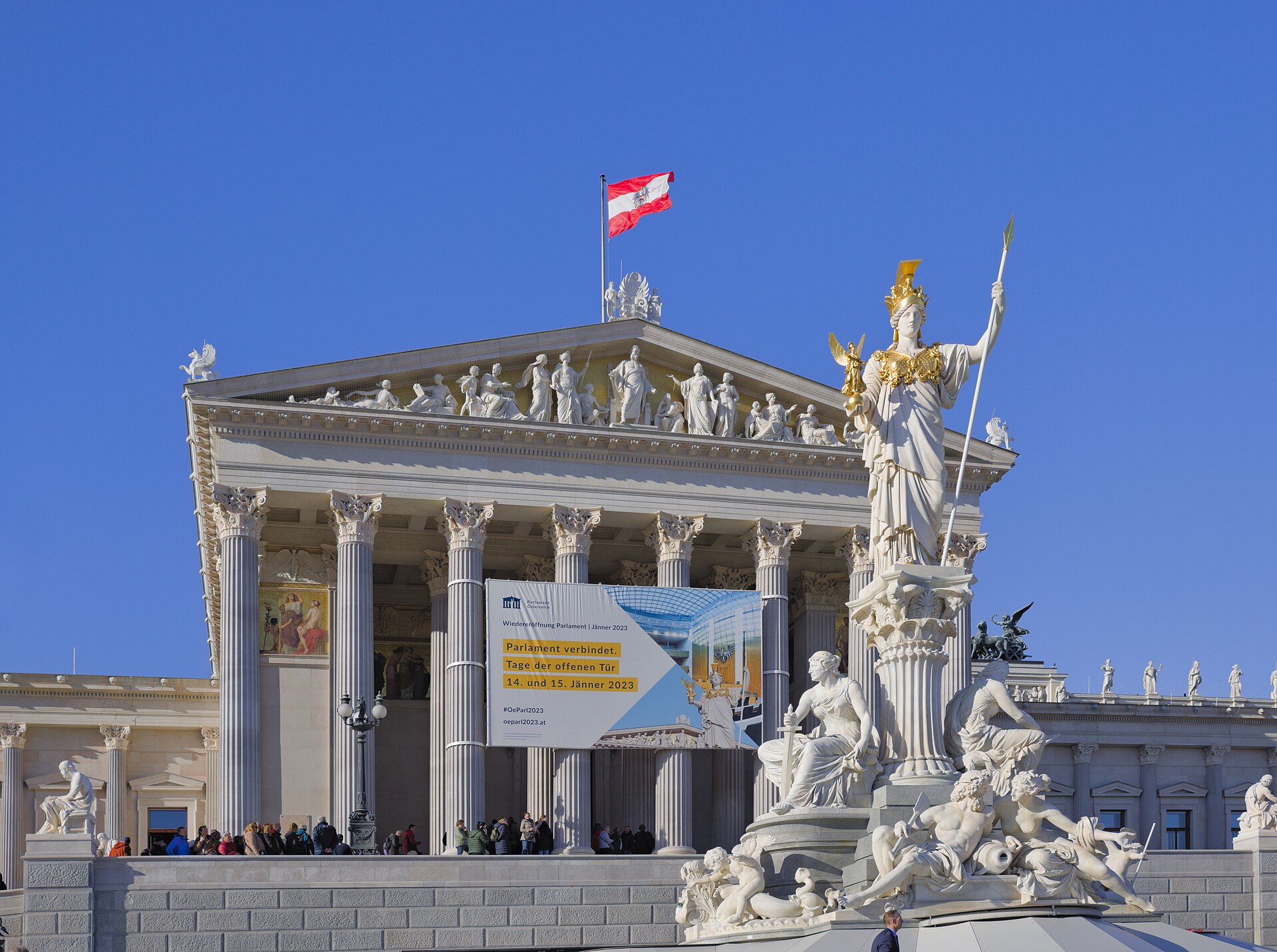
Austrian Parliament
3 Dr-Karl-Renner-Ring, Innere Stadt, Vienna, 1010, Austria
Theophil Hansen designed Austria's Parliament in the Greek Revival style because he wanted to invoke the birthplace of democracy — a pointed statement in a country still run by an emperor. Built between 1874 and 1883, the building's classical columns, marble halls, and dramatic pediment look like they were transplanted from Athens, which was exactly the intent. Hansen studied ancient Greek architecture extensively and made the Parliament his masterpiece and his manifesto. The Pallas Athena fountain out front is one of Vienna's most photographed monuments and also its most ironic. The goddess of wisdom stands four metres tall, holding Nike (victory) in one hand and a spear in the other, surrounded by allegorical figures representing legislation and law enforcement. The joke on Viennese streets was that Athena had deliberately turned her back on the building because she was disgusted by the politicians inside — a reference to the notoriously chaotic parliamentary sessions where deputies regularly threw inkwells at each other. The building underwent a massive five-year renovation and reopened in 2023 with a new visitor centre, updated chambers, and improved accessibility. The renovation revealed layers of history: wartime damage, Cold War modifications, and the accumulated grime of a century and a half of democratic debate. Inside, the two chambers — the Nationalrat and the Bundesrat — continue the Greek theme with Ionic columns and elaborate ceiling paintings. The grand staircase features marble from seven different countries, which is either a celebration of European unity or an enormous logistics headache, depending on your perspective. Hansen died three years before the building was completed, joining the club of Ringstrasse architects who never saw their work finished.
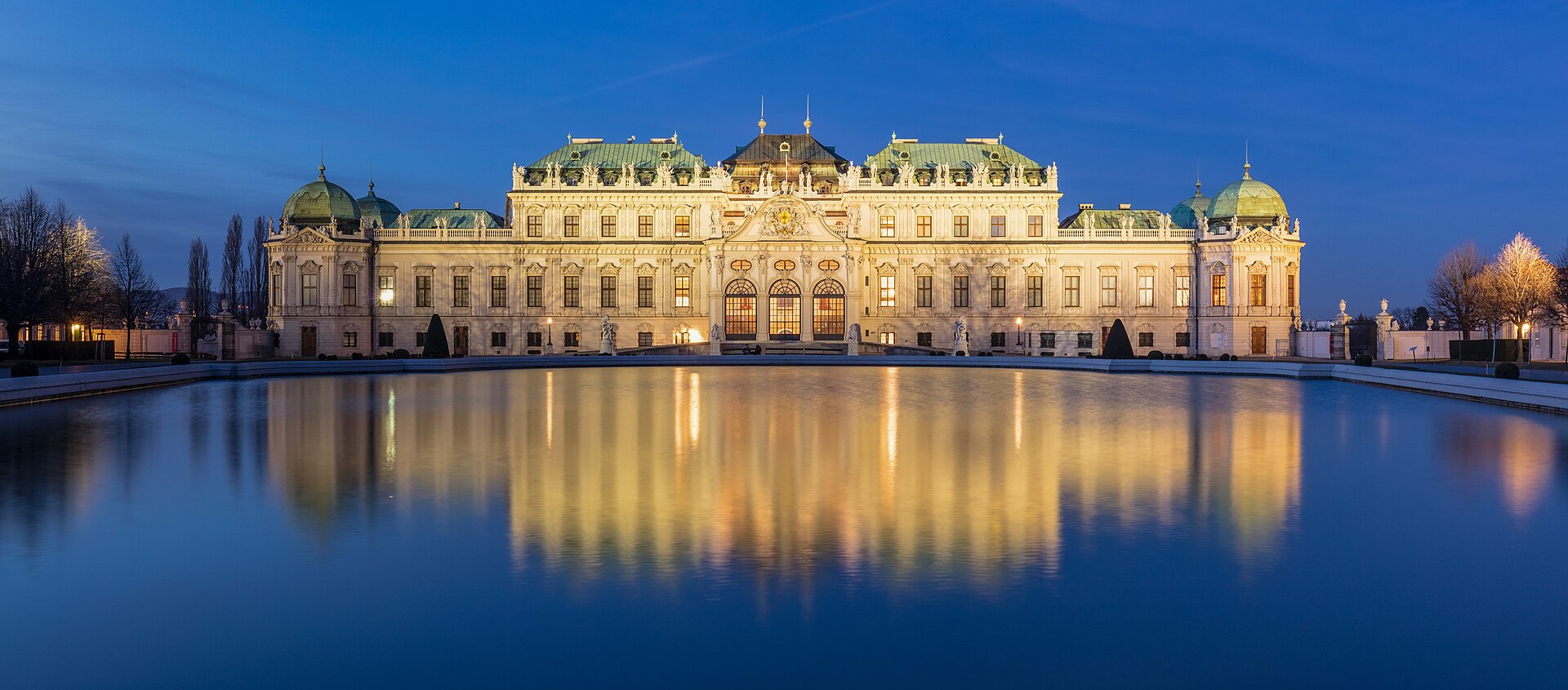
Belvedere Palace
27 Prinz-Eugen-Straße, Landstraße, Vienna, 1030, Austria
Prince Eugene of Savoy was one of Europe's greatest military commanders, and he spent his war spoils on one of Europe's greatest palaces. The Upper Belvedere, completed in 1723 by architect Johann Lukas von Hildebrandt, was built purely for entertaining — Eugene lived in the Lower Belvedere down the hill and walked up through the manicured gardens when he felt like throwing a party. The man literally built a separate palace for his social life. After Eugene died in 1736, the Habsburgs snapped up the property. Maria Theresa acquired it in 1752 and did something revolutionary: she opened part of it to the public as an Imperial Picture Gallery, making it one of the earliest public art museums in the world. The building has been showing art to ordinary people for nearly three centuries. Today the Upper Belvedere is home to Gustav Klimt's "The Kiss" — a painting so famous it's become shorthand for Vienna itself. Completed in 1908, the gold-leaf-draped image of two lovers was controversial when first exhibited: critics called it merely decorative. The Austrian state purchased it immediately for what was then a record sum, and it hasn't left the Belvedere since. The museum houses the world's largest collection of Klimt paintings — twenty-four in total — alongside works by Schiele and Kokoschka. The Marble Hall of the Upper Belvedere hosted one of the most significant moments in modern Austrian history. On May 15, 1955, the Austrian State Treaty was signed here, ending ten years of Allied occupation. Foreign Minister Leopold Figl stepped onto the balcony, held up the signed treaty, and said simply: "Austria is free." The balcony is still there, and the view over the gardens toward the city skyline hasn't changed.
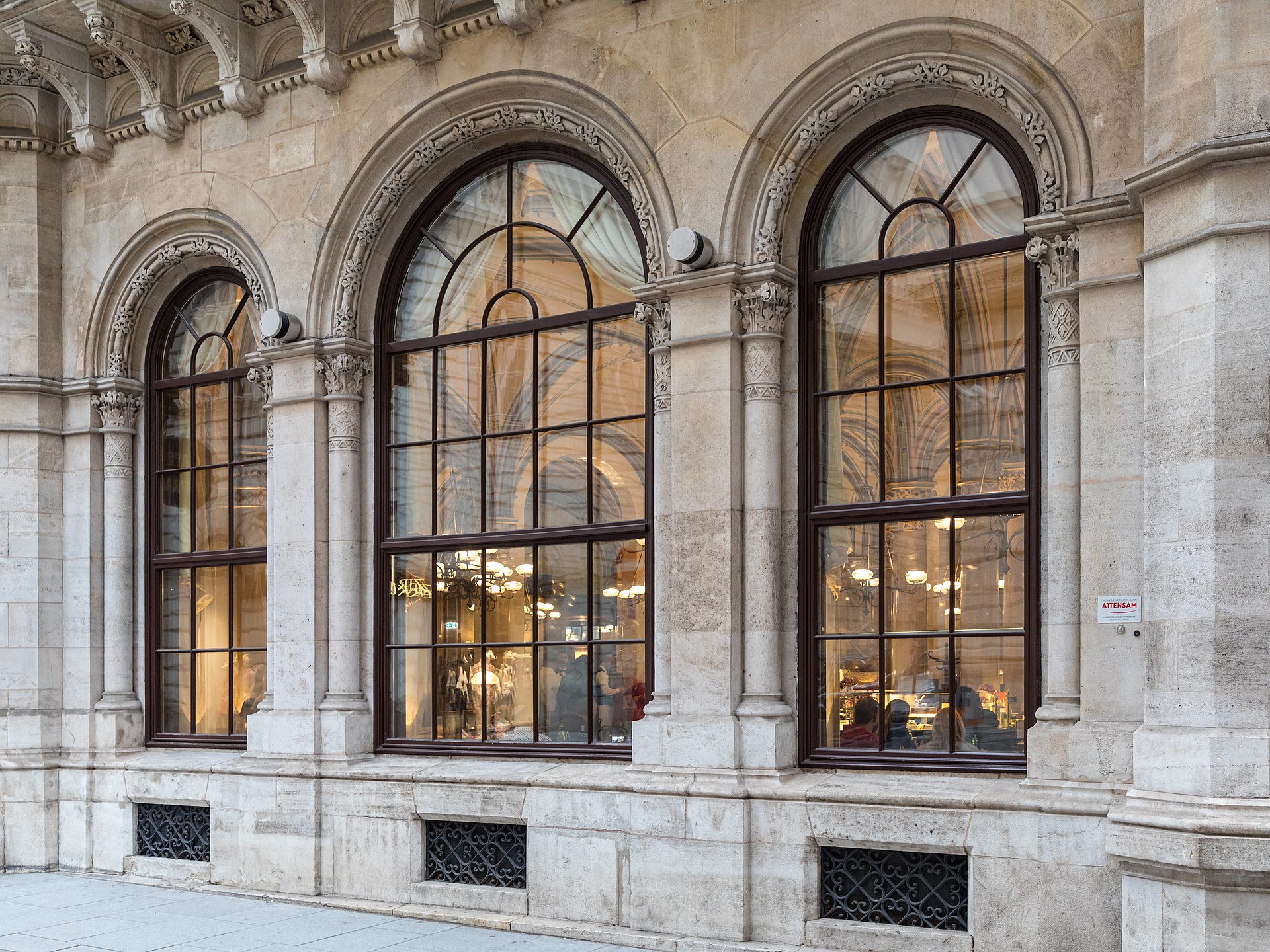
Café Central
14 Herrengasse, Innere Stadt, Vienna, 1010, Austria
In January 1913, you could have walked into Café Central and found, at various tables on any given week, Leon Trotsky, Joseph Stalin, Sigmund Freud, Josip Broz Tito, and Adolf Hitler — all living in Vienna simultaneously, all unknown to history, all nursing coffees in the same neighbourhood. When Austria's foreign minister was warned that war might provoke revolution in Russia, he reportedly scoffed: "And who will lead this revolution? Perhaps Mr. Bronstein sitting over there at Café Central?" Mr. Bronstein was Trotsky's real name. The foreign minister was not a good judge of character. Opened in 1876 in the ground floor of the Palais Ferstel — Heinrich von Ferstel's neo-Renaissance former stock exchange building — Café Central became the beating heart of Vienna's intellectual life. Peter Altenberg, the poet, essentially lived here: he had his mail delivered to the café, used it as his living room, and a papier-mâché figure of him still sits by the entrance, permanently occupying his favourite seat. The café earned the nickname "Die Schachhochschule" — the Chess University — because so many chess players occupied the upper floor that it functioned as an informal academy. Trotsky was a regular player. The Vienna Circle of logical positivists held meetings here. Hugo von Hofmannsthal, Stefan Zweig, Alfred Polgar, and Robert Musil all worked at these marble-topped tables, producing some of the most important literature in the German language while eating Apfelstrudel. The Central closed after World War II and didn't reopen until 1975, in a renovated section of the Palais Ferstel. Today it walks the line between tourist attraction and functioning coffeehouse with surprising grace. The vaulted ceilings soar, the pastries are excellent, and the ghosts are everywhere.
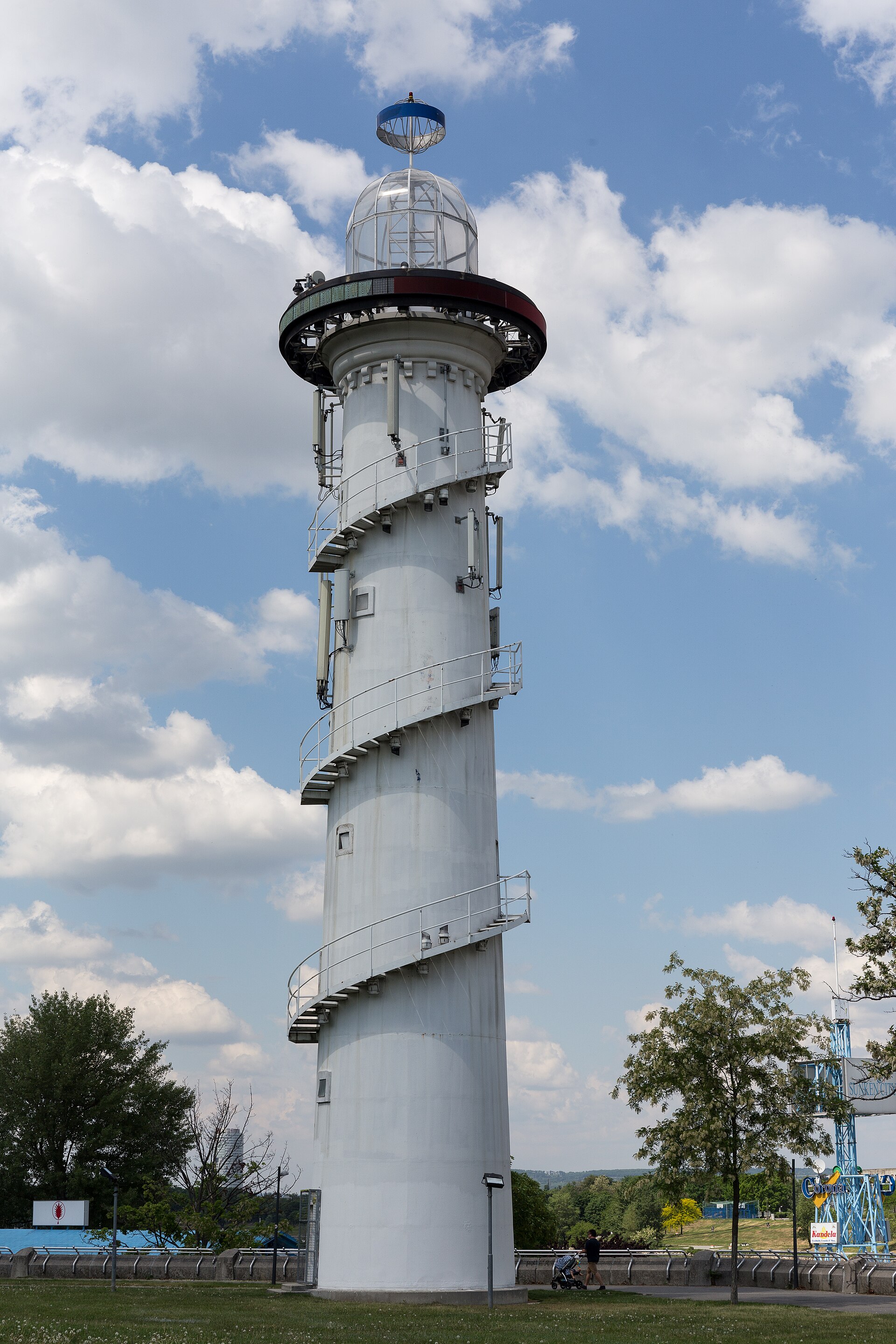
Donauinsel
Donaustadt, Vienna, 1220, Austria
The Donauinsel is a twenty-one-kilometre artificial island that exists because Vienna got tired of flooding. Between 1972 and 1988, the city dug a parallel channel — the New Danube — alongside the main river, creating a long, narrow island from the excavated earth. The engineering was purely practical: flood protection for the city. But the Viennese, being Viennese, turned their flood barrier into the longest recreational island in Europe. The island is Vienna's summer playground. Beaches line both sides — the New Danube side is calmer, better for swimming; the main Danube side has more current and attracts windsurfers and kayakers. There are barbecue areas, beach volleyball courts, cycling paths, and bars built on barges that serve cold beer to people in swimwear. The northern sections are wilder and quieter, with reed beds and bird-watching spots that feel impossibly rural given that you're technically still inside a city of nearly two million. Every June, the Donauinselfest transforms the island into one of Europe's largest open-air music festivals. Three million people attend over three days, making it the biggest open-air event on the continent. Admission is free. Multiple stages host everything from Austrian pop to international headliners, and the island's narrow geography creates a festival atmosphere that's hard to replicate in a conventional venue. The construction itself was a civic triumph. Rather than hiring contractors, the city used its own workforce and equipment, keeping costs low and expertise local. The ICSD flood protection system has been tested by several major floods since and held firm each time. Vienna solved an engineering problem and accidentally created its favourite park — which is either brilliant urban planning or a happy accident, depending on whom you ask.
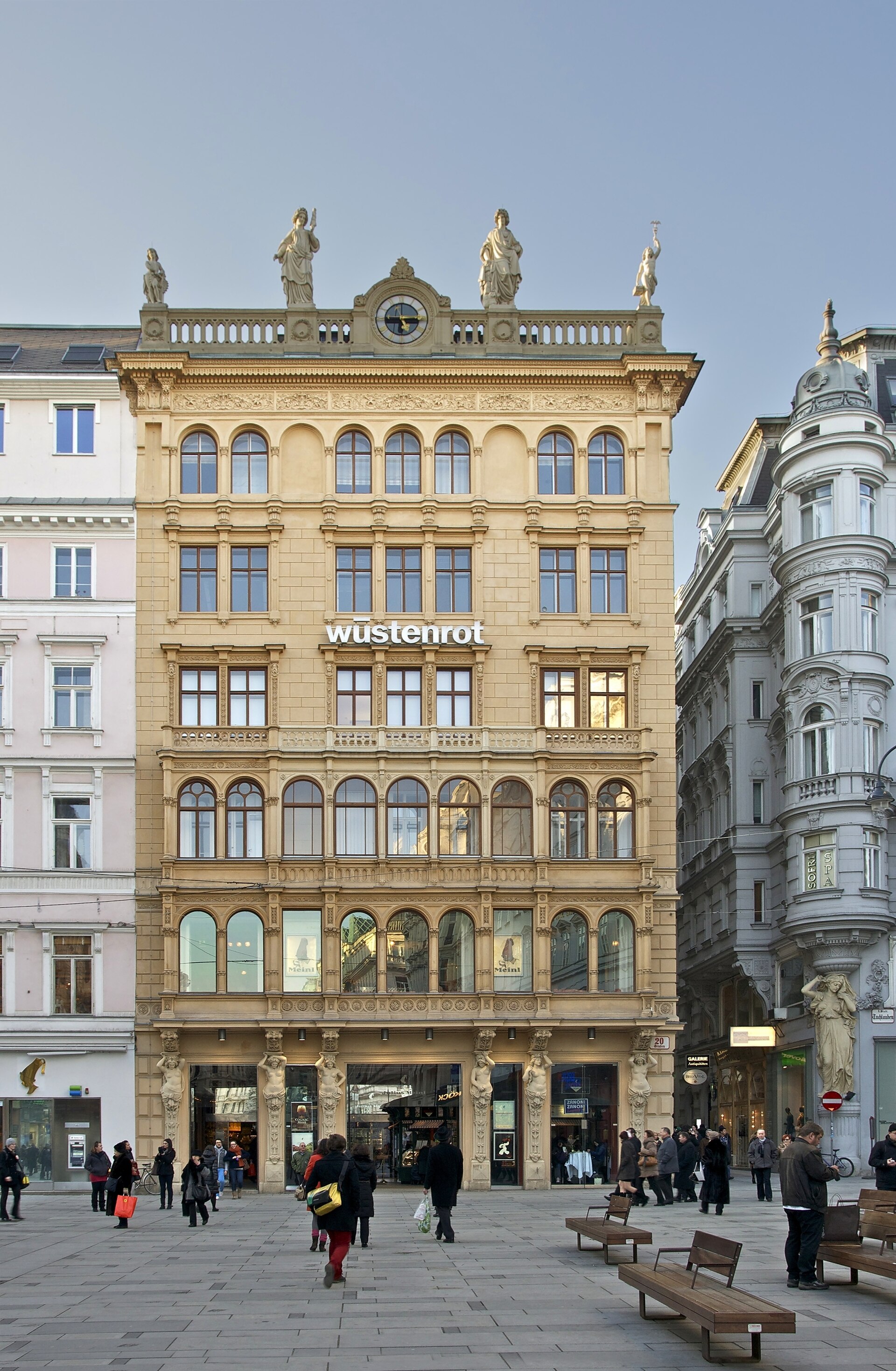
Graben & Plague Column
Graben, Innere Stadt, Vienna, 1010, Austria
You're walking on a filled-in Roman ditch. The name "Graben" literally means "trench" — this was part of the moat surrounding the Roman military camp of Vindobona two thousand years ago. Duke Leopold VI had it filled in around 1220 and turned it into a market square. Today it's one of the most expensive shopping streets in Austria, which is quite the property-value journey for a former sewage channel. The centrepiece is the Pestsäule — the Plague Column — and it's as dramatic as Baroque sculpture gets. In 1679, a catastrophic plague epidemic swept through Vienna, killing an estimated 76,000 people. Emperor Leopold I fled the city but made a vow: if the plague ended, he'd build a monument. The first version was a hasty wooden column erected at the height of the epidemic. The marble replacement, completed in 1694, shows the Holy Trinity floating on clouds above an allegorical figure of Faith hurling an old woman (representing the plague) into the abyss. Below, a kneeling Emperor Leopold prays with theatrical devotion. The column is flanked by two fountains — the Josefsbrunnen and the Leopoldsbrunnen — dedicated to Saints Joseph and Leopold respectively. Look up from the column and you'll notice the buildings around you are largely 18th and 19th century, built after the medieval structures were replaced following fire, plague, and the Turkish sieges. The Graben connects seamlessly to Kohlmarkt — once a medieval coal market, now home to Demel and the flagship stores of every luxury brand that matters. The transition from plague monument to Prada boutique in about 200 metres is peak Vienna: beauty built on bones, luxury propped up by catastrophe.
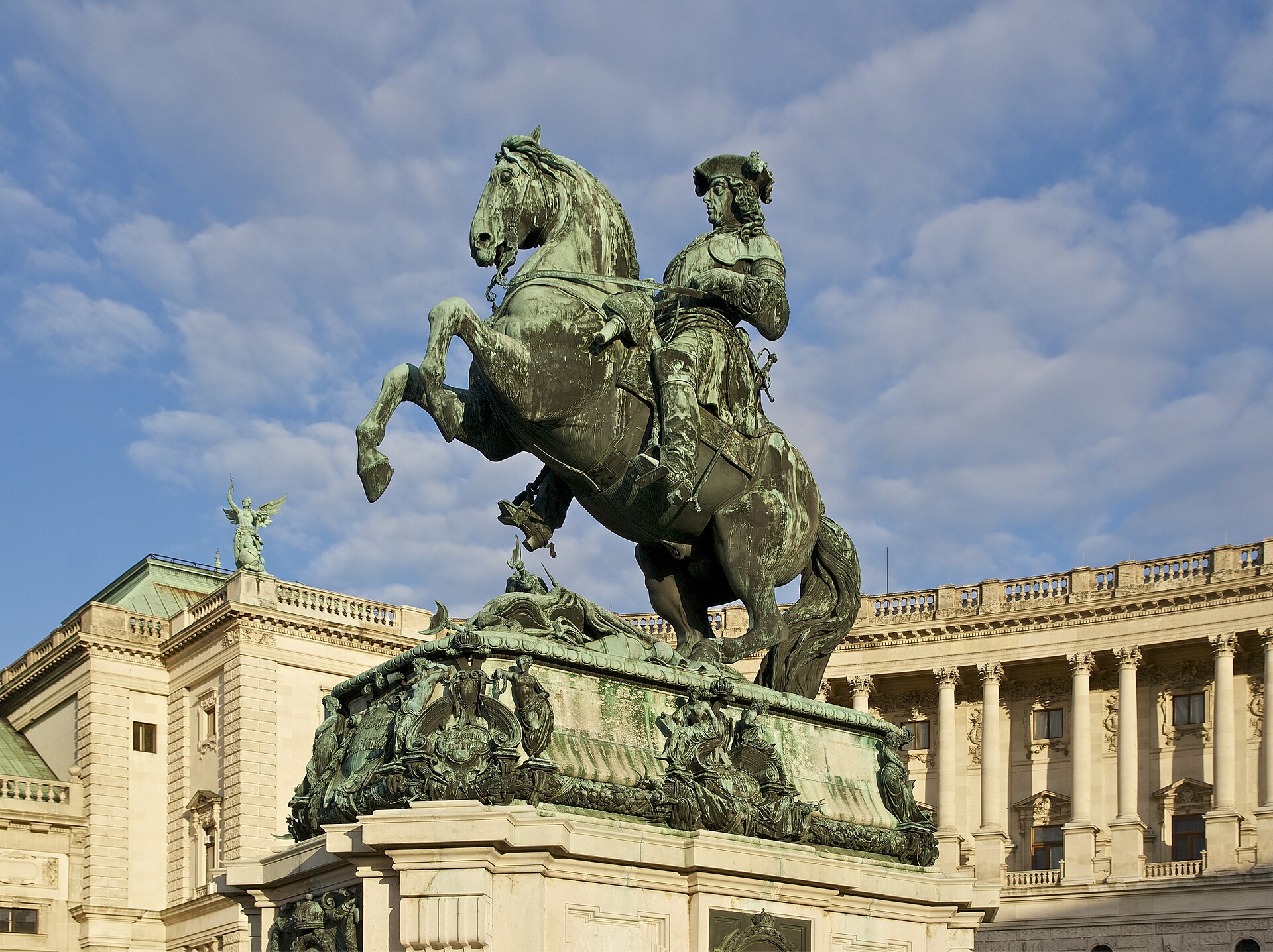
Heldenplatz
Heldenplatz, Innere Stadt, Vienna, 1010, Austria
Heroes' Square was supposed to be one half of a grand Imperial Forum connecting the Hofburg to the Natural History and Art History museums across the Ringstrasse. The plan was never completed — the empire ran out of money and then ran out of empire — leaving Heldenplatz as an open wound in Vienna's urban fabric, an absence where grandeur was supposed to be. Two equestrian statues dominate the square: Archduke Charles, who defeated Napoleon at the Battle of Aspern in 1809, and Prince Eugene of Savoy, who defeated the Ottoman Turks. Both are rendered in heroic bronze, swords raised, horses rearing. They celebrate Habsburg military glory, but the square's most significant moment is its darkest. On March 15, 1938, Adolf Hitler stood on the balcony of the Neue Burg overlooking Heldenplatz and announced the Anschluss — Austria's annexation into Nazi Germany — to a crowd of an estimated 250,000 cheering supporters. "I declare before history the entry of my homeland into the German Reich," he said. The balcony has remained almost entirely off-limits to the public ever since, a piece of architecture wrapped in a silence that speaks louder than any plaque. Today, the square hosts the "Fest der Freude" — Festival of Joy — every May 8th, commemorating the end of World War II and the victims of National Socialism. It's a deliberate reclamation: where a dictator once stood, the Vienna Philharmonic now plays. The juxtaposition is intentional and unsettling in the best way. Heldenplatz doesn't let you forget what happened here, and it doesn't let you look away.
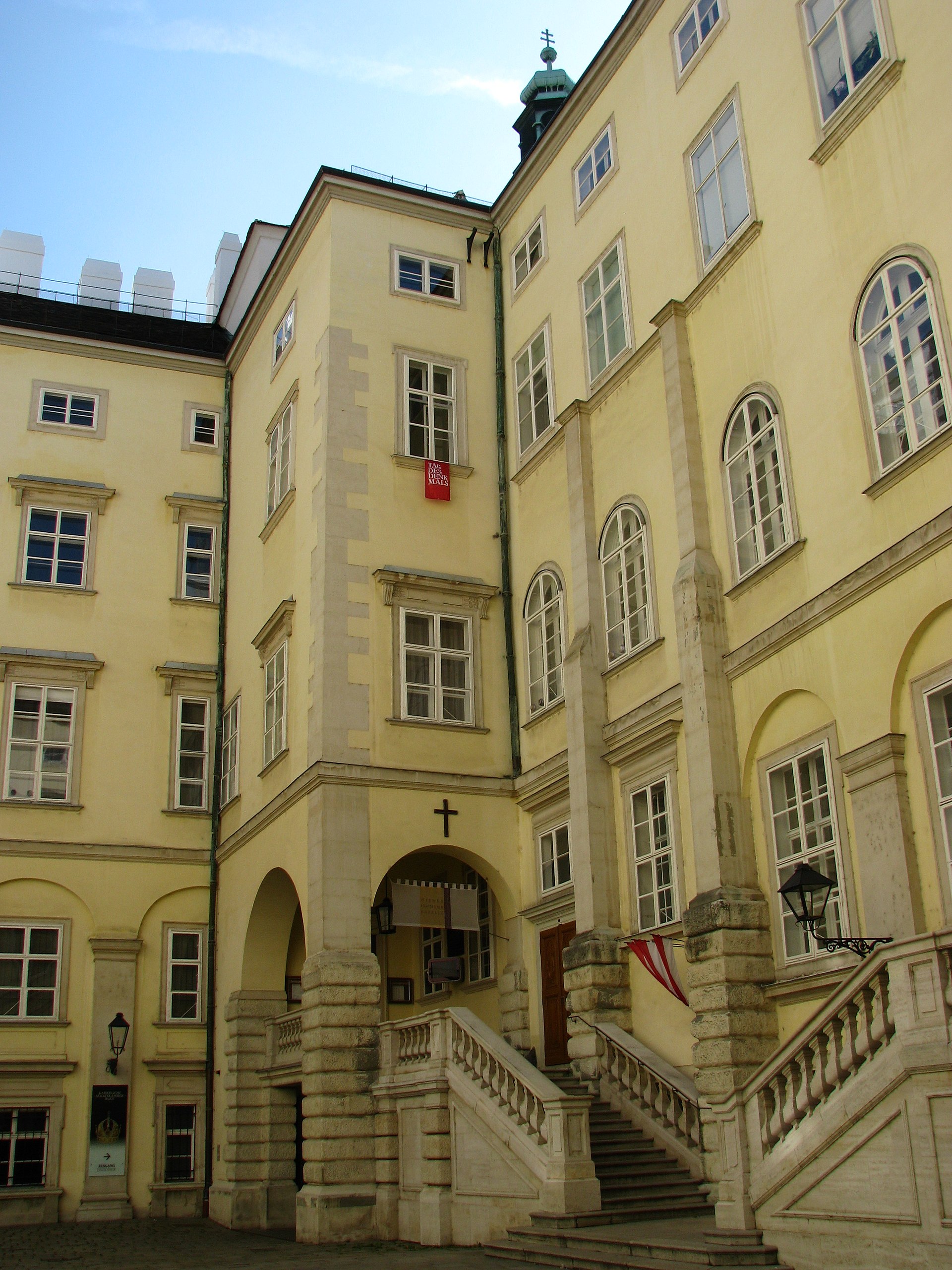
Hofburg Chapel & Vienna Boys' Choir
Hofburg, Schweizerhof, 1010 Vienna
Every Sunday at 9:15 AM, the Vienna Boys' Choir sings mass in a chapel that has hosted continuous musical performance since the 13th century. The Burgkapelle — the Imperial Chapel — is one of the oldest parts of the Hofburg, dating to the mid-1200s, and it's been the choir's home base since Emperor Maximilian I established them in 1498 to sing at imperial masses. That makes the Wiener Sängerknaben over five hundred years old and still performing in the same venue — a track record that makes the Rolling Stones look like newcomers. The chapel itself is surprisingly intimate after the bombast of the rest of the Hofburg. Gothic vaulted ceilings, modest proportions, and an atmosphere that feels more devotional than imperial. The choir performs with the Vienna Philharmonic musicians, making this perhaps the highest-quality free church service in the world — though you'll need to book seats weeks in advance. Former choristers include Haydn and Schubert, both of whom sang here as boys before growing up to reshape Western music. The choir school has produced more professional musicians per capita than almost any institution in existence, a legacy of five centuries of rigorous training that starts at age ten and runs through adolescence. Today the choir tours the world and has performed in over 100 countries, but Sunday mass at the Burgkapelle remains its most authentic appearance. The acoustic is warm and direct — the small space means the sound reaches every corner without amplification. When two dozen boys in sailor suits fill the chapel with a 16th-century motet, you're hearing something remarkably close to what Maximilian I heard half a millennium ago.
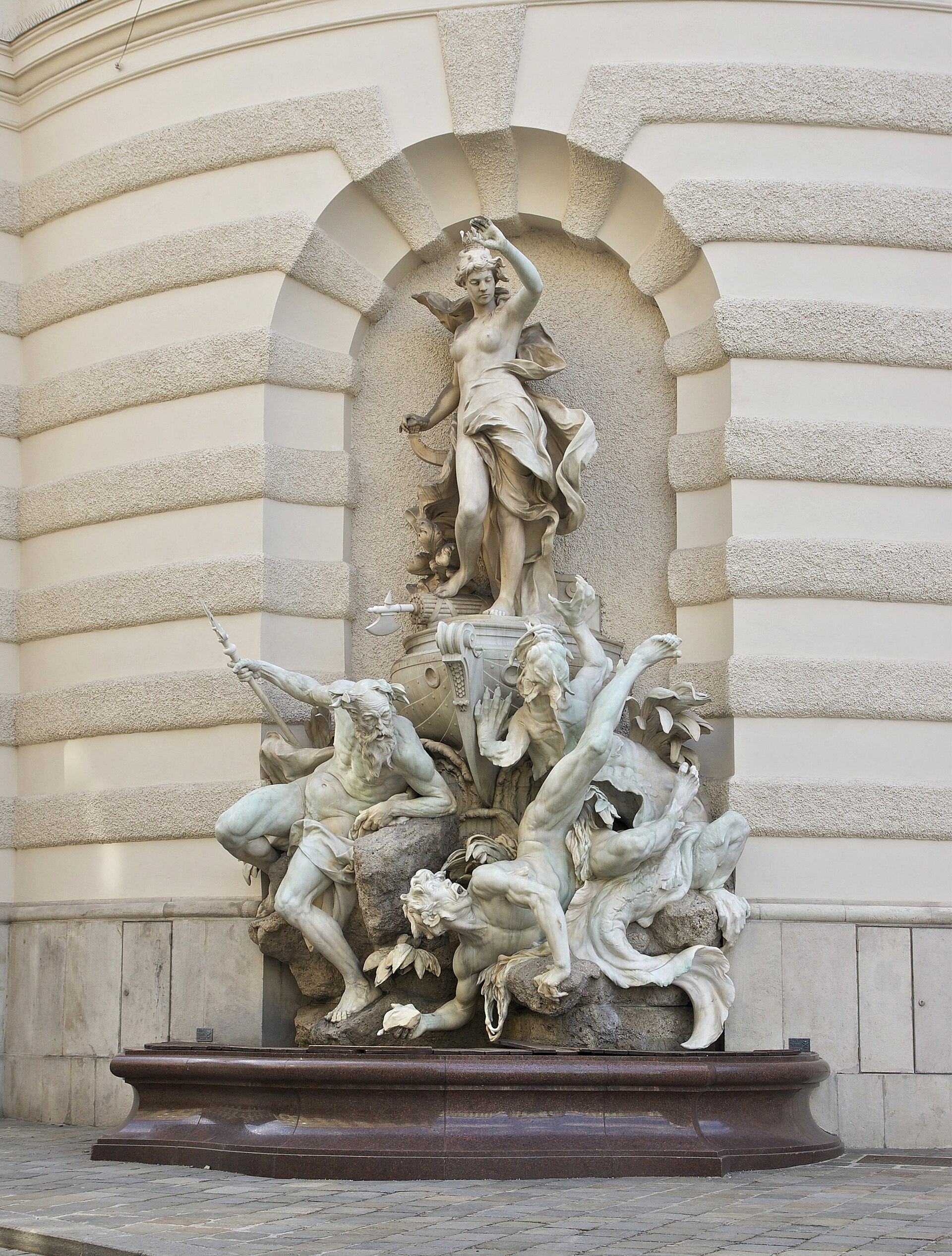
Hofburg Imperial Palace
Innere Stadt, Vienna, Austria
For over six centuries, this was the nerve centre of one of history's most powerful dynasties. The Hofburg started as a modest 13th-century castle and never really stopped growing — today it sprawls across 240,000 square metres with 18 wings, 19 courtyards, and 2,600 rooms. Nearly 5,000 people still live and work here, including the President of Austria, who keeps an office in the Leopoldine Wing and presumably gets lost on the way to the bathroom. The Swiss Gate, built in 1552 by Pietro Ferabosco, is one of Vienna's few surviving Renaissance monuments. Its name only dates from the time of Maria Theresa, when Swiss Guards were posted to protect the imperial quarters. Walk through it and you'll find the Imperial Treasury, home to the crown of the Holy Roman Empire — a thousand-year-old octagonal gold crown studded with precious stones that was considered so sacred it was hidden in a wall during World War II. The Sisi Museum occupies the rooms where Empress Elisabeth lived during her increasingly rare stays in Vienna. The woman who became one of the most mythologised royals in history spent most of her marriage trying to escape the suffocating Habsburg court — riding horses obsessively, travelling compulsively, and maintaining a waist measurement of roughly 50 centimetres through extreme dieting and exercise that would worry a modern doctor. The palace's Imperial Silver Collection contains 7,000 pieces — enough porcelain, crystal, and silverware to set a table for several hundred guests, which the Habsburgs did regularly. One of the most telling exhibits is the twenty-metre-long banquet table, permanently laid as if the emperor might walk in at any moment. In a way, the whole Hofburg feels like that: set for a party that ended in 1918 but that nobody has fully cleared away.
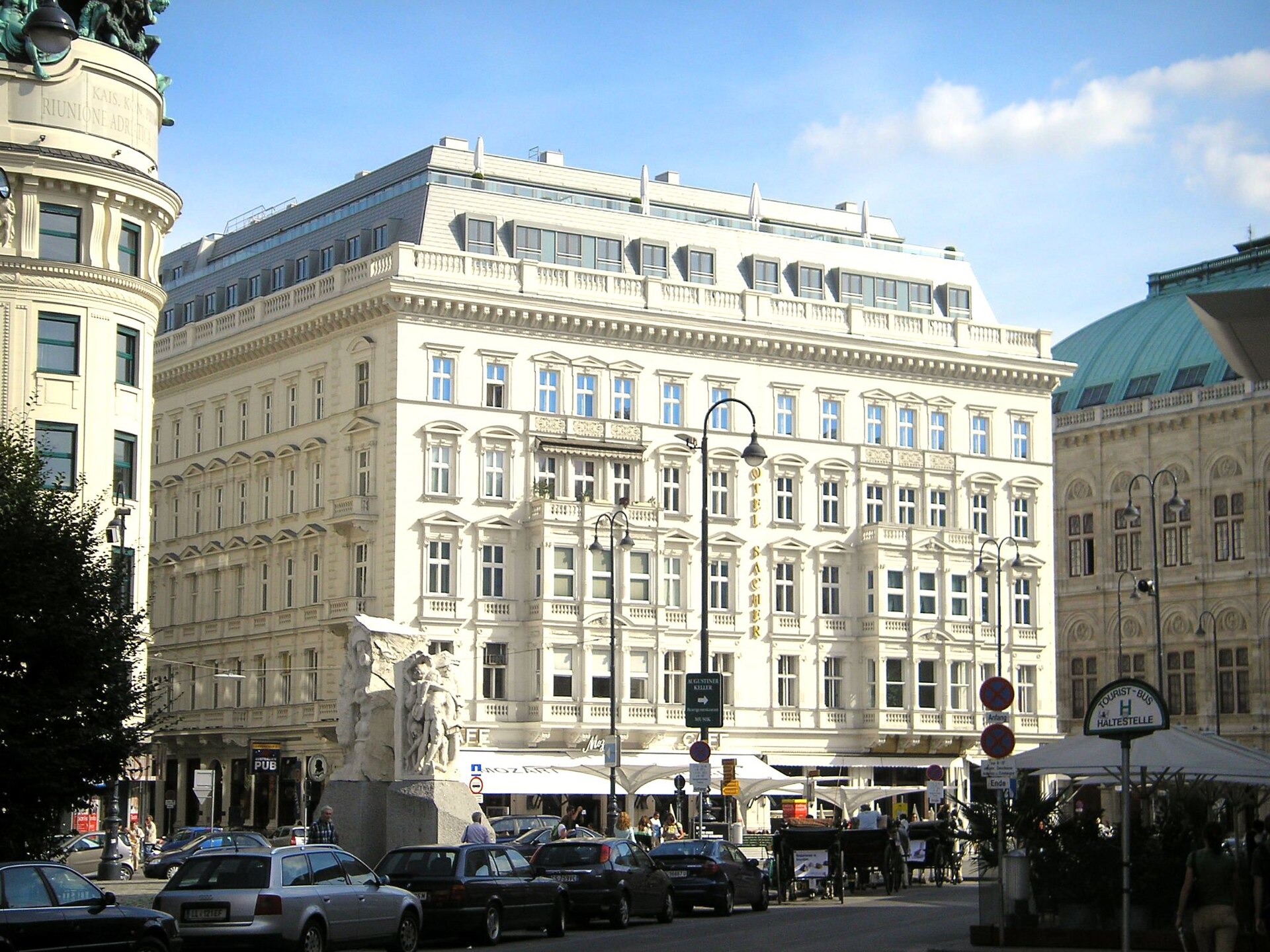
Hotel Sacher
4 Philharmonikerstraße, Innere Stadt, Vienna, 1010, Austria
In 1832, a sixteen-year-old apprentice chef named Franz Sacher was tasked with creating a dessert for Prince Metternich's dinner guests because the head chef was ill. What he produced — a dense chocolate cake with apricot jam beneath a dark chocolate glaze — became the Sachertorte, arguably the most famous cake in the world, and the foundation of a hospitality empire that has outlasted the monarchy it was born to serve. Franz's son Eduard opened Hotel Sacher behind the State Opera in 1876, and it quickly became the most fashionable address in Vienna. Anna Sacher, Eduard's wife, ran the hotel after his death with an iron will and a permanent cigar clenched between her teeth. She kept a pack of French bulldogs, extended credit to aristocrats she liked (and cut it off from those she didn't), and turned the hotel into the unofficial salon of Viennese high society. Her portrait still hangs in the lobby, cigar and all. The Sachertorte itself is protected by obsessive secrecy. The exact recipe is known to only a handful of pastry chefs, and the hotel produces roughly 360,000 cakes per year, many shipped internationally in wooden boxes that have become collector's items. The "Original Sacher Torte" trademark was won in the famous 1963 court case against Demel — a legal battle that consumed seven years and generated more passionate public debate than most actual court cases in Austrian history. Sitting in the Sacher's café, eating a slice of the original cake with a cloud of unsweetened cream on the side, you're participating in a ritual that hasn't changed since the Austro-Hungarian Empire. The chocolate glaze cracks under your fork, the apricot jam cuts the richness, and for a moment, a sixteen-year-old's panic-dessert tastes like the entire history of Vienna.
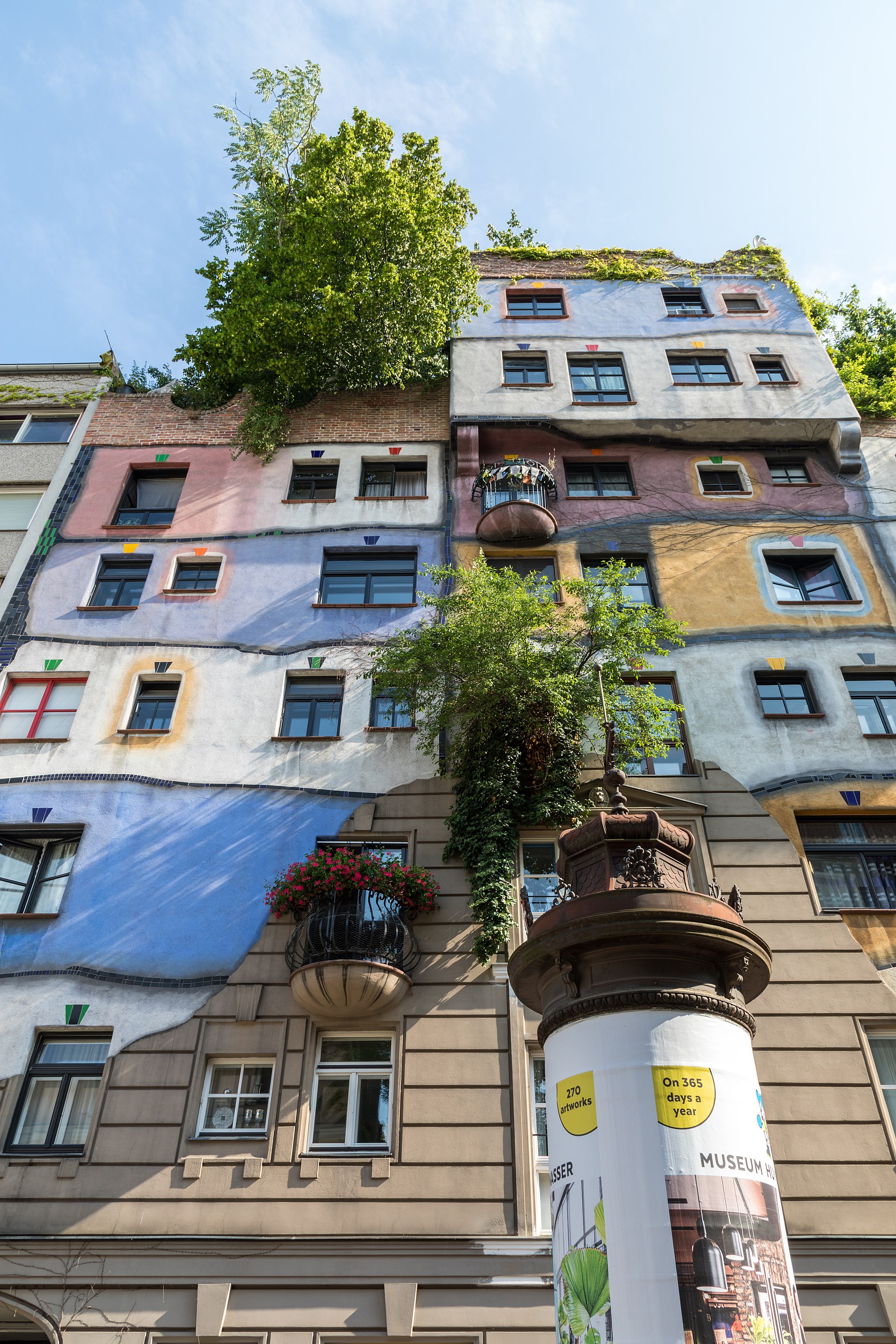
Hundertwasserhaus
36 Kegelgasse, Landstraße, Vienna, 1030, Austria
Friedensreich Hundertwasser hated straight lines. He called them "the devil's tools" and spent his career waging war against what he saw as the soul-crushing uniformity of modern architecture. In 1977, Austrian Chancellor Bruno Kreisky gave him the chance to put his money where his manifesto was: design a social housing block for the city of Vienna. The result, completed between 1983 and 1985, looks like a building designed by a child with access to unlimited paint — and that's meant as the highest compliment. Not a single window is the same size or shape. The floors undulate like gentle hills. More than 200 trees and shrubs grow from the balconies and rooftop terraces, their roots pushing through the architecture as if nature is slowly reclaiming the building from the inside. Tenants have the contractual right to decorate the façade around their windows however they choose, meaning the building's appearance changes as its residents change — a living, evolving piece of art. The building is public housing. Real people live here, paying subsidised rents, which means the most photographed residential building in Austria is also one of its most affordable. This tension — between tourist attraction and social infrastructure — is something Hundertwasser would have loved. He believed architecture should serve the people who live in it, not the ego of the architect. The fact that his most famous building is social housing, not a museum or a corporate headquarters, is the most Hundertwasser thing about it. You can't go inside — it's someone's home — but the Hundertwasser Village across the street has a museum and shop in the same distinctive style, and the KunstHausWien nearby displays his paintings and photography in a building he also designed. Vienna's most rebellious architect left his fingerprints all over the third district.
Kapuzinergruft (Imperial Crypt)
2 Tegetthoffstraße, Innere Stadt, Vienna, 1010, Austria
Beneath an unremarkable Capuchin church on the Neuer Markt lies the final resting place of 149 Habsburg rulers, their spouses, and family members — 400 years of European power entombed in elaborate metal coffins guarded by barefoot monks. The Kapuzinergruft has been the dynasty's burial vault since Empress Anna commissioned it in 1618, and it kept receiving bodies right up to 2011, when the last Habsburg, Otto von Habsburg — son of the final emperor — was interred here. The crypt is the Habsburg dynasty in miniature: theatrical, obsessive, and slightly morbid. Maria Theresa's double sarcophagus, shared with her husband Francis I, is the size of a small car and depicts the couple sitting up in bed, gazing at each other for eternity. Their son Joseph II, the reforming emperor, is next door in a deliberately plain copper coffin — a statement against his mother's extravagance that he continued to make even in death. The most poignant tomb belongs to the Duke of Reichstadt — Napoleon's son by Marie Louise of Austria. Born King of Rome, he died at 21 of tuberculosis in Schönbrunn, trapped between two empires that both claimed and abandoned him. Hitler had his remains moved to Les Invalides in Paris in 1940 as a propaganda gesture; his coffin returned to Vienna empty. The Habsburg burial tradition involved splitting the body three ways: corpse to the Kapuzinergruft, heart to the Augustinerkirche's Herzgruft, and entrails to St. Stephen's catacombs. This macabre division meant the dead could be venerated in three locations simultaneously — efficient even in death. The Capuchin monks still maintain the crypt today, padding silently past the sarcophagi of the people who once ruled half of Europe.
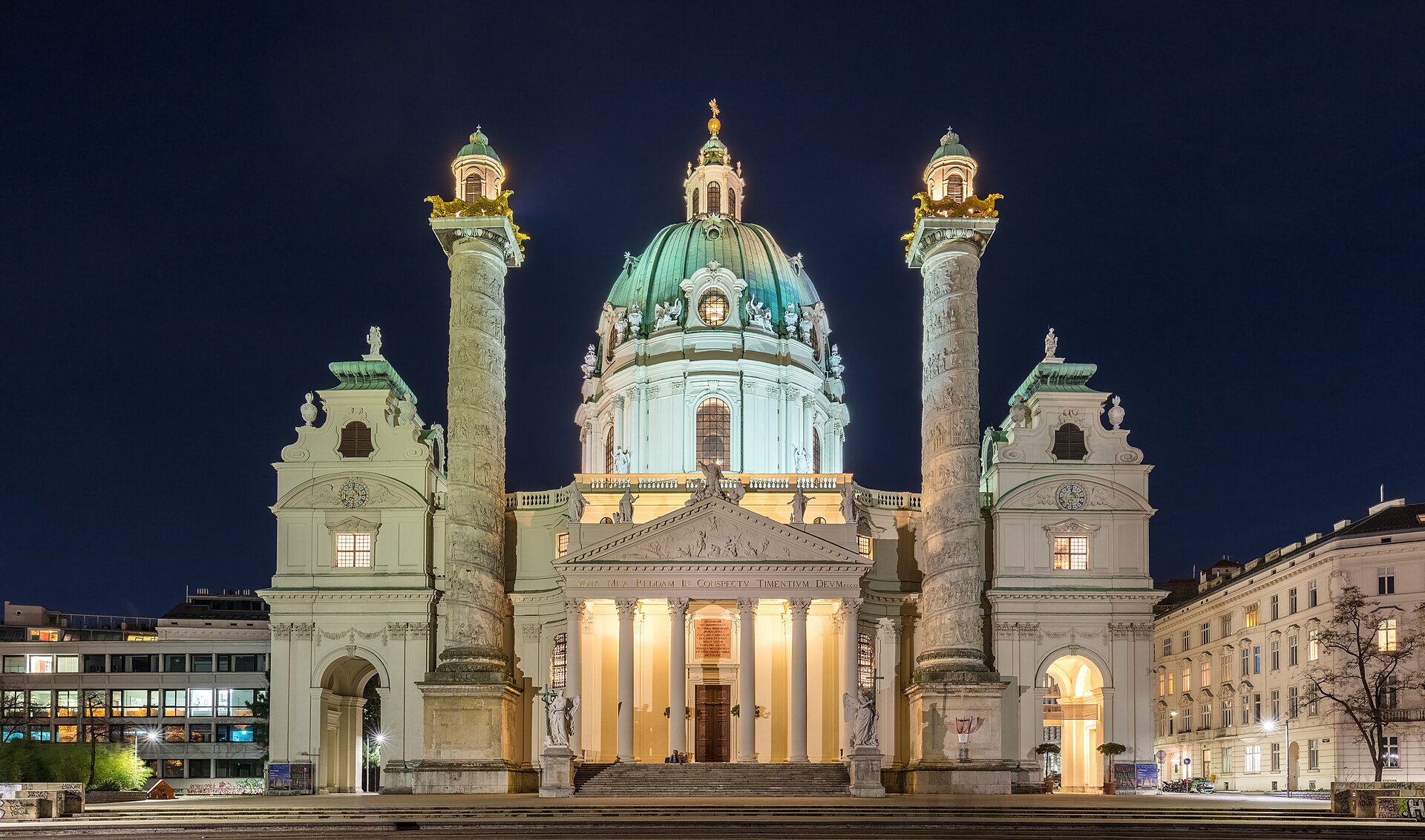
Karlskirche
1 Kreuzherrengasse, Wieden, Vienna, 1040, Austria
In 1713, with the last great plague epidemic barely over, Emperor Charles VI made a promise to his namesake saint: end the suffering, and I'll build you the most impressive church in Vienna. He kept his word. The Karlskirche is Baroque architecture pushed to its absolute limit — a building that combines a Greek temple portico, Roman triumphal columns, and an enormous copper dome into something that shouldn't work aesthetically but somehow does. The two free-standing columns flanking the entrance are the building's masterstroke. Modelled on Trajan's Column in Rome, they're covered in spiralling bas-reliefs depicting the life of St. Charles Borromeo, the 16th-century bishop who ministered to plague victims in Milan. The columns serve no structural purpose — they're pure theatre, designed to make the church visible from across the Ringstrasse and to announce that the Habsburgs could out-Rome Rome. Johann Bernhard Fischer von Erlach began construction in 1716 but died in 1723, leaving his son Joseph Emanuel to complete the project in 1737 with some alterations to the original plans. The dome's interior fresco by Johann Michael Rottmayr depicts St. Charles Borromeo's intercession before the Holy Trinity. An elevator and walkway now take visitors up to the fresco level, letting you see brushstrokes that were designed to be viewed from 70 metres below — it's like reading an artist's diary. Antonio Vivaldi was buried at the Karlskirche on July 28, 1741, though his grave has been lost to time. In an appropriately musical twist, the church now hosts regular Vivaldi concerts. His music fills the space where his bones presumably rest, which is either poetic or slightly macabre, depending on your sensibility.
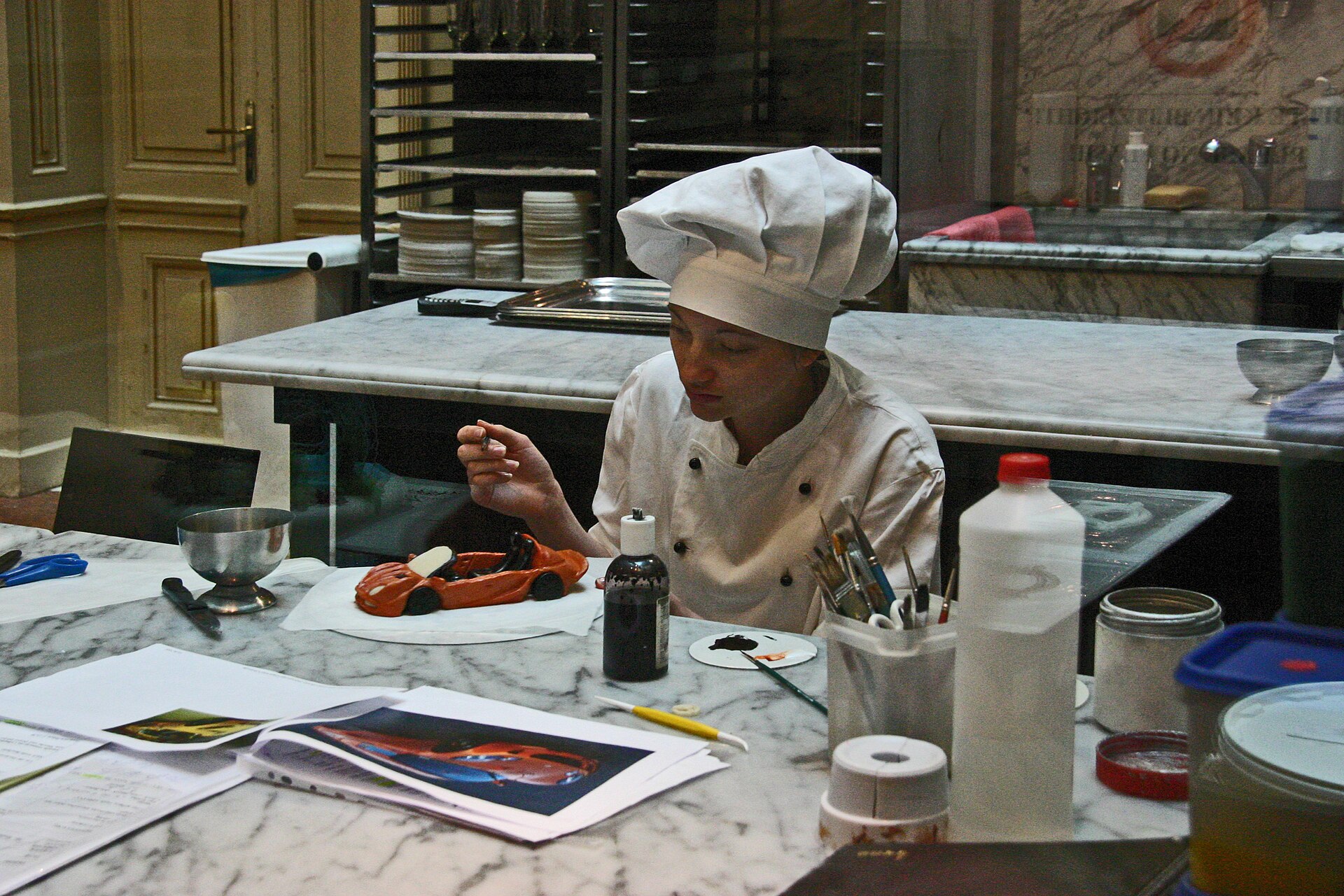
Kohlmarkt & Demel
14 Kohlmarkt, Innere Stadt, Vienna, 1010, Austria
Kohlmarkt has undergone the most dramatic social climbing of any street in Vienna. In medieval times, this was where charcoal sellers hawked their wares — the name literally means "coal market." Today it's Vienna's most exclusive shopping strip, a pedestrianised promenade of luxury boutiques that runs in a straight line from the Graben to the Michaelertor gate of the Hofburg. The charcoal merchants would weep. At number 14 sits Demel, the most storied bakery in the city and arguably in Europe. Founded in 1786, it held the coveted title of K.u.K. Hofzuckerbäcker — Imperial and Royal Court Confectioner. The staff still address customers with the archaic third-person form "hat der Herr schon gewählt?" as if the monarchy never ended. Empress Elisabeth reportedly had Demel's candied violets and fresh coffee delivered to her rooms every morning, which is the 19th-century equivalent of a standing Uber Eats order. Demel is also half of the most delicious legal battle in Austrian history. The "Tortenkrieg" — Cake War — between Demel and Hotel Sacher dragged through the courts for decades over who could use the label "Original Sacher Torte." In 1963, the courts ruled that Hotel Sacher owned the name "Original" and the round chocolate seal, while Demel could sell its version as "Eduard Sacher Torte" with a triangular seal. The two cakes differ in where the apricot jam layer goes, which is apparently worth several decades of litigation. Step inside and watch the Zuckerbäcker — pastry chefs — work behind glass, producing confections that look more like jewellery than food. The display cases are a museum of sugar engineering, and the hot chocolate is thick enough to stand a spoon in.
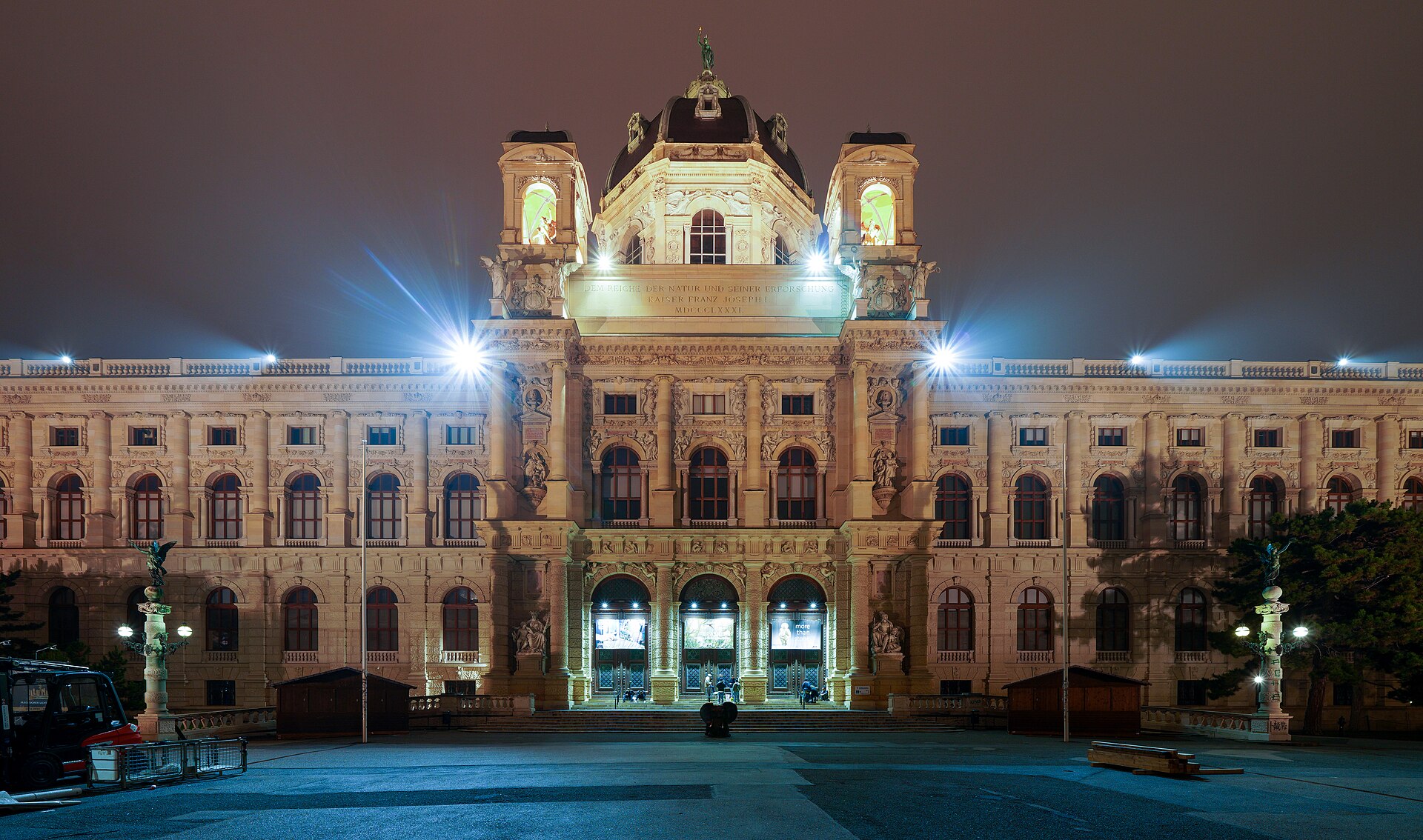
Kunsthistorisches Museum
Maria-Theresien-Platz, Innere Stadt, Vienna, 1010, Austria
The Habsburgs spent centuries hoarding art the way other families collect holiday photos, and in 1891 Emperor Franz Joseph finally gave their collection a proper home. The Kunsthistorisches Museum is one of the world's great art museums, built by Gottfried Semper and Karl von Hasenauer in an Italian Renaissance Revival style so lavish that the building itself competes with the art inside. The staircase alone, with its ceiling paintings by Mihály Munkácsy and marble columns, is worth the entrance fee. The jewel of the collection is the world's largest group of paintings by Pieter Bruegel the Elder — roughly a third of his entire surviving output hangs here. "The Tower of Babel" is the headliner, a dizzyingly detailed vision of human ambition and chaos that feels more relevant every year. "Hunters in the Snow" is quietly devastating in person — a winter landscape so cold you can almost see your breath. Across the hall, Vermeer's "The Art of Painting" sits behind glass, purchased by the Habsburgs and then seized by the Nazis before being recovered from an Austrian salt mine after the war. Velázquez's portraits of the Spanish Infanta — those children with their enormous skirts and world-weary eyes — fill an entire room. Arcimboldo's vegetable portraits of the seasons prove that surrealism existed four centuries before anyone gave it a name. The Kunstkammer — the cabinet of curiosities — is the museum's secret weapon: 2,100 objects ranging from Benvenuto Cellini's golden salt cellar (once stolen and buried in a forest by a museum worker, then recovered in 2006) to automata, astronomical instruments, and a rhinoceros horn goblet. The Egyptian collection, with over 17,000 objects spanning four millennia, fills an entire wing. You could spend a week here and still miss rooms.
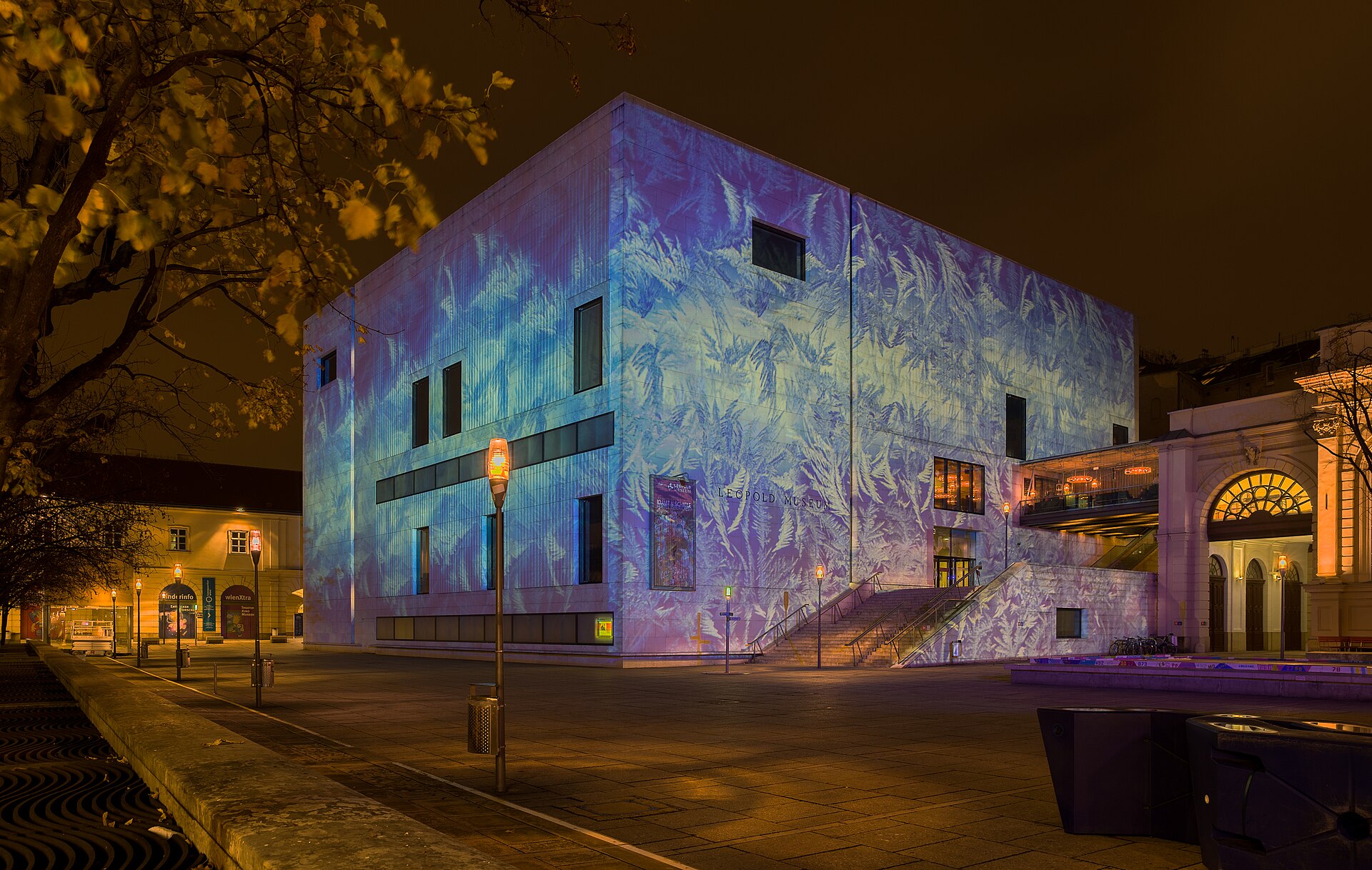
MuseumsQuartier
1 Museums-Platz, Neubau, Vienna, 1070, Austria
In 1713, Emperor Charles VI needed somewhere to park 600 horses and 200 carriages, so he commissioned Johann Bernhard Fischer von Erlach to build the most magnificent stables in Europe. The result — a Baroque complex with the longest Baroque façade in Vienna at 355 metres — served as imperial stables for two centuries, became a trade fair venue after the monarchy fell in 1918, and was finally reborn in 2001 as one of the world's largest contemporary art districts. The transformation from stables to sixty cultural institutions spanning 90,000 square metres is one of Vienna's best architectural stories. Brothers Laurids and Manfred Ortner won the design competition in 1986, and their approach was surgical: preserve Fischer von Erlach's Baroque shell while inserting aggressively modern buildings into the courtyards. The Leopold Museum — white limestone, stark geometry — faces the MUMOK — dark basalt, brooding angles — across a courtyard where Viennese sit on oversized foam furniture called "Enzos" and drink Spritz in the sun. The Leopold Museum houses the world's most important collection of Egon Schiele — raw, angular, uncomfortable paintings that were considered pornographic when first shown and now sell for tens of millions. The MUMOK covers everything from Warhol to Viennese Actionism, a movement where artists performed such extreme provocations that several ended up in prison. What makes the MQ special isn't any single museum — it's the atmosphere. The courtyards function as Vienna's unofficial living room, especially in summer. Students, tourists, gallery-goers, and people who just want to sit somewhere beautiful mix freely in a space that's simultaneously 300 years old and completely contemporary. Fischer von Erlach's horses would be confused but impressed.
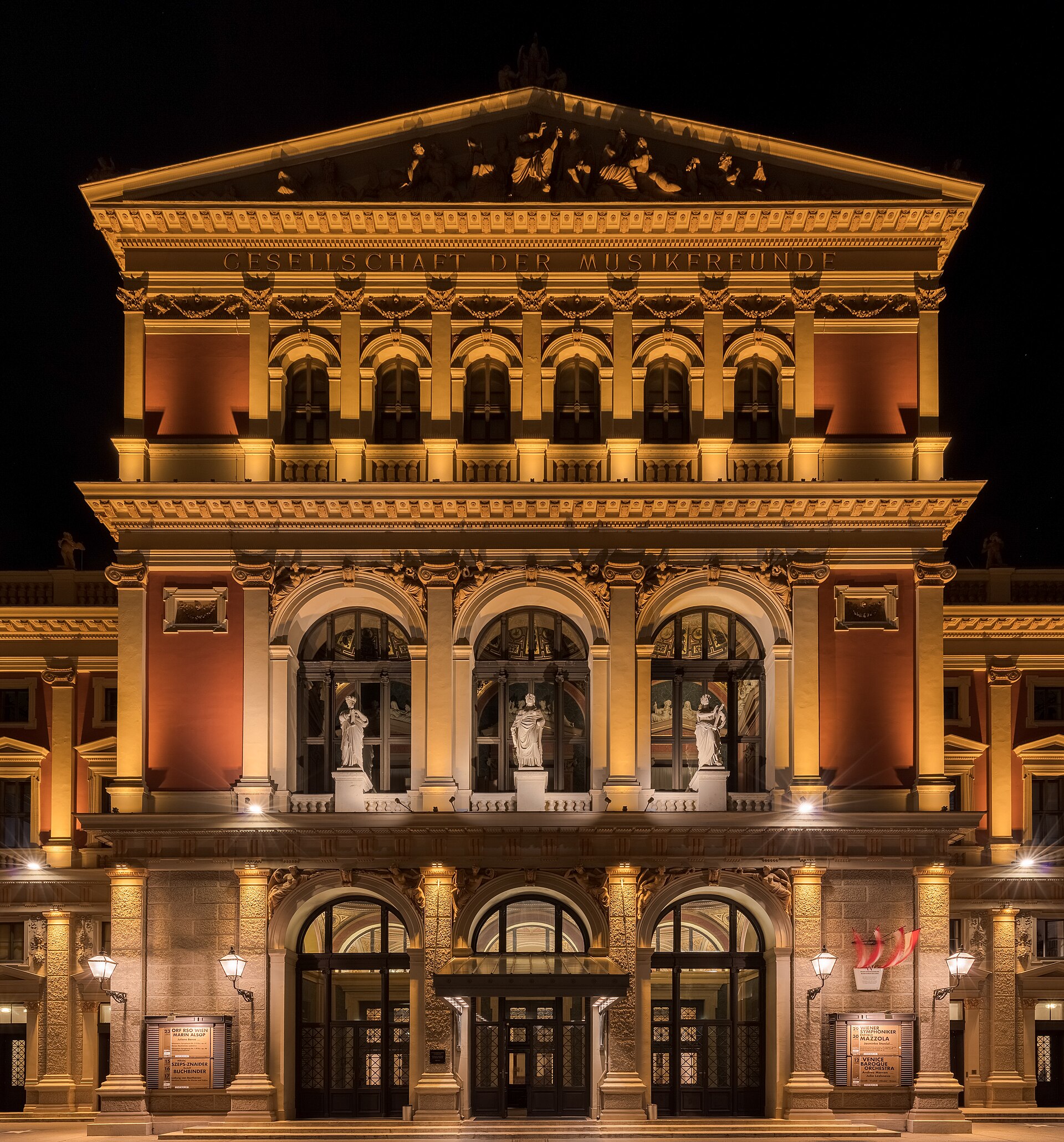
Musikverein
1 Musikvereinsplatz, Innere Stadt, Vienna, 1010, Austria
Every New Year's Day, roughly 50 million people in 90 countries tune in to watch the Vienna Philharmonic play waltzes in what is widely considered the finest concert hall ever built. The Golden Hall of the Musikverein has acoustics so perfect they've been studied by physicists for over a century, and the secret is that its architect had no idea what he was doing — acoustically speaking. Danish architect Theophil Hansen designed the hall in 1870 based on proportions he'd observed in ancient Greek amphitheatres, but there was no science of architectural acoustics at the time. He got lucky on an almost miraculous scale. The rectangular "shoebox" shape — 49 metres long, 19 metres wide, 18 metres high — creates early sound reflections off every surface. The wooden floor is suspended above a hollow cavity that acts as a natural resonating chamber. The ceiling is hung from the roof truss rather than resting on the walls, allowing it to vibrate sympathetically. Everything resonates. The hall seats 1,744 people with standing room for 300, and every seat has been fought over since Anton Bruckner played the first organ recital here in 1872. The golden caryatids — female figures holding up the balcony — and the ceiling fresco of Apollo with the Nine Muses create a visual warmth that matches the acoustic warmth. When the Philharmonic plays Strauss at full volume, the room doesn't just transmit sound; it amplifies emotion. Standing-room tickets are affordable and available on the day, making this one of the few truly democratic temples of high culture. You stand for two hours, your back aches, and you hear music the way it was meant to be heard — in a room that was accidentally, perfectly designed to make every note matter.
Narrenturm
2 Spitalgasse, Alsergrund, Vienna, 1090, Austria
Emperor Joseph II built Europe's first dedicated psychiatric institution in 1784, and it looked exactly like what you'd expect from a man who believed mental illness could be cured with architecture: a perfectly circular five-storey tower with cells arranged around a central courtyard, designed so patients could exercise in a controlled circle and never find a corner to hide in. The Viennese immediately nicknamed it the Narrenturm — the Fool's Tower — and the name stuck even as attitudes toward mental health changed around it. The building is architecturally fascinating and historically uncomfortable in equal measure. The circular design was progressive for its era — Joseph II genuinely believed that humane treatment could cure madness, and the tower replaced far worse conditions in which the mentally ill had previously been locked in general hospital wards or simply abandoned. But "humane" in the 1780s still meant cells with iron doors and minimal furnishing, and patients were confined here until the asylum closed in 1869. Today the Narrenturm houses the Federal Pathological-Anatomical Museum, one of the most extraordinary and disturbing collections in Vienna. Over 50,000 specimens fill the old cells: wax moulages of skin diseases, skeletal deformities, preserved organs in glass jars, and anatomical models that were used to train medical students for centuries. It's not for the squeamish, but it's a remarkable document of how medicine understood — and misunderstood — the human body. The setting amplifies everything. Walking through circular corridors lined with pathological specimens in a building designed to contain madness is an experience that no conventional museum can replicate. The Narrenturm sits on the edge of the old Vienna General Hospital campus, now part of the university, and most tourists walk right past it without knowing what's inside.
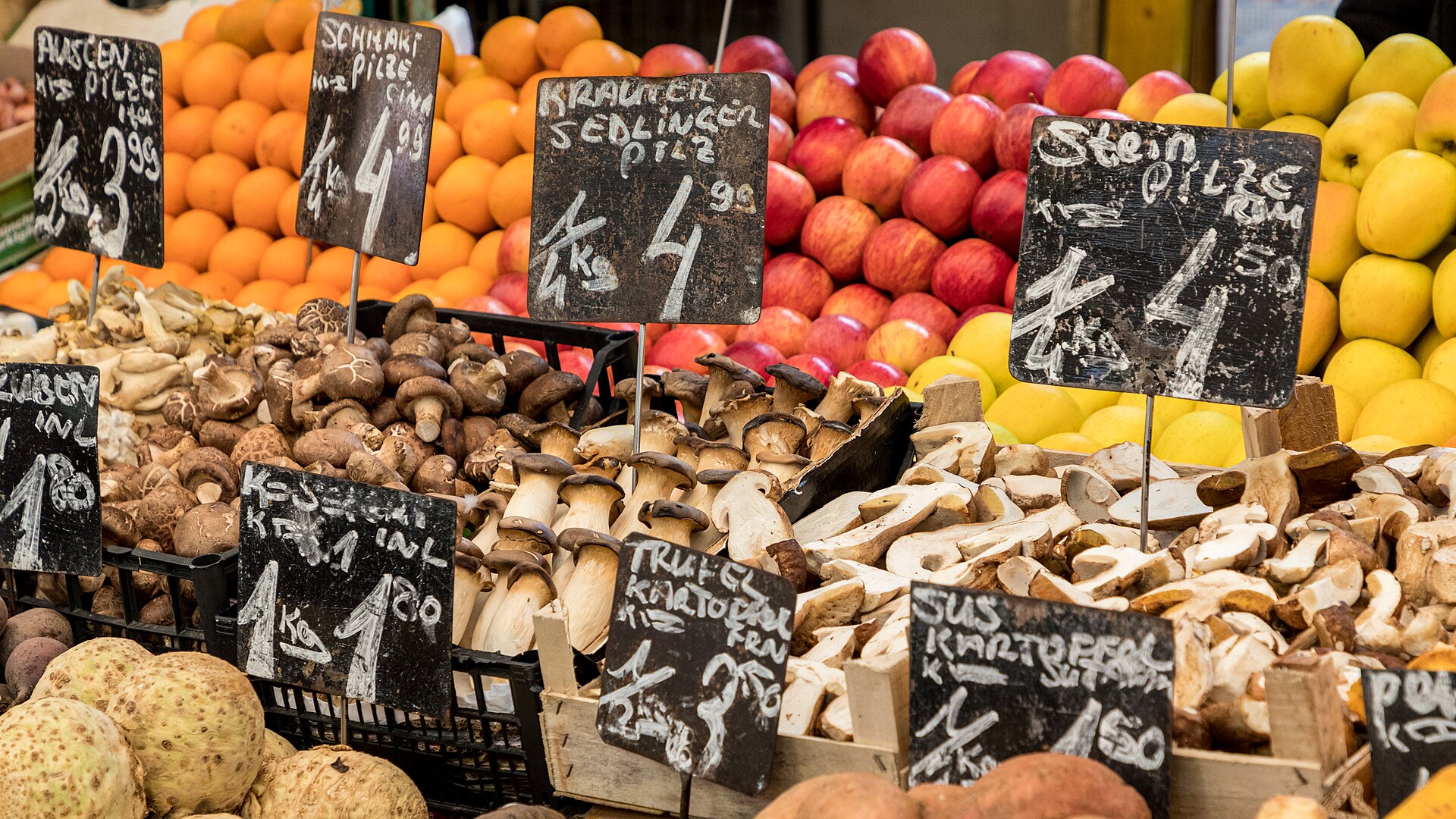
Naschmarkt
Mariahilf, Vienna, Austria
Vienna's oldest market has been feeding the city since the 16th century, and it's spent most of that time arguing about its own name. Originally called the Aschenmarkt — "ash market" — it gradually became known as the Naschmarkt around 1820, possibly because "naschen" means "to snack" and the stalls were increasingly selling exotic treats like sugared orange zest and dates from faraway ports. The official name wasn't formalised until the city council voted on it in 1905, which is very Viennese: three centuries of operation before bothering with paperwork. The market stretches along the Wien River for about 1.5 kilometres, with over 120 stalls selling everything from Styrian pumpkin seed oil to fresh Adriatic fish to Balkan cevapcici. The architecture is a mix — the oldest pavilions over the river date to 1902, designed during the Jugendstil era, while modern additions sit alongside with no apparent planning coherence. It's chaotic and wonderful. On Saturdays, the western end erupts into a flea market that draws half of Vienna. You can find everything from Soviet military medals to mid-century furniture to someone's grandmother's entire porcelain collection. Haggling is expected at the flea market but considered gauche at the food stalls, which is an important cultural distinction that tourists learn the hard way. The surrounding streets feature two Otto Wagner-designed apartment buildings with Jugendstil facades — the Majolikahaus and the Medallion House — that are worth the detour alone. Grab a plate of hummus or a coffee at one of the market restaurants, sit outside, and watch Vienna's most democratic public space do what it's done for five hundred years: feed people and start conversations.
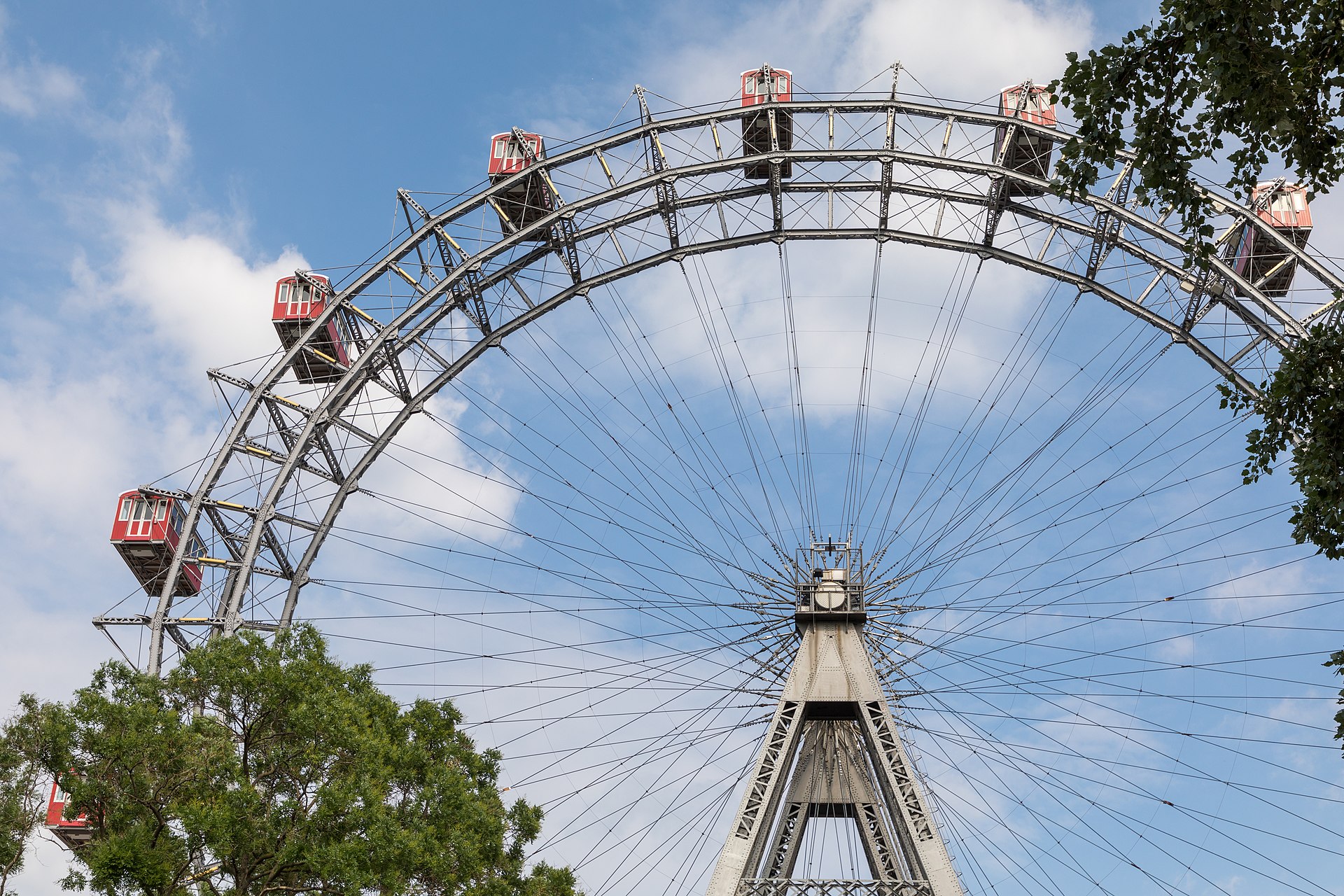
Prater & Riesenrad
1 Riesenradplatz, Leopoldstadt, Vienna, 1020, Austria
The Giant Ferris Wheel was built in 1897 to celebrate fifty years of Emperor Franz Joseph's reign, and it's been spinning through history ever since. Designed by British engineers Walter Bassett and Harry Hitchins, the original wheel stood 65 metres tall with 30 wooden gondolas. It was the tallest extant Ferris wheel in the world from 1920 until 1985 — a record held not through ambition but through sheer stubbornness, because Vienna refused to tear it down. In 1944, the Riesenrad nearly burned to nothing. A fire — likely from World War II bombing — left only the steel frame standing. It was rebuilt by 1947, but with 15 gondolas instead of the original 30, giving it the slightly gap-toothed silhouette it has today. The iron structure weighs 430 tonnes and turns at 2.7 kilometres per hour, which means a full revolution takes about twenty minutes — long enough for one of cinema's greatest scenes. Orson Welles and Joseph Cotten filmed the famous cuckoo clock speech for "The Third Man" inside one of these gondolas in 1949. Welles improvised the line about Switzerland inventing nothing but the cuckoo clock, and the wheel became a permanent shorthand for post-war Vienna's murky glamour. It later appeared in "The Living Daylights" and "Before Sunrise," cementing its status as the most filmed Ferris wheel in cinema. The Prater park itself is enormous — 6 square kilometres of green space that was once the Habsburg hunting ground before Emperor Joseph II opened it to the public in 1766. The Wurstelprater amusement park end is all roller coasters and cotton candy, but walk deeper into the park and you'll find the Hauptallee — a dead-straight, chestnut-lined avenue stretching 4.4 kilometres where Viennese jog, cycle, and pretend they're not in a city of nearly two million.
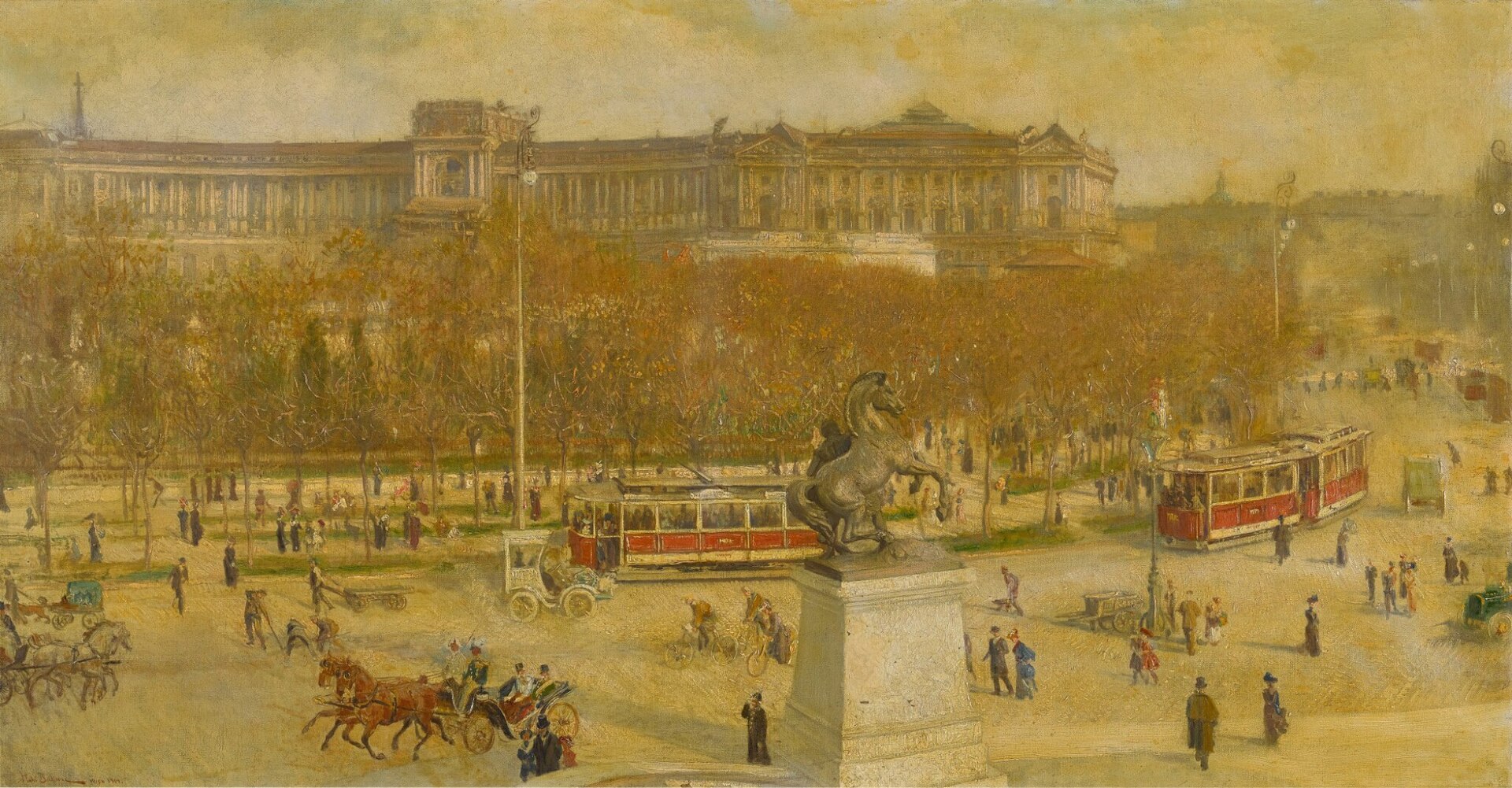
Ringstrasse
1010 Riedstraße, Penzing, Vienna, 1140, Austria
In 1857, Emperor Franz Joseph ordered the demolition of Vienna's medieval city walls and the construction of a grand boulevard in their place. It was one of the most audacious urban planning projects of the 19th century: a 5.3-kilometre ring road, 57 metres wide, lined with the most important buildings a civilization could produce — an opera house, a parliament, museums, a university, a stock exchange, a city hall. Each in a different historical style, as if the architects were playing a greatest-hits compilation of Western architecture. The financing was clever bordering on cynical. The 2.4 million square metres of land freed up by demolishing the fortifications were sold to private developers for 63 million gulden, funding the public buildings while creating a speculative real estate boom that made fortunes and scandals in equal measure. The construction workforce was largely composed of migrant labourers from Bohemia, working gruelling hours for minimal pay — the human cost behind the imperial splendour. The parade of styles is deliberately theatrical. Theophil Hansen gave the Parliament a Greek Revival look to invoke Athenian democracy. Friedrich von Schmidt made City Hall Gothic to channel medieval civic pride. Heinrich von Ferstel built the University in Italian Renaissance style for scholarly gravitas. The Ringstrasse wasn't just a road; it was a manifesto about what the Habsburg Empire believed itself to be. Adolf Loos later called it a Potemkin city — all façade and no substance. Hitler, who failed the entrance exam at Vienna's Academy of Fine Arts twice, reportedly spent hours sketching the Ringstrasse buildings. The boulevard has attracted admirers and critics in equal measure since the day it opened on May 1, 1865, and that tension is exactly what makes it worth walking.
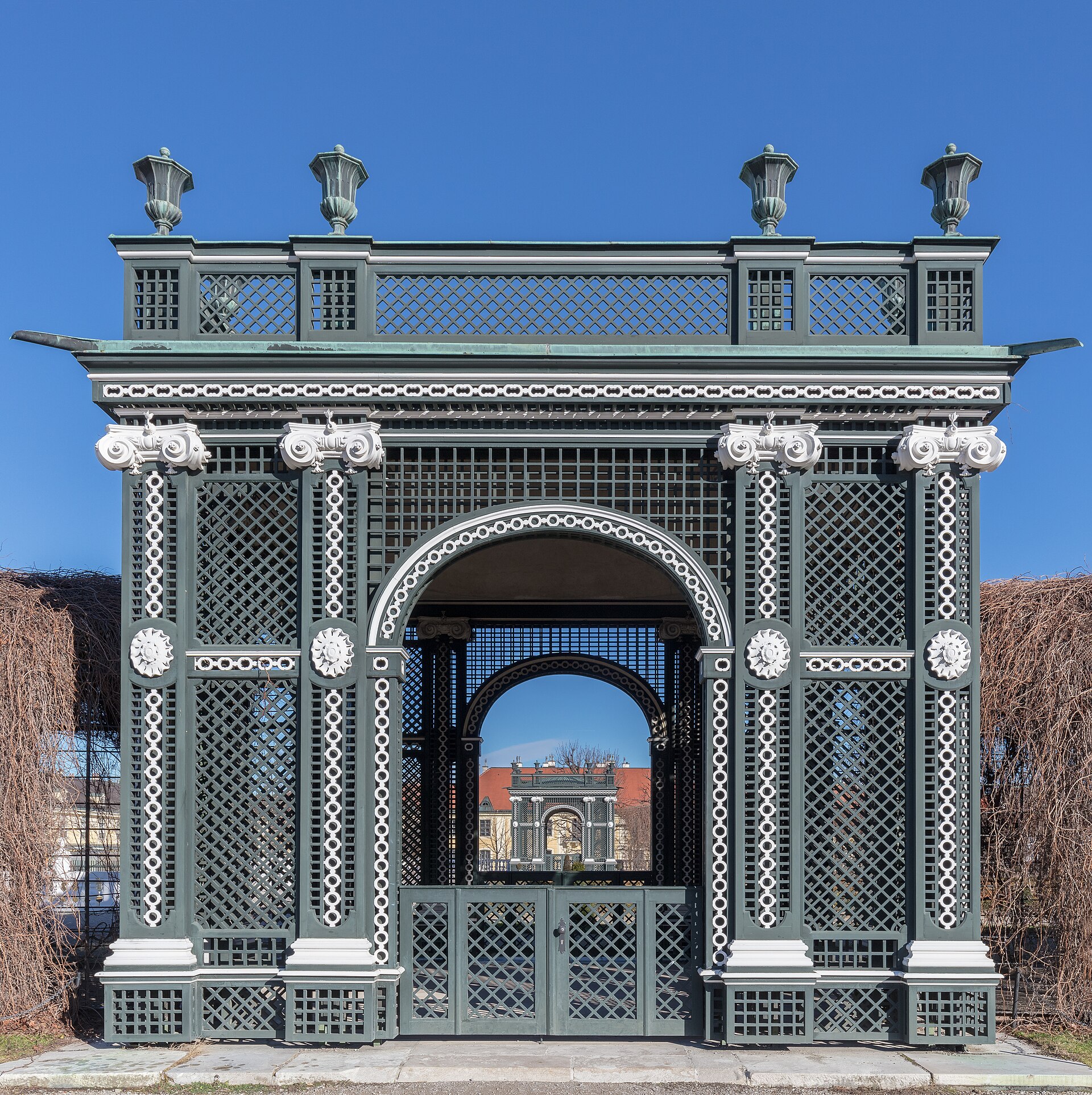
Schönbrunn Palace
Schönbrunner Schloßstraße 47, 1130 Vienna
Maria Theresa received this palace as a wedding gift in 1740 and immediately set about turning it into the most extravagant summer house in Europe. With 1,441 rooms — forty-five of which you can visit today — Schönbrunn makes Versailles look like a starter home. The Empress ran an empire from these halls while raising sixteen children, which is either extraordinary multitasking or proof that delegation works. The Millions Room alone justifies the entrance fee. Panelled in rosewood and decorated with Indo-Persian miniatures set under rococo gilding, it ranks among the most beautiful rooms of its era anywhere in the world. Next door, the Round Chinese Cabinet is where Maria Theresa held secret strategy sessions with her chancellor, Prince Kaunitz — conversations that shaped European politics for decades, conducted surrounded by lacquered panels and porcelain. A six-year-old Mozart performed in the Mirror Room in 1762, and legend has it he slipped on the polished floor, was caught by the young Archduchess Marie Antoinette, and promptly proposed marriage. The story is almost certainly embellished, but it captures something true about Schönbrunn: this was a place where genius and royalty collided, sometimes awkwardly. Emperor Franz Joseph was born here in 1830, spent his childhood summers here, and eventually died here in 1916 after a sixty-eight-year reign — making this palace the backdrop to both the peak and the collapse of the Habsburg Empire. The gardens stretch across 1.2 square kilometres, featuring the world's oldest zoo (founded 1752), a palm house with 4,500 plant species, and the Gloriette hilltop folly where you can look back at the palace and understand exactly why UNESCO gave this place World Heritage status in 1996.
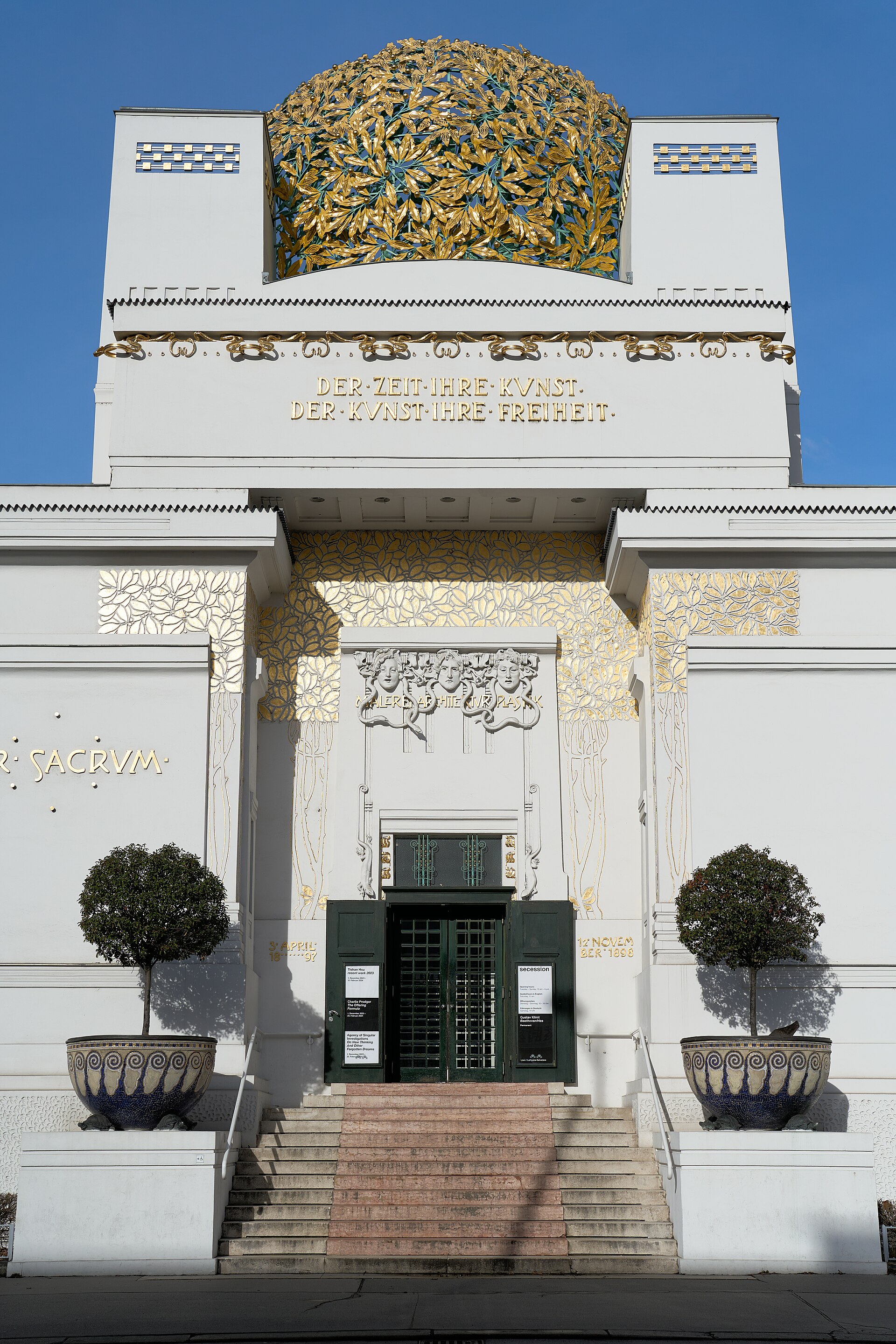
Secession Building
Friedrichstraße 12, 1010 Vienna
In 1897, Gustav Klimt and eighteen other artists walked out of Vienna's conservative art establishment and founded their own movement. They needed a building to match their manifesto, and Joseph Maria Olbrich delivered one that still looks like it landed from another planet. The Secession Building is a white cube topped with a golden dome made of 3,000 gilded laurel leaves, which the Viennese immediately nicknamed "the golden cabbage." Love it or hate it, you cannot ignore it. Above the entrance, gold lettering spells out the movement's motto: "Der Zeit ihre Kunst. Der Kunst ihre Freiheit" — "To every age its art. To art its freedom." It was a direct challenge to the academic establishment that had controlled Viennese art for decades, and the building was designed to be as confrontational as the statement: no historical ornament, no classical columns, just clean geometric forms and a lot of attitude. In the basement lives Klimt's Beethoven Frieze, a 34-metre-long painting originally created for a temporary 1902 exhibition and never intended to survive. Standing 2.15 metres high, it combines Ancient Greek, Byzantine, and Japanese influences in Klimt's trademark gold-leaf style, interpreting Beethoven's Ninth Symphony as a journey from suffering to joy. Art collector Carl Reininghaus bought it in 1903 to save it from destruction. The Nazis later seized it; it was recovered from a salt mine after the war and finally returned to the Secession in 1986. The building continues to host contemporary art exhibitions, rotating shows roughly every two months. The upper gallery floods with natural light from the clever skylight system, and the proportions of the rooms shift depending on the installation — the walls are moveable. Olbrich designed a building that could reinvent itself, which is fitting for a movement that was all about breaking rules.
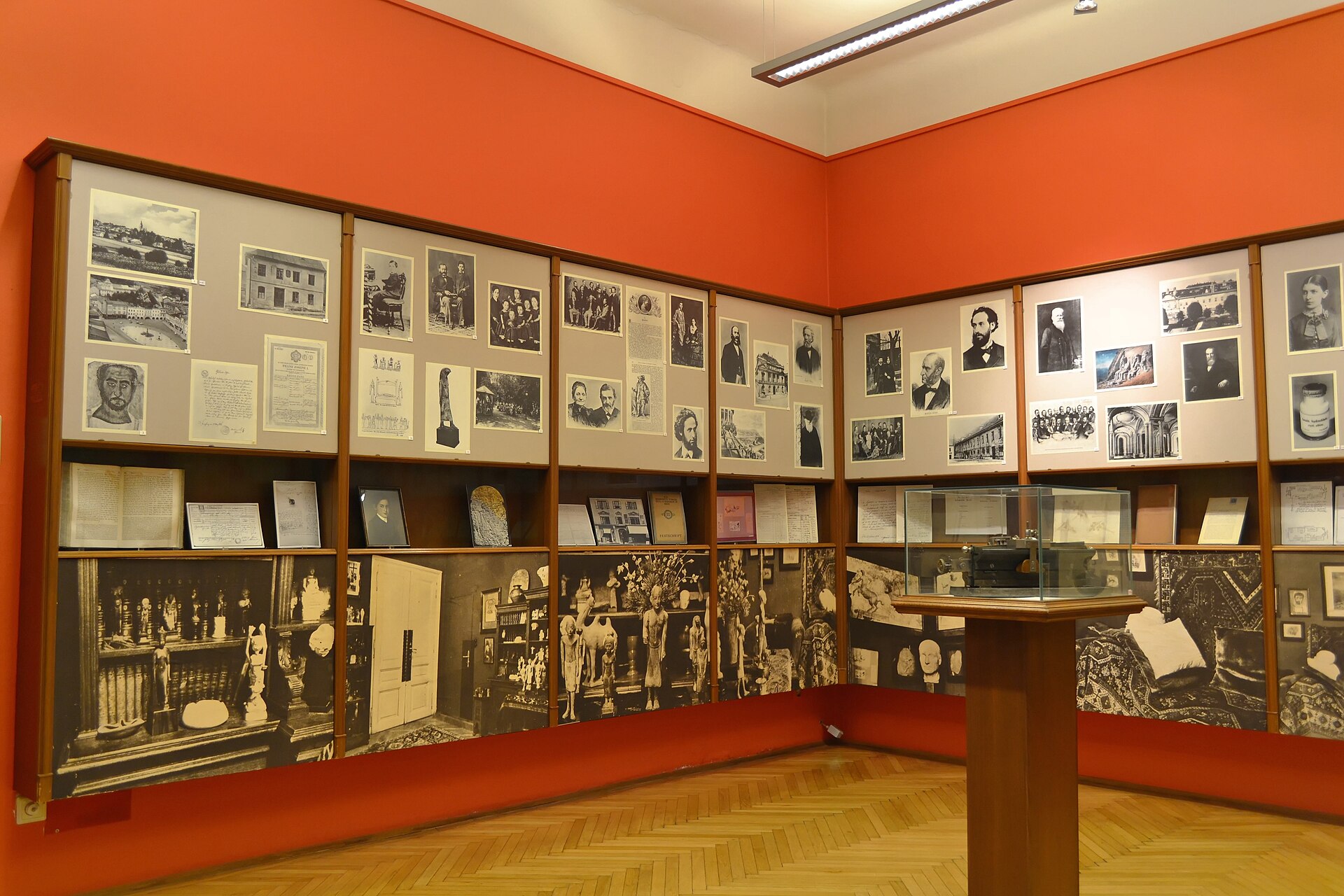
Sigmund Freud Museum
Berggasse 19, 1090 Vienna
Sigmund Freud lived and worked at Berggasse 19 for forty-seven years — from 1891 until 1938, when the Nazis forced him to flee to London. Nearly every major text that invented psychoanalysis was written in these rooms: "The Interpretation of Dreams," "The Ego and the Id," "Three Essays on the Theory of Sexuality." The Wednesday Society — the first psychoanalytic discussion group — met in his waiting room from 1902, arguing about the unconscious over cigars and Viennese coffee. The famous couch isn't here. When Freud fled Austria, he took it with him, and it now sits in the Freud Museum in London. What remains at Berggasse 19 is arguably more interesting: the space itself, the waiting room where patients sat staring at the walls before lying down to expose their innermost thoughts, and the study where a man who never won the Nobel Prize changed how humanity understands itself. The museum was founded in 1971, opened in the presence of Anna Freud — Sigmund's youngest daughter and a pioneering psychoanalyst in her own right — and significantly renovated and expanded in 2020. The new exhibition occupies the entire family apartment and both Sigmund and Anna's consulting rooms, creating a walk-through experience that feels intimate in ways that bigger museums can't replicate. Berggasse 19 is an ordinary Viennese apartment building in an ordinary Viennese neighbourhood, and that ordinariness is the point. The most radical ideas of the 20th century were born in a place that looks like any other bourgeois apartment — behind a door that any of Freud's neighbours could have knocked on. The unconscious, it turns out, has a very unremarkable address.
Spanish Riding School
Michaelerplatz 1, 1010 Vienna
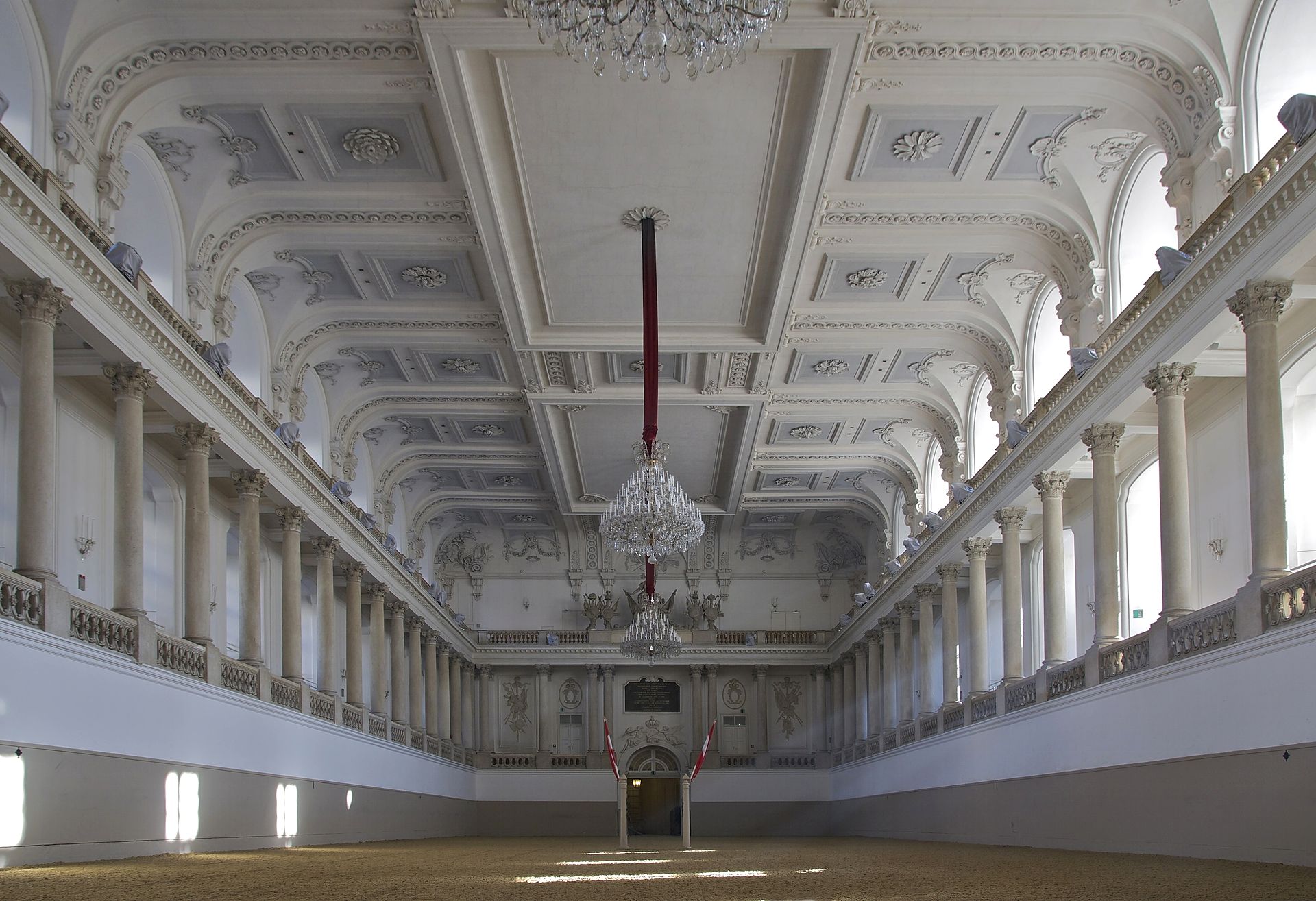
The Spanish Riding School exists because a 16th-century Habsburg grew up in Spain and missed his horses. Ferdinand I introduced Andalusian horses to the Viennese court around 1565, and the Habsburgs began breeding them at a stud farm in Lipica (now in Slovenia) from 1580. Five centuries later, the Lipizzaner stallions are still performing in the same Baroque riding hall, executing movements that were originally designed for battle but now look like the most elegant choreography ever performed on four legs. The Winter Riding School, built between 1729 and 1735, is where the magic happens. With white walls, crystal chandeliers, and a balcony supported by columns, it looks more like a ballroom than a stable — which is precisely the point. The Habsburgs believed that horsemanship was an art form on par with painting or music, and they built a venue to match that belief. A portrait of Charles VI hangs at one end; every rider salutes it before performing, maintaining a 300-year-old tradition. The horses themselves are born dark brown or black and gradually turn white over six to ten years — which means the rare dark horse you might see performing is simply young, not a different breed. Training a Lipizzaner in the haute école takes between eight and twelve years, making each horse a living decade of institutional knowledge. The movements they perform — the levade, courbette, and capriole — were originally war manoeuvres: leaping, kicking, and rearing to unseat attackers. This is the only institution in the world where classical haute école has been preserved unbroken since the Renaissance. UNESCO recognised both the riding school and the Lipizzaner breeding traditions as intangible cultural heritage. Every other European riding school was destroyed by revolution or war. Vienna's survived because, in the final days of World War II, General Patton personally ordered the rescue of the Lipizzaner stallions from advancing Soviet forces.
St. Stephen's Cathedral
Stephansplatz 3, 1010 Vienna
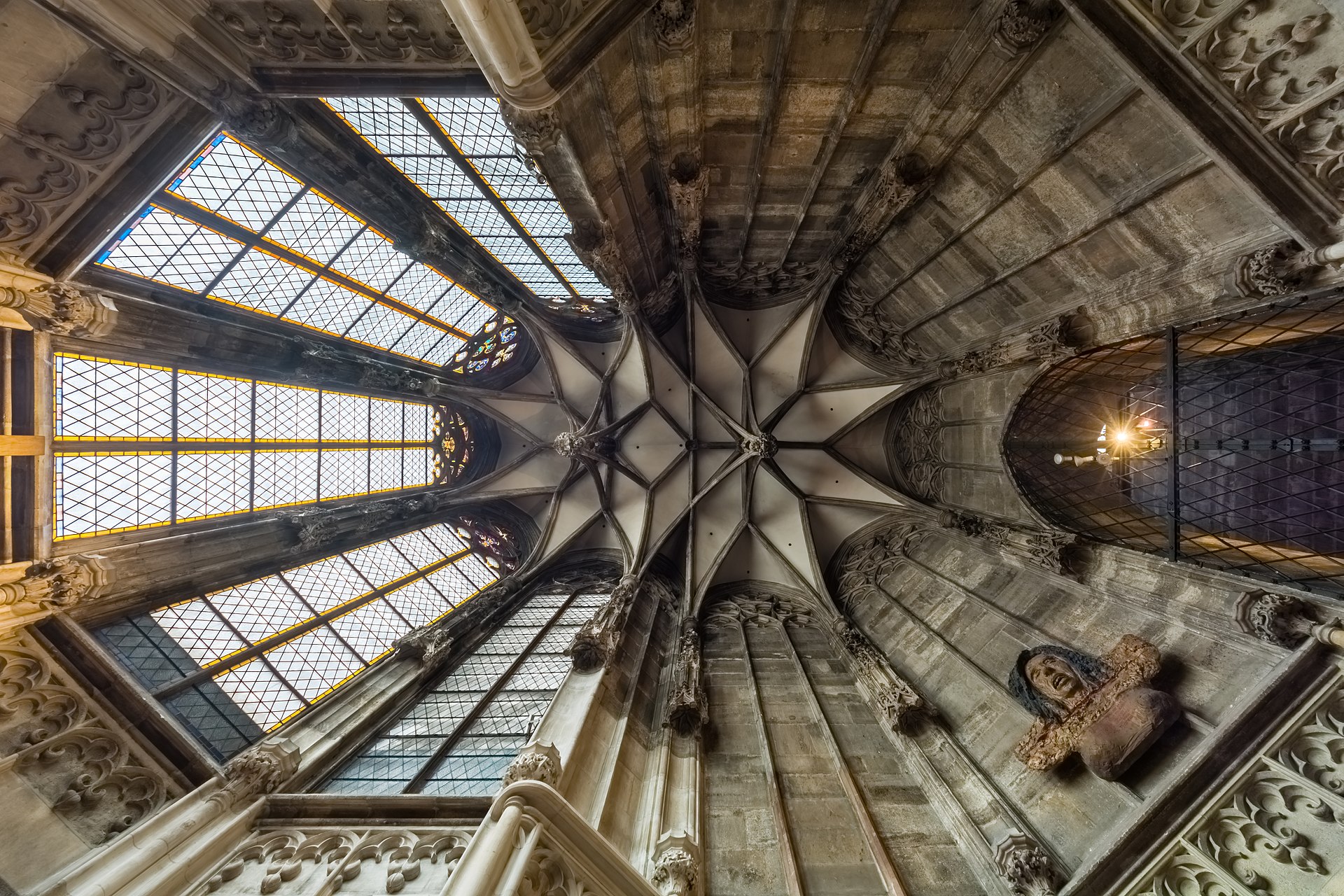
The south tower of Stephansdom took sixty-five years to build, and when it was finished in 1433, it was the tallest structure in Christendom. At 136 metres, it still makes everything around it look like an afterthought. The Viennese call it "Steffl" — little Stephen — which is the kind of aggressive understatement only a city this old can pull off. The cathedral's roof is its party trick. Some 230,000 glazed tiles arranged in zigzag patterns spell out the double-headed eagle of the Habsburg dynasty and the coats of arms of both the city and the Austrian Republic. The original medieval tiles were destroyed when the roof caught fire in the final days of World War II — not from Allied bombing, but from looters who set fire to nearby shops and let the flames spread. The Viennese rebuilt it tile by tile by 1952. Below the cathedral lies a network of catacombs containing the remains of roughly 11,000 people, buried there between 1745 and 1783 after the city's surrounding cemeteries were closed during a plague outbreak. In a separate ducal crypt, copper urns hold the entrails of dozens of Habsburg rulers — their hearts went to the Augustinerkirche, their bodies to the Kapuzinergruft. The Habsburgs took the concept of "spreading yourself thin" disturbingly literally. Mozart had a complicated relationship with this building. He was married here, two of his children were baptised here, and his funeral rites were held here in December 1791. His body was then carted off to St. Marx Cemetery in a pauper's funeral — though that's actually a myth. He received a standard middle-class burial; it's just that nobody thought to mark the grave.
Third Man Sewers
Girardipark (near Karlsplatz), 1040 Vienna
In 1949, Orson Welles ran through these sewers as the black marketeer Harry Lime, and a network of cholera-era drainage tunnels became one of the most famous film locations in cinema history. Carol Reed's "The Third Man" — regularly voted the greatest British film ever made — used Vienna's actual sewer system for its climactic chase scene, where Lime flees through echoing tunnels with Joseph Cotten and the authorities in pursuit. The tour enters through the original staircase used in the film, descending into one of the older sections of the 2,500-kilometre sewer network. These particular tunnels were built in the 1830s as cholera canals, designed to drain contaminated water after epidemics that killed thousands. Half a billion litres of wastewater flow through the wider system every day, but the tour section is mercifully separated from the active sewers by modern engineering. What made the sewers so perfect for the film was the atmosphere of post-war Vienna itself. The city was divided into four zones — American, British, French, and Soviet — and the underground passages were the one place where those borders didn't exist. Smugglers, black marketeers, and spies used the tunnels to move between zones unseen. Harry Lime's penicillin-diluting racket wasn't fiction; it was based on real cases that killed real people. The tour uses modern projection and lighting to recreate scenes from the film while explaining the actual engineering and history of the system. It's dark, it's damp, the acoustics are extraordinary, and you emerge blinking into the daylight of Karlsplatz with a deeper appreciation for both cinema and municipal infrastructure — a combination only Vienna could pull off.
Vienna Rathaus
Friedrich-Schmidt-Platz 1, 1010 Vienna
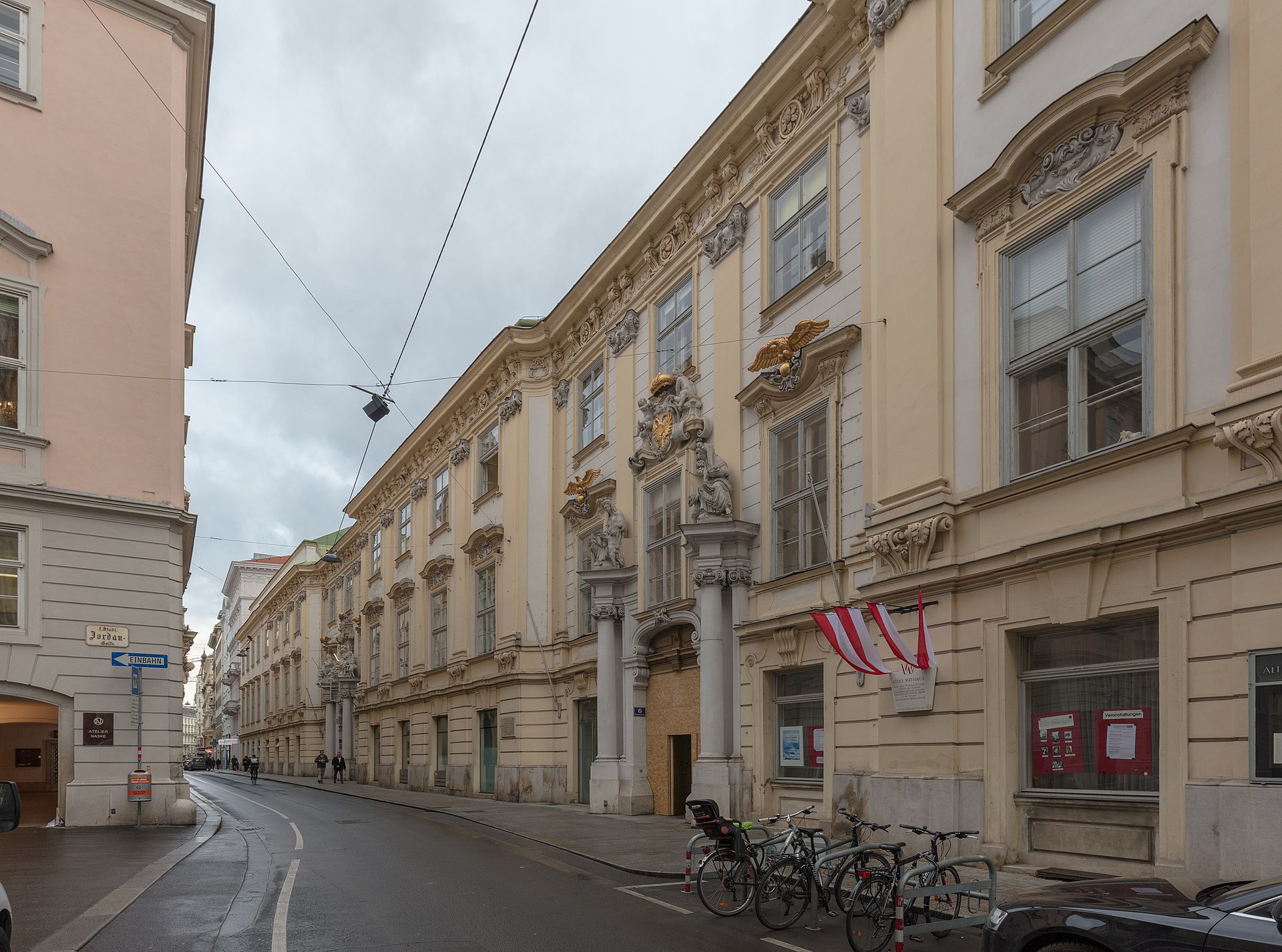
Friedrich von Schmidt designed Vienna's City Hall in the neo-Gothic style because he wanted to invoke the great medieval town halls of Flanders and Belgium — the places where European civic democracy first flourished, independent of kings and emperors. Built between 1872 and 1883, the Rathaus was a deliberate counterpoint to Hansen's Greek Parliament just down the Ring: two buildings, two visions of democracy, competing for the skyline. The central tower rises 98 metres and is topped by the Rathausmann, a knight in armour holding a lance and banner. At 3.4 metres tall, he's become an unofficial symbol of Vienna — the figure you see on beer mats, tourism posters, and the city's coat of arms merchandise. The tower was deliberately designed to be shorter than the nearby Votivkirche's 99-metre spires, because a regulation prohibited secular buildings from being taller than churches. Schmidt's solution was to put the Rathausmann on top of the tower, making the overall structure 101.3 metres. Rules were followed. Rules were also subverted. The Rathausplatz in front is Vienna's largest public events space and transforms throughout the year: a Christmas market in winter with over a hundred stalls, a film festival in summer with free outdoor screenings, an ice-skating rink, and political rallies of every persuasion. The Arkadenhof — the internal courtyard — hosts free summer concerts, from classical to jazz to pop. Inside, the grand staircase and council chambers are open for guided tours, and the ceremonial halls are where Vienna's official events take place, from citizenship ceremonies to state receptions. The building is still the working seat of the city government, which means the politicians sitting in Schmidt's Gothic chambers are literally surrounded by a 150-year-old argument about what democracy should look like.
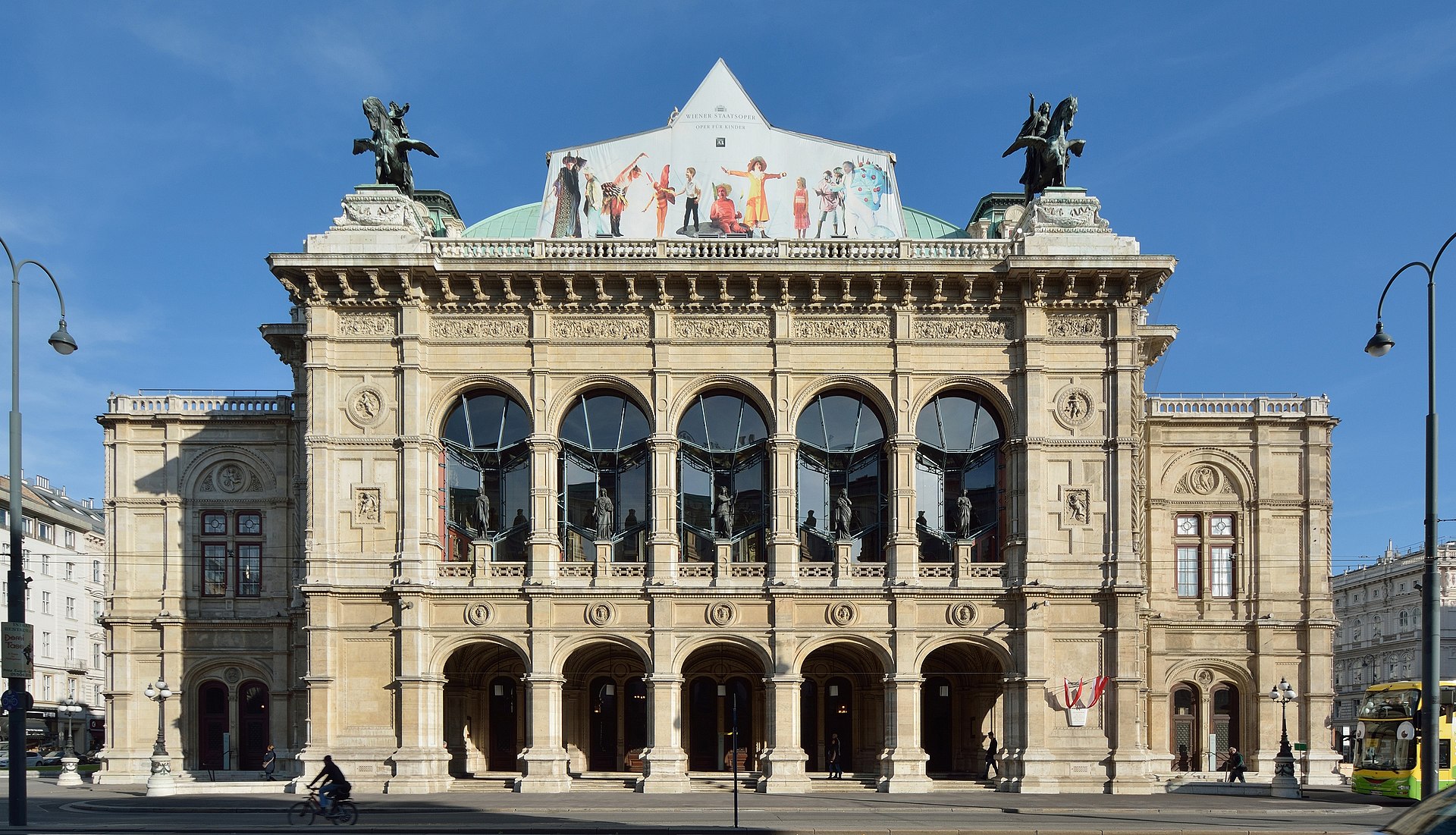
Vienna State Opera
Opernring 2, 1010 Vienna
The Vienna State Opera was the very first building completed on the Ringstrasse, and its architects didn't live to enjoy it. August Sicard von Sicardsburg and Eduard van der Nüll designed the Renaissance Revival masterpiece, but Viennese critics savaged it before it was even finished — mocking it as a "sunken trunk" because the newly raised street level made it look shorter than intended. Van der Nüll hanged himself. Sicardsburg died of tuberculosis ten weeks later. Emperor Franz Joseph, horrified that his opinions had contributed to the criticism, reportedly never gave a firm aesthetic judgement again, instead using the diplomatic phrase: "It was very nice, I enjoyed it very much." The opening night on May 25, 1869, featured Mozart's Don Giovanni before an audience that included the Emperor and Empress Elisabeth. The 1,709-seat auditorium became the gold standard for opera houses worldwide — a place where Gustav Mahler served as director from 1897 to 1907 and where Richard Strauss conducted premieres that reshaped modern music. On March 12, 1945, American bombs hit the building. The fire destroyed the auditorium, the stage, and nearly 150,000 costumes and props for over 120 productions. For ten years, the company performed in exile at the Theater an der Wien. The reopening on November 5, 1955, with Beethoven's Fidelio under Karl Böhm, was broadcast on Austrian television and became a symbol of the nation's post-war rebirth — as deliberate and emotional a statement as any aria ever sung inside. Today, standing-room tickets cost as little as four euros. The opera sells roughly 600,000 tickets per season across 350 performances, making it one of the busiest opera houses on the planet.
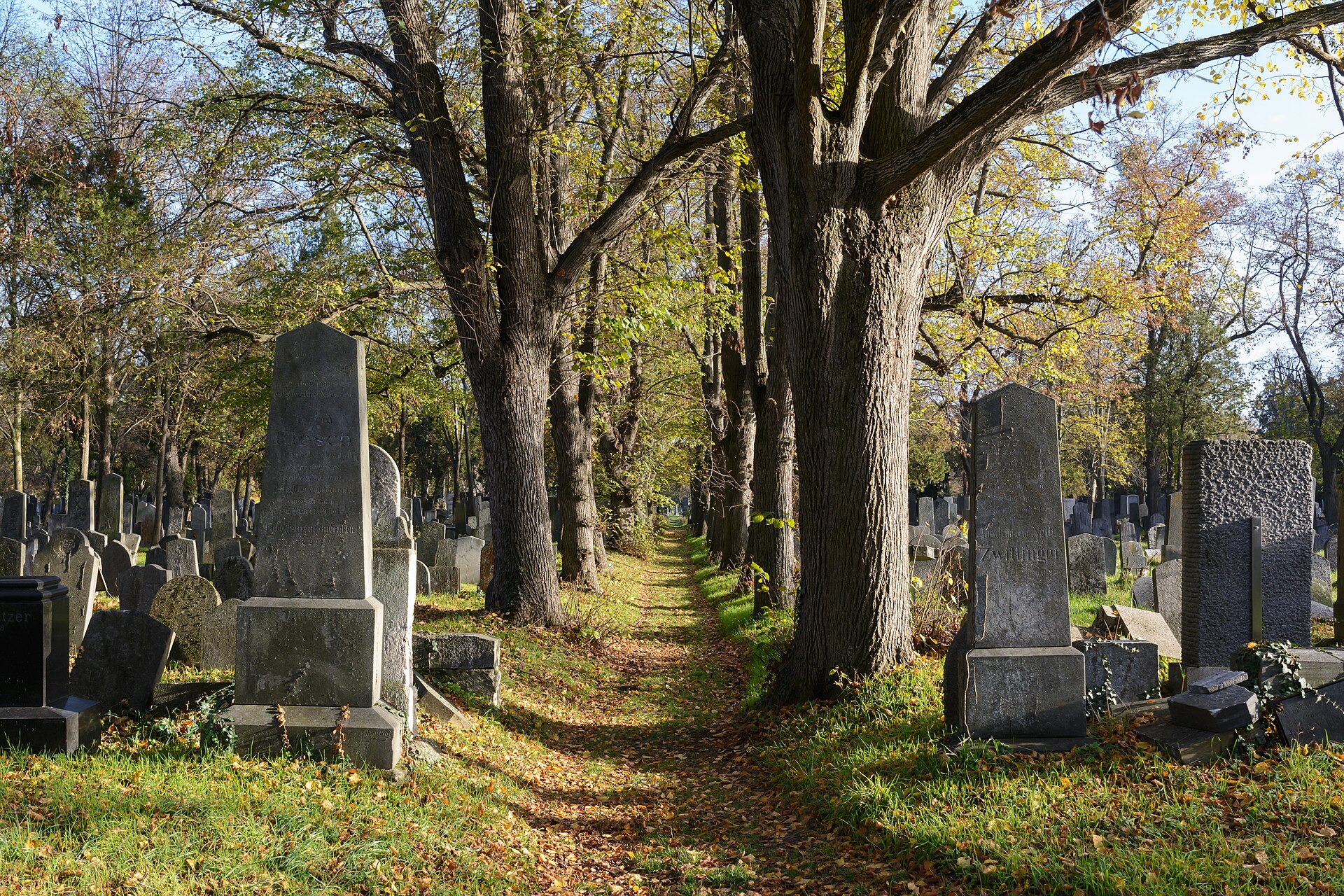
Zentralfriedhof
Simmeringer Hauptstraße 234, 1110 Vienna
Vienna's Central Cemetery is the second-largest cemetery in Europe by area and holds roughly three million burials across 2.5 square kilometres — meaning the dead outnumber the living in Vienna by a comfortable margin. When it opened in 1874, Viennese citizens complained it was too far from the city centre. "Well," someone supposedly replied, "but it's nice and far for the residents." The Viennese sense of humour about death is world-class. Group 32A is the reason most people visit: a cluster of honorary graves containing the greatest concentration of musical genius in any single location on Earth. Beethoven, Schubert, Brahms, and Johann Strauss II lie within metres of each other, their graves marked by elaborate monuments. Mozart has a cenotaph here — his actual burial site at St. Marx Cemetery was unmarked, so in 1891, a hundred years after his death, the memorial was moved to the Zentralfriedhof to keep him in good company. The cemetery's architecture is as grand as the people it contains. The Karl-Lueger-Kirche, the domed Art Nouveau church at the centre, was designed by Max Hegele and completed in 1911. The grounds feature Jewish, Protestant, Orthodox, and Islamic sections, reflecting the cosmopolitan empire that Vienna once governed. The old Jewish section, devastated during Kristallnacht and decades of neglect, has an eerie beauty — mature trees growing through cracked headstones, nature reclaiming what history tried to destroy. Deer wander the outer reaches. Foxes are common at dusk. The Zentralfriedhof is as much a park as a cemetery, and Viennese treat it accordingly — jogging through the paths, walking dogs, sitting on benches with coffee. Death in Vienna isn't morbid; it's just another neighbourhood.