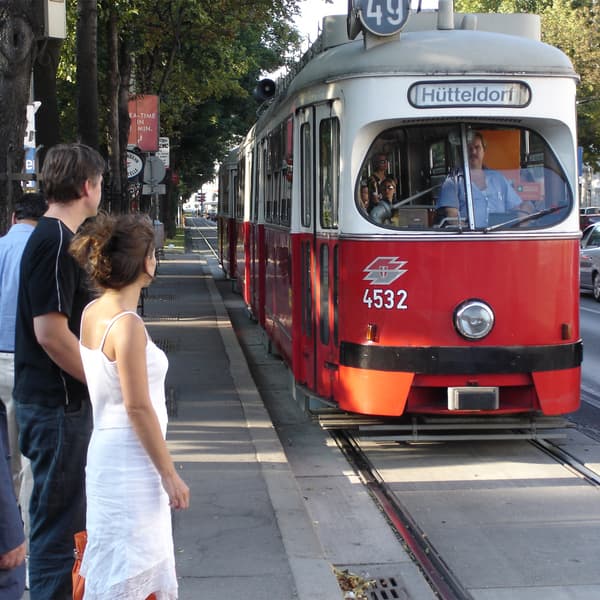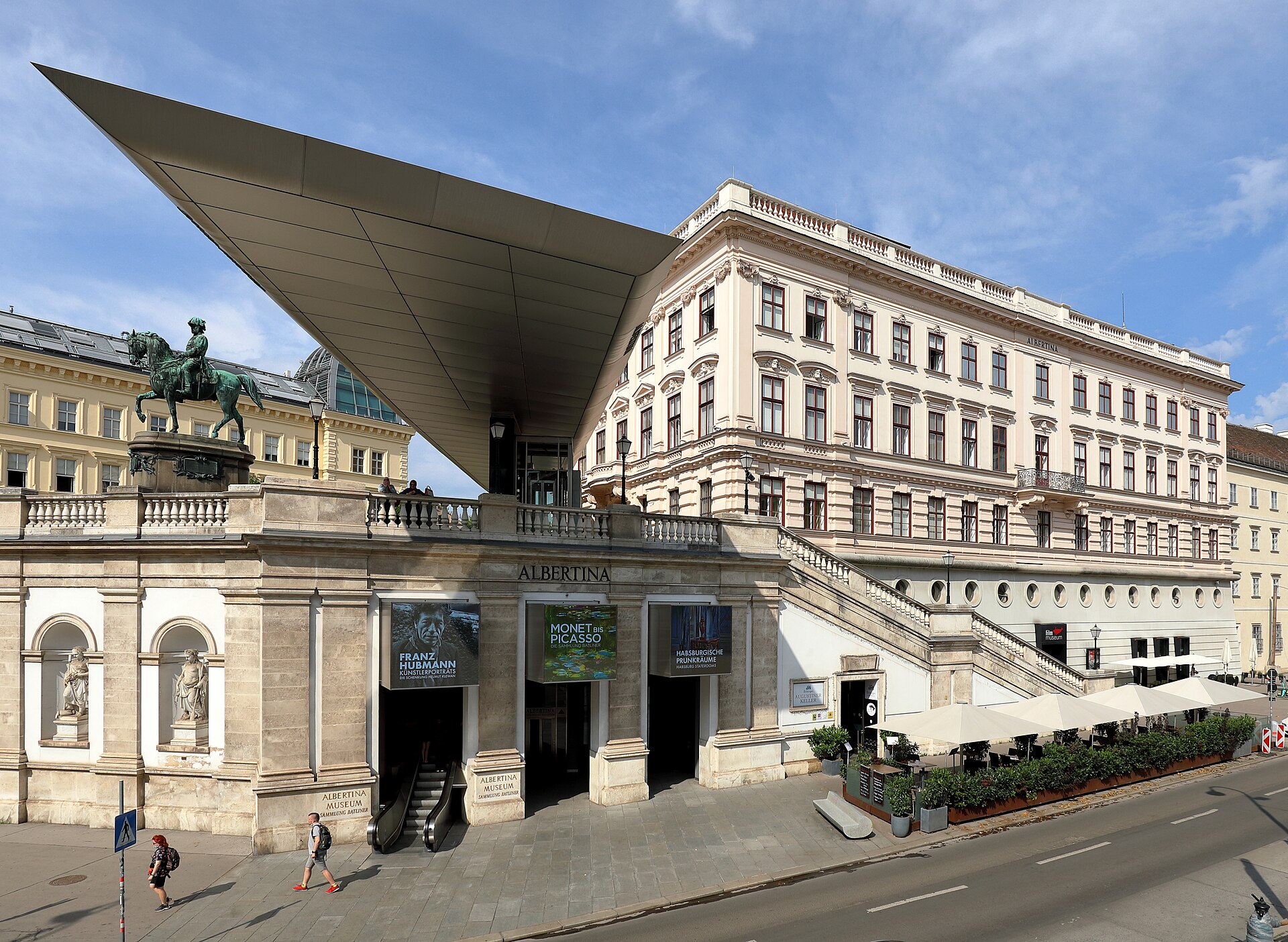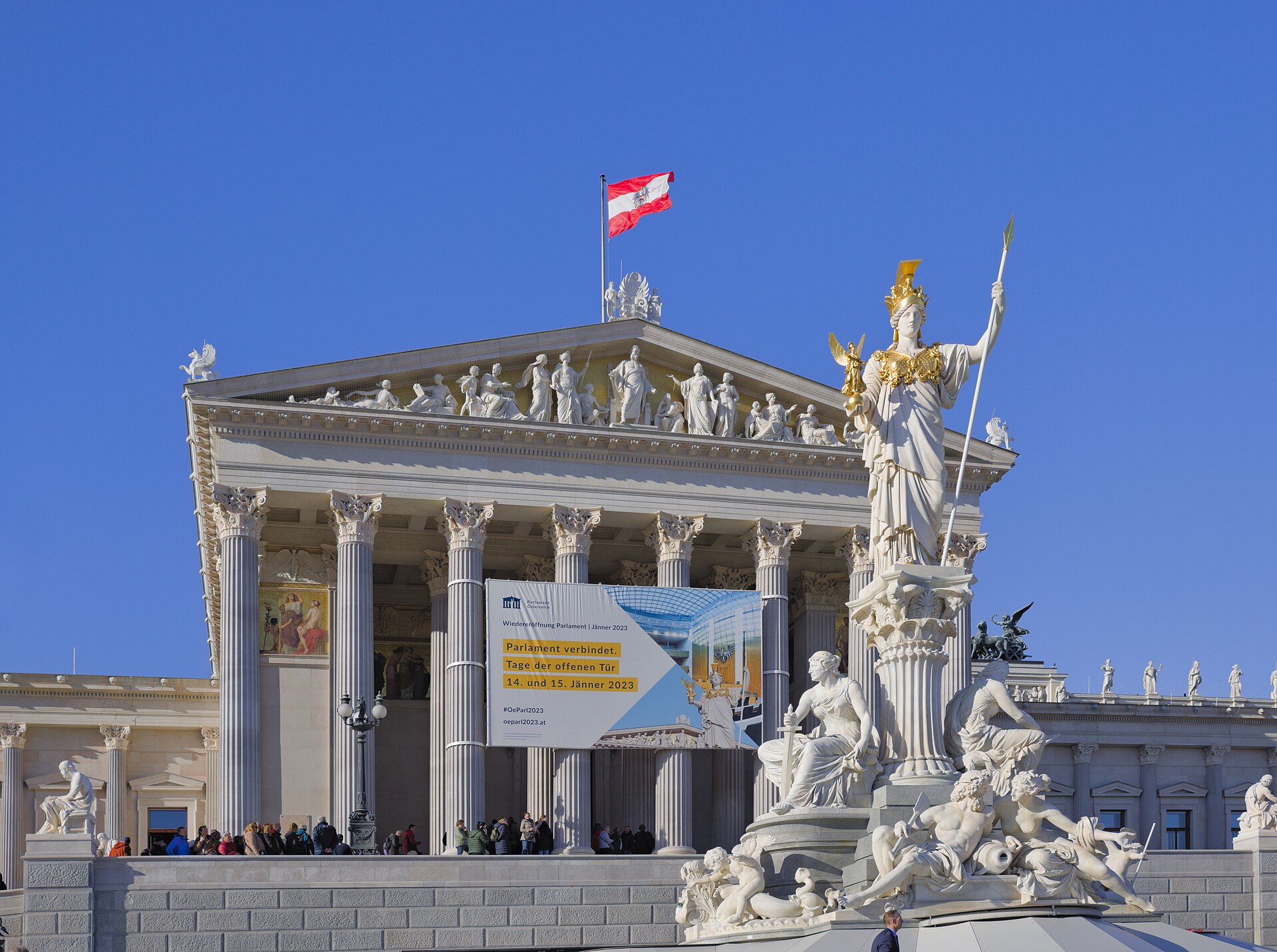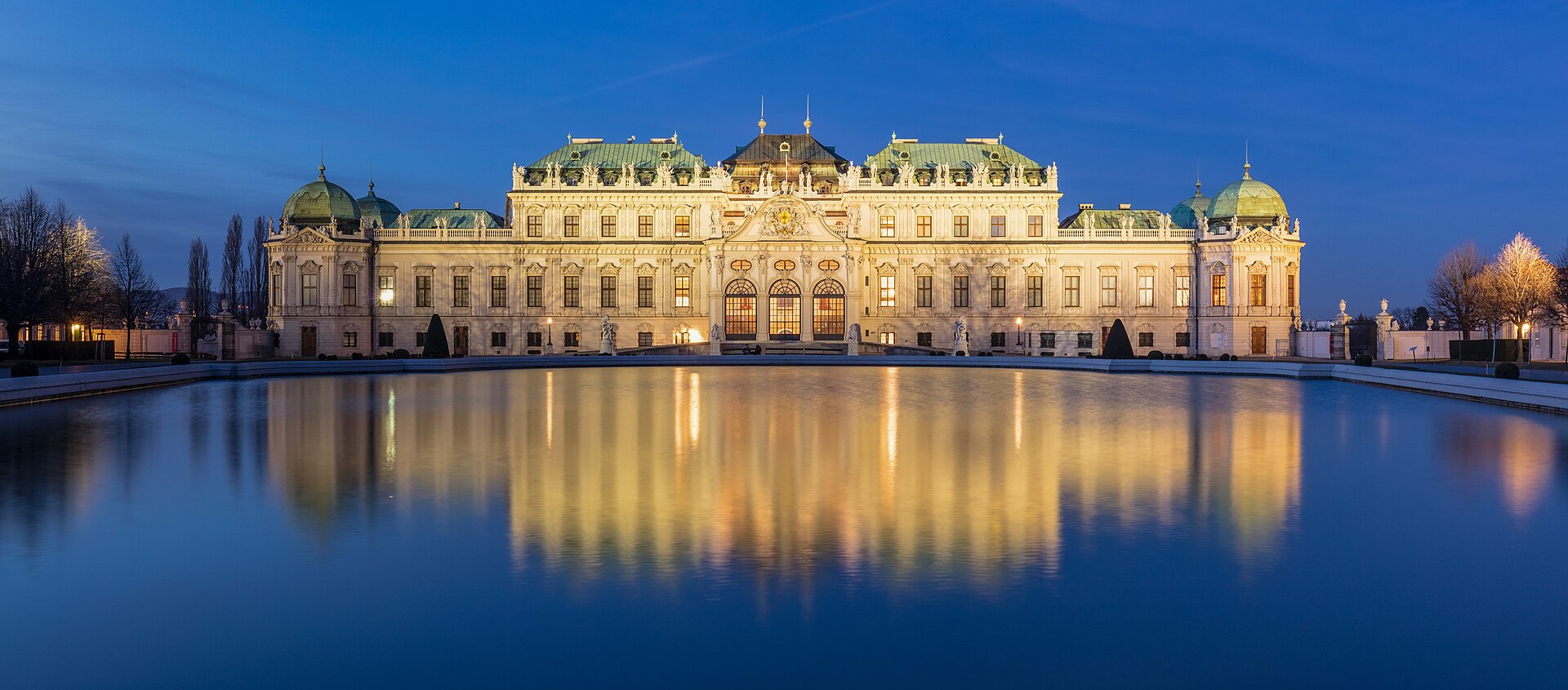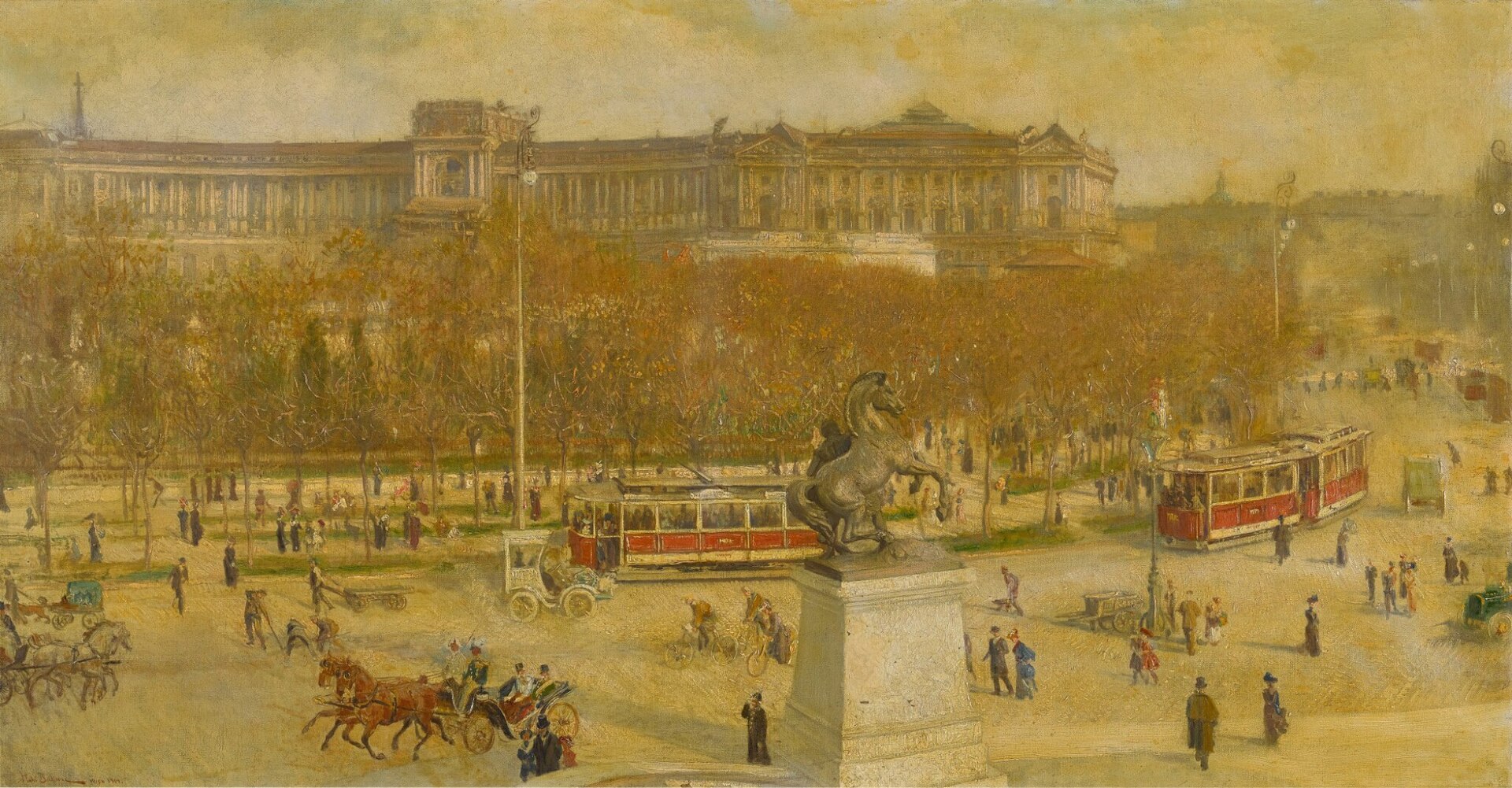
In 1857, Emperor Franz Joseph ordered the demolition of Vienna's medieval city walls and the construction of a grand boulevard in their place. It was one of the most audacious urban planning projects of the 19th century: a 5.3-kilometre ring road, 57 metres wide, lined with the most important buildings a civilization could produce — an opera house, a parliament, museums, a university, a stock exchange, a city hall. Each in a different historical style, as if the architects were playing a greatest-hits compilation of Western architecture.
The financing was clever bordering on cynical. The 2.4 million square metres of land freed up by demolishing the fortifications were sold to private developers for 63 million gulden, funding the public buildings while creating a speculative real estate boom that made fortunes and scandals in equal measure. The construction workforce was largely composed of migrant labourers from Bohemia, working gruelling hours for minimal pay — the human cost behind the imperial splendour.
The parade of styles is deliberately theatrical. Theophil Hansen gave the Parliament a Greek Revival look to invoke Athenian democracy. Friedrich von Schmidt made City Hall Gothic to channel medieval civic pride. Heinrich von Ferstel built the University in Italian Renaissance style for scholarly gravitas. The Ringstrasse wasn't just a road; it was a manifesto about what the Habsburg Empire believed itself to be.
Adolf Loos later called it a Potemkin city — all façade and no substance. Hitler, who failed the entrance exam at Vienna's Academy of Fine Arts twice, reportedly spent hours sketching the Ringstrasse buildings. The boulevard has attracted admirers and critics in equal measure since the day it opened on May 1, 1865, and that tension is exactly what makes it worth walking.
Verified Facts
Emperor Franz Joseph ordered the Ringstrasse built in 1857, replacing the medieval city walls
The boulevard is 5.3 kilometres long and 57 metres wide
Construction was financed by selling 2.4 million square metres of land for 63 million gulden
The official inauguration was held on May 1, 1865 by Emperor Franz Joseph
Get walking directions
1010 Riedstraße, Penzing, Vienna, 1140, Austria