9 Food Landmarks in Hong Kong You Need to Visit
9 landmarks with verified facts and stories
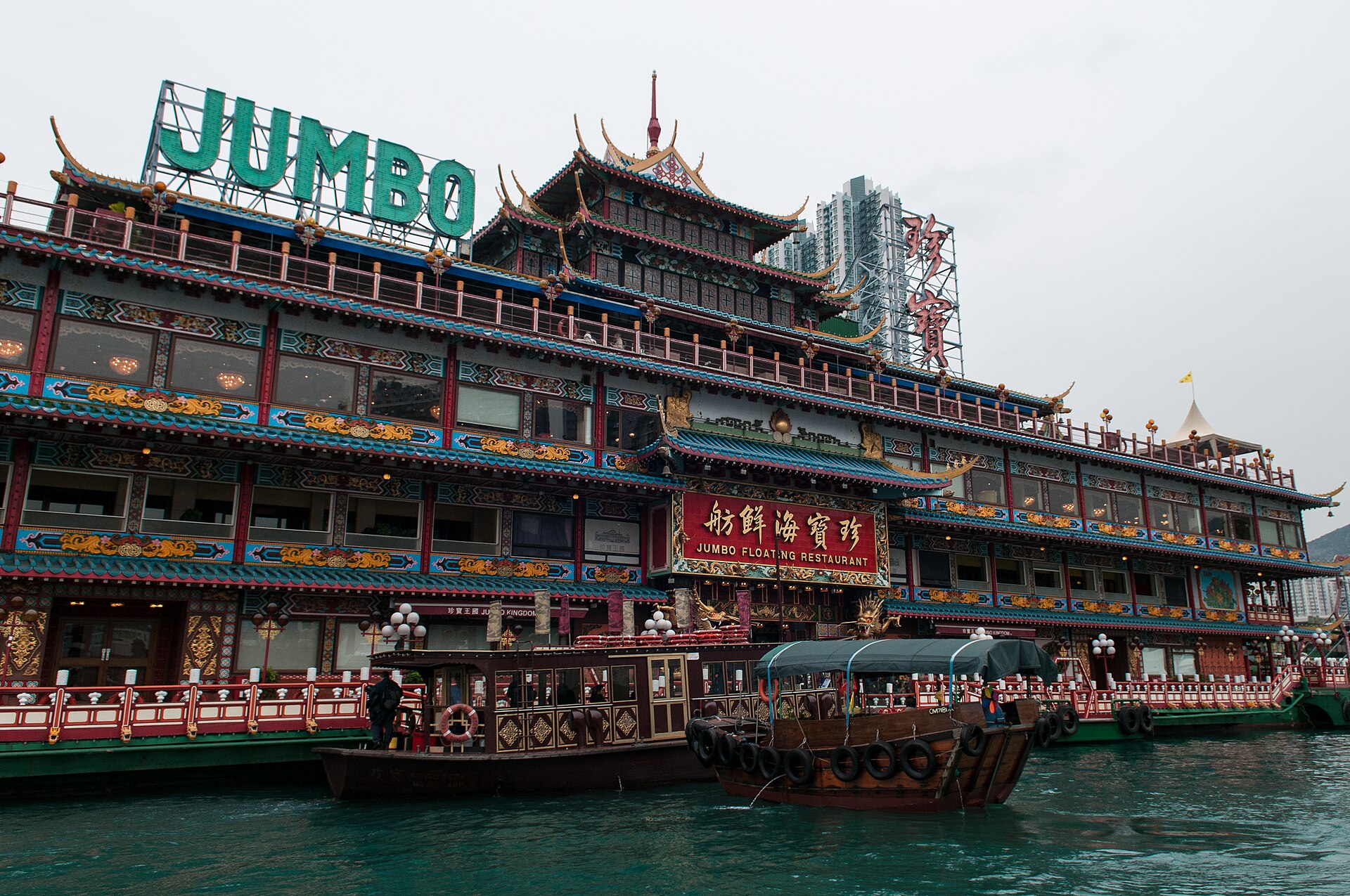
Aberdeen & Jumbo Kingdom
Aberdeen, Hong Kong Island
Aberdeen is Hong Kong's original fishing village — a harbour on the southern shore of Hong Kong Island where sampans, junks, and fishing boats have anchored for centuries, and where the floating population that once lived on the water can still be glimpsed in the remaining houseboats and sampan taxis.
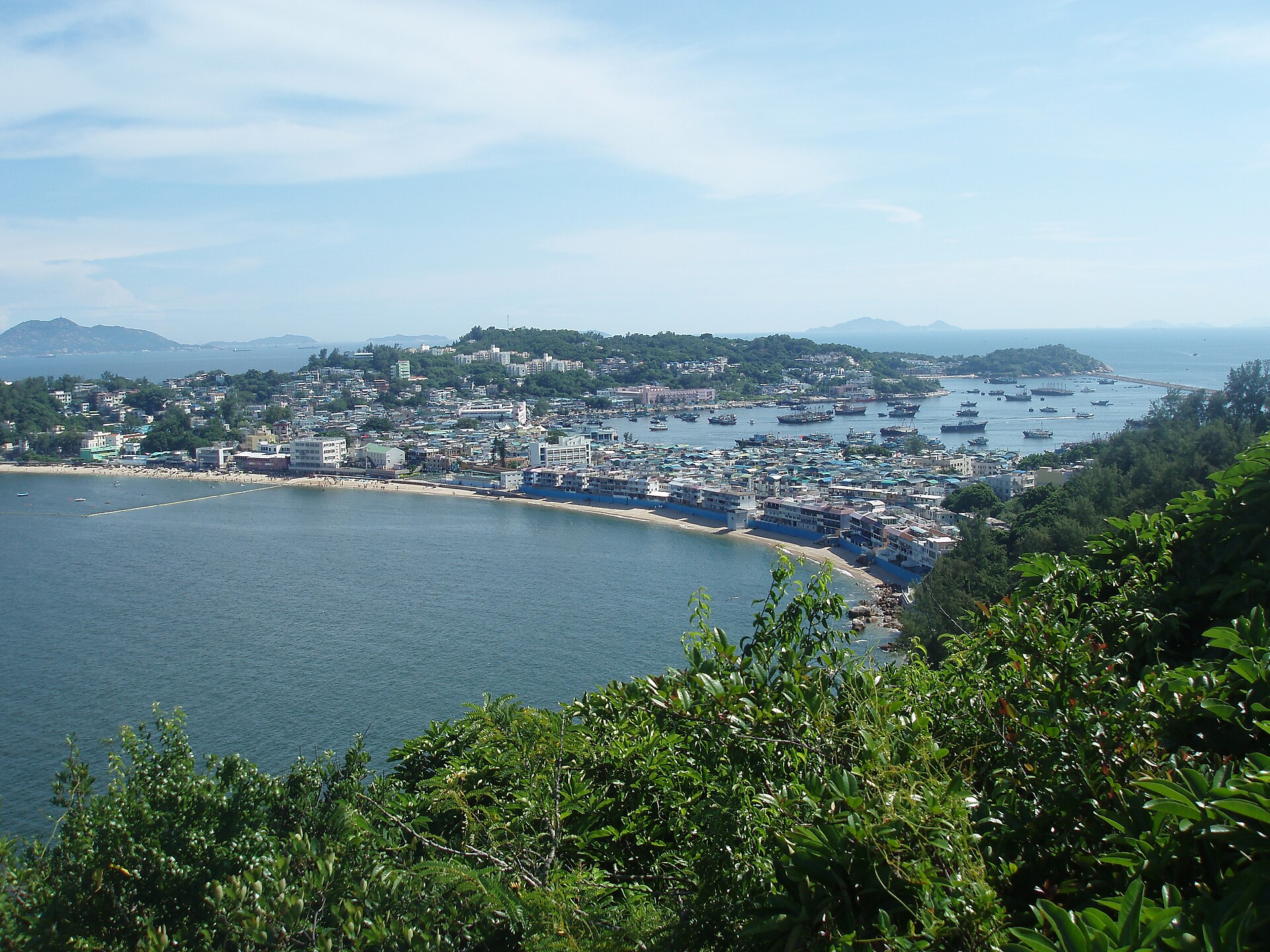
Cheung Chau Island
Cheung Chau, Hong Kong SAR, China
Cheung Chau is a car-free island 40 minutes by ferry from Central — a fishing community of narrow alleys, seafood restaurants, temples, and beaches that provides the most complete escape from urban Hong Kong available within the territory.
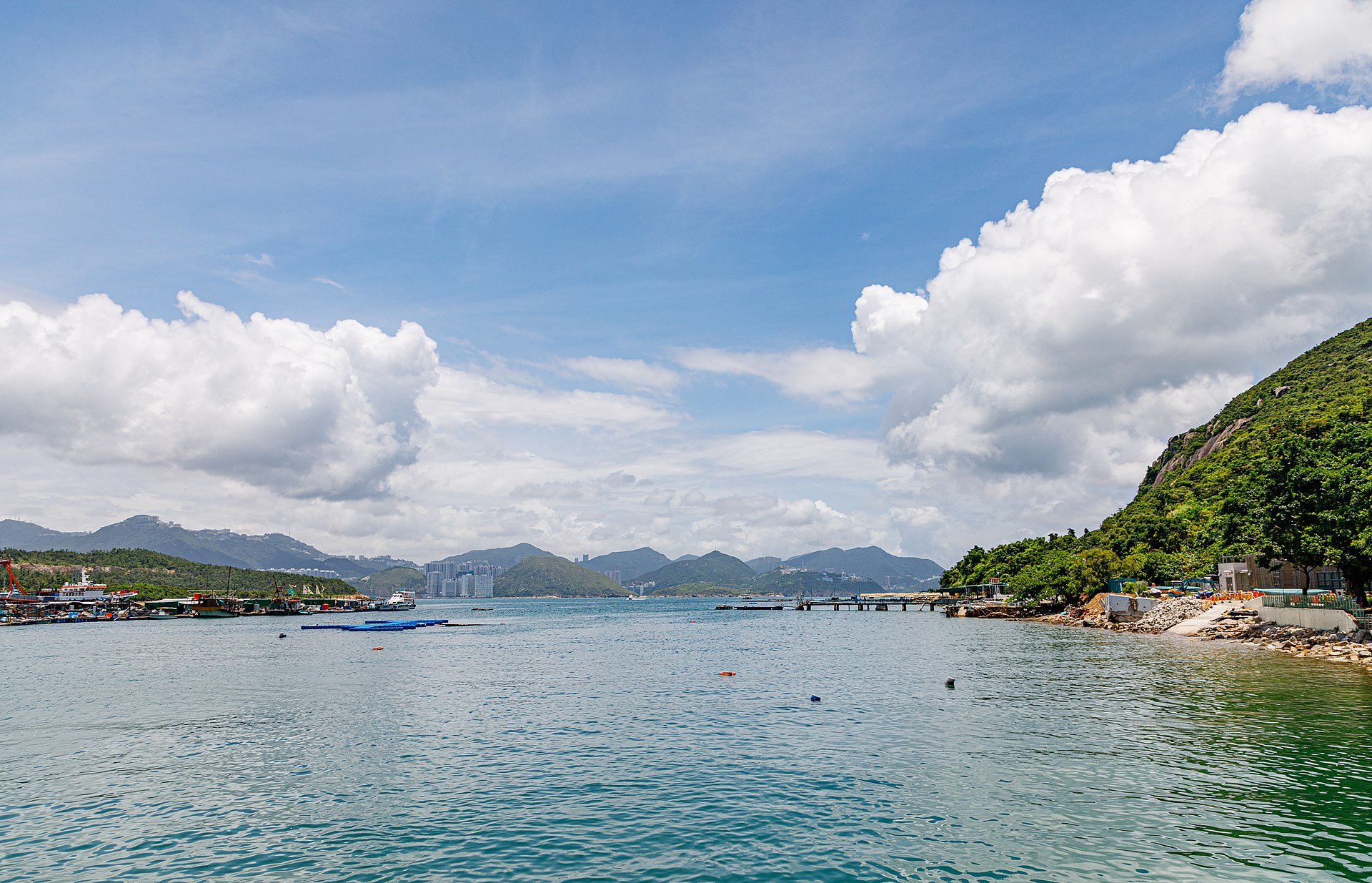
Lamma Island
Yung Shue Wan Back St, Yung Shue Wan, Lamma Island, Hong Kong SAR, China
Lamma Island is Hong Kong's bohemian escape — a car-free island 30 minutes by ferry from Central where the pace drops from metropolitan to Mediterranean, the restaurants serve fresh seafood at waterfront tables, and the hiking trails cross green hills with views to the South China Sea.
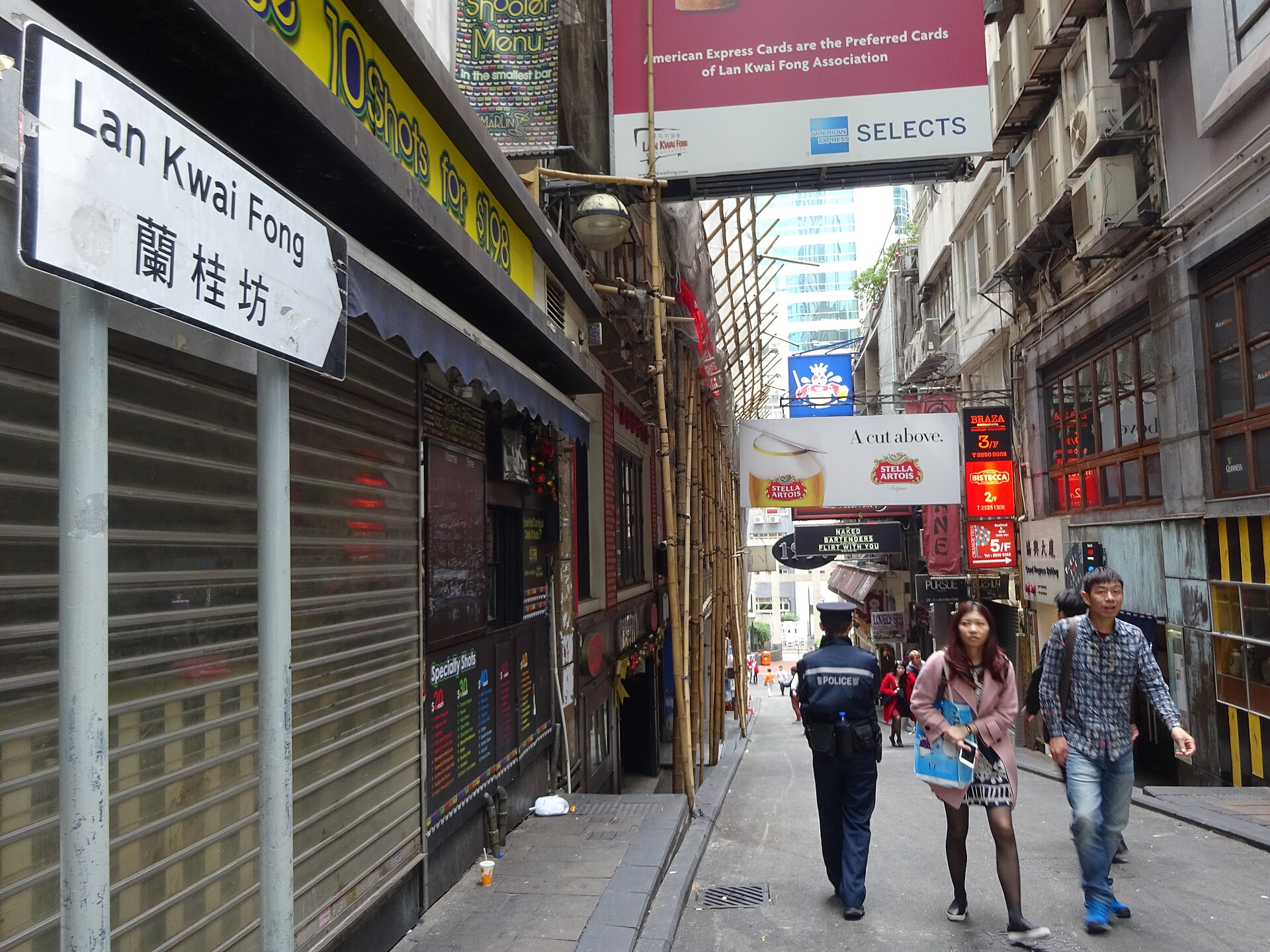
Lan Kwai Fong
Lan Kwai Fong, Central, Hong Kong
Lan Kwai Fong is Hong Kong's most famous nightlife district — a short, steep L-shaped street and the surrounding alleys in Central that contain the highest concentration of bars and clubs on Hong Kong Island.
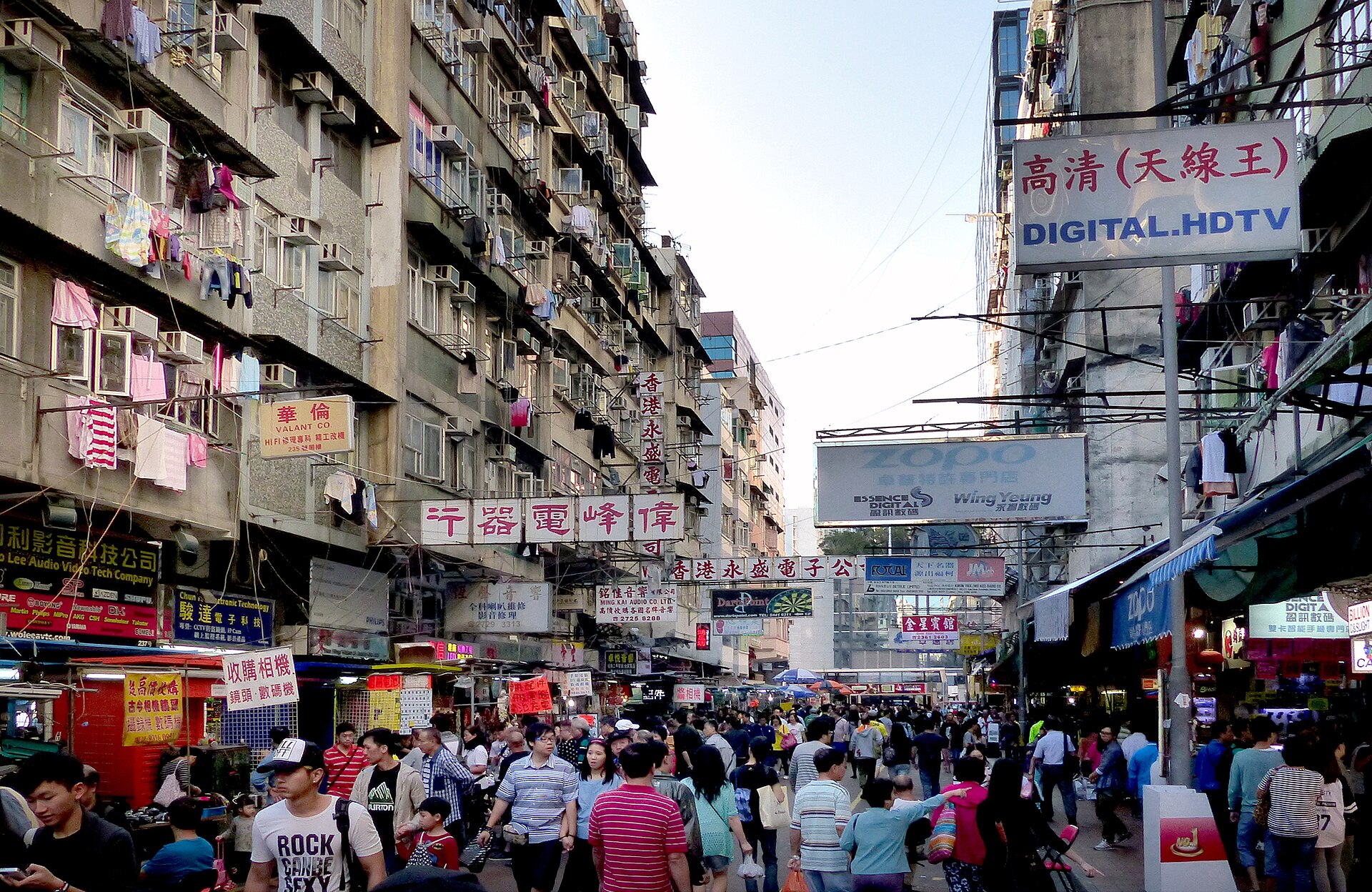
Mong Kok Markets
Mong Kok, Hong Kong SAR, China
Mong Kok is the densest neighbourhood in the world — a grid of narrow streets in Kowloon that packs more people, shops, restaurants, and noise per square metre than any other urban area on Earth.
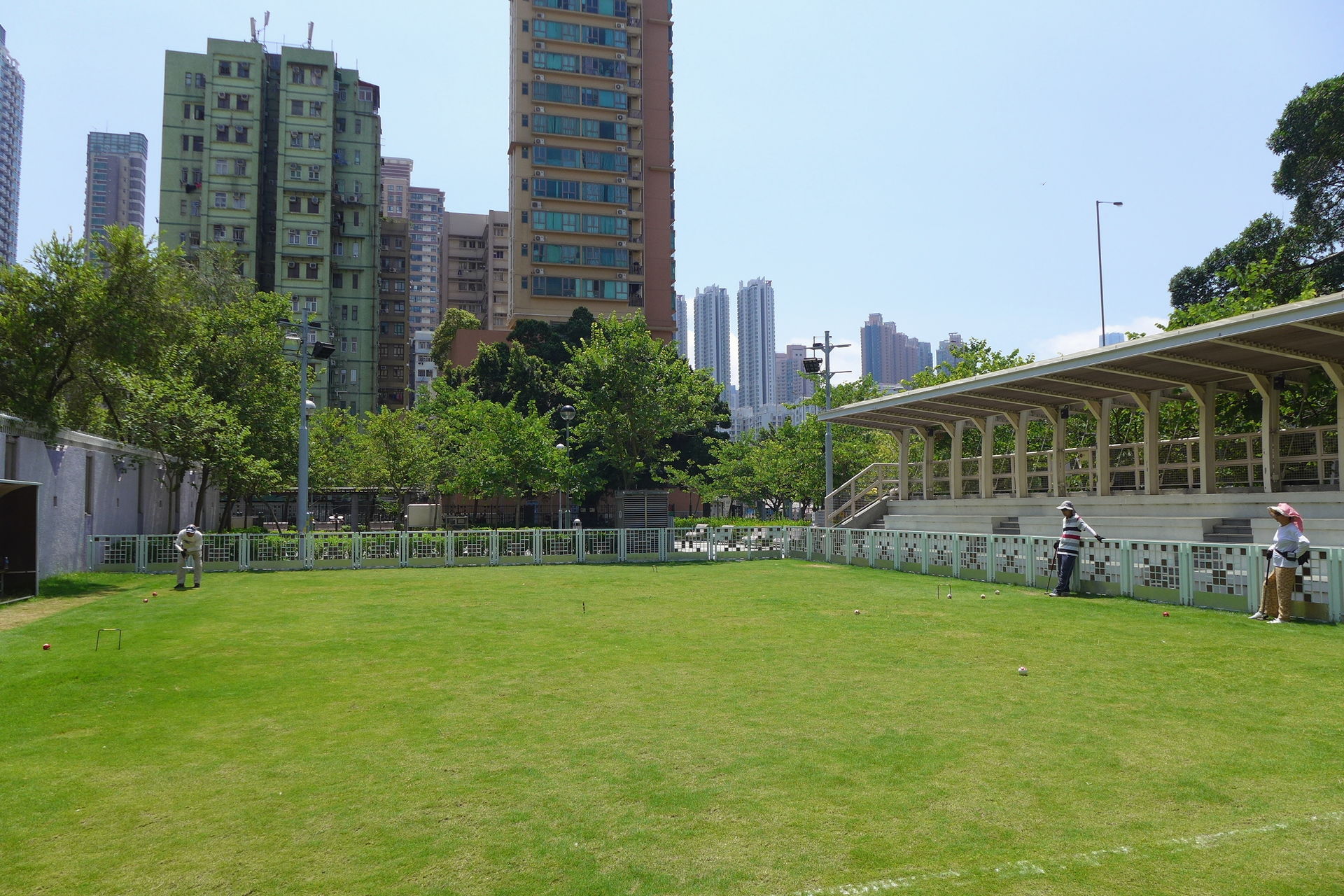
Sham Shui Po
Sham Shui Po, Hong Kong SAR, China
Sham Shui Po is Hong Kong's most authentic working-class neighbourhood — a dense grid of streets in northwestern Kowloon that contains the city's best dai pai dong food stalls, the electronics and fabric markets that feed Hong Kong's maker culture, and a street life that has survived the gentrification pressures that have homogenised much of the rest of the territory.
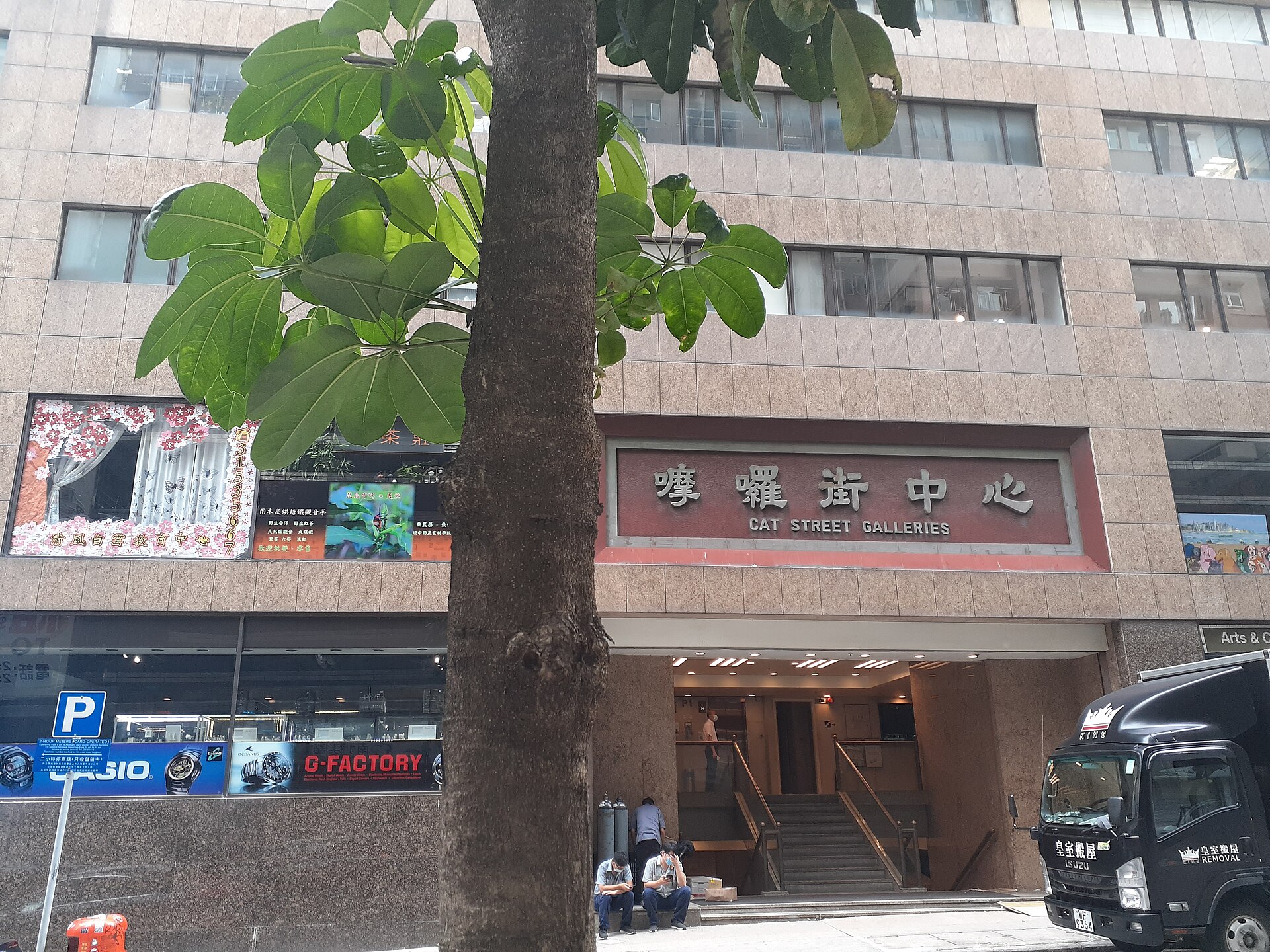
Sheung Wan & Cat Street
Upper Lascar Row, Sheung Wan, Hong Kong
Sheung Wan is the neighbourhood where old Hong Kong survives — a district west of Central where dried-seafood shops, Chinese medicine stores, incense vendors, and antique dealers occupy the same streets they've occupied for a century, creating a commercial landscape that predates the skyscrapers by decades and operates on rhythms that the financial district forgot.
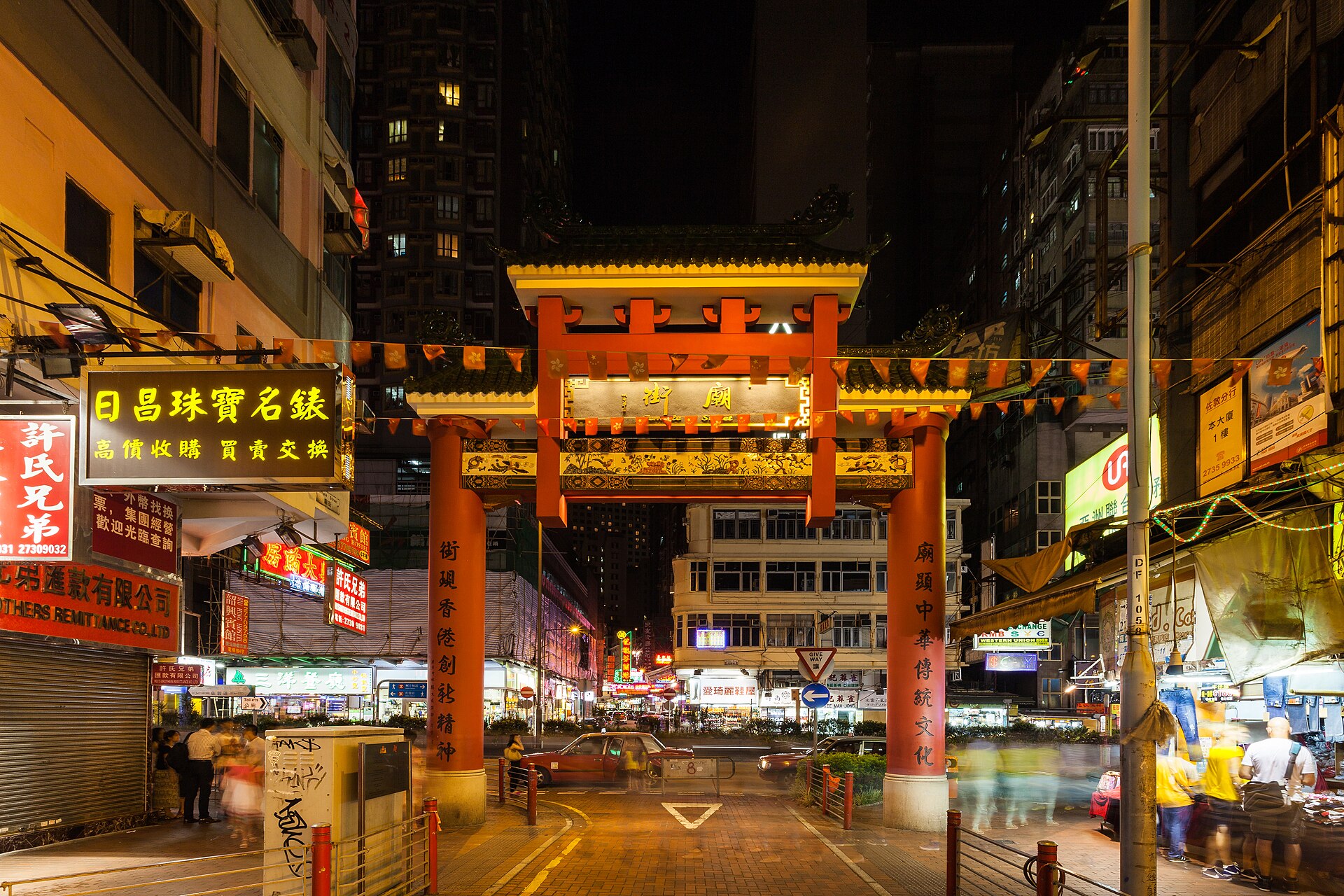
Temple Street Night Market
Temple St, Yau Ma Tei, Hong Kong SAR, China
Temple Street Night Market is Hong Kong's most famous open-air market — a corridor of stalls, fortune tellers, and dai pai dong (open-air food stalls) that sets up every evening along Temple Street in Yau Ma Tei, turning a daytime residential street into a nocturnal bazaar of cheap electronics, clothing, accessories, and the kind of haggling that has been Hong Kong's commercial lingua franca for generations.
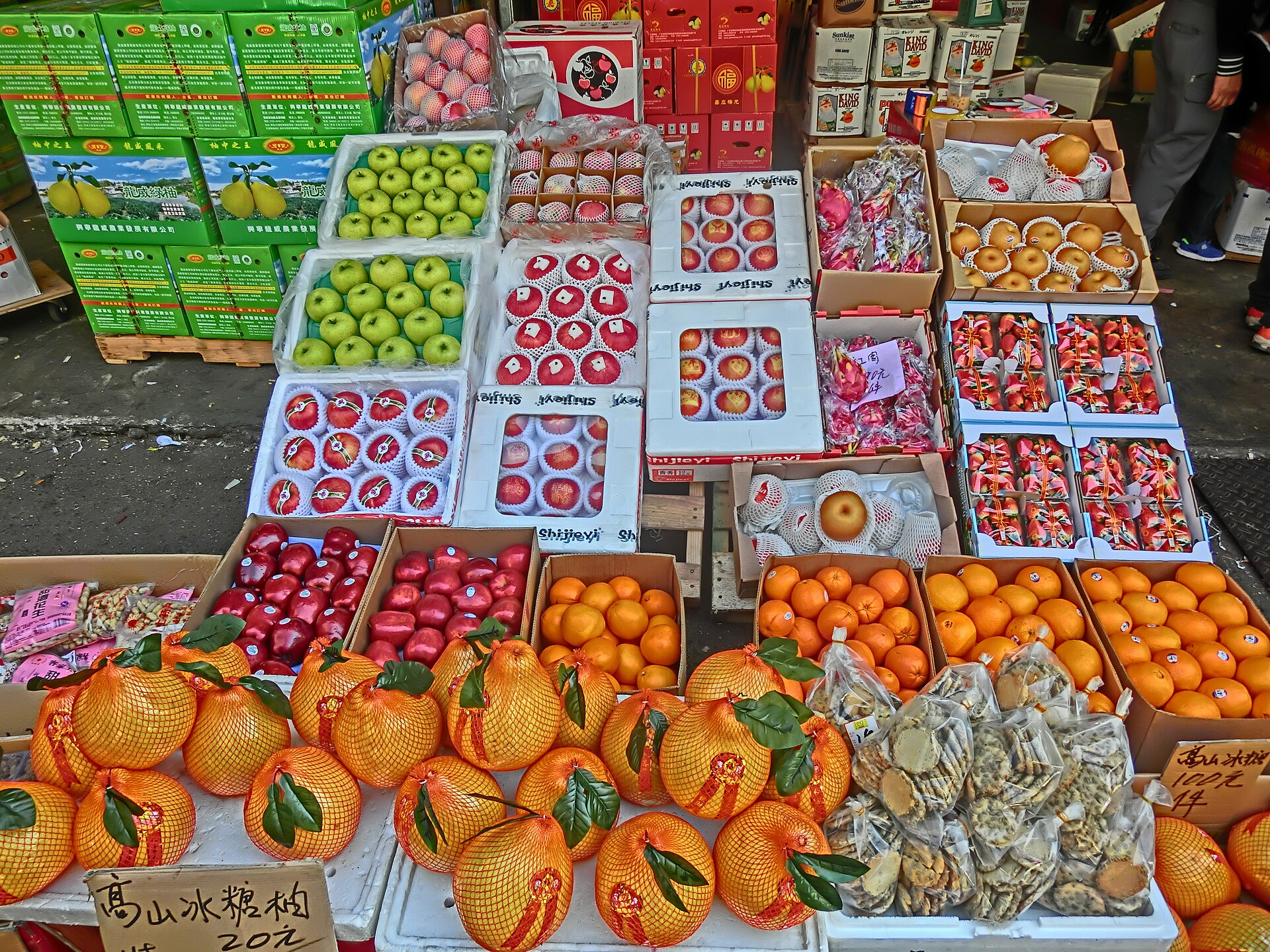
Yau Ma Tei Wholesale Fruit Market
Shek Lung Street, Yau Ma Tei, Kowloon
The Yau Ma Tei Fruit Market is the only remaining wholesale fruit market operating from its original buildings in urban Hong Kong — a collection of 1913 Edwardian market buildings on Shek Lung Street that come alive in the pre-dawn hours when trucks arrive from the mainland loaded with tropical fruit for distribution across the territory.
Explore food in Hong Kong
GPS-guided narration at every landmark. Tap a spot on the map, hear the story. Every fact verified.