10 Hidden Gems in Siem Reap Most People Walk Right Past
10 landmarks with verified facts and stories
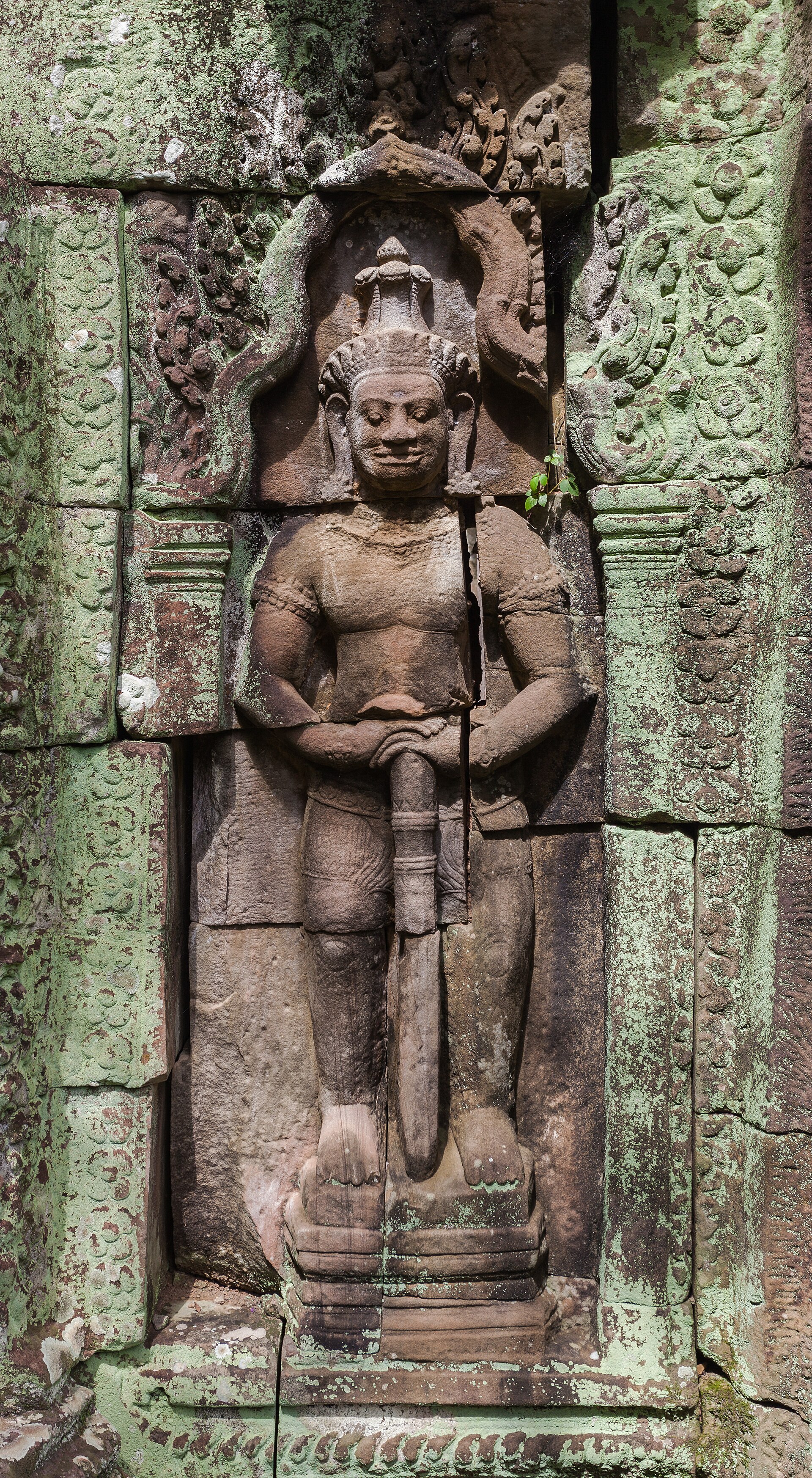
Banteay Kdei
Angkor Archaeological Park
Banteay Kdei is a late 12th-century Buddhist monastery built by Jayavarman VII (the great builder-king who also built Angkor Thom and Bayon) that is often overlooked because of its proximity to the more famous Ta Prohm.
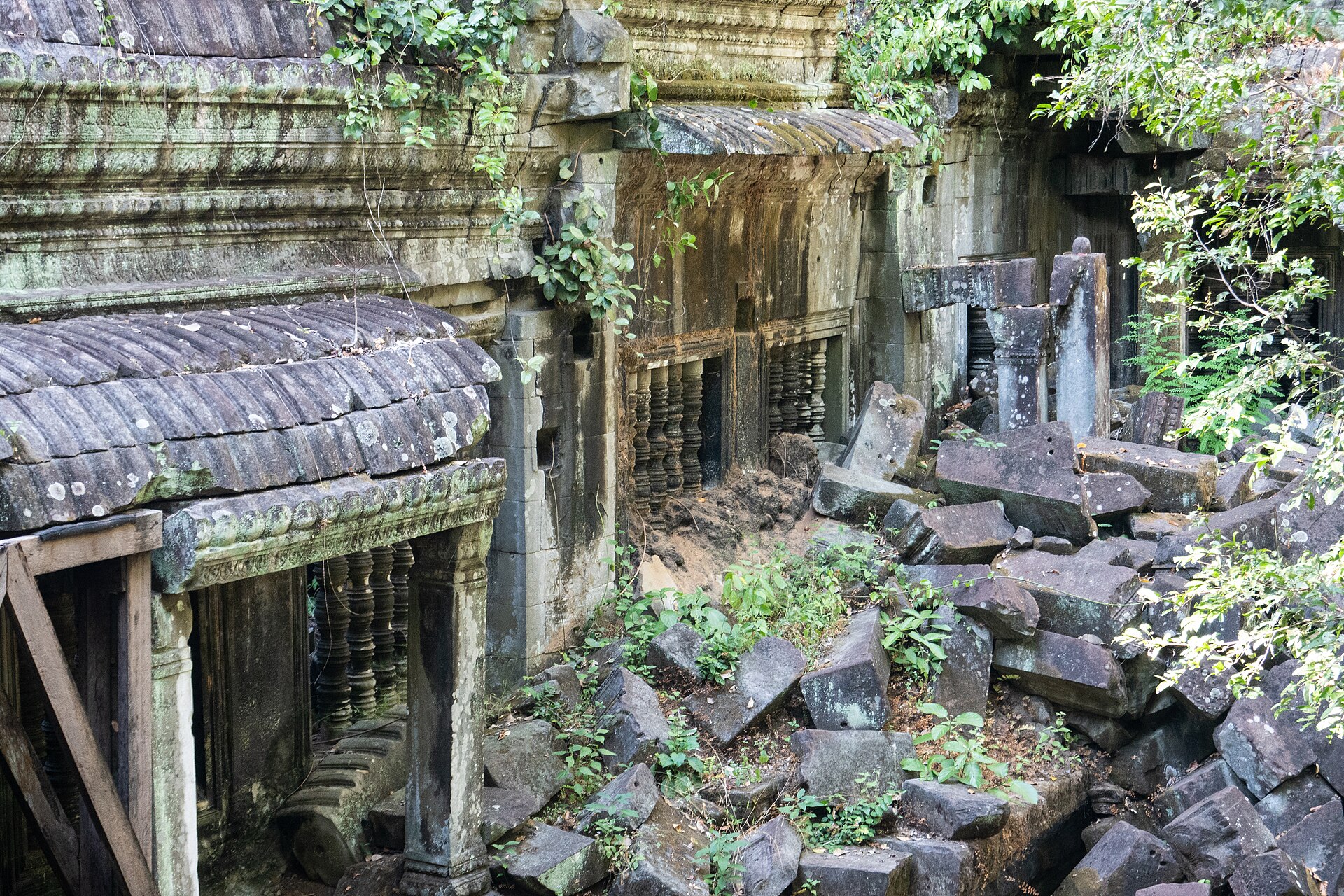
Beng Mealea
Nokor Thum, Siem Reap, Cambodia
Beng Mealea is the Indiana Jones temple — a massive 12th-century temple 40 kilometres east of the main Angkor complex that has been left almost entirely unrestored, with collapsed galleries, tree roots threading through carved walls, and the jungle growing through every crack with an enthusiasm that makes Ta Prohm look tidy.
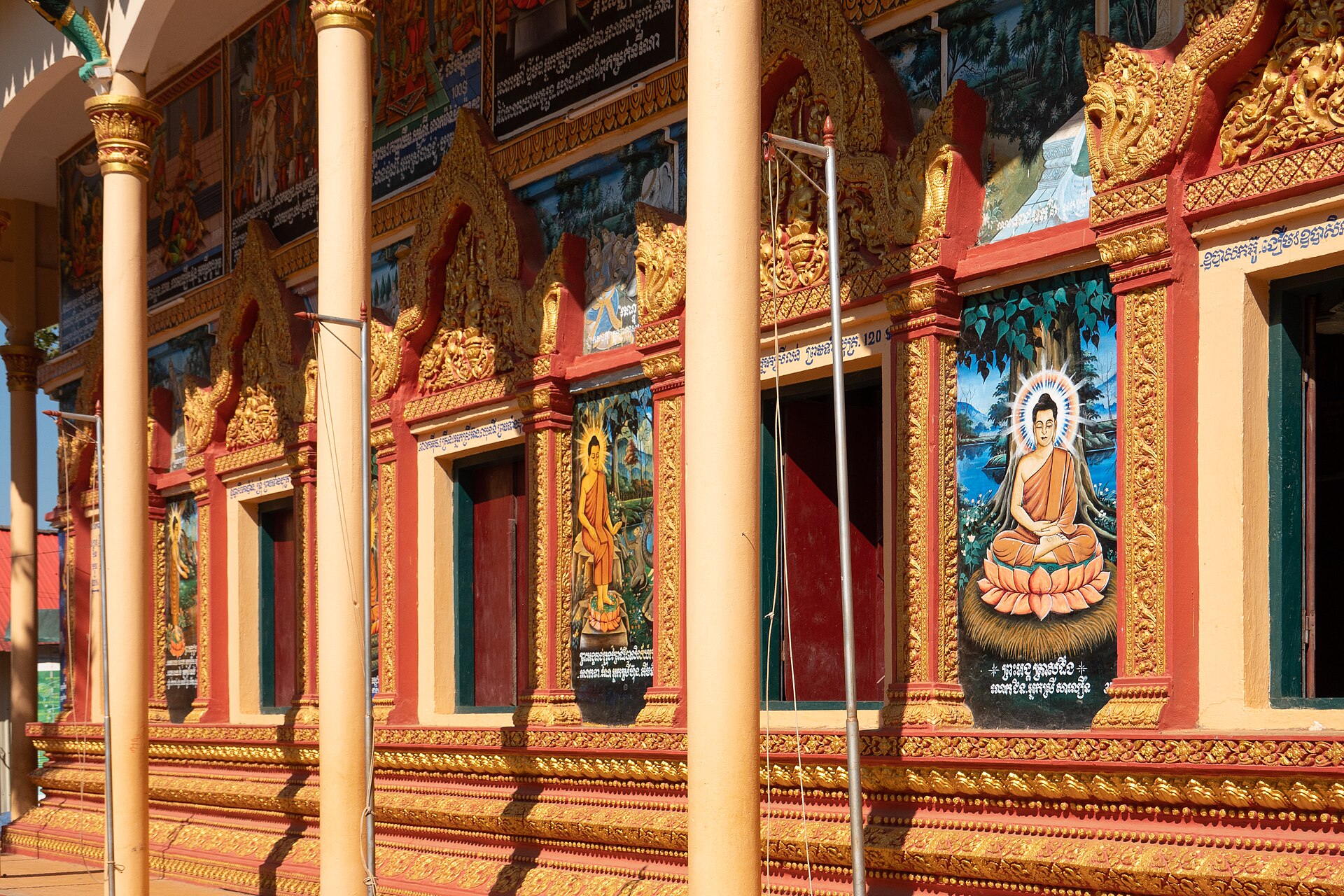
Kampong Phluk Floating Village
Kampong Phluk, Tonle Sap
Kampong Phluk is the largest stilted village on Tonle Sap Lake — a community of about 800 Khmer families who live in wooden houses raised on 6-8 metre stilts along the lake's northern edge, which adapt to the dramatic annual flooding that can raise the water level by over 10 metres during the monsoon season (June-November).
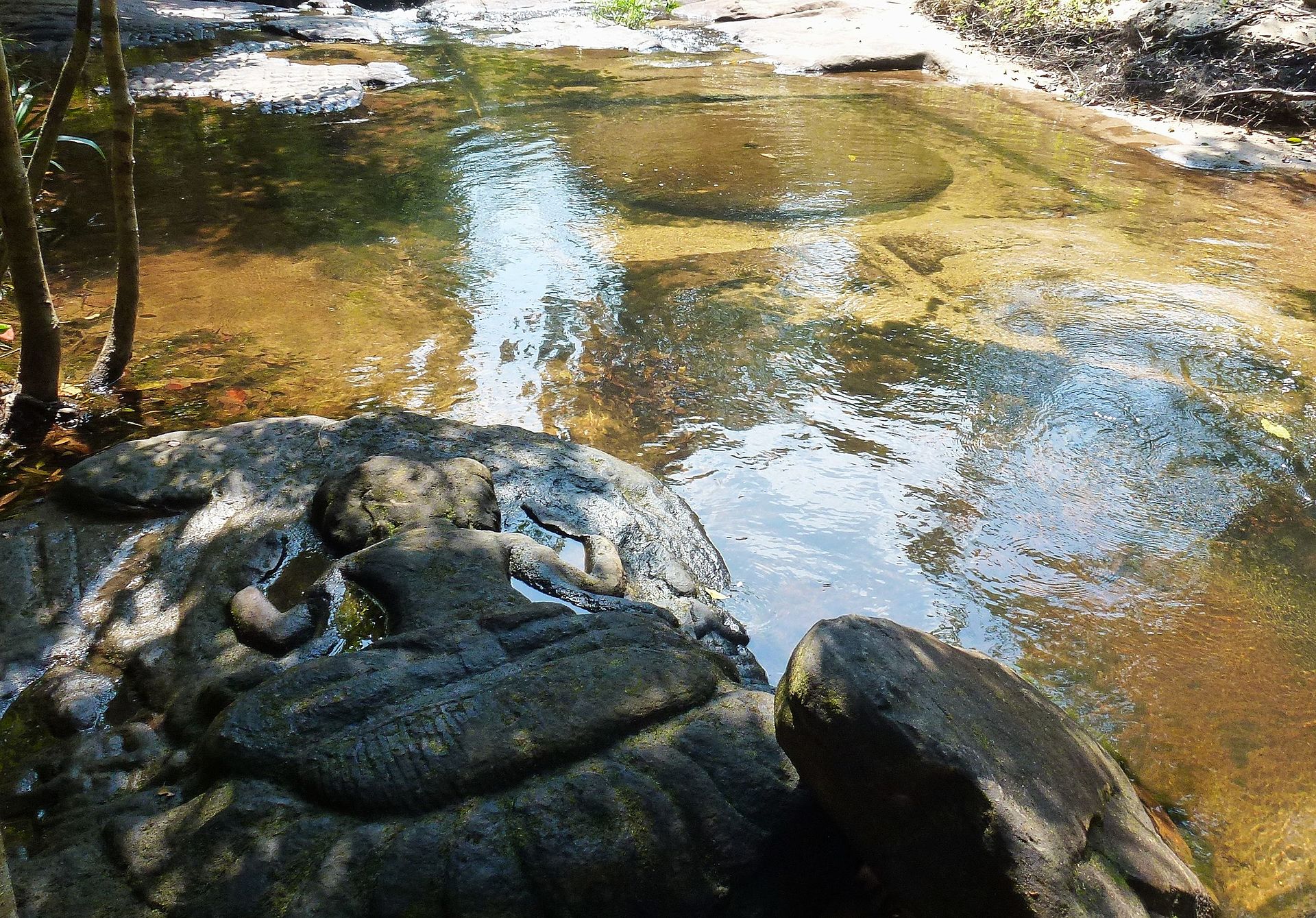
Kbal Spean
Kbal Spean, Banteay Srei District
Kbal Spean ('Head of the Bridge') is the 'River of a Thousand Lingas' — a stretch of the Stung Kbal Spean river 50 kilometres north of Siem Reap (beyond Banteay Srei) where 11th and 12th-century Khmer craftsmen carved hundreds of Shiva lingams, yoni bases, and scenes from Hindu mythology directly into the sandstone riverbed.
Neak Pean
Angkor Archaeological Park
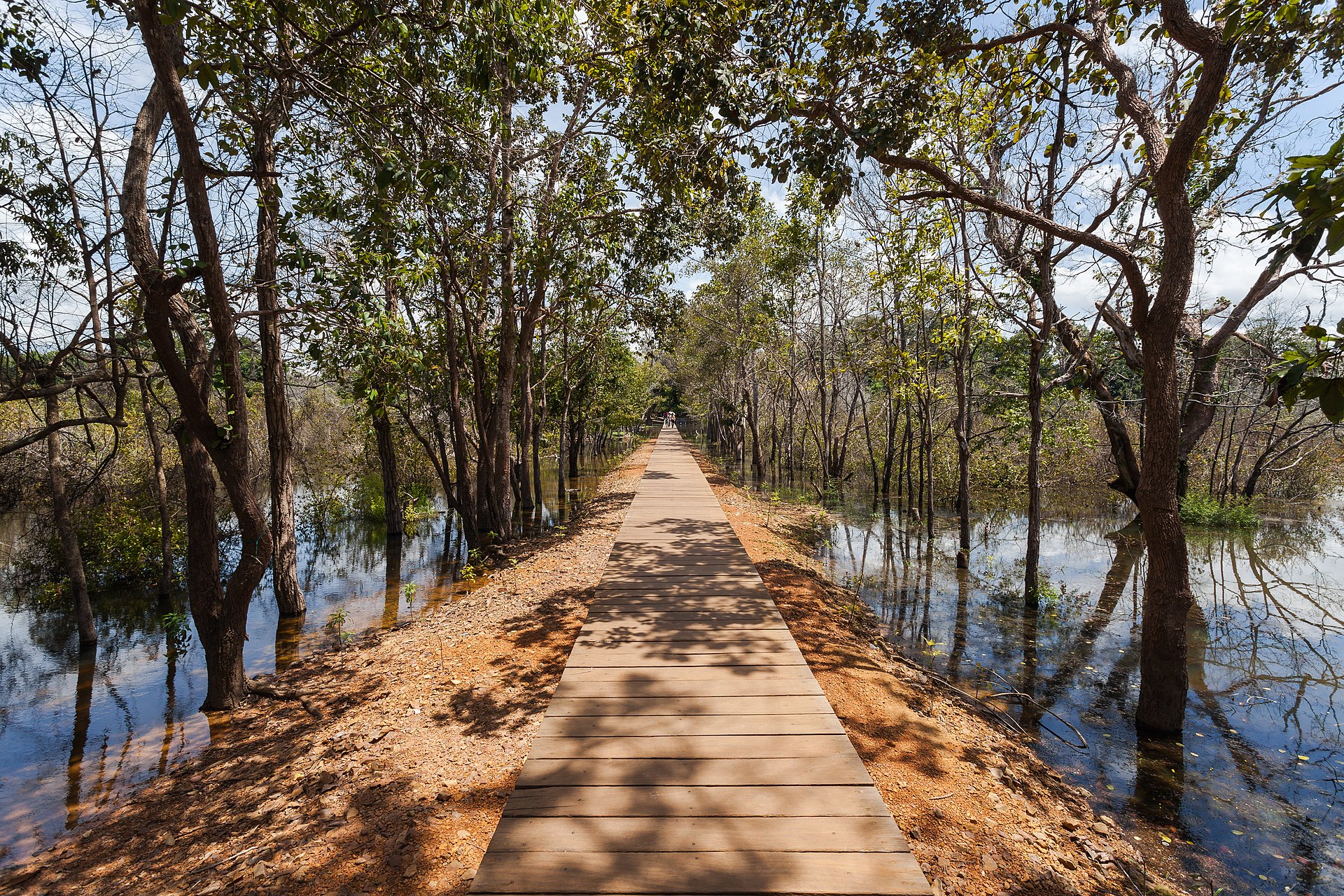
Neak Pean is one of Angkor's most unusual temples — a 12th-century Buddhist shrine on a small artificial island in the centre of a square baray, surrounded by four smaller pools representing the four elements (water, earth, fire, and wind).
Preah Khan
Angkor Archaeological Park, Siem Reap
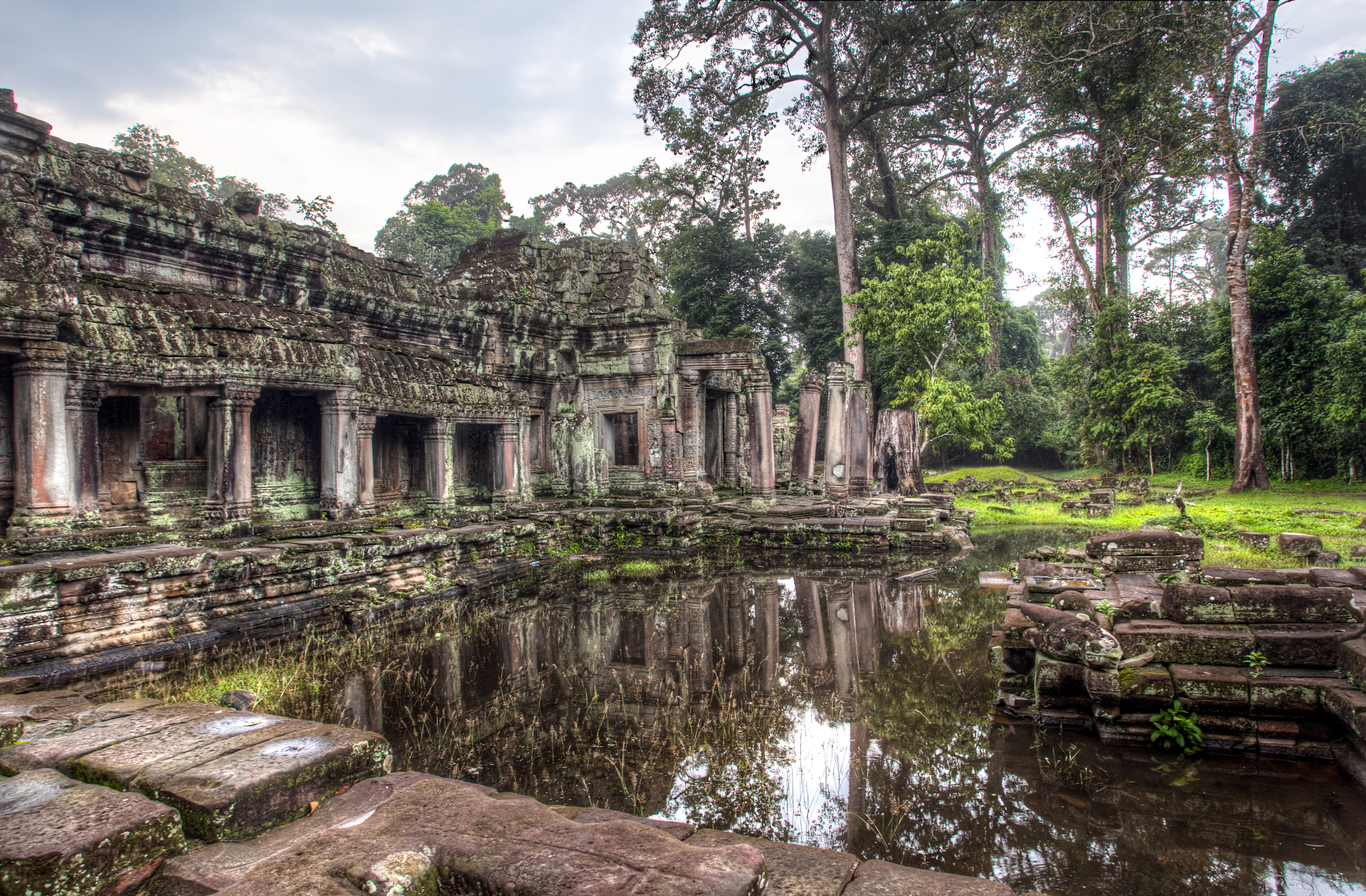
Preah Khan is one of the largest temple complexes at Angkor — a sprawling 12th-century Buddhist university and monastery built by Jayavarman VII that is less visited than Angkor Wat, Bayon, or Ta Prohm but offers an equally rewarding (and considerably less crowded) experience.
Roluos Group
Roluos, 13 km east of Siem Reap
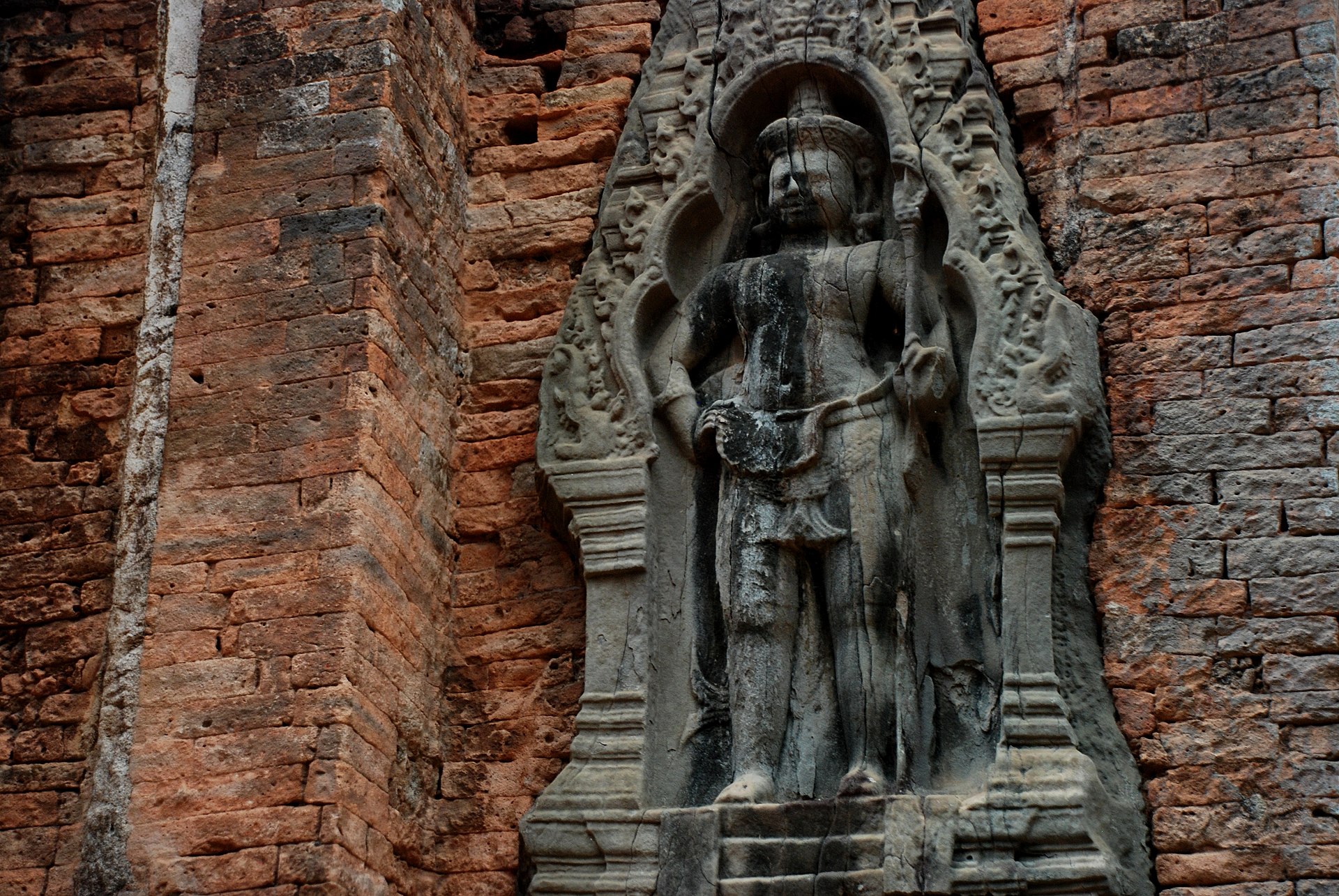
The Roluos Group — three temples 13 kilometres east of Siem Reap (Preah Ko, Bakong, and Lolei) — are the oldest major Angkorian temples, built in the 880s at the site of Hariharalaya, the first capital of the Khmer empire before it moved to the main Angkor area.
Srah Srang Sunrise
Srah Srang, Angkor
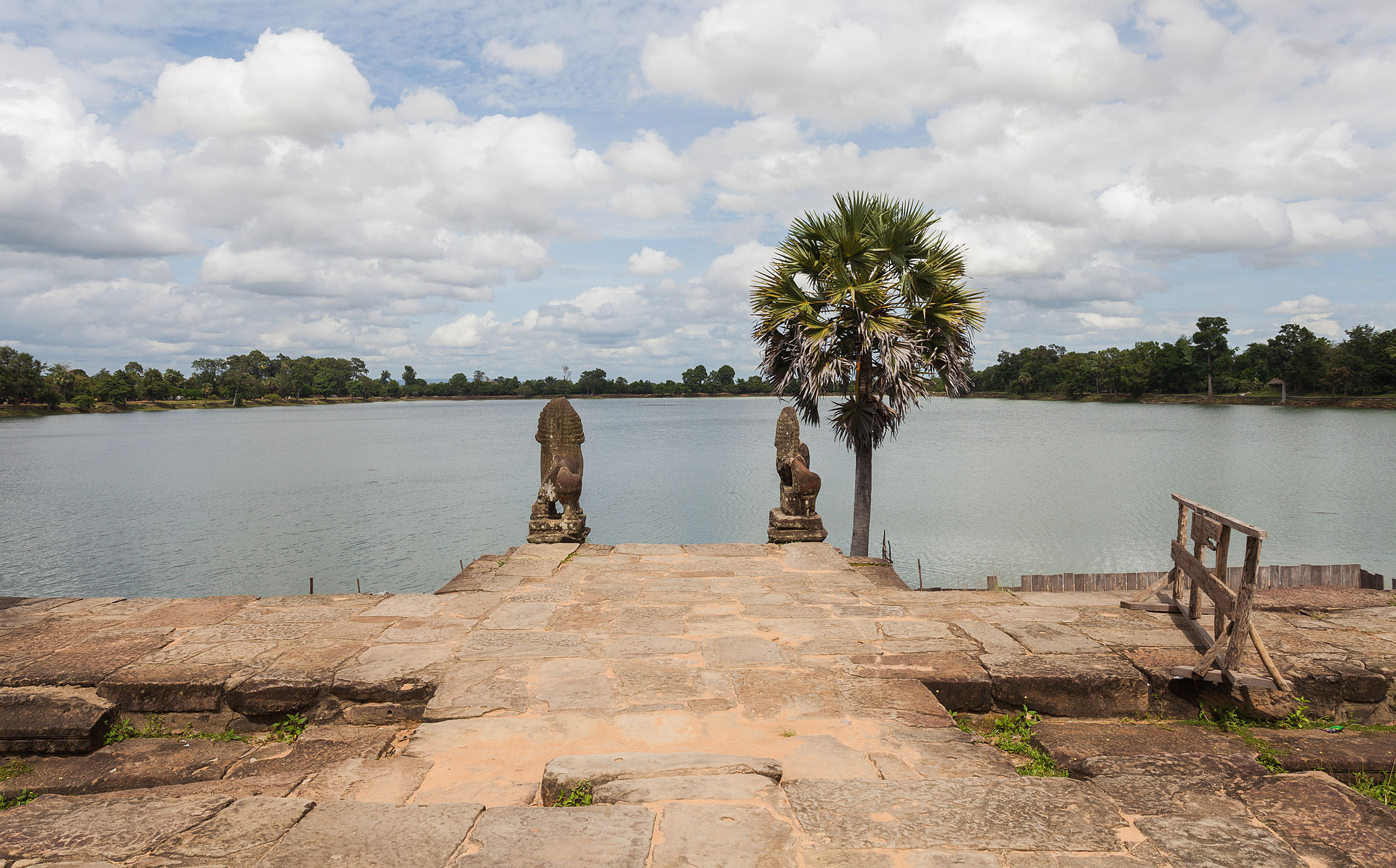
Srah Srang ('Royal Bath') is a 10th-century reservoir (baray) on the eastern side of the Small Circuit, measuring 700 by 350 metres, and is Siem Reap's finest alternative sunrise spot — the sun rises directly over the water from behind distant palm trees, reflecting in the perfectly still surface, and is accompanied by a bird chorus rather than the shouts of thousands of tourists at Angkor Wat.
Ta Som
Angkor Archaeological Park
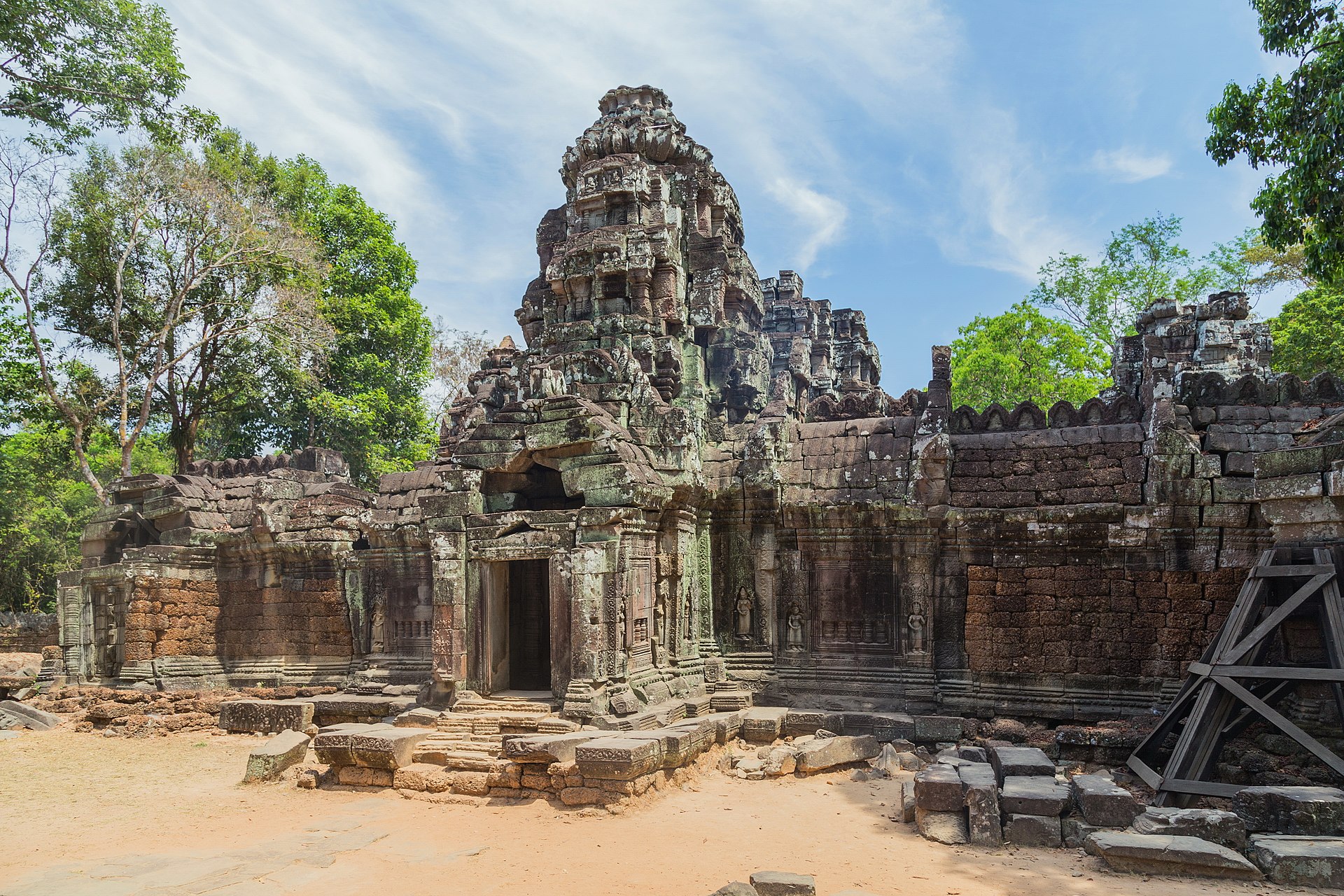
Ta Som is a small, intimate temple on the Grand Circuit built in the late 12th century by Jayavarman VII that offers one of Angkor's most photogenic tree-over-gopura images — the eastern gopura (gate tower) has an enormous strangler fig whose roots cascade over the carved face of a Buddha, creating a scene that rivals anything at Ta Prohm while drawing a fraction of the crowds.
Wat Bo
Street 23, Siem Reap
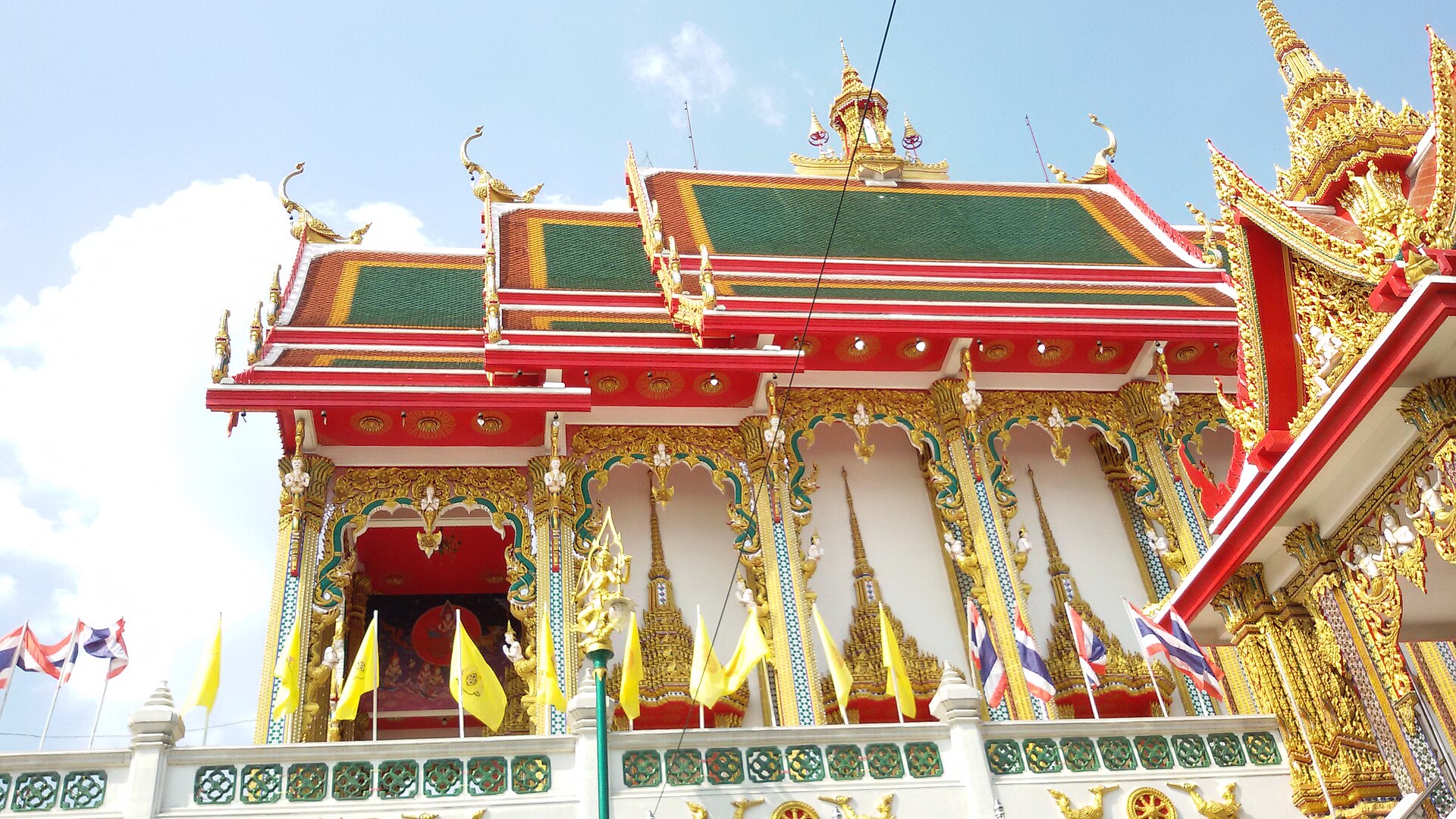
Wat Bo is a working Buddhist pagoda in the centre of Siem Reap that is one of the oldest temples in the city — founded in the 18th century and containing a main vihara (prayer hall) whose interior walls are covered with 19th-century murals depicting the Reamker (the Khmer version of the Ramayana).
Explore hidden gems in Siem Reap
GPS-guided narration at every landmark. Tap a spot on the map, hear the story. Every fact verified.