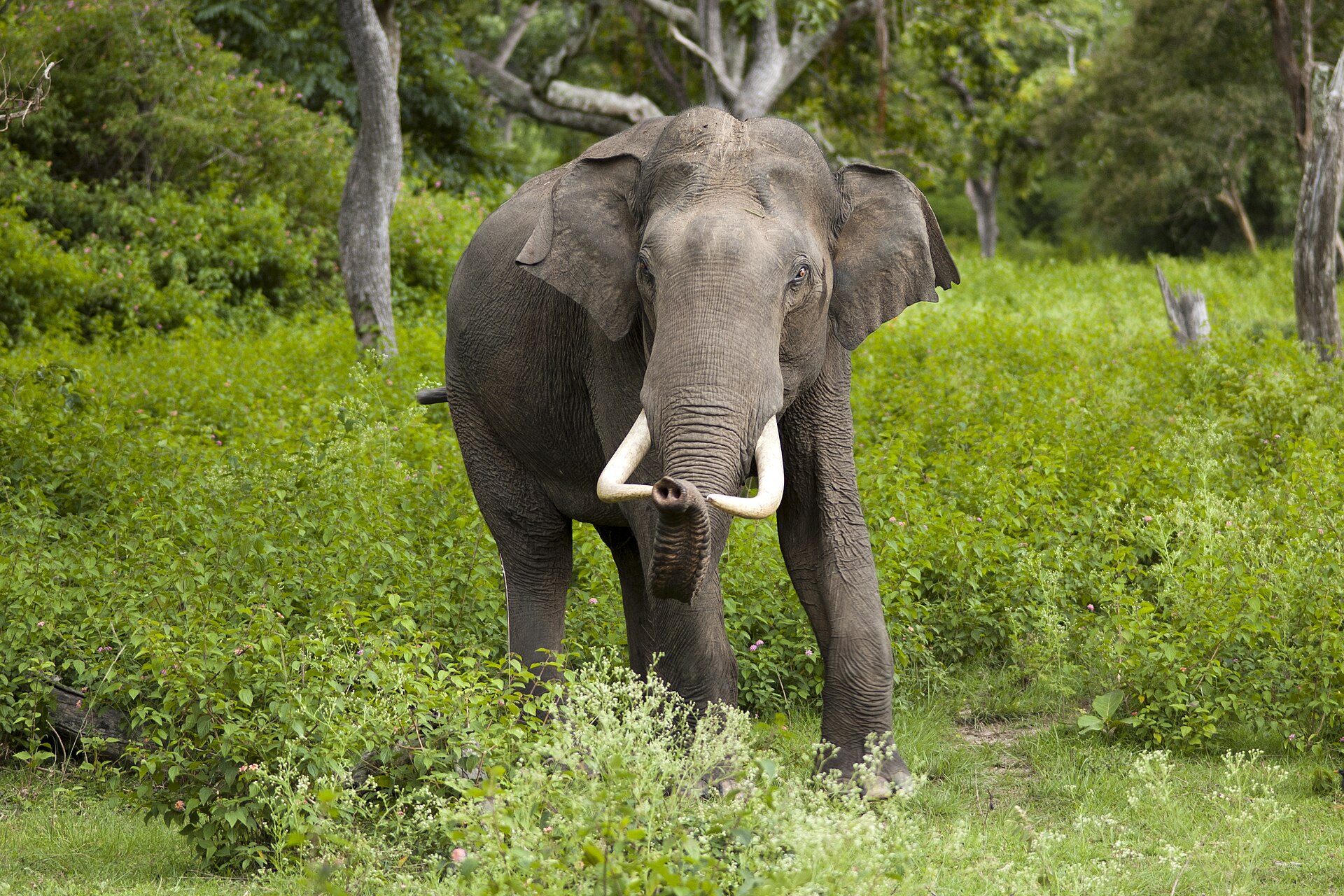
Asiatic Society & Town Hall
Horniman Circle, Mumbai, 400001, India
The Asiatic Society of Mumbai occupies the Town Hall — a Greek Revival masterpiece of 30 Doric columns completed in 1833 that is one of the finest neoclassical buildings in India and the oldest surviving public building in Mumbai.
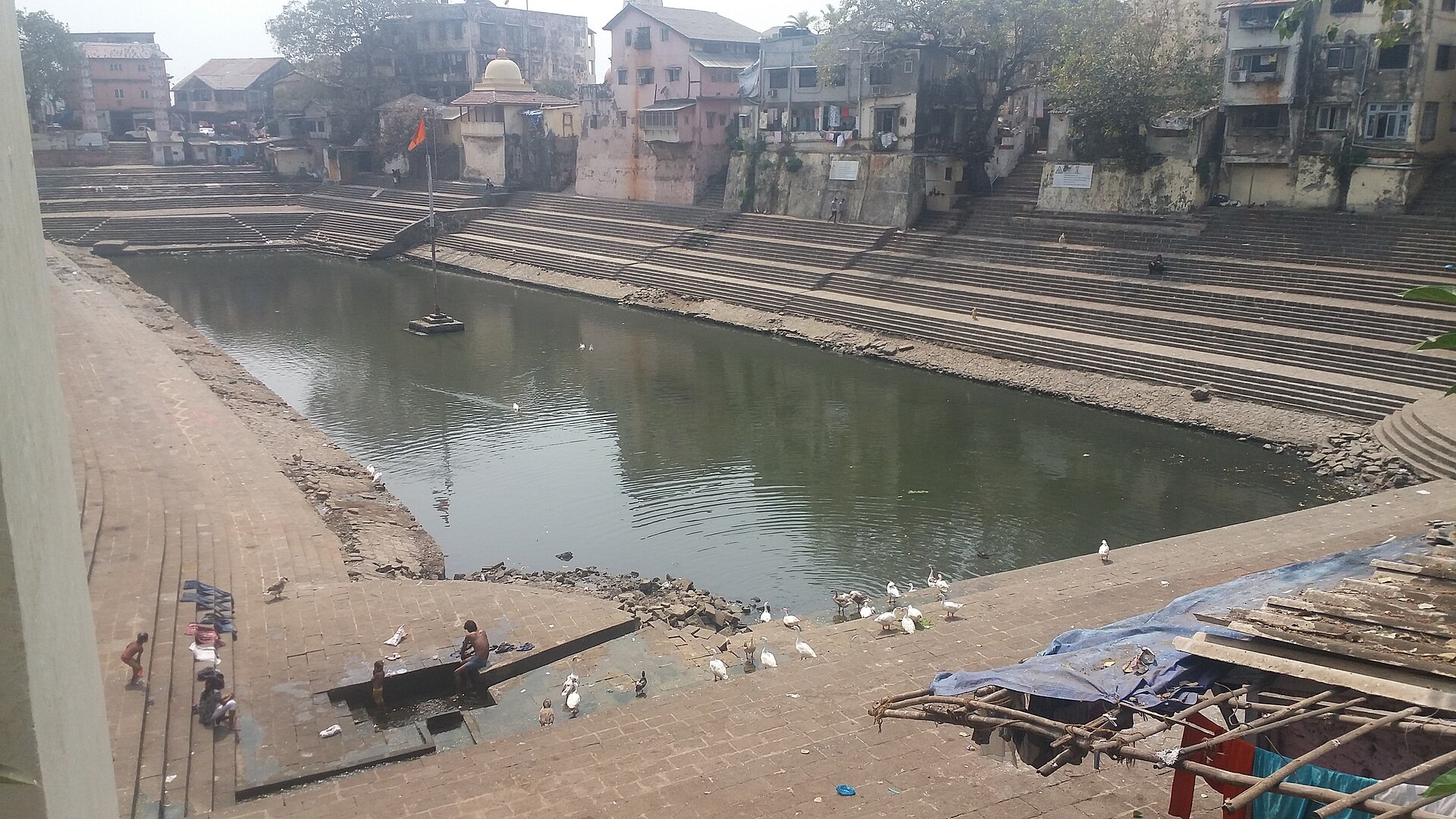
Banganga Tank
Walkeshwar, Mumbai, 400006, India
Banganga Tank is Mumbai's oldest surviving structure — a sacred water tank at the tip of Malabar Hill that predates the city itself, dating to approximately 1127 AD and associated with the legend of Lord Rama, who shot an arrow into the ground to create a freshwater spring during his journey to Lanka.
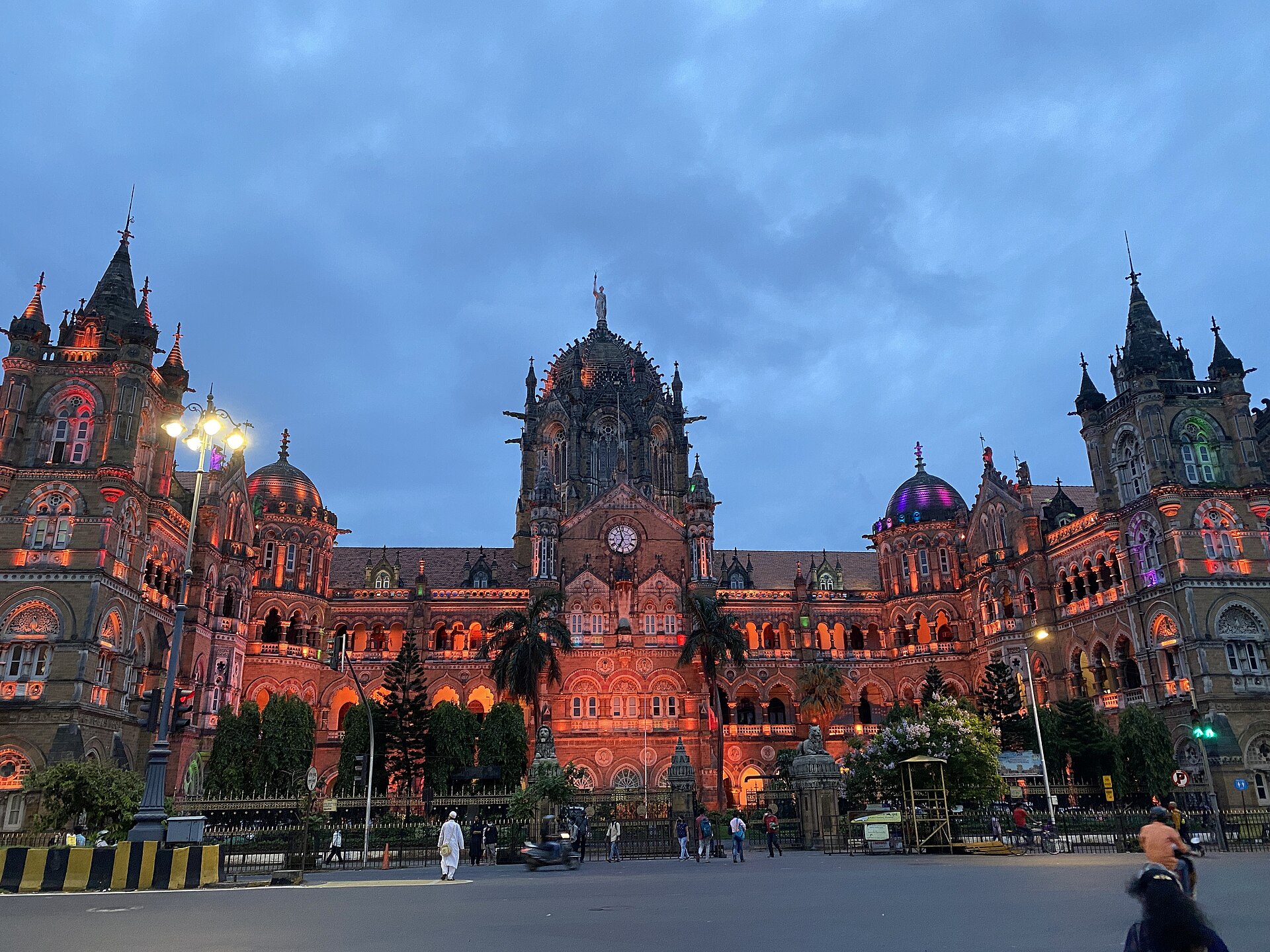
Chhatrapati Shivaji Maharaj Terminus (CST)
Dadabhai Naoroji Road, Fort, Mumbai, 400001, India
CST (formerly Victoria Terminus) is the most extravagant railway station in the world — a UNESCO World Heritage Victorian Gothic Revival building completed in 1888 that handles 3 million commuters daily and is simultaneously a functioning transport hub and a monument to the confidence of the British Raj at its peak.
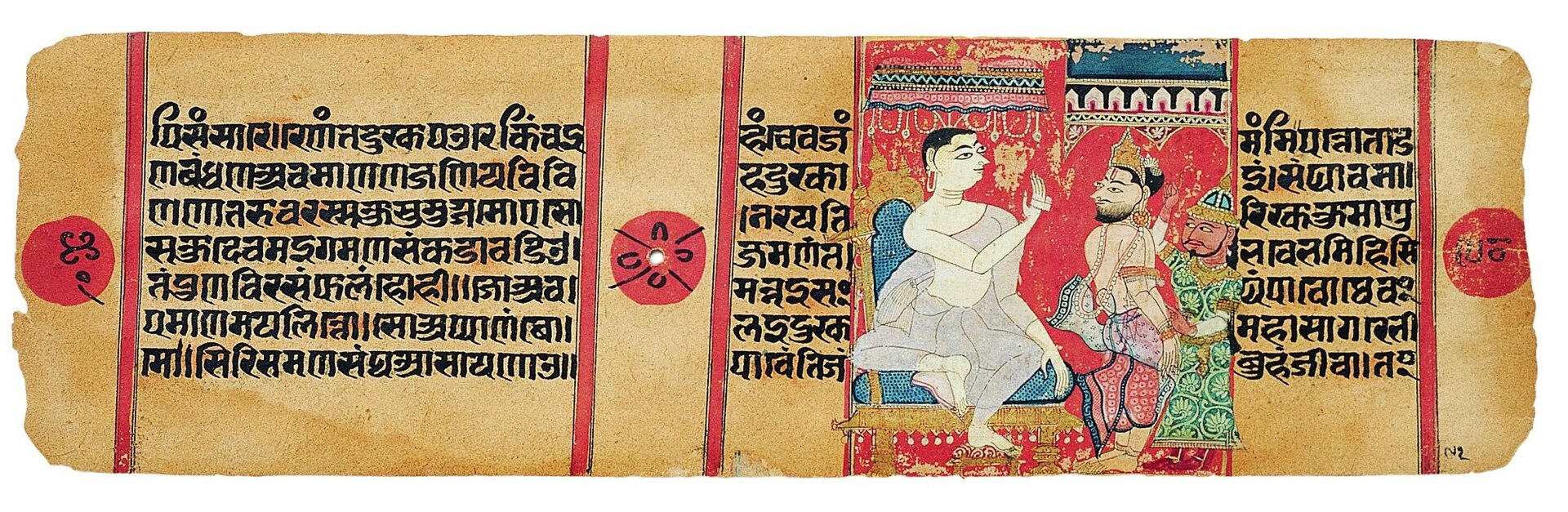
Chhatrapati Shivaji Maharaj Vastu Sangrahalaya
Mahatma Gandhi Road, Goregaon West, Mumbai, 400104, India
CSMVS (formerly the Prince of Wales Museum) is Mumbai's most important museum — a domed Indo-Saracenic masterpiece completed in 1922 to commemorate the 1905 visit of King George V (then Prince of Wales), housing one of India's finest collections of art, archaeology, and natural history.
Elephanta Caves
Uran, Elephanta Caves, 400021, India
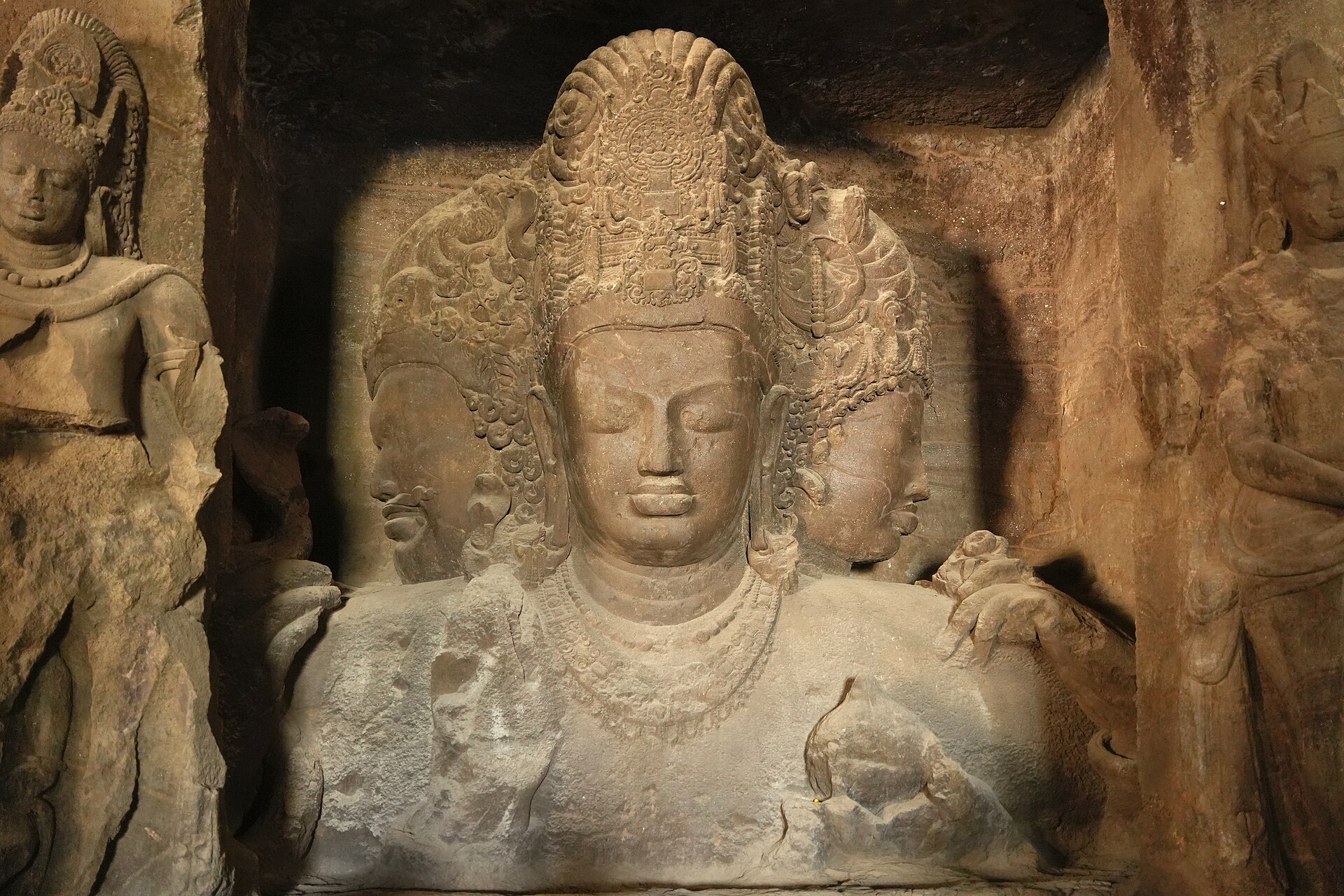
The Elephanta Caves are a UNESCO World Heritage Site — a group of 5th to 8th-century rock-cut Hindu temples on an island in Mumbai Harbour whose central Trimurti sculpture (a three-faced representation of Shiva as creator, preserver, and destroyer, carved from a single rock and standing 6 metres tall) is one of the masterpieces of Indian sculpture.
Flora Fountain (Hutatma Chowk)
Veer Nariman Road, Fort, Mumbai
Flora Fountain is a Victorian-era stone fountain at the heart of the Fort business district, erected in 1864 at the junction of five streets where the old Bombay Fort's Churchgate once stood (demolished in 1860 when the city expanded beyond its walls).
Gateway of India
Haji Niyaz Ahmed Azmi Marg, Colaba, Mumbai, 400001, India
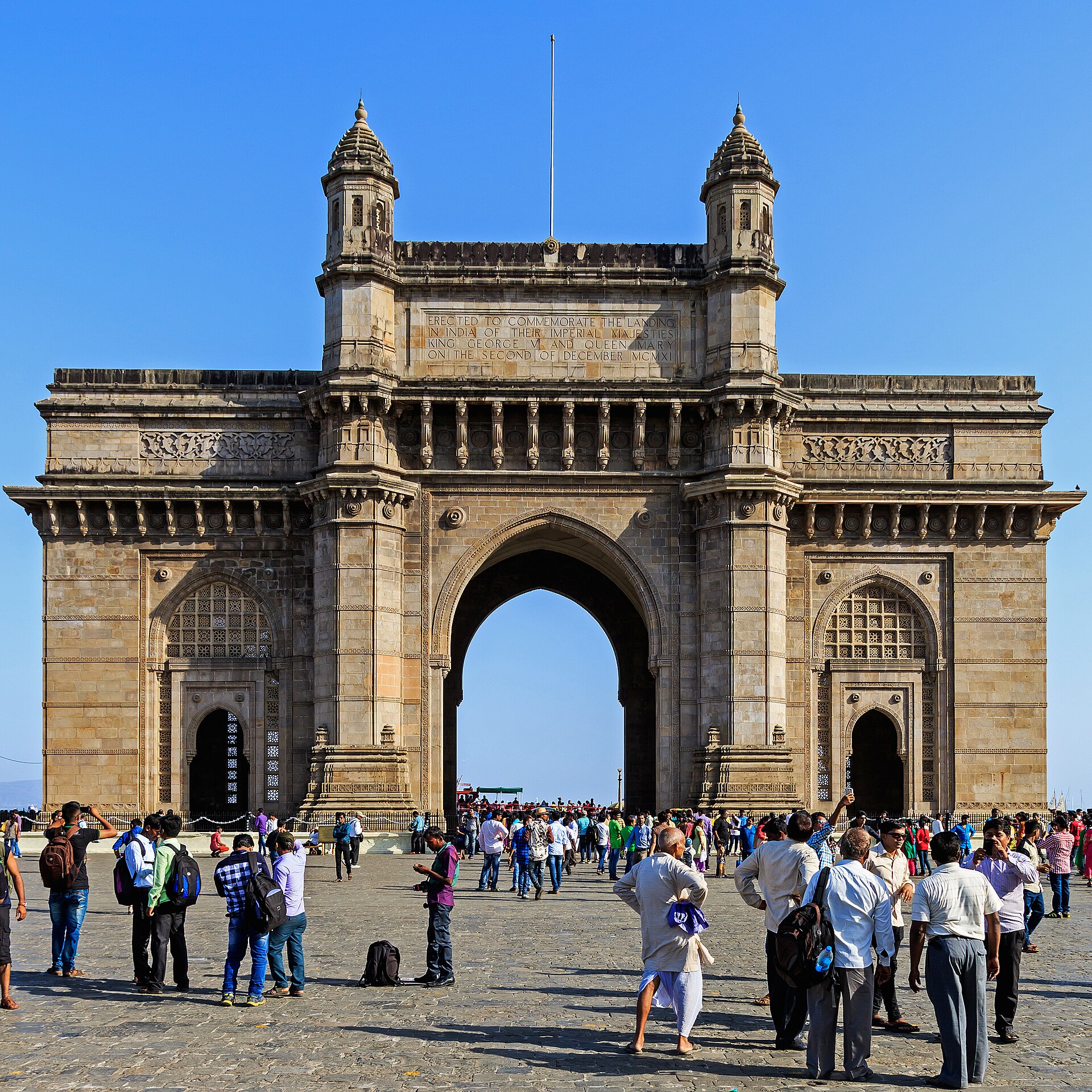
The Gateway of India is Mumbai's defining landmark — a 26-metre basalt arch on the waterfront built to commemorate King George V's visit to India in 1911 and completed in 1924, just 23 years before the last British troops marched through it in 1948 as India gained independence.
Kanheri Caves
Mumbai Suburban, Mumbai, 400066, India
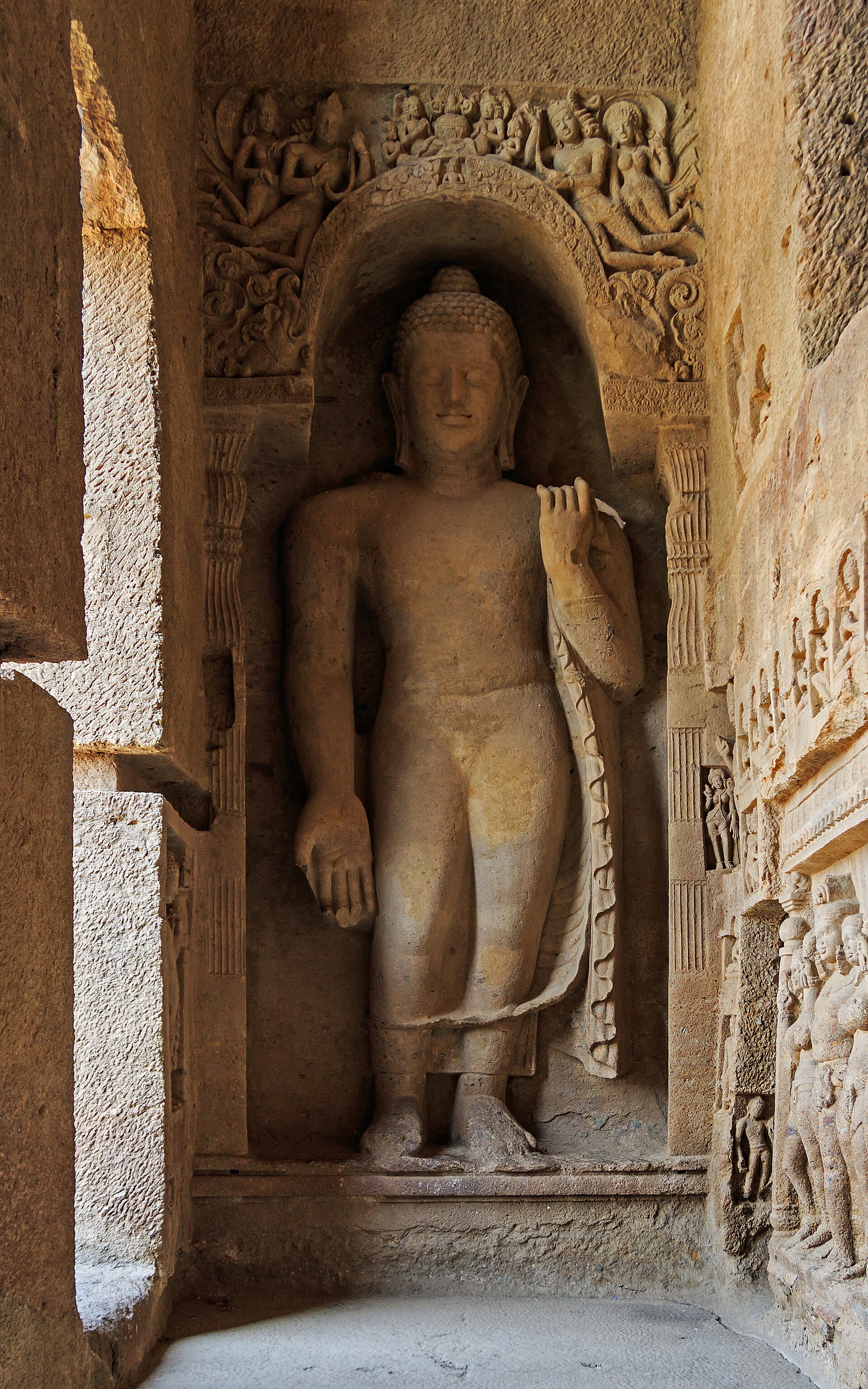
The Kanheri Caves are a complex of 109 rock-cut Buddhist caves carved into a basalt hillside in Sanjay Gandhi National Park between the 1st century BC and 10th century AD — making them one of the longest continuously inhabited monastic sites in India.
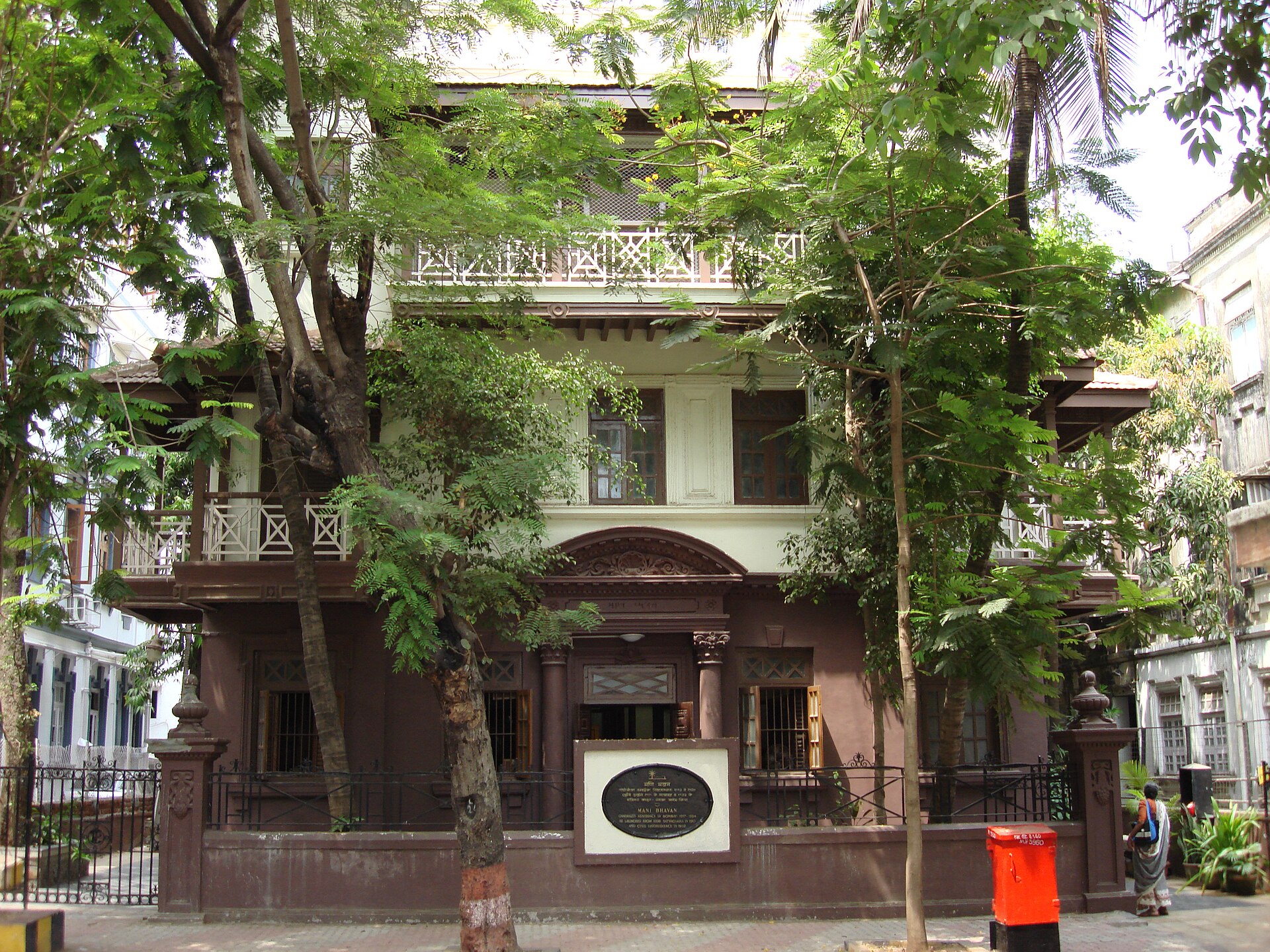
Mani Bhavan Gandhi Museum
Laburnum Road, Gamdevi, Mumbai, 400007, India
Mani Bhavan is the two-storey house where Mahatma Gandhi stayed during his visits to Bombay between 1917 and 1934 — the base from which he launched the Non-Cooperation Movement (1920), the Civil Disobedience Movement (1932), and where he first experimented with the charkha (spinning wheel) that became the symbol of Indian self-reliance.
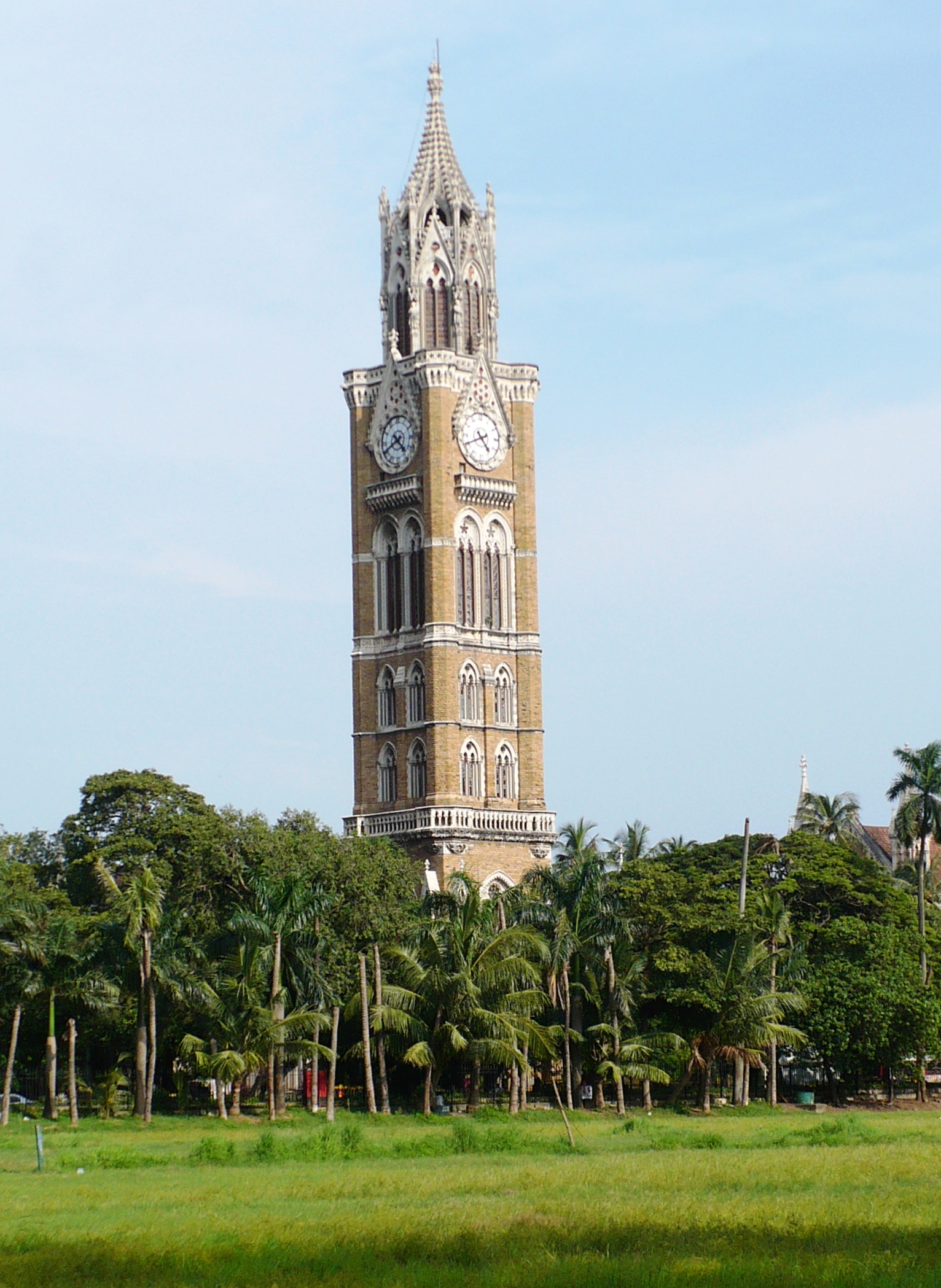
Rajabai Clock Tower
Mumbai, India
The Rajabai Clock Tower is a 85-metre Venetian-Gothic clock tower at the University of Mumbai's Fort campus, designed by Sir George Gilbert Scott (the British architect behind the St Pancras Hotel in London) and completed in 1878.
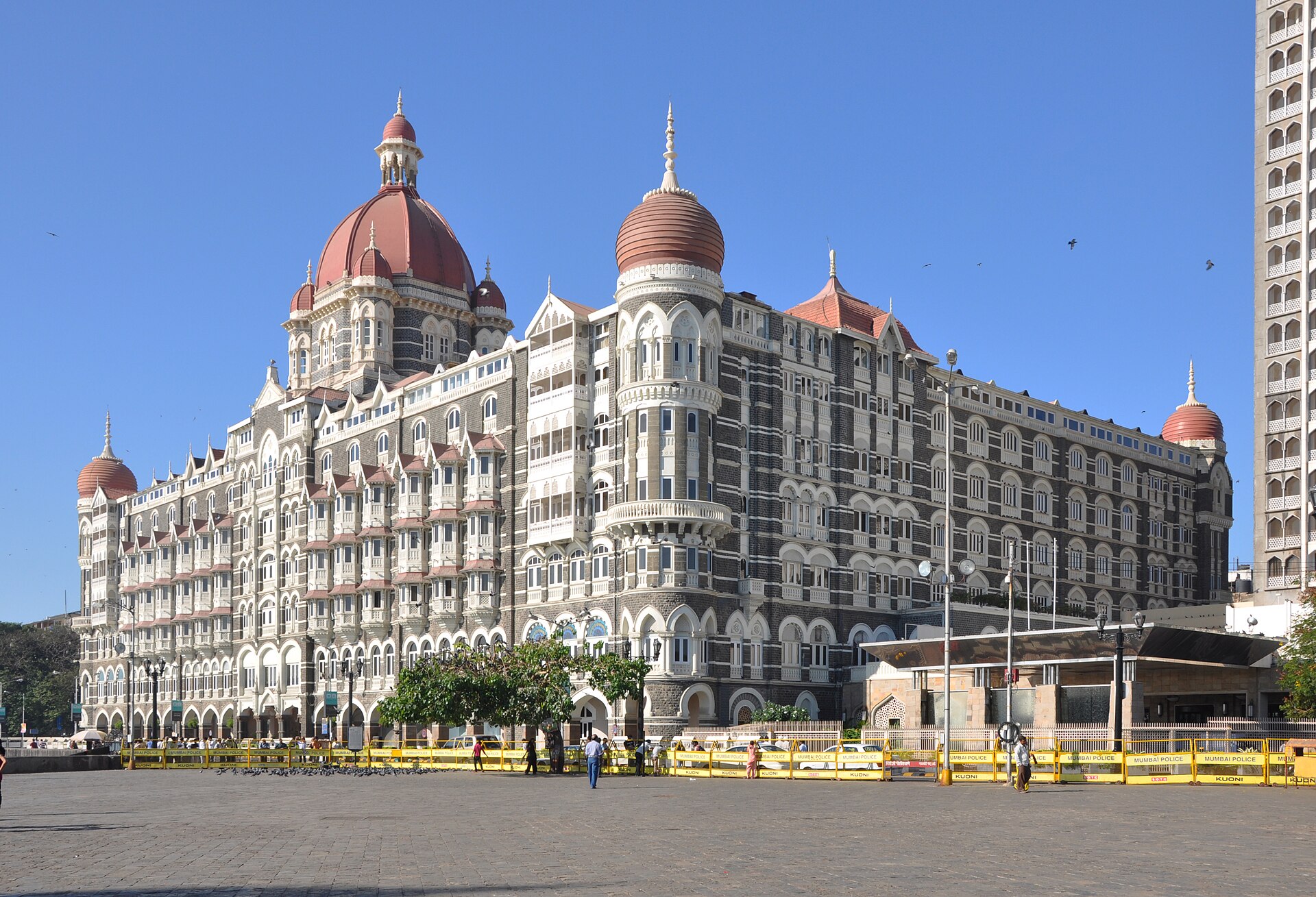
Taj Mahal Palace Hotel
Haji Niyaz Ahmed Azmi Marg, Colaba, Mumbai, 400001, India
The Taj Mahal Palace is India's most famous hotel — a grand Moorish-Gothic-Renaissance structure built in 1903 by Jamsetji Tata (founder of the Tata industrial dynasty) who was allegedly refused entry to a 'whites-only' hotel and decided to build one that would be the finest in the city.
Explore history in Mumbai
GPS-guided narration at every landmark. Tap a spot on the map, hear the story. Every fact verified.