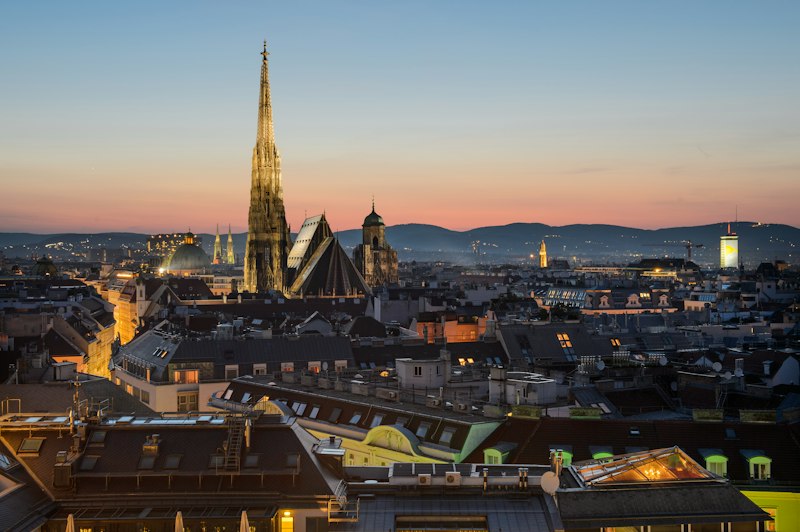
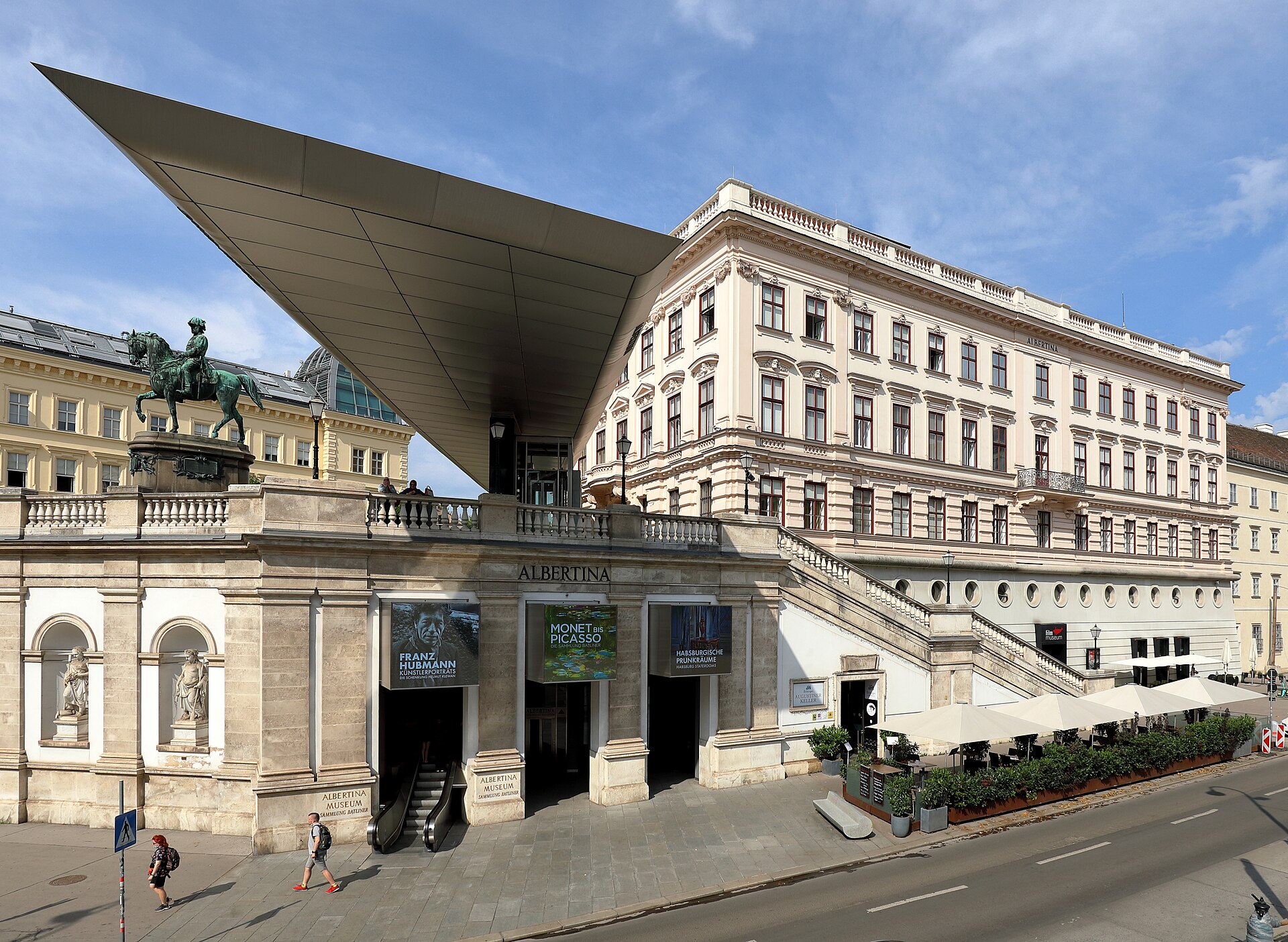
Albertina
Albertinapl. 1, 1010 Vienna
Duke Albert of Saxe-Teschen started collecting drawings in 1776 the way some people start collecting stamps — obsessively, expensively, and with impeccable taste.
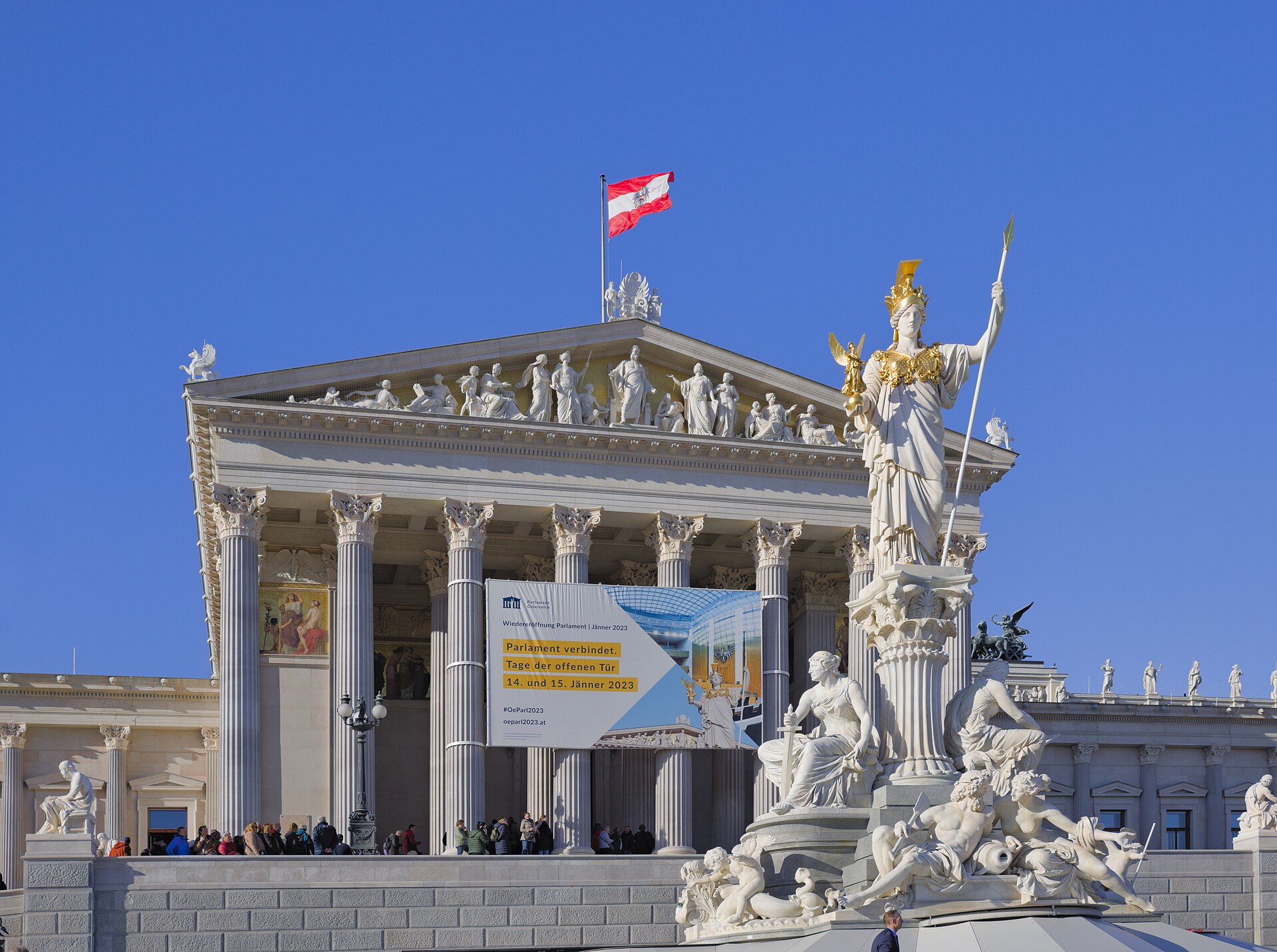
Austrian Parliament
3 Dr-Karl-Renner-Ring, Innere Stadt, Vienna, 1010, Austria
Theophil Hansen designed Austria's Parliament in the Greek Revival style because he wanted to invoke the birthplace of democracy — a pointed statement in a country still run by an emperor.
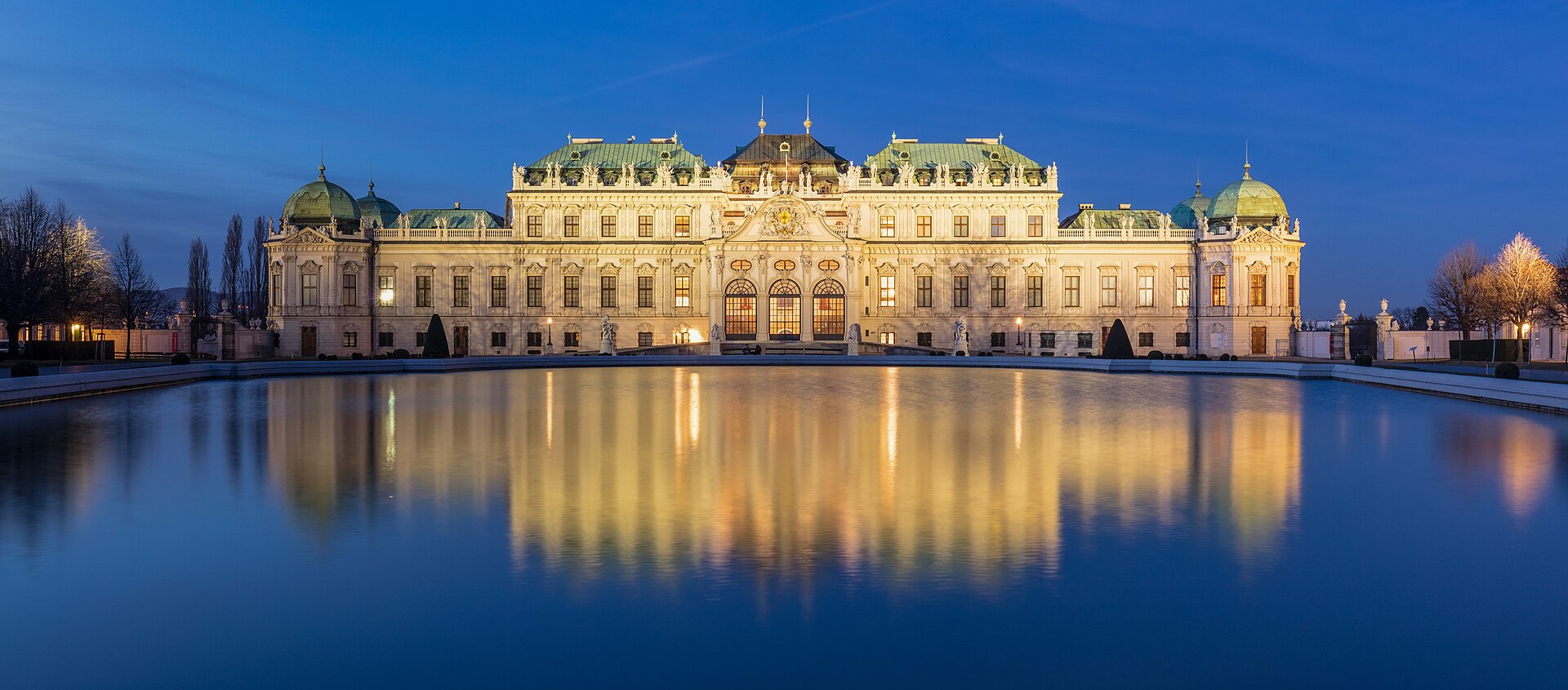
Belvedere Palace
27 Prinz-Eugen-Straße, Landstraße, Vienna, 1030, Austria
Prince Eugene of Savoy was one of Europe's greatest military commanders, and he spent his war spoils on one of Europe's greatest palaces.
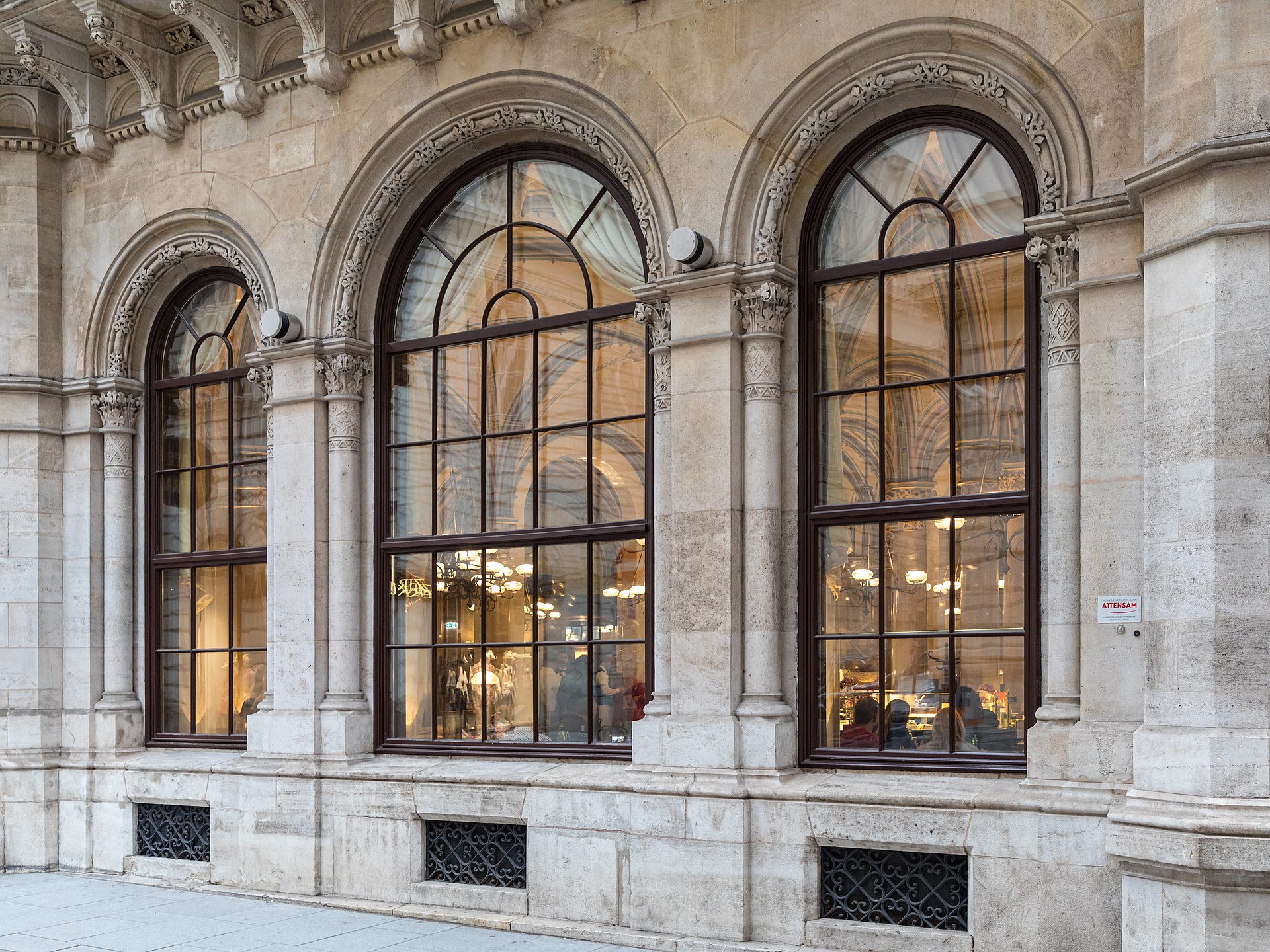
Café Central
14 Herrengasse, Innere Stadt, Vienna, 1010, Austria
In January 1913, you could have walked into Café Central and found, at various tables on any given week, Leon Trotsky, Joseph Stalin, Sigmund Freud, Josip Broz Tito, and Adolf Hitler — all living in Vienna simultaneously, all unknown to history, all nursing coffees in the same neighbourhood.
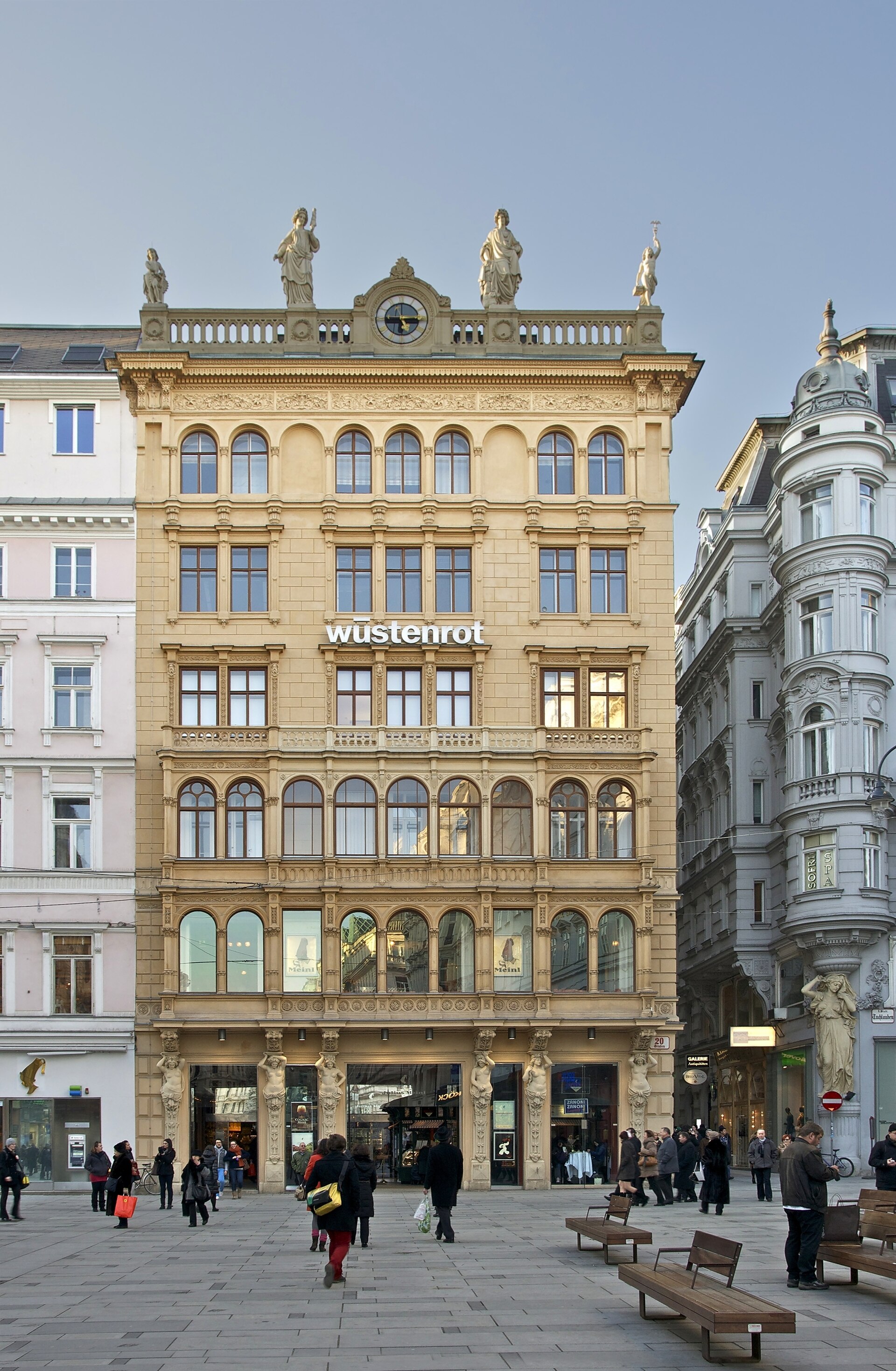
Graben & Plague Column
Graben, Innere Stadt, Vienna, 1010, Austria
You're walking on a filled-in Roman ditch.
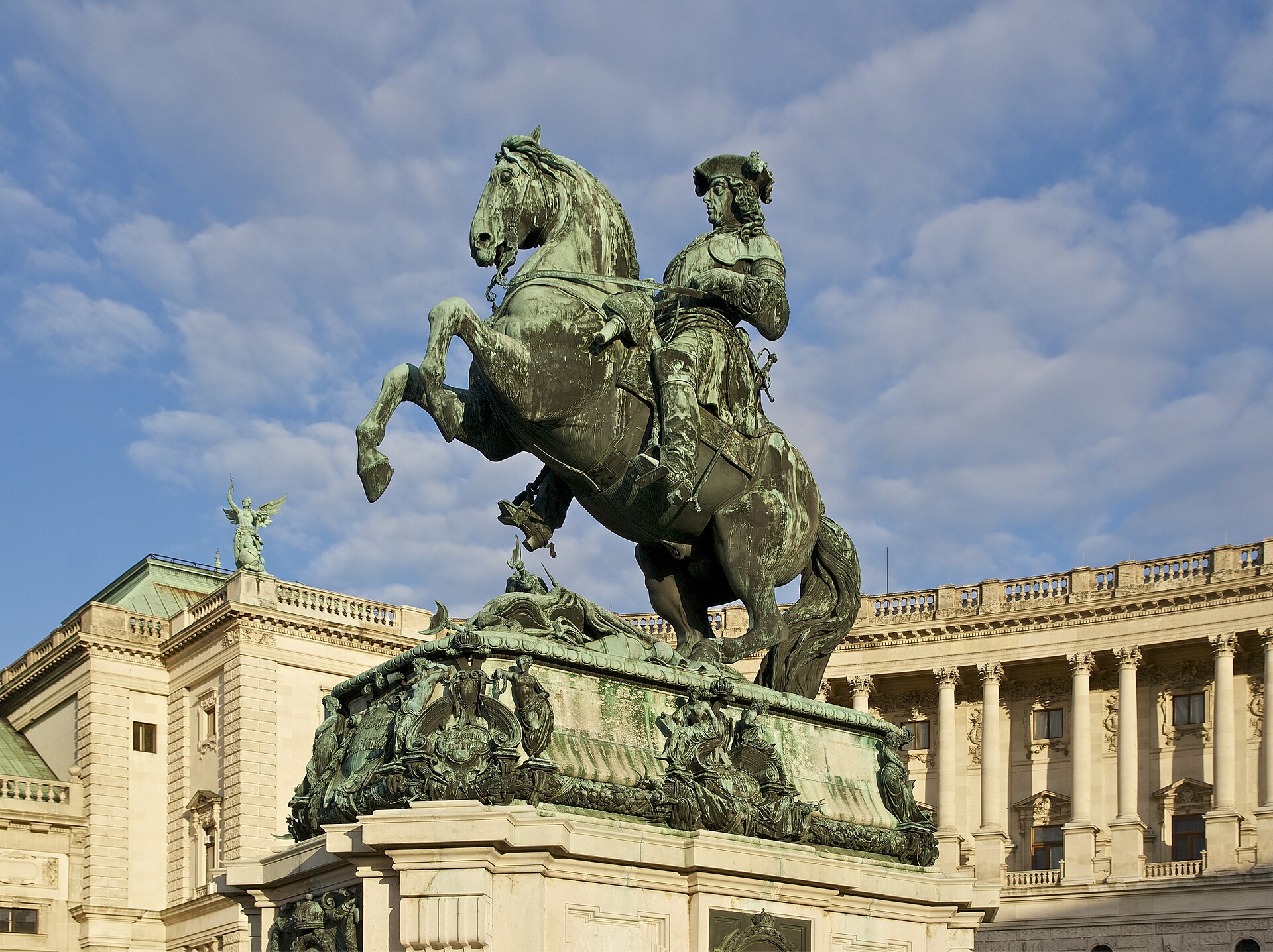
Heldenplatz
Heldenplatz, Innere Stadt, Vienna, 1010, Austria
Heroes' Square was supposed to be one half of a grand Imperial Forum connecting the Hofburg to the Natural History and Art History museums across the Ringstrasse.
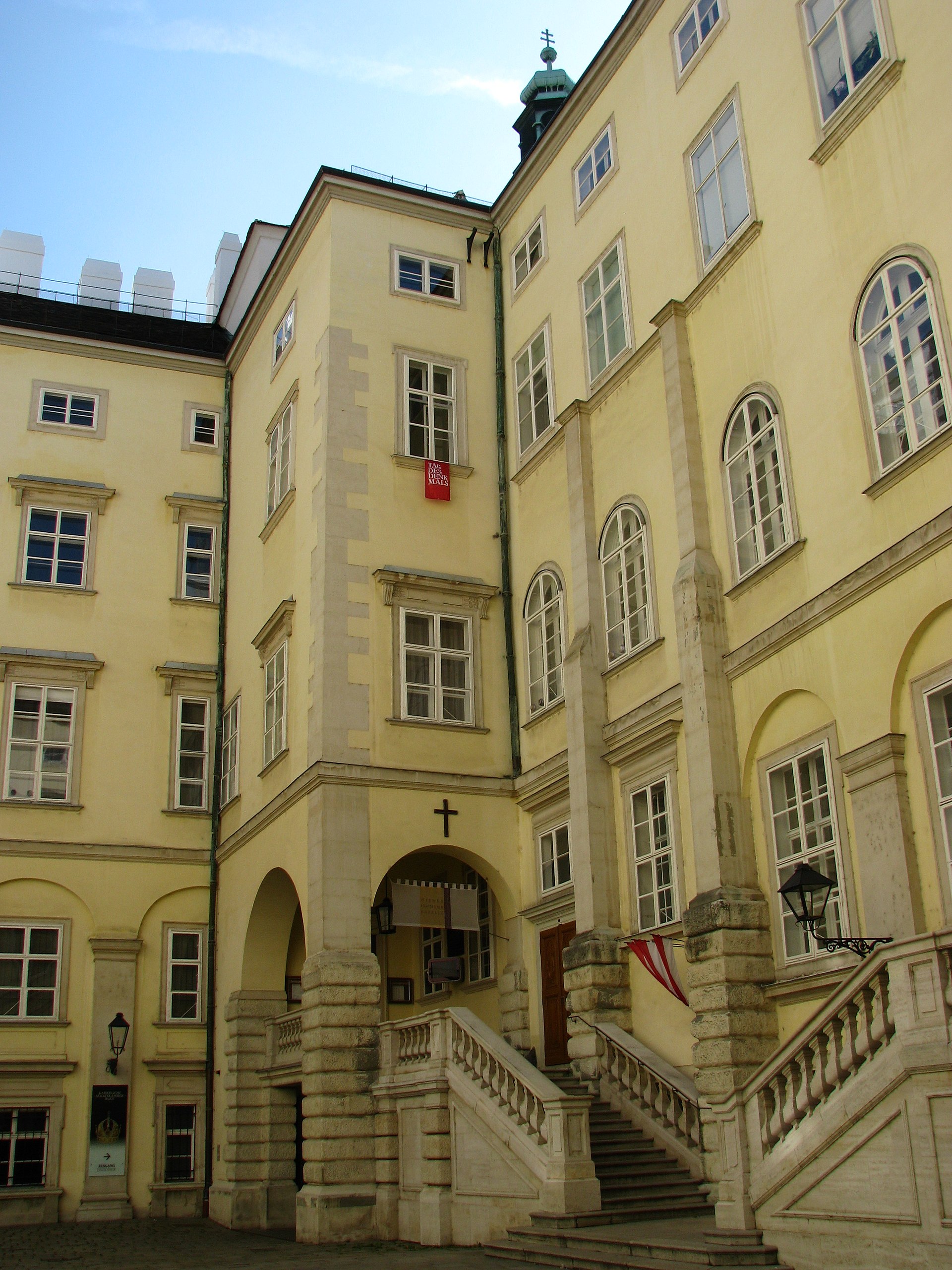
Hofburg Chapel & Vienna Boys' Choir
Hofburg, Schweizerhof, 1010 Vienna
Every Sunday at 9:15 AM, the Vienna Boys' Choir sings mass in a chapel that has hosted continuous musical performance since the 13th century.
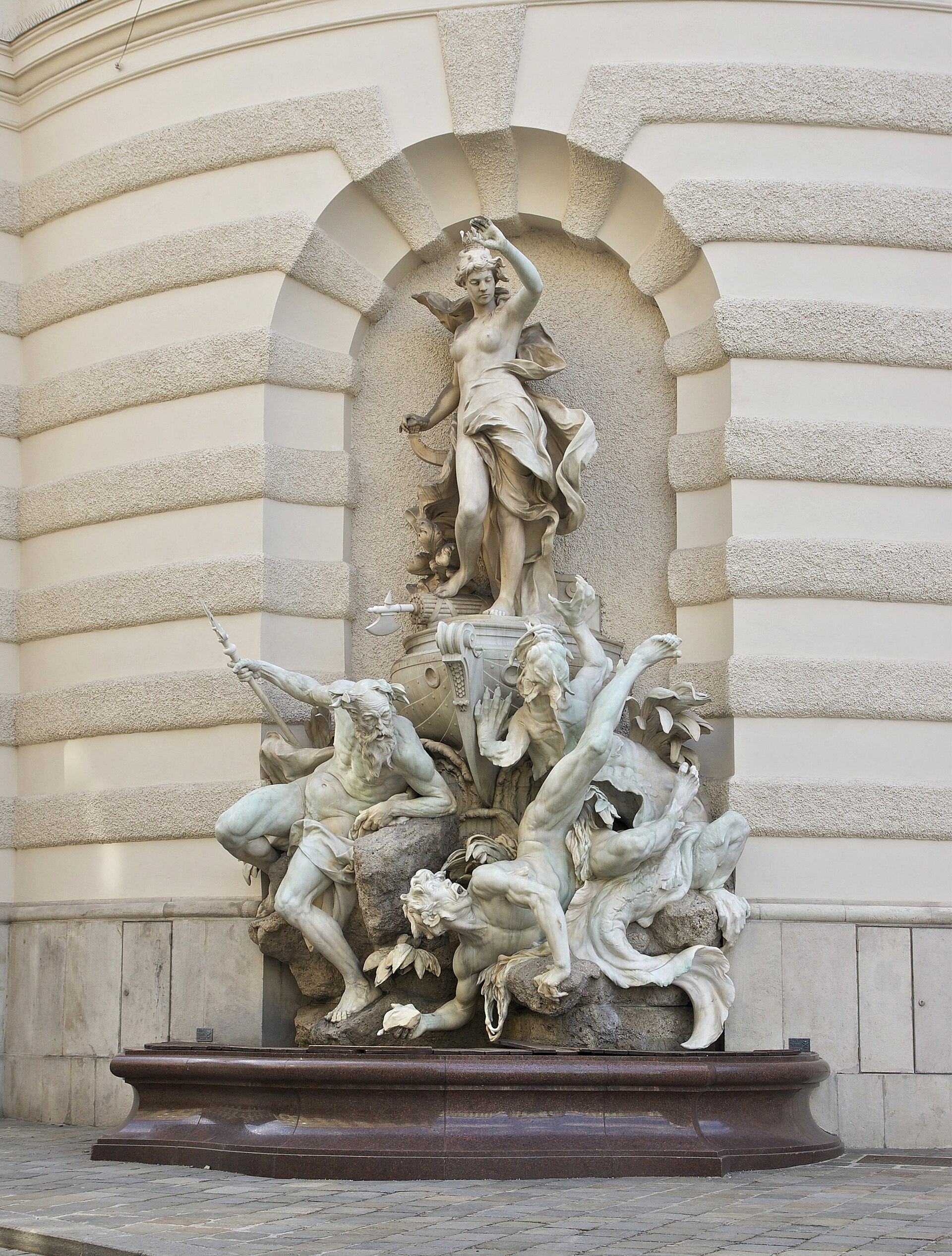
Hofburg Imperial Palace
Innere Stadt, Vienna, Austria
For over six centuries, this was the nerve centre of one of history's most powerful dynasties.
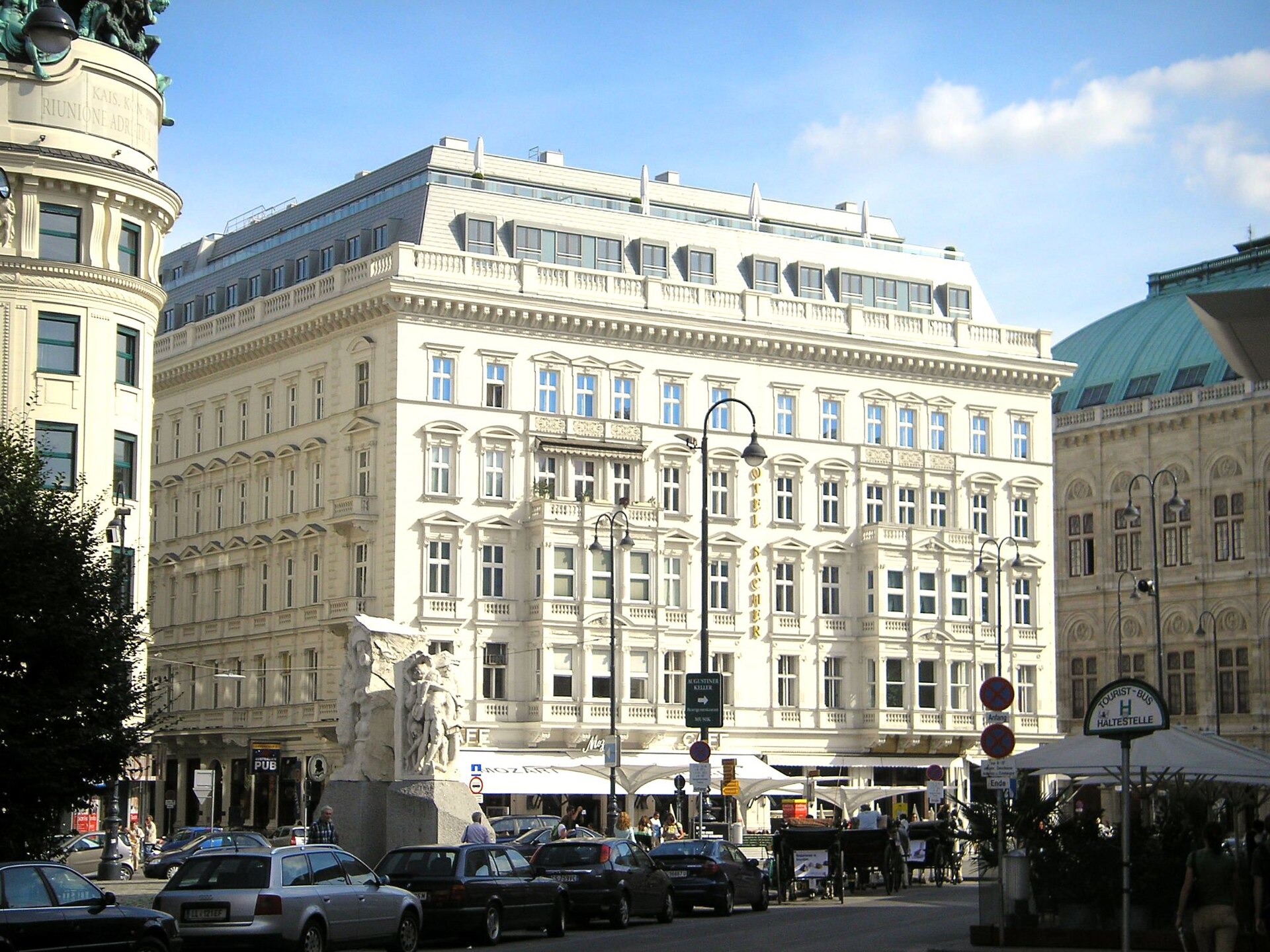
Hotel Sacher
4 Philharmonikerstraße, Innere Stadt, Vienna, 1010, Austria
In 1832, a sixteen-year-old apprentice chef named Franz Sacher was tasked with creating a dessert for Prince Metternich's dinner guests because the head chef was ill.
Kapuzinergruft (Imperial Crypt)
2 Tegetthoffstraße, Innere Stadt, Vienna, 1010, Austria
Beneath an unremarkable Capuchin church on the Neuer Markt lies the final resting place of 149 Habsburg rulers, their spouses, and family members — 400 years of European power entombed in elaborate metal coffins guarded by barefoot monks.
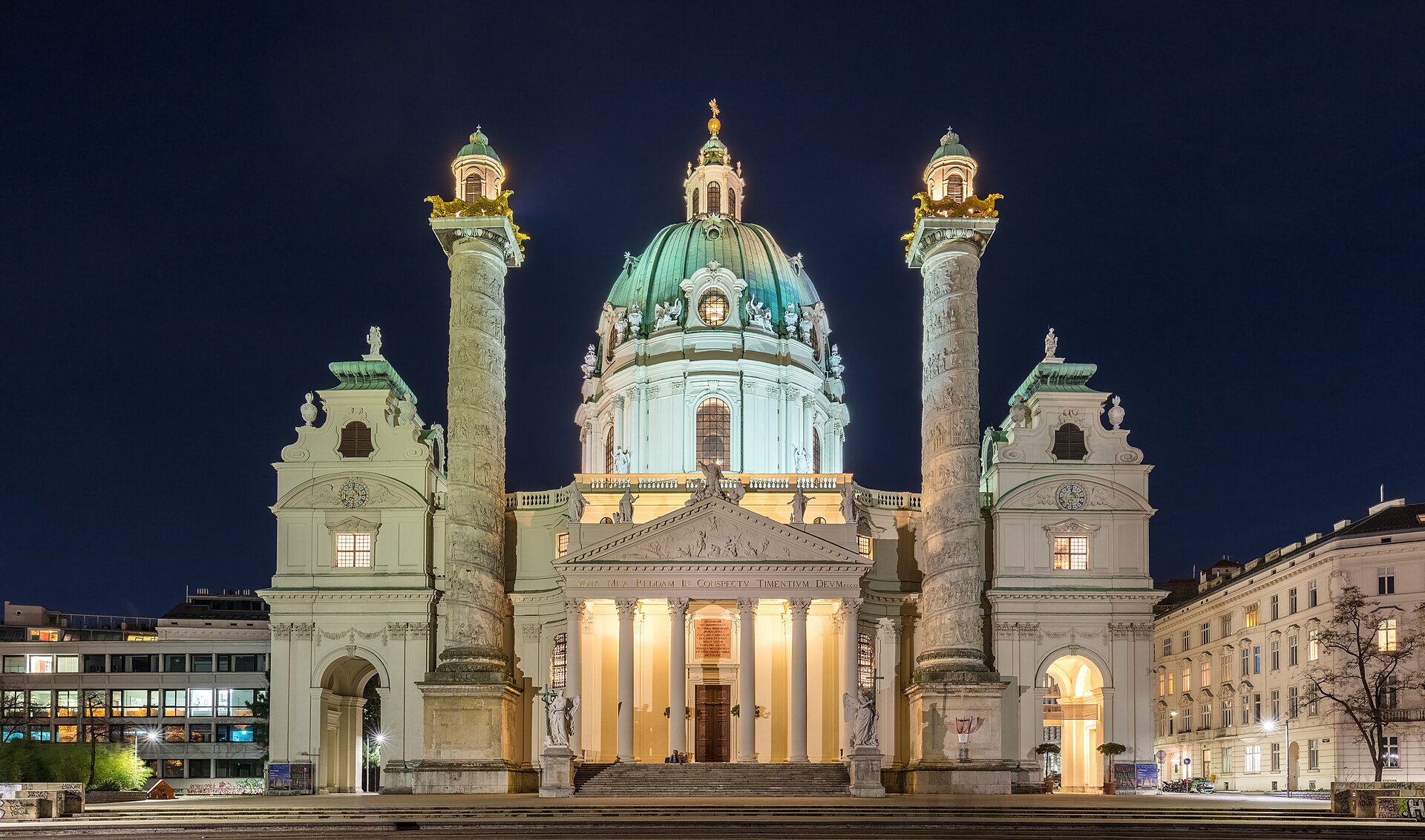
Karlskirche
1 Kreuzherrengasse, Wieden, Vienna, 1040, Austria
In 1713, with the last great plague epidemic barely over, Emperor Charles VI made a promise to his namesake saint: end the suffering, and I'll build you the most impressive church in Vienna.
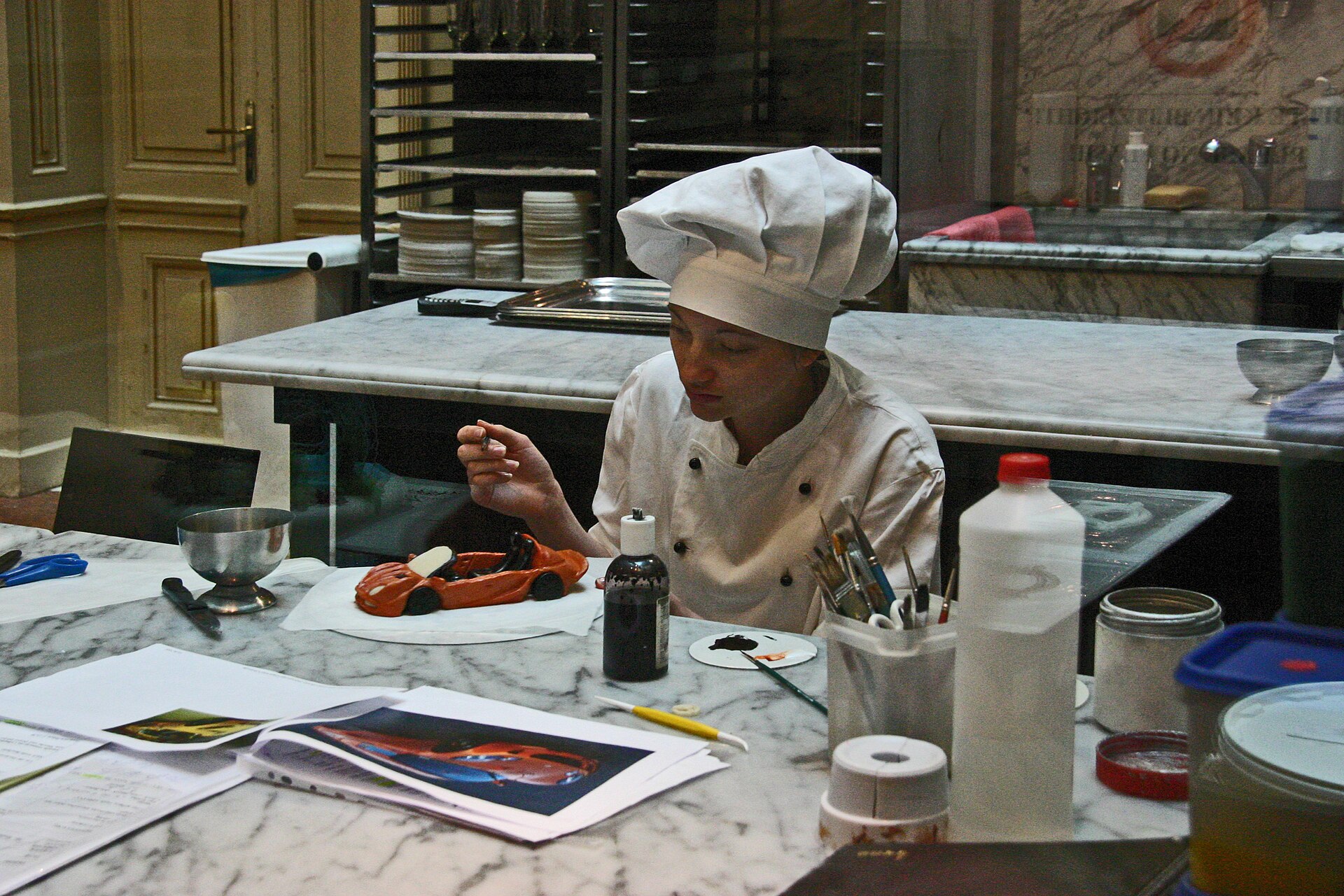
Kohlmarkt & Demel
14 Kohlmarkt, Innere Stadt, Vienna, 1010, Austria
Kohlmarkt has undergone the most dramatic social climbing of any street in Vienna.
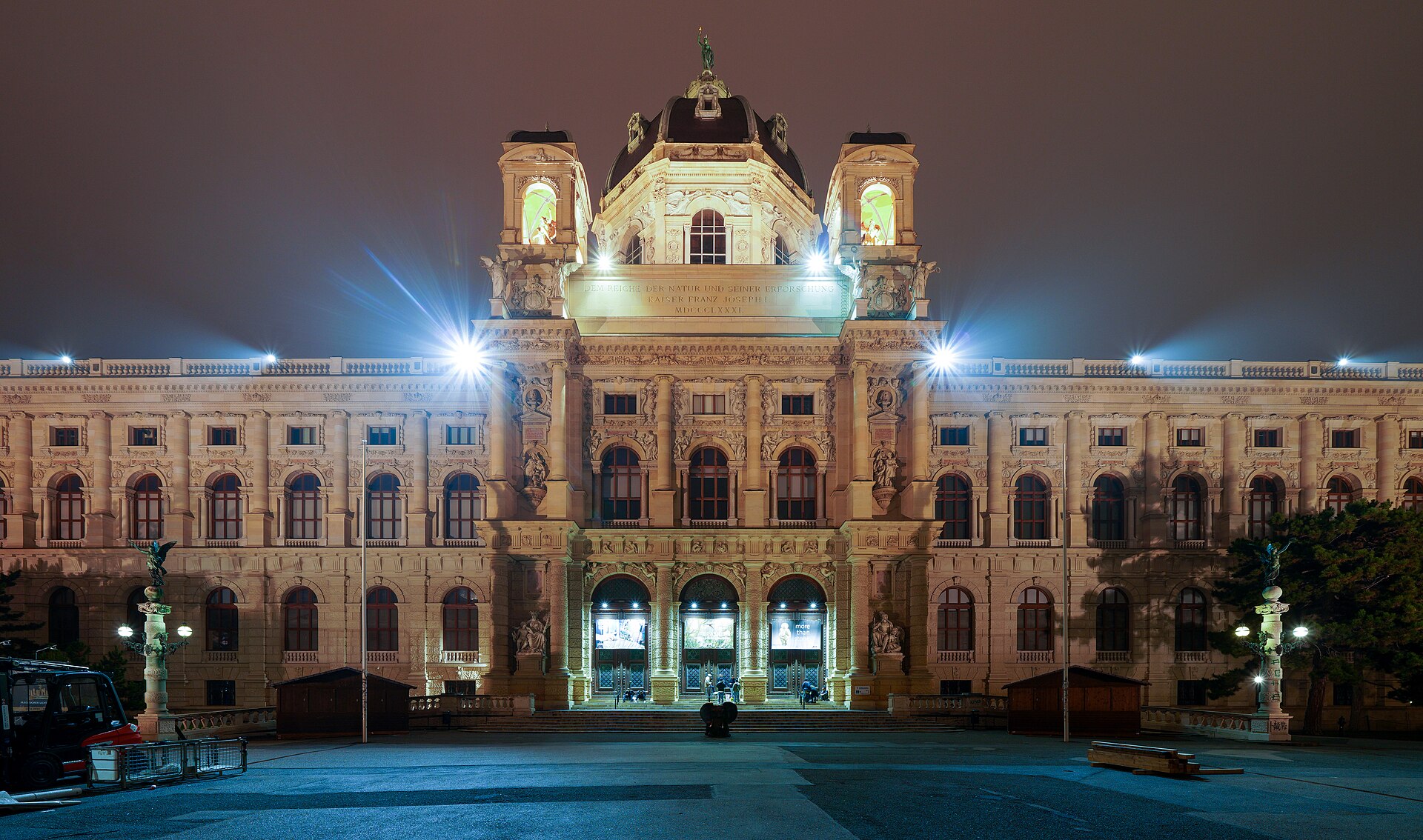
Kunsthistorisches Museum
Maria-Theresien-Platz, Innere Stadt, Vienna, 1010, Austria
The Habsburgs spent centuries hoarding art the way other families collect holiday photos, and in 1891 Emperor Franz Joseph finally gave their collection a proper home.
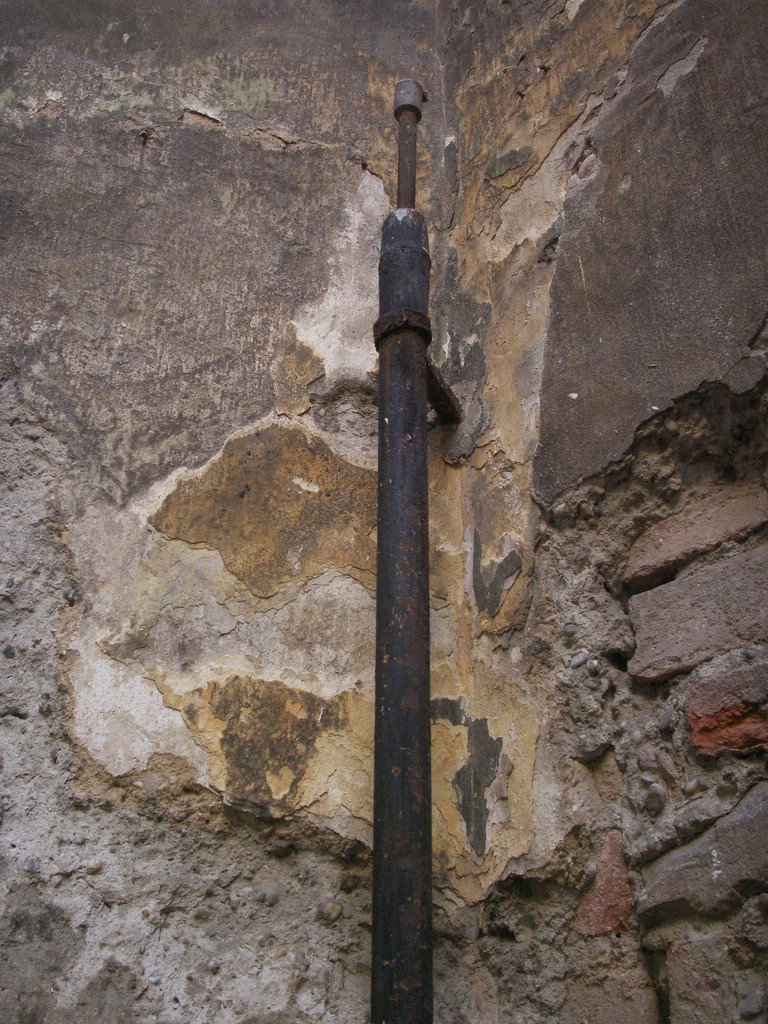
Narrenturm
2 Spitalgasse, Alsergrund, Vienna, 1090, Austria
Emperor Joseph II built Europe's first dedicated psychiatric institution in 1784, and it looked exactly like what you'd expect from a man who believed mental illness could be cured with architecture: a perfectly circular five-storey tower with cells arranged around a central courtyard, designed so patients could exercise in a controlled circle and never find a corner to hide in.
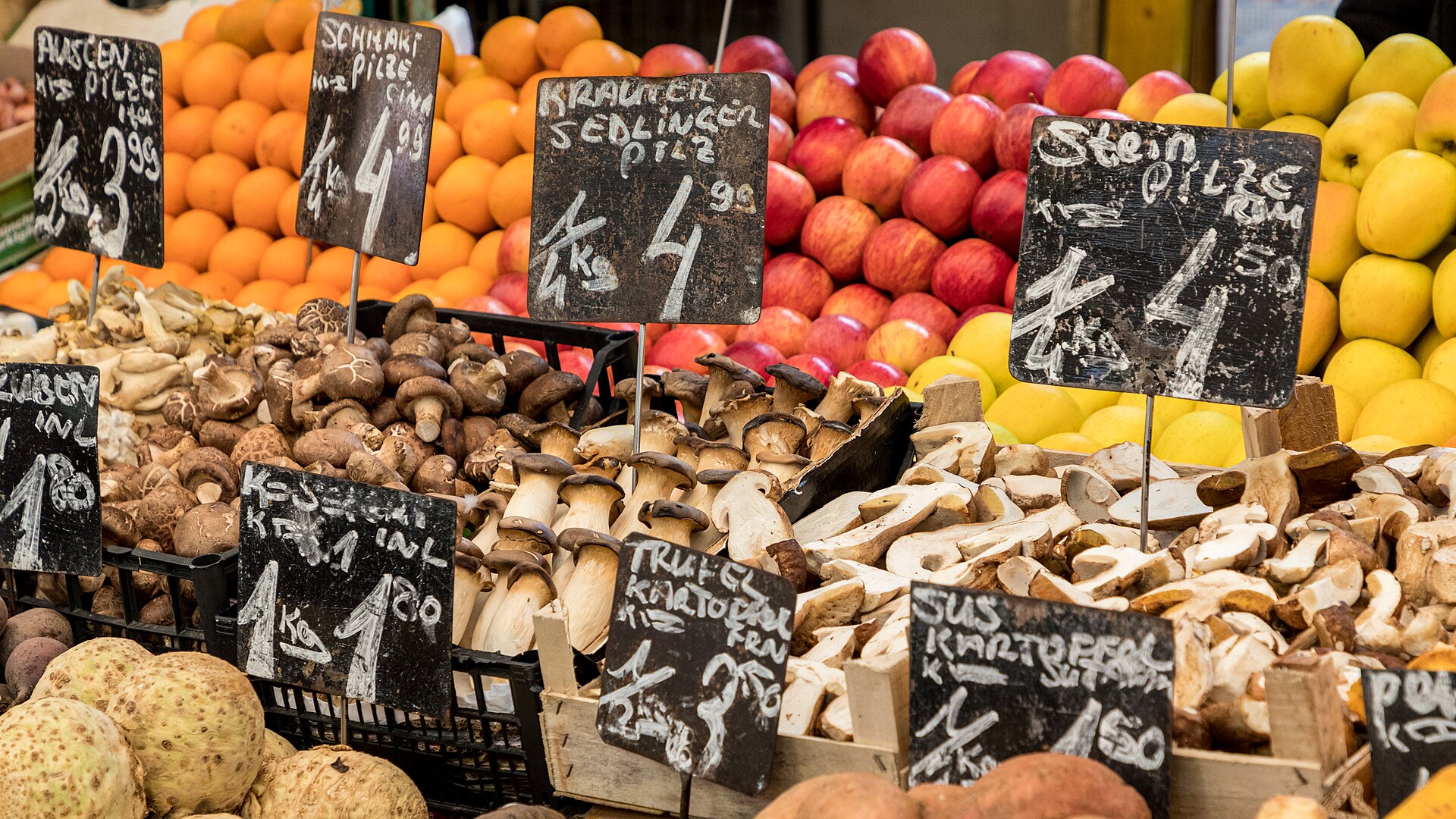
Naschmarkt
Mariahilf, Vienna, Austria
Vienna's oldest market has been feeding the city since the 16th century, and it's spent most of that time arguing about its own name.
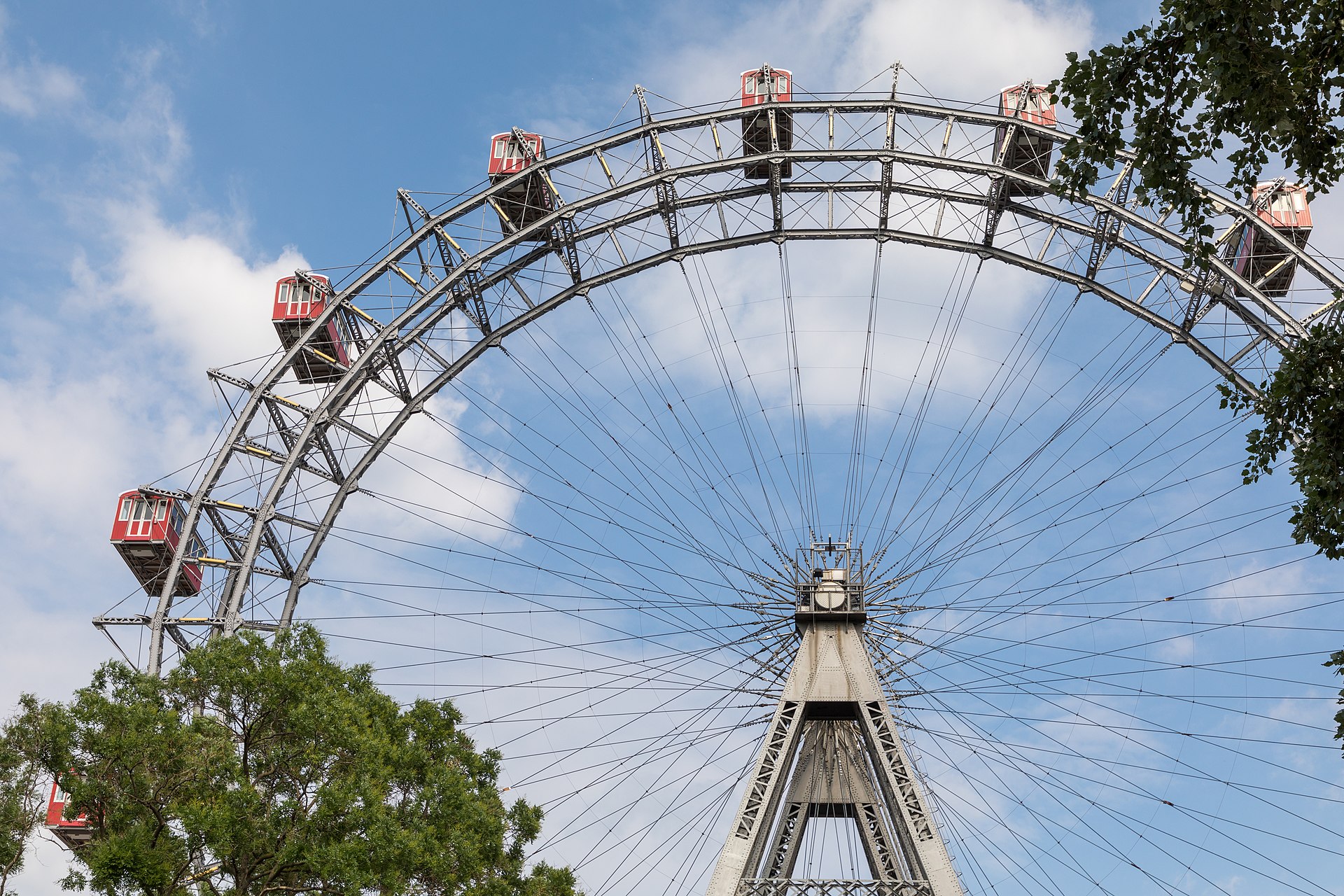
Prater & Riesenrad
1 Riesenradplatz, Leopoldstadt, Vienna, 1020, Austria
The Giant Ferris Wheel was built in 1897 to celebrate fifty years of Emperor Franz Joseph's reign, and it's been spinning through history ever since.
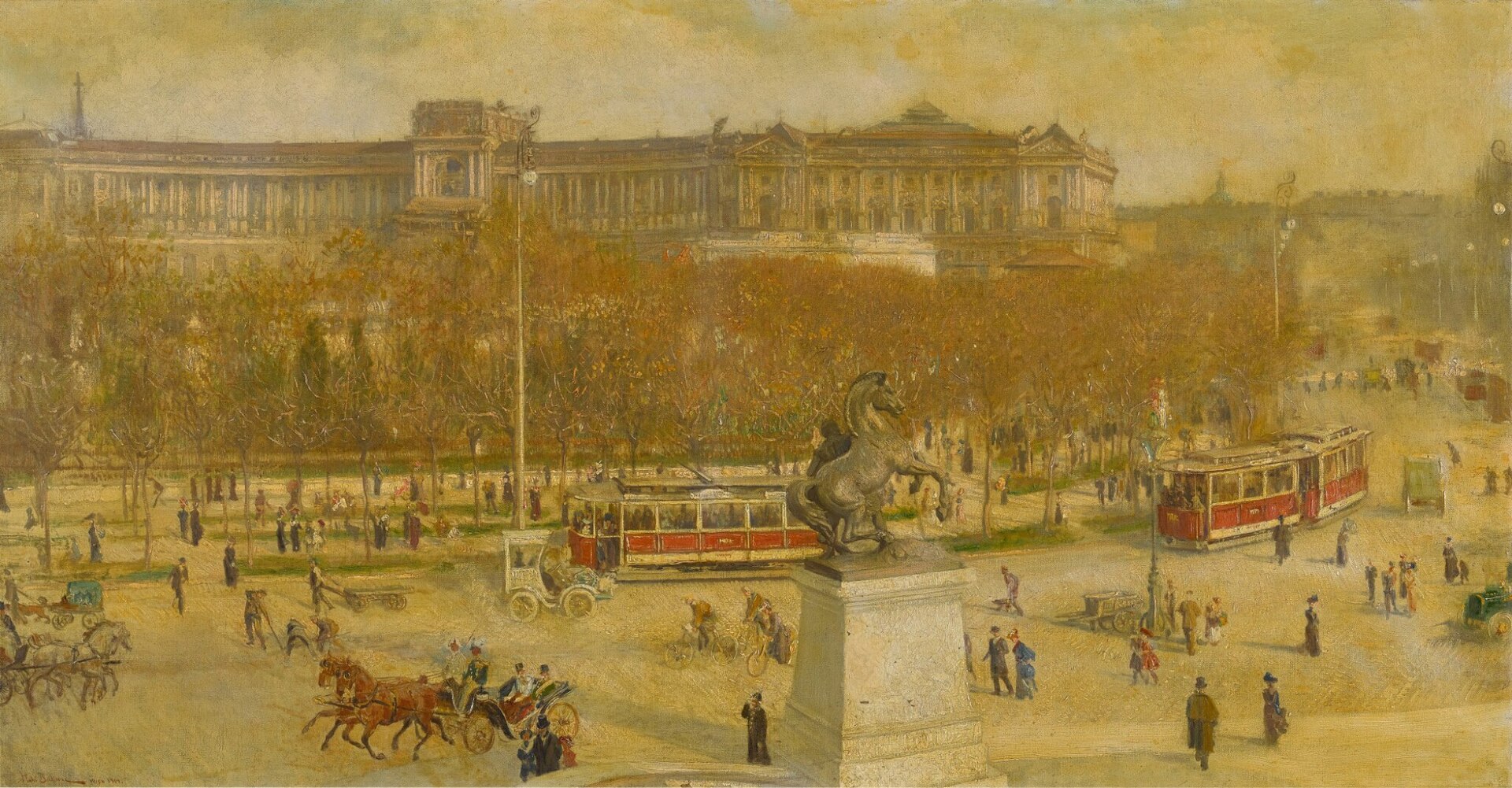
Ringstrasse
1010 Riedstraße, Penzing, Vienna, 1140, Austria
In 1857, Emperor Franz Joseph ordered the demolition of Vienna's medieval city walls and the construction of a grand boulevard in their place.
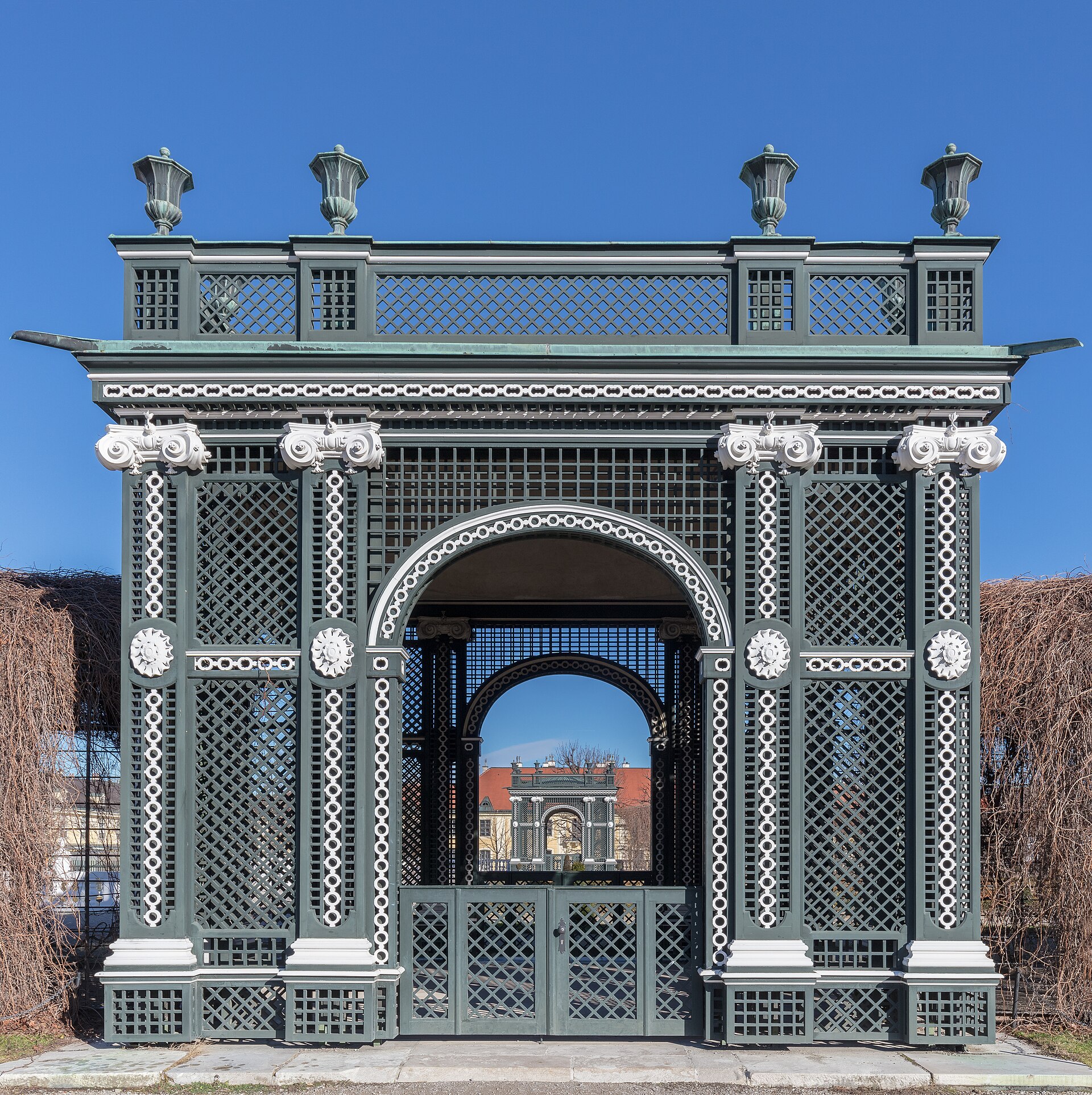
Schönbrunn Palace
Schönbrunner Schloßstraße 47, 1130 Vienna
Maria Theresa received this palace as a wedding gift in 1740 and immediately set about turning it into the most extravagant summer house in Europe.
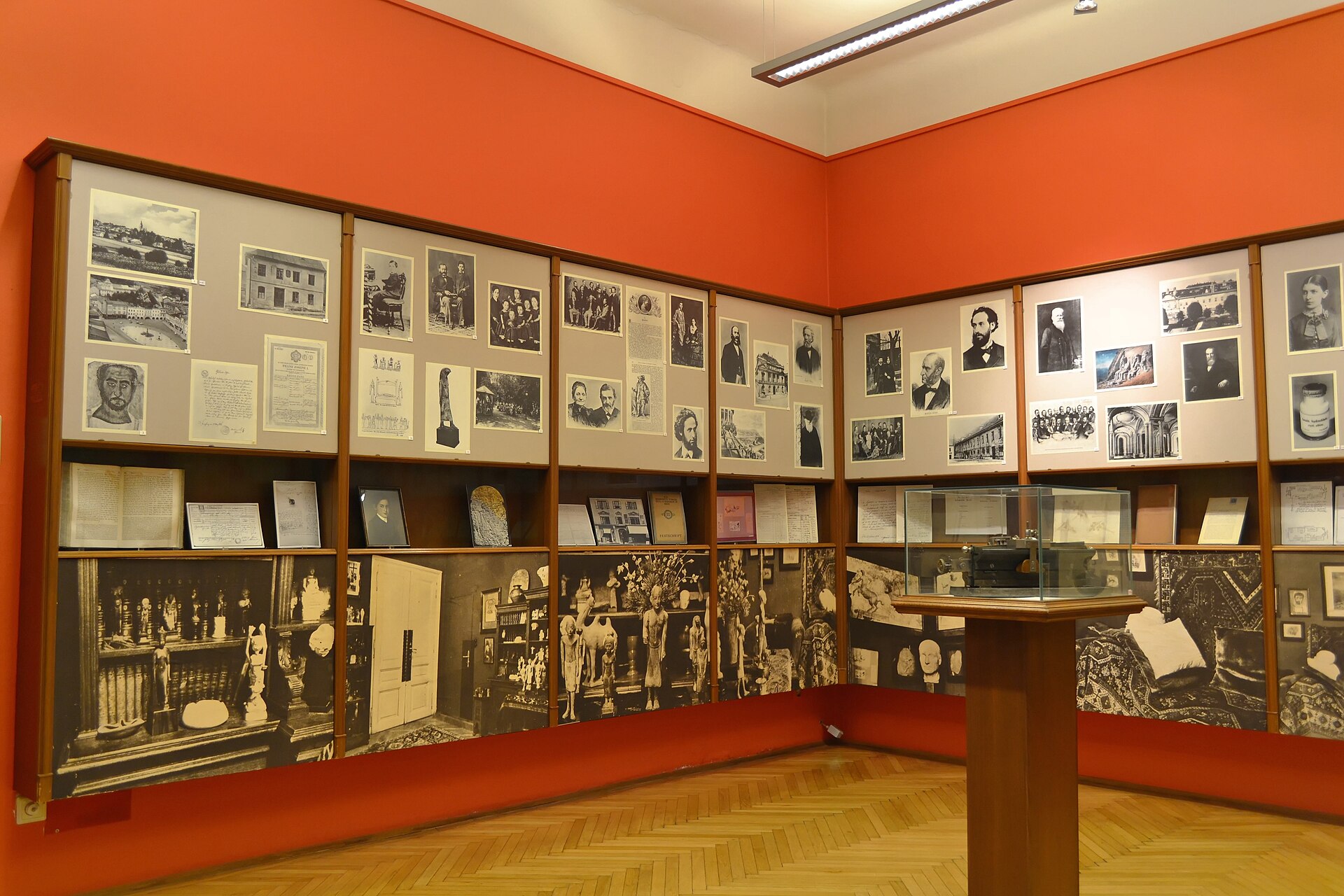
Sigmund Freud Museum
Berggasse 19, 1090 Vienna
Sigmund Freud lived and worked at Berggasse 19 for forty-seven years — from 1891 until 1938, when the Nazis forced him to flee to London.
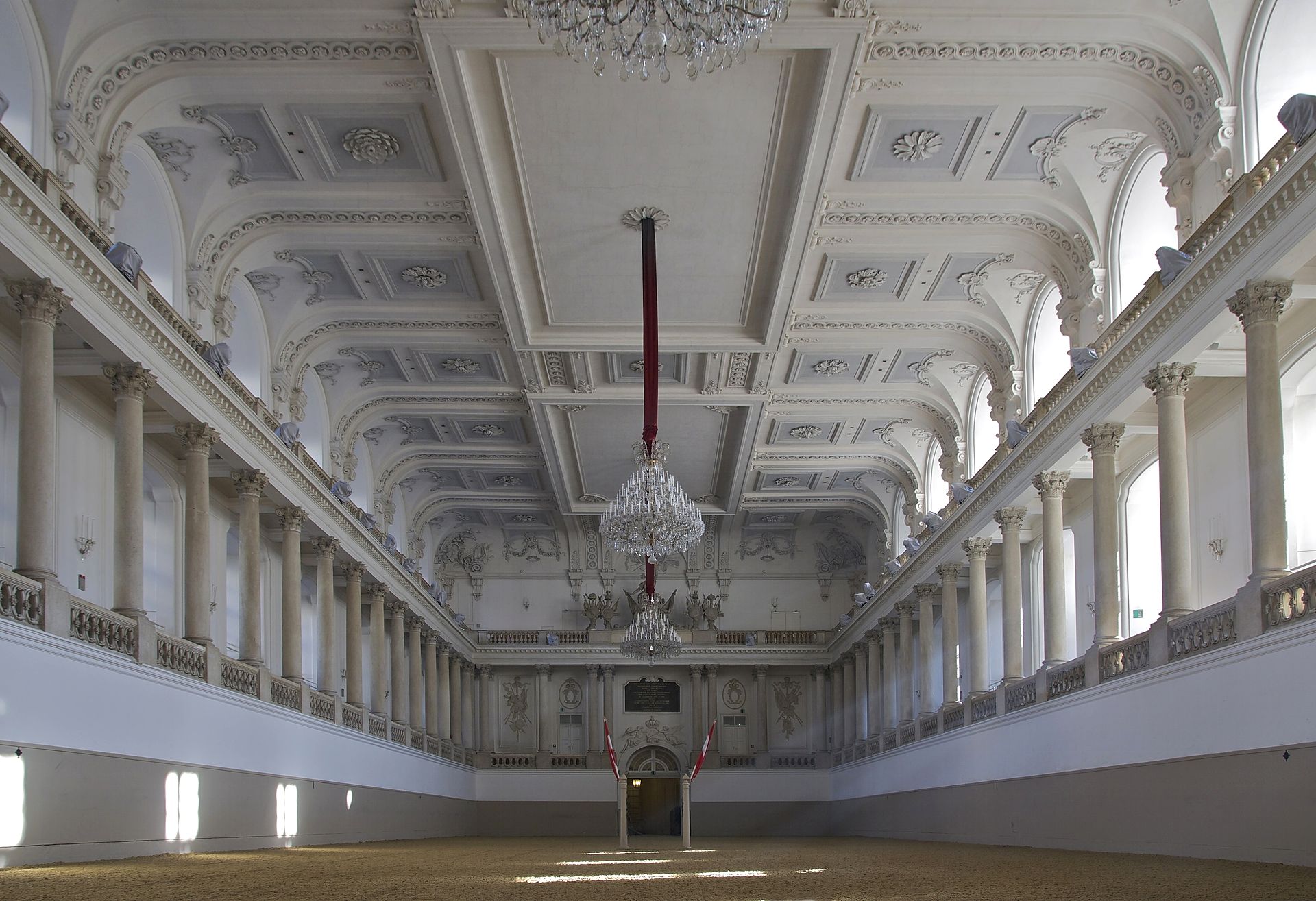
Spanish Riding School
Michaelerplatz 1, 1010 Vienna
The Spanish Riding School exists because a 16th-century Habsburg grew up in Spain and missed his horses.
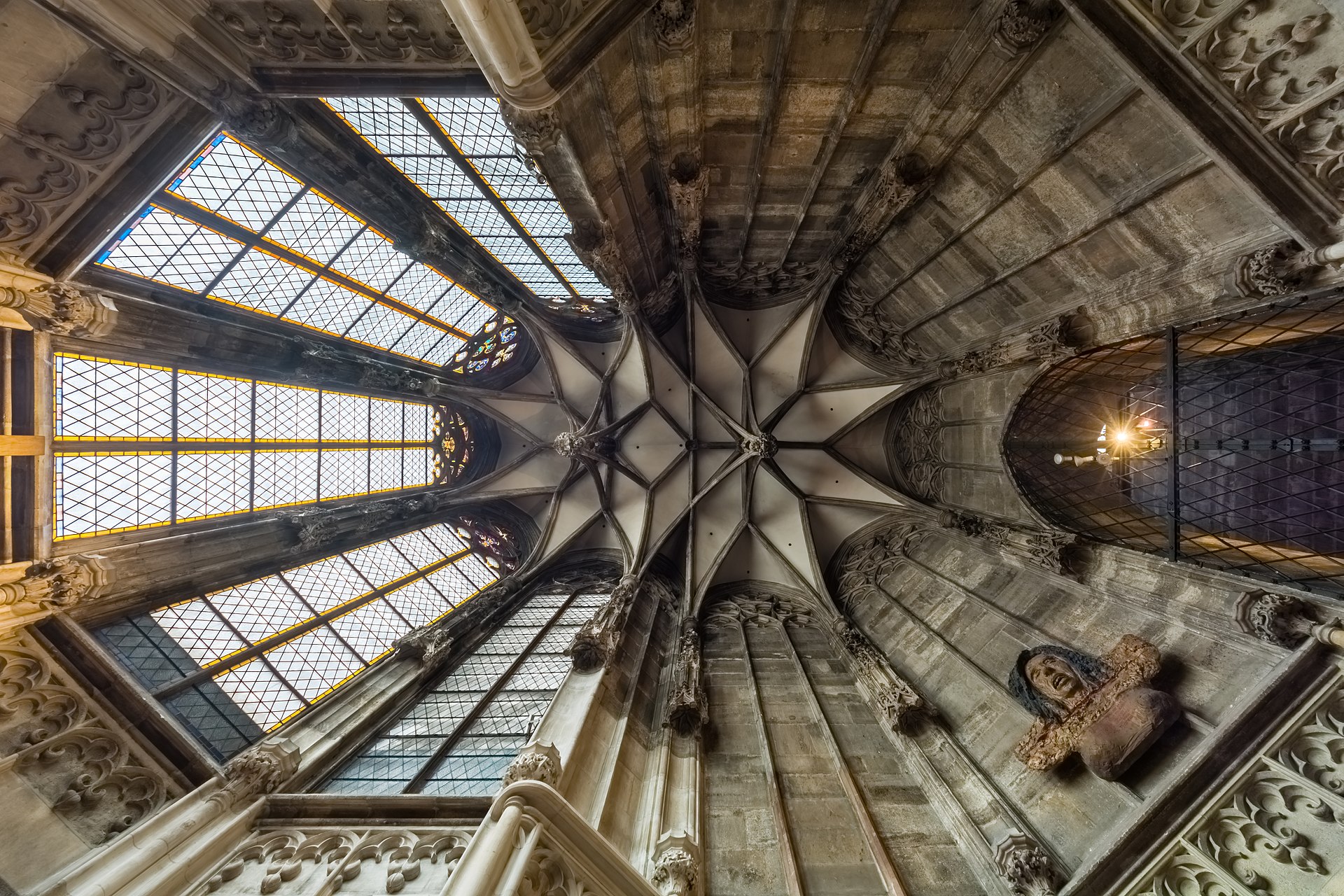
St. Stephen's Cathedral
Stephansplatz 3, 1010 Vienna
The south tower of Stephansdom took sixty-five years to build, and when it was finished in 1433, it was the tallest structure in Christendom.
Third Man Sewers
Girardipark (near Karlsplatz), 1040 Vienna
In 1949, Orson Welles ran through these sewers as the black marketeer Harry Lime, and a network of cholera-era drainage tunnels became one of the most famous film locations in cinema history.
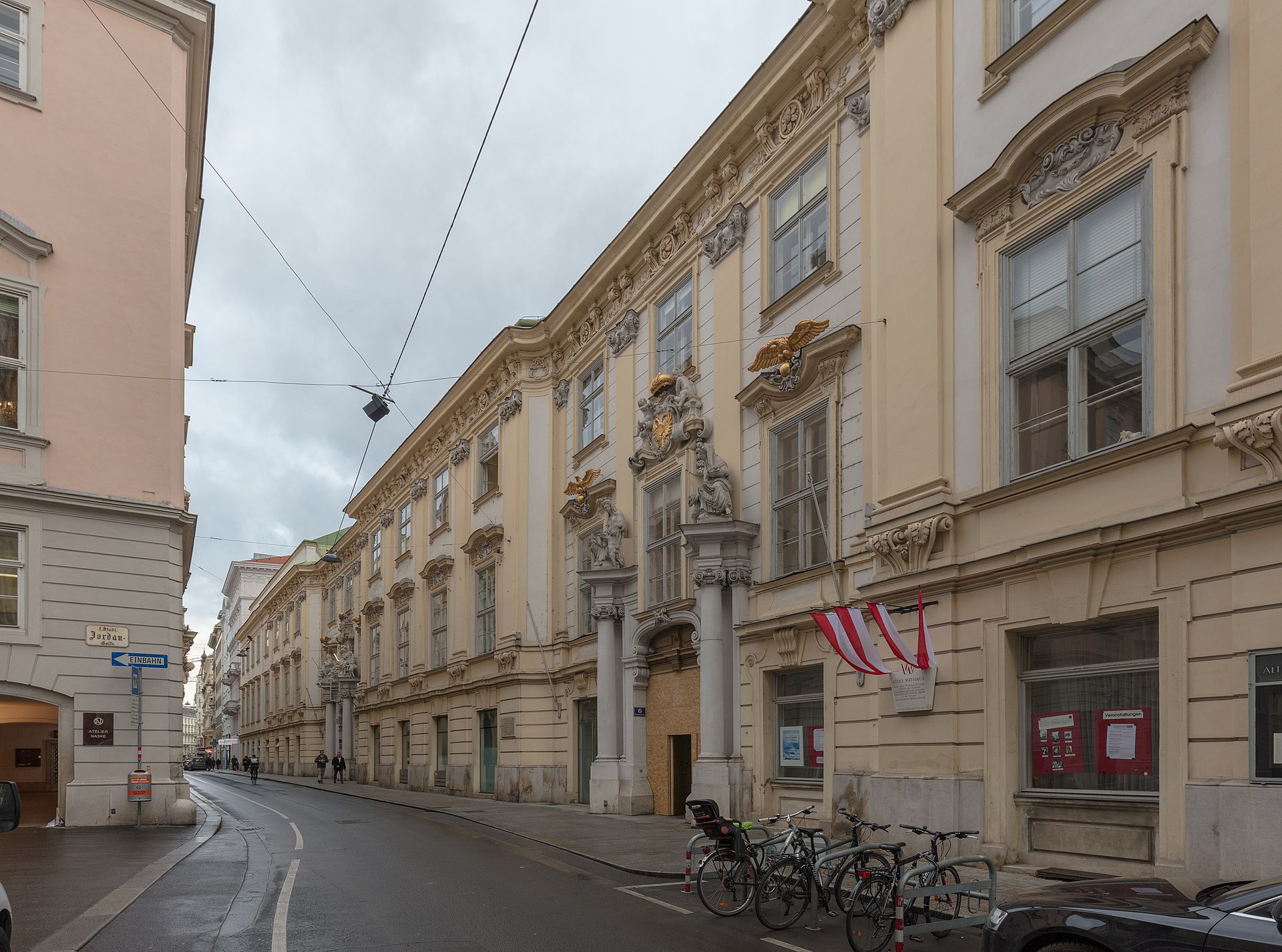
Vienna Rathaus
Friedrich-Schmidt-Platz 1, 1010 Vienna
Friedrich von Schmidt designed Vienna's City Hall in the neo-Gothic style because he wanted to invoke the great medieval town halls of Flanders and Belgium — the places where European civic democracy first flourished, independent of kings and emperors.
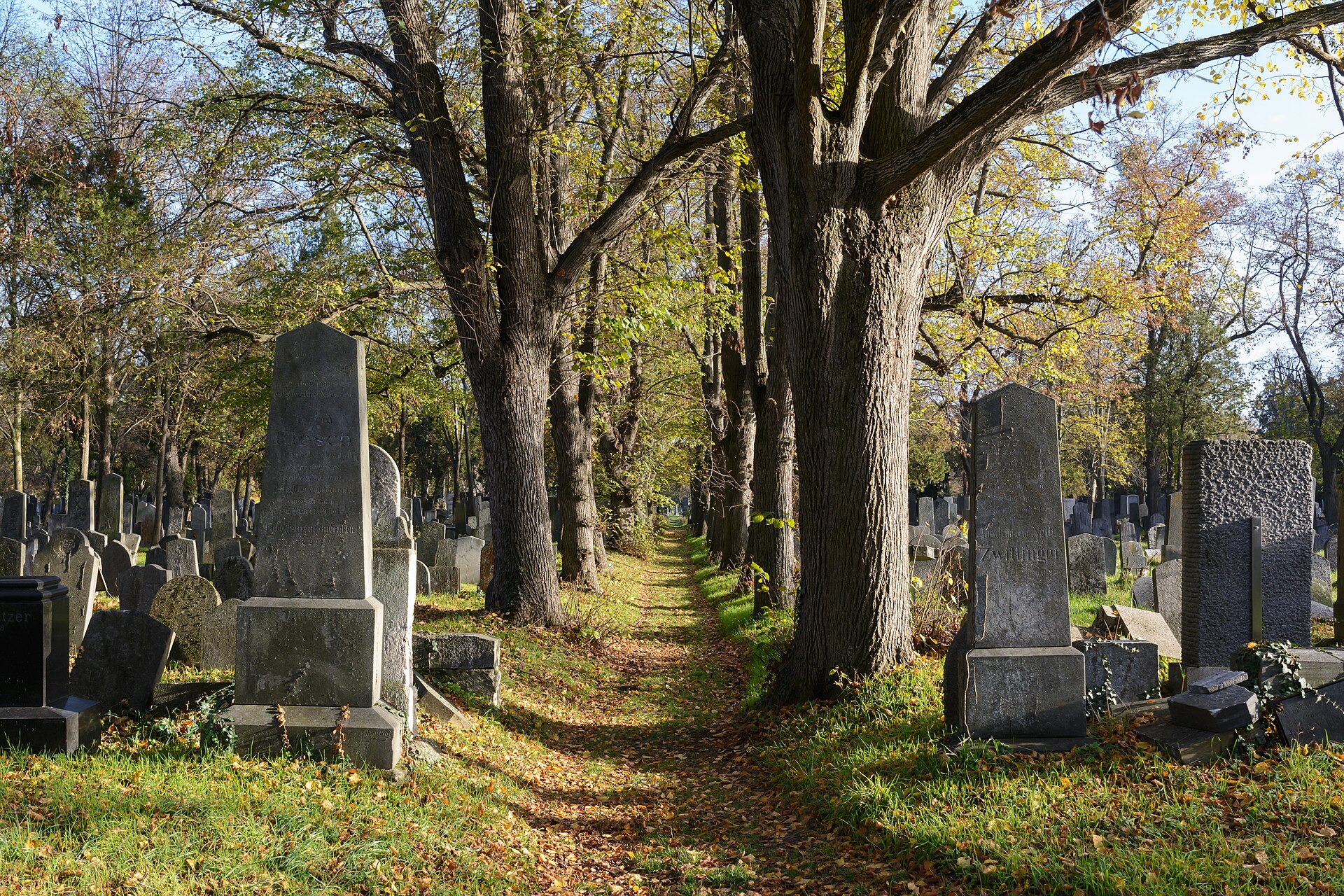
Zentralfriedhof
Simmeringer Hauptstraße 234, 1110 Vienna
Vienna's Central Cemetery is the second-largest cemetery in Europe by area and holds roughly three million burials across 2.
Explore history in Vienna
GPS-guided narration at every landmark. Tap a spot on the map, hear the story. Every fact verified.