8 Local Spots in Havana Tourists Don't Know About
8 landmarks with verified facts and stories
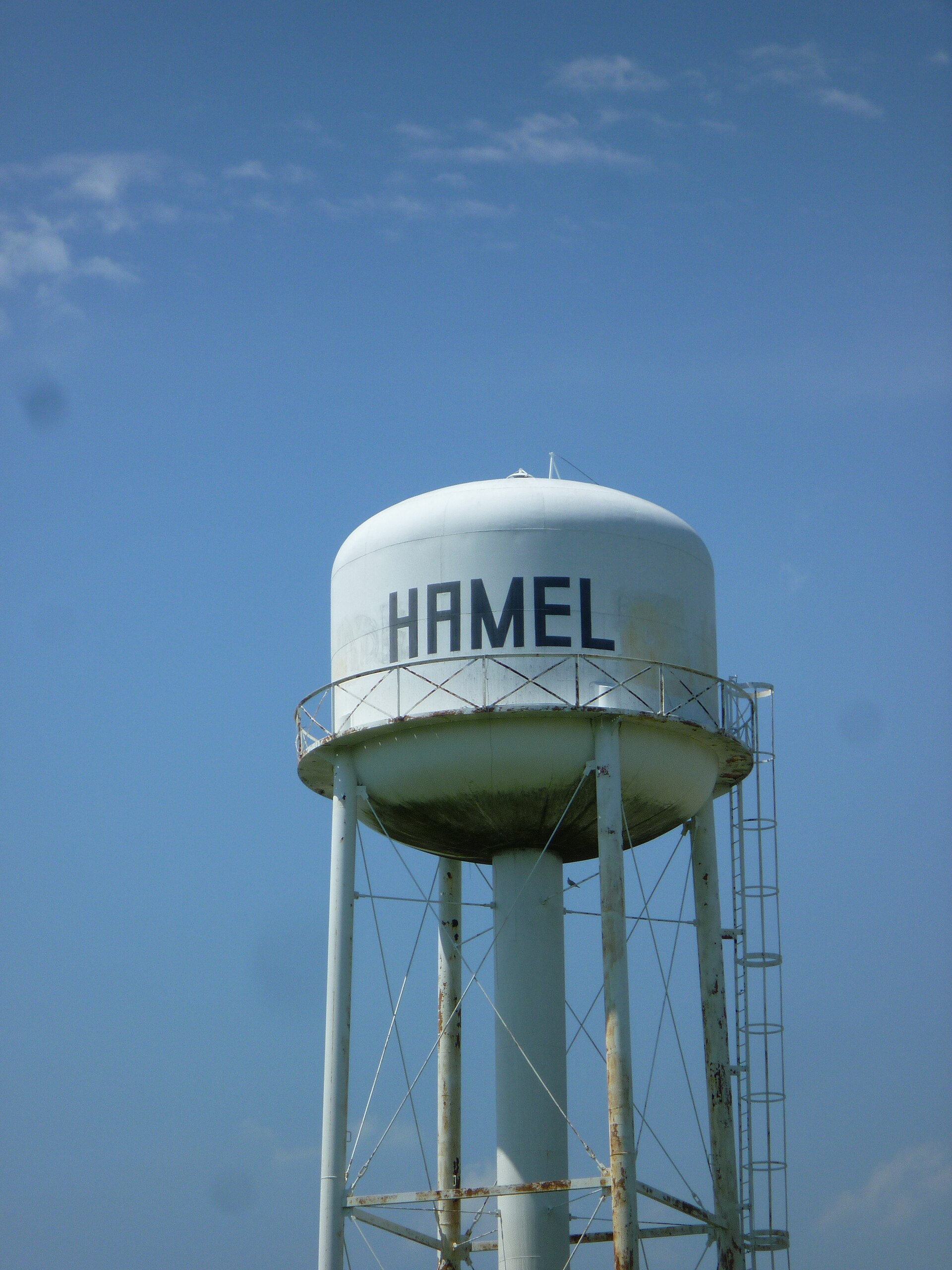
Callejón de Hamel
Callejón de Hamel, Centro Habana, Havana, Cuba
Callejón de Hamel is a two-block alley in Centro Habana covered with murals, sculptures, and found-object assemblages created since 1990 by the Afro-Cuban artist Salvador González Escalona as a public monument to Afro-Cuban religion and culture.
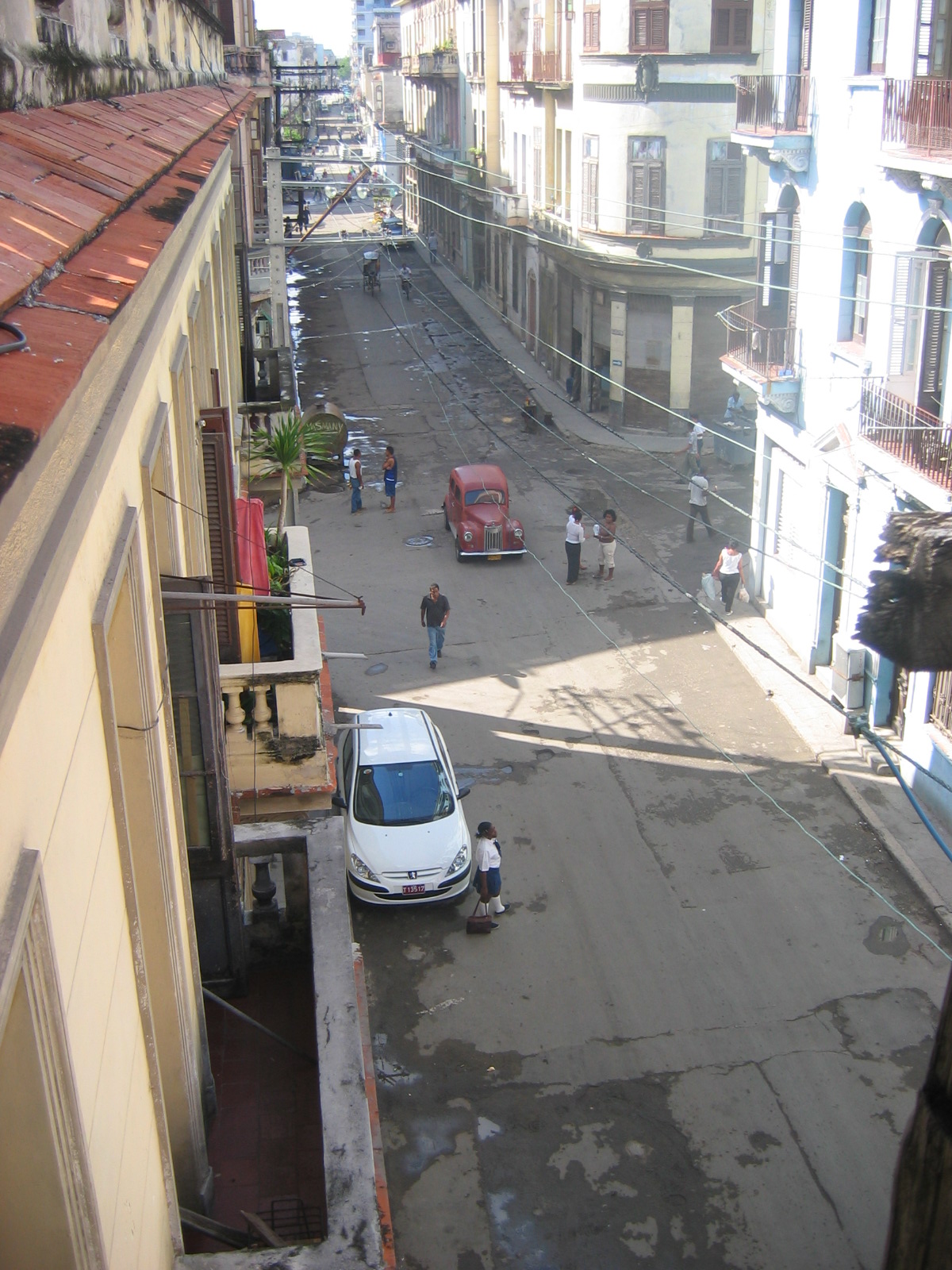
Centro Habana
Centro Habana, Havana, Cuba
Centro Habana is Havana's most densely populated and least restored district — a grid of narrow streets between Old Havana and Vedado where the crumbling colonial and Art Deco buildings house the city's working-class population in conditions that range from precarious to beautiful.
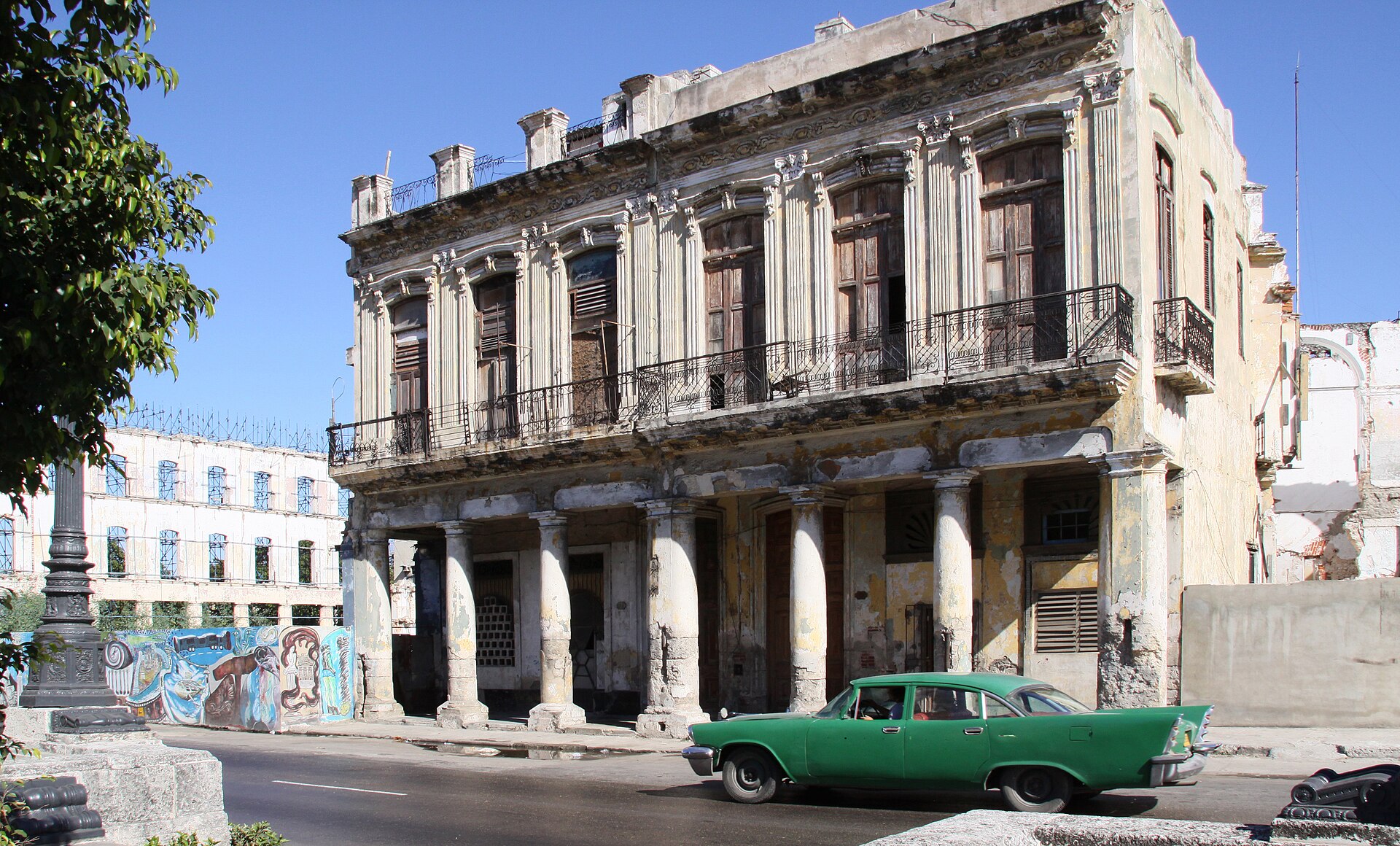
Classic American Cars
Havana, Cuba
The 1950s American cars that fill Havana's streets are the city's most recognisable visual feature — approximately 60,000 pre-1960 American automobiles (Chevrolets, Fords, Buicks, Cadillacs, Pontiacs) still in daily use, maintained with improvised parts, Russian diesel engines, and the mechanical ingenuity that six decades of embargo have required.
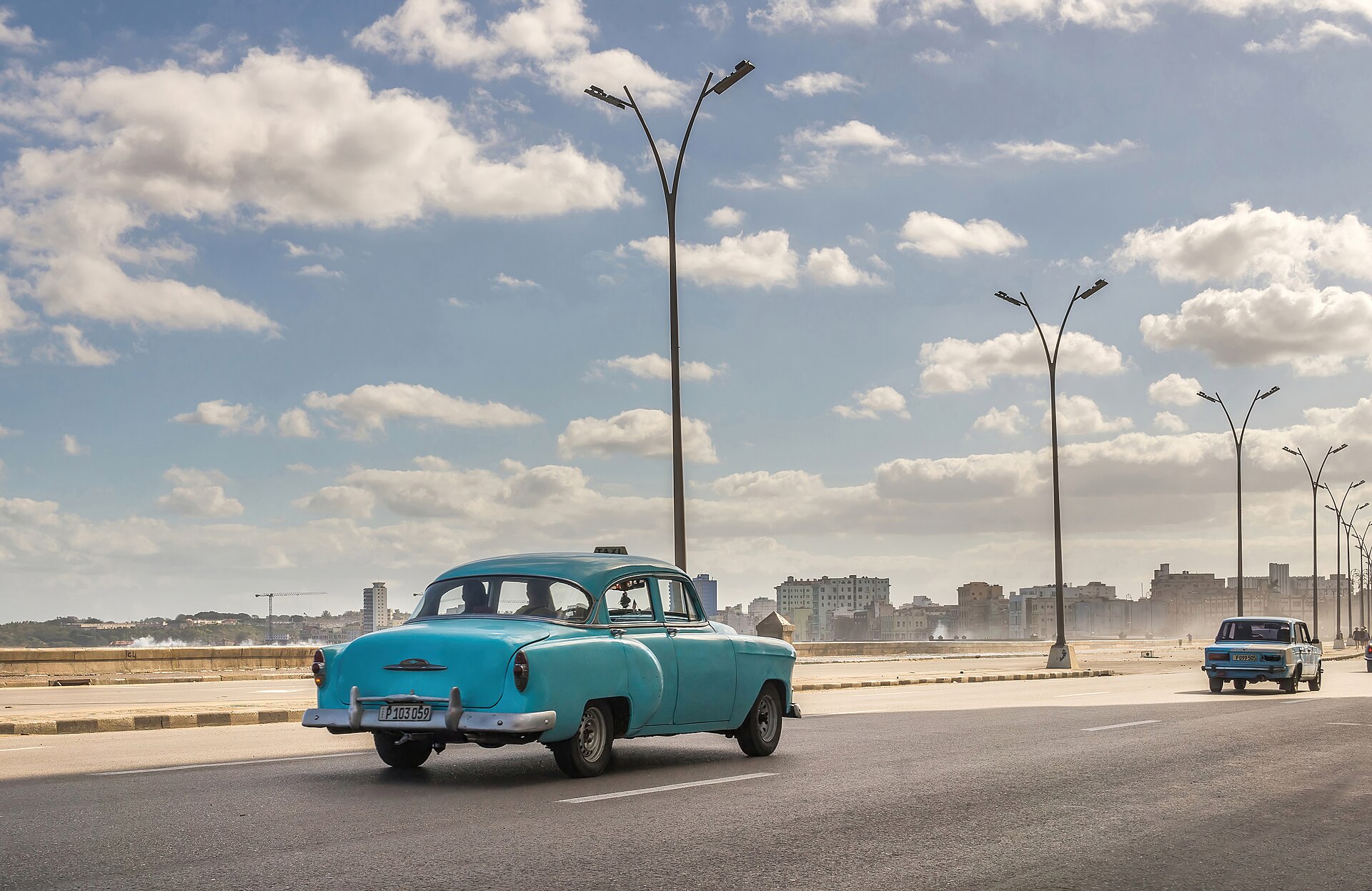
El Malecón
Malecón, La Habana Vieja, Havana, Cuba
The Malecón is Havana's 8-kilometre seawall promenade — a broad, curving boulevard along the city's north coast that serves as Havana's living room, dating spot, fishing pier, exercise track, and the place where the entire social life of the city plays out against a backdrop of crashing waves and the crumbling facades of Art Deco and neoclassical apartment buildings.
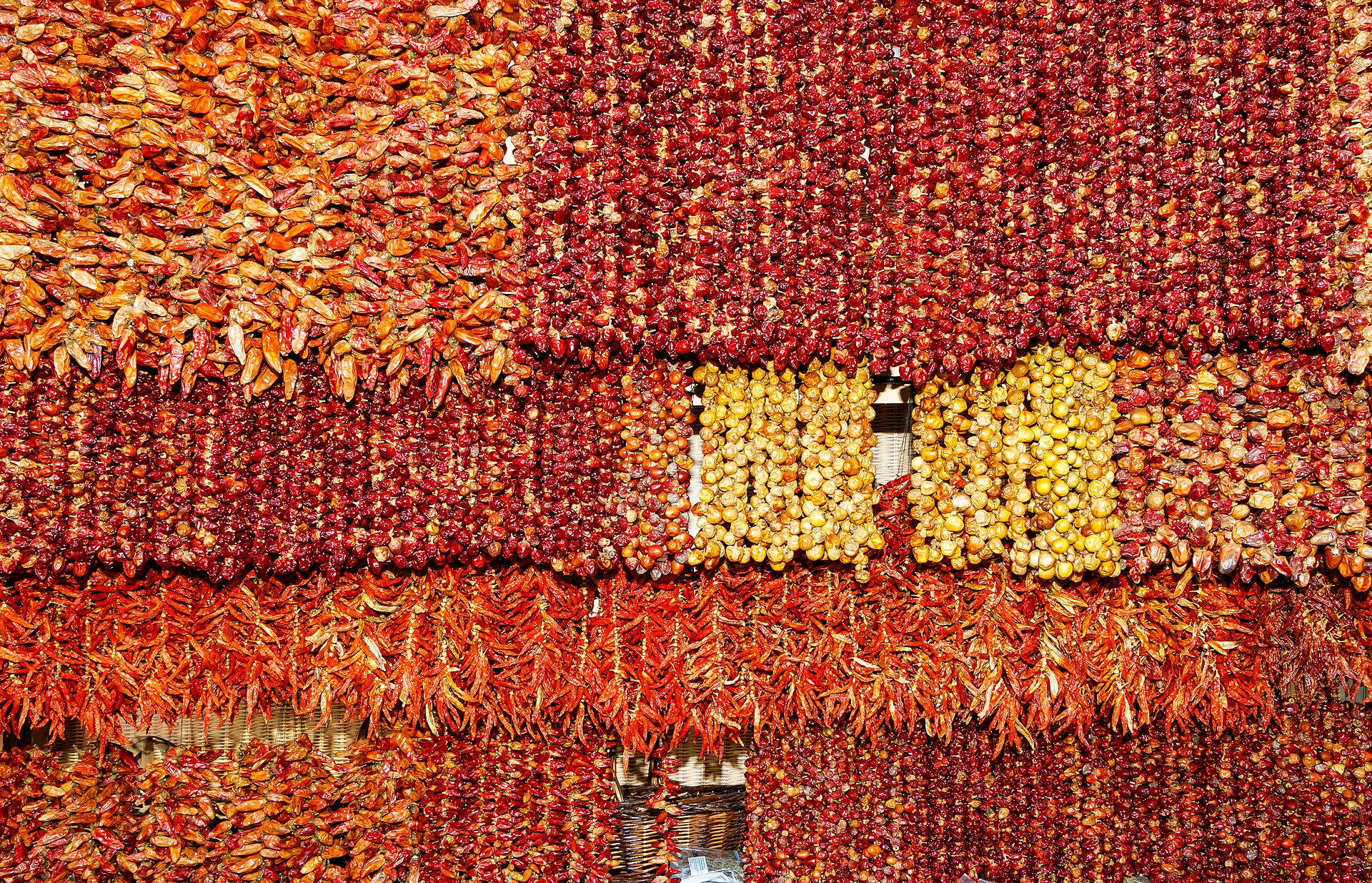
Mercado de San José
Avenida del Puerto & Cuba, Habana Vieja
The Mercado Artesanal de San José is Havana's biggest craft and souvenir market — housed in a restored 19th-century warehouse on the harbour front near the cruise port, with over 200 stalls selling everything from Che Guevara T-shirts and domino sets to quality wood carvings, paintings, handmade jewellery, and leather goods.
Parque Central
Parque Central, La Habana
Parque Central is the civic heart of Havana — the tree-shaded square that separates Old Havana from Centro Habana and that has been the city's most important public space since it was laid out in 1877.
Paseo del Prado
Paseo del Prado, Centro Habana, Havana, Cuba
Paseo del Prado is Havana's grand 19th-century promenade — a tree-lined boulevard running from Parque Central to the Malecón that was laid out in 1772 as the first paseo outside the old city walls and remodelled in 1927-28 by the French landscape architect Jean-Claude Nicolas Forestier (who also designed Paris's Champ de Mars in its modern form).
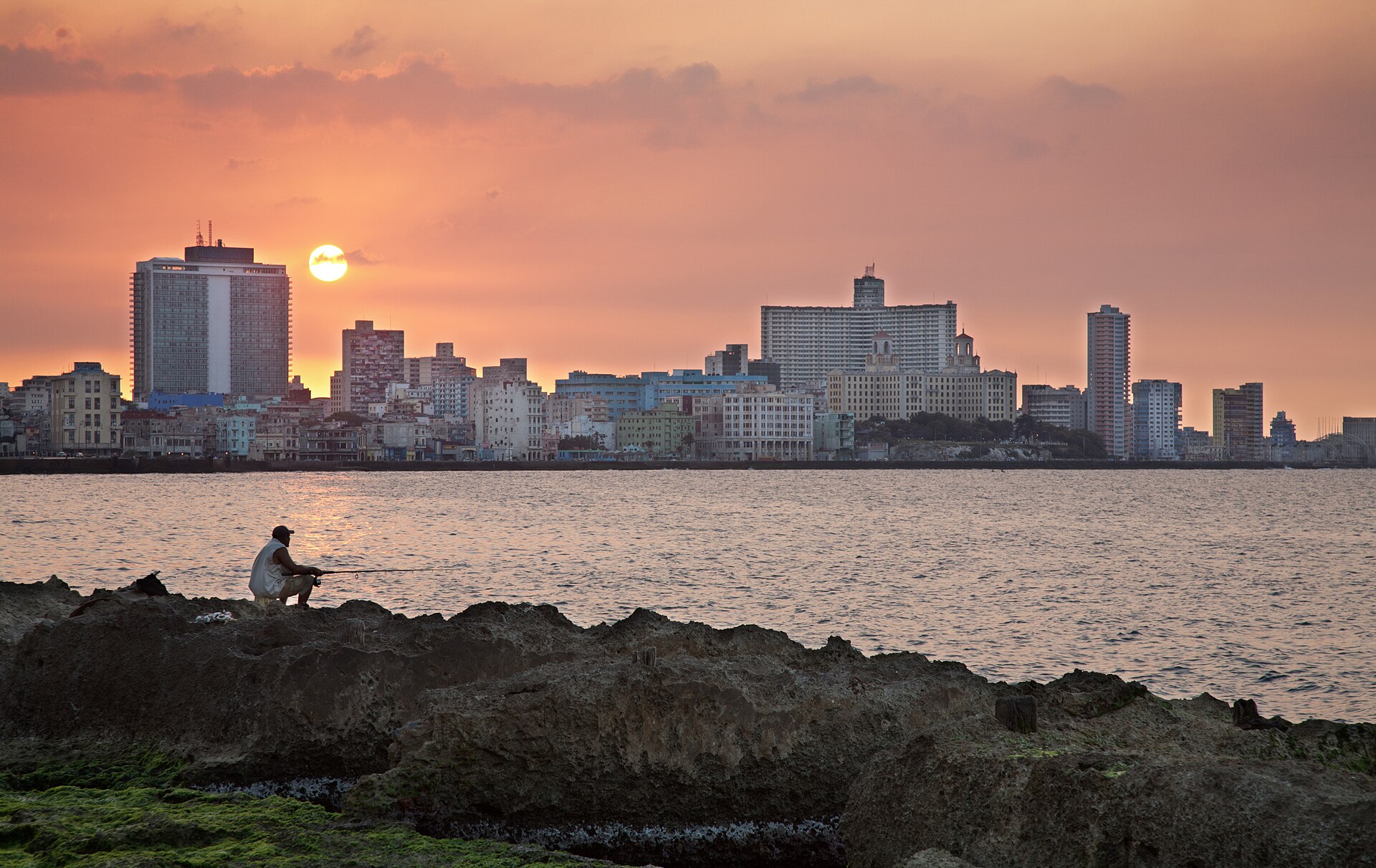
Vedado & Hotel Nacional
Acceso a Hotel Morón, Morón, Cuba
Vedado is Havana's grandest residential neighbourhood — a grid of tree-lined streets and mansions built in the early 20th century when Cuba's sugar wealth created a class of millionaires who built their houses in the fashionable Art Deco, Streamline Moderne, and modernist styles that were sweeping through the Americas.
Explore local life in Havana
GPS-guided narration at every landmark. Tap a spot on the map, hear the story. Every fact verified.