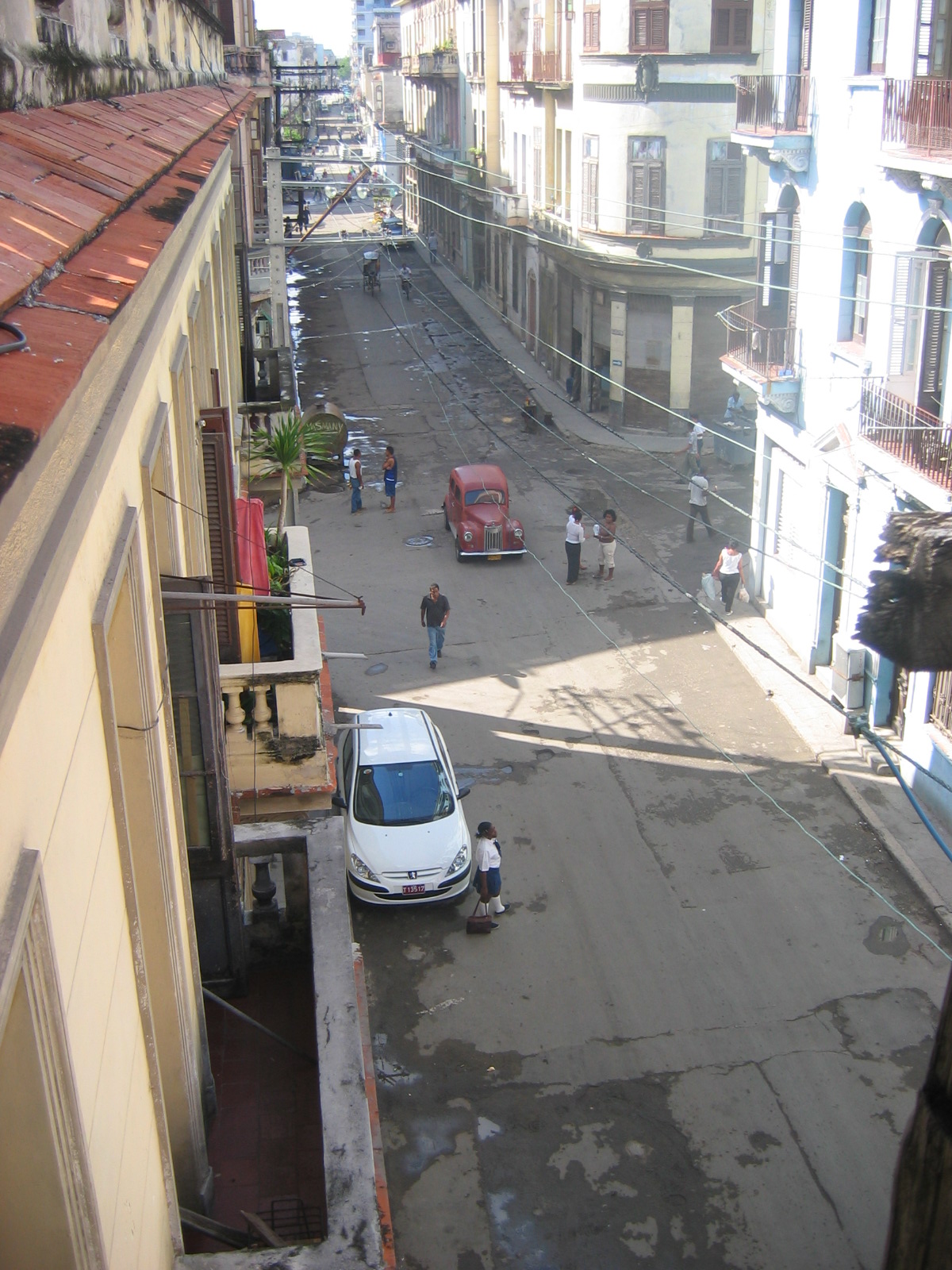
Vedado is Havana's grandest residential neighbourhood — a grid of tree-lined streets and mansions built in the early 20th century when Cuba's sugar wealth created a class of millionaires who built their houses in the fashionable Art Deco, Streamline Moderne, and modernist styles that were sweeping through the Americas. The neighbourhood, which stretches from the Malecón south to the Plaza de la Revolución, contains Havana's most important 20th-century architecture.
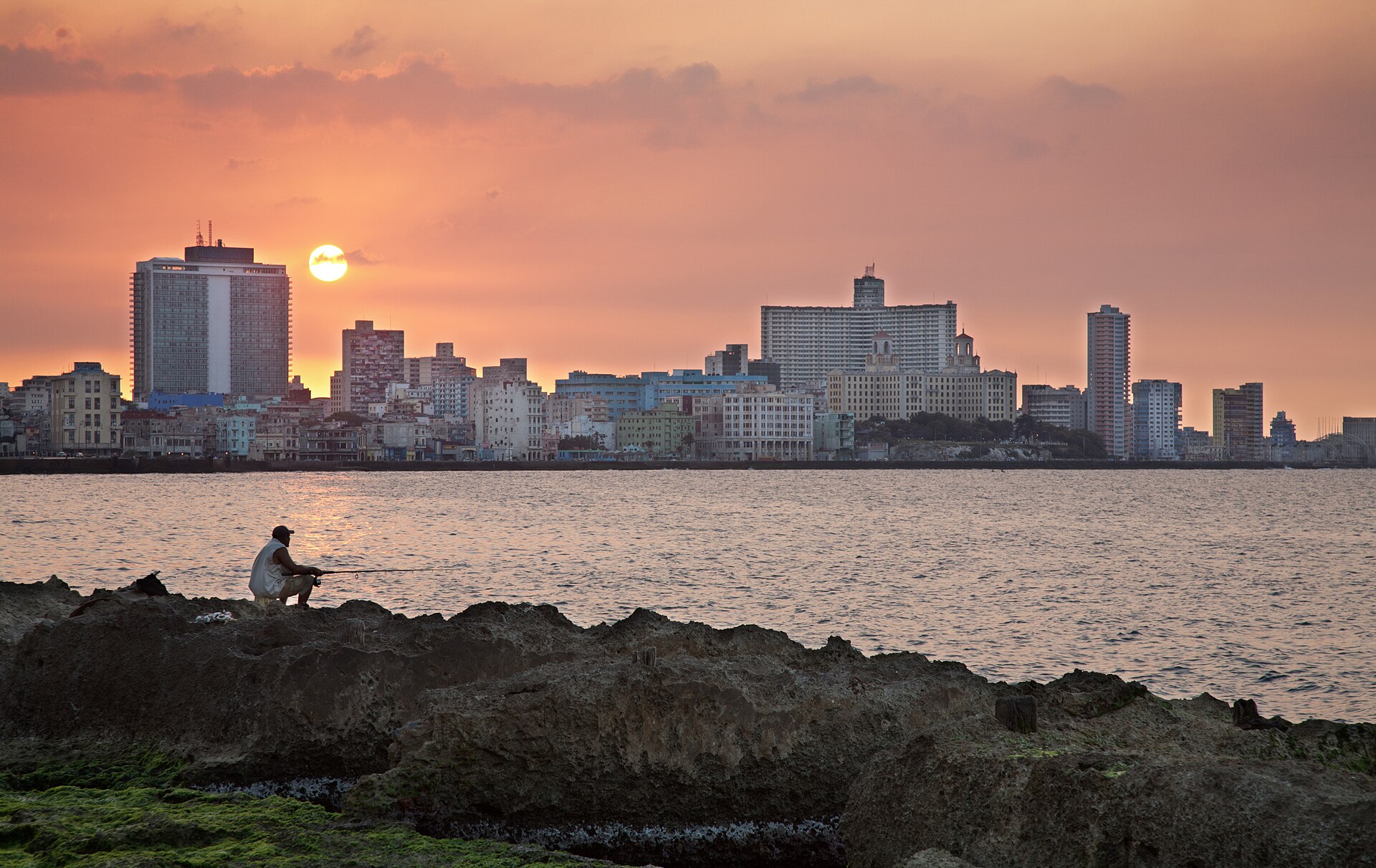
The Hotel Nacional (1930) is Vedado's most famous building — a Moorish-Art Deco landmark on the Malecón that has hosted every major figure who visited pre-revolutionary Cuba (Winston Churchill, Frank Sinatra, the American Mafia bosses who ran the city's casinos) and remains the most atmospheric hotel in Cuba. The hotel's terrace bar, overlooking the Malecón and the ocean, provides the classic Havana drinking experience — a mojito at sunset with the sea wall, the waves, and the crumbling city behind you.
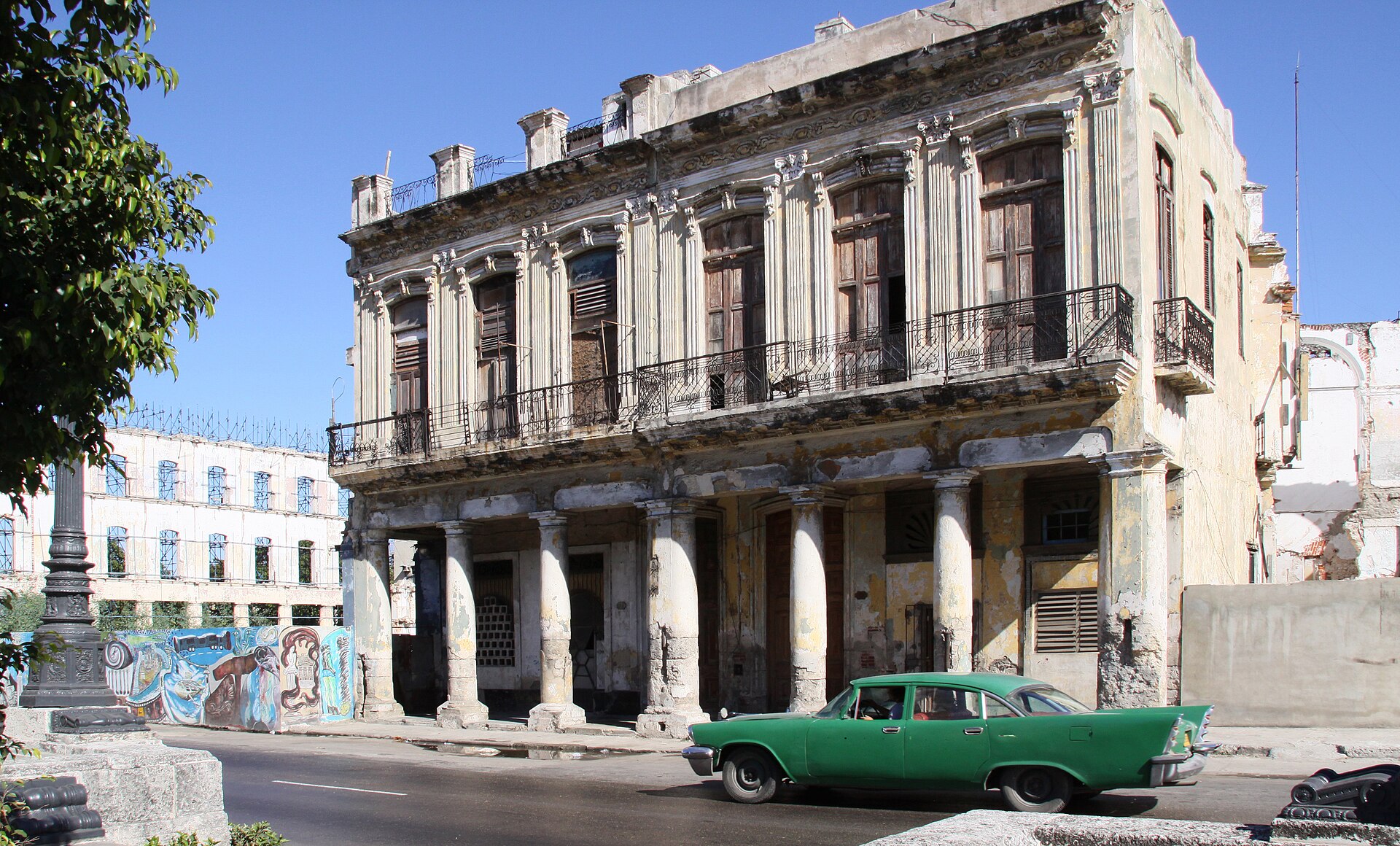
Vedado's residential streets contain some of the finest 20th-century domestic architecture in the Caribbean — Art Deco mansions with porthole windows, Streamline Moderne curves, and the tropical modernism of the 1950s (when Havana was one of the most architecturally adventurous cities in the Americas). Many mansions are now government offices or foreign embassies, but the residential character of the neighbourhood persists, and walking the side streets reveals an architectural quality that most Caribbean cities have demolished.
Verified Facts
Vedado was developed in the early 20th century during Cuba's sugar boom
The Hotel Nacional was built in 1930
The hotel hosted Winston Churchill, Frank Sinatra, and Mafia bosses
Vedado contains significant Art Deco and modernist architecture
Get walking directions
Acceso a Hotel Morón, Morón, Cuba