Walking Tours in Havana
Havana: La Habana Vieja
Step into a city unlike any other — where Spanish baroque cathedrals cast shadows on vintage Chevrolets, son music drifts from doorways, and every crumbling wall tells a story of revolution and resilience.
Havana: The Frozen City
Havana was founded by the Spanish in fifteen nineteen and grew to become the richest city in the Caribbean — a fortress city controlling the flow of silver and sugar between the New World and Spain, later a playground of American money in the nineteen forties and fifties, then frozen in place by the revolution of nineteen fifty-nine and the US trade embargo that followed. The American cars from the nineteen fifties still run because they have to. The buildings are crumbling because there is no money to restore them. And Habana Vieja — the Old Havana, a UNESCO World Heritage Site since nineteen eighty-two — remains one of the most atmospheric urban environments in the world: a layer cake of Spanish colonial, Baroque, Neoclassical, and Art Deco architecture, alive with music, damp with sea air, and lit at night like a dream.
30 Landmarks in Havana
Callejón de Hamel
Callejón de Hamel, Centro Habana, Havana, Cuba
Callejón de Hamel is a two-block alley in Centro Habana covered with murals, sculptures, and found-object assemblages created since 1990 by the Afro-Cuban artist Salvador González Escalona as a public monument to Afro-Cuban religion and culture. The alley walls are painted in vivid colours with imagery from Santería (the Cuban syncretic religion blending Yoruba deities with Catholic saints), and the sculptural elements — made from old bathtubs, doors, wheels, and bicycle parts — create a three-dimensional street gallery unlike anything else in Havana. The Sunday afternoon rumba sessions (usually from noon) draw crowds for live drumming, dancing, and the Afro-Cuban musical traditions that were suppressed during the early revolution but are now celebrated as central to Cuban identity. The alley has become a mandatory stop on Havana tour itineraries, but the Sunday rumba retains an authenticity that the weekday tourist traffic cannot erase.
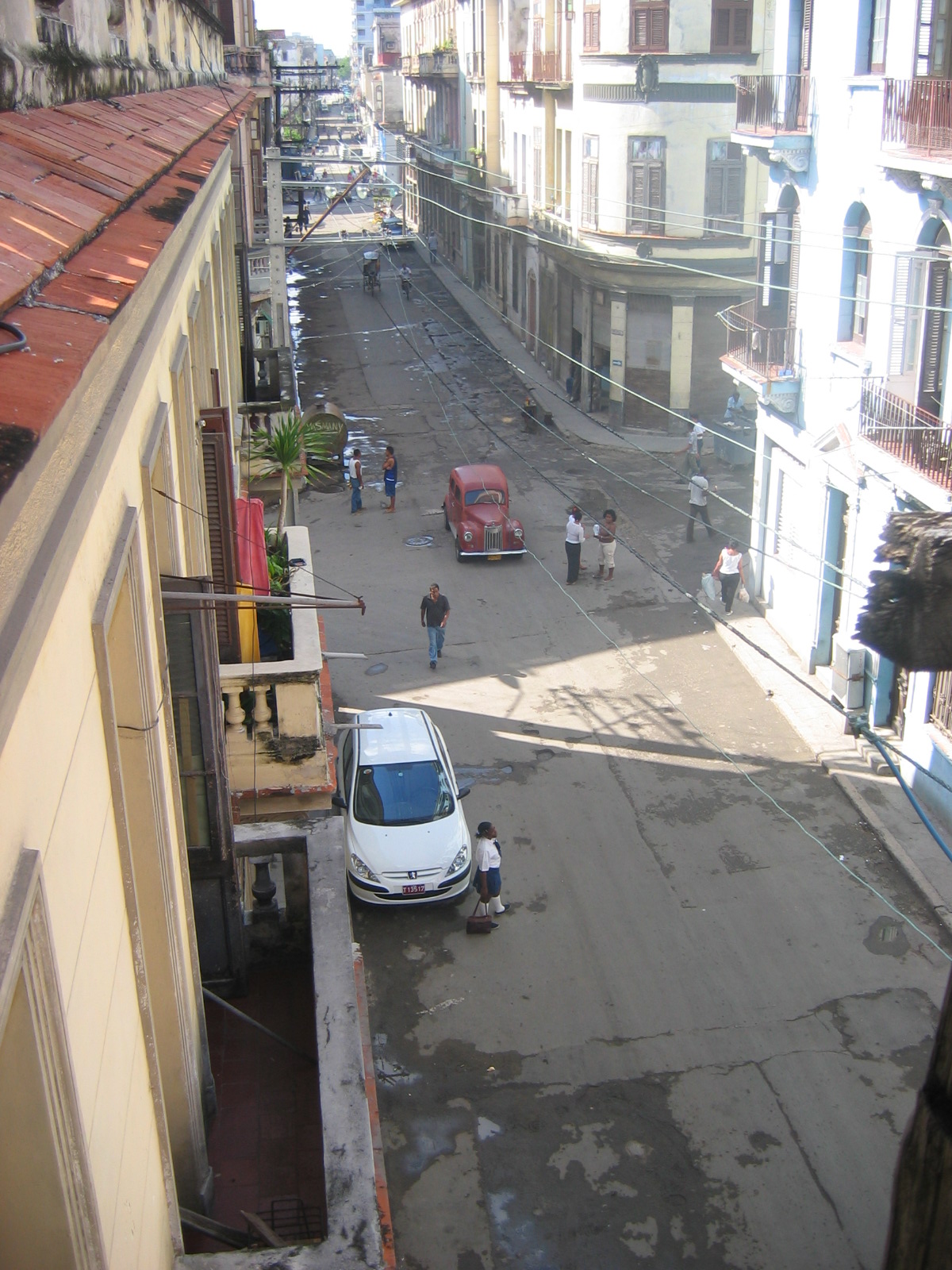
Centro Habana
Centro Habana, Havana, Cuba
Centro Habana is Havana's most densely populated and least restored district — a grid of narrow streets between Old Havana and Vedado where the crumbling colonial and Art Deco buildings house the city's working-class population in conditions that range from precarious to beautiful. The neighbourhood is where daily Havana life happens without the filter of tourism — the bodega queues, the domino games on the sidewalks, the music drifting from open windows, and the social life that Cubans conduct in public because their apartments are too small for private entertaining. Barrio Chino (Chinatown), centred on the Cuchillo de Zanja, is a remnant of what was once the largest Chinese community in Latin America — the community has shrunk dramatically since the revolution, but the gate, the restaurants, and the cultural associations survive. The Callejón de Hamel, a narrow alley covered in Afro-Cuban murals and sculptures by artist Salvador González Escalona, is Centro Habana's most visited cultural site — the Sunday Rumba sessions here are among the most authentic musical experiences in the city. Walking Centro Habana requires accepting the neighbourhood on its own terms — the buildings are gorgeous and collapsing, the streets are loud and social, and the experience of being a visitor in a neighbourhood where most people are too busy living to perform for tourists provides the most honest encounter with contemporary Cuban life available in the city.
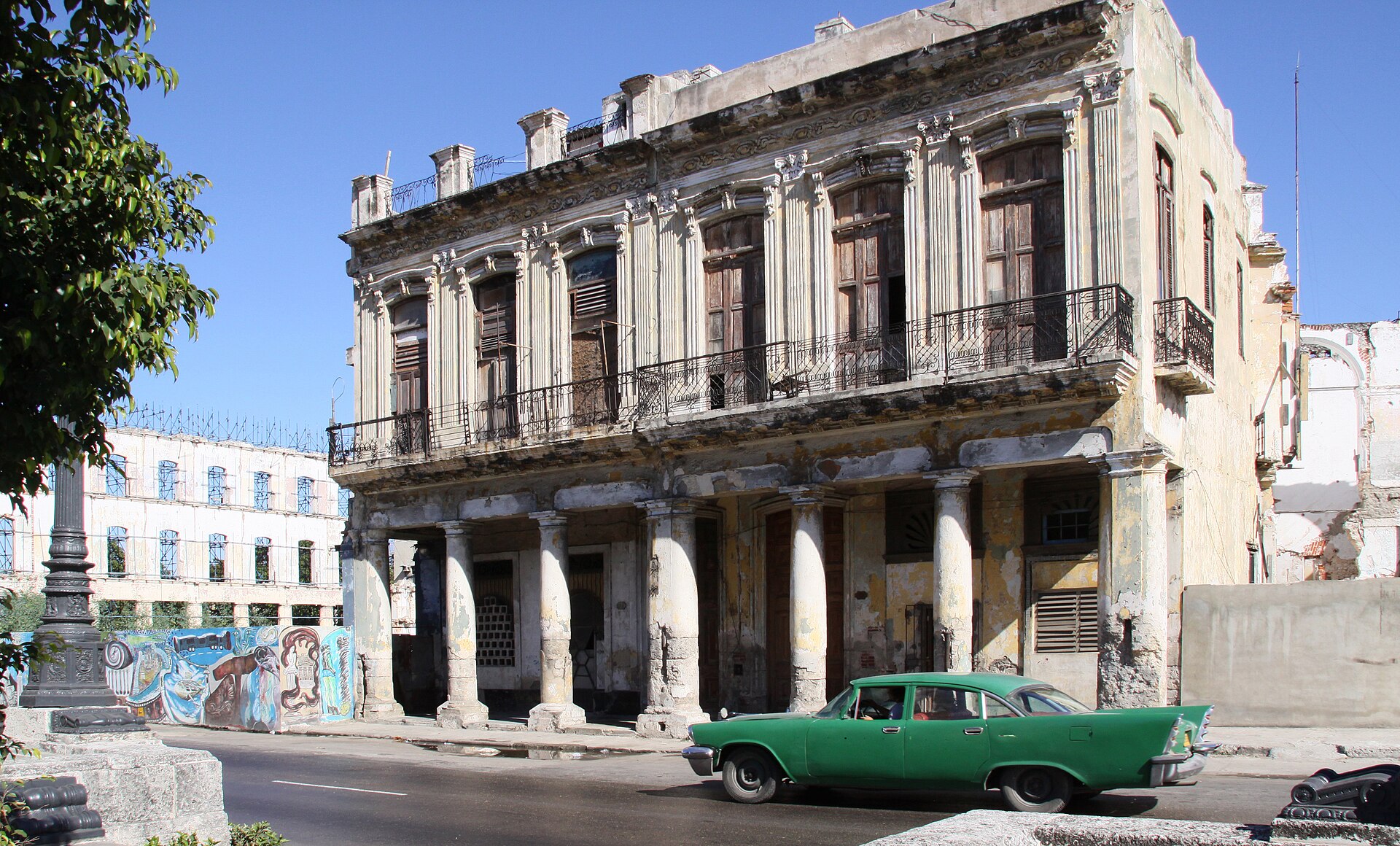
Classic American Cars
Havana, Cuba
The 1950s American cars that fill Havana's streets are the city's most recognisable visual feature — approximately 60,000 pre-1960 American automobiles (Chevrolets, Fords, Buicks, Cadillacs, Pontiacs) still in daily use, maintained with improvised parts, Russian diesel engines, and the mechanical ingenuity that six decades of embargo have required. The cars exist because the 1959 revolution and the subsequent US embargo cut off the supply of new American vehicles, and Cubans have been keeping the existing fleet running ever since. The cars are working transport, not museum pieces — Habaneros use them as taxis (almendrones), personal vehicles, and the convertible tour cars (máquinas) that cruise the Malecón with tourists in the back seat. The mechanical reality beneath the gleaming chrome is often creative — original engines replaced by Toyota diesels, body panels fabricated by hand, and the kind of improvised maintenance that makes Cuban mechanics among the most resourceful in the world. A ride in a classic convertible along the Malecón — the wind, the salt spray, the Art Deco buildings passing, the Caribbean visible over the seawall — is the quintessential Havana tourist experience and is genuinely enjoyable despite being clichéd. The car culture extends beyond tourism — the annual American Car Rally and the pride with which owners maintain their vehicles reflect a relationship between Cubans and their cars that is part necessity, part nostalgia, and part defiance.
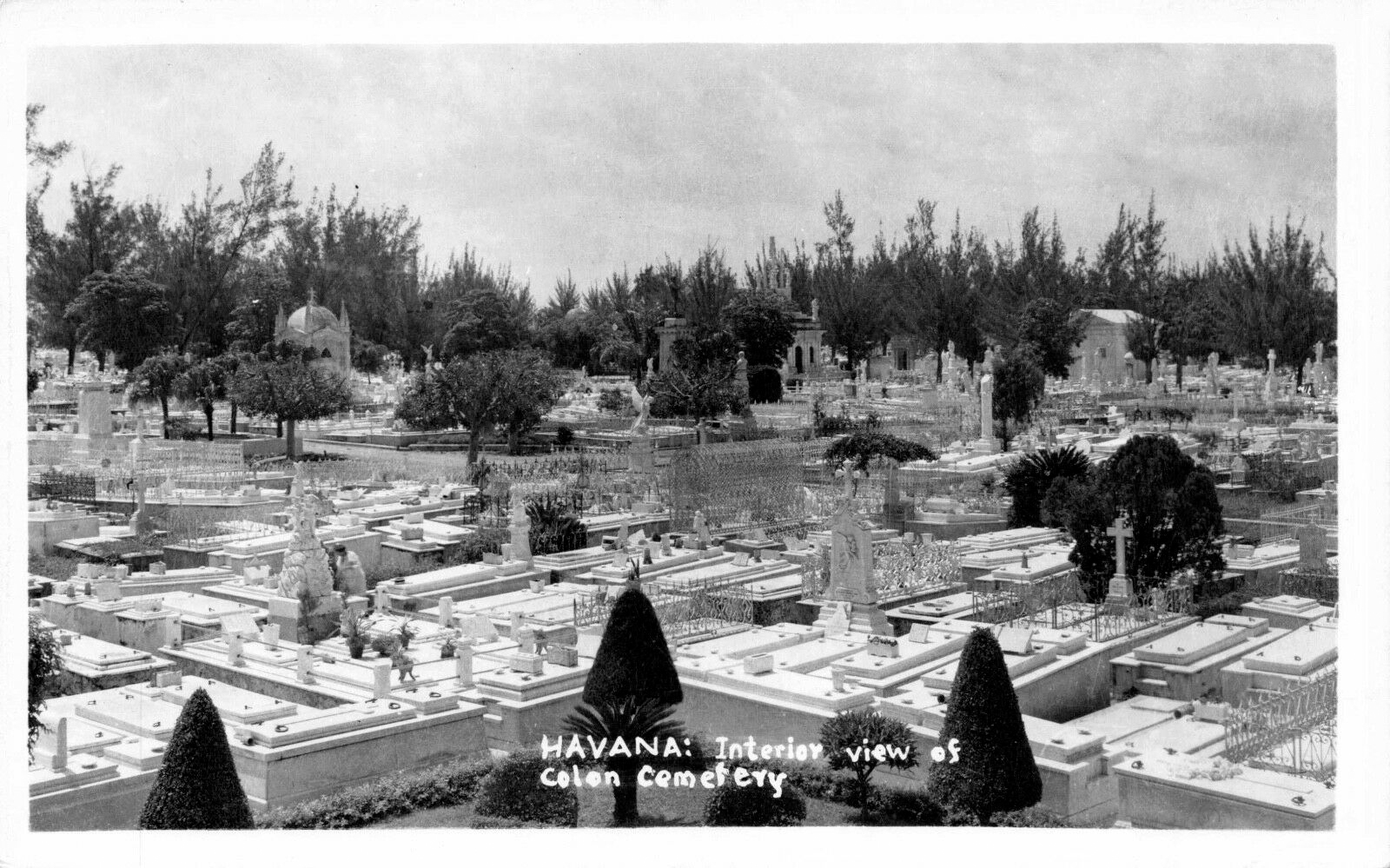
Colon Cemetery
Calzada Zapata, Plaza de la Revolución, Havana, Cuba
Cementerio Cristóbal Colón (Colon Cemetery) is one of the great urban cemeteries of the world — a 56-hectare necropolis laid out in a grid in 1876 with over 500 ornate mausoleums, chapels, and marble sculptures that form one of the finest open-air sculpture collections in Latin America. The cemetery was designed by Calixto de Loira (who died before completion and became its first resident), and its monumental gateway, tree-lined avenues, and profusion of Carrara marble angels make it a destination in its own right. The most famous grave is that of La Milagrosa (Amelia Goyri), a young woman who died in childbirth in 1901 and whose grave became a pilgrimage site when her body was supposedly exhumed intact. Women hoping to conceive knock on the marble tomb three times and walk away without turning back. The tombs of José Lezama Lima (the novelist), Hubert de Blanck (the composer), and many of Cuba's 19th-century independence leaders are also here. Guided walking tours are available.
Cristo de La Habana
Carretera Casablanca, Regla, Havana, Cuba
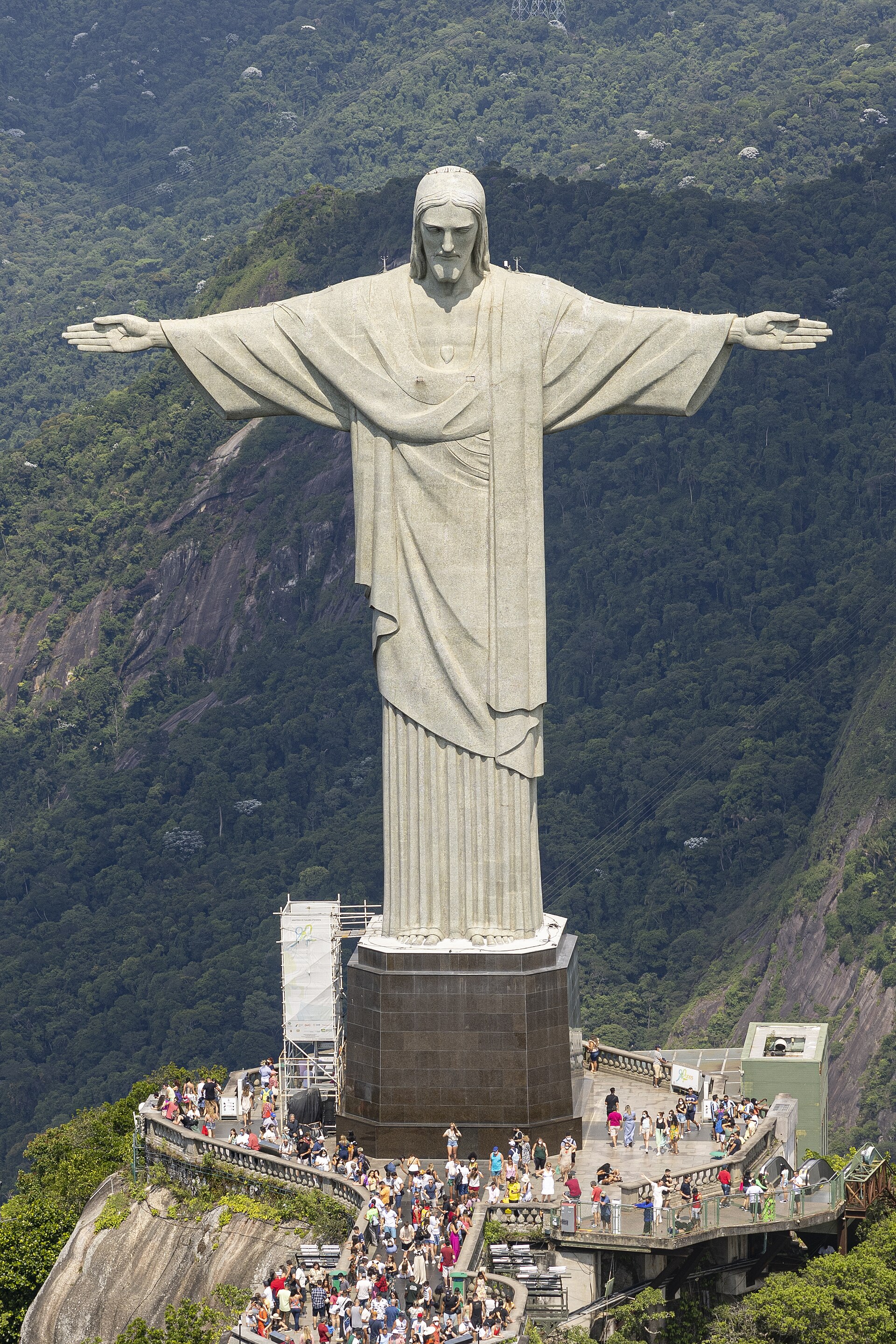
The Cristo de La Habana is a 20-metre white marble statue of Jesus Christ that overlooks Havana Bay from a hilltop in Casablanca on the eastern side of the harbour. The statue was sculpted in Italy by Jilma Madera from Carrara marble and inaugurated on Christmas Eve 1958 — just 15 days before Fidel Castro's rebel columns would enter Havana and end the Batista dictatorship, making it the last major monument of pre-revolutionary Cuba. The statue is reached by a little ferry that crosses Havana Bay from Muelle de Luz (a 10-minute crossing, very cheap), followed by a short walk uphill. The view from the Cristo across the bay — with Old Havana spread out, the Malecón curving west, and the Vedado skyscrapers in the distance — is one of the finest in Cuba. The Che Guevara house museum (where Che lived in 1959 before moving elsewhere) is a 200-metre walk from the statue.
Edificio Bacardi
Avenida de Bélgica (Monserrate), La Habana Vieja, Havana, Cuba
The Edificio Bacardi is Havana's greatest Art Deco building — a 12-storey tower completed in 1930 as the headquarters of the Bacardi rum company and widely considered one of the finest examples of Art Deco architecture in Latin America. The façade combines pink granite, terracotta panels, and brass details, with a distinctive ziggurat-shaped crown topped by a bronze bat (the Bacardi company logo) and ornate metalwork that recalls the Chrysler Building in New York (completed the same year). The building was built in just 14 months using materials imported from Germany, Italy, and the United States, and the interior of the ground-floor bar (a working bar restored to its original Art Deco splendour) is one of the most atmospheric places in Havana for a daiquiri or mojito. After the Bacardi family's assets were nationalised in 1960 and the family fled to the Bahamas, the building was used as government offices, but its architectural significance has been preserved.
El Capitolio
Paseo del Prado, Centro Habana, Havana, Cuba
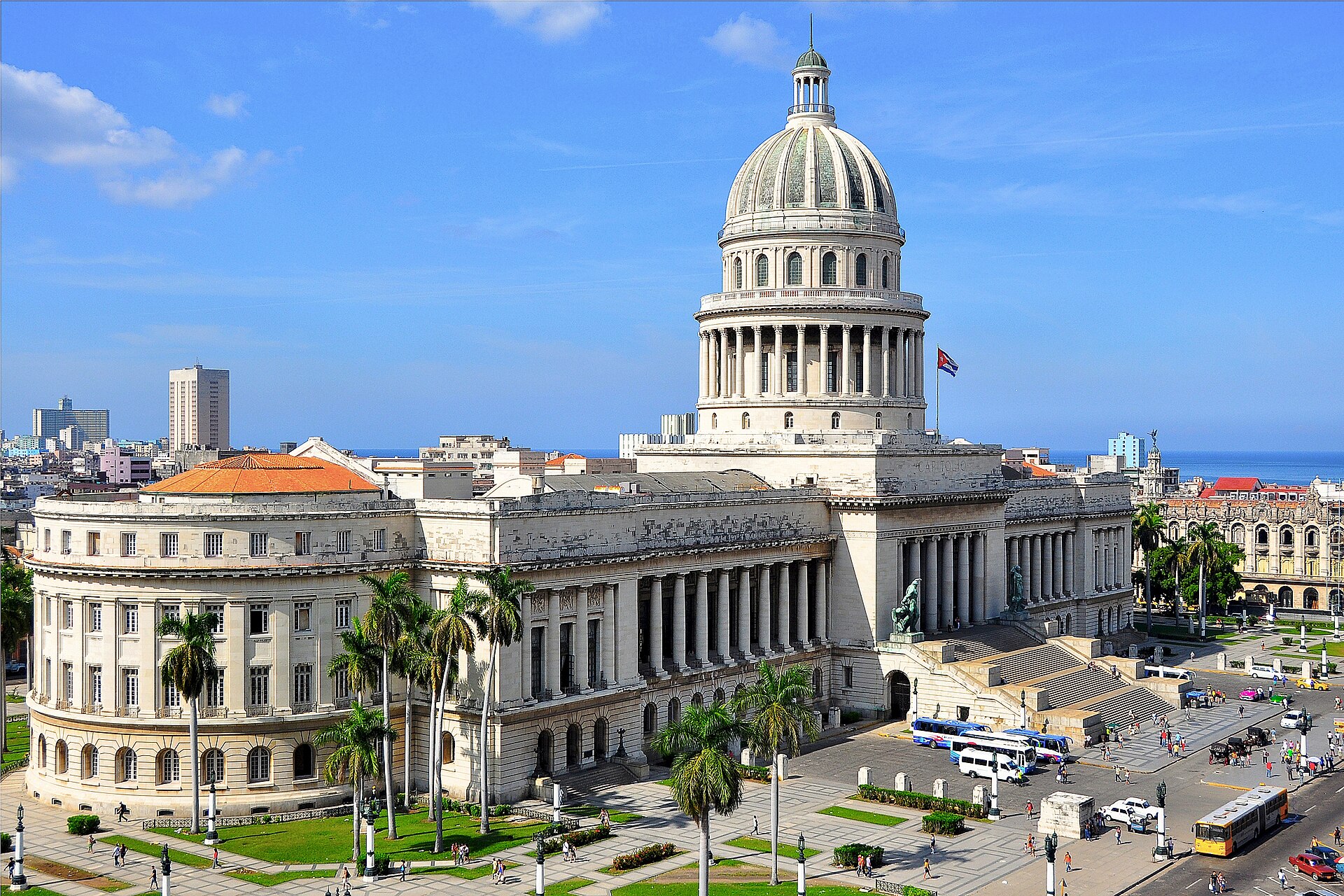
El Capitolio is Havana's most imposing building — a neoclassical capitol completed in 1929 that was modelled on the US Capitol in Washington (though Cuban guides will tell you it's one metre taller, one metre wider, and more beautiful, all of which may be true) and served as the seat of Cuba's government until the revolution. The building has been recently restored and now houses the Cuban Academy of Sciences and is open for guided tours. The dome — 91.73 metres high, the third-highest in the world when built — is visible from much of central Havana and serves as the city's primary architectural landmark. The interior features a 17-metre bronze statue (the Statue of the Republic, the third-largest indoor statue in the world), a 25-carat diamond embedded in the floor marking the Kilometre Zero point from which all distances in Cuba are measured, and the kind of marble, gold leaf, and decorative excess that only a sugar-rich economy in the 1920s could fund. El Capitolio sits on the Paseo del Prado, Havana's most elegant boulevard — a tree-lined promenade of marble benches, bronze lions, and the kind of Belle Époque street furniture that makes the walk from the Parque Central to the Malecón feel like walking through a European capital that accidentally relocated to the Caribbean.
El Floridita
Obispo 557, Habana Vieja, Havana
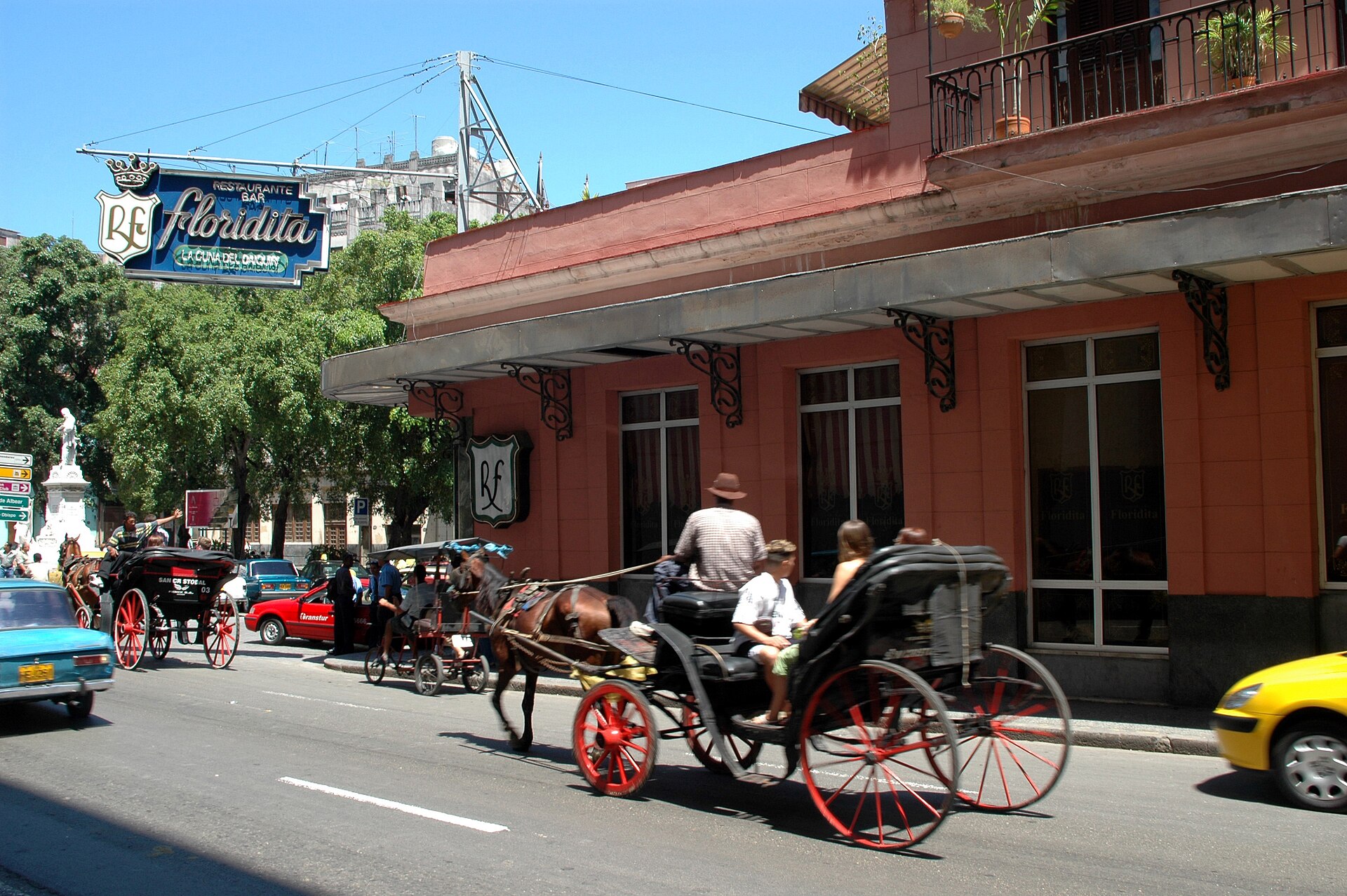
El Floridita is Havana's most famous bar — a pink-and-mahogany establishment at the corner of Obispo and Monserrate that claims to be the birthplace of the daiquiri and was Ernest Hemingway's preferred drinking spot during his two decades of living in Cuba. A life-sized bronze statue of Hemingway leans against the bar in his customary position, and the bartenders (in white jackets, bow ties, and the professional demeanour of people who take cocktail-making seriously) serve the frozen daiquiri that Hemingway favoured — the Papa Doble, made with double rum, no sugar, and grapefruit juice. The bar was founded in 1817 as a silver shop and became a bar in the 1820s. The Catalan bartender Constantino Ribalaigua Vert is credited with perfecting the daiquiri in the 1930s, and Hemingway's patronage (he lived in Cuba from 1939 to 1960 and was a daily presence at El Floridita) turned a good bar into a literary landmark. The photographs on the walls document the bar's Golden Age, when American tourists, Cuban high society, and Hemingway shared the same mahogany counter. The daiquiris are excellent (the frozen version, blended with crushed ice, is the house specialty), the prices are tourist-level (this is not where Habaneros drink on their budget), and the live son music that plays from mid-morning onward provides the soundtrack that makes drinking at El Floridita feel like participating in a tradition rather than consuming a product.
El Malecón
Malecón, La Habana Vieja, Havana, Cuba
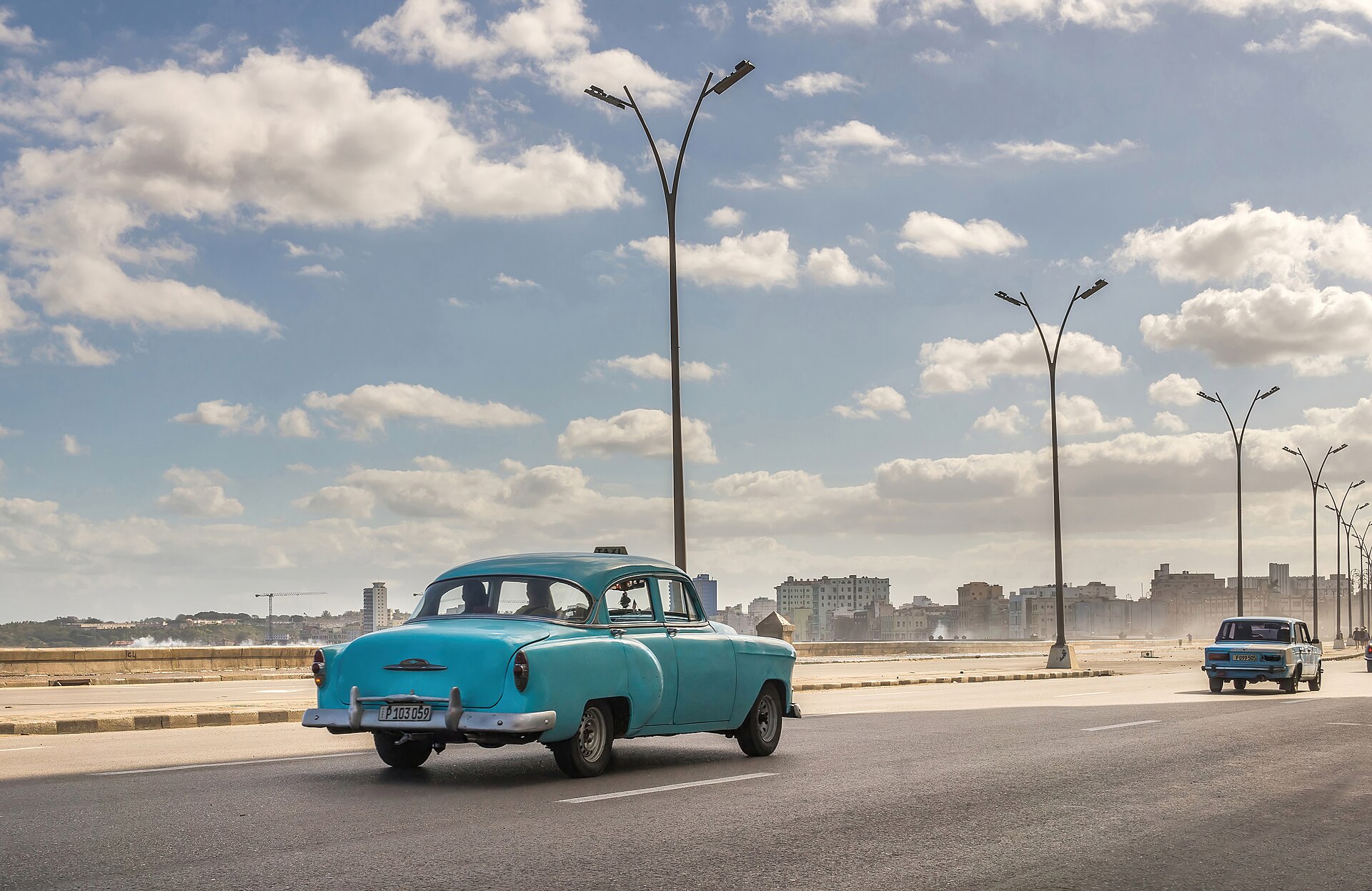
The Malecón is Havana's 8-kilometre seawall promenade — a broad, curving boulevard along the city's north coast that serves as Havana's living room, dating spot, fishing pier, exercise track, and the place where the entire social life of the city plays out against a backdrop of crashing waves and the crumbling facades of Art Deco and neoclassical apartment buildings. The promenade was built in stages between 1901 and 1952 and runs from the entrance of Havana harbour in the east to the Vedado neighbourhood in the west, passing through the full spectrum of Havana's architecture — the colonial fortress of La Punta, the ornate facades of Centro Habana (the most densely populated and least restored district), and the modernist apartment towers of Vedado. The seawall itself is a simple concrete barrier, but its social function — as the place where Habaneros sit, talk, drink rum, play music, and watch the sunset — makes it the most democratic public space in Cuba. The Malecón at sunset is Havana's daily ceremony — hundreds of people gathering along the wall as the sun drops into the Caribbean, the 1950s American cars cruising past, the buildings turning golden in the evening light, and the spray from the waves occasionally drenching everyone in a reminder that the ocean is the only authority the Malecón recognises.
El Morro (Castillo de los Tres Reyes)
Carretera de la Cabaña, Regla, Havana, Cuba
El Morro is the fortress that guards the entrance to Havana Bay — a massive stone castle completed in 1630 after 40 years of construction and designed by Italian engineer Giovanni Battista Antonelli. The fortress protected Havana from pirates, privateers, and enemy fleets for nearly 500 years until the British captured it by land attack in 1762 (after a 44-day siege that killed more British soldiers than any other colonial campaign of the 18th century). The lighthouse on top of El Morro (added in 1845 and still operational) is one of the oldest in the Americas. The view from the ramparts across the harbour to Old Havana is iconic, and the fortress can be reached by a short tunnel drive or by crossing the harbour via ferry. The museums inside El Morro cover Cuba's maritime history and the fortress's military past.
Fábrica de Arte Cubano (FAC)
Fábrica, La Habana Vieja, Havana, Cuba
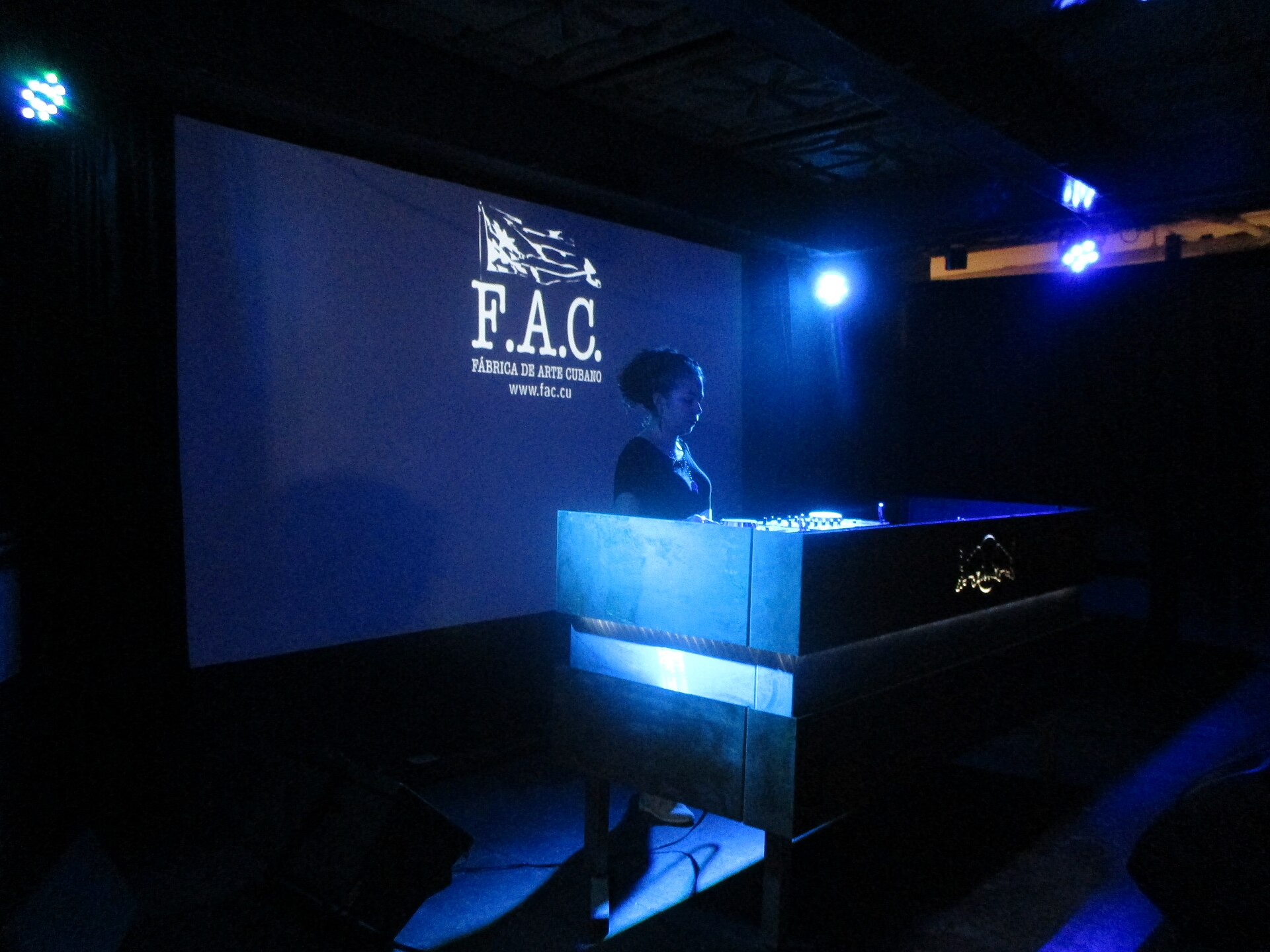
The Fábrica de Arte Cubano is Havana's most exciting cultural space — a converted cooking-oil factory in Vedado that houses contemporary art galleries, performance spaces, a cinema, bars, and a dance floor in a single complex that has become the epicentre of Havana's creative scene since opening in 2014. FAC was founded by musician X Alfonso and represents the generation of Cuban artists who have found ways to create ambitious cultural projects within the constraints of Cuba's economic and political system. The space operates on Thursday through Sunday evenings (entry is about CUP 100, extremely affordable), and the programme mixes visual art exhibitions, live music (from traditional son to electronic), film screenings, fashion shows, and the kind of multi-disciplinary cultural programming that creates an atmosphere more Berlin than Caribbean. The converted industrial space — exposed concrete, steel staircases, multiple levels connected by walkways — provides the raw backdrop that contemporary art thrives in. FAC is where young Havana goes when the sun goes down — the crowd is local, fashionable, and engaged with the art in a way that suggests cultural production in Cuba is alive despite (or because of) the constraints. The rooftop bar, with views across Vedado to the Malecón and the ocean, provides the setting for conversations about art, politics, and the future of Cuba that are more honest than anything the museums offer.
Fortaleza de San Carlos de la Cabaña
Calle Habana, Guanabacoa, Havana, Cuba
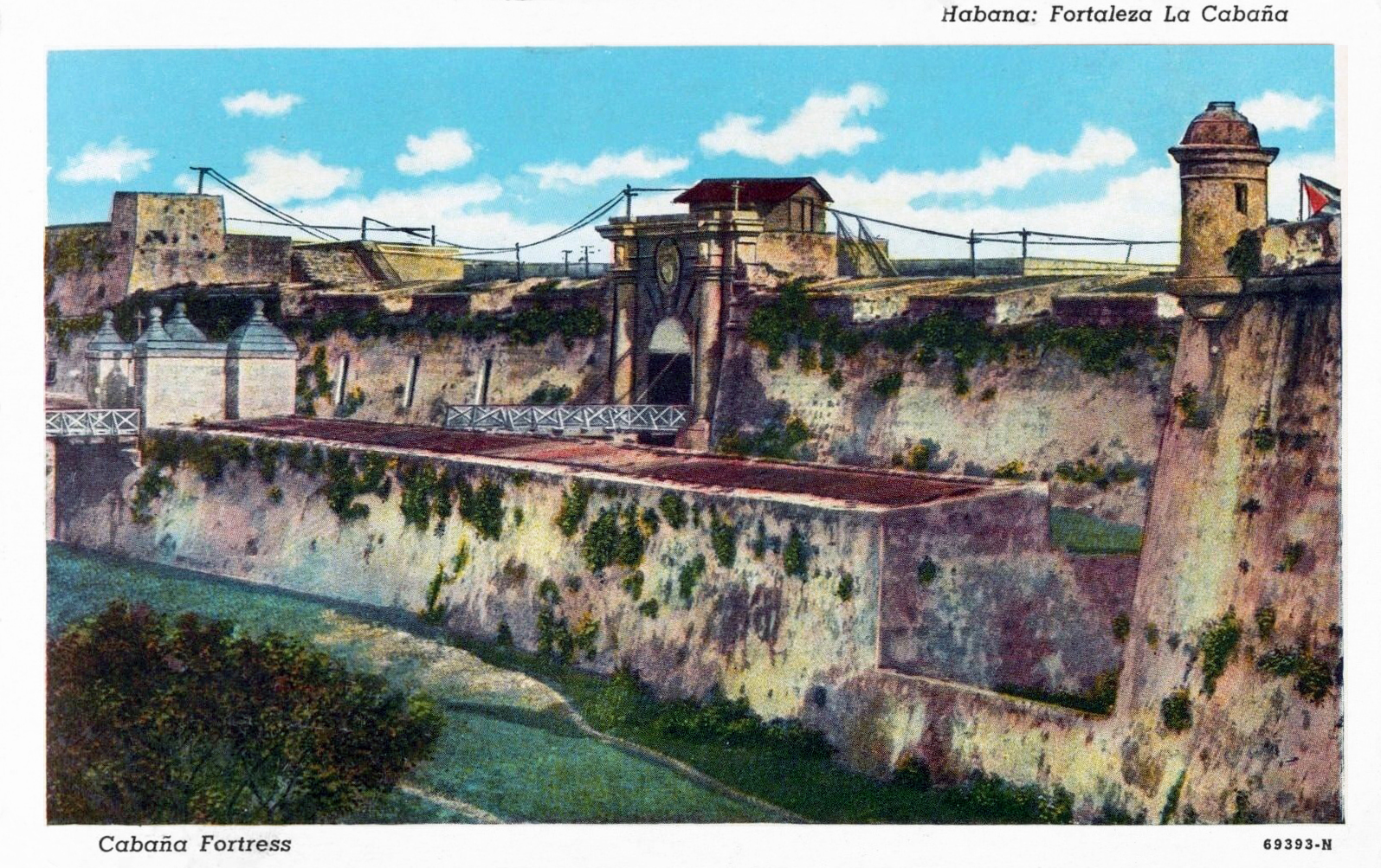
La Cabaña is the largest colonial fortress in the Americas — an 18th-century stone fortification on the eastern shore of Havana harbour that was built by the Spanish after the British captured Havana in 1762 (the fortress was designed to prevent a repeat of that humiliation, which it did — no one has captured Havana since). The fortress provides the best panoramic view of the Old Havana skyline across the harbour. The Cañonazo ceremony — a cannon firing performed every evening at 9pm by soldiers in 18th-century colonial uniforms — has been a daily tradition since the colonial period, when the cannon signalled the closing of the city gates and the raising of the chain across the harbour mouth. The ceremony draws crowds to the fortress ramparts, and the view of Havana's skyline at night from the cannon position — the Capitolio dome lit up, the Malecón promenade glowing, and the harbour reflecting the city lights — is the most romantic perspective available. During the day, the fortress houses the Museo de Comandancia del Che Guevara (Che used the fortress as his headquarters after the revolution, and the rooms where he signed execution orders for Batista-era officials are preserved) and a collection of military artifacts. The fortress is accessible by the tunnel under the harbour or by ferry from Old Havana.
Fusterlandia (José Fuster's Art Project)
Jaimanitas, Playa, Havana
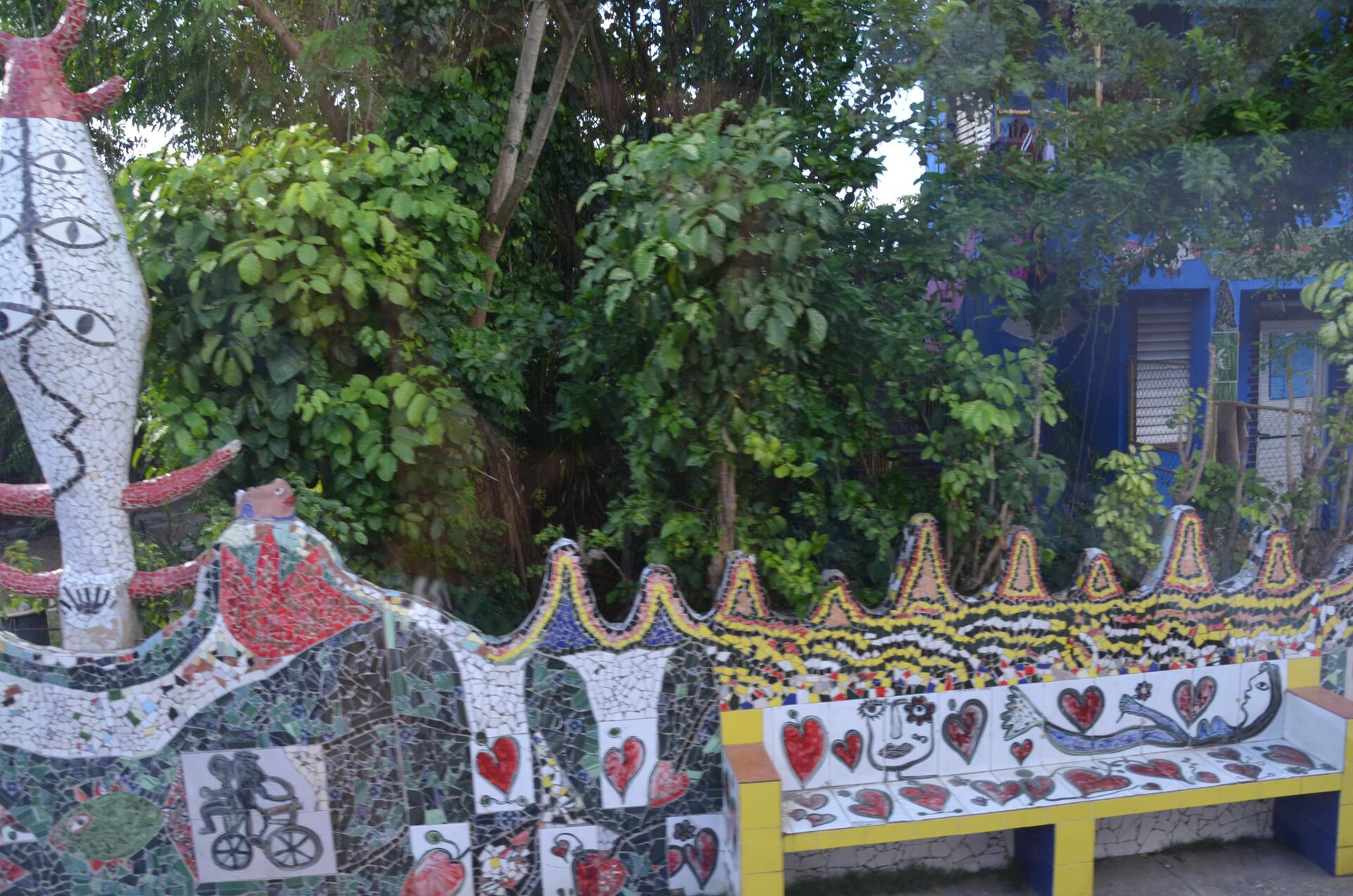
Fusterlandia is one of the most extraordinary public art projects in the world — a neighbourhood in Jaimanitas (a fishing village west of central Havana) that artist José Fuster has been transforming since the 1990s by covering every available surface — his house, his neighbours' houses, bus stops, park benches, walls, and entire street blocks — in colourful mosaic tilework that draws from Gaudí, Picasso, and Cuban folk art in a style that is joyful, excessive, and completely unique. Fuster's project began with his own home and studio and has expanded over three decades to encompass the surrounding blocks, creating a neighbourhood where every surface — doorways, rooftops, fences, even the doctor's office — is covered in mosaic. The imagery is a mix of Cuban political symbolism (revolutionary slogans rendered in tile), Caribbean nature (fish, palm trees, the sea), and Fuster's own imagination (fantastical creatures, abstract patterns, and the ceramic figures that populate every flat surface). Fusterlandia is free to explore (Fuster's studio and gallery charge a small admission), and the experience of walking through a neighbourhood that has been transformed from ordinary concrete houses into a continuous work of art is unlike anything available in any other city. The project is about 30 minutes from central Havana by taxi, and the journey — through the residential suburbs of western Havana — provides context for the ordinary neighbourhood that Fuster has made extraordinary.
Gran Teatro de La Habana
Paseo del Prado, Centro Habana, Havana, Cuba
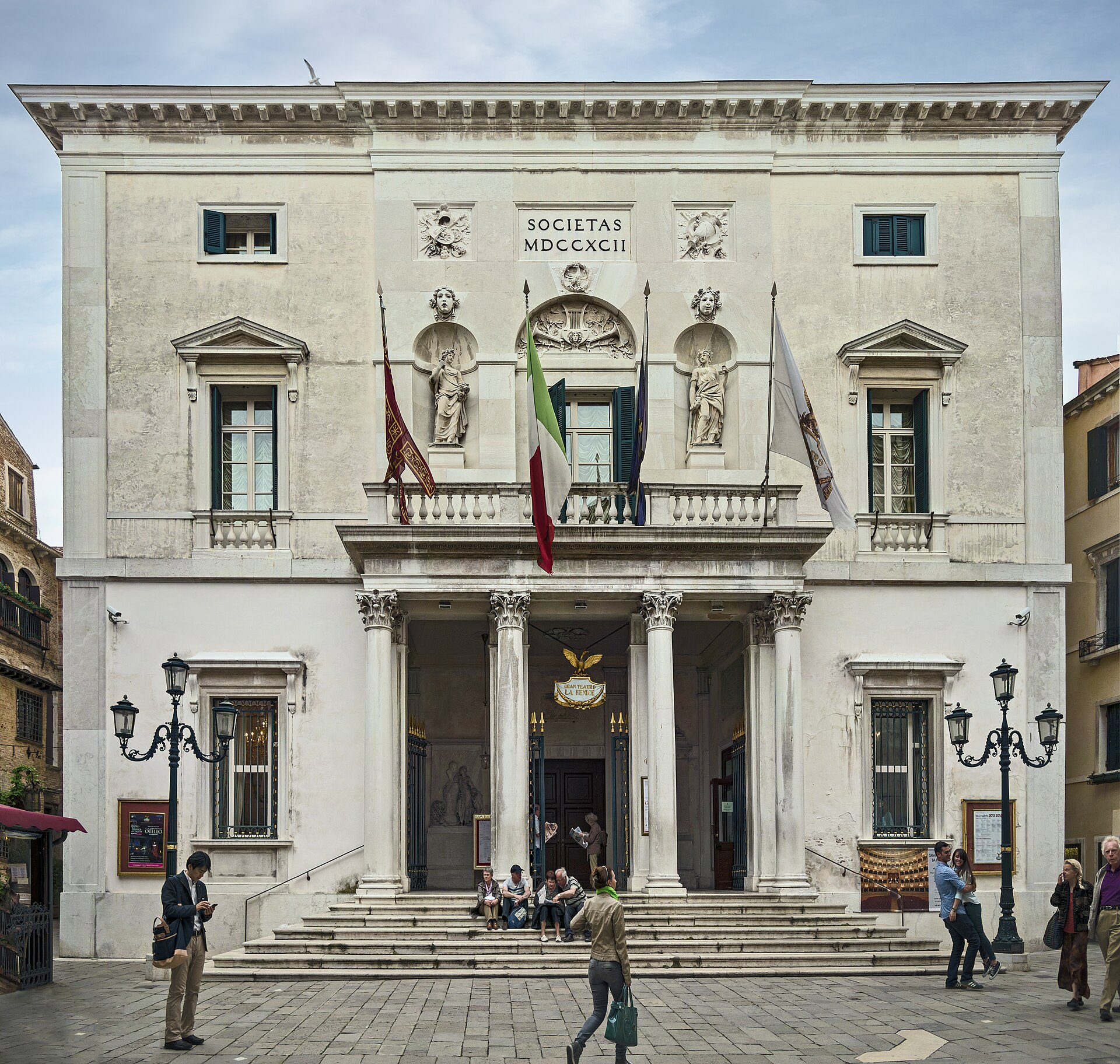
The Gran Teatro de La Habana is Cuba's national theatre — a Neo-Baroque confection built in 1915 on the foundation of an earlier 1838 theatre, where Enrico Caruso famously refused to perform in 1920 because of a hurricane warning (he was afraid of the weather, not the singing). The theatre is the home of the Cuban National Ballet (founded by Alicia Alonso in 1948), the Cuban National Opera, and the Lizt Alfonso Dance Cuba company, and its opulent marble staircases, chandeliers, and gilt-decorated auditorium make it one of the most beautiful opera houses in Latin America. The building was restored in 2015 to mark the centennial and the visit of Pope Francis. Backstage tours (available most afternoons) provide access to the main auditorium, the dressing rooms used by Nureyev and Baryshnikov during Cold War visits, and the rooftop for views across Parque Central to the Capitolio. An evening ballet performance is one of the most affordable ways (Cuban prices) to experience world-class dance.
Habana Vieja Street Music & Son Culture
Autopista La Habana - Melena del Sur, Arroyo Naranjo, Havana, Cuba
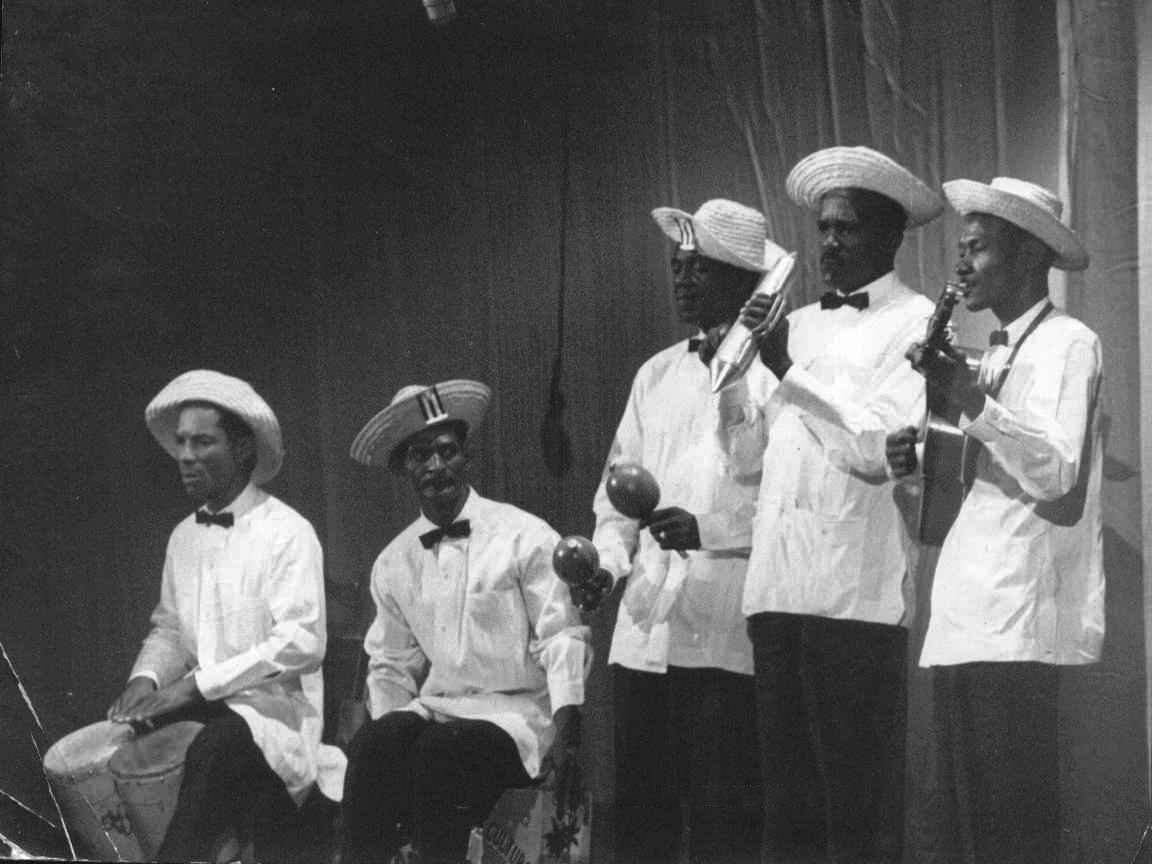
Cuban son — the musical genre that became salsa, that Ry Cooder and the Buena Vista Social Club brought to international attention in 1997, and that remains the soundtrack of daily life in Havana — is performed in bars, restaurants, plazas, and on street corners throughout Old Havana with a frequency and quality that makes the city one of the great live music destinations in the world. The son tradition combines Spanish guitar with African percussion and call-and-response singing in a rhythm that is the ancestor of virtually every Latin dance music genre. In Havana, the music is everywhere — bands play in the restaurants of Old Havana (often for tips rather than fees), solo guitarists perform on the Malecón, and the Callejón de Hamel (a narrow alley in Centro Habana covered in Afro-Cuban art and murals) hosts Rumba performances every Sunday that draw crowds of dancers and spectators. The Buena Vista Social Club connection has created a tourism industry around traditional Cuban music, but the music itself is not a tourism product — it's a living tradition that Habaneros use for celebration, mourning, courtship, and the general business of being alive in a city where music fills every available space. Sitting in a bar in Old Havana while a four-piece son band plays three feet away, the trumpet cutting through the rum and the conversation, is one of those travel experiences that justifies every cliché ever written about Cuba.
Hemingway's Havana (Finca Vigía)
Cuba, La Habana Vieja, Havana, Cuba
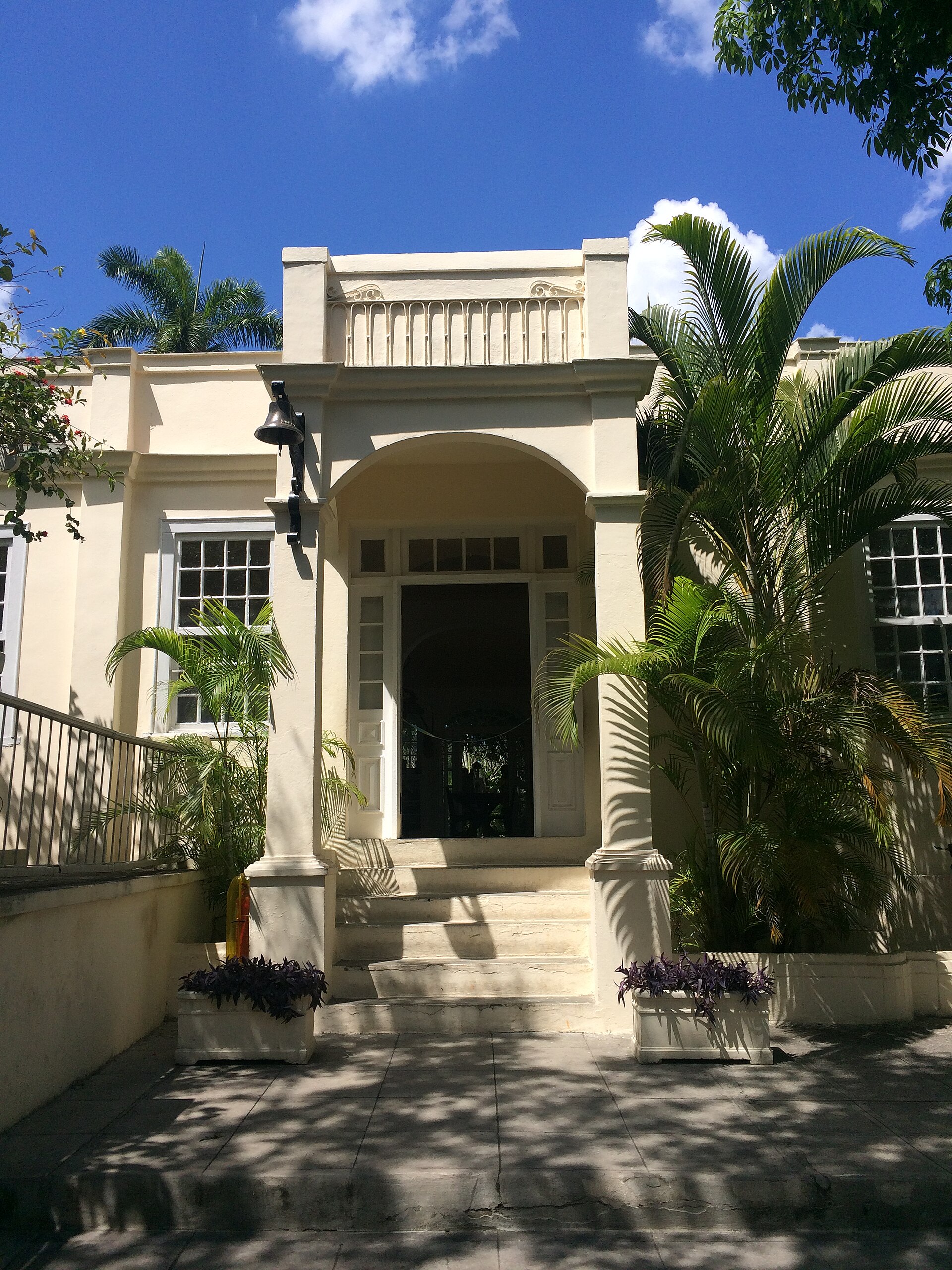
Finca Vigía is the house where Ernest Hemingway lived for 21 years — a hilltop estate in the suburb of San Francisco de Paula, 15 kilometres from central Havana, where he wrote 'The Old Man and the Sea,' 'A Moveable Feast,' and 'Islands in the Stream.' The house is preserved exactly as Hemingway left it when he departed Cuba in 1960 — his books on the shelves (over 9,000 volumes), his typewriter, his hunting trophies, his bar, and the tower he built for his cats, which Fidel Castro reportedly had maintained even after Hemingway's death. The house is visible through the windows (visitors are not allowed inside to prevent damage) but the view is intimate enough to feel like entering — the living room with its bookshelves and animal heads, the bedroom where he wrote standing at a chest-high bookcase, the bathroom where he tracked his daily weight on the wall. The Pilar, Hemingway's fishing boat (on which he hunted German submarines during WWII — an activity that was either patriotic or an excuse to drink at sea, and was probably both), is displayed in the garden. The journey to Finca Vigía passes through the Havana suburbs that tourists rarely see — residential neighbourhoods, markets, and the daily Cuban life that the historic centre's restoration efforts have not reached. The combination of the house, the drive, and the Cojímar fishing village (where 'The Old Man and the Sea' is set, and where the bust of Hemingway was erected by the local fishermen who were his friends) provides a half-day Hemingway circuit that goes beyond the bars.
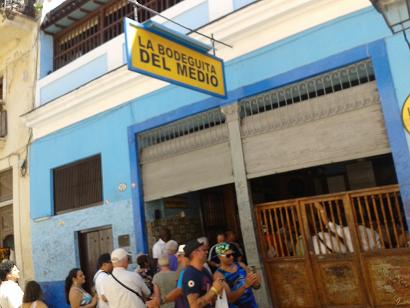
La Bodeguita del Medio
Empedrado, La Habana Vieja, Havana, Cuba
La Bodeguita del Medio is Havana's most famous bar — a tiny restaurant on Calle Empedrado in Old Havana that has been serving mojitos since 1942 and whose walls are covered in autographs, photographs, and graffiti from Ernest Hemingway, Gabriel García Márquez, Pablo Neruda, Salvador Allende, Nat King Cole, and every other cultural luminary who passed through Havana in the 20th century. Hemingway's scribbled endorsement ('My mojito in La Bodeguita, my daiquiri in El Floridita') is enshrined near the door, possibly apocryphal but now an unshakeable part of the legend. The bar is cramped, loud, and touristy, and the mojitos are adequate rather than outstanding — but the atmosphere, the live trova music, and the sheer weight of cultural history make it a mandatory stop. The house specialities are traditional Cuban home cooking (ropa vieja, lechón asado, moros y cristianos) served in the small dining rooms upstairs; book ahead for dinner.
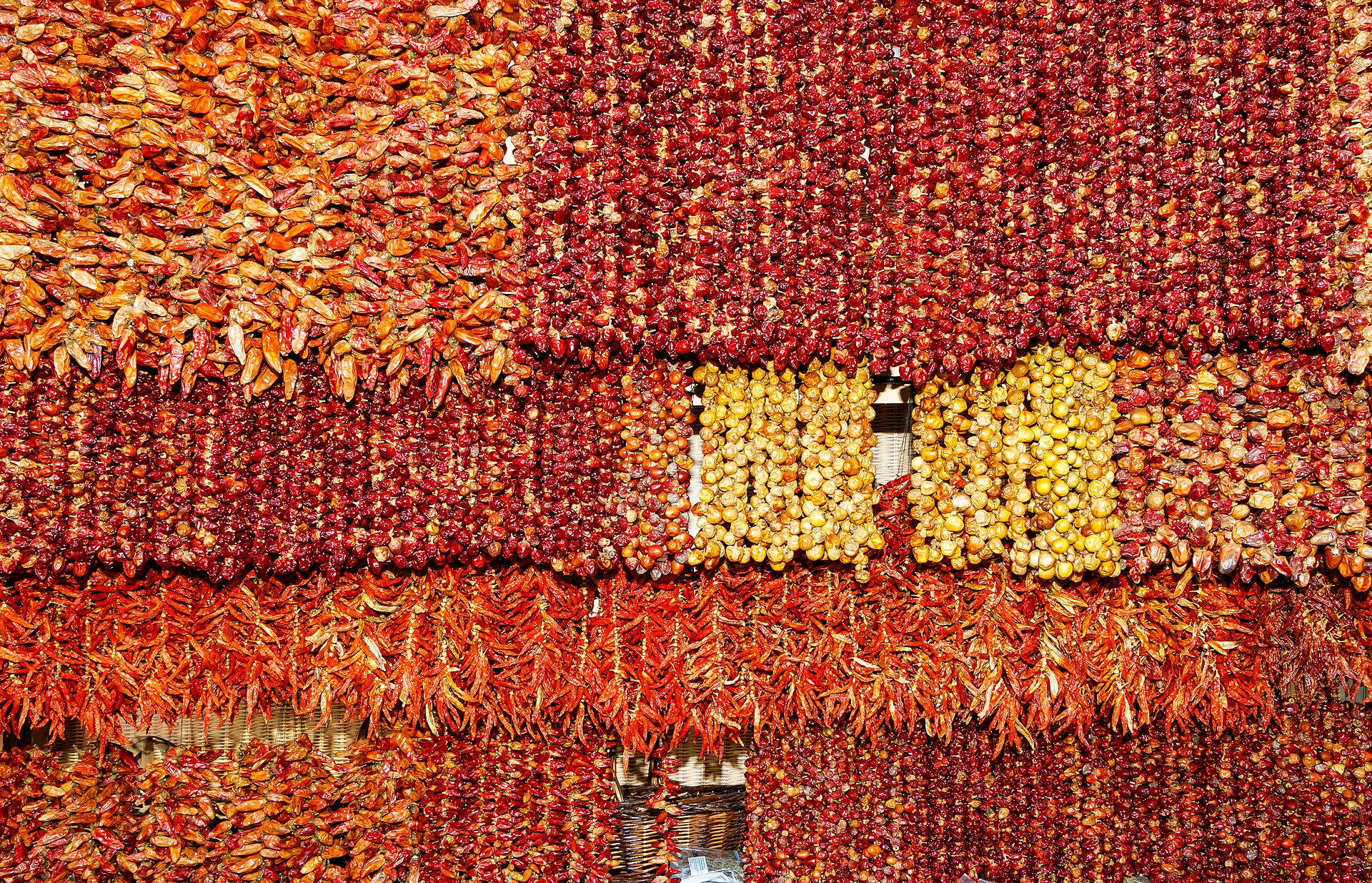
Mercado de San José
Avenida del Puerto & Cuba, Habana Vieja
The Mercado Artesanal de San José is Havana's biggest craft and souvenir market — housed in a restored 19th-century warehouse on the harbour front near the cruise port, with over 200 stalls selling everything from Che Guevara T-shirts and domino sets to quality wood carvings, paintings, handmade jewellery, and leather goods. The market is the best place to find affordable souvenirs without venturing into the slightly chaotic small shops scattered through Old Havana. The building itself is worth the visit — a long warehouse with exposed wooden roof beams, wrought iron columns, and enormous entrance gates that opened directly onto ships in the 19th-century Havana harbour. Bargaining is expected but modest (10-20% off the asking price); prices are fixed only at the art galleries along the market's inner walls where originals by established Cuban artists are sold.
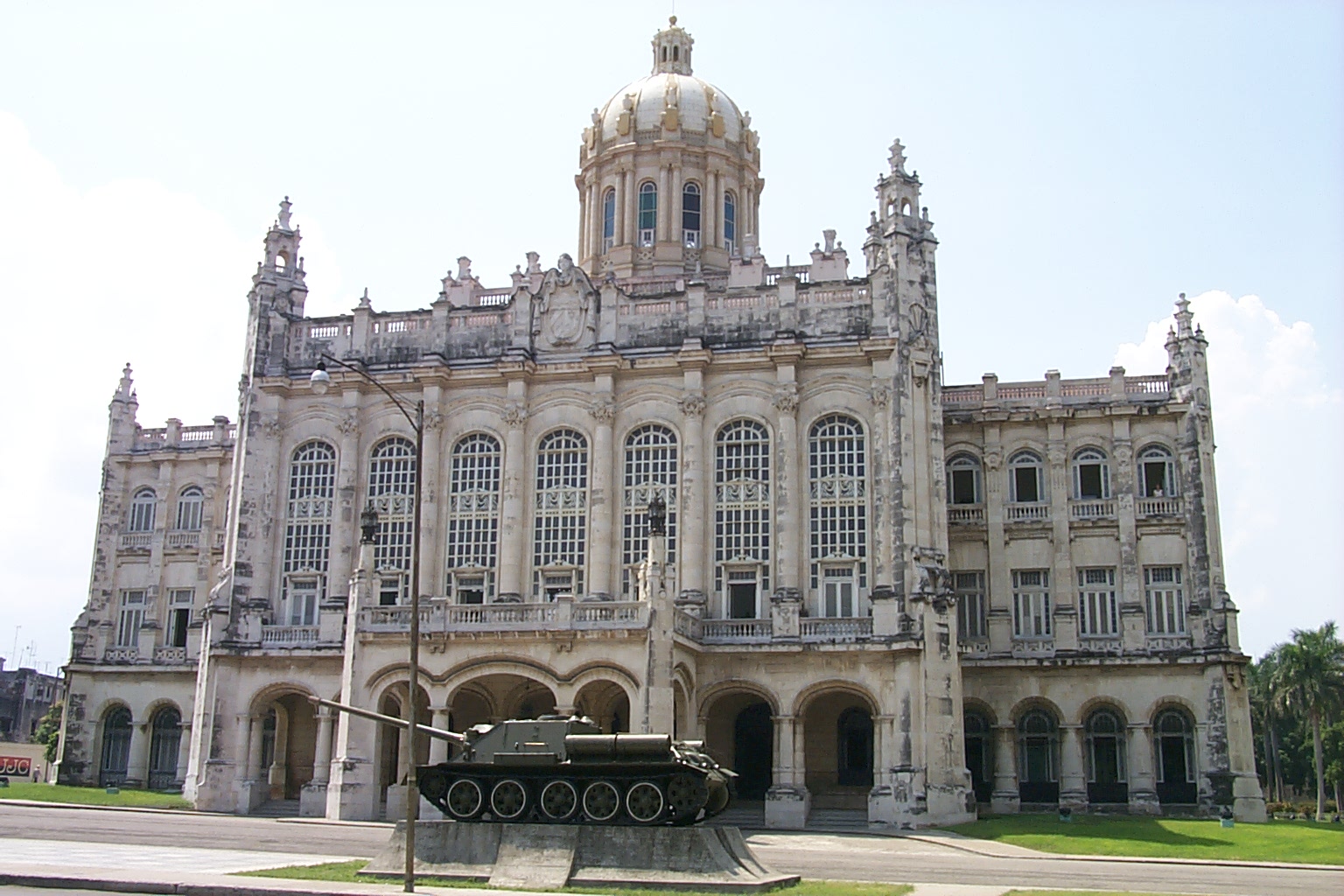
Museo de la Revolución
Refugio 1, Habana Vieja, Havana
The Museum of the Revolution occupies the former Presidential Palace — a sumptuous neoclassical building completed in 1920 whose interior was decorated by Tiffany's of New York and whose marble staircases, frescoed ceilings, and Hall of Mirrors rivalled any government building in the Americas. Batista fled this building on New Year's Eve 1958, and Castro's revolutionary government converted it into a museum documenting the revolution's history with the victors' confidence that only a successful insurrection can produce. The museum's narrative is unapologetically partisan — the pre-revolutionary period is presented as a succession of corrupt dictatorships and American exploitation, the revolutionary struggle as a heroic campaign by a handful of idealists, and the post-revolution period as a series of triumphs against imperialist aggression. The yacht Granma (the boat that carried Castro, Che Guevara, and 80 revolutionaries from Mexico to Cuba in 1956 to begin the armed struggle) is displayed in a glass enclosure behind the museum, surrounded by other revolutionary vehicles including a bullet-riddled delivery van from the Bay of Pigs. The building itself is the unacknowledged star — the presidential rooms on the upper floors, with their Tiffany decorations, painted ceilings, and the opulent furnishings of a government that taxed its people to build a palace, provide a visual argument for revolution that the museum's political narrative only reinforces.
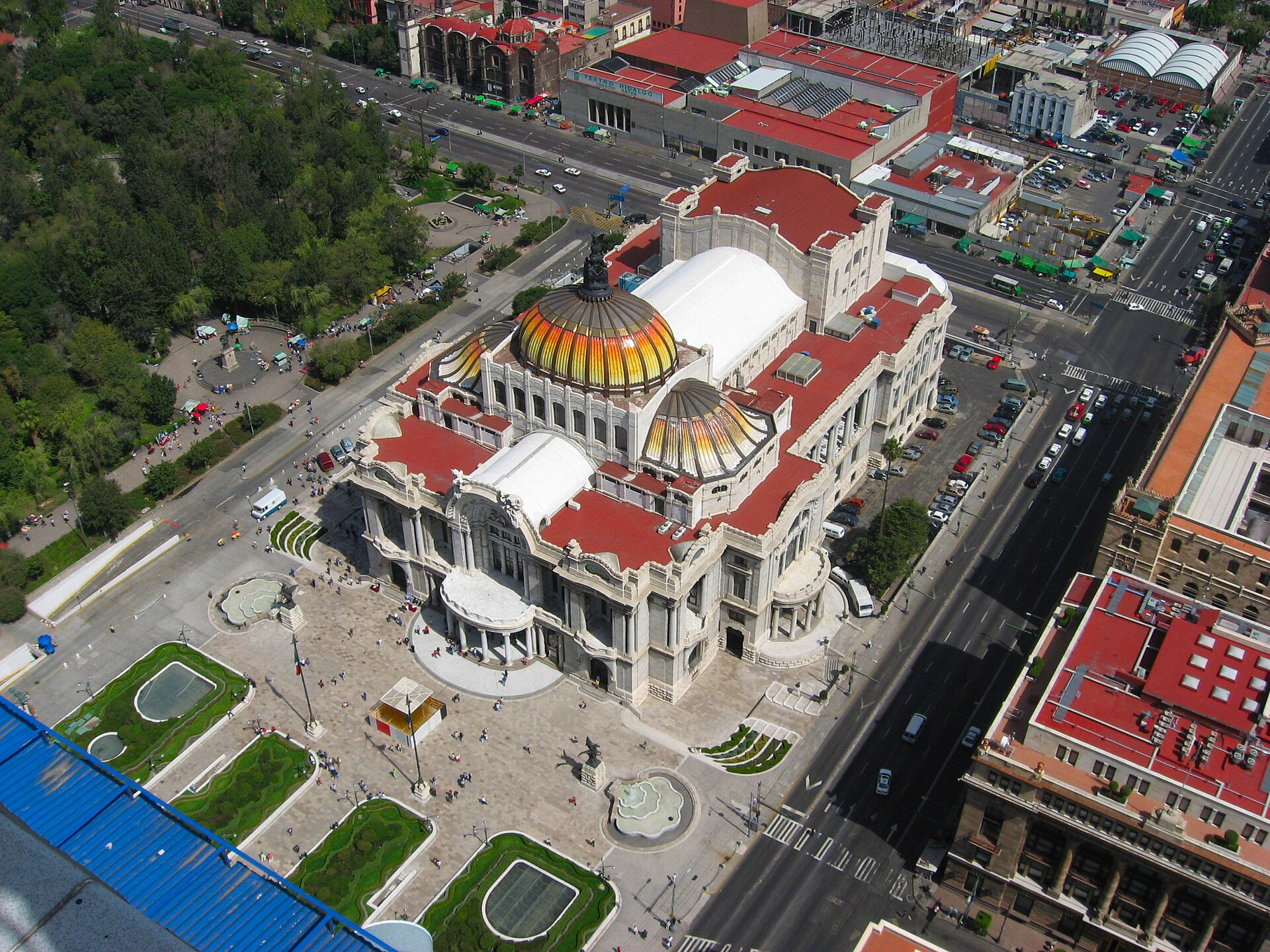
Museo Nacional de Bellas Artes
Trocadero & Zulueta, La Habana
The Museo Nacional de Bellas Artes is Cuba's national art museum — housed in two buildings near the Capitolio, with one dedicated to Cuban art from the colonial period to the present (the Arte Cubano building) and the other to international art (the Arte Universal building, in the former Centro Asturiano). The Cuban collection is the finest in the world and spans the 17th-century colonial portraits, the 19th-century landscapes of Esteban Chartrand, the foundational modernism of Víctor Manuel García and Carlos Enríquez, and the revolutionary-era masters Wifredo Lam, Amelia Peláez, and René Portocarrero. The international collection is surprising — the Spanish paintings include works by Velázquez, Murillo, and Zurbarán, the British collection has Gainsborough and Reynolds portraits, and there are Greek antiquities, Egyptian mummies, and Etruscan bronzes. The breadth is partly the legacy of Cuba's 19th-century coffee and sugar barons who bought European art on a colossal scale.
Old Havana (Habana Vieja)
Habana Vieja, Havana
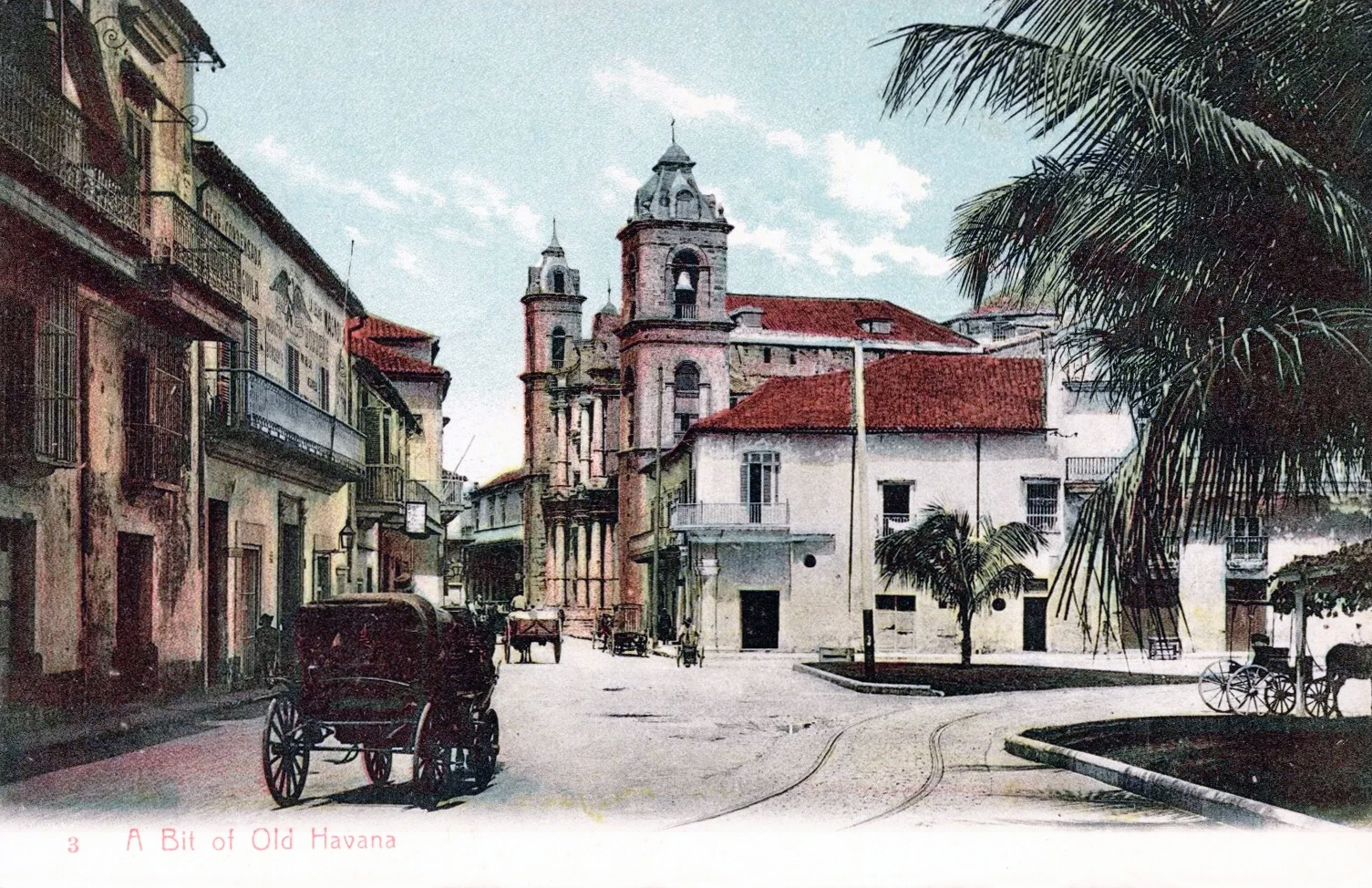
Old Havana is a UNESCO World Heritage Site and one of the most complete colonial urban landscapes in the Americas — a 4-square-kilometre district of 16th to 18th-century plazas, Baroque churches, neoclassical palaces, and the crumbling, magnificent residential buildings that have been slowly restored since the 1990s under the direction of the City Historian's Office. Walking Old Havana is like walking through a time capsule of Spanish colonial architecture that has been frozen, decayed, and is now being revived one building at a time. The district contains four main plazas — Plaza de Armas (the oldest), Plaza de la Catedral (the most beautiful), Plaza Vieja (the most restored), and Plaza de San Francisco (the most commercial) — each surrounded by colonial buildings that document the evolution of Cuban architecture from fortress-like 16th-century construction to the ornate Baroque and neoclassical styles of the 18th and 19th centuries. The restoration of Old Havana is one of the most ambitious heritage projects in the developing world — funded by tourism revenue and managed by the City Historian's Office, which operates as a quasi-independent entity with the authority to restore, manage, and commercialise the historic buildings. The result is a district where magnificently restored palaces sit next to buildings that are literally collapsing, creating a visual tension between heritage preservation and the economic reality of a country that has been under embargo for six decades.
Parque Central
Parque Central, La Habana
Parque Central is the civic heart of Havana — the tree-shaded square that separates Old Havana from Centro Habana and that has been the city's most important public space since it was laid out in 1877. The park is surrounded by the Capitolio (Cuba's former congress building, modelled on the US Capitol), the Gran Teatro, the Hotel Inglaterra, and the Hotel Parque Central, creating an ensemble that captures the cultural and political weight of Havana at its 19th and early 20th-century peak. The centrepiece of the park is the 1905 marble statue of José Martí — Cuba's most revered national hero, a poet and revolutionary who died in the first battle of Cuba's war of independence in 1895. The 'Esquina Caliente' (Hot Corner) in the northern part of the park is Havana's most famous baseball argument ground — dozens of men gather daily to debate Cuban baseball with a fervour that is both comic and intensely serious.
Paseo del Prado
Paseo del Prado, Centro Habana, Havana, Cuba
Paseo del Prado is Havana's grand 19th-century promenade — a tree-lined boulevard running from Parque Central to the Malecón that was laid out in 1772 as the first paseo outside the old city walls and remodelled in 1927-28 by the French landscape architect Jean-Claude Nicolas Forestier (who also designed Paris's Champ de Mars in its modern form). The central pedestrian strip is paved with white marble and flanked by cast-iron lamp posts, wrought-iron benches, and eight bronze lions — the longest one-block marble walkway in the Americas. The buildings lining the Prado include the Hotel Sevilla (made famous by Graham Greene in 'Our Man in Havana'), the Hotel Inglaterra (Cuba's oldest operating hotel, from 1875, where José Martí made his 1879 speech calling for independence), and the Hotel Parque Central. Children play in the marble strip, old men argue about baseball on the benches, and the Paseo remains one of the most democratic and atmospheric public spaces in the city.

Plaza de Armas
Plaza de Armas, Habana Vieja, La Habana
Plaza de Armas is Havana's oldest square — laid out in 1519 as the military parade ground of the original Spanish settlement and still surrounded by the buildings that made Havana the capital of Spanish colonial Cuba for 400 years. The square is framed by the Castillo de la Real Fuerza (the oldest fortress in the Americas, completed in 1577), the Palacio de los Capitanes Generales (the former governor's palace, now the City Museum), and the El Templete (a small Neoclassical temple built in 1828 on the spot where Havana was allegedly founded). The daily second-hand book market held around the square — with hundreds of stalls selling everything from 1950s Cuban comics to Soviet-era Che Guevara pamphlets and photo books of Havana's pre-revolution glamour — is the best place in the city to browse the printed history of Cuba. A ceiba tree beside El Templete is said to be the descendant of the original tree under which the city's first mass was celebrated in 1519.
Plaza de la Catedral
Cathedral Square, La Habana Vieja, Havana, Cuba
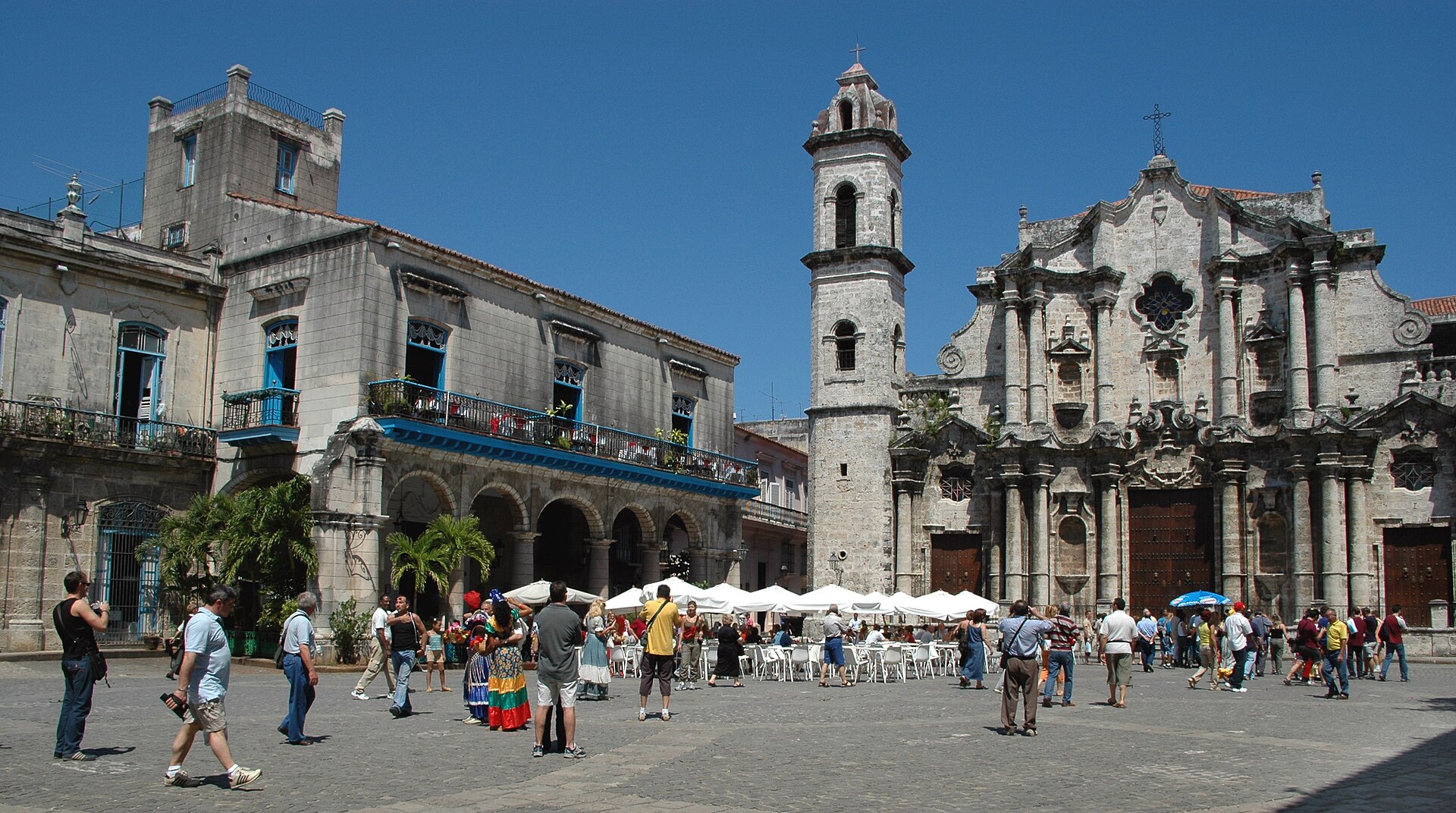
Plaza de la Catedral is the most beautiful square in Havana — an asymmetric cobblestoned plaza dominated by the Baroque facade of the Cathedral of San Cristóbal (completed in 1777, with one tower deliberately wider than the other to allow rainwater to drain — a practical asymmetry that has become the building's most distinctive feature). The plaza is surrounded by 18th-century palaces that now house museums, restaurants, and the Centro Wilfredo Lam contemporary art gallery. The cathedral, built by the Jesuits (who were expelled from Cuba before they could finish it, leaving the facade incomplete in a way that adds character), claimed to house the remains of Christopher Columbus until they were transferred to Seville in 1898. The interior is simple by Baroque standards — whitewashed walls with minimal decoration — reflecting the relative austerity of Cuban colonial Catholicism compared to the extravagance of Mexico or Peru. The Bodeguita del Medio, a tiny bar on a side street adjacent to the plaza, claims to be the birthplace of the mojito and displays a sign attributed to Hemingway: 'My mojito in La Bodeguita, my daiquiri in El Floridita.' Whether Hemingway actually wrote it (historians are sceptical) is less important than the tradition it has sustained — the bar has been serving mojitos to tourists and Habaneros in a space the size of a corridor since the 1940s.
Plaza de la Revolución
Plaza de la Revolución, Plaza de la Revolución, Havana, Cuba
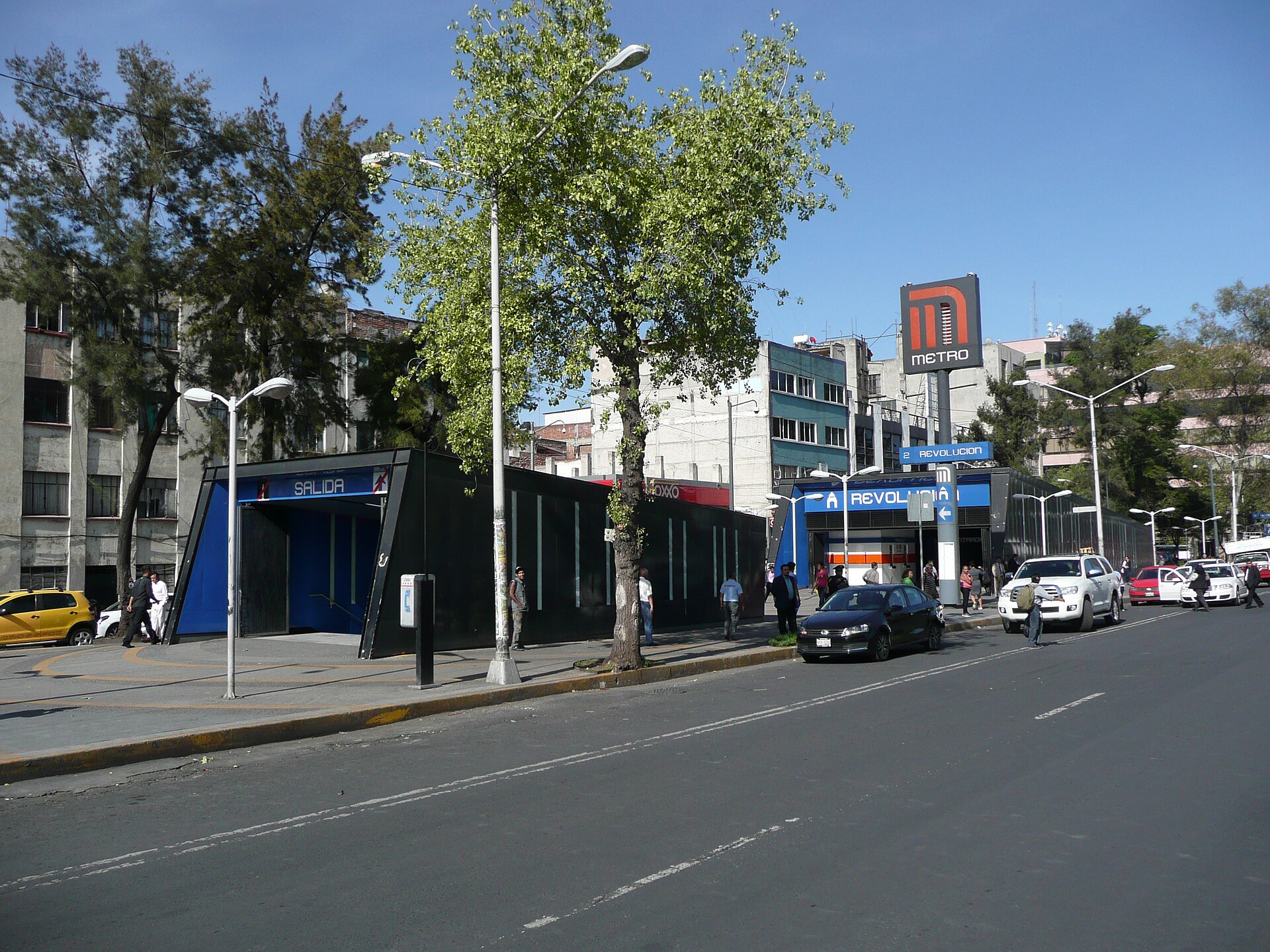
Plaza de la Revolución is where modern Cuban history has been performed — a vast concrete square that can hold up to 1 million people and has been the setting for Fidel Castro's marathon speeches, Pope John Paul II's 1998 mass, and every major state ceremony since the revolution. The square is dominated by the 109-metre José Martí Memorial (Cuba's tallest structure) shaped like a five-pointed star and faced in white marble — an obelisk dedicated to Cuba's 19th-century independence hero. The ministries of Interior and Communications on the opposite side of the square are decorated with the iconic steel-cable portraits of Che Guevara (with the motto 'Hasta la Victoria Siempre' — 'Always Onward to Victory') and Camilo Cienfuegos ('Vas bien, Fidel' — 'You're doing fine, Fidel') that are reproduced on Cuban souvenirs worldwide. The square is eerily empty most days; its monumental scale only makes sense when filled with a rally.
Plaza de San Francisco
San Francisco Square, La Habana Vieja, Havana, Cuba
Plaza de San Francisco is one of the four great squares of Old Havana — a cobblestone plaza facing the harbour, dominated by the 16th-century Basilica of San Francisco de Asís, whose 42-metre bell tower was for centuries the tallest structure in Havana and the first landmark visible to ships entering the bay. The plaza was Havana's main commercial square during the Spanish colonial period, when it adjoined the original customs house and galleons from Spain and Mexico would unload silver and goods directly onto the square. The Basilica is now a concert hall (the church's religious functions moved elsewhere in the 19th century) with exceptional acoustics for chamber music — the Lunes de la Música series on Monday evenings is one of the best classical music programs in Havana. The bronze statue of El Caballero de París (a street philosopher who wandered Havana in the 1930s-40s) stands in the square and is traditionally touched on the beard for good luck.
Plaza Vieja
Plaza Vieja, Habana Vieja, Havana
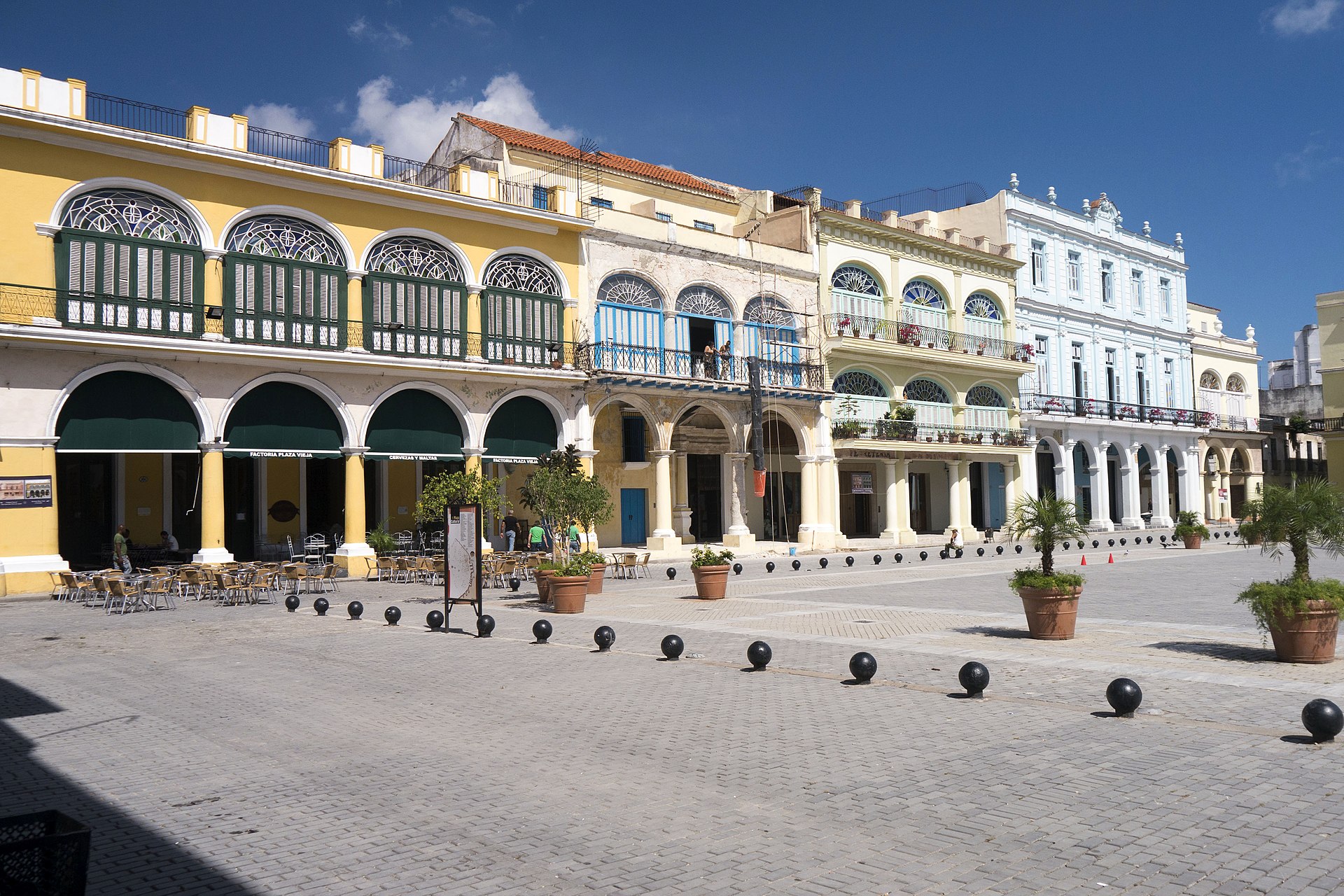
Plaza Vieja is Old Havana's most successfully restored square — a 16th-century plaza that has been returned to its original beauty after decades of neglect (including the particularly unfortunate 1950s decision to build an underground parking garage beneath it, since demolished). The buildings surrounding the square span four centuries of Cuban architecture — Renaissance, Baroque, neoclassical, and Art Nouveau facades painted in the pastel colours that distinguish Cuban colonial architecture from its more sombre Spanish models. The square now houses the Fototeca de Cuba (the national photography archive), the Camera Obscura (a tower-mounted optical device that projects a live panoramic image of Havana onto a concave screen), a microbrewery (Factoria Plaza Vieja, serving the only craft beer in a country where commercial beer dominates), and the restaurants and cafés that fill the plaza's arcaded ground floors. The restoration, led by the City Historian's Office, is a model of heritage conservation that balances authenticity with the commercial activity needed to fund ongoing maintenance. Plaza Vieja's residential upper floors — the balconied apartments above the shops — remain occupied by Habaneros, which gives the square a lived-in quality that purely commercial restorations can't achieve. The sight of laundry hanging from the balconies of a restored Baroque palace is Havana's most characteristic image — beauty and domesticity coexisting without apology.
Universidad de La Habana
San Lázaro, Centro Habana, Havana, Cuba
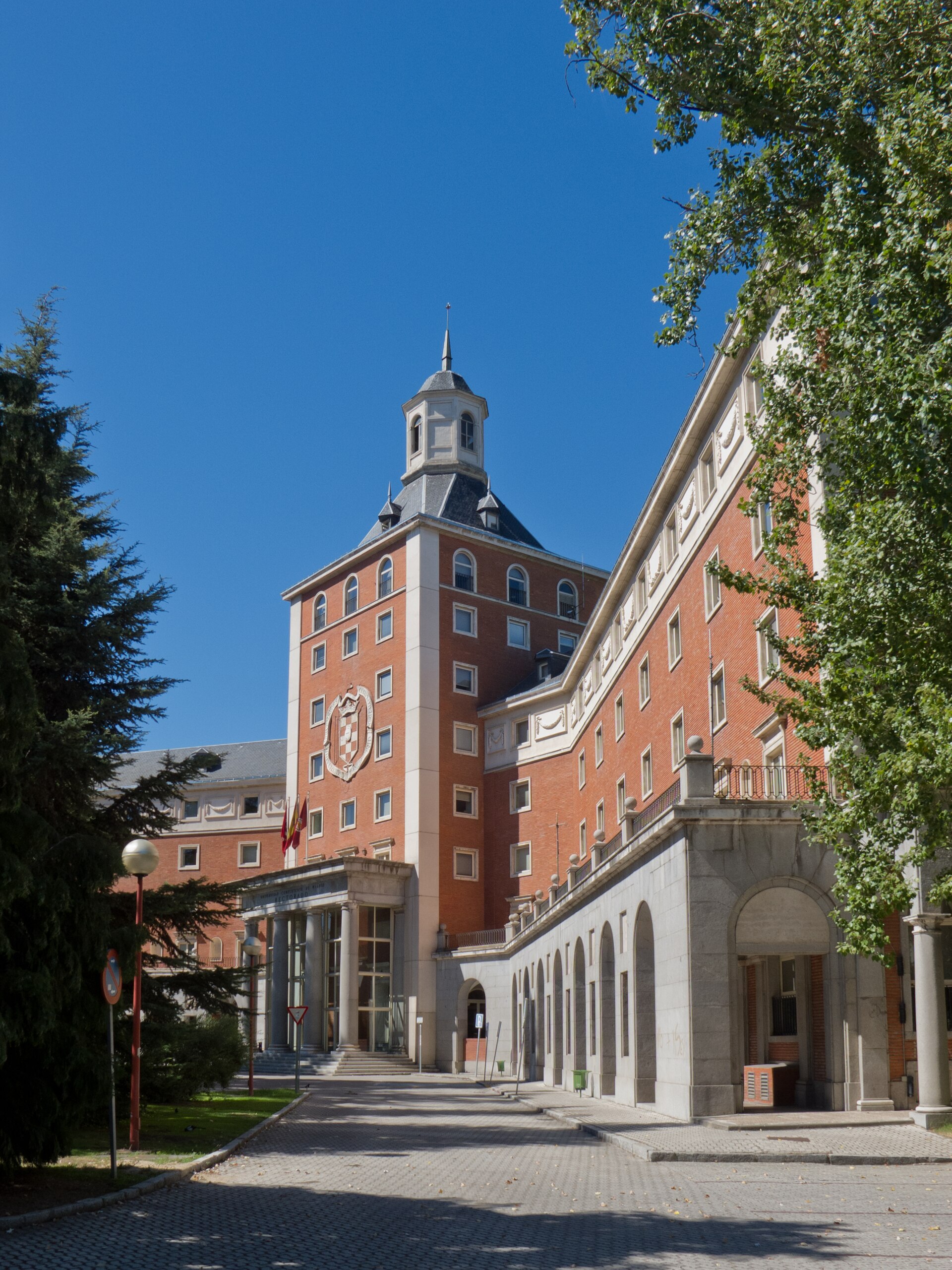
The University of Havana is Cuba's oldest and most prestigious university — founded in 1728 by Dominican friars and relocated to its current Vedado campus in 1902, where the Greek Revival main building (completed in 1906) sits atop a grand 88-step staircase known as the Escalinata. The stairs descend to San Lázaro Street and are crowned by the Alma Mater statue (1919) by Cuban sculptor Mario Korbel — a seated bronze figure representing wisdom that has become the symbol of the university. The university has been the centre of Cuban intellectual life for three centuries and the birthplace of every major political movement of modern Cuba — the student federation founded by Julio Antonio Mella in 1923, the 1950s opposition to Batista that radicalised Fidel Castro (who studied law here from 1945 to 1950), and the post-1959 cultural debates that shaped the revolution. The campus is free to enter and the Felipe Poey Natural History Museum inside has one of the region's best insect and shell collections.
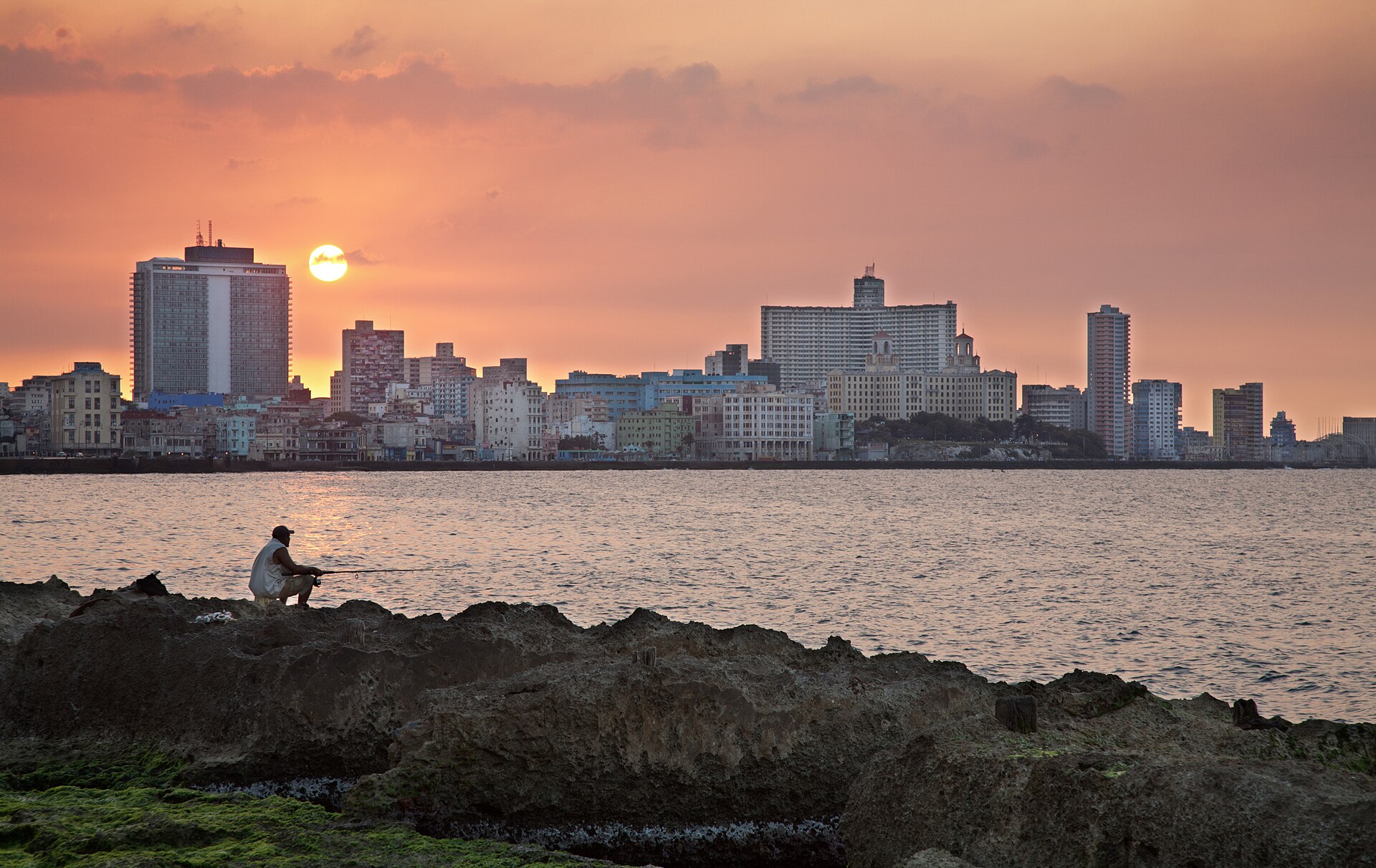
Vedado & Hotel Nacional
Acceso a Hotel Morón, Morón, Cuba
Vedado is Havana's grandest residential neighbourhood — a grid of tree-lined streets and mansions built in the early 20th century when Cuba's sugar wealth created a class of millionaires who built their houses in the fashionable Art Deco, Streamline Moderne, and modernist styles that were sweeping through the Americas. The neighbourhood, which stretches from the Malecón south to the Plaza de la Revolución, contains Havana's most important 20th-century architecture. The Hotel Nacional (1930) is Vedado's most famous building — a Moorish-Art Deco landmark on the Malecón that has hosted every major figure who visited pre-revolutionary Cuba (Winston Churchill, Frank Sinatra, the American Mafia bosses who ran the city's casinos) and remains the most atmospheric hotel in Cuba. The hotel's terrace bar, overlooking the Malecón and the ocean, provides the classic Havana drinking experience — a mojito at sunset with the sea wall, the waves, and the crumbling city behind you. Vedado's residential streets contain some of the finest 20th-century domestic architecture in the Caribbean — Art Deco mansions with porthole windows, Streamline Moderne curves, and the tropical modernism of the 1950s (when Havana was one of the most architecturally adventurous cities in the Americas). Many mansions are now government offices or foreign embassies, but the residential character of the neighbourhood persists, and walking the side streets reveals an architectural quality that most Caribbean cities have demolished.