11 Local Spots in Montreal Tourists Don't Know About
11 landmarks with verified facts and stories
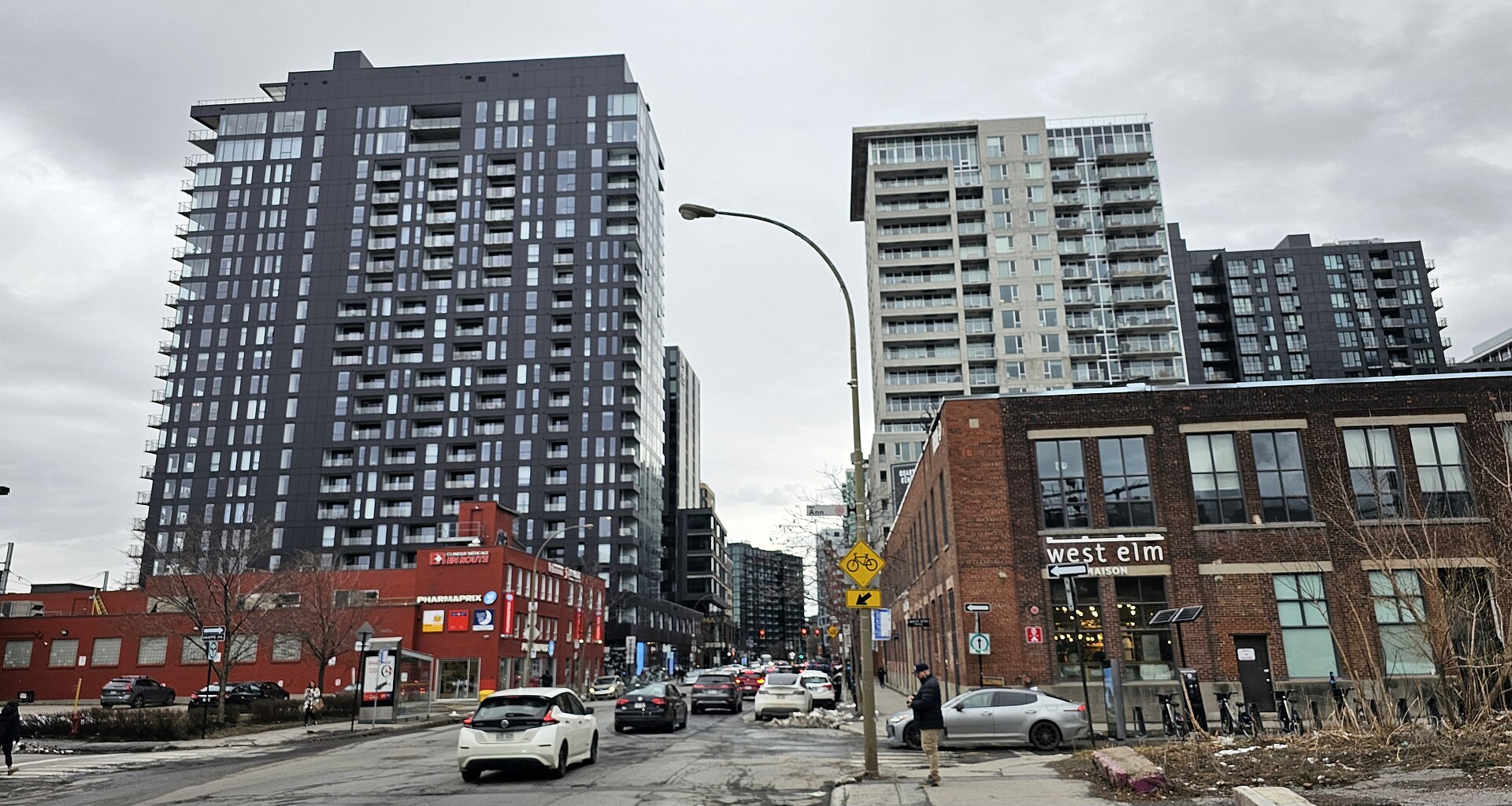
Griffintown
Rue Wellington, Griffintown, Montréal, H3C 0M1, Canada
Griffintown is Montreal's newest restaurant district — a formerly industrial neighbourhood south of the Lachine Canal that has transformed over the past decade from abandoned factories and parking lots into one of the most dynamic dining and nightlife destinations in the city.
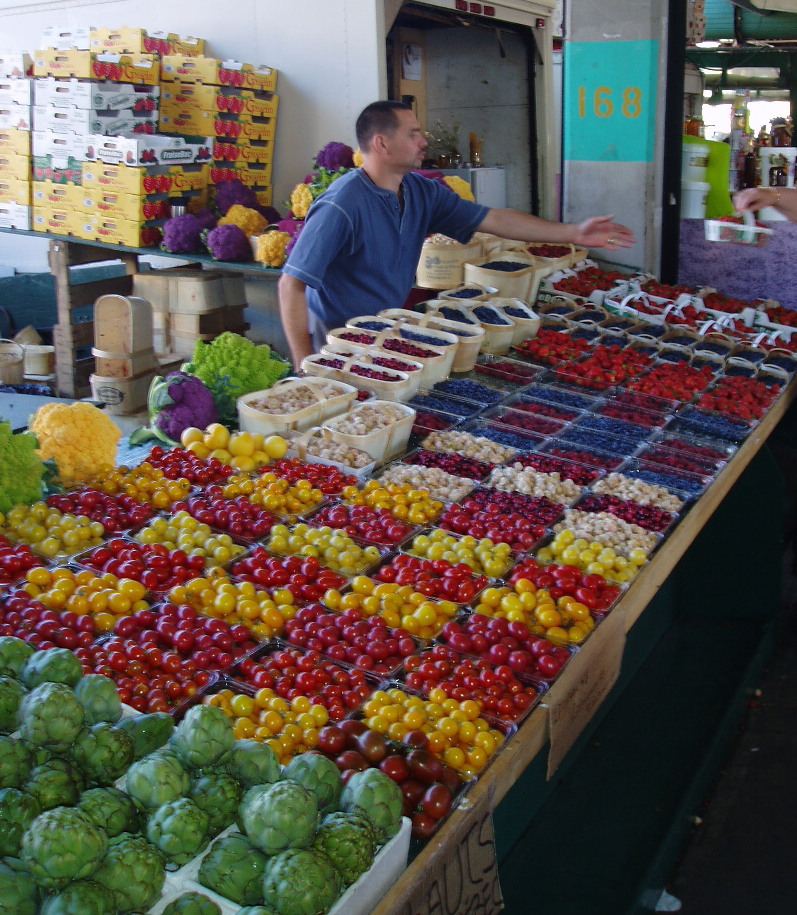
Jean-Talon Market
7070 Avenue Henri-Julien, Montreal
Jean-Talon Market is the largest outdoor market in North America — a year-round covered market in the Little Italy neighbourhood that has been the centre of Montreal's food culture since 1933.
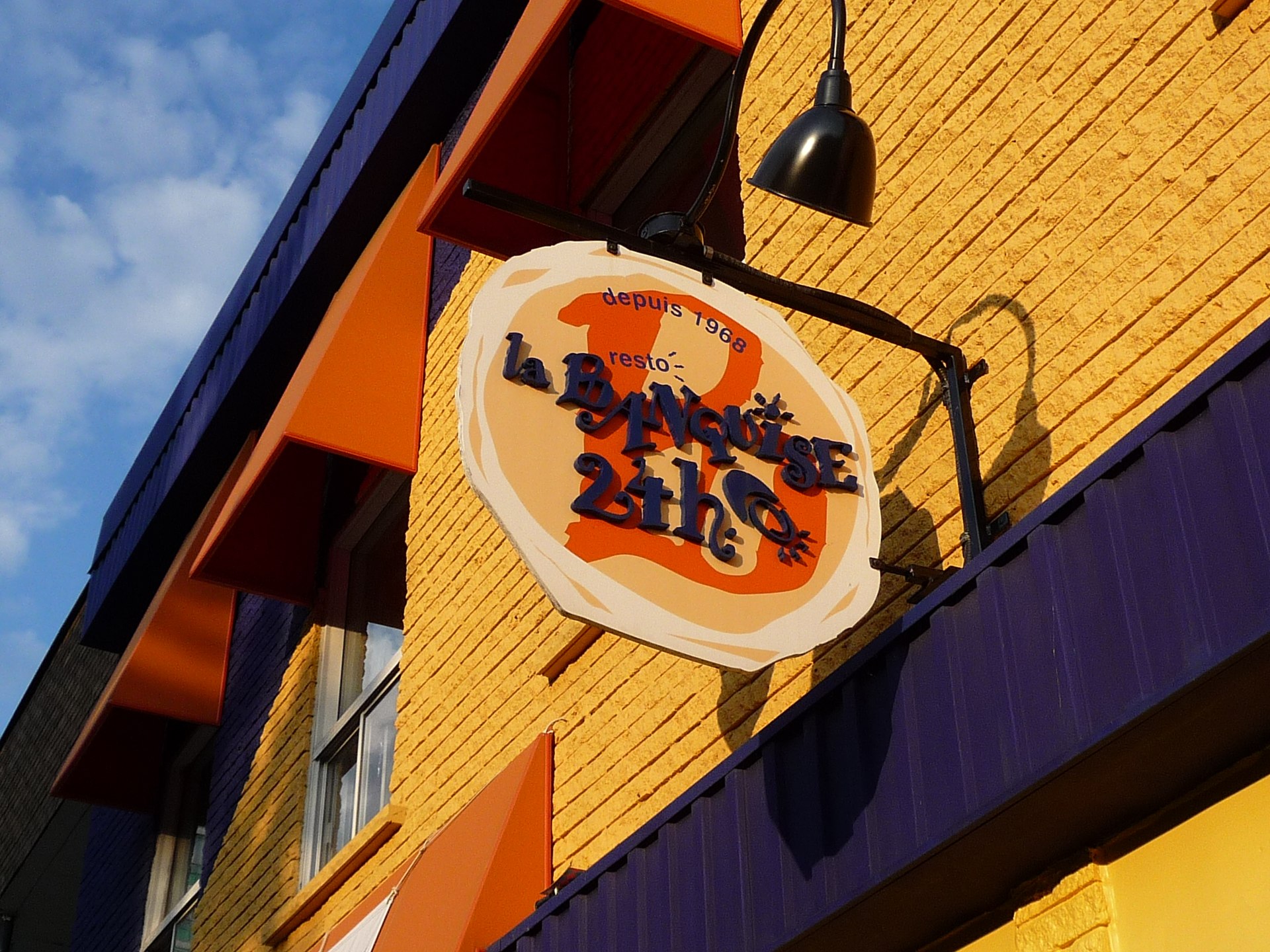
La Banquise
994 Rue Rachel, Plateau-Mont-Royal, Montréal, H2J 2J3, Canada
La Banquise is Montreal's poutine cathedral — a 24-hour restaurant on Rachel Street in the Plateau that has been serving Quebec's national dish in over 30 variations since 1968.
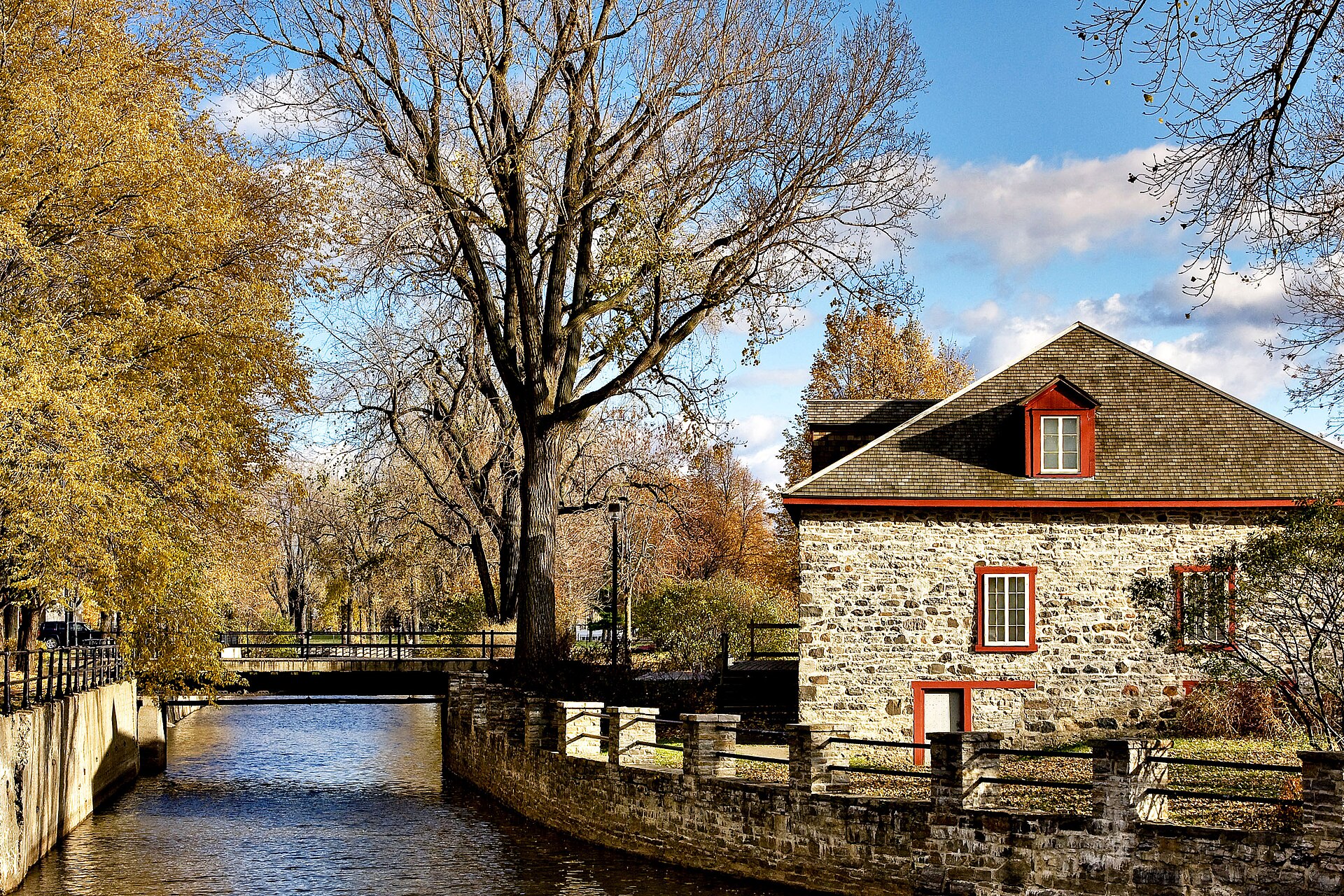
Lachine Canal
955 Rue Mill, St-Jacques, Montréal, H3C 1Y5, Canada
The Lachine Canal is Montreal's most successful urban transformation — a 14.
Marché Atwater
138 Av Atwater, Atwater Market, Montréal, H4C 2G3, Canada
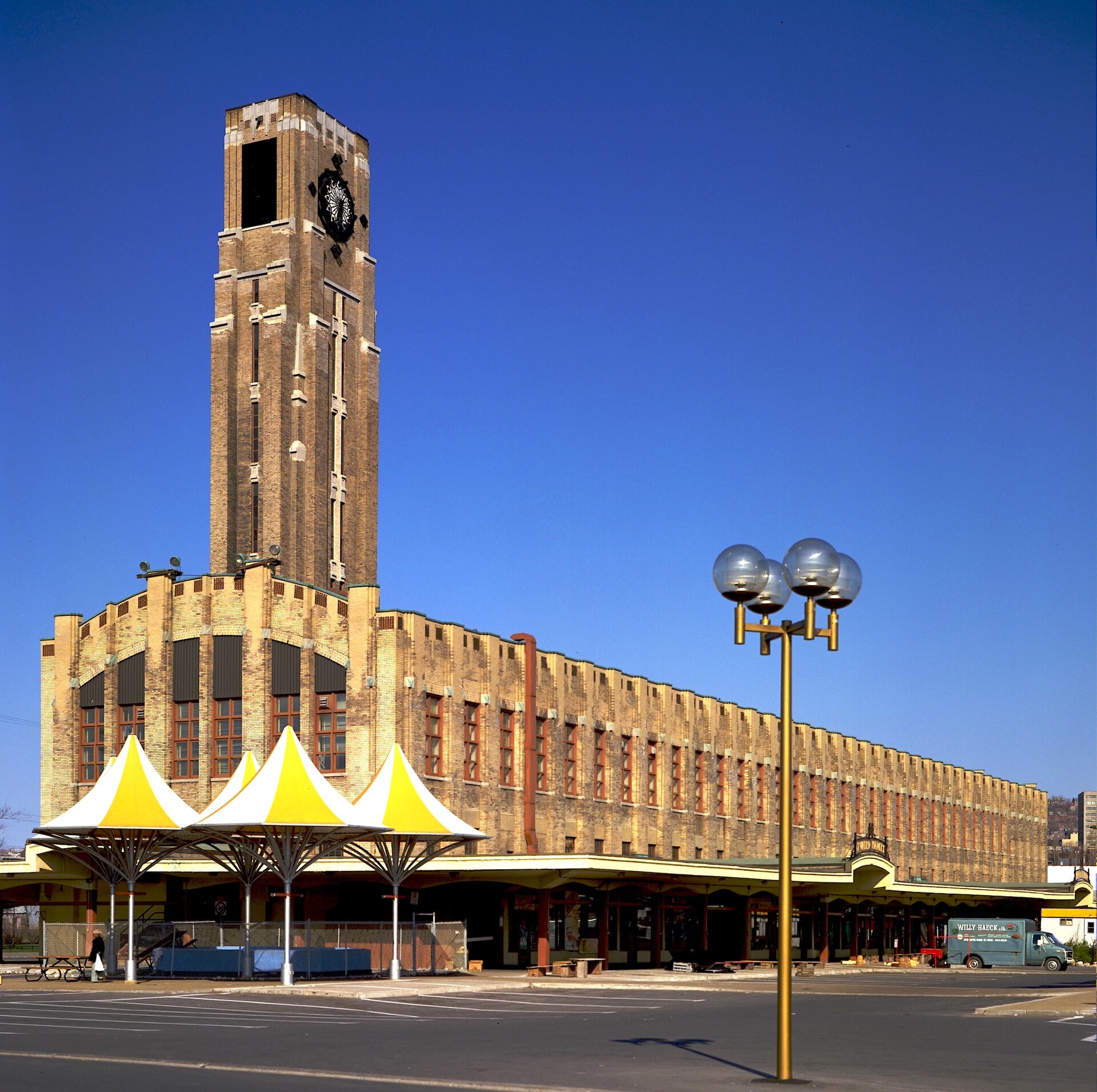
Marché Atwater is Montreal's most beautiful market — an Art Deco brick building on the Lachine Canal that has been the southwest neighbourhood's food hub since 1933.
Mile End
Boul St-Laurent, Mile-End, Montréal, H2T 1S6, Canada
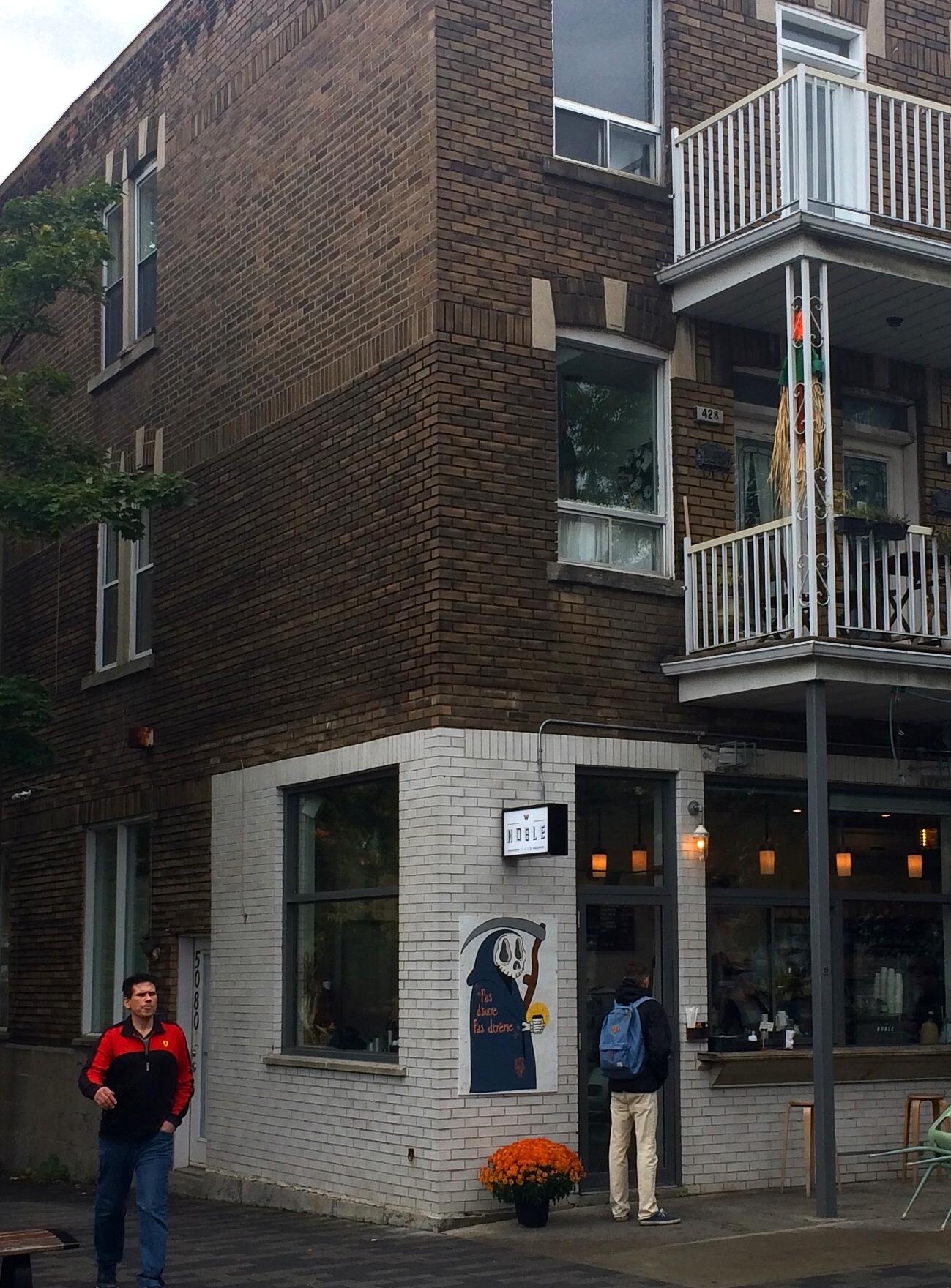
Mile End is Montreal's creative nucleus — a neighbourhood of converted factories, independent studios, and the two bagel shops that anchor the most passionately contested food debate in the city.
Parc La Fontaine
3933 Av du Parc-La Fontaine, Plateau-Mont-Royal, Montréal, H2L 0C7, Canada
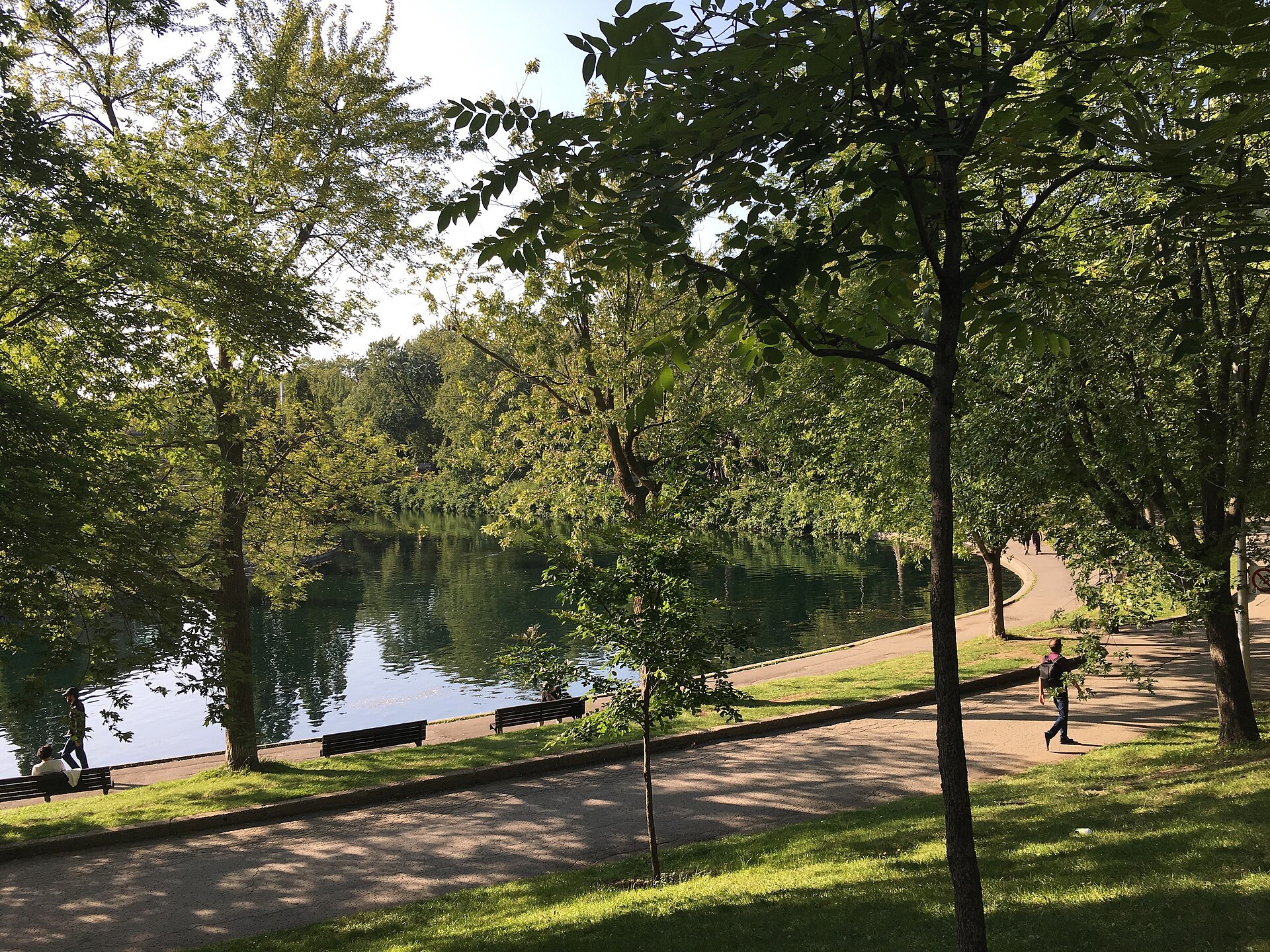
Parc La Fontaine is the Plateau's neighbourhood park — a 36-hectare green space with two ponds, a free outdoor theatre, and the kind of organic community atmosphere that planned parks can never quite achieve.
Plateau Mont-Royal
Boul St-Laurent, Quartier Latin, Montréal, H2X 2V1, Canada
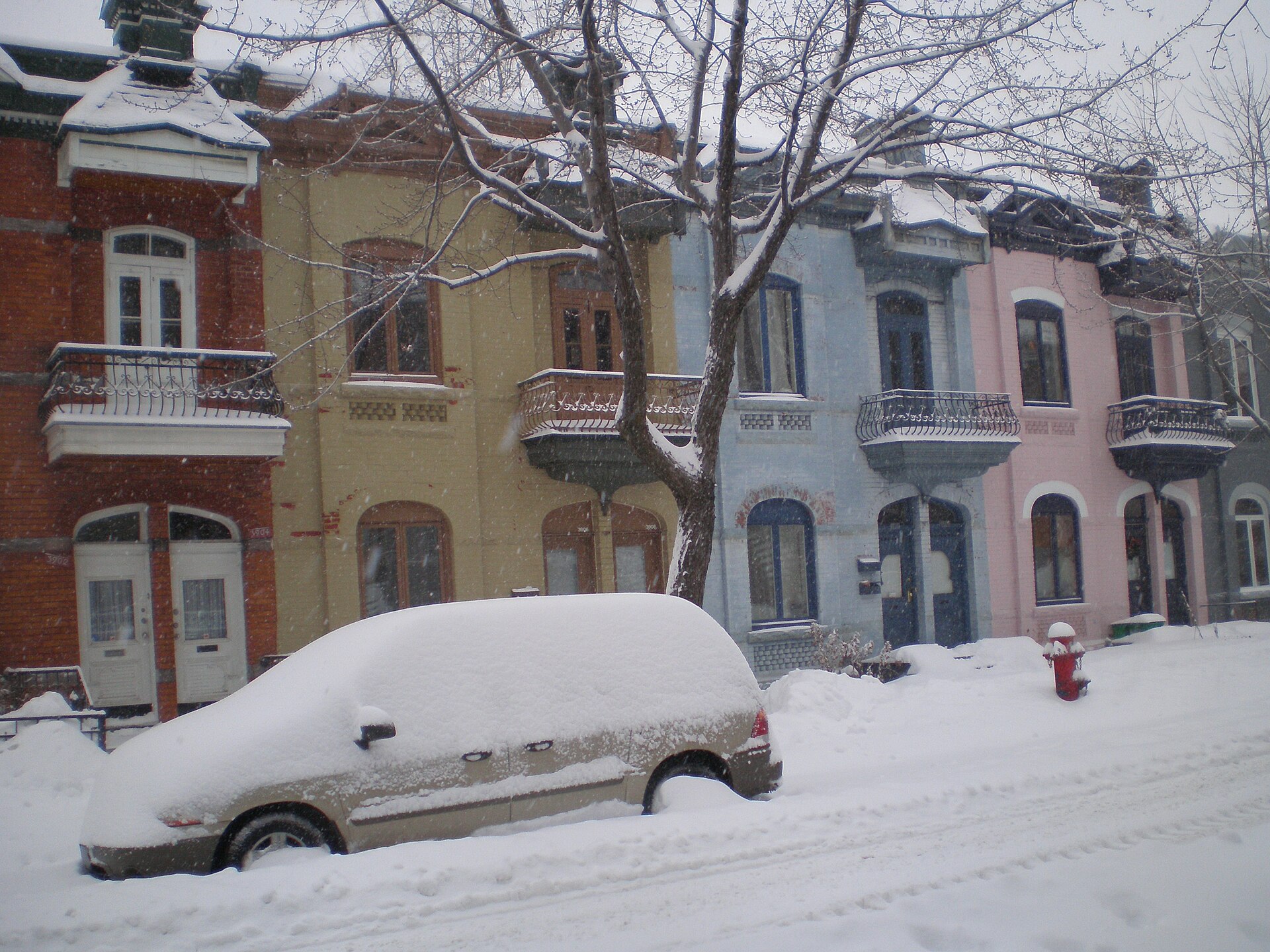
The Plateau is Montreal's most characterful neighbourhood — a dense grid of tree-lined streets, colourful row houses with exterior staircases, independent shops, and a café culture that rivals any European city.
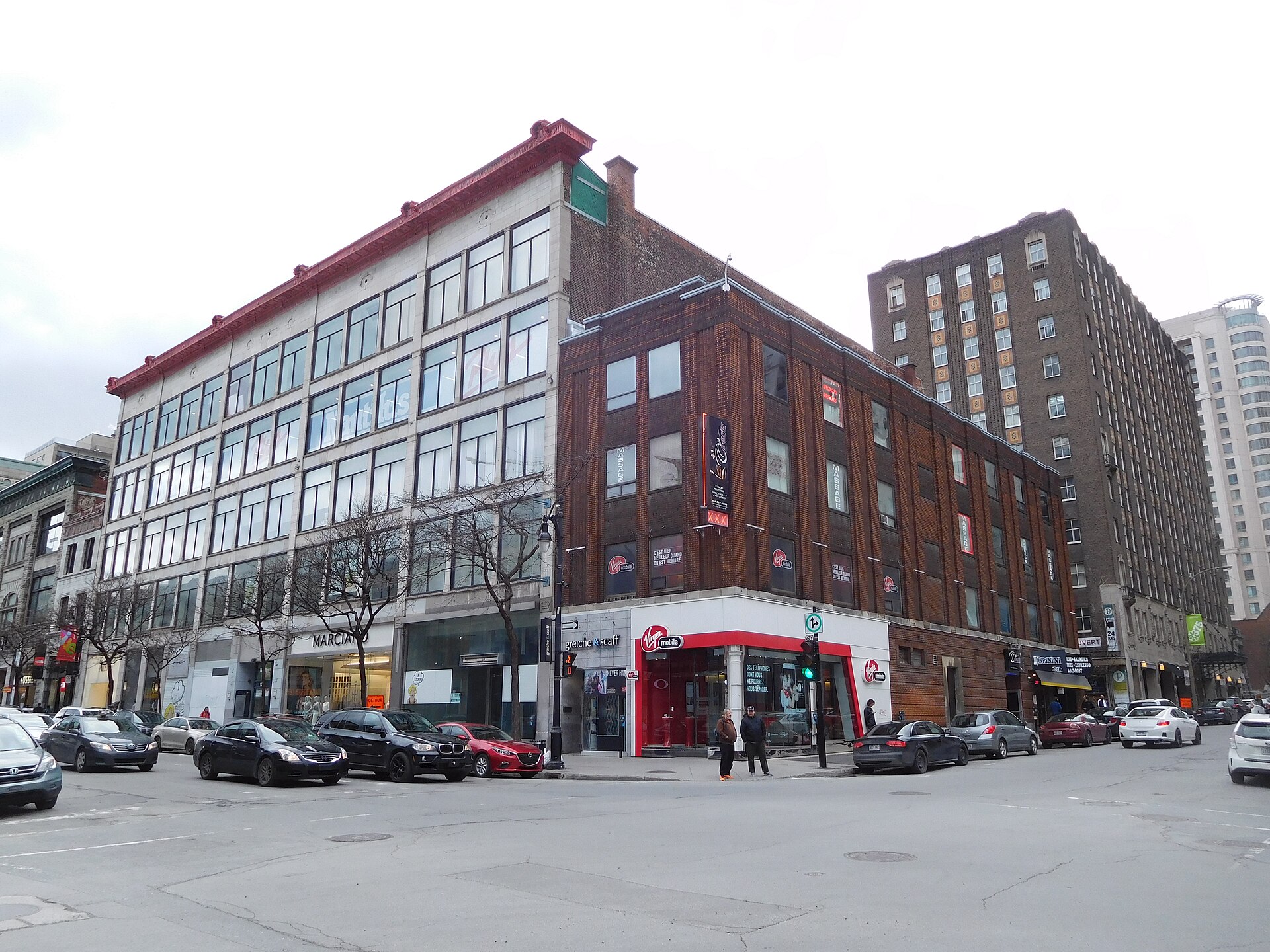
Rue Sainte-Catherine
Rue Ste-Catherine E, Pointe-aux-Trembles, Montréal, H1B 1X2, Canada
Rue Sainte-Catherine is Montreal's main commercial street — a 15-kilometre corridor that runs east-west across the island and passes through virtually every major neighbourhood and demographic that the city contains.
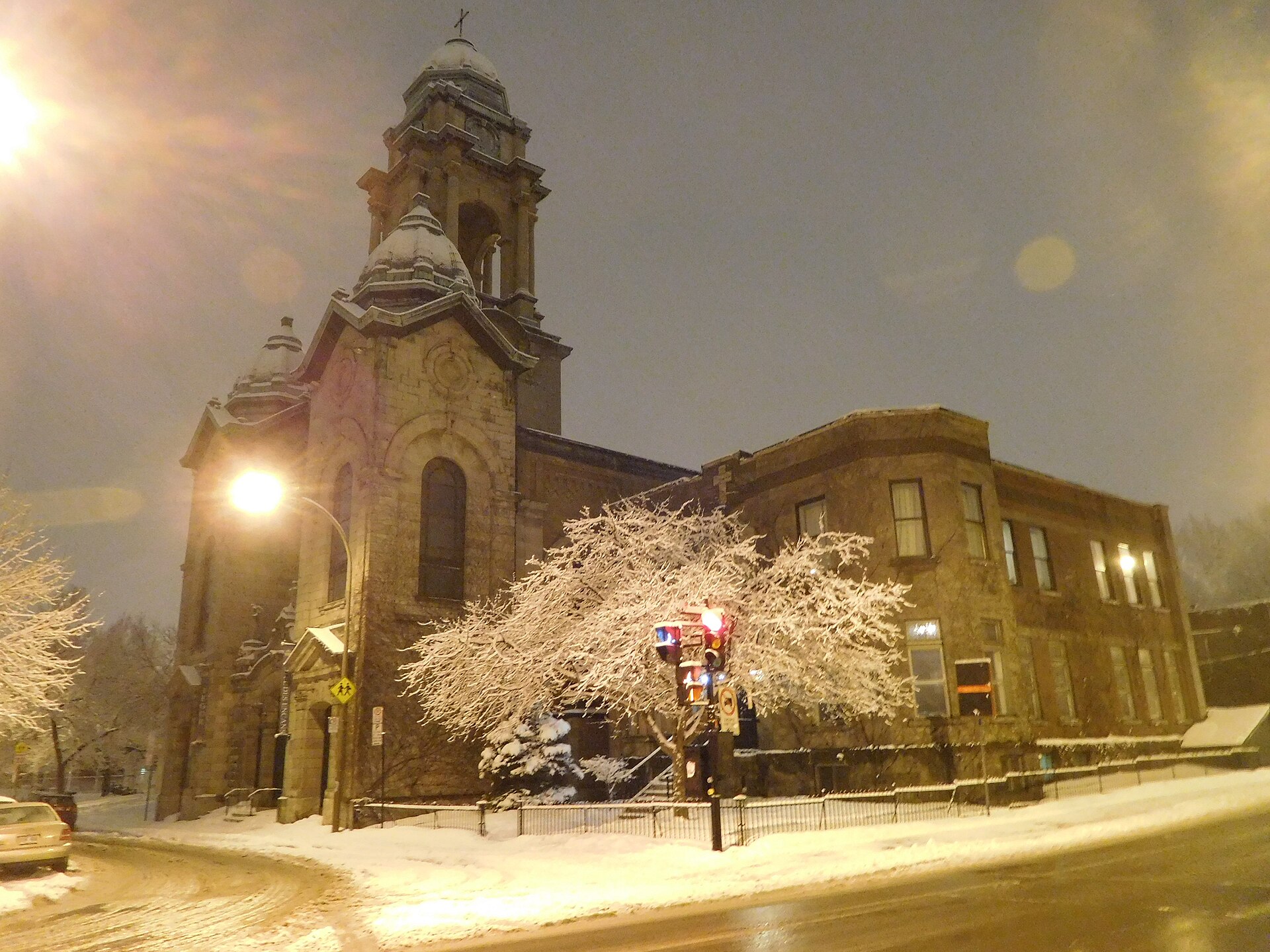
Saint-Henri
Rue Notre-Dame Ouest, St-Henri, Montréal, H4C 2H9, Canada
Saint-Henri is Montreal's working-class neighbourhood turned culinary destination — a district south of Westmount whose industrial heritage (it was the centre of Montreal's manufacturing economy in the 19th and early 20th centuries) is visible in the converted factories, the railway viaducts, and the gritty-turned-trendy Rue Notre-Dame that has become one of the best restaurant streets in the city.
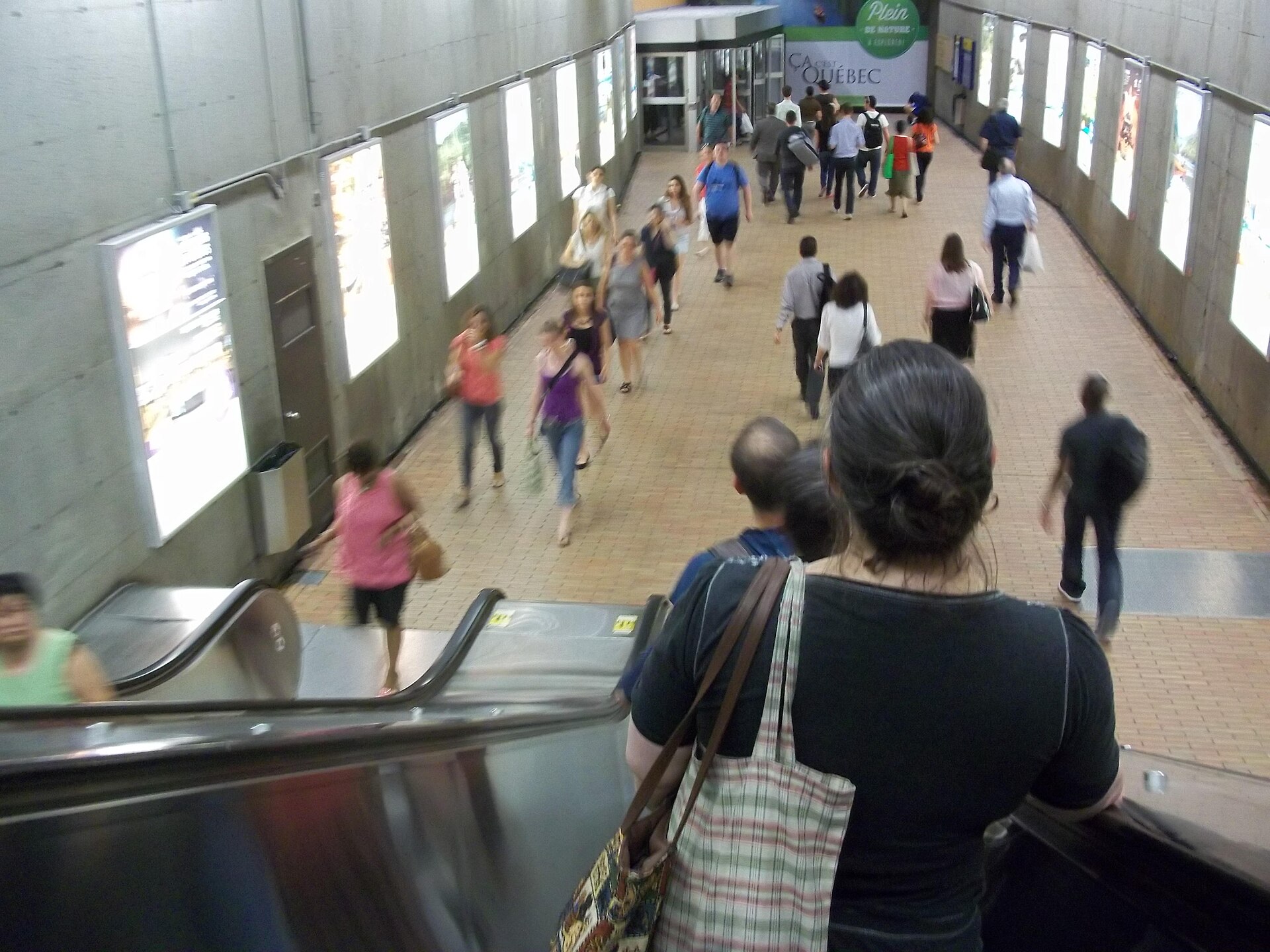
Underground City (RÉSO)
Place Ville-Marie, McGill, Montréal, Canada
Montreal's Underground City — officially called RÉSO — is the largest underground complex in the world: 33 kilometres of tunnels connecting 10 metro stations, 2,000 shops, 200 restaurants, 40 banks, 7 major hotels, 2 universities, and several concert and exhibition venues in a climate-controlled network that allows Montrealers to live, work, shop, and be entertained without ever stepping outside during the five months of winter when temperatures regularly drop below minus 20.
Explore local life in Montreal
GPS-guided narration at every landmark. Tap a spot on the map, hear the story. Every fact verified.