30 Landmarks in Montreal
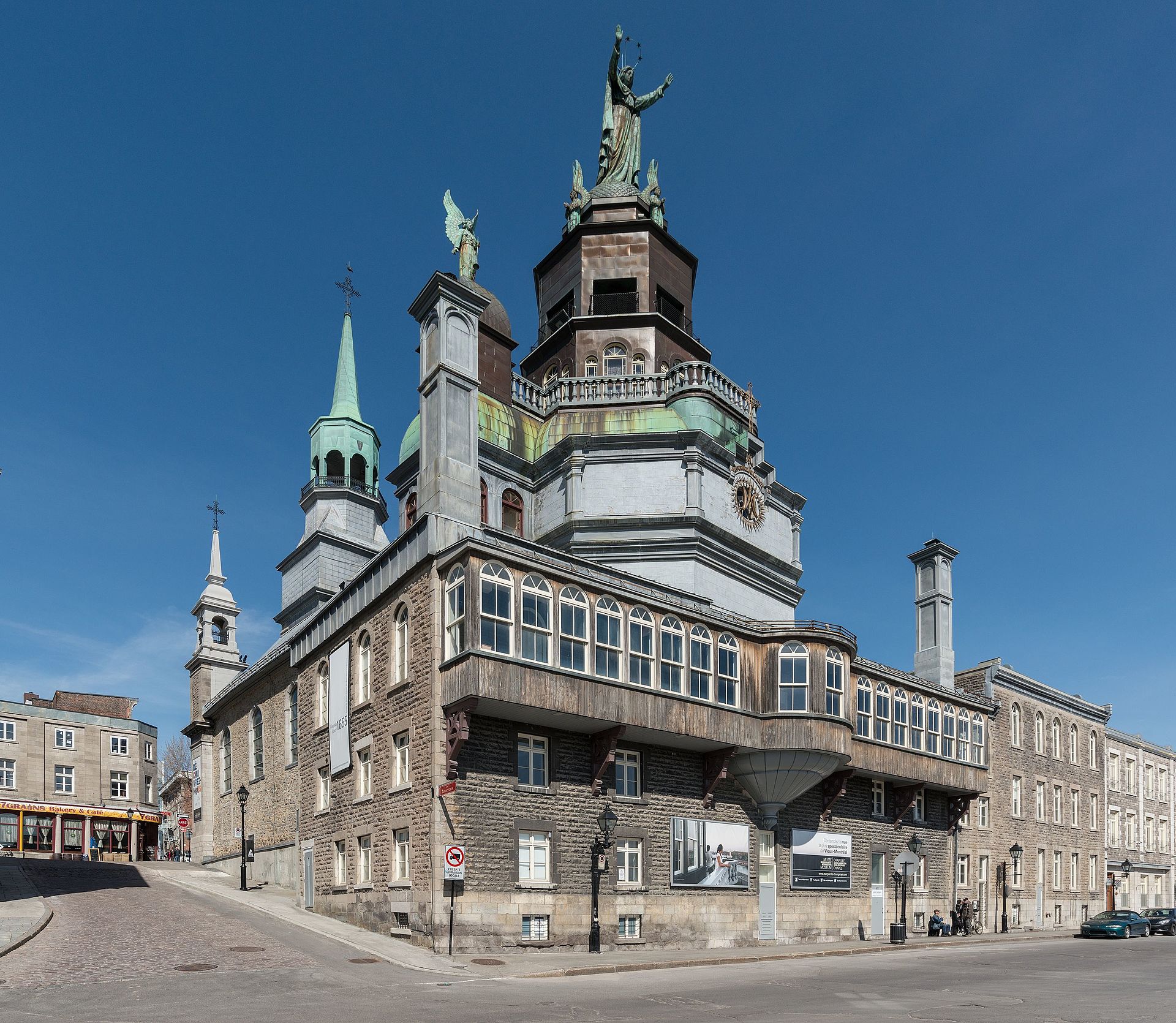
Basilique Notre-Dame de Bon-Secours
400 Rue St-Paul E, Vieux Montreal, Montréal, H2Y 3C9, Canada
Notre-Dame-de-Bon-Secours is the oldest chapel in Montreal — known as the Sailors' Church because of the ship models hanging from the ceiling, donated by grateful sailors who survived the dangerous transatlantic crossing. The chapel was founded by Marguerite Bourgeoys in 1655 (the current building dates to 1771 after a fire destroyed the original), and its location near the Old Port waterfront reflects its historic role as the last place sailors prayed before departing and the first place they gave thanks upon arriving. The ship models suspended from the nave ceiling are the chapel's most distinctive feature — wooden replicas of sailing vessels and steamships, some over a century old, that sway gently in the air currents and give the interior the atmosphere of a maritime museum more than a church. The archaeological crypt beneath the chapel reveals foundations from Marguerite Bourgeoys' original 1655 building and earlier First Nations artifacts, adding another historical layer to an already deep site. The observation tower, accessible via a narrow staircase inside the chapel, provides one of the best views in Old Montreal — a panorama of the Old Port, the river, the Jacques Cartier Bridge, and the Bonsecours Market next door. The tower is less visited than Mount Royal's belvedere, which means you often have the view to yourself. Marguerite Bourgeoys, the chapel's founder, was canonised as a saint in 1982, and the small museum dedicated to her life provides context for the extraordinary women who built Montreal's religious and educational institutions.
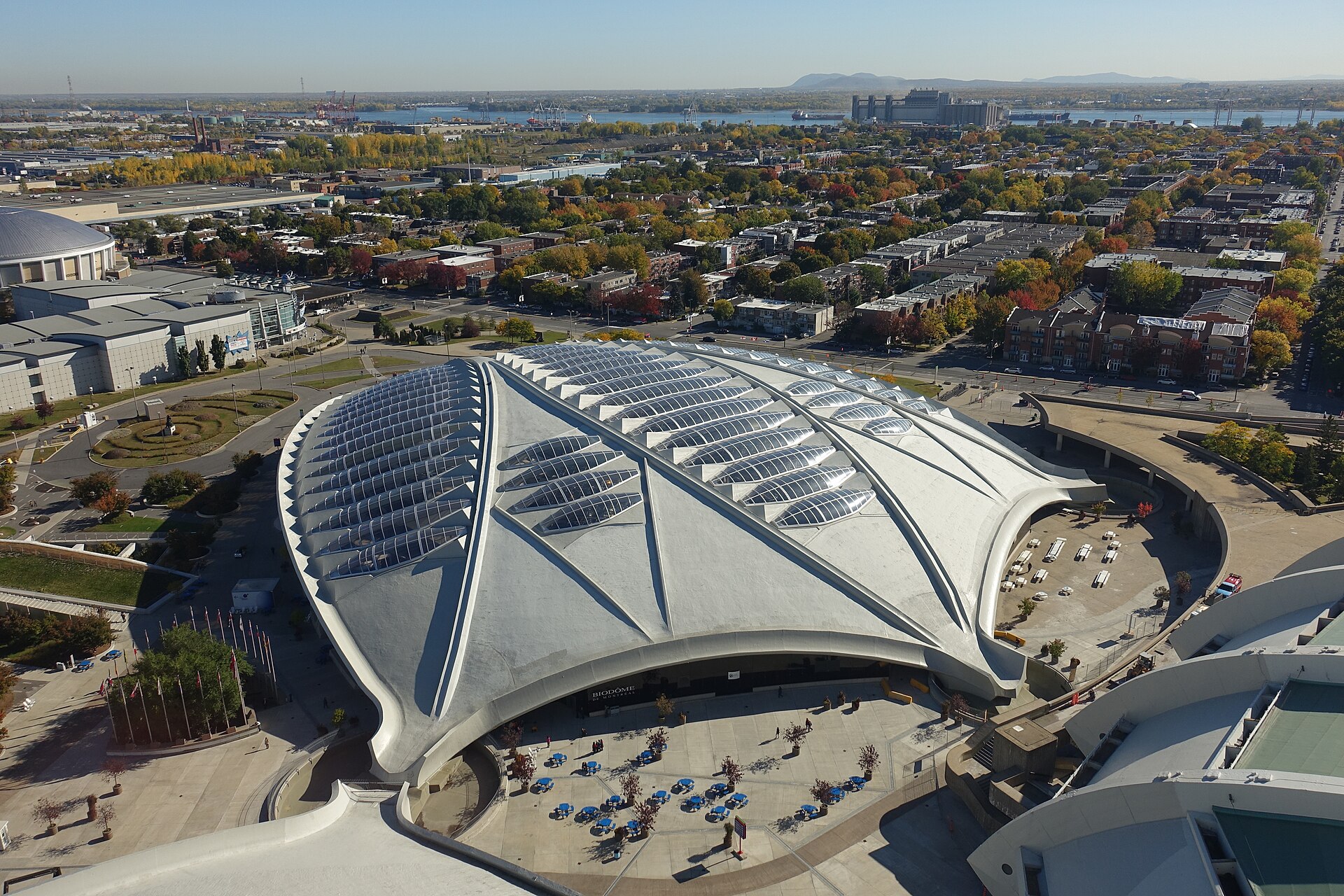
Biodôme de Montréal
4777 Avenue Pierre-de-Coubertin, Montreal
The Biodôme is one of the most unusual natural history museums in the world — a former Olympic cycling velodrome converted into four recreated ecosystems under one roof, where you walk from a tropical rainforest through a Laurentian maple forest to the St. Lawrence marine ecosystem and finally to the sub-Antarctic islands, all within 250 metres of each other. The building was designed by Roger Taillibert as the cycling and judo venue for the 1976 Olympics, and its soaring concrete shell — which looks like a nautilus from outside — provided the volume needed to contain entire biomes when it was converted to the Biodôme in 1992. The Tropical Rainforest section, with its 20-metre canopy, free-flying birds, piranhas, caimans, and the humidity of an actual equatorial forest, is the most immersive — you emerge damp and slightly disoriented, which is the correct response to a tropical forest even when it's located in a Canadian winter. The Biodôme underwent a major renovation completed in 2020 that updated the exhibits, improved animal habitats, and added climate-change messaging to the ecological presentations. The Laurentian Forest section changes with the seasons (the trees actually lose their leaves in autumn, and the beavers and otters behave according to the time of year), and the Sub-Antarctic section houses four species of penguin who seem entirely unbothered by their relocation from the southern hemisphere to a repurposed Olympic velodrome.
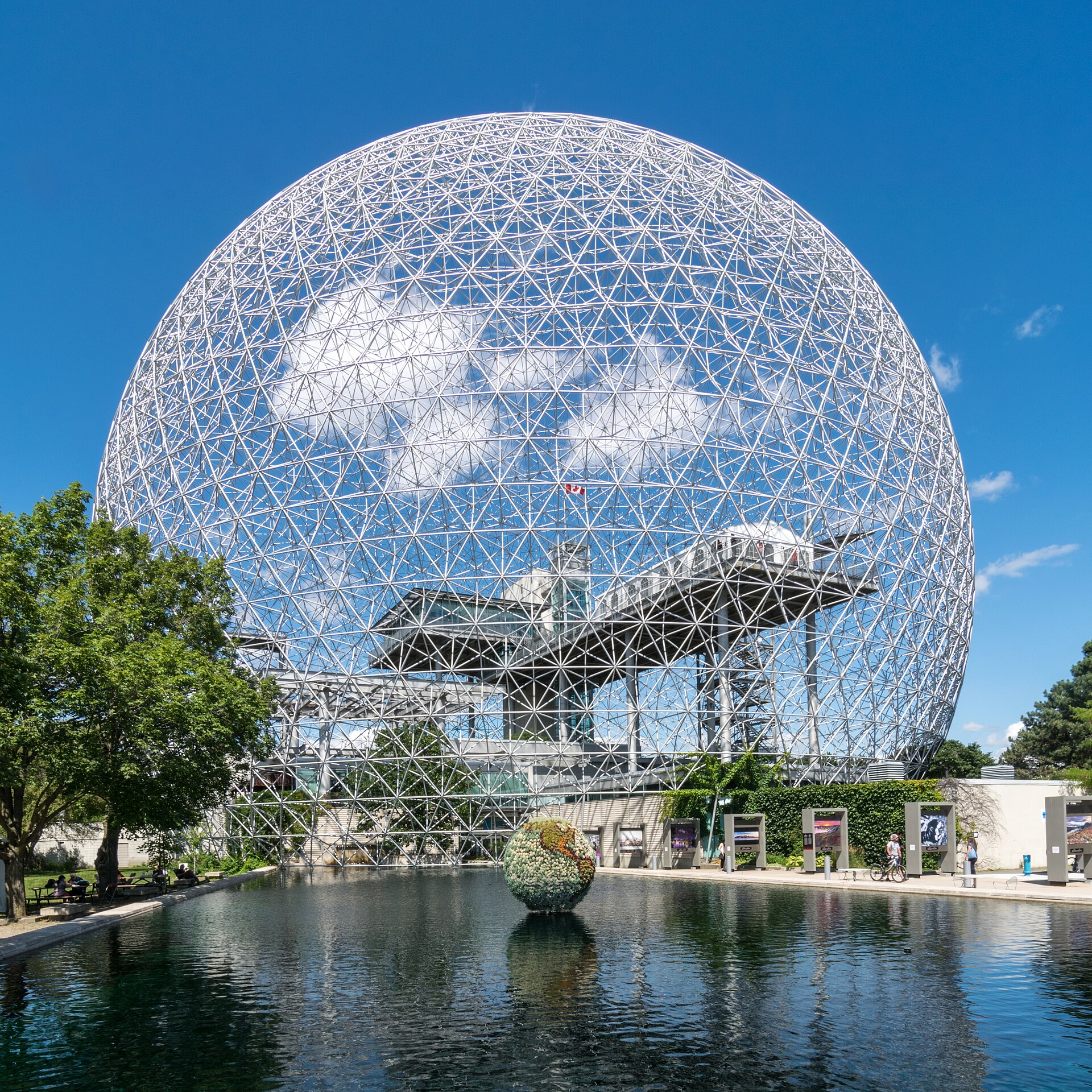
Biosphère
160 Chemin du Tour-de-l'Île, Île Sainte-Hélène, Montreal
The Biosphère is Buckminster Fuller's geodesic dome — a 62-metre-diameter steel lattice sphere built as the United States Pavilion for Expo 67 that has become one of the most recognisable structures in Montreal and one of the most important buildings of the 20th century. The dome was originally covered in acrylic panels that created a transparent skin, but a fire during renovations in 1976 burned away the panels, leaving the bare steel skeleton that stands today — a building that is arguably more beautiful without its skin than with it. Fuller designed the dome as a demonstration of his geodesic principles — a structure where the triangulated frame distributes loads so efficiently that the building weighs a fraction of what a conventional structure of the same size would require. The dome housed the US exhibition during Expo 67, which drew 50 million visitors and established Montreal as a world city. After the fire, the dome stood empty until 1995, when it was converted into an environmental museum focused on water ecosystems and climate change. The museum inside is fine — interactive exhibits on Great Lakes ecology, water management, and climate science — but the building is the real attraction. The steel lattice, silhouetted against the sky on Île Sainte-Hélène in the middle of the St. Lawrence River, is one of those structures that looks equally impressive from across the water and from directly beneath, where the geometry of the triangulated frame creates kaleidoscopic patterns against the clouds. The surrounding park — part of Parc Jean-Drapeau, the former Expo 67 site — includes the Circuit Gilles-Villeneuve (Montreal's Formula 1 track) and Alexander Calder's monumental sculpture 'Man.'
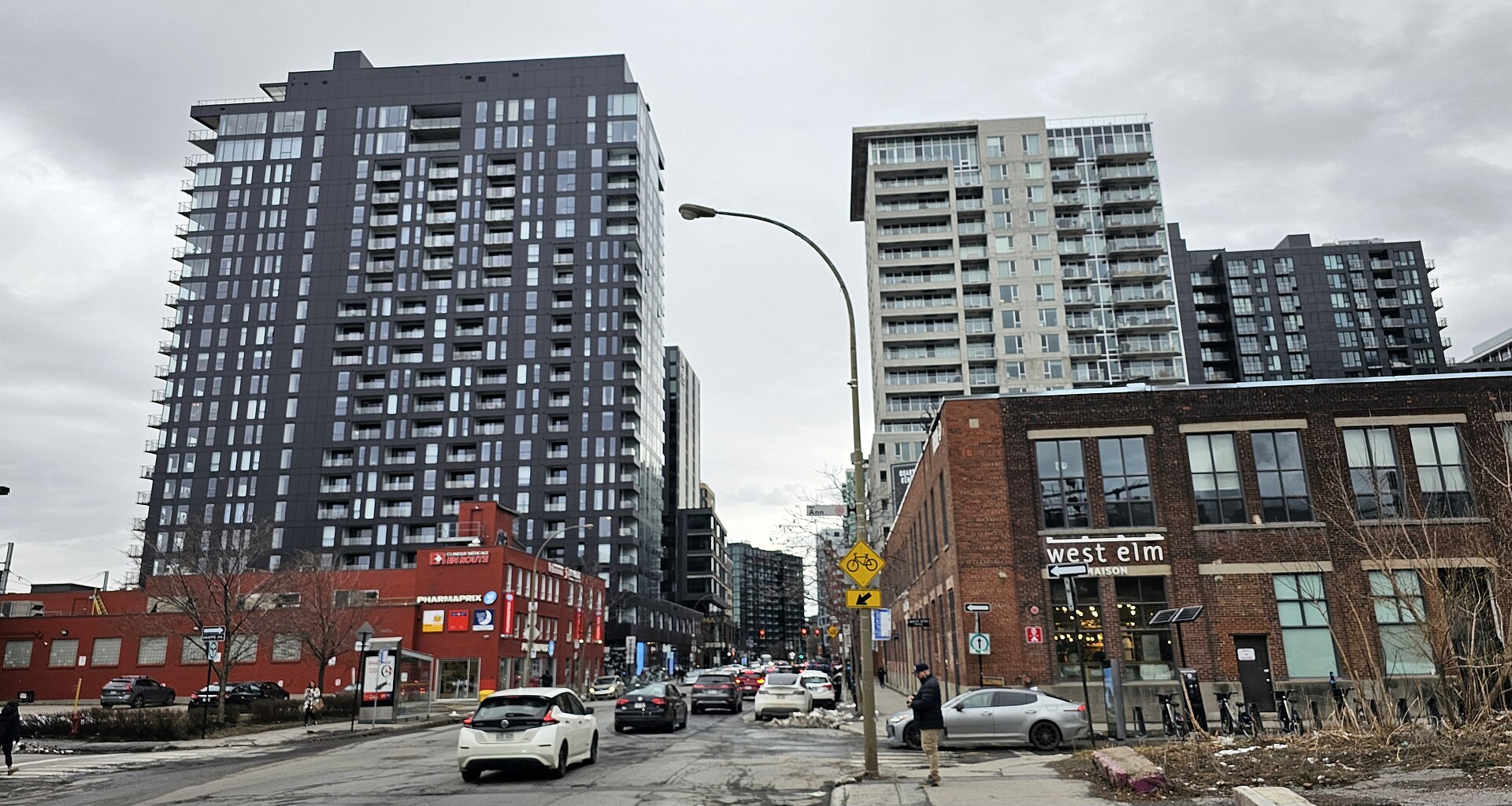
Griffintown
Rue Wellington, Griffintown, Montréal, H3C 0M1, Canada
Griffintown is Montreal's newest restaurant district — a formerly industrial neighbourhood south of the Lachine Canal that has transformed over the past decade from abandoned factories and parking lots into one of the most dynamic dining and nightlife destinations in the city. The neighbourhood's industrial bones — brick warehouses, railway sidings, canal infrastructure — provide the backdrop for restaurants, breweries, and cocktail bars that have made this area the default recommendation when Montrealers are asked 'where should we eat tonight?' The restaurant scene here leans contemporary and ambitious. Joe Beef, the legendary restaurant run by David McMillan and Frédéric Morin, put Griffintown on the global food map with its gutsy, ingredient-driven cooking that draws from Quebec terroir and French technique. The same team's Liverpool House and Mon Lapin are within walking distance, and the concentration of excellent restaurants in a few blocks — Foxy, Le Vin Papillon, Elena — has turned Griffintown into the tasting-menu district that Plateau used to be. The neighbourhood's Irish heritage (Griffintown was Montreal's Irish immigrant quarter in the 19th century, populated by famine survivors who built the Lachine Canal and the Victoria Bridge) is preserved in a few remaining churches and street names, but the physical neighbourhood has been almost entirely rebuilt. The tension between heritage preservation and new development is a recurring Montreal conversation, and Griffintown is where that conversation is happening most intensely — cranes share the skyline with church steeples, and every new condo tower is debated.
Habitat 67
2600 Av Pierre-Dupuy, St-Jacques, Montréal, H3C 3R6, Canada
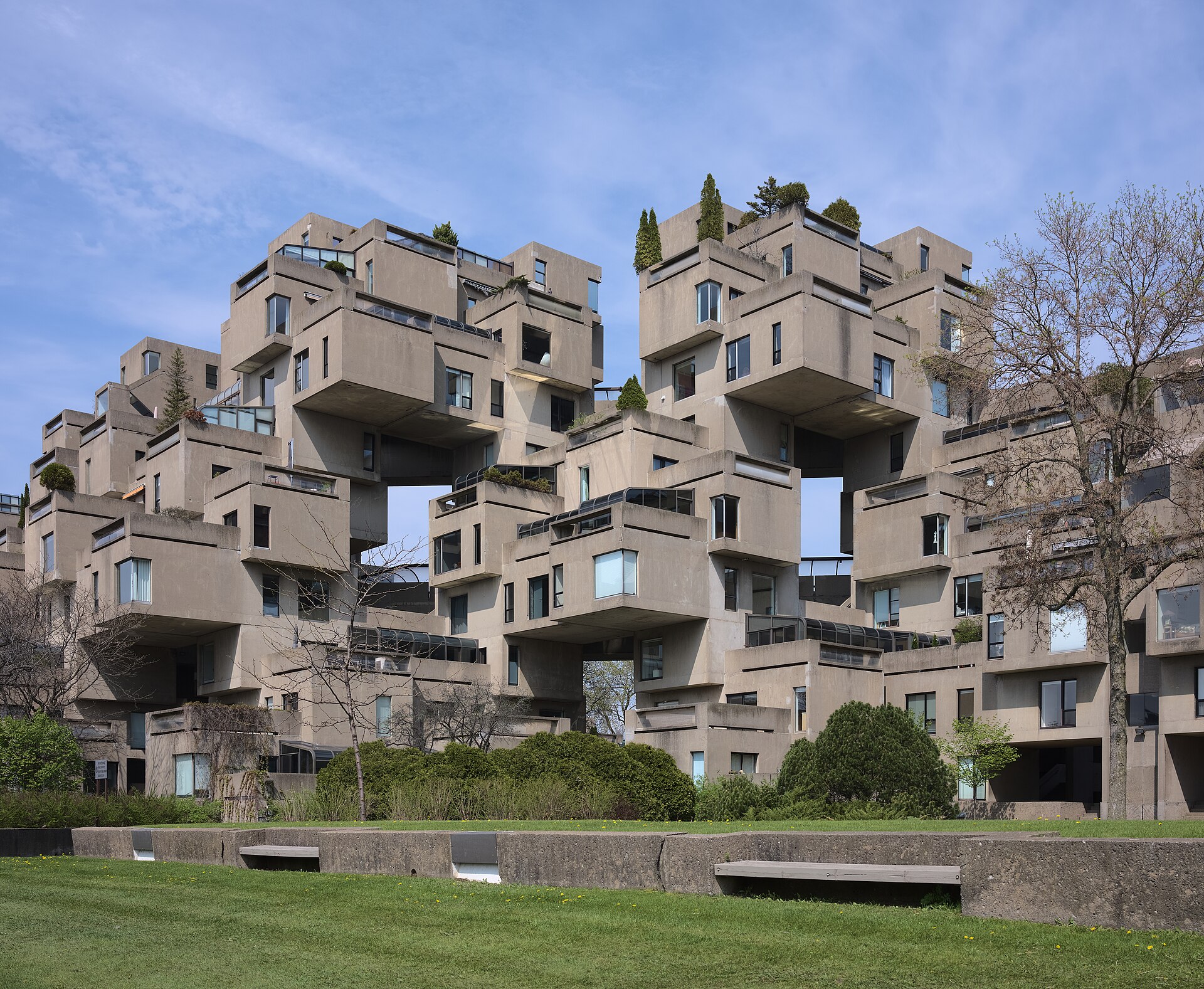
Habitat 67 is one of the most important buildings in 20th-century architecture — a residential complex of 354 identical concrete cubes stacked and interlocked in a seemingly random arrangement that creates 146 apartments, each with its own rooftop garden and views in multiple directions. Designed by Moshe Safdie as his master's thesis project at McGill University and built as a pavilion for Expo 67, it was an attempt to reimagine affordable urban housing, and while it didn't achieve affordability (the apartments are now among the most expensive in Montreal), it proved that high-density living didn't have to mean identical boxes stacked in a tower. Safdie was 23 when he designed Habitat — an age that makes the building's ambition even more remarkable. Each concrete cube was prefabricated on-site and lifted into position by crane, and the interlocking arrangement ensures that every apartment has outdoor space, natural light from multiple directions, and privacy despite the density. The building sits on a peninsula in the St. Lawrence River, originally the site of Expo 67, and the views from the upper units — across the river to the city skyline — are spectacular. Habitat 67 is a private residential building and not open for general interior tours (though the Safdie architects' website occasionally offers guided visits). The exterior is fully visible from the surrounding streets and the Old Port, and the best view is from the bike path along the river, where the building's impossible geometry — cubes cantilevered over nothing, gardens hanging in mid-air, the whole structure appearing to defy gravity — is visible in its full surreal glory.
Jean-Talon Market
7070 Avenue Henri-Julien, Montreal
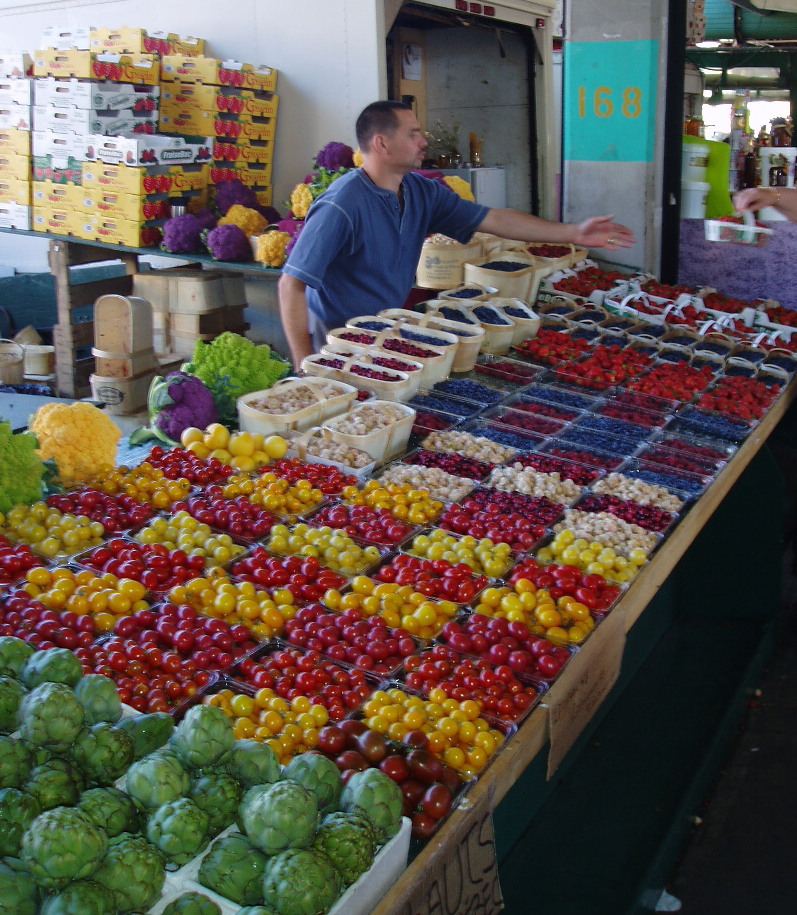
Jean-Talon Market is the largest outdoor market in North America — a year-round covered market in the Little Italy neighbourhood that has been the centre of Montreal's food culture since 1933. The market is where chefs, home cooks, and food obsessives come to buy produce, cheese, meat, bread, and the Quebec specialties (maple syrup, terrines, smoked fish, cider) that make this province's food culture distinct from the rest of Canada. The outdoor stalls, which overflow with produce from May through October, are operated by Quebec farmers who drive in from the Laurentians, the Eastern Townships, and the Montérégie to sell directly to city buyers. The quality and variety are exceptional — heirloom tomatoes, wild mushrooms, fresh herbs, Quebec strawberries (small, intensely flavoured, and available for about three weeks in June), and the micro-greens and specialty crops that the farm-to-table movement has made mainstream. In winter, the market contracts to the covered halls, where cheese shops (Fromagerie Hamel, Yannick Fromagerie), butchers, and specialty vendors keep the food-obsessed fed. The surrounding Little Italy neighbourhood — centred on Saint-Laurent Boulevard north of Jean-Talon — adds Italian delis, espresso bars, and pasta shops to the market ecosystem. The combination of Quebec terroir and Italian-Canadian culinary tradition is one of Montreal's distinctive flavour profiles, and Jean-Talon is where the two traditions meet over a shared counter. Come Saturday morning for the full experience — the market is packed, the vendors are shouting, and the energy is closer to a Mediterranean souk than a Canadian farmers' market.
La Banquise
994 Rue Rachel, Plateau-Mont-Royal, Montréal, H2J 2J3, Canada
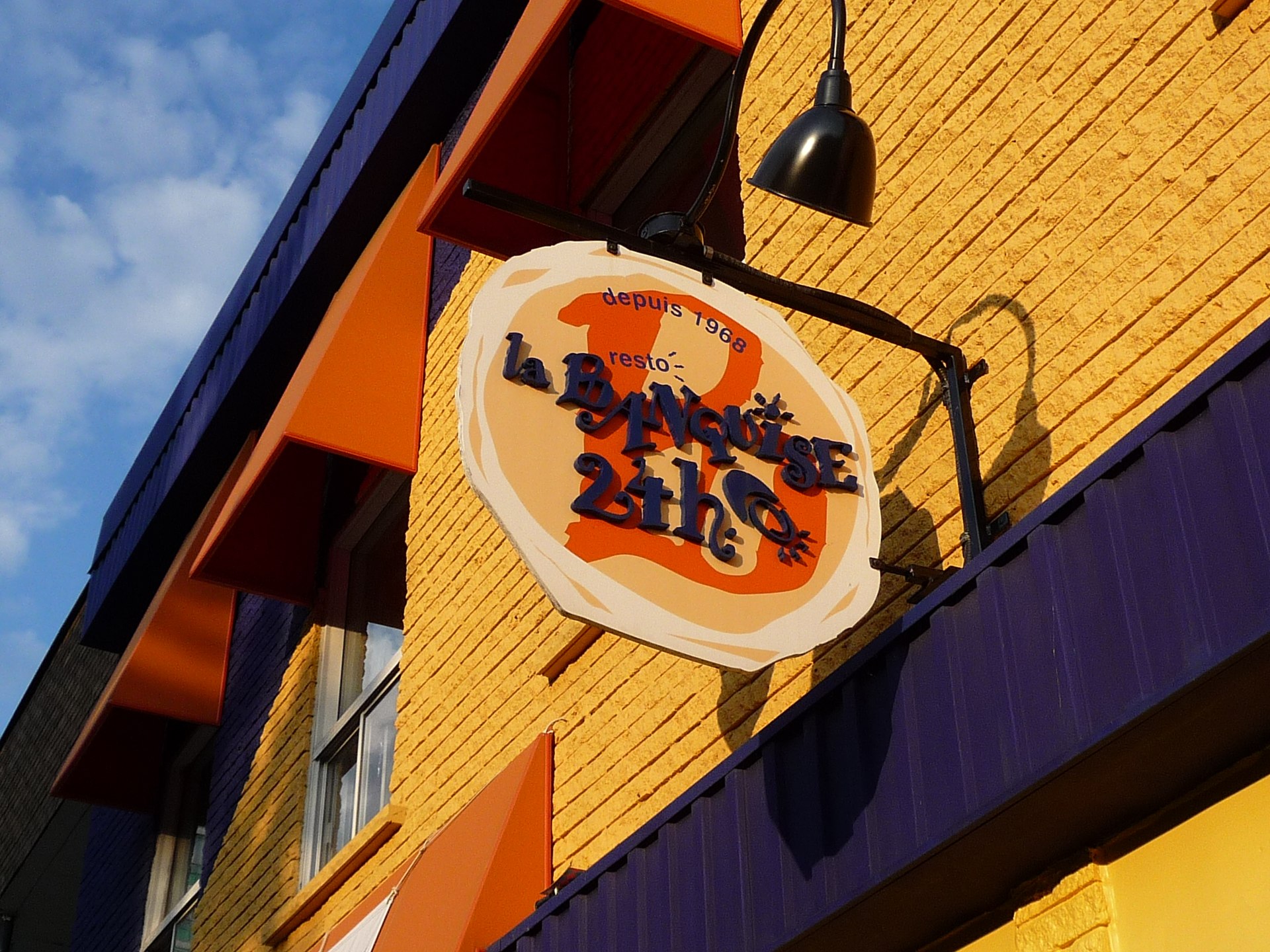
La Banquise is Montreal's poutine cathedral — a 24-hour restaurant on Rachel Street in the Plateau that has been serving Quebec's national dish in over 30 variations since 1968. Poutine — french fries, fresh cheese curds, and brown gravy — is Quebec's most famous culinary contribution to the world, and La Banquise is where the dish reaches its fullest expression, from the classic (fries, curds, gravy, nothing else) to elaborate constructions topped with smoked meat, foie gras, pulled pork, or merguez sausage. The classic poutine is what you should order first — the fries are twice-fried for crispness, the cheese curds are fresh (they should squeak when you bite them, which is the universally acknowledged sign of proper curd freshness in Quebec), and the gravy is a proprietary recipe that La Banquise has been using for decades. The dish is simple, impossibly caloric, and perfect — particularly at 2am after a night in the Plateau's bars, which is the traditional context for poutine consumption. The restaurant itself is small, perpetually busy, and decorated in the kind of no-nonsense diner style that suggests the management put all their energy into the food and none into the interior design. The 24-hour operation means there's no bad time to visit, but the post-bar rush (midnight to 3am on weekends) is when La Banquise is at its most authentic — a room full of Montrealers refuelling with carbohydrates and the shared conviction that there is no problem a plate of poutine cannot temporarily solve.
Lachine Canal
955 Rue Mill, St-Jacques, Montréal, H3C 1Y5, Canada
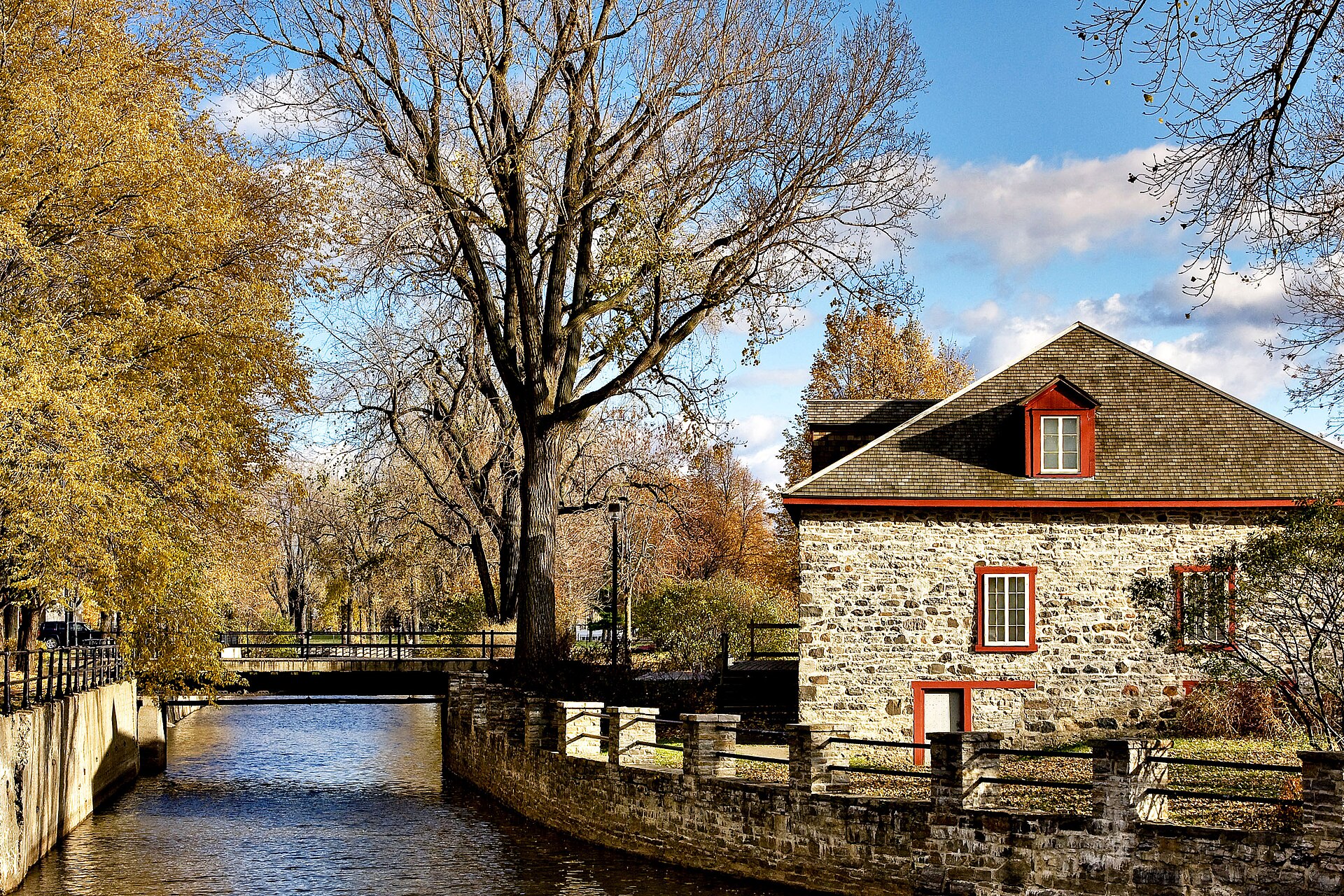
The Lachine Canal is Montreal's most successful urban transformation — a 14.5-kilometre waterway built in 1825 to bypass the Lachine Rapids that closed to commercial shipping in 1970 and has been reborn as a linear park, cycling path, and the catalyst for the conversion of the Southwest's industrial warehouses into the loft apartments, restaurants, and galleries that have made this area one of Montreal's most dynamic neighbourhoods. The cycling path along the canal is the best bike ride in Montreal — flat, scenic, and long enough to feel like a proper excursion. Starting from the Old Port, the path follows the canal through the Saint-Henri and Verdun neighbourhoods to the town of Lachine on Lac Saint-Louis, passing converted warehouses, urban gardens, and the Atwater Market at the midpoint. Bike rental stations (BIXI, Montreal's bike-share system) are located at regular intervals, making it easy to ride one direction and take the metro back. The canal itself reopened to recreational boating in 2002, and kayakers, canoeists, and small boats now navigate the same locks that 19th-century cargo ships used to move grain and manufactured goods between the Great Lakes and the Atlantic. The five locks along the canal, operated by Parks Canada, are fascinating to watch — the gates open, the water level changes, and the boats rise or fall exactly as they did when the canal was the most important commercial waterway in British North America.
Marché Atwater
138 Av Atwater, Atwater Market, Montréal, H4C 2G3, Canada
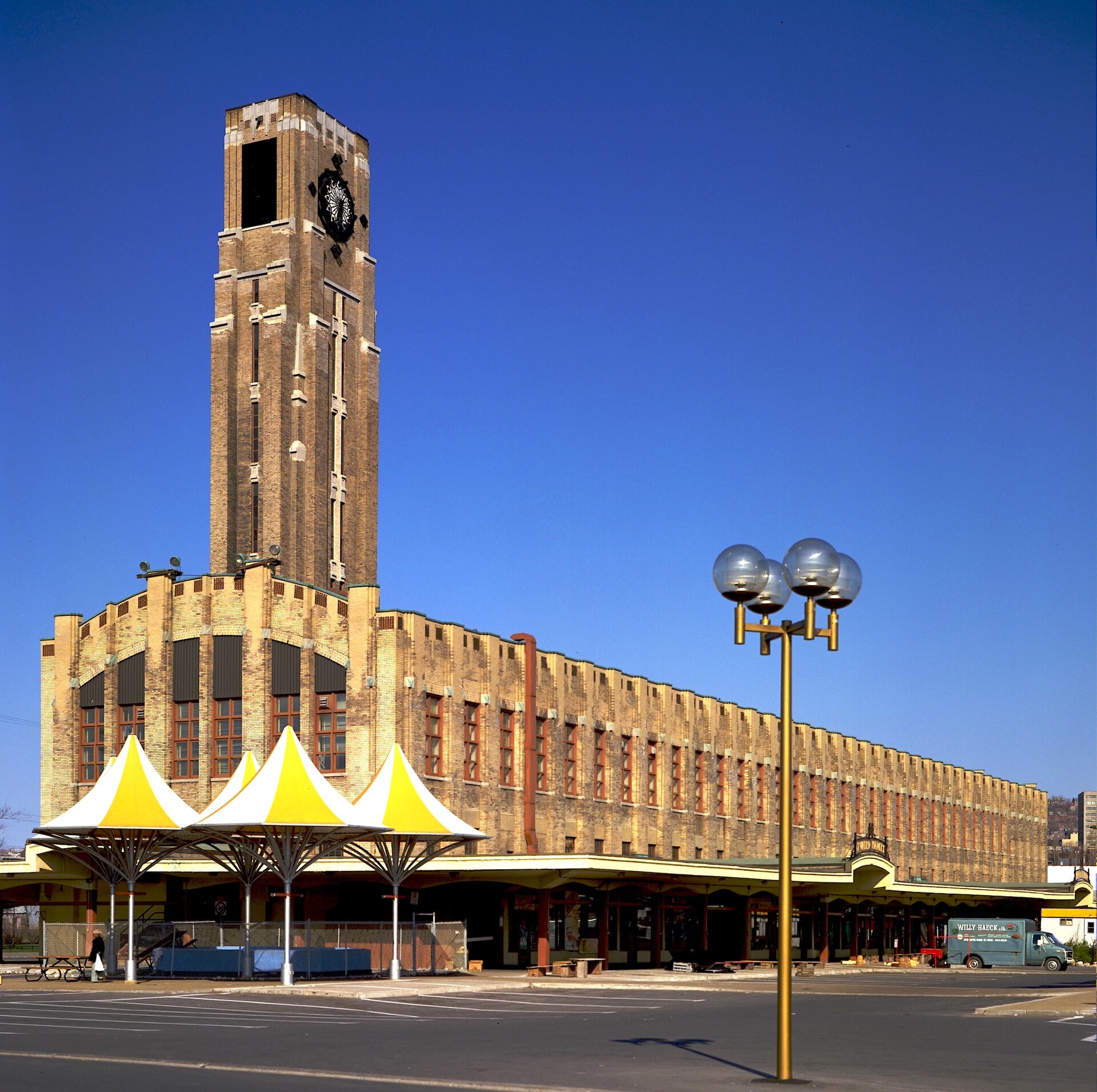
Marché Atwater is Montreal's most beautiful market — an Art Deco brick building on the Lachine Canal that has been the southwest neighbourhood's food hub since 1933. The market hall, with its distinctive clock tower and clean Deco lines, houses butchers, cheese shops, bakeries, and specialty vendors that supply both professional chefs and the neighbourhood's home cooks, while the outdoor stalls (May to October) overflow with Quebec produce in a display of seasonal abundance. The market's anchor tenants are legends in Montreal's food world. Première Moisson bakery sells the bread and pastries that many Montrealers consider the best in the city. The Boucherie de Tours butcher shop and the Fromagerie Atwater cheese counter draw lines on Saturday mornings. The maple syrup vendors in spring (sugaring-off season, typically March-April) sell the year's fresh crop directly from Quebec farms. The Lachine Canal, running directly behind the market, has been transformed from an industrial waterway into a linear park with a cycling and walking path that extends 14.5 kilometres to Lac Saint-Louis. The combination of market shopping and canal-side walking makes Atwater a destination that fills a pleasant half-day — buy a baguette, some cheese, and a bottle of Quebec cider at the market, then picnic on the canal bank watching the cyclists and kayakers pass.
McGill University
845 Rue Sherbrooke O, La Montagne, Montréal, H3A 0G4, Canada
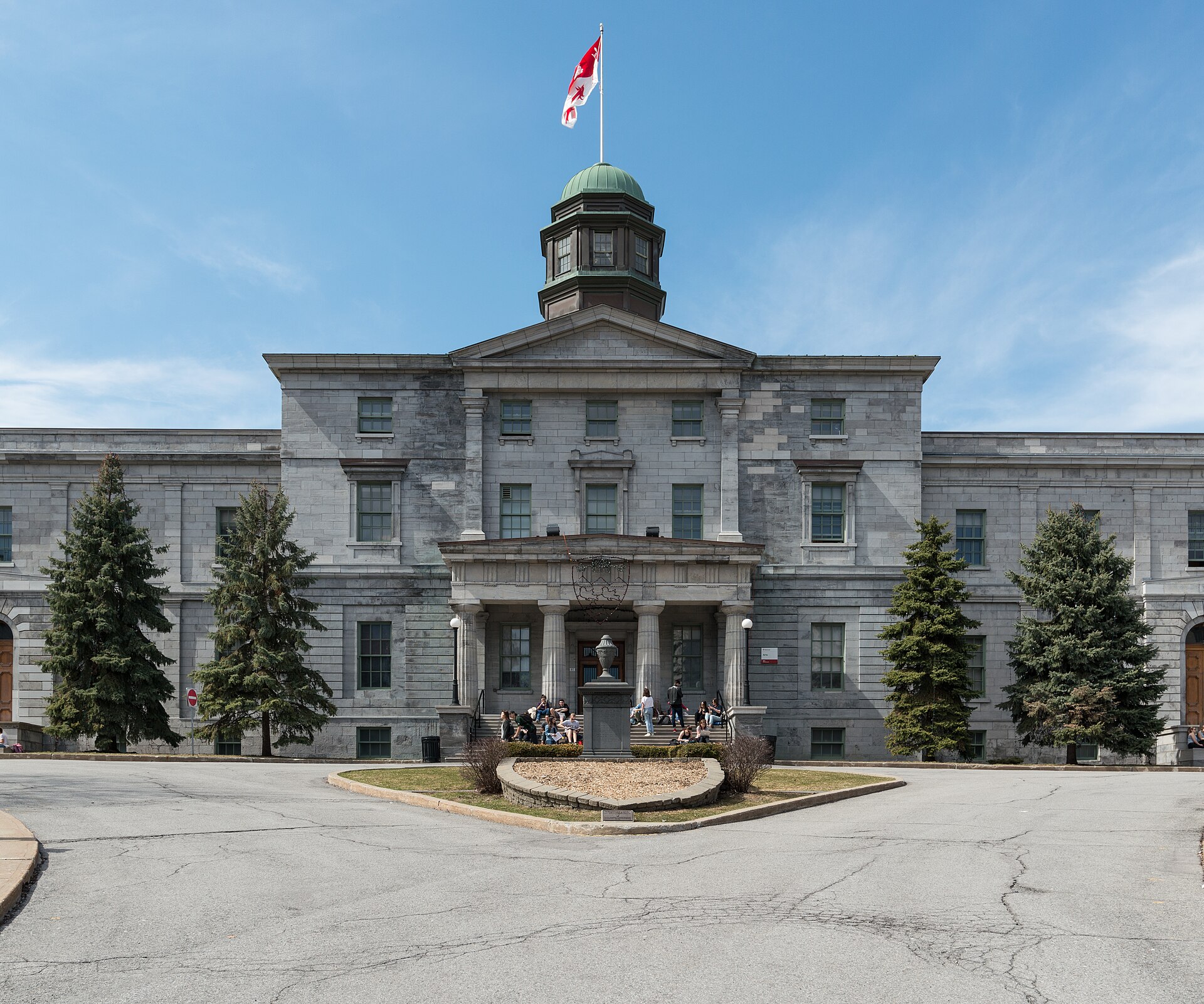
McGill University is Canada's most prestigious university — founded in 1821 with a bequest from fur trader James McGill, and occupying a campus at the foot of Mount Royal that is one of the most beautiful urban university settings in North America. The Roddick Gates on Sherbrooke Street open onto a tree-lined avenue that climbs toward the Arts Building (1843), and the view back down the avenue — framed by limestone buildings with the city skyline beyond — is one of Montreal's classic perspectives. The campus is a mix of 19th-century greystone buildings and modern additions that together represent nearly 200 years of Canadian academic architecture. The Redpath Museum (1882), a natural history museum with dinosaur skeletons, minerals, and ethnographic collections, is free to enter and is one of the oldest purpose-built museum buildings in North America. The Redpath Library, the McLennan Library, and the Schulich School of Music are all architecturally notable, and the campus green spaces — including the lower field that slopes down toward Sherbrooke — provide some of the only open lawn in downtown Montreal. McGill's location in the downtown core means the campus functions as a public park as much as a university — Montrealers walk through the grounds as a shortcut between Sherbrooke and the mountain, and the autumn foliage on the main avenue (the trees are predominantly maples, making the fall colours spectacularly Canadian) draws photographers every October. The university is open to the public, and walking the campus from the Roddick Gates to the top of the hill takes about 20 minutes and provides a compressed history of Canadian institutional architecture.
Mile End
Boul St-Laurent, Mile-End, Montréal, H2T 1S6, Canada
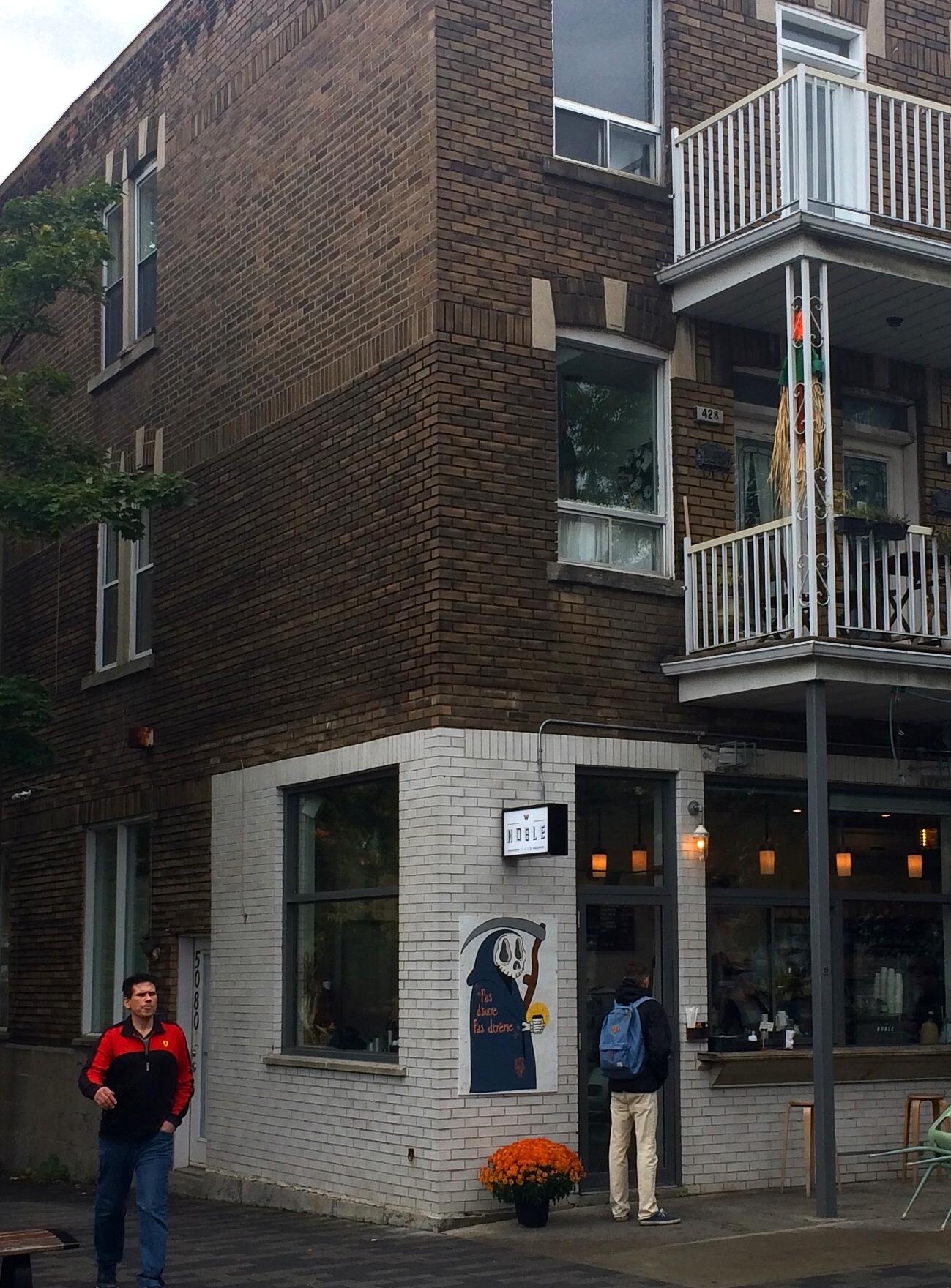
Mile End is Montreal's creative nucleus — a neighbourhood of converted factories, independent studios, and the two bagel shops that anchor the most passionately contested food debate in the city. The neighbourhood sits north of the Plateau on the slope of Mount Royal, and its mix of Hasidic Jewish, Greek, Italian, and Francophone communities — all sharing the same few blocks — makes it one of the most genuinely multicultural urban districts in North America. St-Viateur Bagel and Fairmount Bagel are the neighbourhood's twin institutions — wood-fired bagel shops that have been operating since 1957 and 1919 respectively, producing the hand-rolled, honey-sweetened, wood-oven-baked bagels that are Montreal's most distinctive contribution to world cuisine. The bagels are smaller and denser than New York's, with a slightly sweet, chewy crust from the honey water and the wood-fired oven, and the debate over which shop is better is a social identity marker in Montreal comparable to choosing a football team. Beyond the bagels, Mile End is where Montreal's independent music scene (Arcade Fire, Godspeed You! Black Emperor, Leonard Cohen all have deep connections to the neighbourhood), its literary culture (Drawn & Quarterly, one of North America's most important comic publishers, is headquartered here), and its studio art community overlap in the converted garment factories along Saint-Laurent and Clark streets. Café culture thrives on Fairmount and Saint-Viateur avenues, and the neighbourhood's refusal to gentrify completely — despite obvious real estate pressure — is a point of civic pride.
Montreal Botanical Garden
4101 Rue Sherbrooke E, Marie-Victorin, Montréal, H1X 2B2, Canada
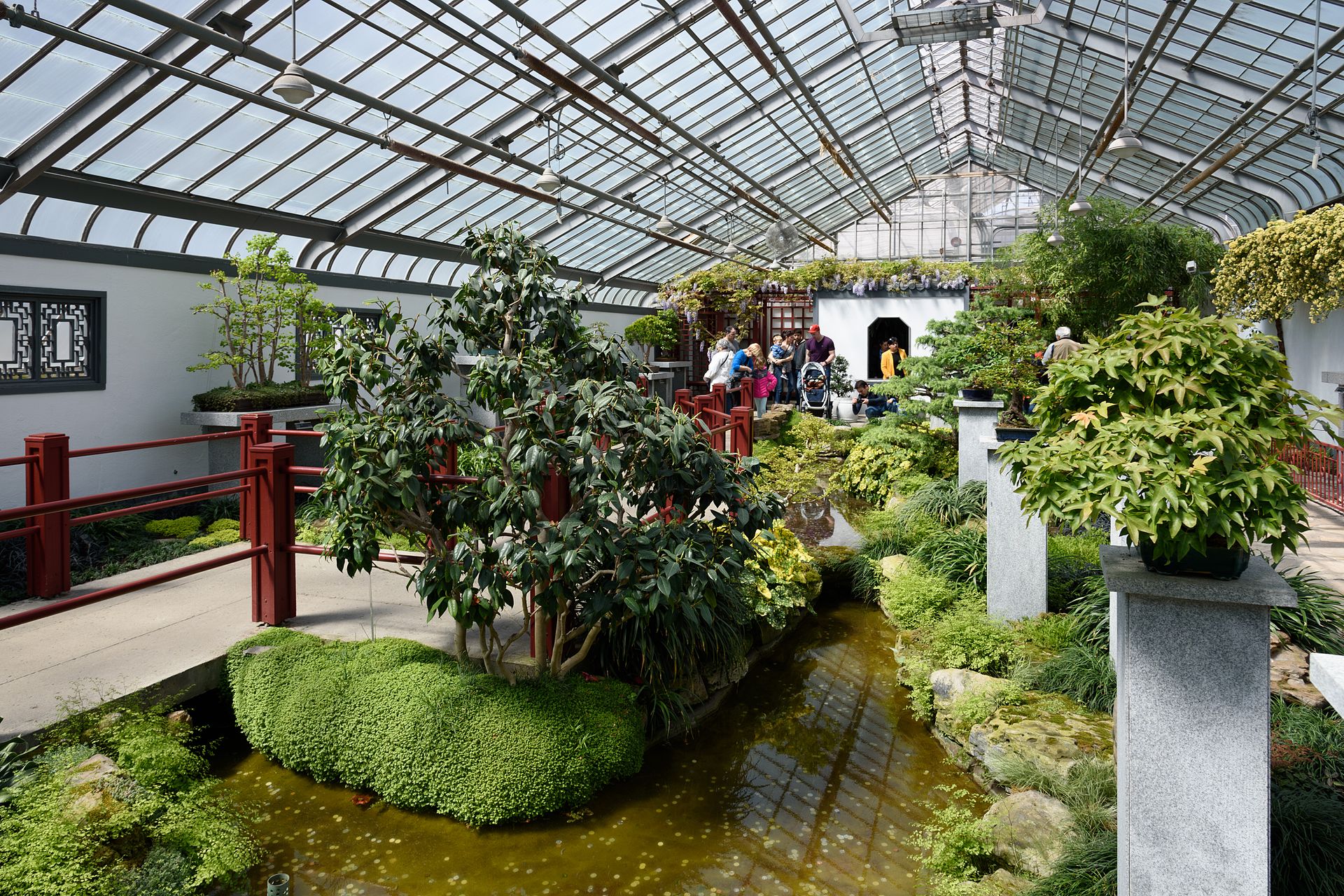
The Montreal Botanical Garden is one of the largest and most important botanical gardens in the world — 75 hectares containing 22,000 plant species arranged in 30 thematic gardens and 10 exhibition greenhouses that together constitute one of the most comprehensive living plant collections outside the tropics. The garden was founded in 1931 during the Great Depression (a public works project that gave employment to thousands) and has grown into an institution that rivals Kew and the New York Botanical Garden. The Chinese Garden and Japanese Garden are the showpieces. The Chinese Garden — the largest outside China at the time of its construction in 1991 — was built by artisans from Shanghai using traditional materials and techniques, and the result is a miniature landscape of pavilions, rockeries, and water features that transports you from Quebec to Suzhou in a single step through the moon gate. The Japanese Garden, designed in the contemplative style, uses raked gravel, bonsai, and precisely placed stones to create an atmosphere of meditative stillness that is remarkable given the 40,000-plant chaos surrounding it. The autumn highlight is Gardens of Light (Jardins de lumière) — an evening event from September through October when the Chinese and Japanese gardens are illuminated by hundreds of handmade lanterns in an installation that combines horticultural design with traditional Chinese and Japanese lighting art. The event coincides with peak autumn colour, and the combination of lantern light, red maples, and the garden's architectural elements creates an evening experience that sells out weeks in advance.
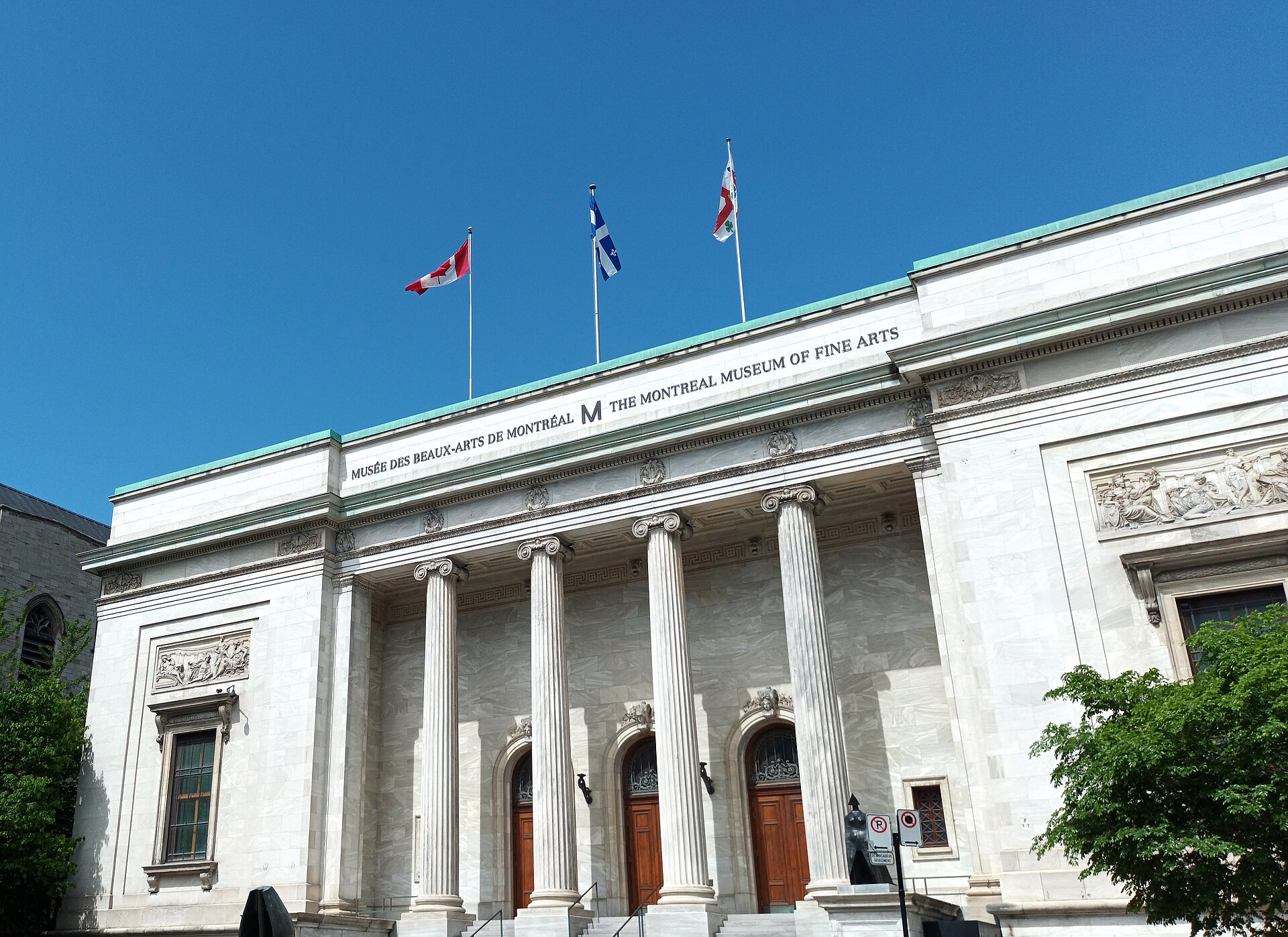
Montreal Museum of Fine Arts
1380 Rue Sherbrooke Ouest, Montreal
The Montreal Museum of Fine Arts is Canada's most visited art museum and one of the most encyclopaedic collections in North America — 44,000 works spanning five pavilions on both sides of Sherbrooke Street, connected by underground tunnels, covering everything from Old Masters to Inuit art to contemporary installation. The museum's strength is its breadth: it treats Canadian art, international art, and decorative arts as equally important, creating a museum experience that refuses to specialise. The collection includes works by Rembrandt, Monet, Picasso, and Warhol alongside one of the world's finest collections of Inuit art — stone and bone carvings, prints, and textile works from Arctic communities that represent a unique artistic tradition. The Canadian galleries trace the country's visual culture from colonial portraiture through the Group of Seven's landscape paintings (the defining movement of Canadian art) to contemporary Québécois artists working in video, installation, and photography. The museum's campus has grown over a century — the original Beaux-Arts pavilion (1912) has been joined by the Jean-Noël Desmarais Pavilion (1991, Moshe Safdie), the Claire and Marc Bourgie Pavilion (a converted church, 2011), and the Michal and Renata Hornstein Pavilion for Peace (2016, Atelier TAG). The expansion across Sherbrooke Street, with visitors crossing between pavilions via underground passages, gives the museum the feel of a cultural district rather than a single building. The permanent collection is free on the first Sunday of every month.
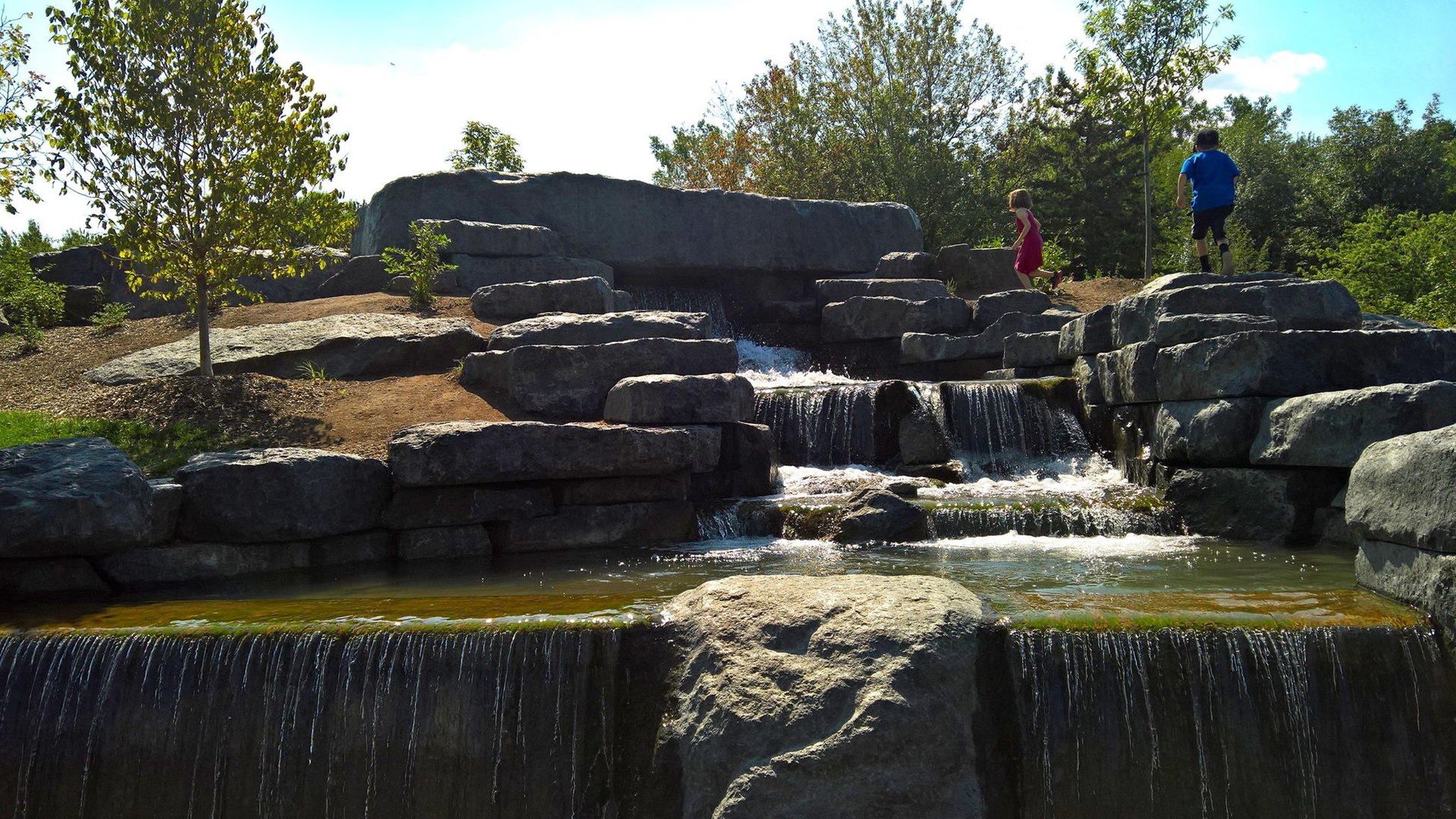
Mount Royal (Parc du Mont-Royal)
1260 Ch Remembrance, La Montagne, Montréal, H3H 1A2, Canada
Mount Royal is the hill that gave Montreal its name — a 233-metre volcanic intrusion in the centre of the island whose forested slopes and summit lookouts provide the best views of the city, the St. Lawrence River, and on clear days the Adirondack Mountains of New York and the Green Mountains of Vermont. The park was designed by Frederick Law Olmsted (of Central Park fame) in 1876, and his vision of a 'natural' landscape accessible to all citizens has been maintained for nearly 150 years. The Kondiaronk Belvedere at the summit is where everyone goes for the view — a stone terrace with a chalet that looks directly south over downtown Montreal, with the river and the Monteregian Hills beyond. The view at night, when the city's lights spread to the horizon, is one of Canada's great urban panoramas. The walk up from downtown takes about 30 minutes via the serpentine path or the steeper stairs, and the climb through the forest — maple, oak, and birch trees that turn spectacular colours in October — is as much a reason to visit as the summit. Beyond the lookout, the park contains two cemeteries (Notre-Dame-des-Neiges and Mount Royal Cemetery, together forming one of the largest green spaces on the island), Beaver Lake (a man-made pond that becomes a skating rink in winter), and a network of trails popular with cross-country skiers, snowshoers, and the Sunday afternoon tam-tam drum circle at the George-Étienne Cartier monument, which has been drawing drummers, dancers, and spectators since the 1970s and is one of Montreal's most beloved informal traditions.
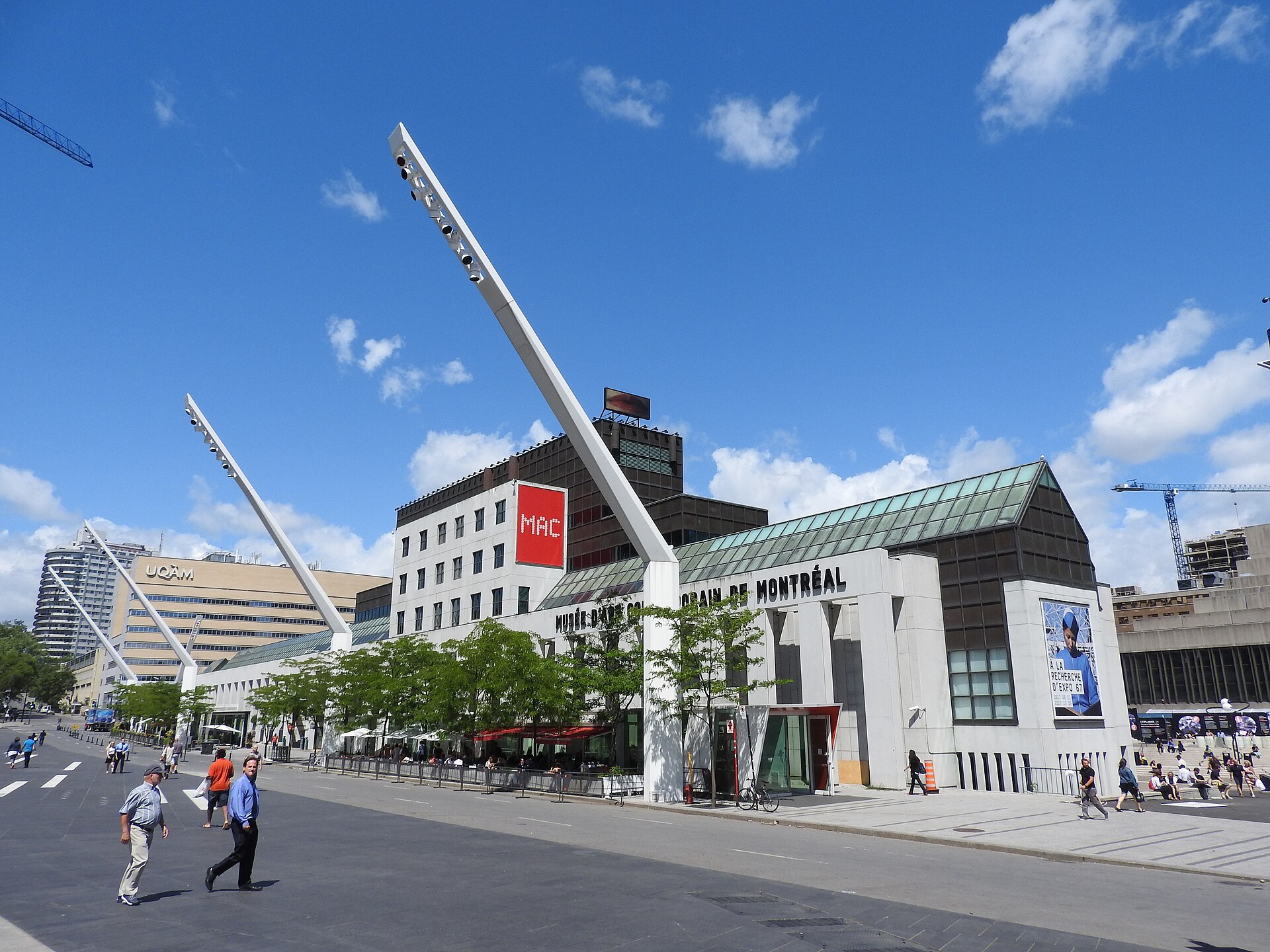
Musée d'art contemporain de Montréal (MAC)
1 Place Ville-Marie, McGill, Montréal, H3B 3P4, Canada
The MAC is Canada's first museum dedicated exclusively to contemporary art — founded in 1964 and currently undergoing a major expansion that will transform it into one of the most significant contemporary art institutions in North America. The collection of over 8,000 works focuses on Quebec and Canadian contemporary art alongside international works, with particular strength in video, installation, and the conceptual practices that have made Montreal a centre of contemporary art production. The museum's temporary exhibitions are consistently ambitious — major retrospectives of international artists alongside shows that foreground Quebec's francophone artistic community, which operates in a cultural space distinct from both English Canada and France. The collection includes works by Jean-Paul Riopelle, Betty Goodwin, Geneviève Cadieux, and other artists whose reputations are enormous in Quebec but less well known internationally, making the MAC one of those museums that genuinely shows you art you haven't seen before. The MAC is located in the Quartier des Spectacles — Montreal's performing arts district, which concentrates theatres, concert halls, and festival venues around the Place des Arts plaza. During the summer festival season (Montreal Jazz Festival, Just for Laughs, Francofolies), the outdoor stages and installations in the Quartier transform the area around the museum into a continuous open-air performance space.
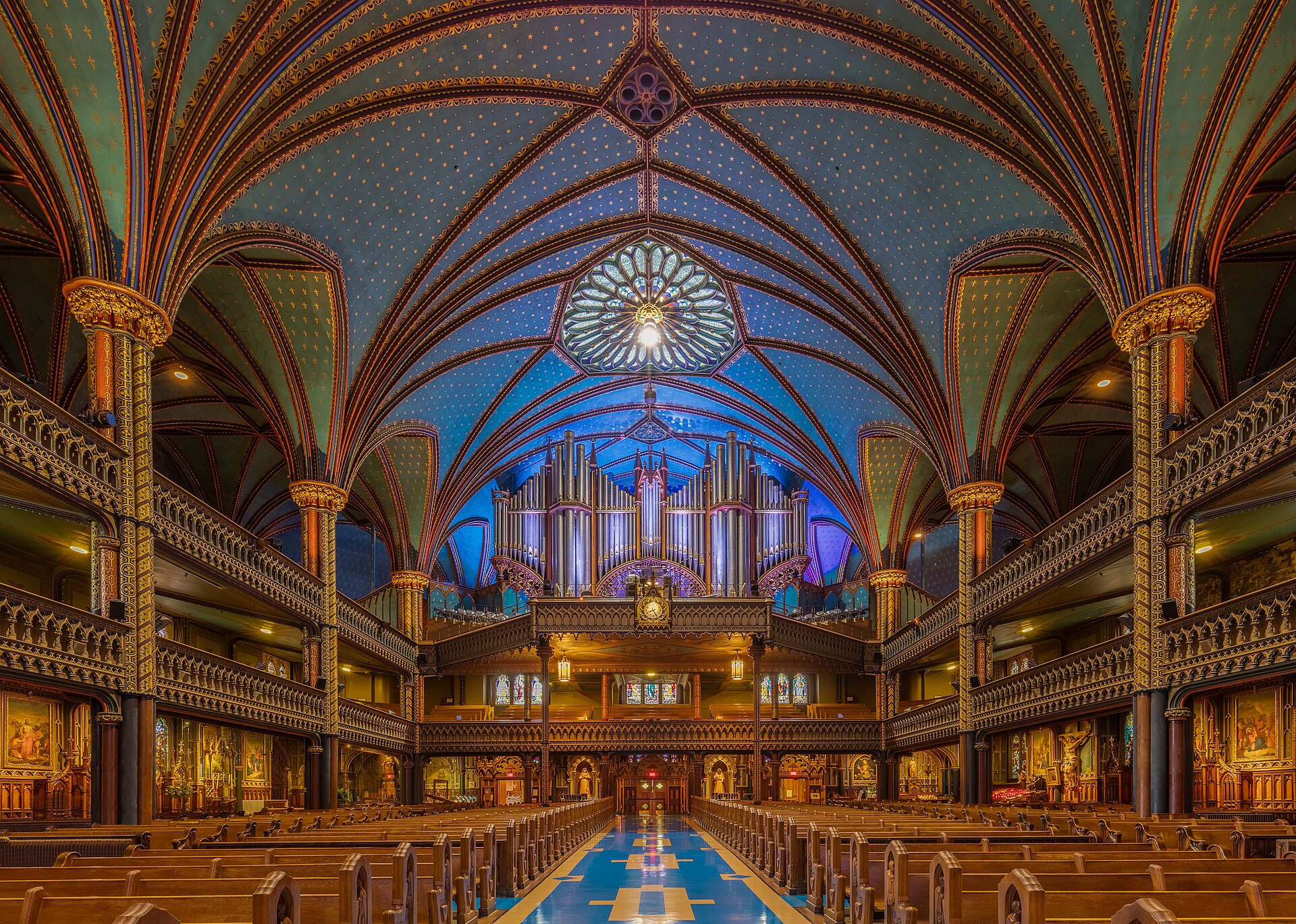
Notre-Dame Basilica
110 Rue Notre-Dame Ouest, Vieux-Montréal, Montreal
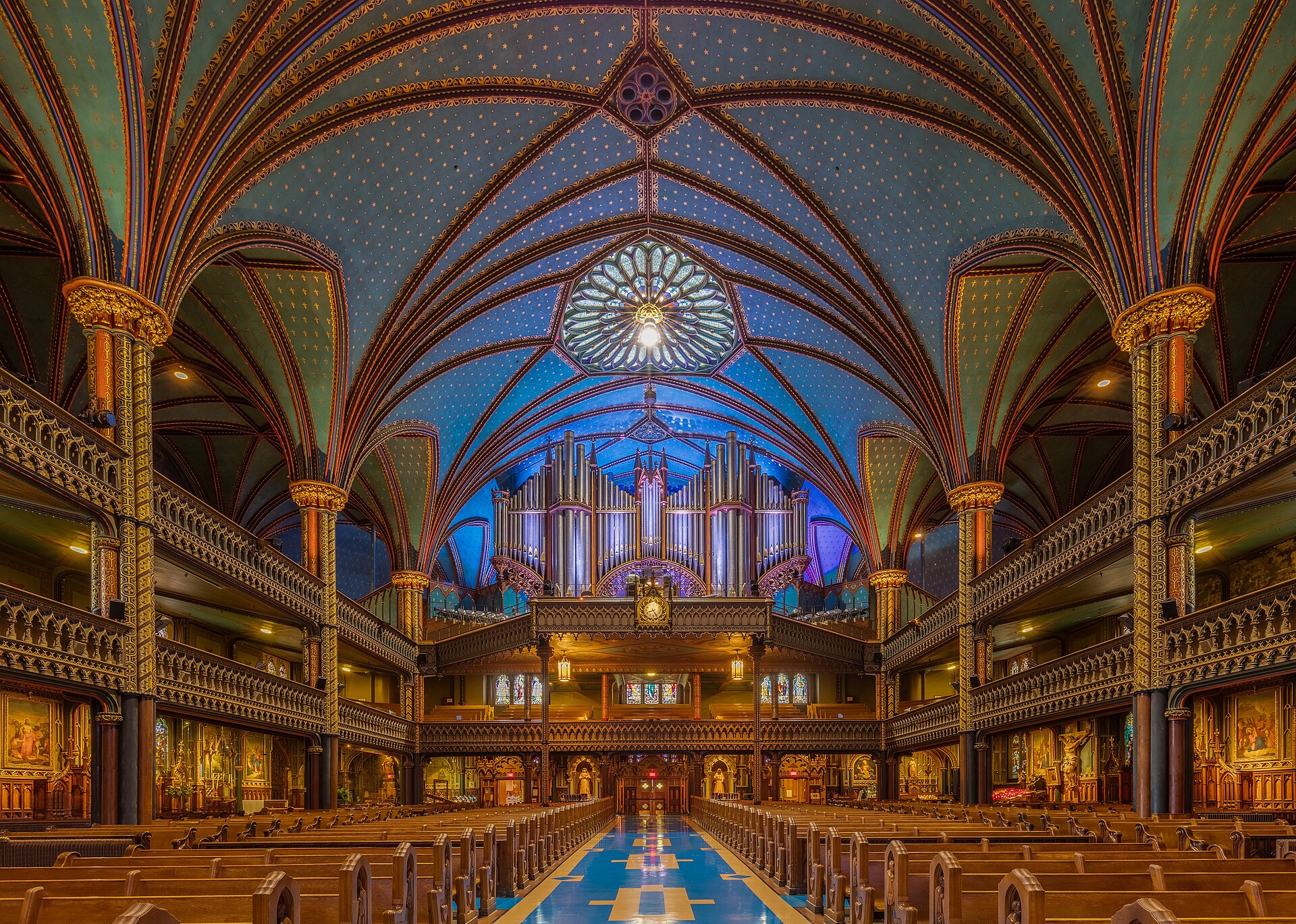
Notre-Dame Basilica is the most stunning interior in Canada — a Gothic Revival church whose nave explodes with colour in a way that catches even seasoned travellers off guard. The interior, designed by Irish-American architect James O'Donnell and completed in 1829, is painted in deep blue, gold, and rich crimson, with a vaulted ceiling of azure stars, polychrome woodcarving covering every surface, and stained glass windows that depict the founding of Montreal rather than the usual biblical scenes. The basilica was the largest church in North America when it was built, and its twin 69-metre towers dominated the Montreal skyline for decades. The interior was decorated by Victor Bourgeau in the 1870s in the style that has become the basilica's signature — the gilded altarpiece, the elaborately carved wooden galleries, and the 7,000-pipe Casavant organ that fills the nave with sound during concerts and the AURA light show that has become one of Montreal's most popular attractions. The AURA experience, which runs most evenings, uses projection mapping to transform the interior into an immersive light show — colours and images flowing across the columns, ceiling, and altar in choreographed sequences set to music. The effect is simultaneously sacred and theatrical, which is appropriate for a building that has always been as much about spectacle as spirituality. Celine Dion was married here in 1994, and Pierre Elliott Trudeau's state funeral was held here in 2000 — the basilica serves as Canada's unofficial national church for occasions that demand grandeur.
Old Montreal (Vieux-Montréal)
Rue St-Paul, Ste. Geneviève, Montréal, H9H 1E6, Canada
Old Montreal is the historic heart of the city — a district of cobblestone streets, 17th and 18th-century stone buildings, and horse-drawn calèches that occupies the original site of Ville-Marie, the French mission settlement founded in 1642. The neighbourhood runs from the Old Port on the St. Lawrence River north to Saint-Antoine Street, and walking its narrow streets is like walking through a compressed version of French colonial history — from the fortified town of New France through the British conquest to the commercial powerhouse that became Canada's largest city. Rue Saint-Paul, the oldest street in Montreal, is the district's spine — a cobblestone corridor lined with galleries, boutiques, restaurants, and the kind of converted warehouse spaces that make 18th-century commercial architecture feel contemporary. Place Jacques-Cartier, a sloping plaza that descends from City Hall to the waterfront, is Old Montreal's gathering place — street performers, caricaturists, flower sellers, and the summer terrace of Nelson's Column (one of the oldest monuments to the admiral, erected before Trafalgar Square's) create an atmosphere that feels more European than North American. The Old Port (Vieux-Port) waterfront has been transformed into a recreational zone with a science centre, clock tower, beach, zip line, and the winter skating rink on the Bonsecours Basin. The contrast between the 17th-century stone buildings behind you and the modern waterfront installations in front creates the temporal layering that defines Montreal — a city that has never demolished its past but has never been sentimental about it either.
Old Port of Montreal
333 Rue de la Commune O, Vieux Montreal, Montréal, H2Y 2E2, Canada
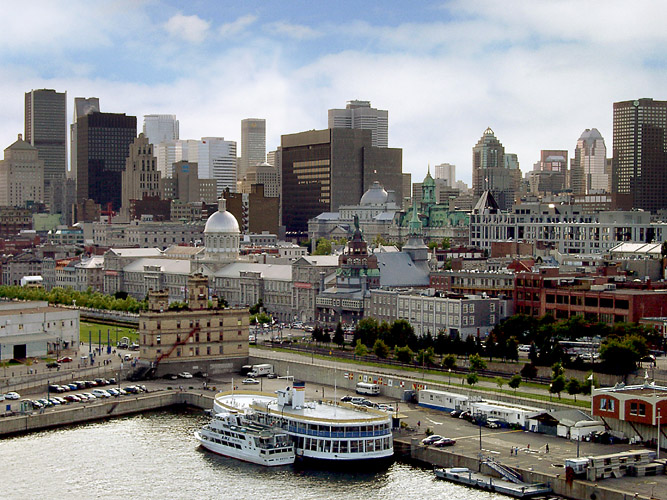
The Old Port is Montreal's waterfront playground — a 2.5-kilometre strip of former docks on the St. Lawrence River that has been transformed into a year-round recreational zone with a science centre, a beach, seasonal markets, and the kind of revitalised industrial waterfront that every North American city attempts but few execute as well as Montreal. The Clock Tower (Tour de l'Horloge), built in 1922 as a memorial to merchant marines killed in World War I, stands at the eastern end and offers free panoramic views from its observation deck. The Bonsecours Basin, a former harbour basin, becomes an ice-skating rink in winter and hosts outdoor events in summer. The Montreal Science Centre, occupying a modern building at the foot of Place Jacques-Cartier, focuses on interactive exhibits that manage to be educational without being tedious. The waterfront promenade is the real attraction — a walking and cycling path that runs the full length of the Old Port, with views across the river to the South Shore, Habitat 67 visible to the east, and the old warehouses and grain silos that are gradually being converted into cultural venues and residential buildings. The Silo No. 5, an enormous grain elevator that has stood empty since 1996, is one of Montreal's most debated urban planning questions — too iconic to demolish, too expensive to convert, it sits on the waterfront like a monument to industrial ambition waiting for its next purpose.
Olympic Stadium & Tower
4545 Av Pierre-de Coubertin, Hochelaga District, Montréal, H1V 0B2, Canada
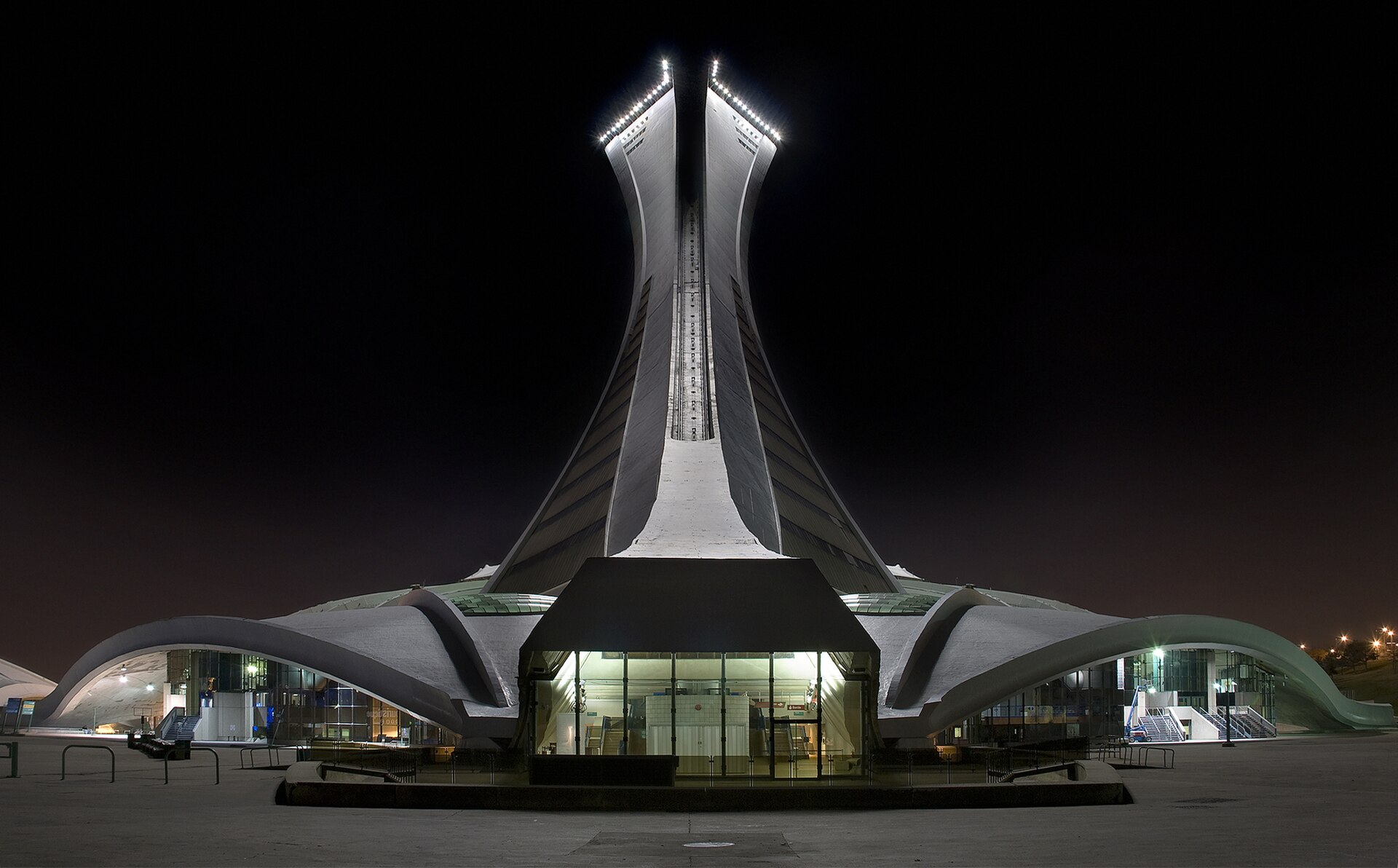
The Olympic Stadium is Montreal's most controversial building — a 56,000-seat stadium with a retractable roof and an inclined tower designed by French architect Roger Taillibert for the 1976 Summer Olympics. The tower, at 175 metres, is the tallest inclined structure in the world, and the stadium's swooping concrete curves represent either the peak of brutalist ambition or the most expensive construction disaster in Olympic history, depending on whom you ask. The 1976 Olympics left Montreal with a debt that took 30 years to pay off — the stadium cost over $1.5 billion (in 1976 dollars, adjusted for overruns), and the retractable roof was never reliably functional (it was replaced with a fixed roof after tearing repeatedly). The tower, which was supposed to support the roof via cables, wasn't even completed until 1987, eleven years after the Olympics. The stadium is simultaneously a masterwork of sculptural architecture and a cautionary tale about public spending. The observation deck at the top of the inclined tower is reached by a funicular that climbs the exterior, and the view — Montreal, the St. Lawrence, the Monteregian Hills, and on clear days the Adirondacks — is the highest viewpoint in the city. The surrounding Olympic Park includes the Biodôme (a former cycling velodrome converted into four recreated ecosystems), the Botanical Garden, and the Insectarium, creating a cultural and scientific campus that has given the stadium's neighbourhood a purpose beyond housing a building nobody quite knows what to do with.
Parc Jean-Drapeau
Île Sainte-Hélène, Montreal
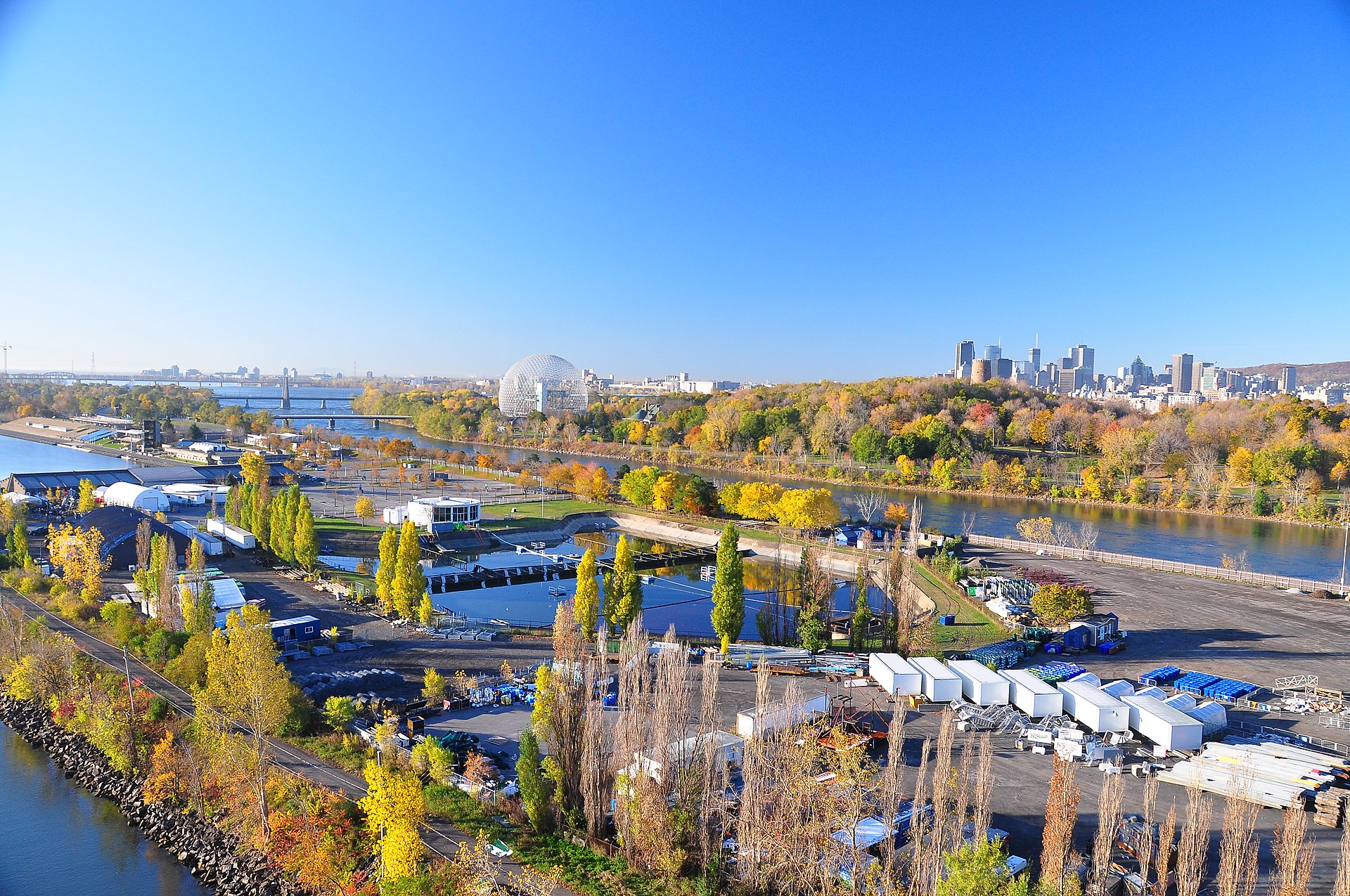
Parc Jean-Drapeau occupies two islands in the St. Lawrence River — Île Sainte-Hélène and Île Notre-Dame — that together form Montreal's most versatile public space: a park, a beach, a Formula 1 circuit, a casino, a concert venue, and the site of the Biosphère, all connected by paths and accessible by metro (one of the few island parks in the world with its own subway station). Île Notre-Dame was entirely man-made — built from the earth excavated for the metro system in the 1960s, shaped into an island, and used as the site of Expo 67. The Circuit Gilles-Villeneuve, the track used for the Canadian Grand Prix, wraps around the island and is open to cyclists and inline skaters when the race isn't on. The casino (housed in the former French and Quebec Expo pavilions) occupies the island's centre, and the beach on the island's southern shore is one of the few swimmable beaches in Montreal. Île Sainte-Hélène has been a park since 1874 and contains the Biosphère, the Stewart Museum (military history in an 1820s British fort), and the outdoor amphitheatre that hosts Osheaga (Montreal's largest music festival). Alexander Calder's monumental sculpture 'Man' — a 21-metre steel stabile commissioned for Expo 67 — stands on the island's hillside and is one of the largest outdoor Calder works in the world. The park is reachable by metro (Jean-Drapeau station) or by the Jacques-Cartier Bridge pedestrian path, and the views of the Montreal skyline from the island — particularly at sunset — are among the best in the city.
Parc La Fontaine
3933 Av du Parc-La Fontaine, Plateau-Mont-Royal, Montréal, H2L 0C7, Canada
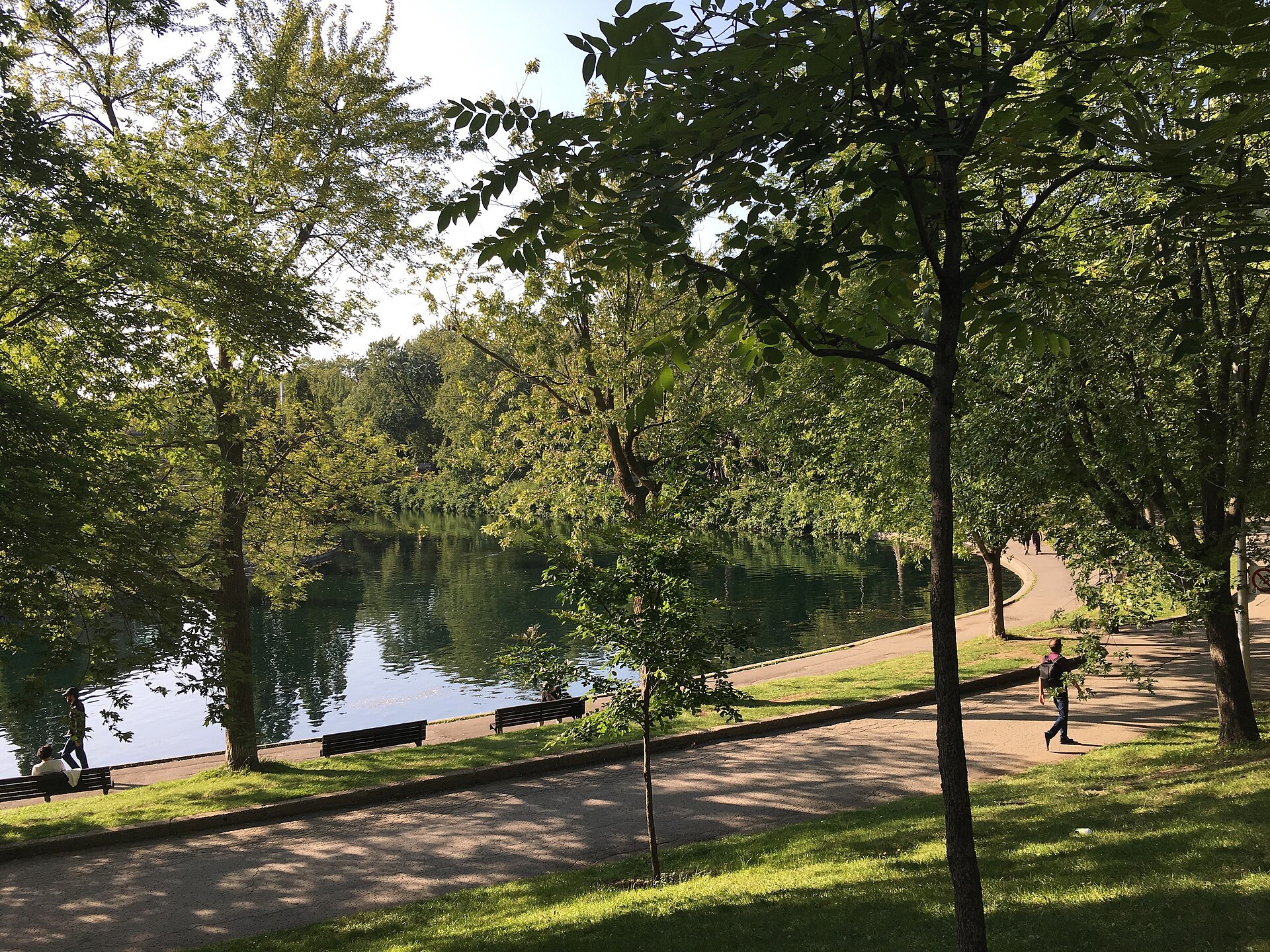
Parc La Fontaine is the Plateau's neighbourhood park — a 36-hectare green space with two ponds, a free outdoor theatre, and the kind of organic community atmosphere that planned parks can never quite achieve. The park is where the Plateau comes to picnic, play pétanque, ride bikes, and engage in the outdoor socialising that Montreal's short but intense summer demands. The park was created in 1908 on the site of a military practice field, and its two artificial ponds — connected by a waterfall — provide the focal point. In summer, paddleboats circle the larger pond while families picnic on the surrounding slopes. In winter, the ponds freeze into natural skating rinks, and the park fills with skaters, cross-country skiers, and the hardy Montrealers who treat minus-20 temperatures as a lifestyle rather than an obstacle. The Théâtre de Verdure, a free outdoor performance space in the park, hosts concerts, film screenings, and theatre throughout the summer — sit on the grass, bring wine (Montreal's parks have a pragmatic approach to alcohol that doesn't involve enforcement), and watch a show under the trees. The park is also the unofficial headquarters of Montreal's LGBTQ+ community — the Village, the city's LGBTQ+ neighbourhood, borders the park's eastern edge, and Pride events use the park as a gathering point. On a July evening, with the pétanque players clicking, the theatre performing, and the entire Plateau seemingly outdoors, La Fontaine feels like the living room of a neighbourhood that has 100,000 residents.
Place des Arts
175 Rue Sainte-Catherine Ouest, Montreal
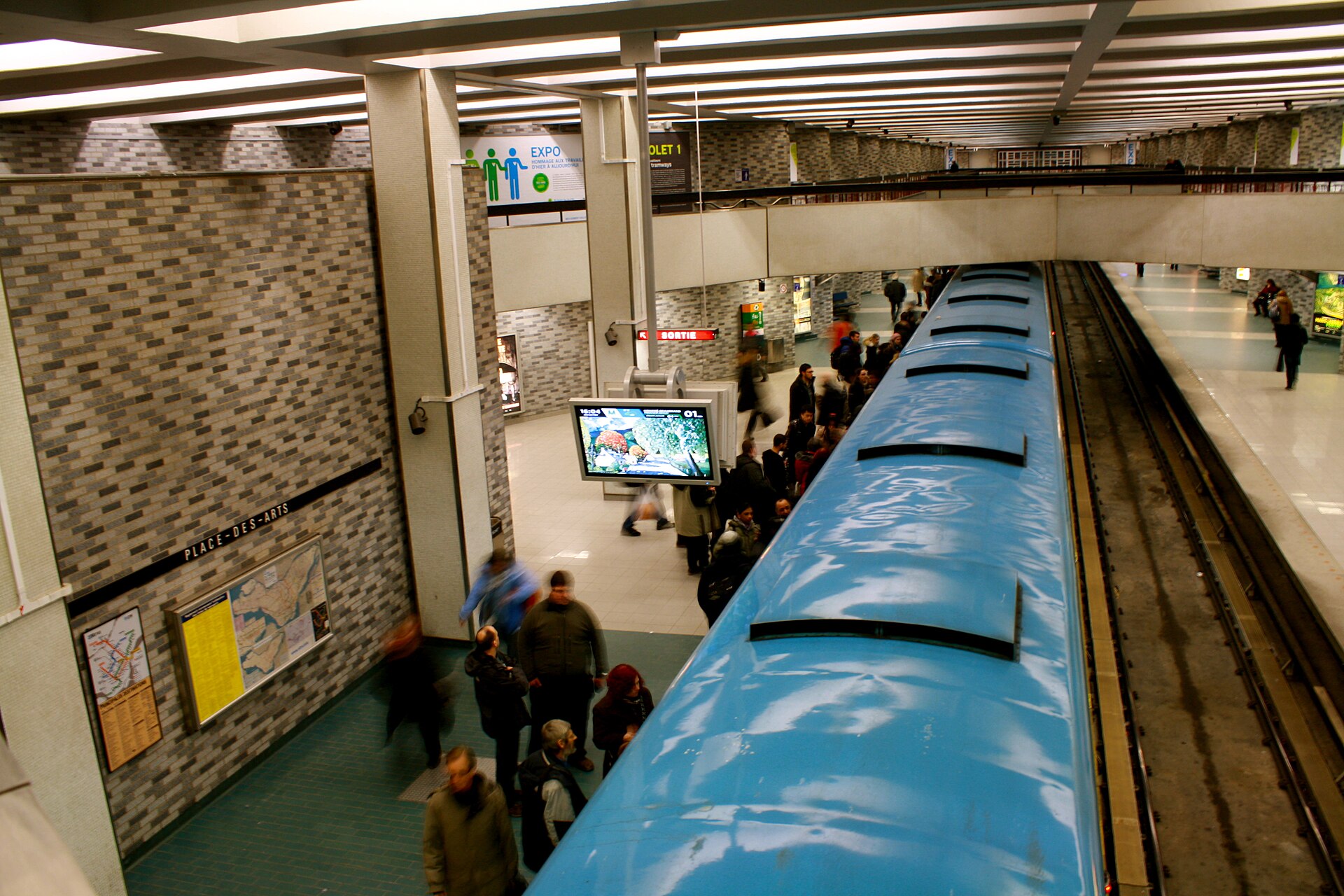
Place des Arts is Montreal's performing arts complex — five concert halls and theatres arranged around a central plaza that serves as the main venue for the city's legendary festival season. The Salle Wilfrid-Pelletier, the largest hall with 2,982 seats, is home to the Orchestre symphonique de Montréal (OSM) and Les Grands Ballets Canadiens, while the smaller halls host theatre, contemporary dance, and the jazz and comedy performances that fill the complex during summer festivals. The complex was built in stages from 1963 to 1992 and represents the cultural ambition of Quebec's Quiet Revolution — the period in the 1960s when francophone Quebecers asserted their cultural identity against English Canadian and American dominance. Place des Arts was explicitly conceived as a francophone cultural institution, and its programming still reflects this mission: the majority of performances are in French, and the complex is the primary venue for Francofolies (the French-language music festival) and the Festival TransAmériques (contemporary dance and theatre). The outdoor plaza, redesigned as part of the Quartier des Spectacles initiative, is a year-round public space with interactive water features (fountains in summer, an ice rink in winter) and the permanent installation of LED-illuminated swings that have become one of Montreal's most photographed attractions. During festival season, the plaza becomes a free outdoor venue with capacity for thousands — the jazz festival alone draws over 2 million visitors across 10 days.
Plateau Mont-Royal
Boul St-Laurent, Quartier Latin, Montréal, H2X 2V1, Canada
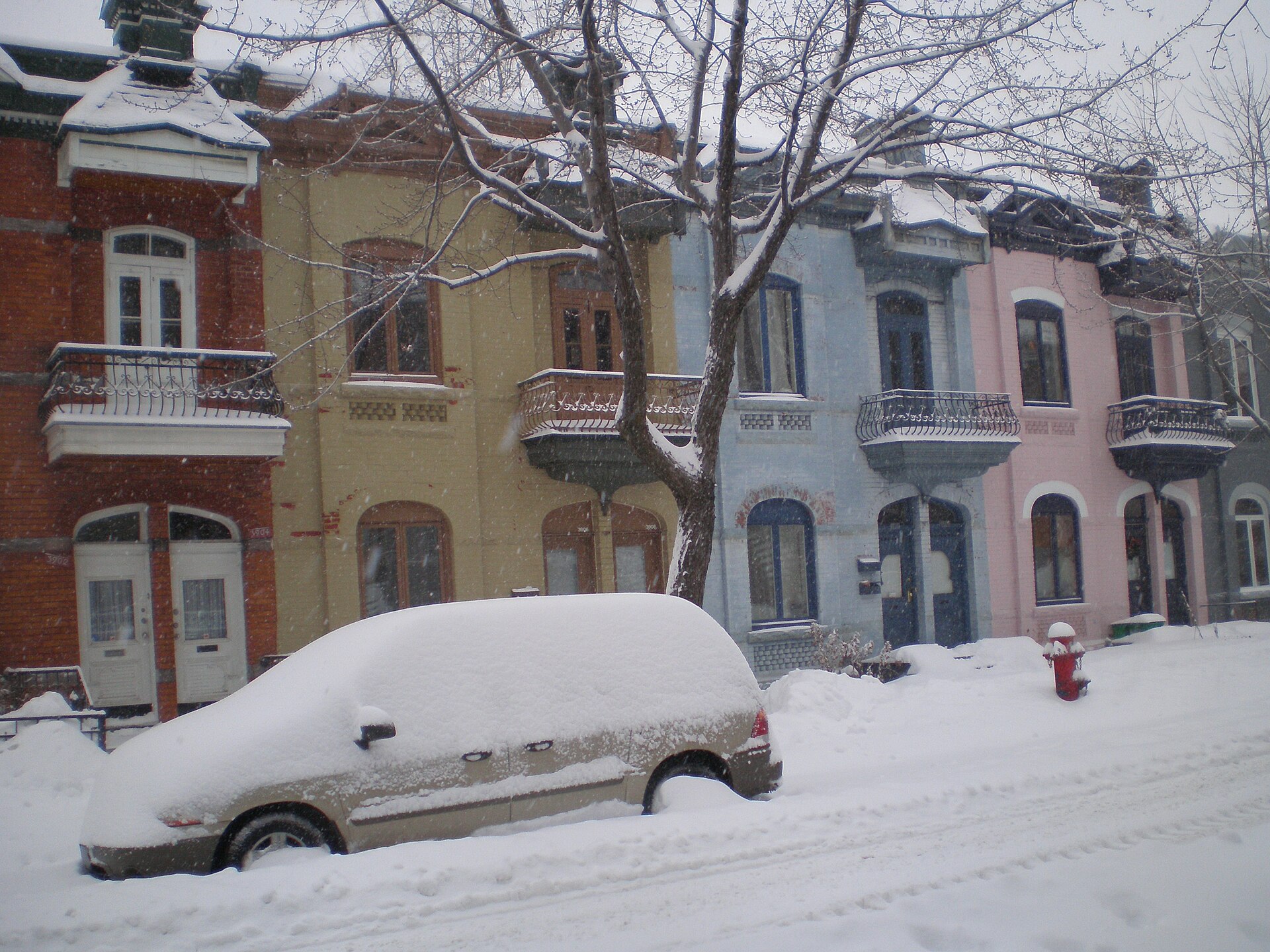
The Plateau is Montreal's most characterful neighbourhood — a dense grid of tree-lined streets, colourful row houses with exterior staircases, independent shops, and a café culture that rivals any European city. The exterior staircases — wrought-iron spirals climbing the facades of two and three-storey homes — are the neighbourhood's architectural signature, a practical solution to Montreal's narrow lot sizes that has become as iconic as San Francisco's painted ladies or Brooklyn's brownstones. Boulevard Saint-Laurent ('The Main') is the historic dividing line between English and French Montreal, and the Plateau straddles both linguistic communities with the bilingual ease that defines the city. The food scene is extraordinary: smoked meat at Schwartz's (open since 1928 and perpetually lined up), bagels at St-Viateur or Fairmount (Montreal bagels are smaller, sweeter, and wood-oven baked, and the rivalry between these two shops is the city's longest-running food argument), poutine at La Banquise (open 24 hours, with 30 variations), and the BYO restaurants on Duluth and Rachel streets that let you bring your own wine to meals that would cost three times more in New York. The neighbourhood's bohemian reputation dates to the 1980s and 90s, when cheap rents attracted artists, musicians, and writers who gave the Plateau its creative identity. Rents have risen since, but the independent bookshops, record stores, vintage clothing shops, and the general refusal to become a chain-store district keep the character intact. Parc La Fontaine, the Plateau's main green space, fills with picnicking families, pétanque players, and the annual Shakespeare-in-the-Park performances every summer.
Pointe-à-Callière Museum
350 Place Royale, Vieux-Montréal, Montreal
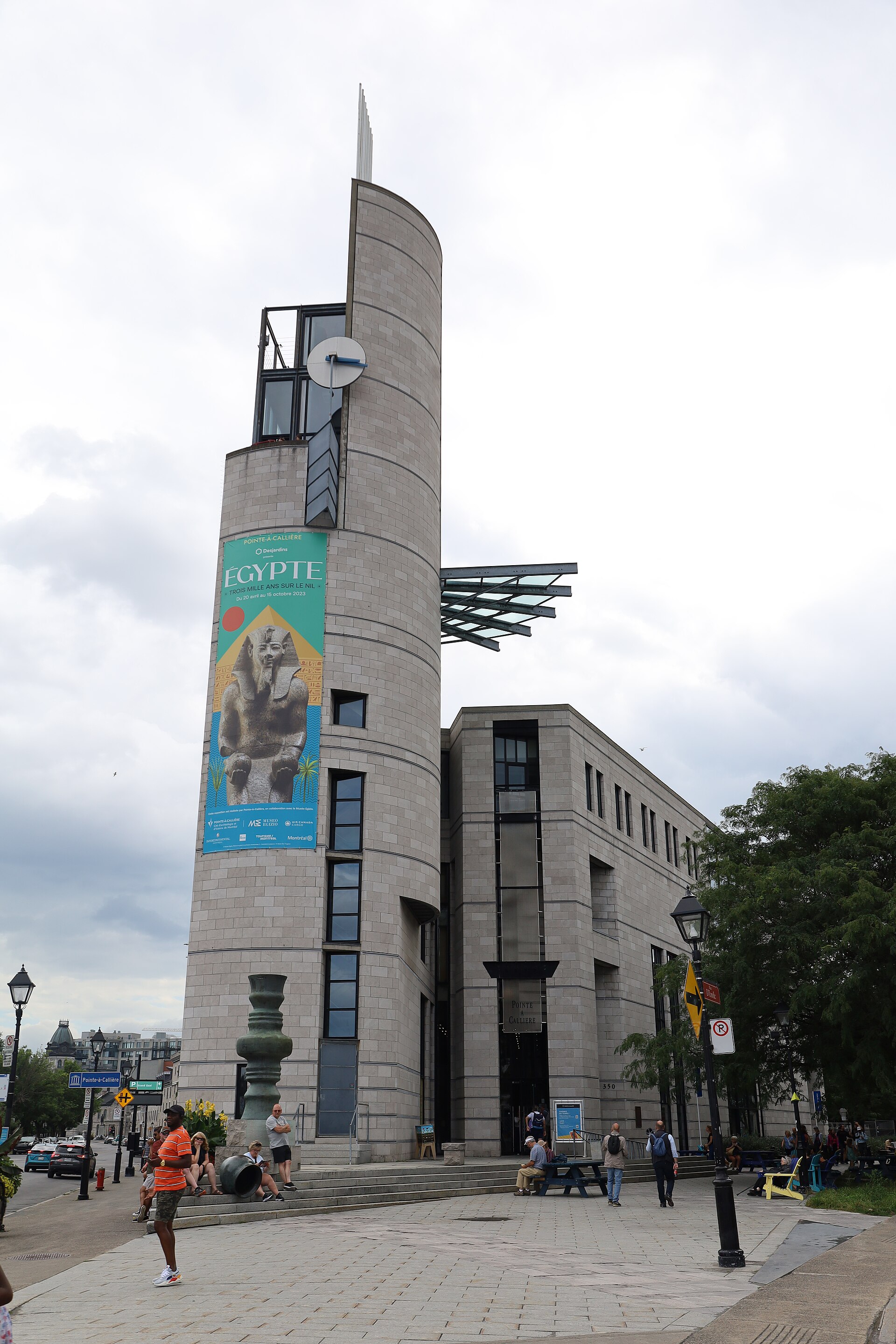
Pointe-à-Callière is Montreal's archaeology and history museum — built directly on top of the city's birthplace, the exact spot where Paul de Chomedey de Maisonneuve founded Ville-Marie in 1642. The museum descends beneath the modern building into the excavated foundations of Montreal's first buildings — stone walls, wells, and drainage channels from the 17th century that were discovered during construction in the 1990s and preserved in an underground archaeological crypt. The underground experience is the museum's unique feature. You literally walk through the foundations of the original settlement — the fort, the cemetery, the first Catholic chapel — with the layers of history visible in the excavated soil profiles. The museum connects underground to the Old Customs House and a section of the city's original sewer system (the William Collector, built in 1832), creating a subterranean route through 350 years of urban infrastructure that is as fascinating as it is damp. Above ground, the museum's modernist building (designed by Dan Hanganu, 1992) houses permanent and temporary exhibitions on Montreal's history, with particular strength in the First Nations, French colonial, and industrial periods. The multimedia show projected onto the archaeological ruins — illuminating the foundations while narrating the city's history — is one of the most effective museum experiences in the city. Pointe-à-Callière's location at Place Royale, the square where the original settlement was established, means you exit the museum standing on the same ground where Montreal began.
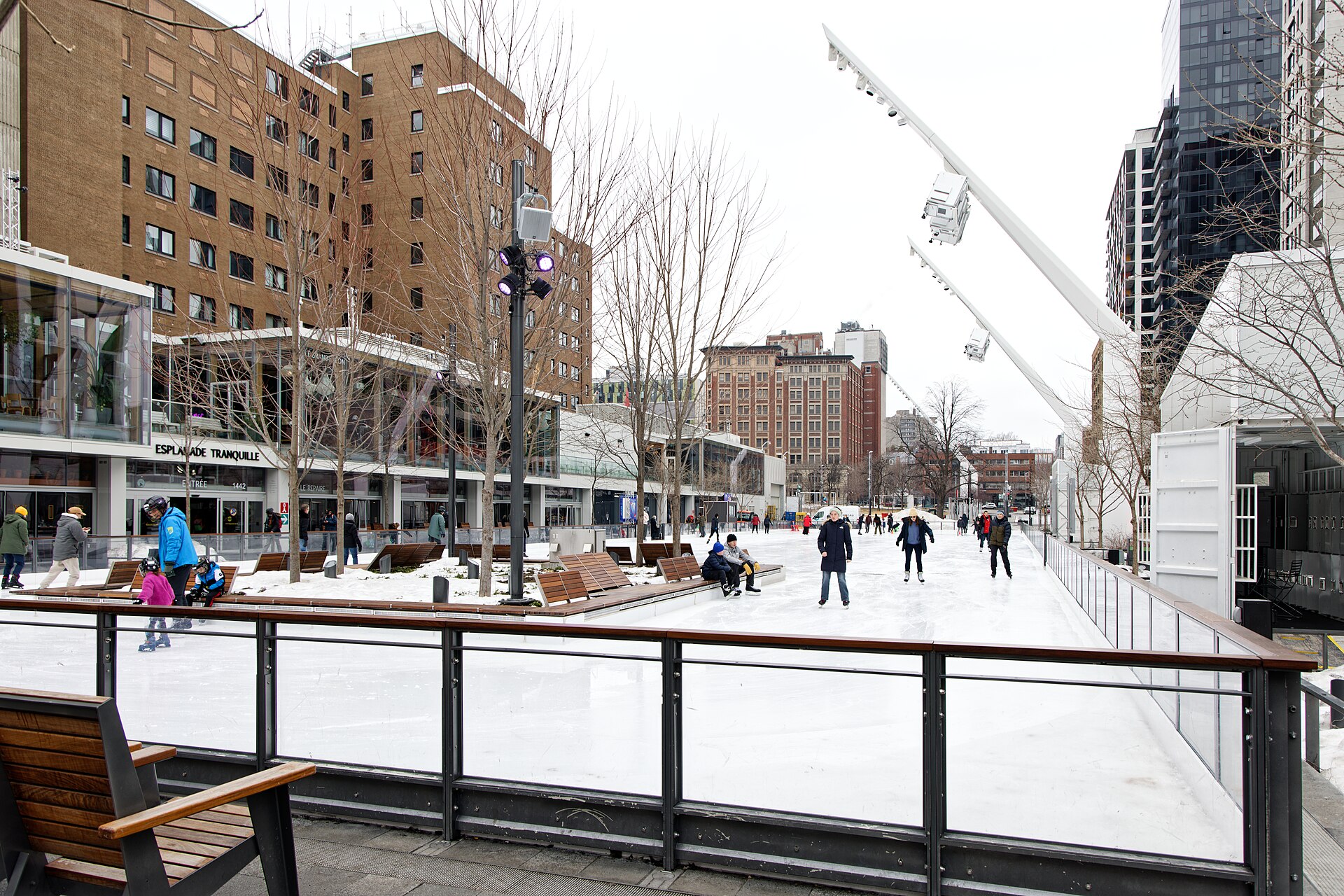
Quartier des Spectacles
260 260 de Maisonneuve Blvd West, Quartier des Spectacles, Montréal, H2X 1Y9, Canada
The Quartier des Spectacles is Montreal's performing arts district — a concentration of 80 cultural venues, 30 performance halls, and a network of public plazas that transforms into the epicentre of North America's festival culture every summer. The Montreal Jazz Festival (the world's largest), Just for Laughs (the world's largest comedy festival), Francofolies (French-language music), Nuits d'Afrique, and the Montreal International Fireworks Competition all take place in or around this district, creating a summer season that runs from June through August with barely a pause. The district is centred on Place des Arts, a concrete plaza flanked by the main performing arts venues — the Salle Wilfrid-Pelletier (home of the Montreal Symphony), the Théâtre Maisonneuve, and the Musée d'art contemporain. During festival season, the plaza and surrounding streets become a continuous outdoor stage — free concerts, comedy shows, dance performances, and art installations fill the public spaces, and the atmosphere on a warm July evening, with 200,000 people moving between stages, is one of the most exhilarating urban experiences in North America. Outside festival season, the district is quieter but still active — the permanent interactive installations (fountains that respond to movement, illuminated walkways, musical swings) keep the public spaces animated year-round, and the concentration of theatres, clubs, and restaurants ensures a nightlife scene that operates independently of the festivals. The district is the physical manifestation of Montreal's claim to be North America's cultural capital — a claim that, during July, is essentially unchallengeable.
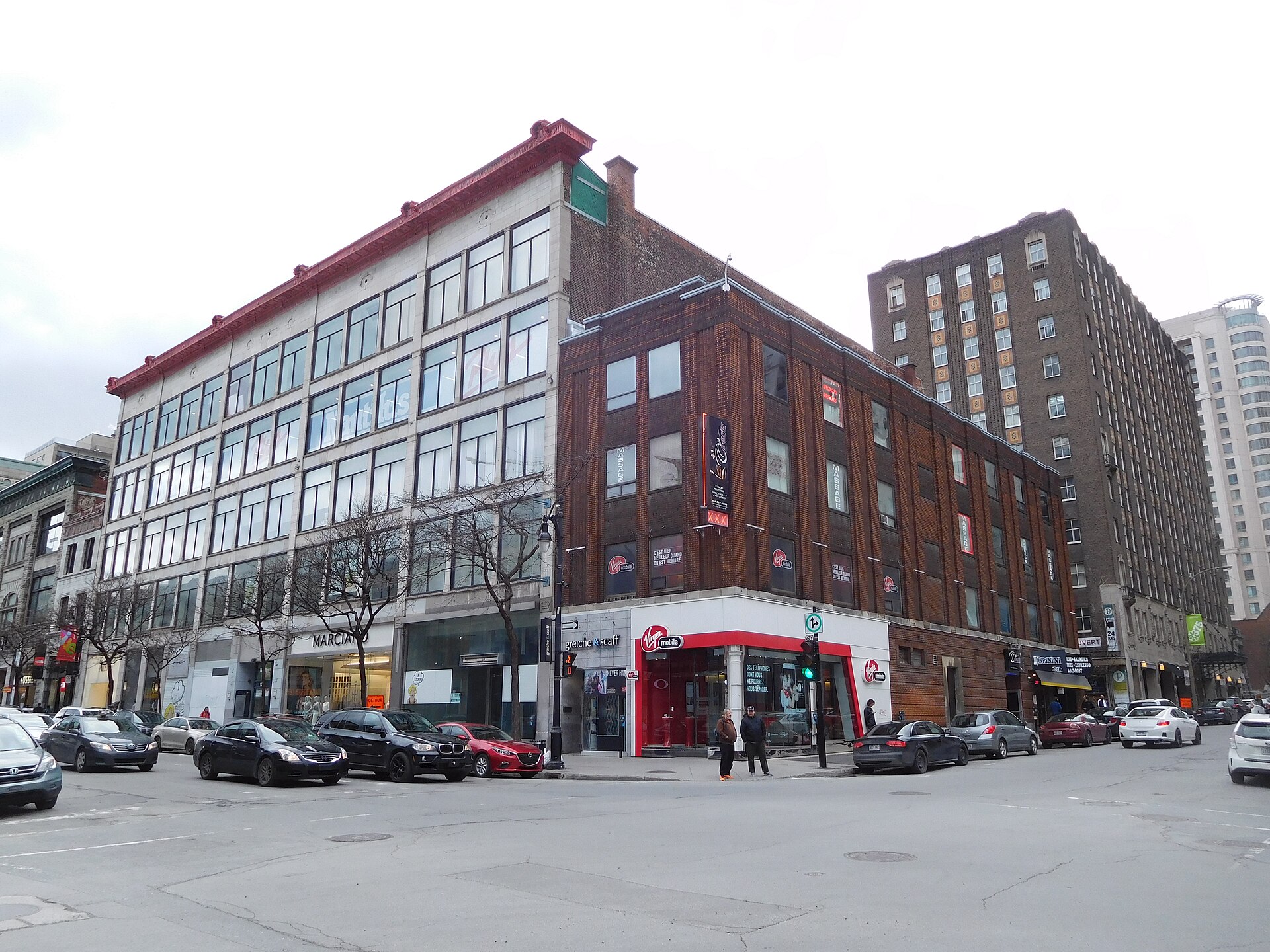
Rue Sainte-Catherine
Rue Ste-Catherine E, Pointe-aux-Trembles, Montréal, H1B 1X2, Canada
Rue Sainte-Catherine is Montreal's main commercial street — a 15-kilometre corridor that runs east-west across the island and passes through virtually every major neighbourhood and demographic that the city contains. The street is to Montreal what the Champs-Élysées is to Paris or Oxford Street is to London — the address that defines the retail experience of the city. The downtown section between Guy and Saint-Laurent is the commercial core — department stores (La Baie, Ogilvy's), shopping centres (Complexe Desjardins, Place Montréal Trust), and the underground city entrances that connect to the 33-kilometre network of tunnels that Montrealers use to avoid winter weather. The Village section (east of Berri) is the heart of Montreal's LGBTQ+ community — the street is pedestrianised in summer and hung with pink balls (the installation has become a city symbol) that create a festive canopy over the restaurants, bars, and clubs. The street's character changes dramatically as you walk its length — high-end retail gives way to the concert venues of the Quartier des Spectacles, then the bohemian shops of the Latin Quarter, then the rainbow flags of the Village, and eventually the working-class neighbourhoods of the east end. Walking the full length of Sainte-Catherine is a half-day sociology lesson disguised as a shopping trip, and the underground city that runs beneath the downtown section — with its own shops, restaurants, and metro connections — adds a parallel dimension that exists nowhere else in North America.
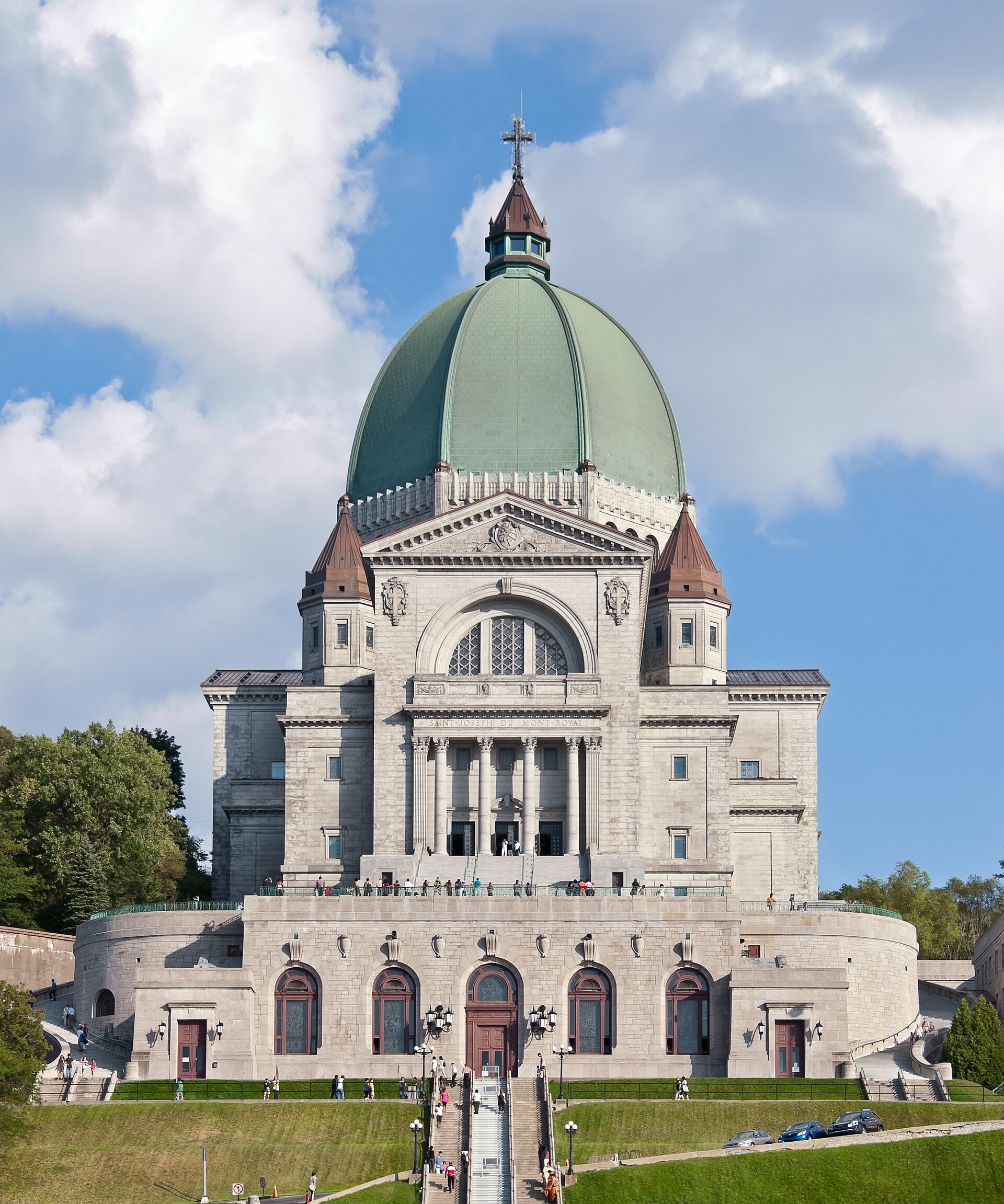
Saint Joseph's Oratory
3800 Chemin Queen Mary, Montreal
Saint Joseph's Oratory is the largest church in Canada and the third-largest dome in the world — a massive basilica clinging to the north slope of Mount Royal whose copper dome (recently restored to a gleaming green) is visible from 30 kilometres away and has been the most recognisable feature of Montreal's skyline since its completion in 1967. The oratory began as a tiny wooden chapel built in 1904 by Brother André Bessette, a humble doorkeeper at the local college who was credited with miraculous healings through prayer to Saint Joseph. The healings attracted pilgrims, the pilgrims brought money, and the chapel grew into the enormous basilica that stands today — 263 steps from the parking lot to the main entrance, which some pilgrims still climb on their knees. Brother André was canonised as a saint in 2010, and his preserved heart is displayed in a reliquary in the basilica's museum, which is either a sacred relic or an extremely macabre souvenir depending on your perspective. The interior is unexpectedly modern — the original ornate design was replaced by a minimalist renovation in the 1960s, and the vast nave (seating 2,400) has the clean lines of a modernist concert hall rather than a Baroque church. The crutches and walking aids left by the healed (or hopeful) hang in a room off the main basilica as testimony to the miracles attributed to Brother André. The terrace in front of the basilica offers panoramic views of Montreal, and the gardens descending the hillside are a peaceful walk that most visitors miss in their rush to reach the dome.
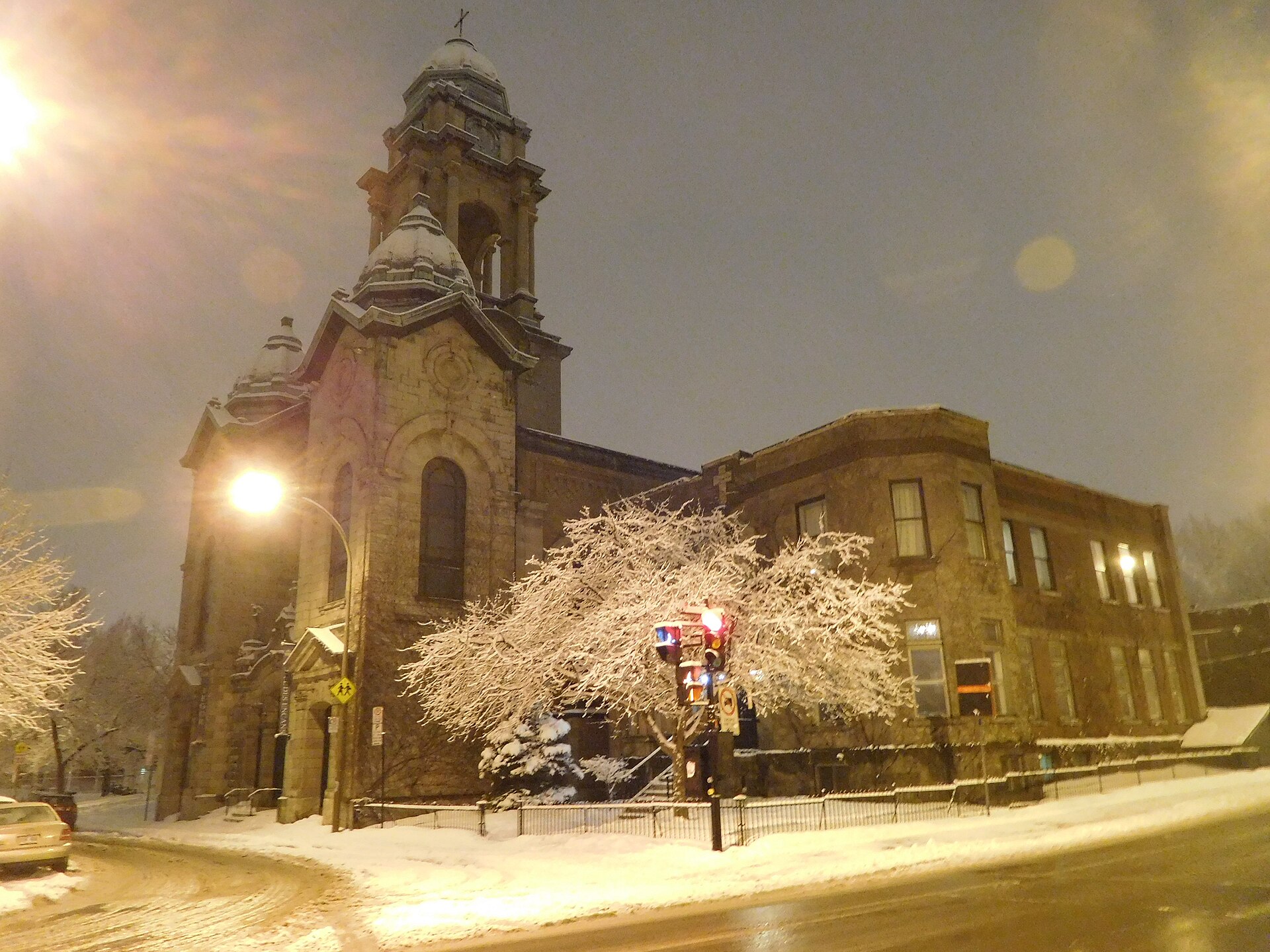
Saint-Henri
Rue Notre-Dame Ouest, St-Henri, Montréal, H4C 2H9, Canada
Saint-Henri is Montreal's working-class neighbourhood turned culinary destination — a district south of Westmount whose industrial heritage (it was the centre of Montreal's manufacturing economy in the 19th and early 20th centuries) is visible in the converted factories, the railway viaducts, and the gritty-turned-trendy Rue Notre-Dame that has become one of the best restaurant streets in the city. The food scene on Notre-Dame Ouest between Atwater and Place Saint-Henri is remarkable for its density and quality. Tuck Shop, Joe Beef's neighbourhood bistro Le Vin Papillon, and a rotating cast of new restaurants have turned a few blocks of a residential street into a dining destination that rivals the Plateau. The neighbourhood's prices remain lower than Griffintown or Old Montreal, which attracts both chefs looking for affordable kitchen space and diners looking for value. The neighbourhood's character comes from its industrial past — the Lachine Canal runs along its southern edge, the elevated railway (now partly demolished, partly converted to green space) defines its northern boundary, and the mix of small row houses and converted warehouse lofts gives the streets a visual variety that newer neighbourhoods lack. The Marché Atwater sits at the neighbourhood's eastern edge, and the combination of market shopping, canal-side walking, and a meal on Notre-Dame makes Saint-Henri one of the best half-day neighbourhood experiences in Montreal — provided you can find it, because most tourists never leave the Plateau.
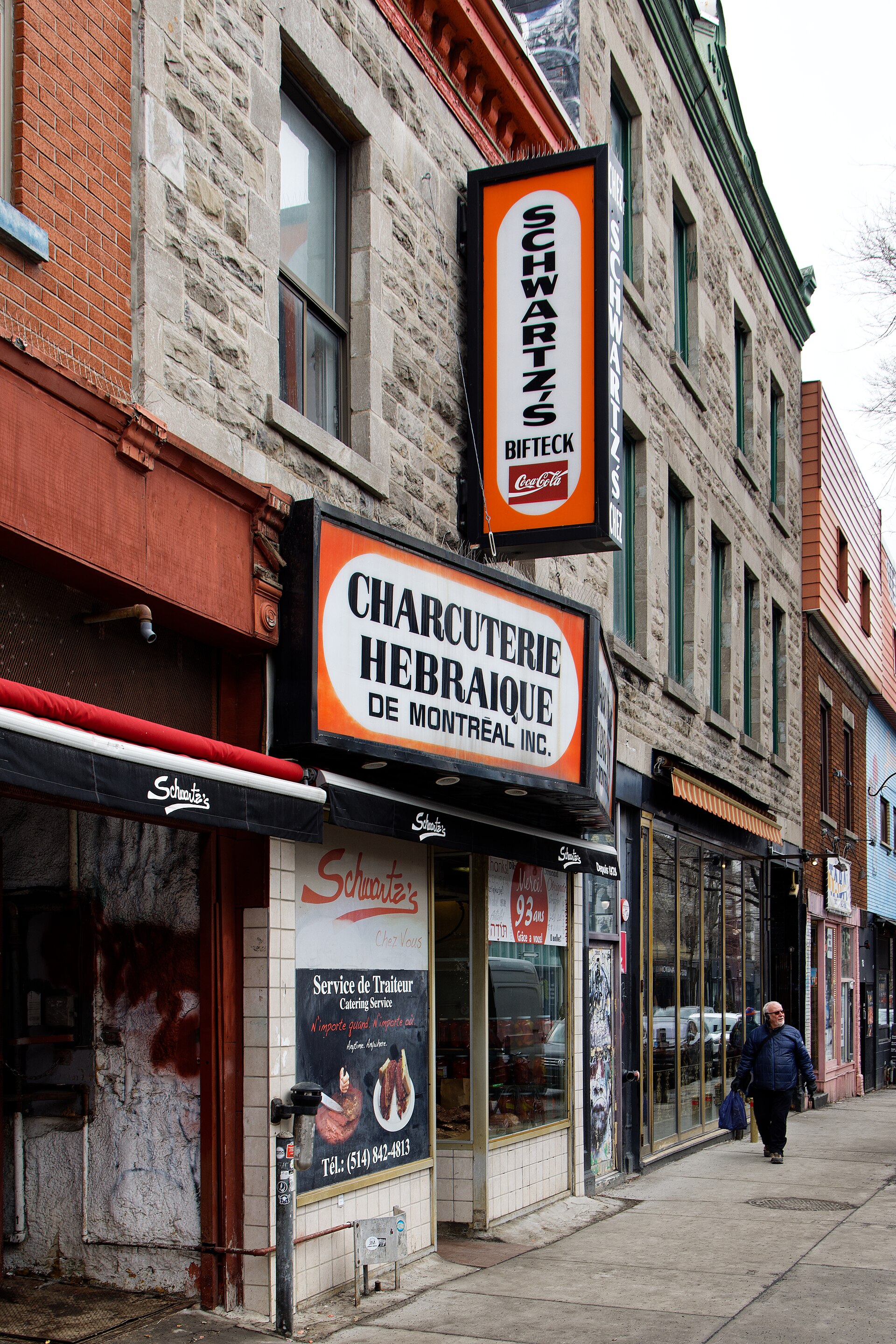
Schwartz's Deli
3895 Boul St-Laurent, Little Portugal, Montréal, H2W 1K4, Canada
Schwartz's is the most famous deli in Canada — a narrow, no-frills smoked meat shop on The Main that has been hand-smoking, hand-cutting, and hand-serving Montreal's signature sandwich since 1928. The queue that forms outside every day, rain or snow, is not a tourist phenomenon but a daily reality — Montrealers have been standing in this line for nearly a century, and the fact that the wait rarely discourages them says everything about the quality. Montreal smoked meat is similar to but distinct from New York pastrami — both are cured beef briskets, but Montreal's version uses a different spice rub (heavy on coriander and black pepper), is smoked longer, and is steamed before slicing. Schwartz's version, piled high on rye bread with yellow mustard, is the canonical expression — the meat is fatty, tender, intensely spiced, and sliced by hand in thick, irregular slices that have more character than machine-cut precision. The correct order is smoked meat on rye, medium fat, with a pickle and a cherry cola. The restaurant itself is a single room with communal tables, fluorescent lighting, and the kind of brusque service that New Yorkers will find familiar and everyone else will find either charming or rude depending on their tolerance for being told to sit down and order. There is no menu board — the offerings are smoked meat (sandwich or plate), fries, coleslaw, pickles, and drinks. The simplicity is the point. Schwartz's does one thing, has done it since 1928, and the queue outside confirms that doing one thing exceptionally well is a viable business model.
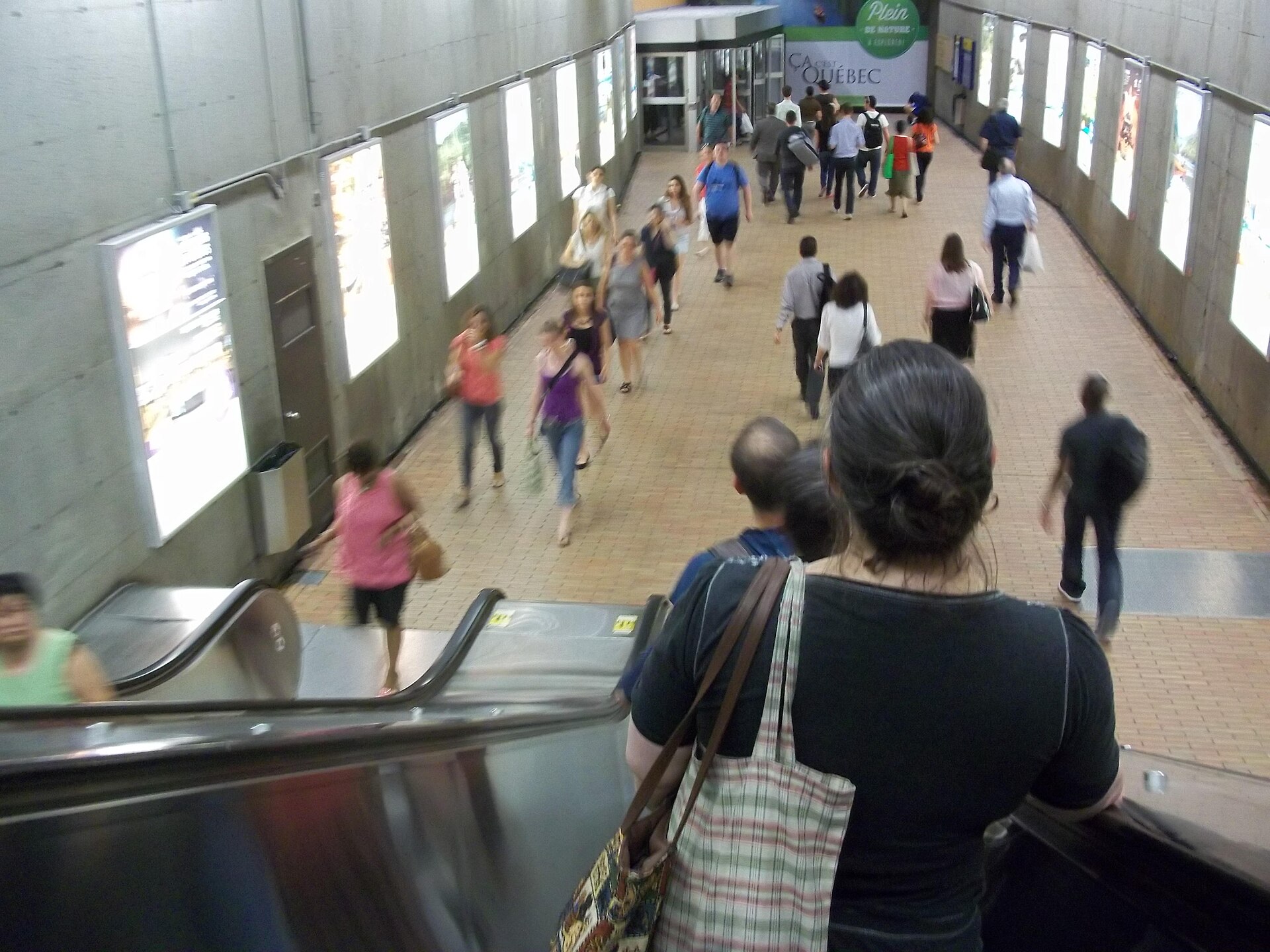
Underground City (RÉSO)
Place Ville-Marie, McGill, Montréal, Canada
Montreal's Underground City — officially called RÉSO — is the largest underground complex in the world: 33 kilometres of tunnels connecting 10 metro stations, 2,000 shops, 200 restaurants, 40 banks, 7 major hotels, 2 universities, and several concert and exhibition venues in a climate-controlled network that allows Montrealers to live, work, shop, and be entertained without ever stepping outside during the five months of winter when temperatures regularly drop below minus 20. The network began in 1962 with Place Ville Marie — the cruciform office tower designed by I.M. Pei that created Montreal's first underground shopping concourse. The success of the concept (people would rather shop underground in warmth than above ground in a blizzard) led to expansion, and by the 1990s the network had grown to connect most of downtown's major buildings. The system is not a single tunnel but a web — each building connects to its neighbours through passages that vary from glamorous marble corridors to utilitarian concrete tunnels, and navigating the system requires either a map or a willingness to get pleasantly lost. The underground city is a practical infrastructure rather than a tourist attraction, which is precisely what makes it interesting — you're walking through a parallel downtown that was built as a response to climate rather than commerce, and the shops, food courts, and gathering spaces down here serve the same population as the streets above, just six months earlier and later in the year. The best way to experience it is to pick two metro stations several blocks apart and try to walk between them entirely underground — the journey will take you through shopping centres, office building lobbies, hotel corridors, and university hallways in a continuous interior walk that is uniquely Montreal.