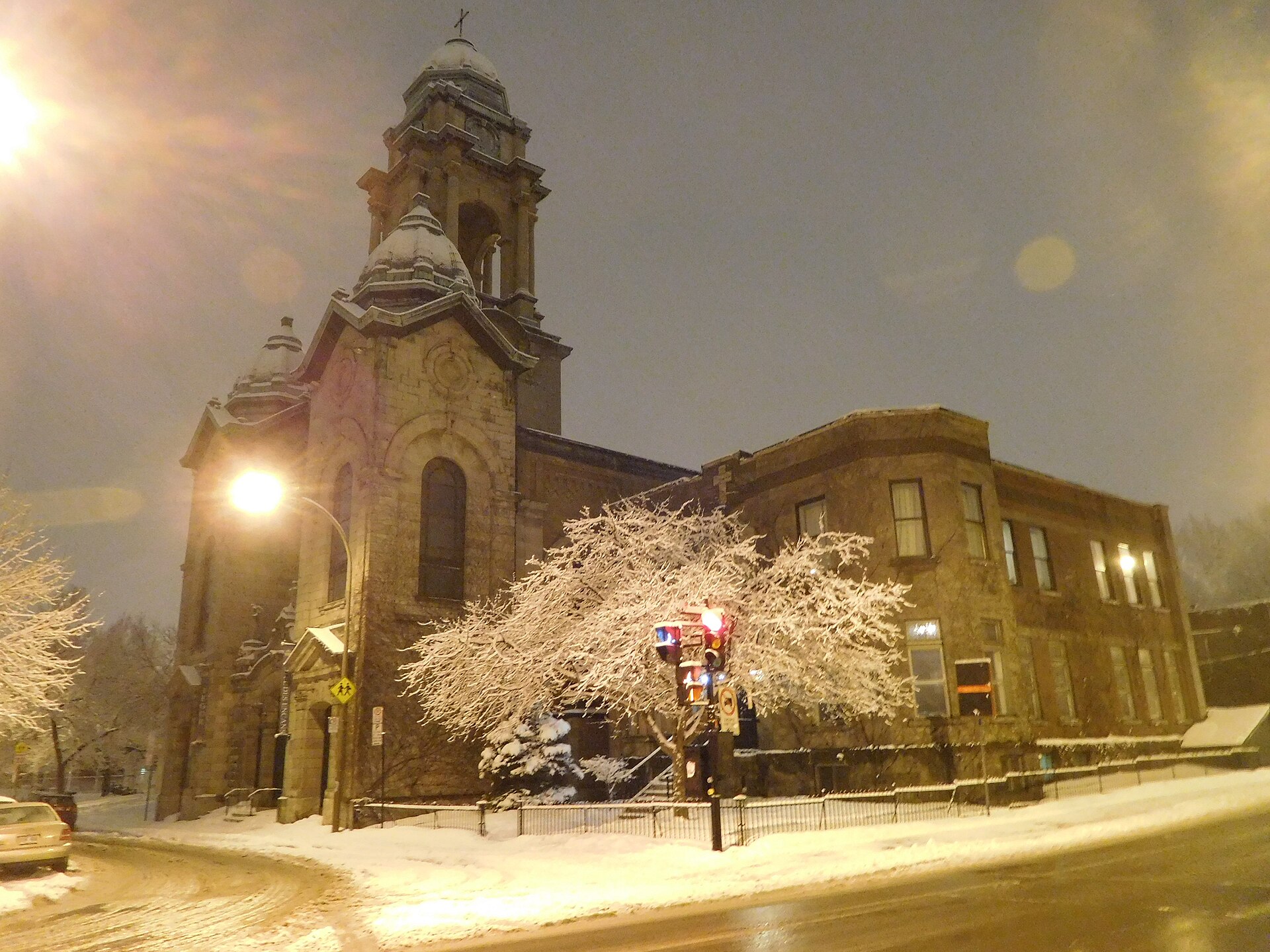
Saint-Henri is Montreal's working-class neighbourhood turned culinary destination — a district south of Westmount whose industrial heritage (it was the centre of Montreal's manufacturing economy in the 19th and early 20th centuries) is visible in the converted factories, the railway viaducts, and the gritty-turned-trendy Rue Notre-Dame that has become one of the best restaurant streets in the city.
The food scene on Notre-Dame Ouest between Atwater and Place Saint-Henri is remarkable for its density and quality. Tuck Shop, Joe Beef's neighbourhood bistro Le Vin Papillon, and a rotating cast of new restaurants have turned a few blocks of a residential street into a dining destination that rivals the Plateau. The neighbourhood's prices remain lower than Griffintown or Old Montreal, which attracts both chefs looking for affordable kitchen space and diners looking for value.
The neighbourhood's character comes from its industrial past — the Lachine Canal runs along its southern edge, the elevated railway (now partly demolished, partly converted to green space) defines its northern boundary, and the mix of small row houses and converted warehouse lofts gives the streets a visual variety that newer neighbourhoods lack. The Marché Atwater sits at the neighbourhood's eastern edge, and the combination of market shopping, canal-side walking, and a meal on Notre-Dame makes Saint-Henri one of the best half-day neighbourhood experiences in Montreal — provided you can find it, because most tourists never leave the Plateau.
Verified Facts
Saint-Henri was the centre of Montreal's manufacturing economy in the 19th-20th centuries
Rue Notre-Dame Ouest has become a major restaurant corridor
The Lachine Canal runs along the neighbourhood's southern edge
The neighbourhood borders the Atwater Market
Get walking directions
Rue Notre-Dame Ouest, St-Henri, Montréal, H4C 2H9, Canada