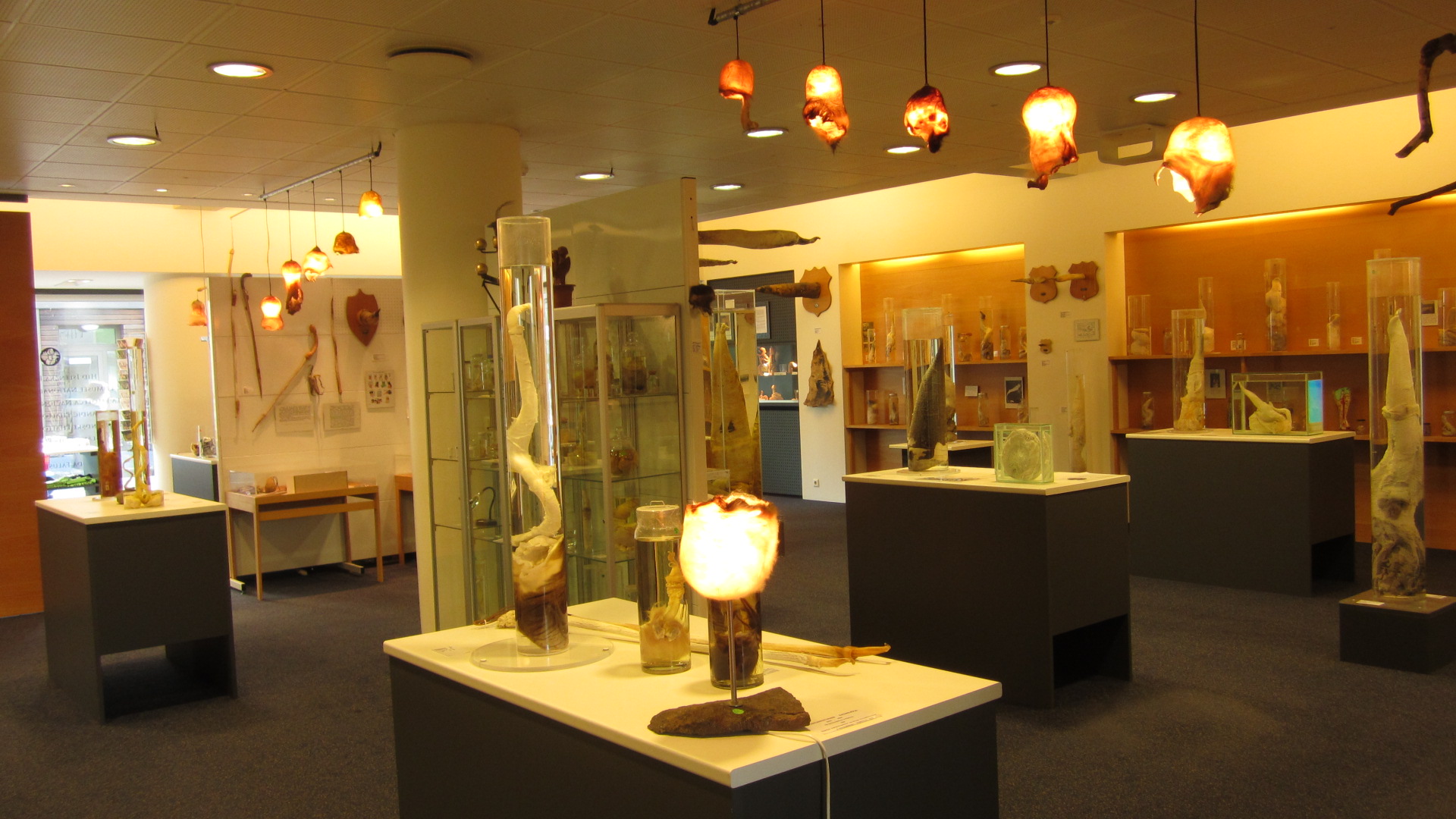
Icelandic Phallological Museum
Kalkofnsvegur, Skuggahverfi, Reykjavík, 101, Iceland
The Icelandic Phallological Museum is the world's only museum dedicated entirely to penises — a genuinely academic natural-history collection of over 400 penises and penile parts from 100 different mammalian species, including whales, walruses, seals, Arctic foxes, and domestic animals, along with a human specimen donated by a 95-year-old Icelandic farmer.
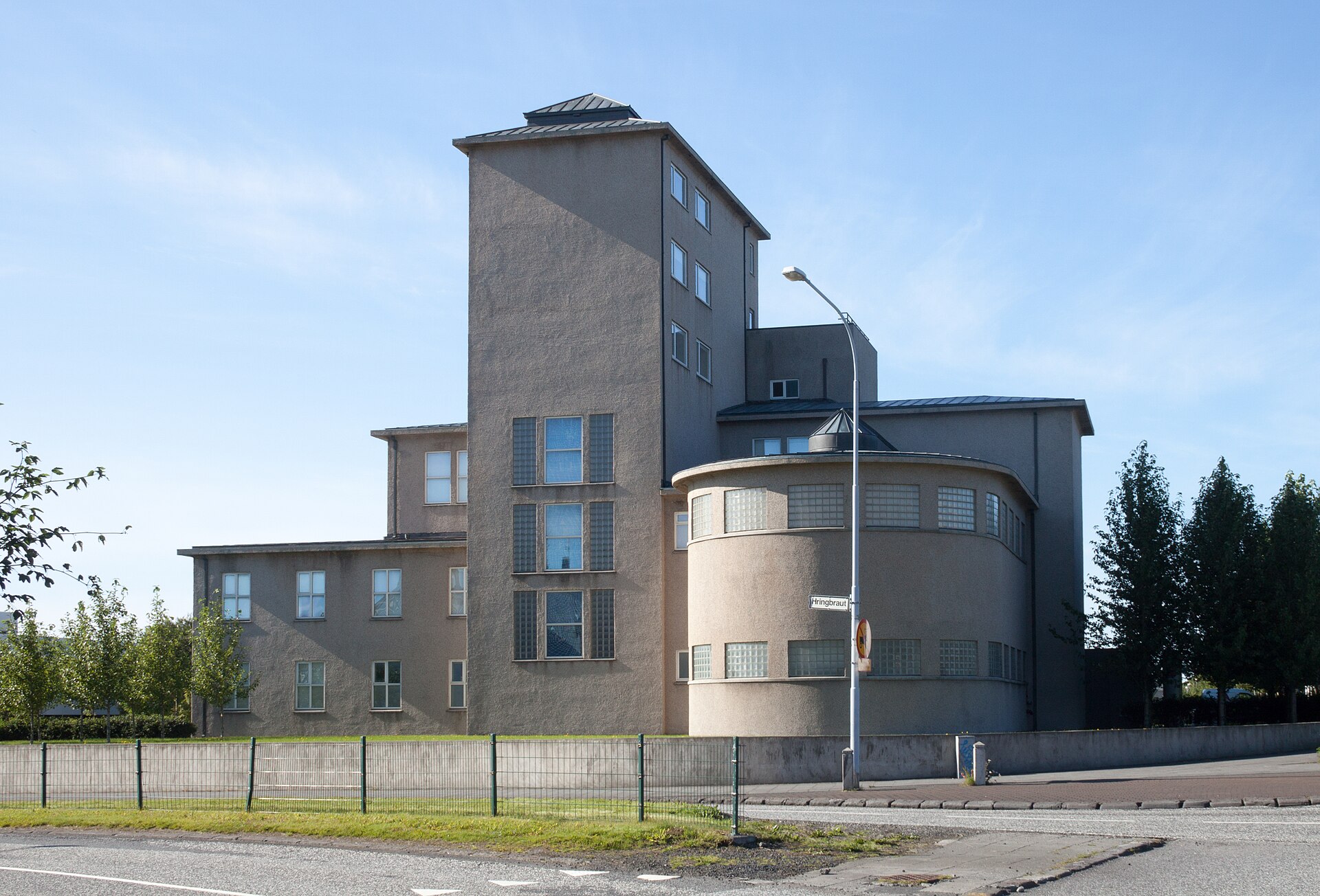
National Museum of Iceland
Suðurgata 41, 102 Reykjavík
The National Museum of Iceland traces the history of Iceland from the Settlement Age (874 AD) to the present — a compact but well-curated collection that explains how a volcanic island in the North Atlantic, settled by Vikings and their Celtic slaves, became one of the wealthiest and most literate societies on Earth.
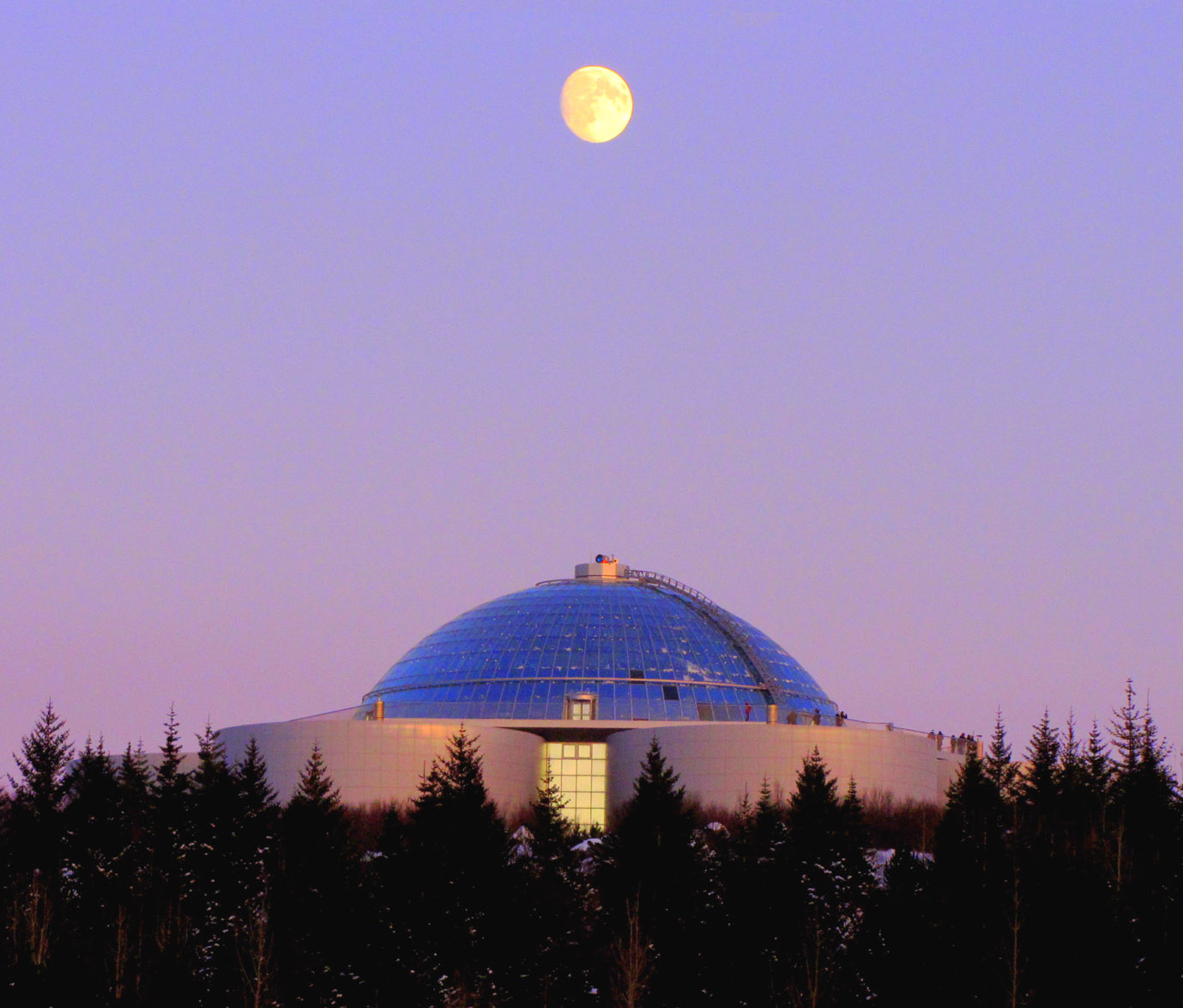
Perlan (The Pearl)
Varmahlíð 1, 105 Reykjavík
Perlan is a glass dome built on top of six geothermal water storage tanks on Öskjuhlíð hill — a museum, observation deck, and planetarium that provides both a 360-degree view of Reykjavik and an immersive education in Iceland's geology, glaciology, and natural phenomena.
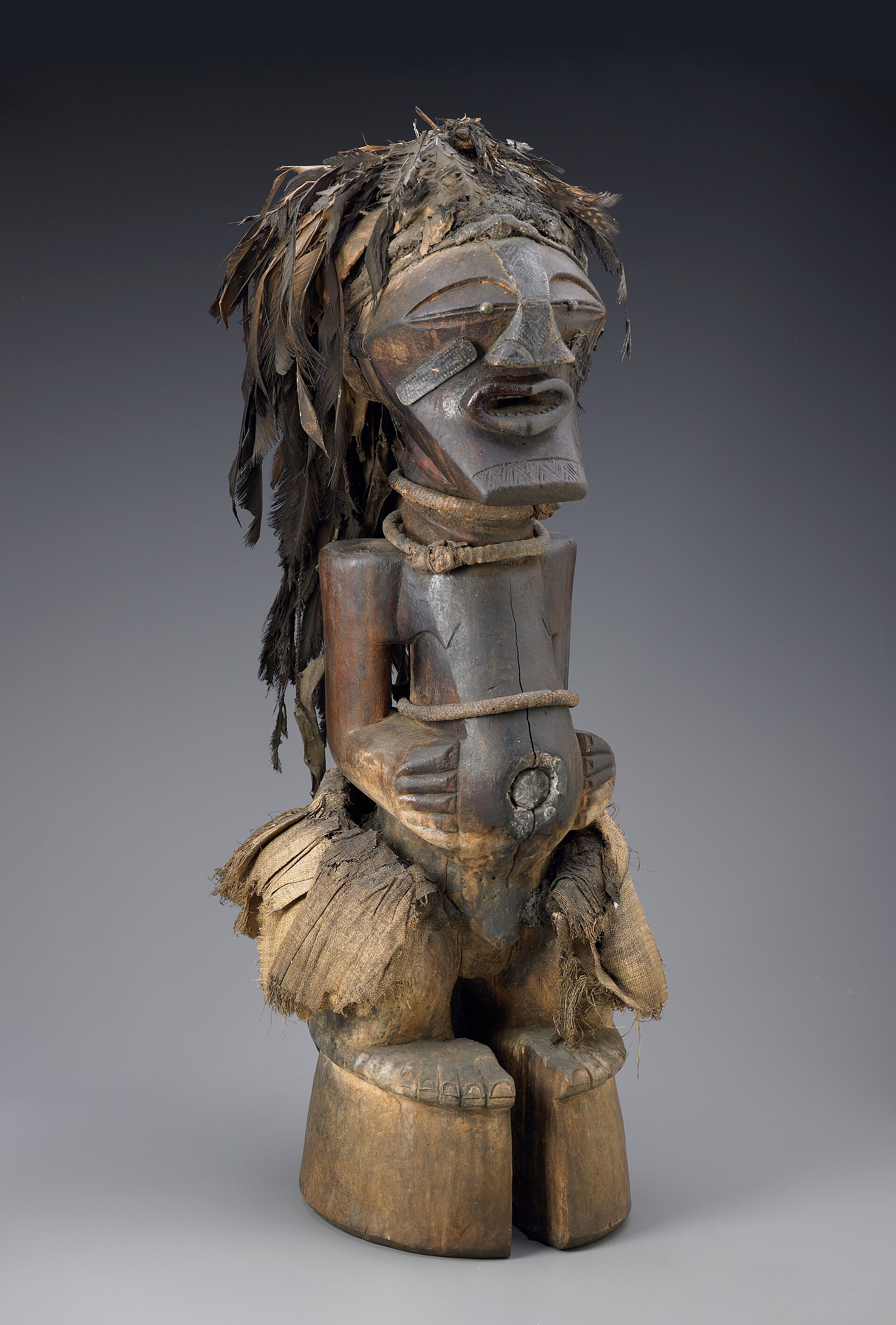
Reykjavik Art Museum
Tryggvagata 17, Reykjavik
The Reykjavik Art Museum is Iceland's largest art museum — spread across three buildings (Hafnarhús by the harbour, Kjarvalsstaðir on the eastern edge of the old town, and Ásmundarsafn north of the centre), each with its own focus.

Saga Museum
2 Grandagarður, Vesturhöfn, Reykjavík, 101, Iceland
The Saga Museum at the Grandi harbour district brings the Icelandic sagas to life through 17 life-sized wax figure tableaux depicting key scenes and characters from Iceland's foundational medieval literature — Ingólfur Arnarson (the first permanent settler in 874 AD), Leifur Eiríksson (who reached North America 500 years before Columbus), Snorri Sturluson (the medieval historian and author of the Prose Edda), and the Viking-era witch burnings, raids, and feuds that shape Icelandic self-understanding.
Settlement Exhibition (871±2)
Aðalstræti 16, Reykjavik
The Settlement Exhibition is built around the excavated remains of one of the oldest longhouses in Reykjavik — discovered in 2001 during construction on Aðalstræti (Reykjavik's oldest street) and dated to around 871 AD, making it one of the earliest Viking Age settlements in Iceland.
Explore museum in Reykjavik
GPS-guided narration at every landmark. Tap a spot on the map, hear the story. Every fact verified.