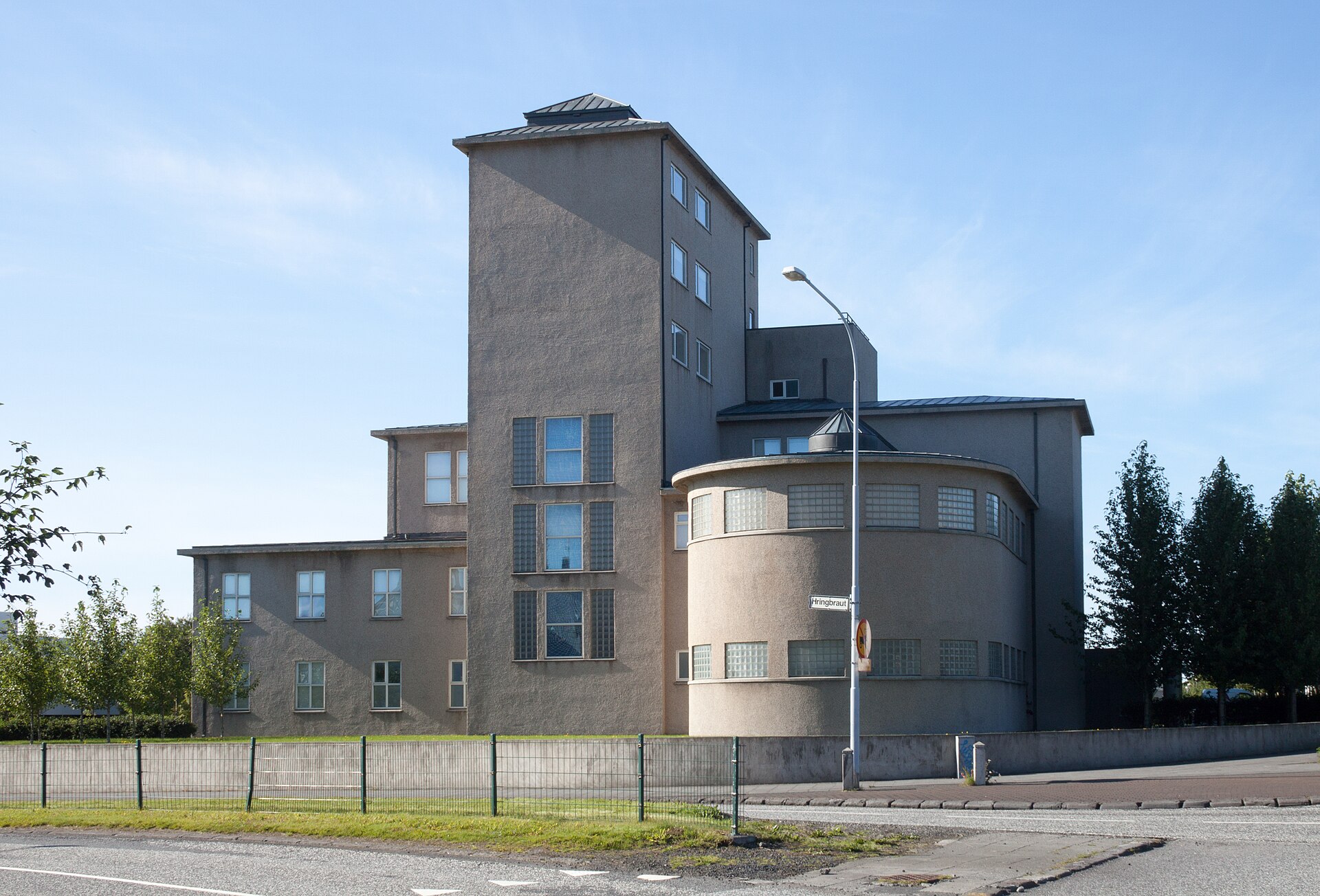
The National Museum of Iceland traces the history of Iceland from the Settlement Age (874 AD) to the present — a compact but well-curated collection that explains how a volcanic island in the North Atlantic, settled by Vikings and their Celtic slaves, became one of the wealthiest and most literate societies on Earth. The collection includes the Valþjófsstaður church door (a 13th-century carved wooden door depicting the legend of the knight and the lion), Viking-age artifacts, medieval manuscripts, and the objects of daily life that document 1,100 years of Icelandic civilisation.
The museum's narrative is engaging — Iceland's small population (currently 380,000, roughly the same as it was in 1100) means that national history feels personal rather than abstract, and the museum's presentation emphasises the human stories behind the artifacts. The DNA exhibition, which explains Iceland's unique genetic heritage (the population is genetically homogeneous enough to serve as a medical research resource, and the national genome database deCODE has contributed to global medical research), adds a contemporary scientific dimension.
Verified Facts
Iceland was settled from 874 AD
Iceland's current population is approximately 380,000
The Valþjófsstaður door dates to the 13th century
deCODE is Iceland's national genome database
Get walking directions
Suðurgata 41, 102 Reykjavík