Auckland Botanic Gardens
102 Hill Road, Manurewa
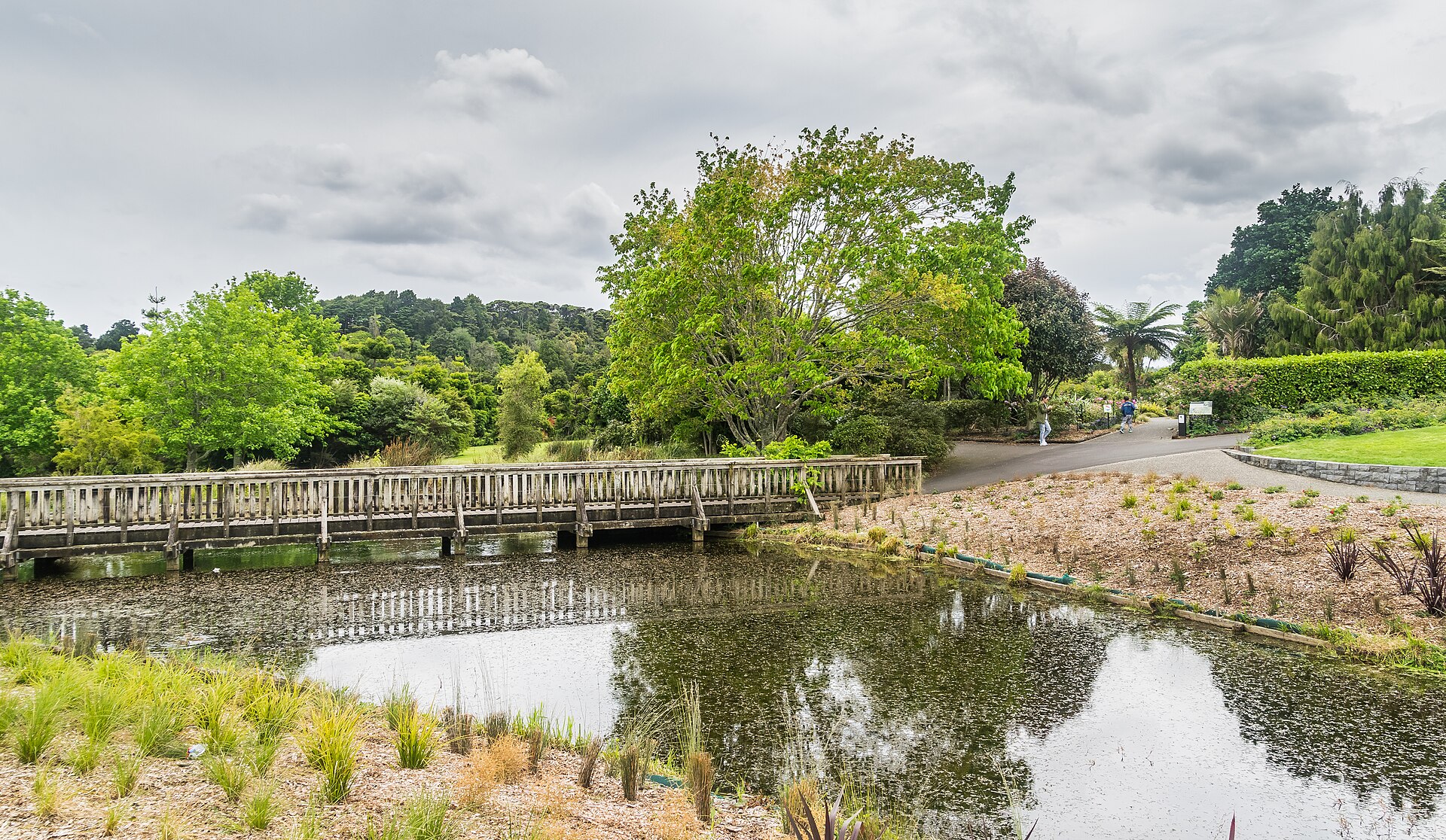
The Auckland Botanic Gardens are 64 hectares of themed gardens in Manurewa in south Auckland — the largest botanical collection in the city, opened in 1982 and home to over 10,000 plant species across 30 themed gardens including a Rose Garden, a Native Plant Ideas Garden (showcasing edible and useful New Zealand natives), a Potter Children's Garden with a giant kōura (freshwater crayfish) sculpture, and the Māori Plant Use Collection.
Auckland Domain
Parnell, Auckland
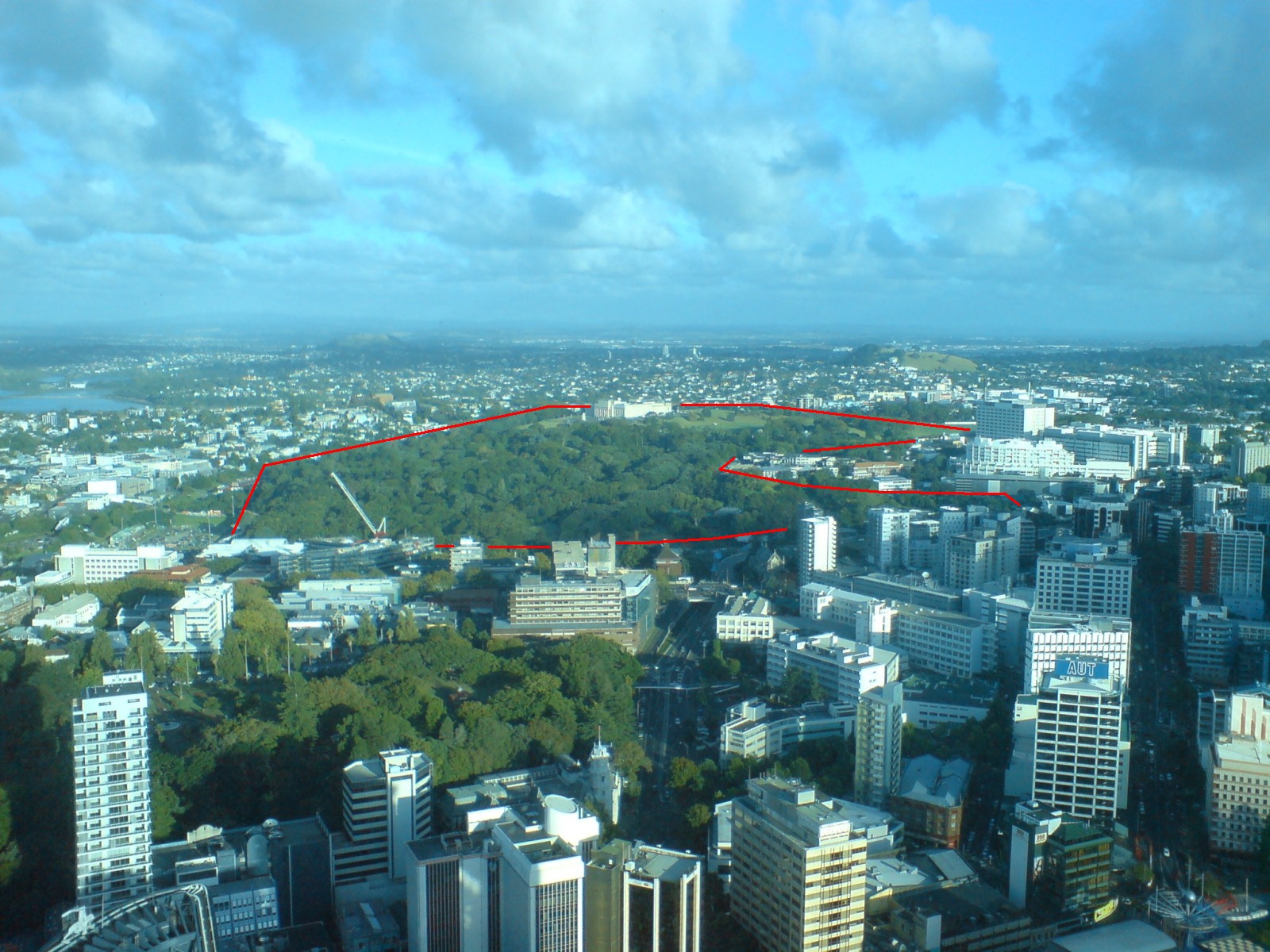
The Auckland Domain is the city's oldest and largest central park — 75 hectares of parkland, sports fields, winter gardens, and walking tracks laid out in the 19th century on the rim of the Pukekawa volcano cone and now the site of the War Memorial Museum.
Auckland Zoo
Motions Road, Western Springs
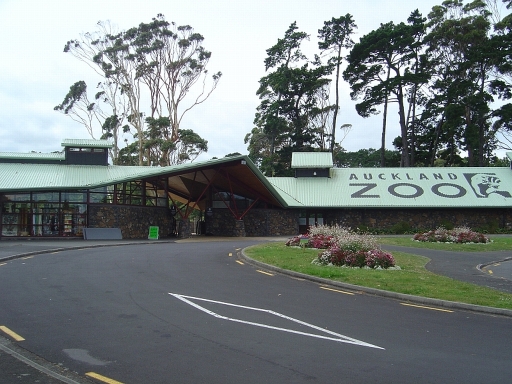
Auckland Zoo is New Zealand's largest zoological collection — 17 hectares in Western Springs holding about 135 species, with a focus on native New Zealand fauna (kiwi, tuatara, kea) and on immersive habitat design that has won international awards.
Cornwall Park
Greenlane Road West, Epsom
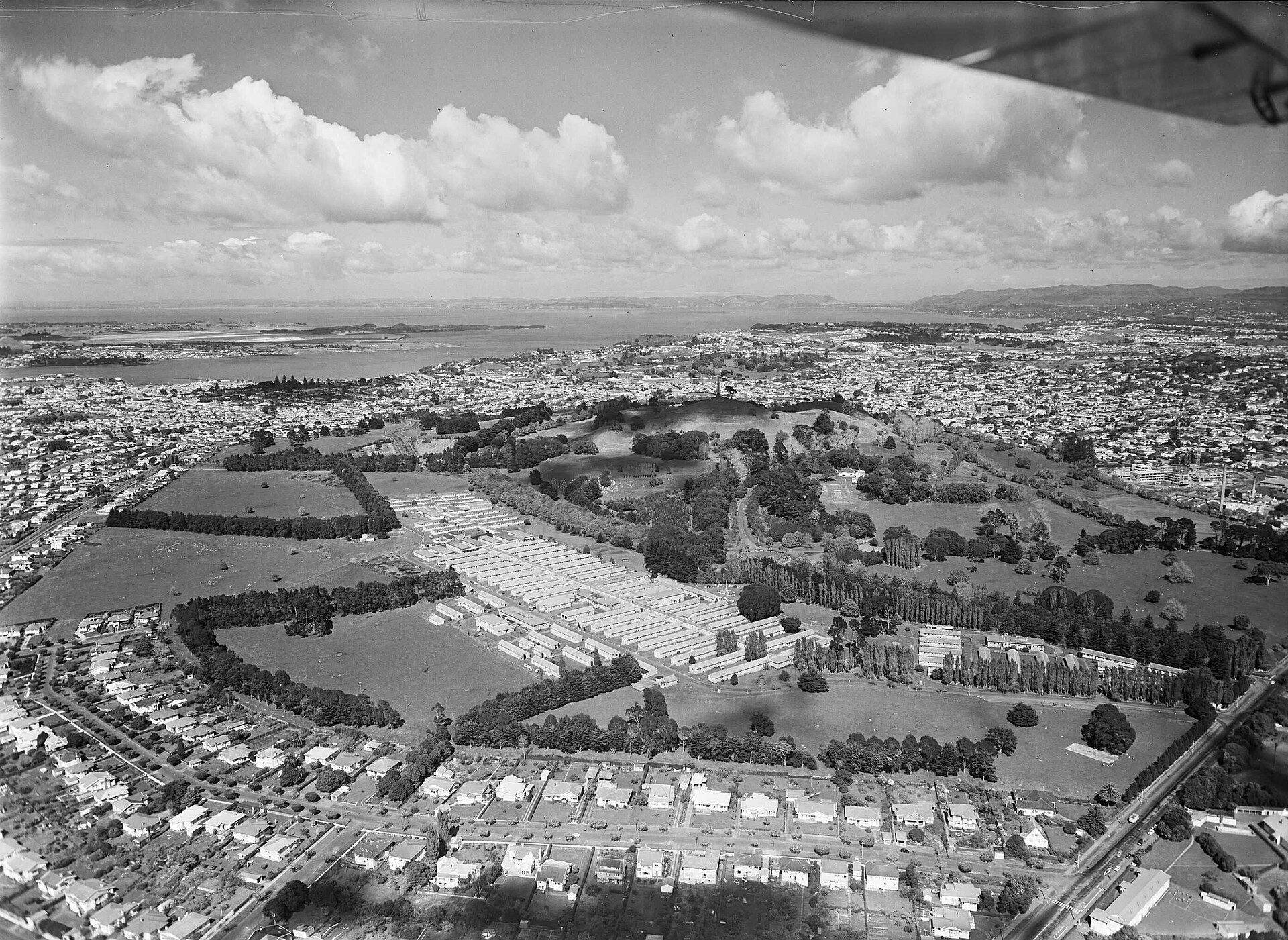
Cornwall Park is 220 hectares of working farmland in the middle of Auckland — gifted to the city in 1901 by John Logan Campbell as a 'people's park' and still grazed by sheep, beef cattle, and the Belgian blue breeding herd that makes the park a surreal pastoral landscape ringed by suburban houses.
Karekare Beach
Karekare, Waitakere Ranges
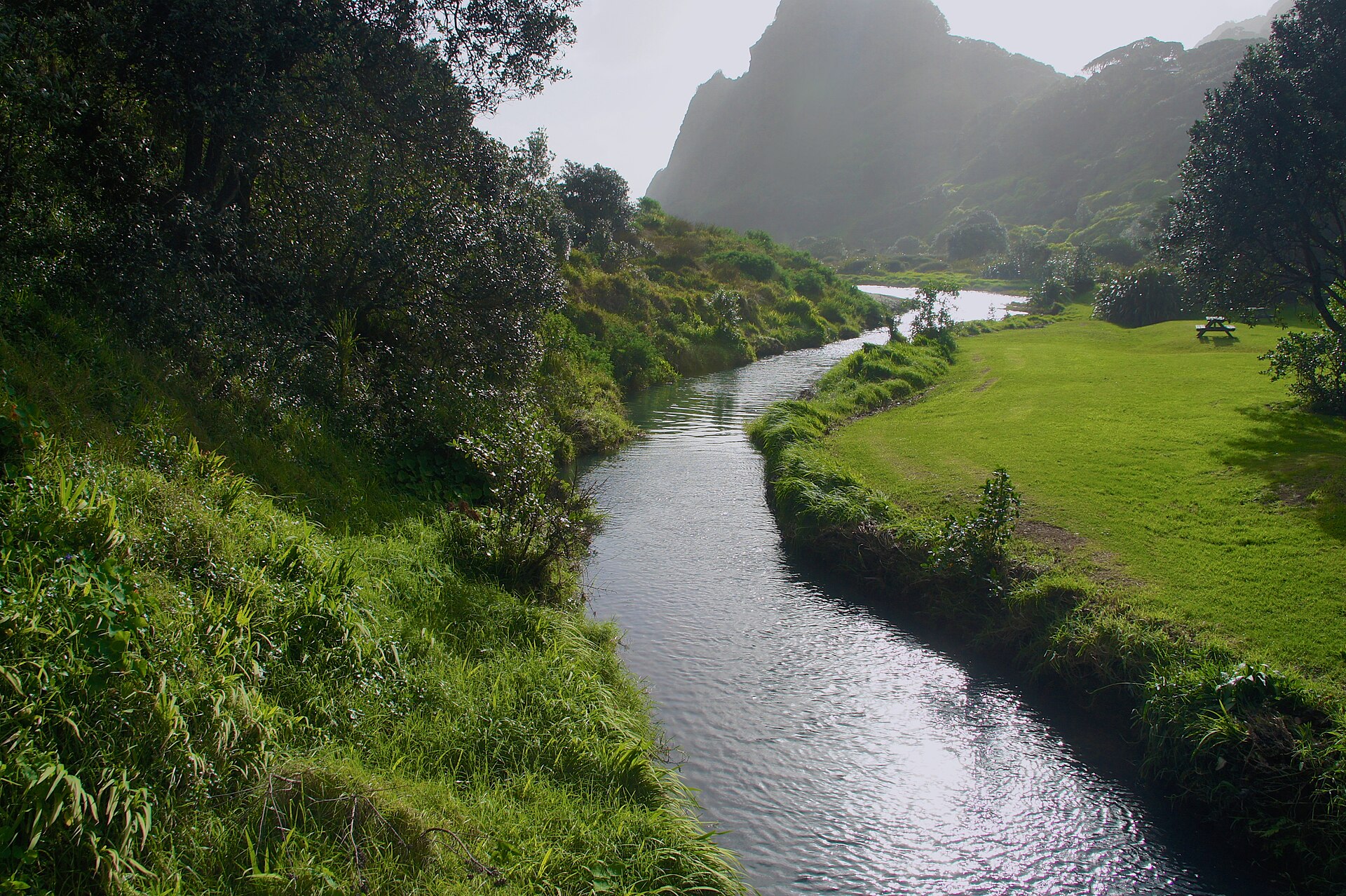
Karekare is Piha's wilder, less-developed neighbour — a black-sand beach 5 kilometres south of Piha in the Waitakere Ranges that was the filming location for Jane Campion's 1993 film 'The Piano' and has retained the raw, romantic atmosphere that drew Campion there.
Kelly Tarlton's Sea Life Aquarium
23 Tamaki Drive, Orakei
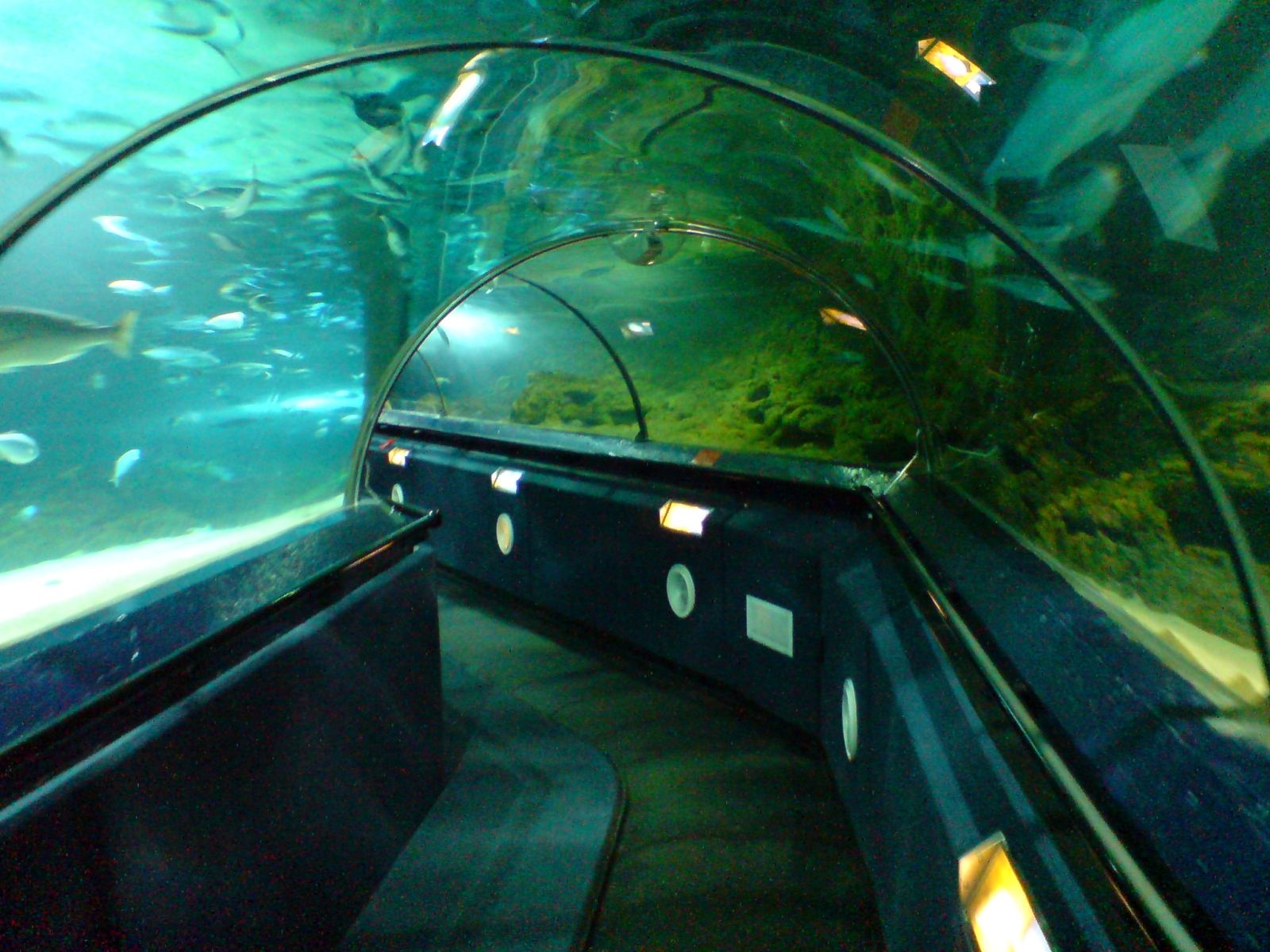
Kelly Tarlton's SEA LIFE is Auckland's aquarium — built in 1985 by the late adventurer Kelly Tarlton inside disused underground sewage tanks on Tamaki Drive, becoming the world's first walk-through aquarium (using the then-new moving-walkway-through-acrylic-tunnel concept).
Mount Eden (Maungawhau)
Mt Eden Road, Mount Eden
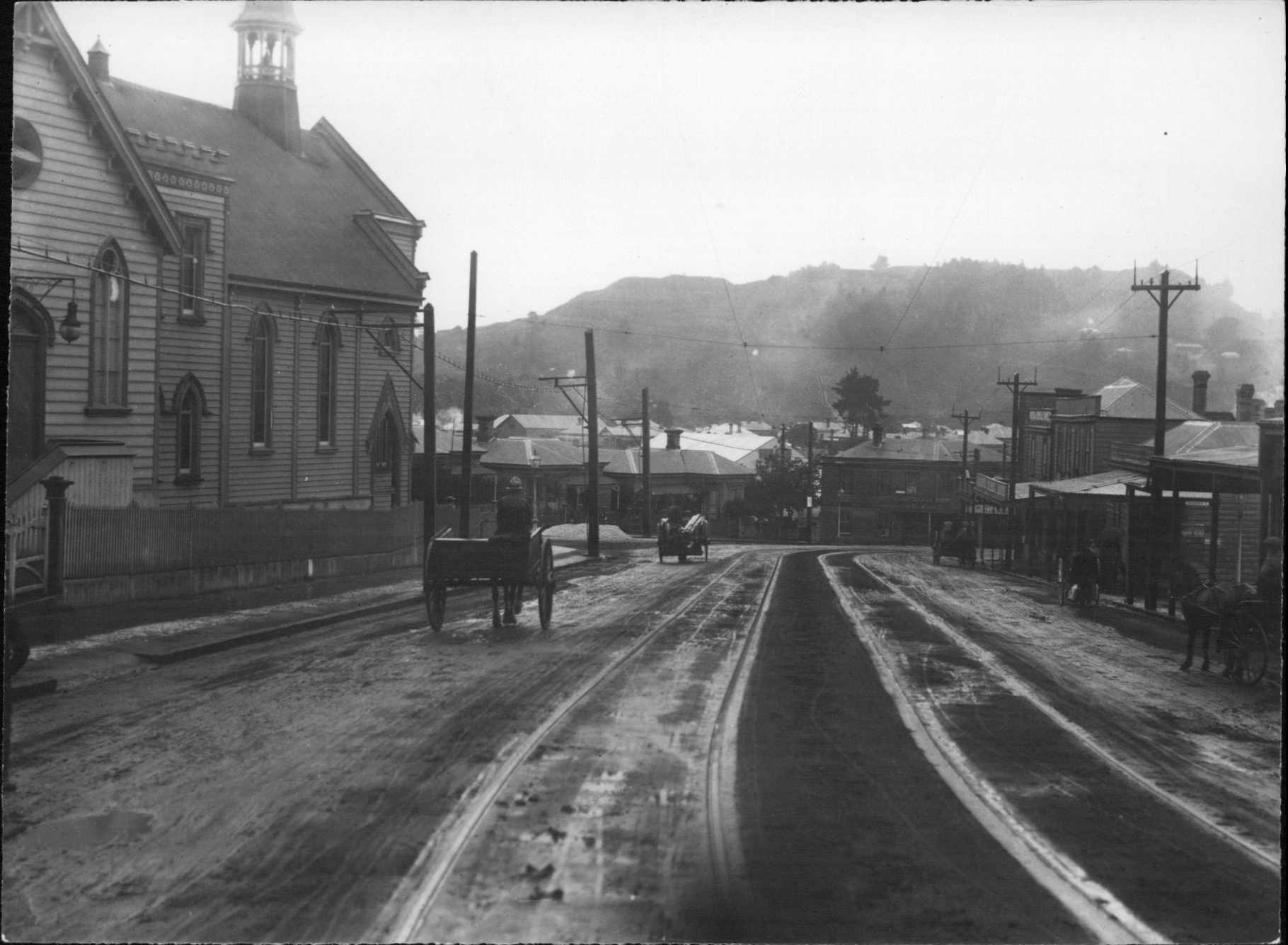
Maungawhau / Mount Eden is the highest natural point on the Auckland isthmus — a 196-metre volcanic cone that last erupted about 28,000 years ago and was one of the most important Māori pā (fortified settlements) in the country, with terraces, food storage pits, and defensive trenches carved into the cone that are still visible today.
Mount Victoria (Takarunga)
Kerr Street, Devonport
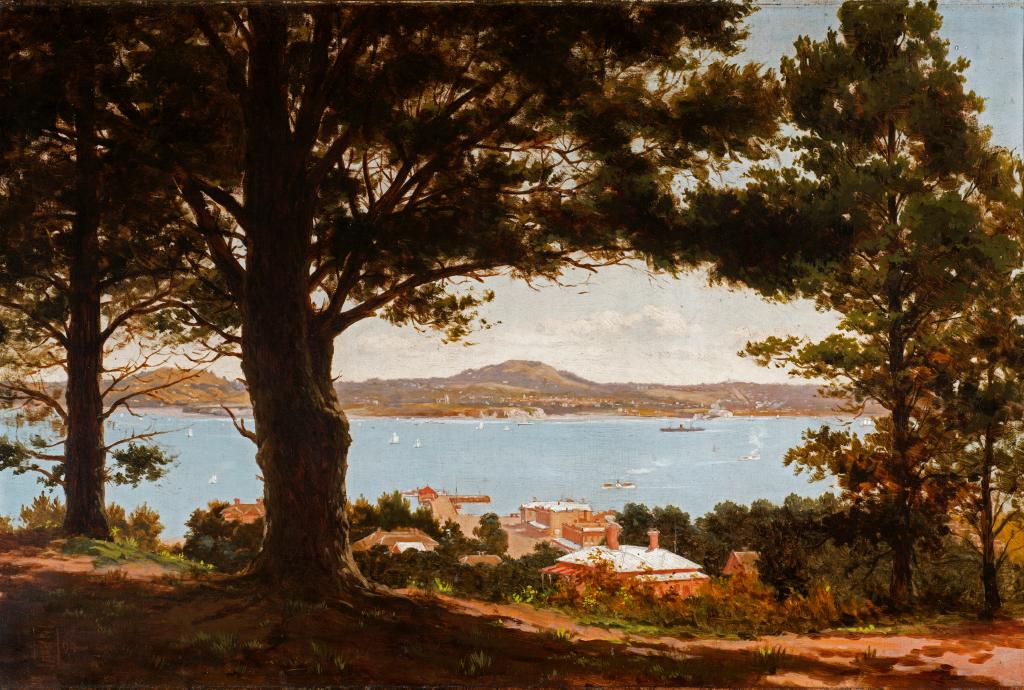
Mount Victoria (Takarunga) is a small volcanic cone behind Devonport village on the North Shore — only 87 metres tall but offering one of the best panoramic views of Auckland, with the downtown CBD, the Harbour Bridge, the Waitematā, and the outer islands all visible from the summit.
Muriwai Gannet Colony
Muriwai Beach, Rodney
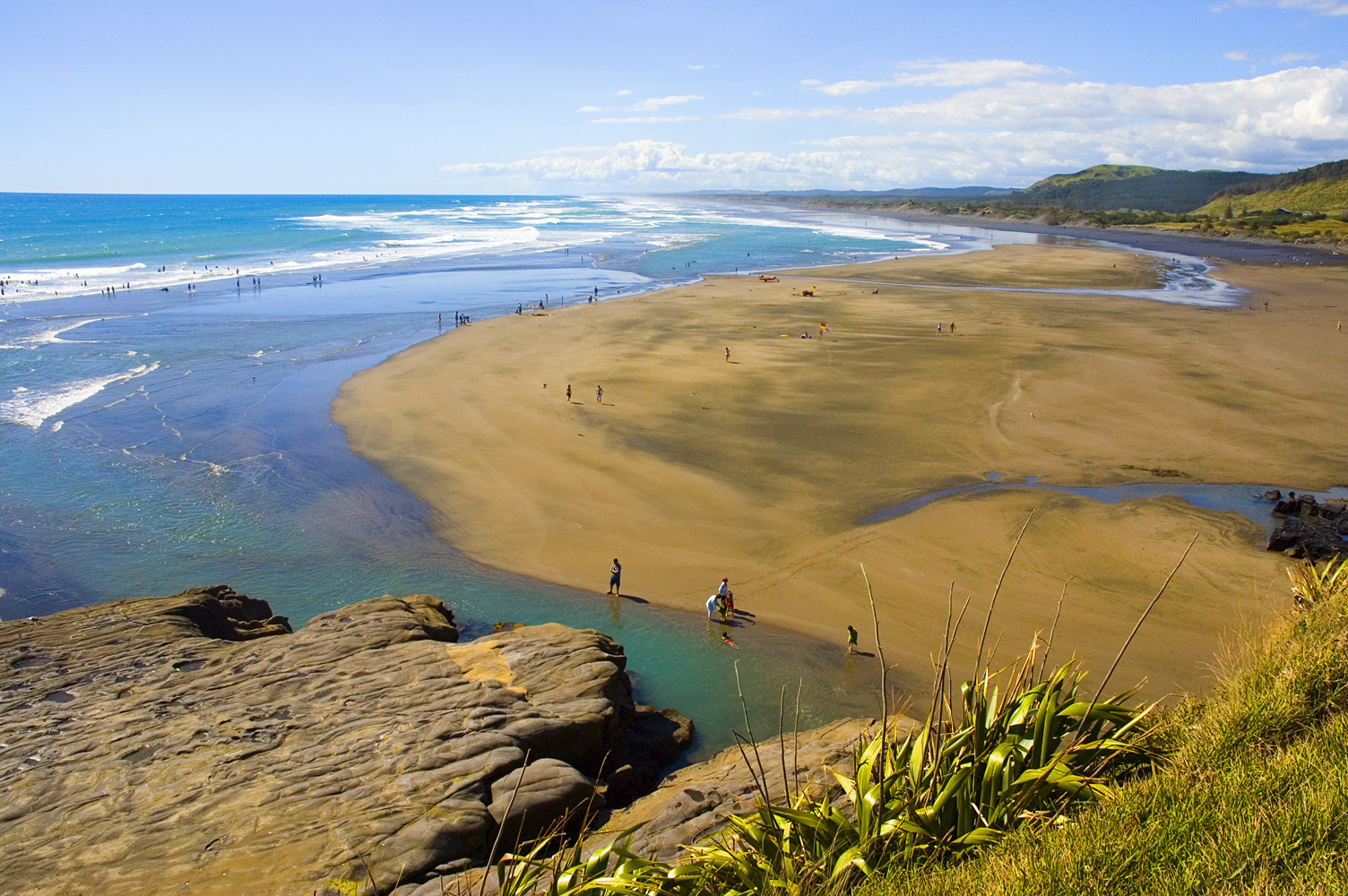
Muriwai is the home of Auckland's mainland gannet colony — over 1,200 pairs of Australasian gannets that nest on a rocky headland (Ōtakamiro Point) between Muriwai Beach and Maukatia (Māori Bay), packed so densely that the rocks appear white from a distance.

One Tree Hill (Maungakiekie)
Cornwall Park, Epsom
Maungakiekie / One Tree Hill is a 182-metre volcanic cone in the heart of Auckland — the largest pre-European pā (fortified Māori settlement) in the country, whose hillside terraces and food pits once supported thousands of people and whose summit was one of the most important ceremonial sites in the Auckland region.
Piha Beach
Piha, Waitakere Ranges
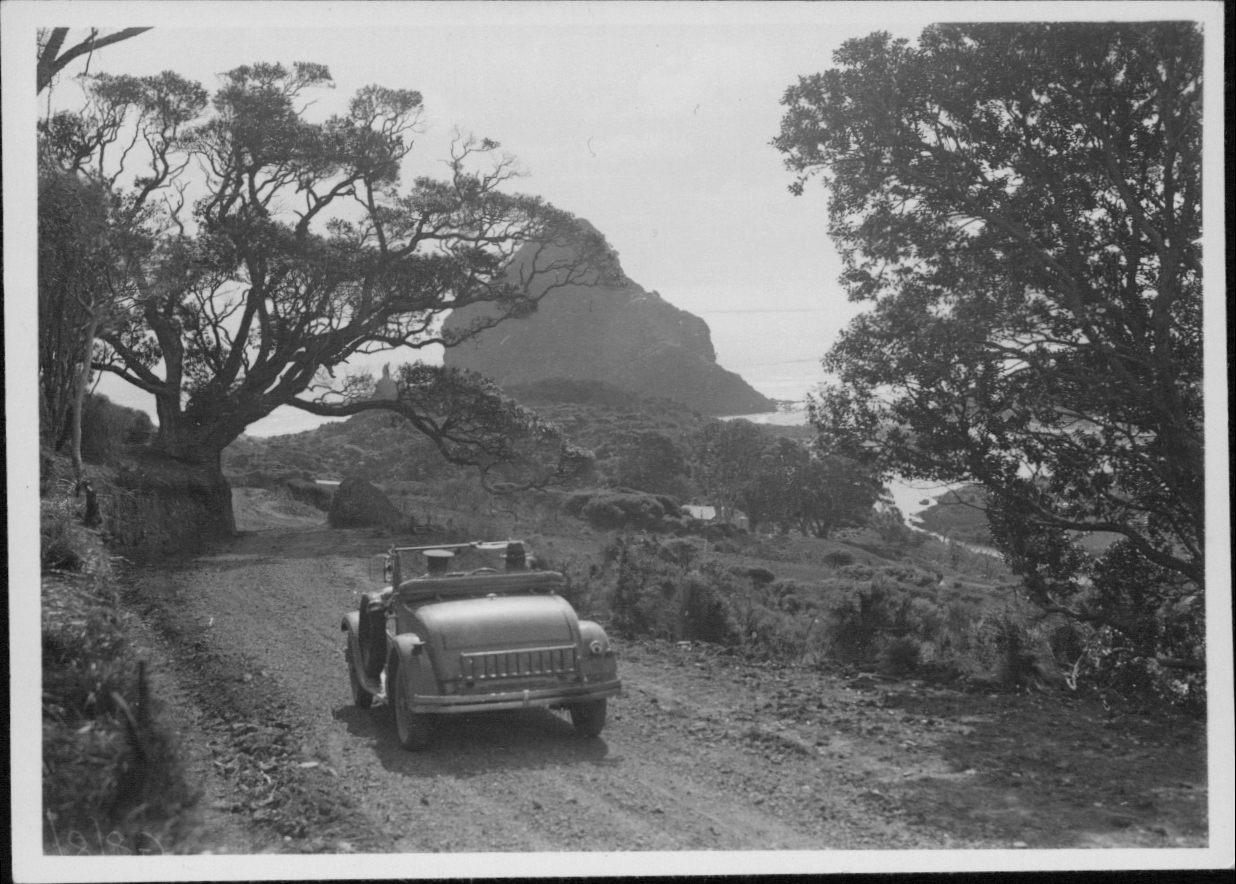
Piha is Auckland's most iconic west coast beach — a 3-kilometre stretch of black iron-sand, towering cliffs, and the free-standing volcanic Lion Rock (Te Piha) in the middle, 40 kilometres west of the city through the rainforest-covered Waitakere Ranges.
Rangitoto Island (Day Trip)
Rangitoto Island, Hauraki Gulf
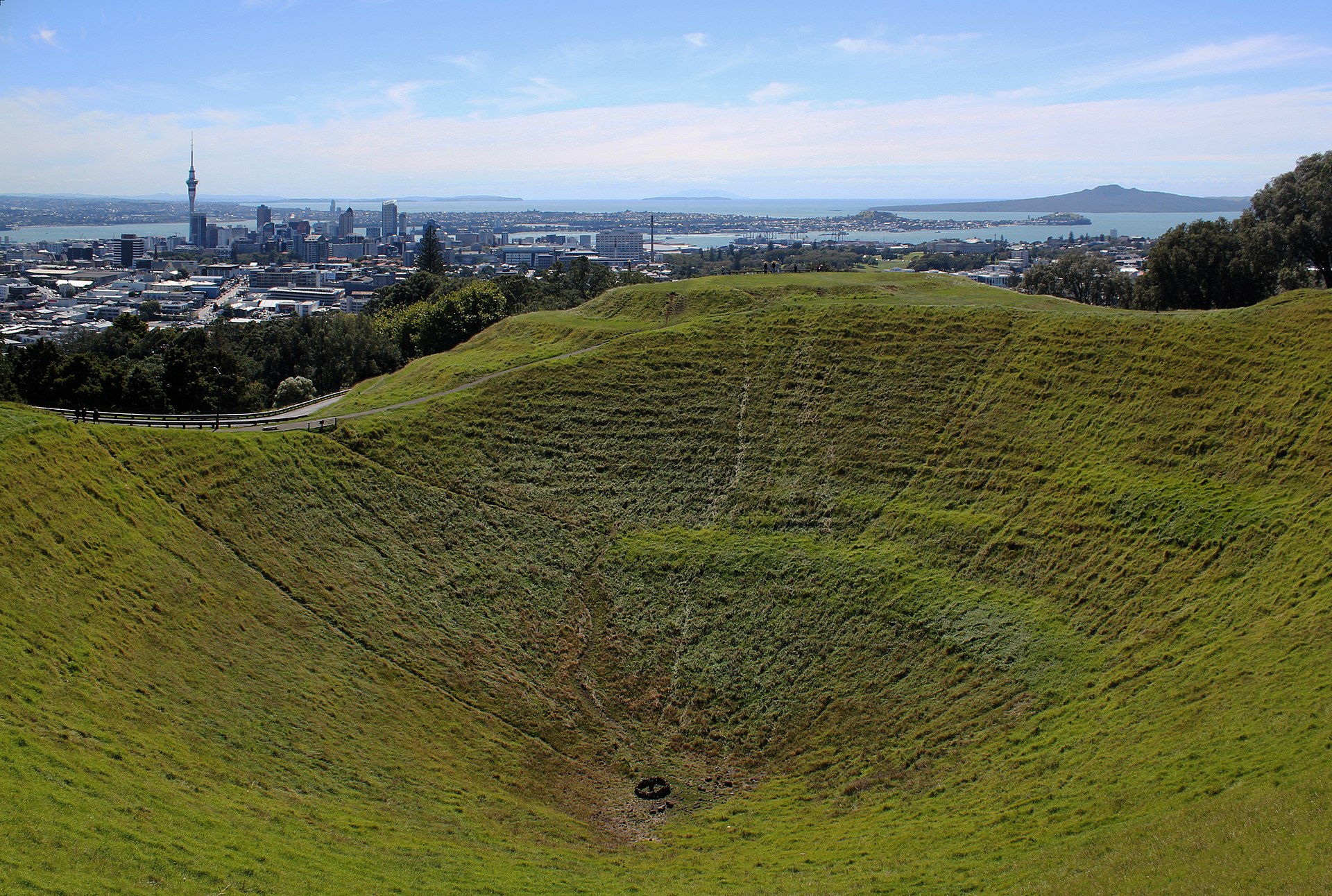
Rangitoto is Auckland's youngest and most iconic volcano — a 260-metre shield cone that erupted 600 years ago from the floor of the Hauraki Gulf, making it the most recent volcanic eruption in the Auckland field and geologically unique among the 53 local volcanoes.
Tāmaki Drive Waterfront Walk
Tamaki Drive, Auckland
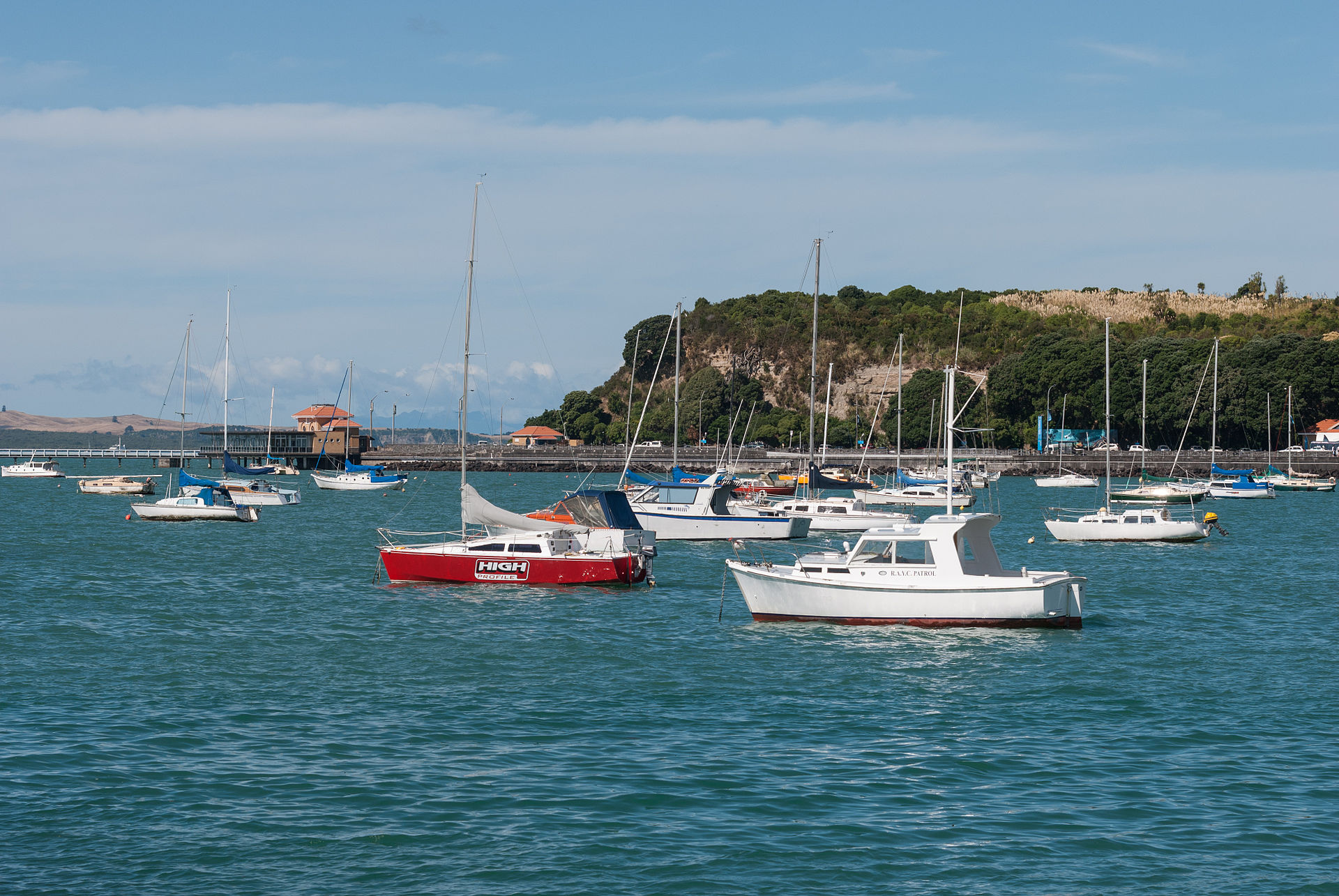
Tāmaki Drive is the coastal road that connects the Auckland CBD to the eastern bays — an 8-kilometre waterfront boulevard built in the 1920s as a public-works project that now provides a flat walking, running, and cycling path with unbroken views across the Waitematā Harbour to Devonport, Rangitoto, and (on clear days) the Coromandel Peninsula.
Waiheke Island (Day Trip)
Waiheke Island, Hauraki Gulf
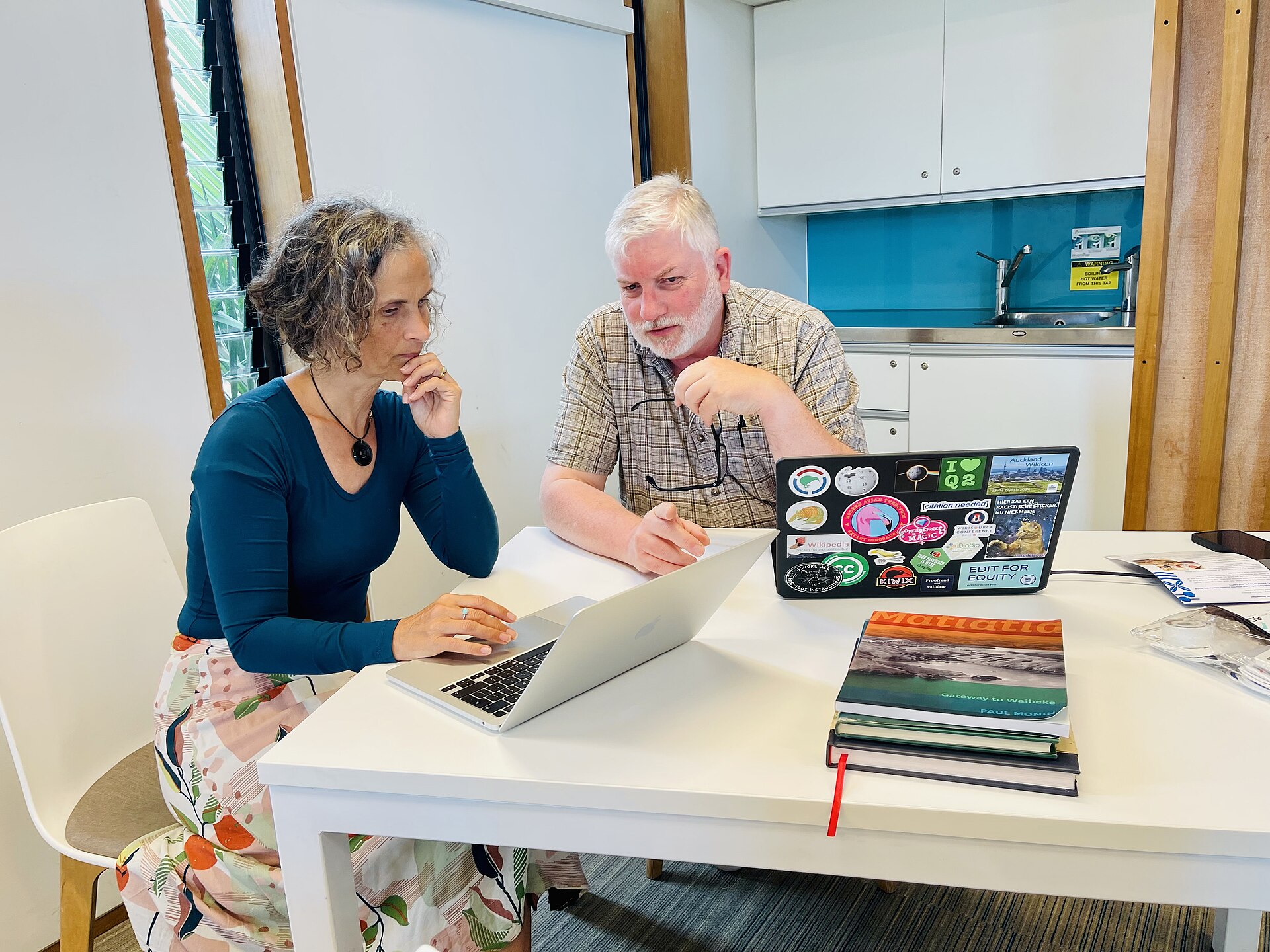
Waiheke Island is Auckland's weekend playground — a 92-square-kilometre island in the Hauraki Gulf 40 minutes from the city by ferry that has become New Zealand's most famous wine region in the last 30 years, with over 30 boutique wineries specialising in Bordeaux-style reds and Syrah that thrive in the island's warm microclimate.
Explore nature in Auckland
GPS-guided narration at every landmark. Tap a spot on the map, hear the story. Every fact verified.