This slippery marble rock between the Acropolis and the Agora has been used to judge murderers, argue philosophy, and preach Christianity — sometimes all in the same century. The Areopagus, named after Ares, the god of war, was the seat of Athens' oldest and most prestigious court. According to myth, Ares himself was the first defendant, tried here by the other gods for killing Poseidon's son Halirrhothius. He was acquitted. The court set the tone.
In the classical period, the Areopagus Council handled cases of homicide, arson, and religious offenses. It was the only Athenian court where defendants and accusers swore their oaths standing on rough-hewn stones — the Stone of Outrage (for the accuser) and the Stone of Ruthlessness (for the accused). The council was originally the most powerful body in Athenian politics until Ephialtes stripped most of its powers in 462 BC as part of the democratic reforms.
The hill's most famous moment came around 50 AD, when the Apostle Paul stood here and delivered his sermon to the Athenians — the one about the altar "To an Unknown God" recorded in Acts 17. Paul noticed that the Athenians had erected an altar to cover their theological bases, and he used it as an opening to introduce Christianity. A bronze plaque near the summit quotes the speech in Greek. Among his converts was Dionysius the Areopagite, who became Athens' first bishop.
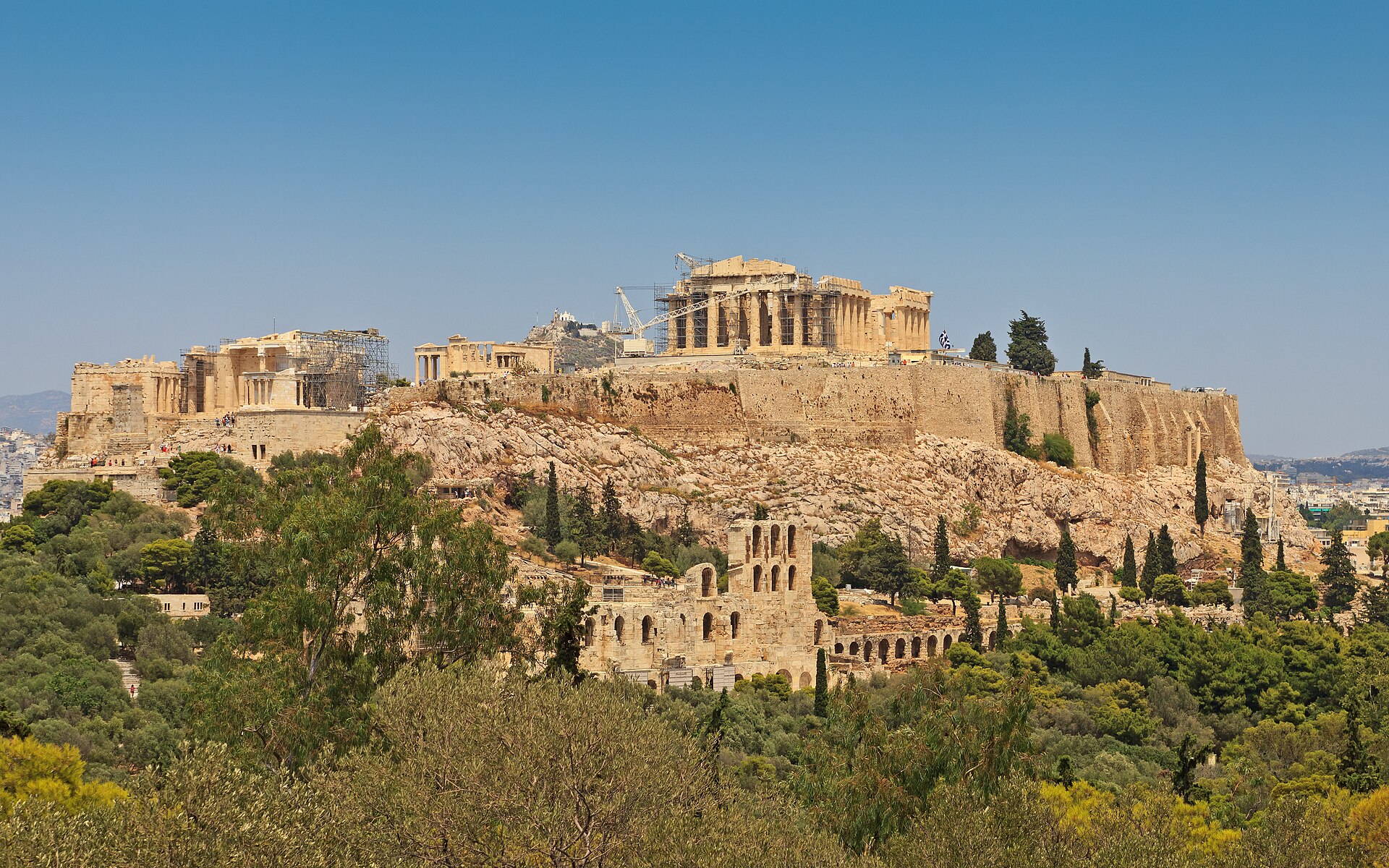
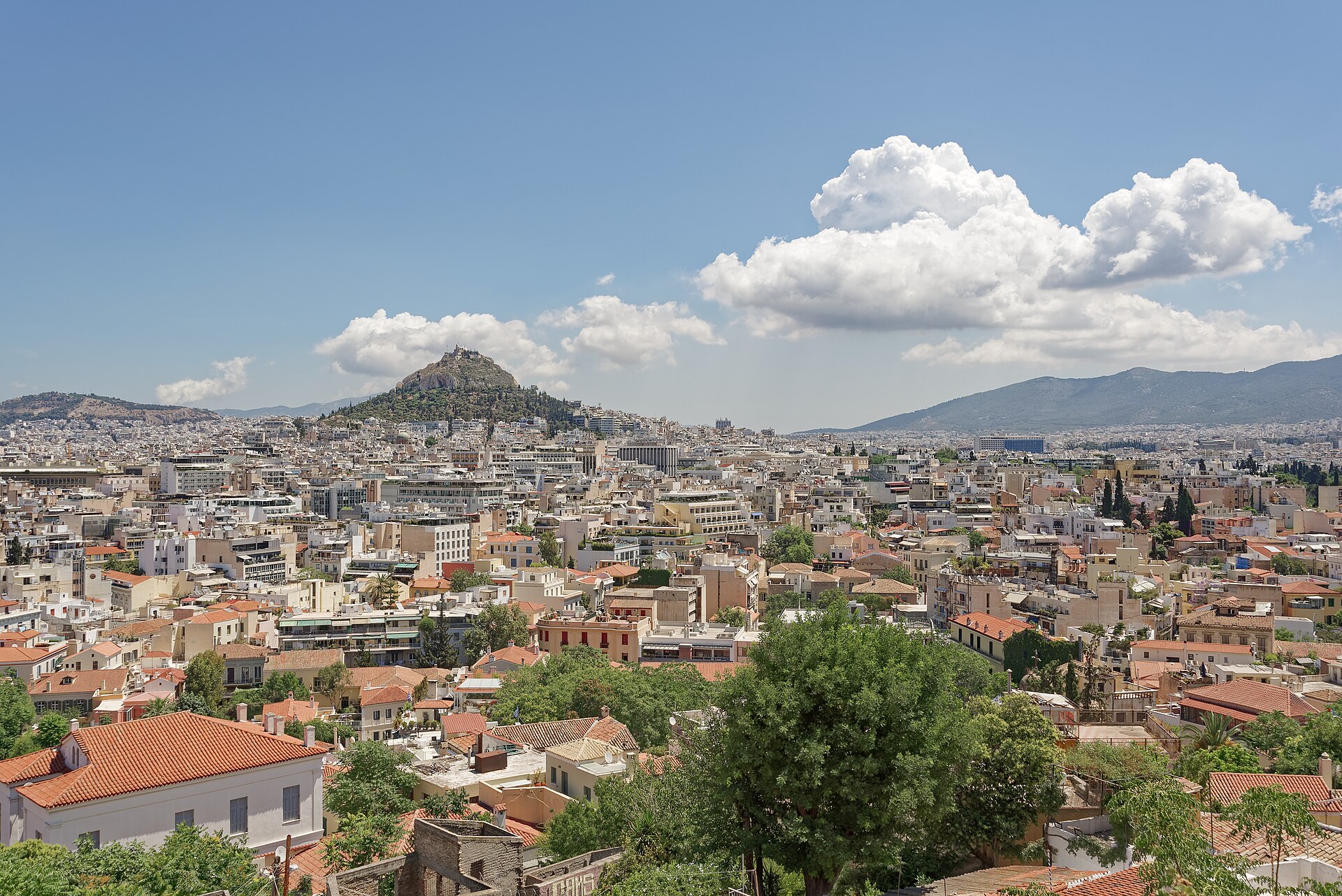
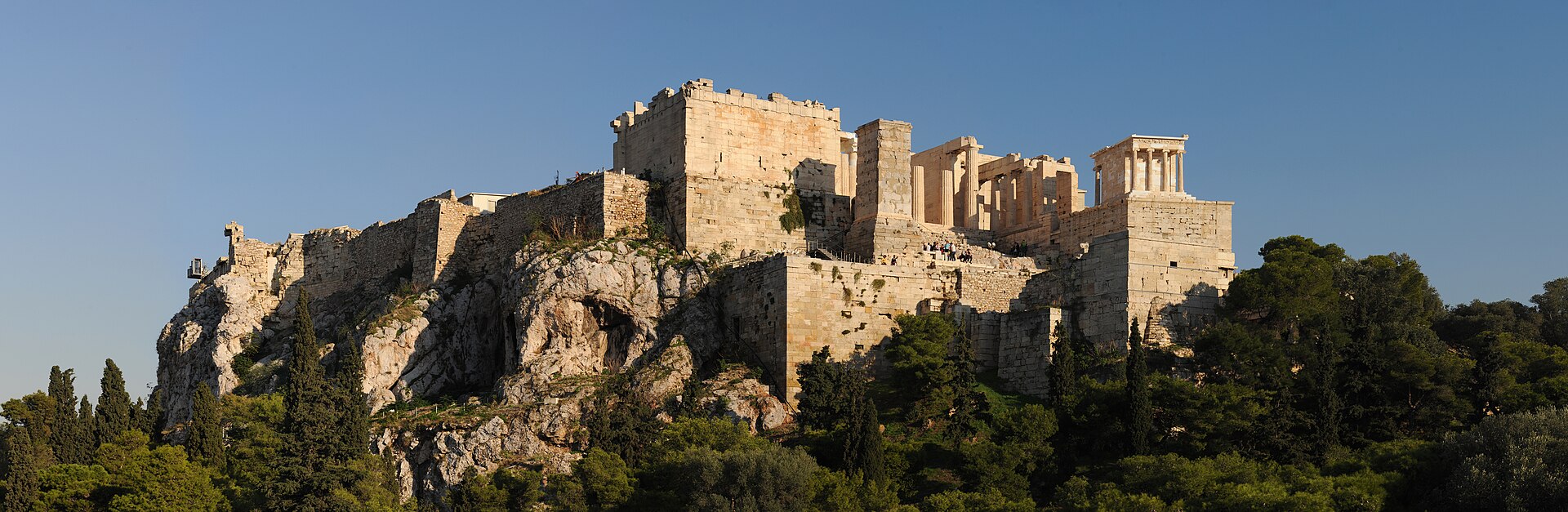
Today the bare rock serves as the best free viewpoint in Athens. The surface is polished smooth by millions of feet and dangerously slippery when wet, but the 360-degree panorama — Acropolis to the south, Agora below, city sprawling to the horizon — is worth the careful climb.
Verified Facts
According to myth, Ares was tried by the other gods on this hill for killing Poseidon's son Halirrhothius, giving the hill its name
The Apostle Paul delivered his famous sermon about the "Unknown God" here around 50 AD, as recorded in Acts 17
Ephialtes stripped the Areopagus Council of most of its political powers in 462 BC as part of Athenian democratic reforms
Get walking directions
Athens, Greece