Museum of Cycladic Art
Five thousand years ago, sculptors in the Cycladic islands were carving human figures so minimal, so abstract, so hauntingly modern that when Picasso and Modigliani saw them in the early twentieth century, they thought they'd found proof that modernism was ancient. The flat faces, folded arms, and elongated forms of Cycladic figurines look like they could have been carved yesterday by a sculptor who'd studied Brancusi. They're actually from around 3000 BC.
This museum, inaugurated in 1986, houses one of the world's most important collections of Cycladic art — the personal collection of shipping magnates Nicholas and Dolly Goulandris, who spent decades acquiring these enigmatic marble figures. Nobody knows what they were for. Most were found in graves, but whether they're gods, ancestors, mourners, or something else entirely remains one of the great unsolved puzzles of Mediterranean archaeology. What's clear is their aesthetic sophistication: each figure was carved from a single piece of marble using only obsidian blades and emery from Naxos.
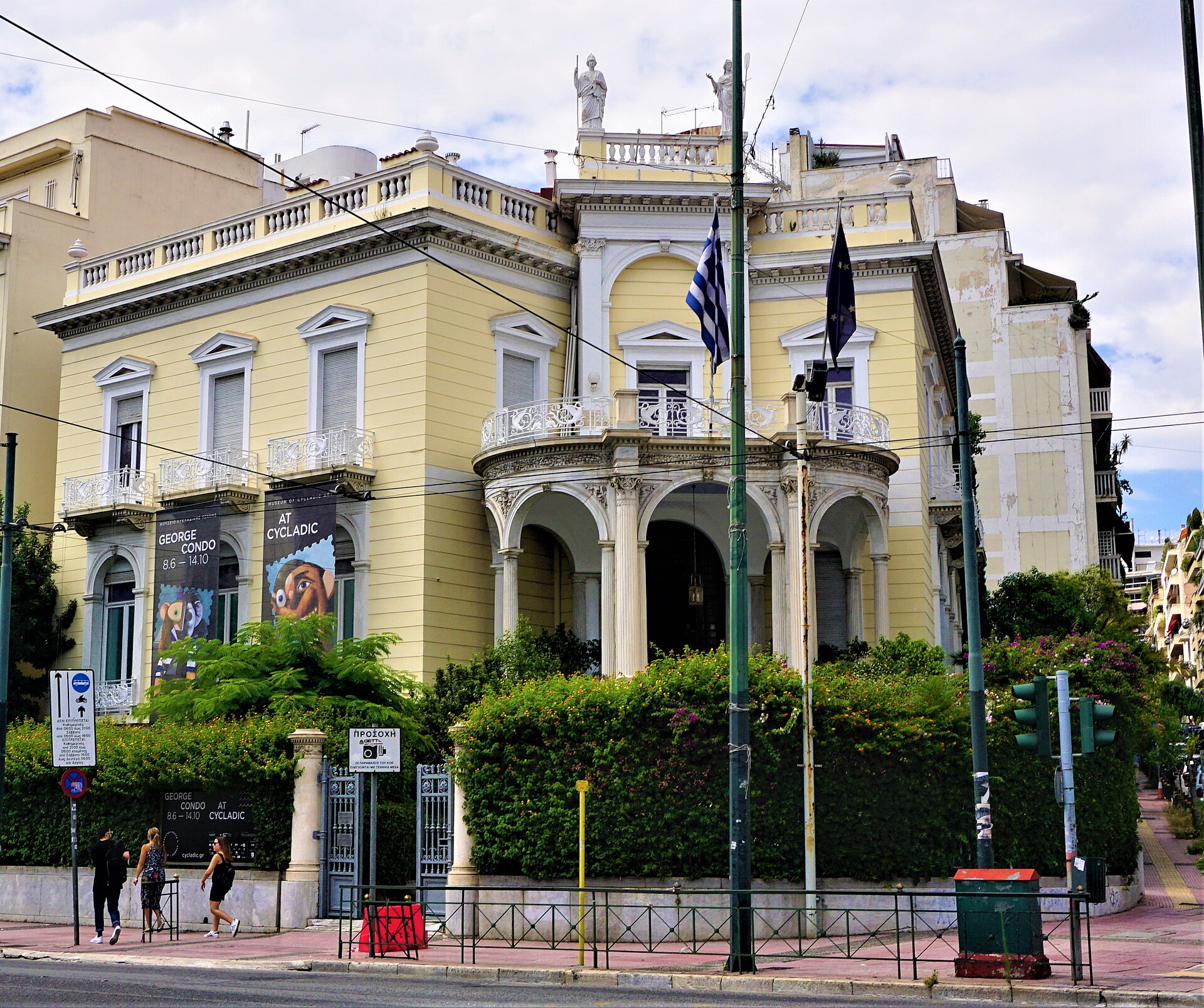
The museum occupies two connected buildings in the upscale Kolonaki district: the main Stathatos Mansion, an 1895 neoclassical building designed by Ernst Ziller, and a modern annex. Beyond the Cycladic collection, there's an impressive assemblage of ancient Greek and Cypriot art. But it's the Cycladic hall everyone comes for — a quiet, dimly lit space where these pale marble ghosts stand in glass cases, their blank faces somehow more expressive than most portraits.
The gift shop is legitimately excellent, selling high-quality reproductions of Cycladic figures that have become design objects in their own right. If you can only visit one small museum in Athens, this is the one — intimate, focused, and genuinely moving.
Verified Facts
The museum was inaugurated in 1986 to house the Goulandris collection of Cycladic art, one of the most important in the world
Cycladic figurines date to around 3000 BC and were carved from single pieces of marble using obsidian blades and emery
The museum's main building is the 1895 Stathatos Mansion, a neoclassical building designed by architect Ernst Ziller
Get walking directions
4 Douka Neofytou, 1st Municipal Community, Athens, 106 74, Greece