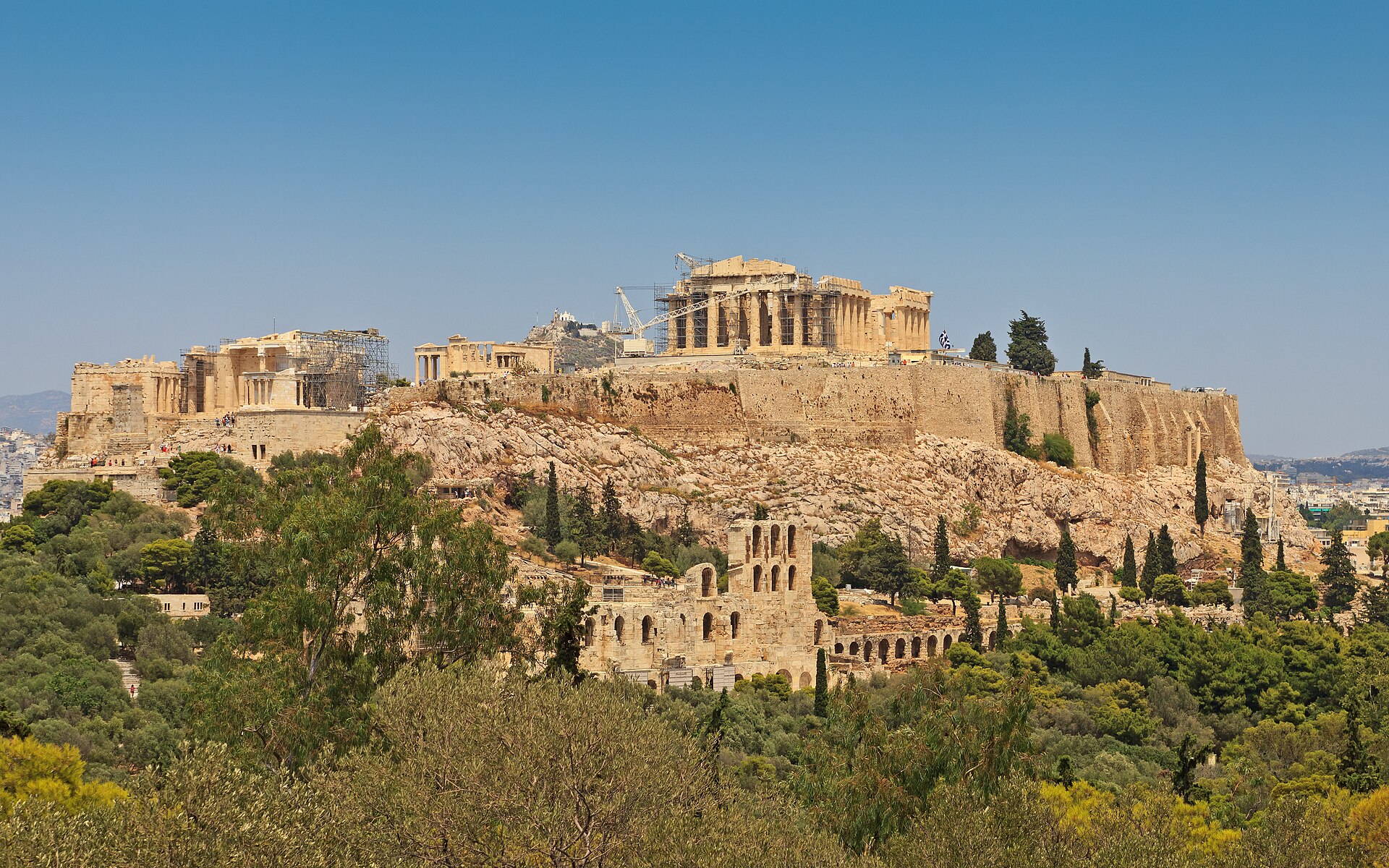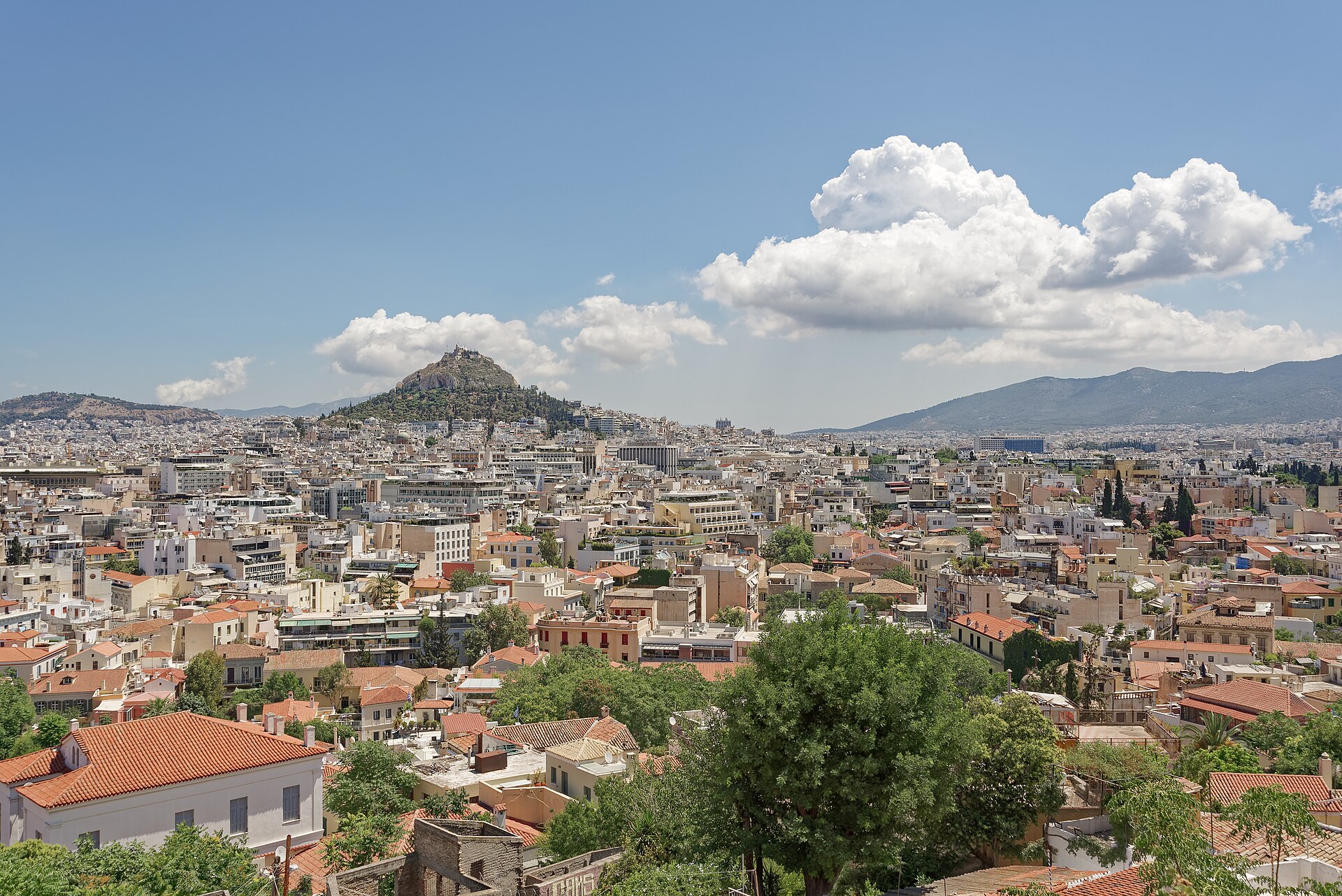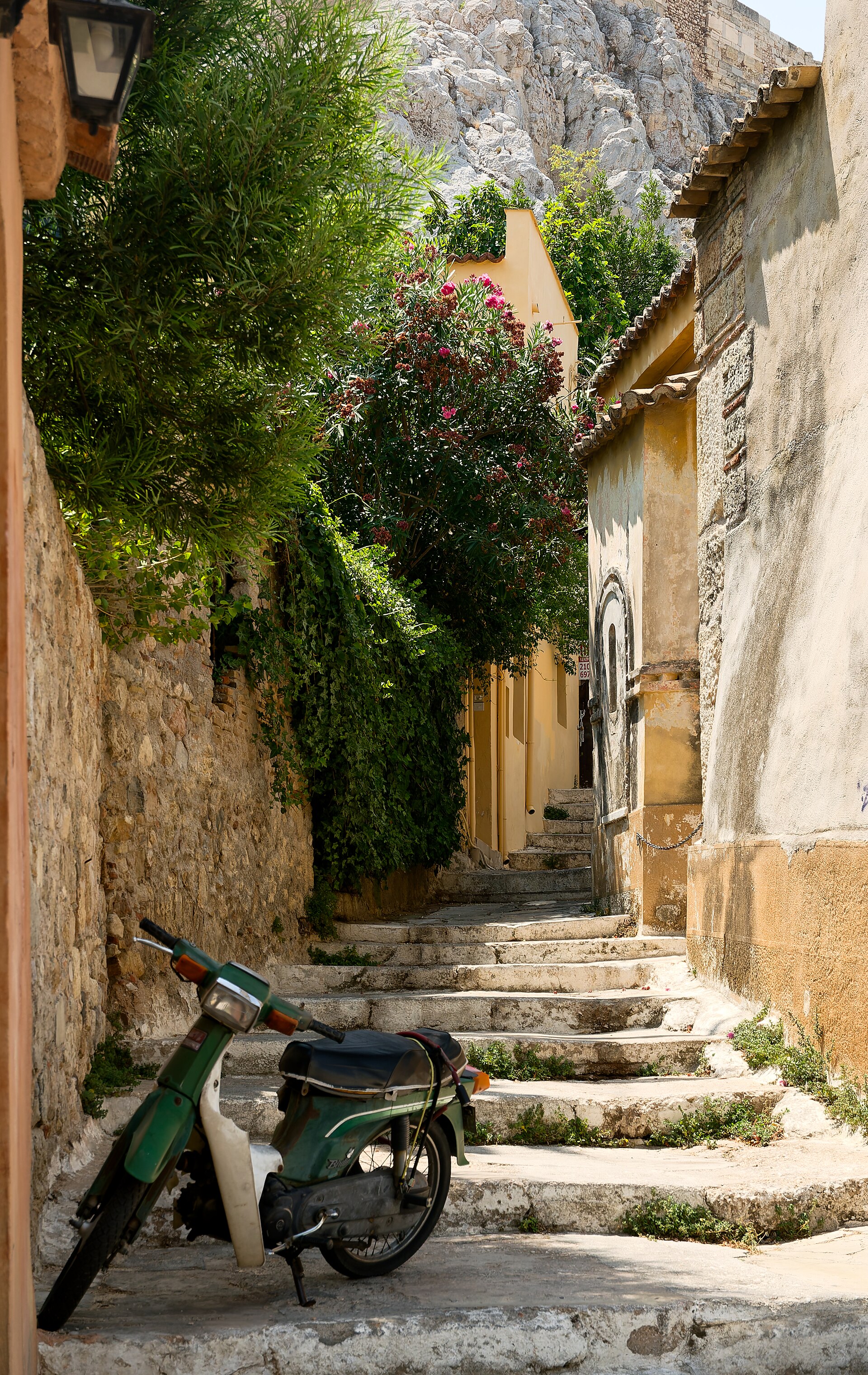
They call it the "Neighborhood of the Gods," which is technically accurate — the Acropolis and its divine residents are right overhead — but also slightly misleading, because Plaka's real magic is how stubbornly human it feels. This is the oldest continuously inhabited district in Athens, with streets you can trace back to antiquity. Adrianou Street follows the same line it did when Hadrian walked it. Tripodon Street — named for the bronze tripods that victorious drama sponsors displayed here — has kept its route since the fifth century BC.
The name's origin is debated: it might come from the Albanian word "plak" meaning "old," a nod to the Albanian community that populated the area under Ottoman rule. Until the late nineteenth century, Plaka had a substantial Albanian-speaking population, and its character was as much Balkan as it was Greek. After the Greek War of Independence, when Athens became the new capital in 1834, King Otto's court arrived and the neighborhood filled up with neoclassical mansions. Many survive, painted in faded ochre and terracotta, with wrought-iron balconies dripping with bougainvillea.
In the 1960s and '70s, Plaka nearly destroyed itself. Nightclubs, neon signs, and tourist traps overwhelmed the historic streets until a residents' revolt in the 1980s led to strict preservation laws, pedestrianization, and the closure of the worst offenders. What you walk through today is the result of that fight — a neighborhood that chose atmosphere over profit.
Explore the side streets and you'll find the Lysicrates Monument (335 BC, the oldest surviving use of Corinthian columns on a building exterior), tiny Byzantine churches wedged between houses, and rooftop tavernas where the Parthenon floats above your wine glass like a hallucination.
Verified Facts
Plaka is the oldest continuously inhabited district in Athens, with some streets like Adrianou and Tripodon traceable to antiquity
The neighborhood had a substantial Albanian-speaking population until the late 19th century, with its name possibly derived from Albanian "plak" meaning old
The Lysicrates Monument (335 BC) in Plaka is the oldest known building exterior to use Corinthian columns
In the 1980s strict preservation laws and pedestrianization rescued Plaka from the nightclubs and tourist traps that had overwhelmed it
Get walking directions
1st Municipal Community, Athens, Greece