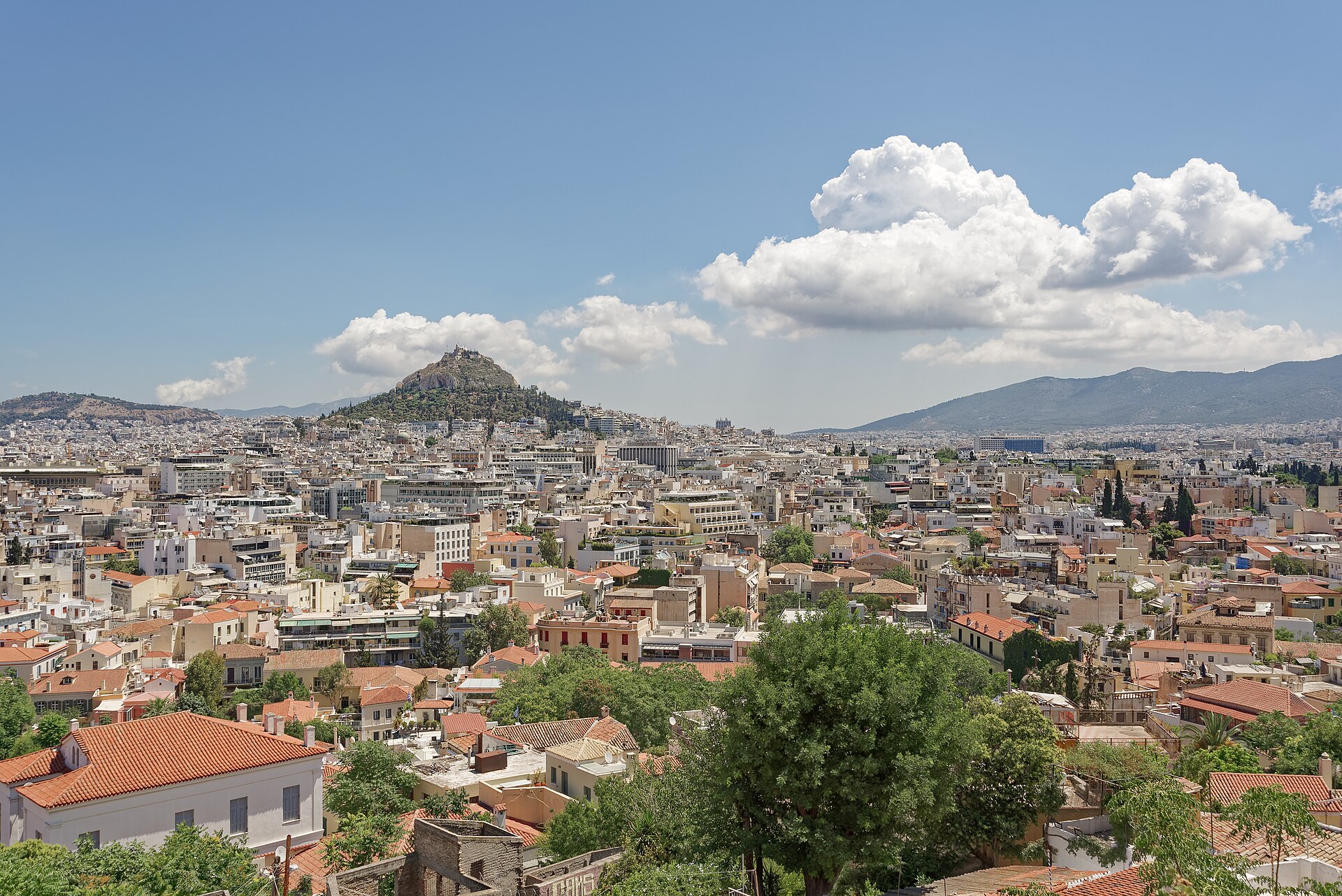
Once a gritty district of leather tanneries and workshops where Athens' artisans hammered, stitched, and sewed since Ottoman times, Psyrri has reinvented itself as the city's most vibrant nightlife and street-art quarter. The transformation started in the early 2000s when artists and young entrepreneurs, drawn by cheap rents and authentic character, began opening galleries, bars, and studios in abandoned workshops. What they created is a neighborhood that feels like a curated collision between old Athens and the city's contemporary creative scene.
The streets are an open-air gallery. Massive murals cover entire building facades — some political, some purely aesthetic, all reflecting the anarchist-adjacent energy that pulses through central Athens. The work ranges from internationally recognized street artists to local kids with spray cans, and the turnover is constant. What you see today will be painted over next month. The neighborhood sits just north of Monastiraki, bounded by Athinas Street and Ermou, in what was once the artisan quarter where potters, sculptors, and tailors worked since ancient times.
At night, Psyrri comes alive. The central Plateia Iroon (Heroes' Square), laid out in 1850, fills with tables from surrounding bars and restaurants. Live rembetika music — Greece's equivalent of the blues, born in the hash dens of Piraeus and Smyrna refugee camps — drifts from basement venues. Rooftop bars serve Aperol Spritzes with Acropolis views. Mezedopolia (small-plate restaurants) serve dishes that haven't changed in decades alongside newer spots experimenting with contemporary Greek cuisine.
Come after 10 PM on a weekend when the narrow streets are packed and every doorway seems to lead to a different world — a vinyl record shop, a cocktail bar in a former warehouse, a tiny gallery showing someone's thesis project. This is Athens at its most spontaneous.
Verified Facts
Psyrri was historically Athens' artisans' quarter, populated by potters, sculptors, and tailors since antiquity through the Ottoman period
The central Plateia Iroon (Heroes' Square) was laid out in 1850 and remains the neighborhood's social hub
The neighborhood's transformation into a nightlife and arts district began in the early 2000s when artists moved into abandoned workshops attracted by cheap rents
Get walking directions
Psyrri, Athens 105 54