Place Flagey is the heart of Ixelles — a neighbourhood south of the city centre that is Brussels' most diverse and liveable quarter, home to the Congolese community, university students, EU officials, and the young professionals who have made its restaurants, bars, and weekend market one of the best neighbourhood experiences in the city.
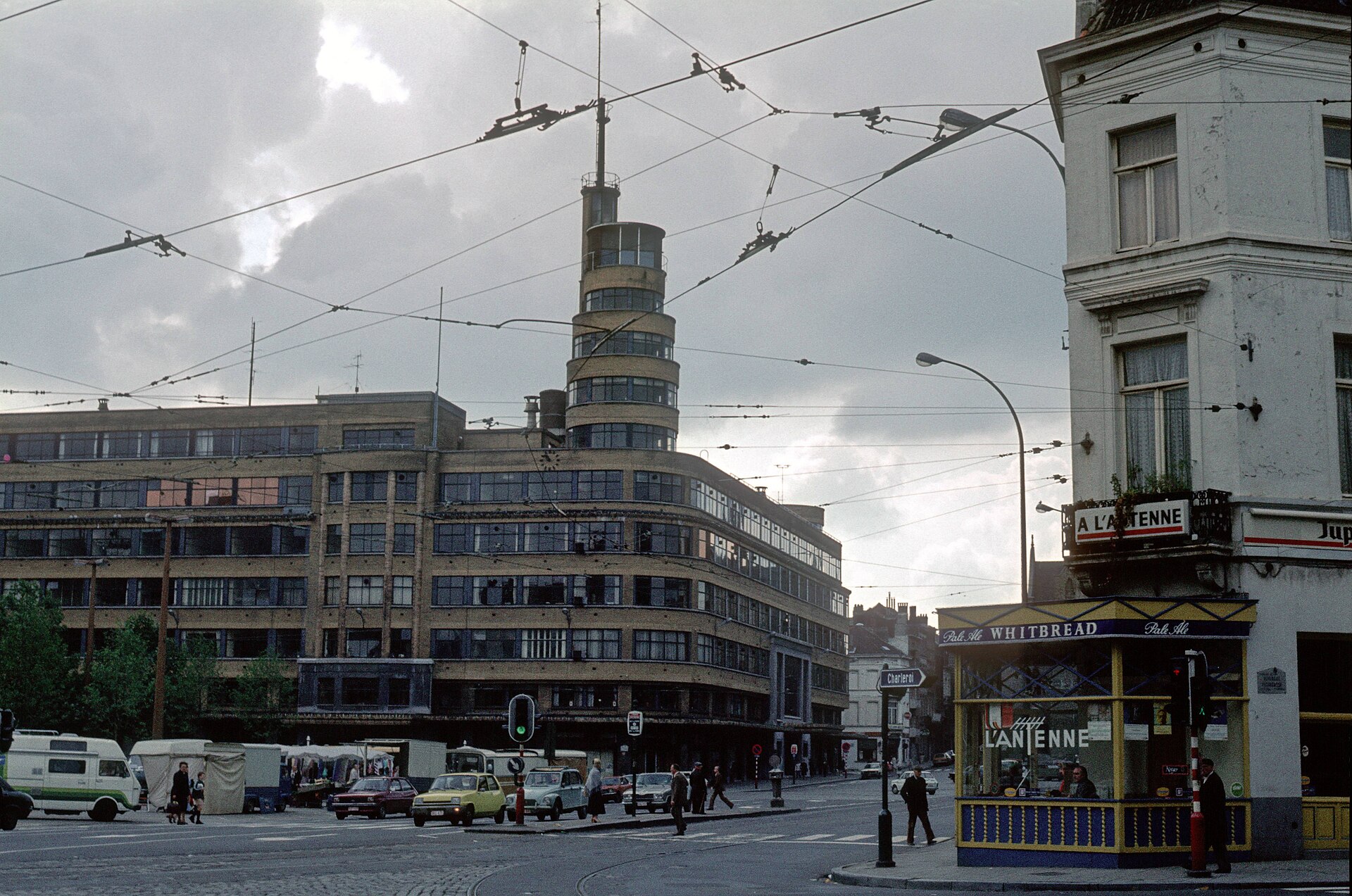
The square is anchored by the Flagey Building — a 1930s Art Deco former radio broadcasting house that was converted into a concert hall and cultural centre in 2002. The building's clean horizontal lines and porthole windows are a landmark of Belgian Art Deco, and the concert programme (classical, jazz, world music) is one of the most adventurous in Brussels. The Saturday morning market on the square is excellent — Belgian cheeses, North African spices, fresh fish, African food stalls, and the organic produce that the neighbourhood's food-conscious residents demand.
Ixelles stretches from Place Flagey south to the Bois de la Cambre, Brussels' largest park, and the streets between are lined with the kind of independent restaurants, vintage shops, and small galleries that make a neighbourhood walkable in the best sense. The Matongé quarter — Brussels' Congolese neighbourhood, centred on Galerie d'Ixelles — has some of the best African food in Europe, and the Etangs d'Ixelles (Ixelles ponds) provide a waterside promenade that is popular with joggers and Sunday strollers. Ixelles is where Brusselaars actually live, which makes it more interesting than where they go to be tourists.
Verified Facts
The Flagey Building is a 1930s Art Deco former radio broadcasting house
Place Flagey hosts a popular Saturday morning market
Matongé is Brussels' Congolese neighbourhood
Ixelles stretches to the Bois de la Cambre park
Get walking directions
Ixelles, Belgium