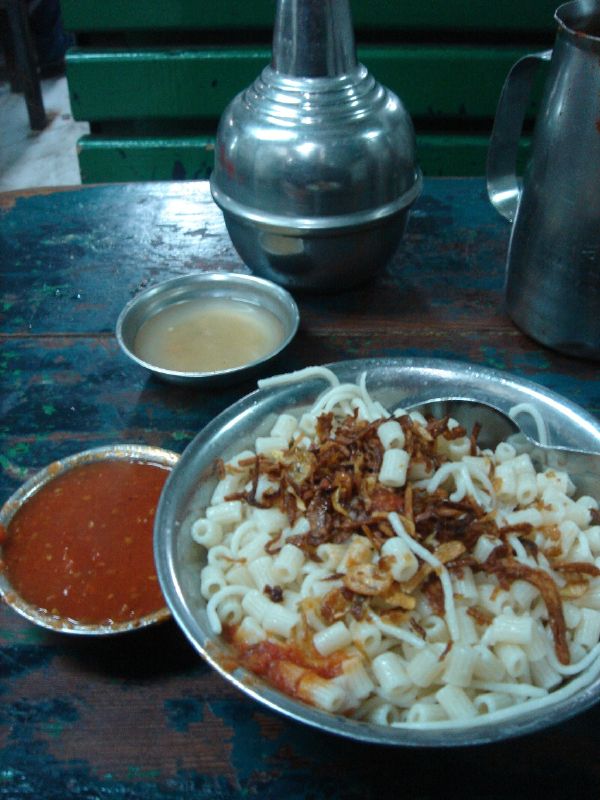
Egyptian street food is one of the great underappreciated cuisines of the Middle East — a tradition of cheap, filling, flavourful dishes that feeds 100 million people daily and centres on a handful of preparations that have been perfected over centuries. Kushari, Egypt's national dish, is a carbohydrate celebration: lentils, rice, macaroni, and chickpeas layered in a bowl and topped with tomato sauce, garlic vinegar, and crispy fried onions. The combination sounds absurd and tastes extraordinary, and a plate costs about 20 Egyptian pounds (less than $1).
Abou Tarek, a multi-storey kushari restaurant in downtown Cairo, is the most famous kushari destination — a no-frills establishment where the dish is served in four sizes and the only decision you need to make is how hungry you are. Foul (ful medames, slow-stewed fava beans mashed with oil, lemon, and cumin) is the traditional breakfast, served from dedicated foul carts that set up on every major street at dawn. Ta'amiya (Egyptian falafel, made from fava beans rather than chickpeas) is the other breakfast staple, fried to order and stuffed into baladi bread.
The late-night food scene in Cairo is exceptional — because the city stays awake later than almost any other (restaurants serve full meals at midnight, and street food vendors operate until 2am), the eating options multiply after the tourist restaurants close. Hawawshi (spiced minced meat stuffed in bread and grilled), shawarma, and the liver sandwiches that are the guilty pleasure of Cairo's taxi drivers and night workers are all available from street stalls that operate on a schedule that would alarm a health inspector but delight a hungry visitor.
Verified Facts
Kushari layers lentils, rice, macaroni, and chickpeas with tomato sauce
Abou Tarek is Cairo's most famous kushari restaurant
Egyptian ta'amiya (falafel) is made from fava beans, not chickpeas
Egypt has a population of over 100 million people
Get walking directions
Downtown Cairo, Cairo, Egypt