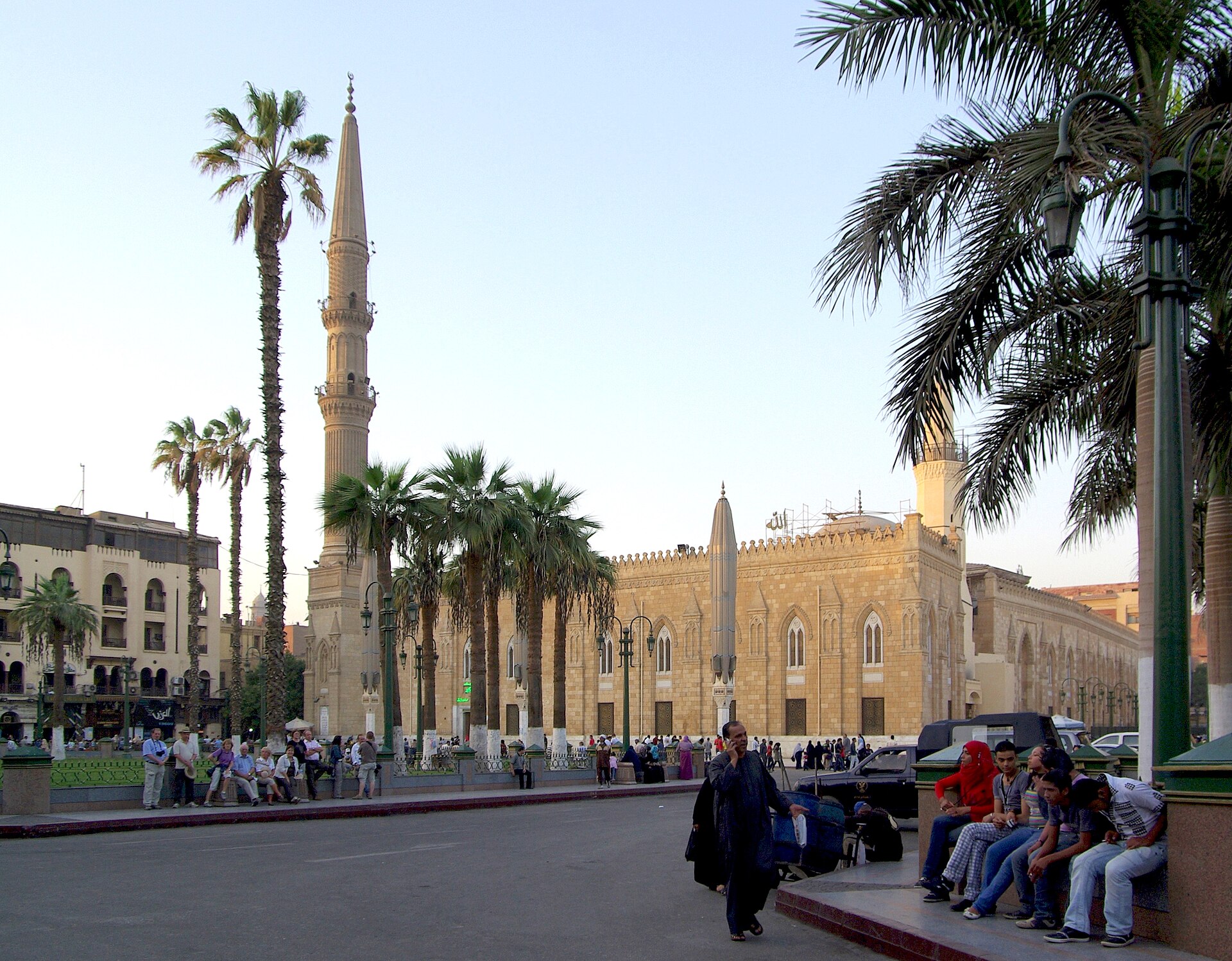
Al-Azhar Mosque is one of the most important religious institutions in the Islamic world — founded in 970 AD by the Fatimid dynasty as both a mosque and a university, making it one of the oldest continuously operating educational institutions on Earth. Al-Azhar University, which grew from the mosque's teaching circles, has been the premier centre of Sunni Islamic scholarship for over a millennium, and its Grand Imam is considered the highest authority in Sunni Islam.
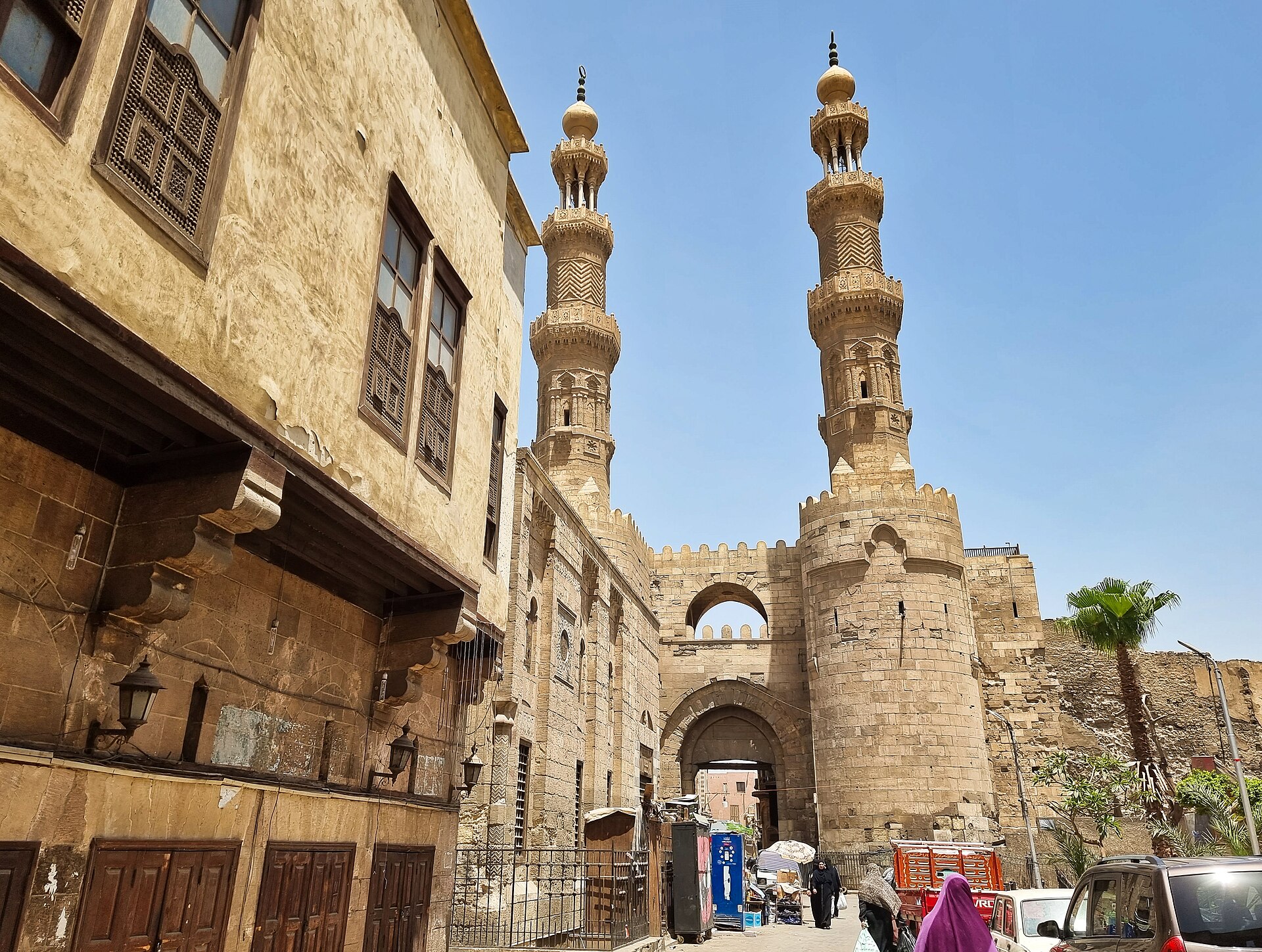
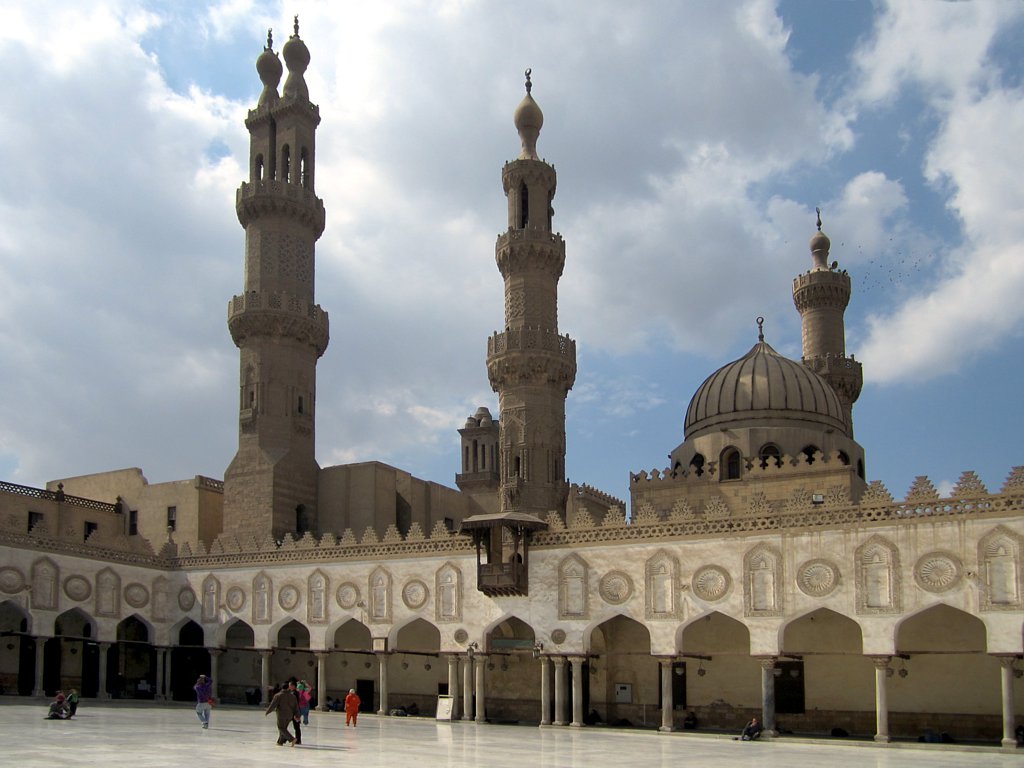
The mosque's architecture spans its entire 1,000-year history — the original Fatimid hypostyle hall (with its rows of marble columns and carved stucco), Mamluk-era minarets (each in a different style, reflecting the different centuries in which they were added), and Ottoman-era additions create a building that is simultaneously a place of worship and a timeline of Islamic architectural development. The central courtyard, paved in marble with a fountain for ablutions, provides one of the most serene spaces in a city that is otherwise relentlessly noisy.
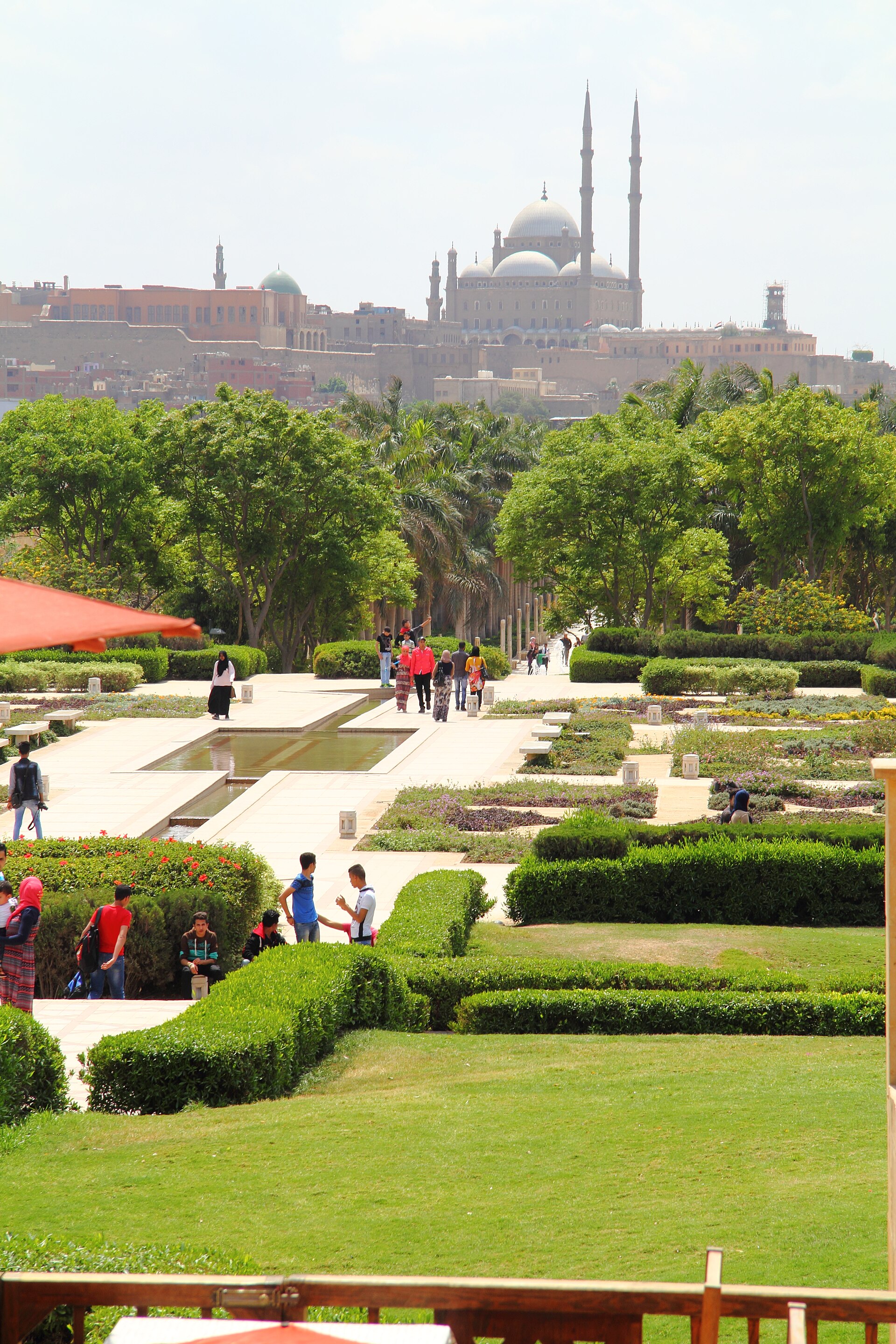
Al-Azhar sits at the heart of Islamic Cairo — the dense, medieval quarter east of modern downtown where mosques, madrasas, and Mamluk architecture survive in a density that rivals any historic Islamic city. The view from Al-Azhar Park (a modern green space on the Ayyubid-era city wall) back toward the mosque's minarets provides the classic panorama of Islamic Cairo's skyline — a forest of domes and minarets that has defined the city's identity for a millennium.
Verified Facts
Al-Azhar Mosque was founded in 970 AD by the Fatimid dynasty
Al-Azhar University is one of the oldest continuously operating universities
The Grand Imam of Al-Azhar is considered the highest Sunni authority
The mosque features architecture from the Fatimid, Mamluk, and Ottoman periods
Get walking directions
Cairo, United States