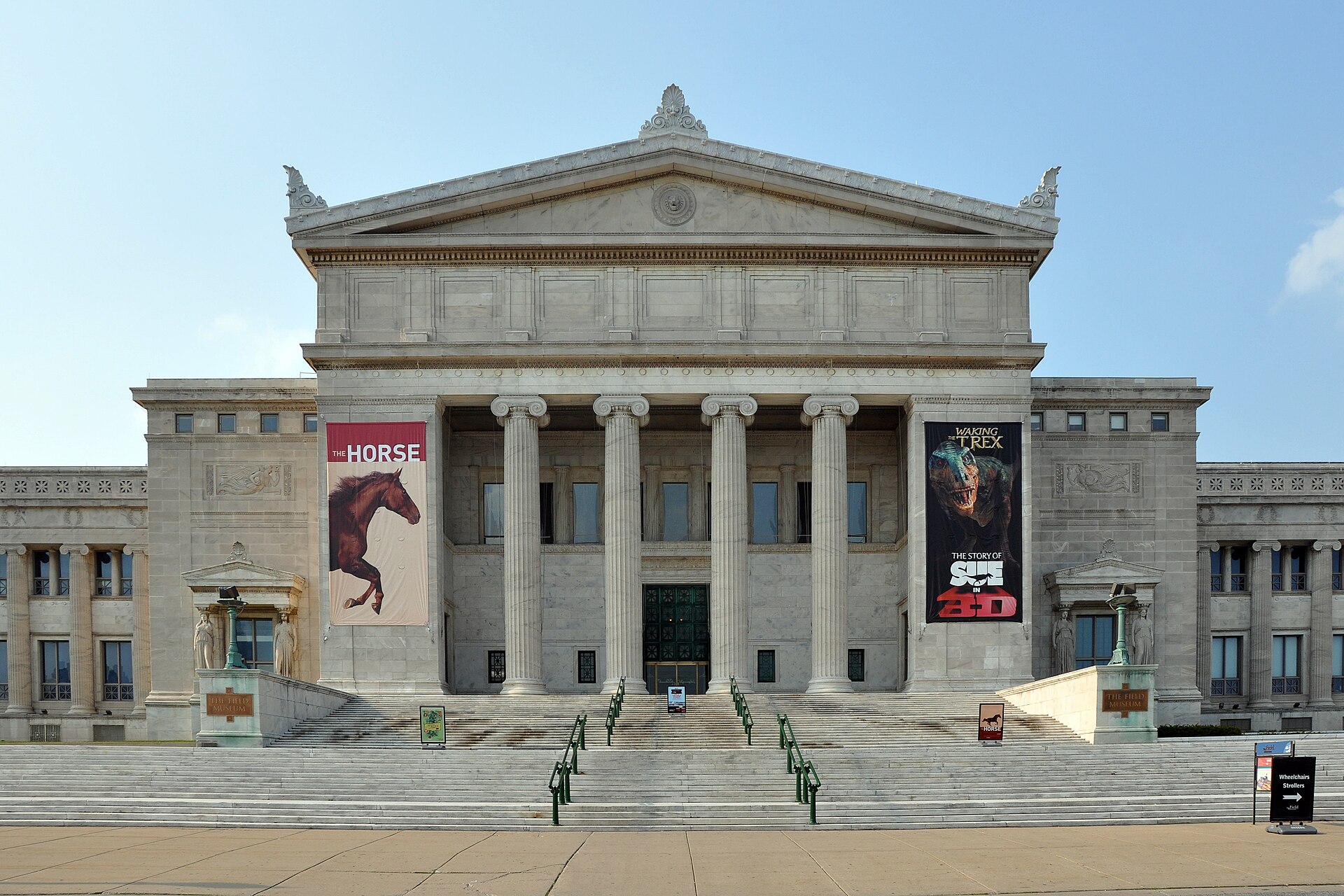
The Field Museum is home to SUE — the largest, most complete, and best-preserved Tyrannosaurus rex ever discovered — and 40 million other artifacts spanning 4.6 billion years of history. That's not an exaggeration: the geology collection starts with meteorites from the formation of the solar system and works forward through every era of life on Earth to the present day.
SUE stands in her own gallery on the second floor (the museum finally gave her a proper space in 2018 after decades in the main hall), and meeting her face-to-face is one of those museum experiences that lives up to its reputation. She's 42 feet long, her skull alone weighs 600 pounds, and the level of preservation is extraordinary — you can see individual tooth serrations from 67 million years ago. The museum paid $8.36 million for SUE at auction in 1997, the most ever spent on a fossil, and she's earned it back many times over in visitor revenue.
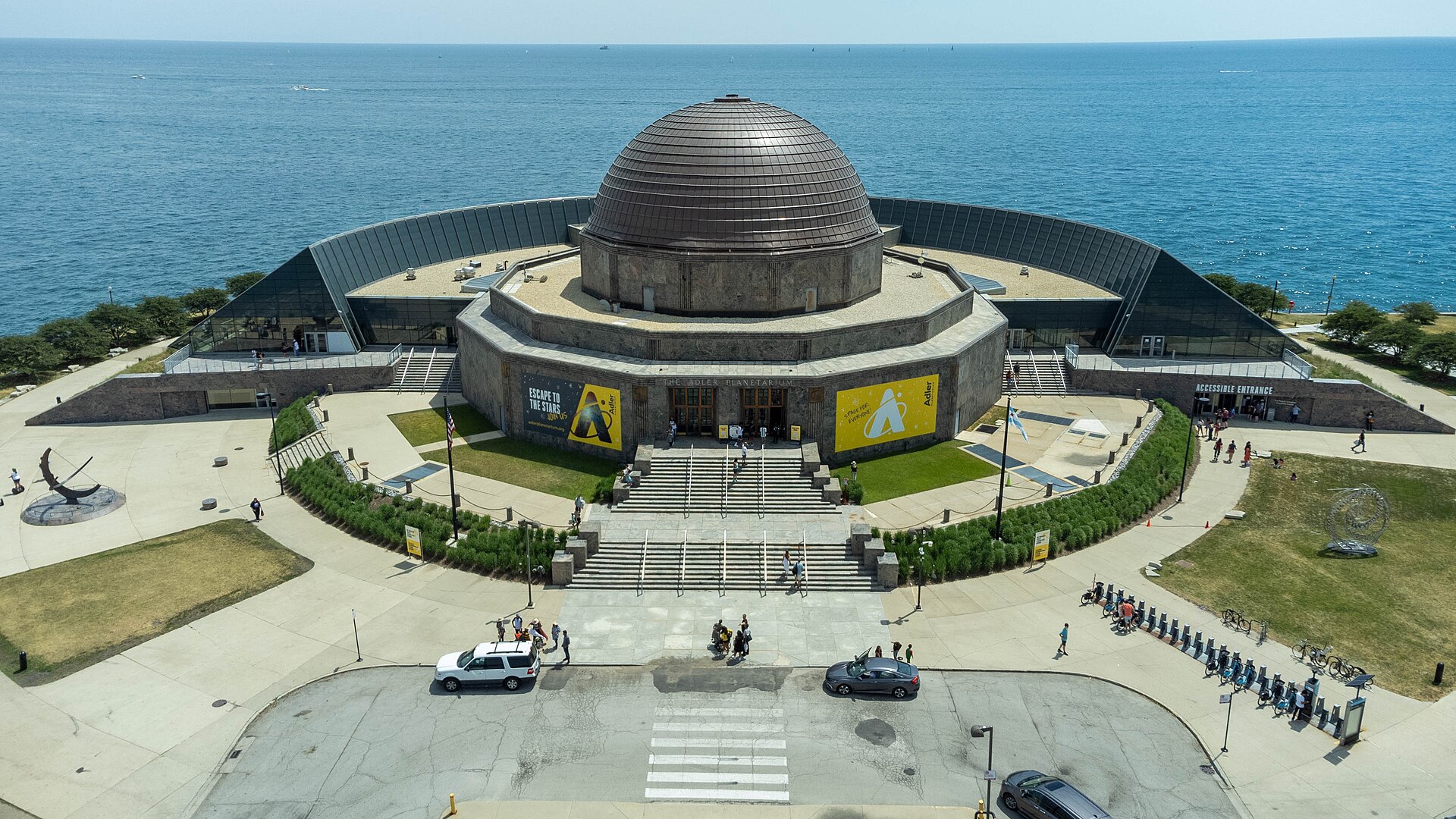
Beyond SUE, the Field Museum is staggeringly large. The Ancient Egypt exhibition includes 23 mummies. The Evolving Planet hall walks you through 4 billion years of evolution. The Tsavo man-eater lions — the pair that killed an estimated 35 workers building the Kenya-Uganda railway in 1898 — are here, smaller than you'd expect but somehow more terrifying for it. The museum sits on the lakefront Museum Campus alongside the Shedd Aquarium and Adler Planetarium, and the three together could comfortably consume an entire day.
Verified Facts
SUE is the largest and most complete T. rex ever found
The museum paid $8.36 million for SUE at auction in 1997
The collection spans approximately 40 million artifacts
The Tsavo man-eater lions are on display at the Field Museum
Get walking directions
1400 S DuSable Lake Shore Dr, Chicago, IL 60605