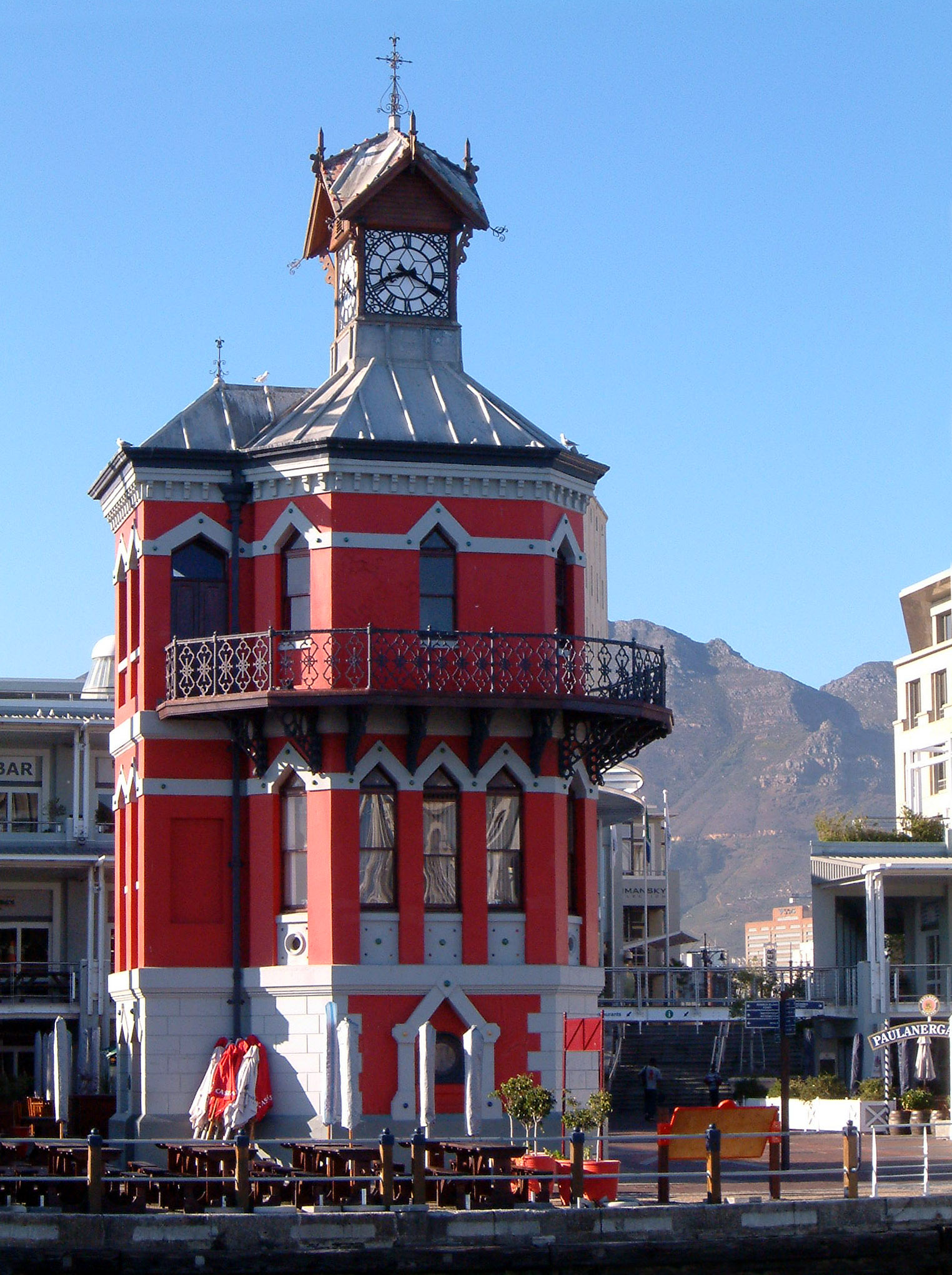
The V&A Waterfront is Cape Town's most visited attraction — a mixed-use harbour development built around the historic Victoria and Alfred docks that combines shopping, dining, museums, and the working harbour in a precinct that draws 24 million visitors a year. The development, which began in 1990 just as apartheid was ending, has become a model for harbour regeneration projects worldwide and is the departure point for Robben Island ferries.
The waterfront is anchored by the Zeitz Museum of Contemporary Art Africa (MOCAA), housed in a converted grain silo that is one of the most remarkable adaptive-reuse buildings of the 21st century. The shopping and restaurant scene is extensive — over 450 retail outlets and 80 restaurants serving everything from Cape Malay bobotie to Japanese sushi — and the harbour itself, where fishing boats, yachts, and commercial vessels share the basin, provides the working-port authenticity that purely commercial developments lack.
The views from the waterfront — Table Mountain rising directly behind the harbour, the Twelve Apostles visible to the west, Robben Island across the bay — provide the backdrop that makes this one of the most spectacularly sited urban waterfronts in the world. The Two Oceans Aquarium, the Watershed (a craft market in a converted warehouse), and the Cape Wheel observation wheel add family-friendly attractions. The waterfront is safe, well-maintained, and walkable — qualities that, in a city where safety concerns affect tourist movement, make it the default destination for visitors who want to be outdoors without worry.
Verified Facts
The V&A Waterfront draws approximately 24 million visitors annually
Development began in 1990 around the historic Victoria and Alfred docks
The precinct contains over 450 retail outlets and 80 restaurants
The waterfront is the departure point for Robben Island ferries
Get walking directions
Waterfront Road, Tyger Valley, Bellville, 7530, South Africa