The 13 Most Iconic Landmarks in Cape Town
13 landmarks with verified facts and stories
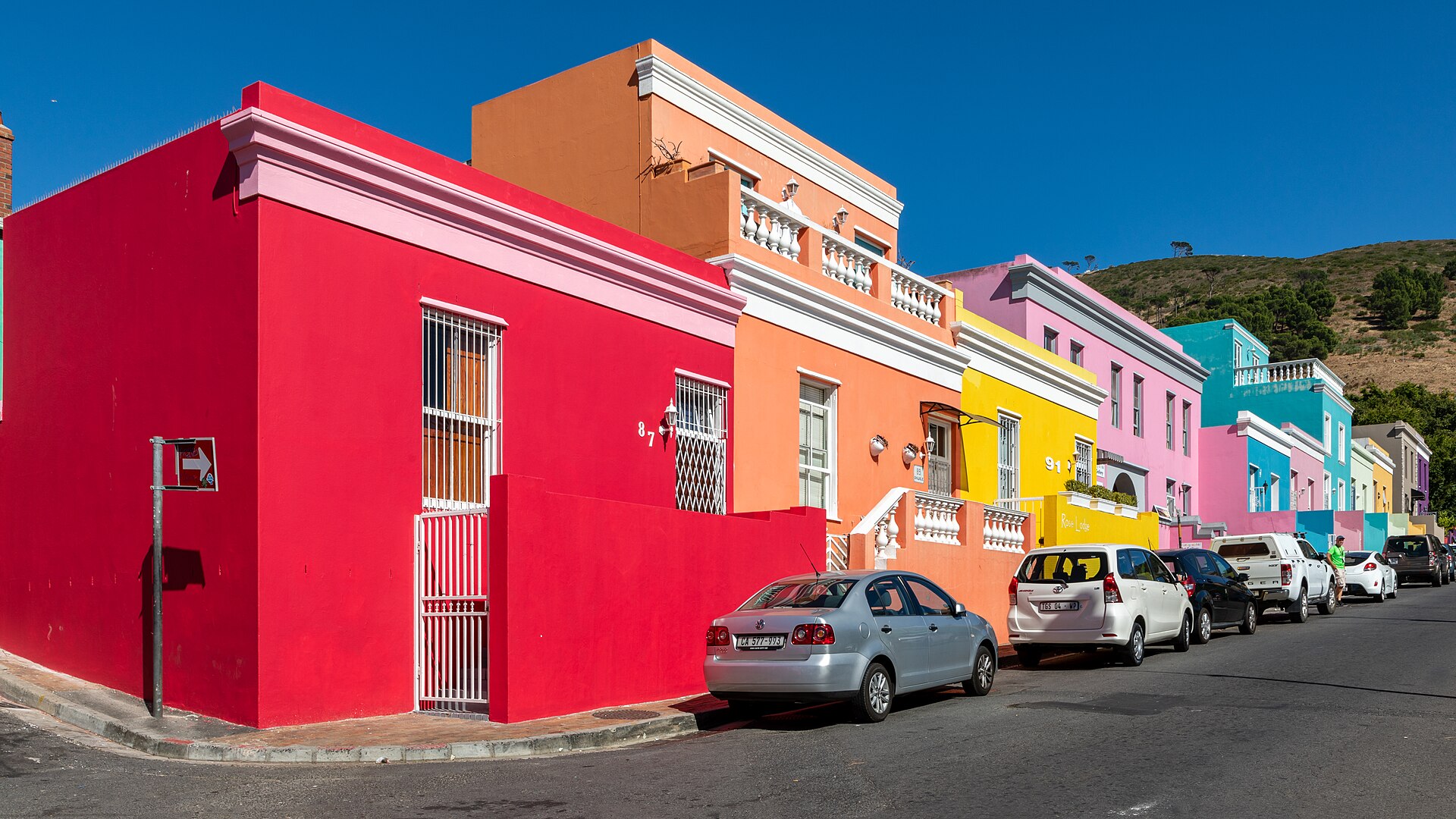
Bo-Kaap
Wale Street, Schotschekloof, Cape Town, 8001, South Africa
Bo-Kaap is the most photogenic neighbourhood in Cape Town — a hillside of brightly painted houses on the slopes of Signal Hill that has been home to the Cape Malay community since the 18th century, when enslaved people from Indonesia, Malaysia, and other parts of Asia were brought to the Cape by the Dutch East India Company.
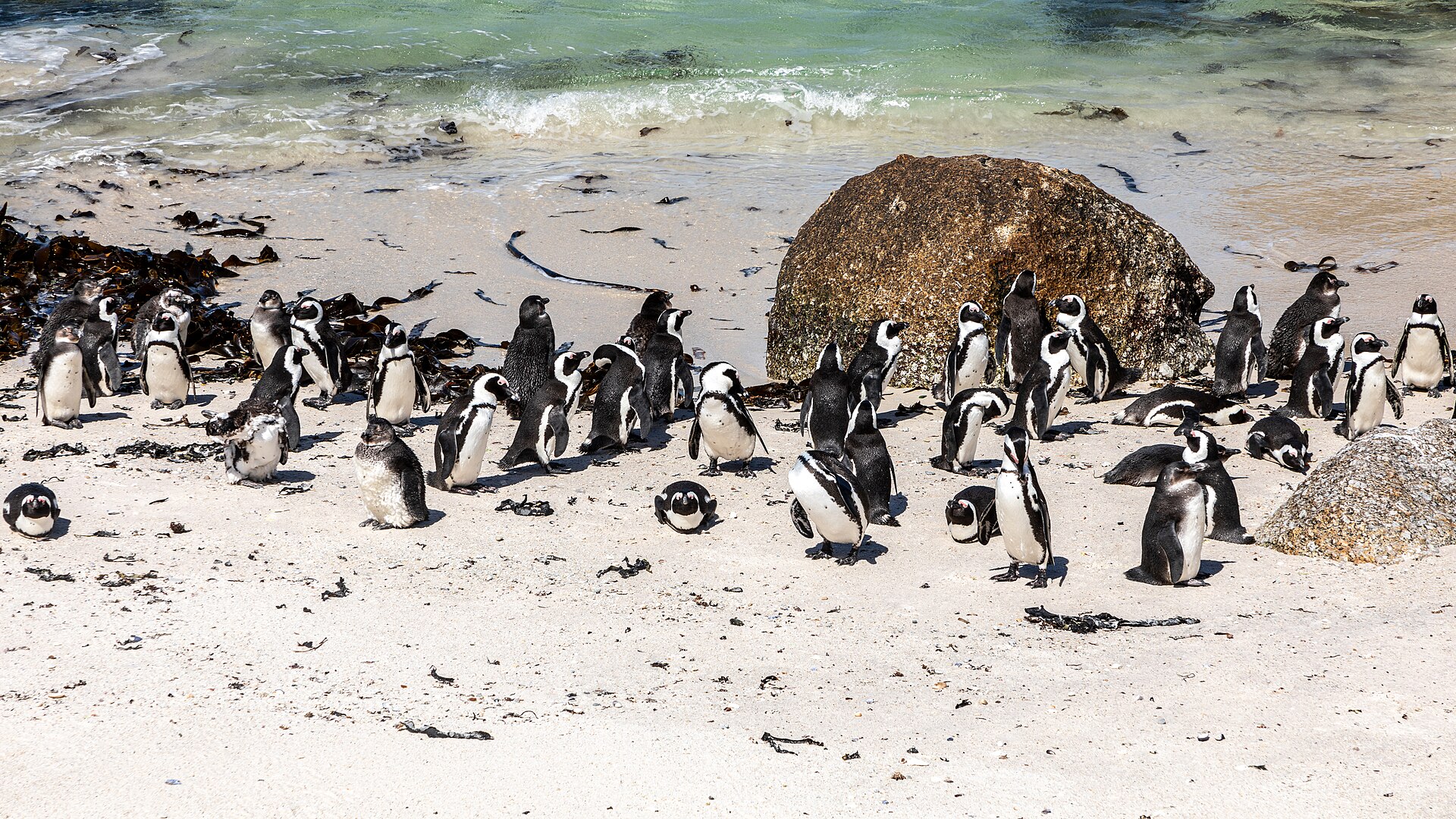
Boulders Beach Penguin Colony
Kleintuin Road, Simon's Town, 7975, South Africa
Boulders Beach is home to a colony of over 2,000 African penguins — one of only a few places in the world where you can sit on a beach within arm's reach of wild penguins going about their business with complete indifference to human presence.
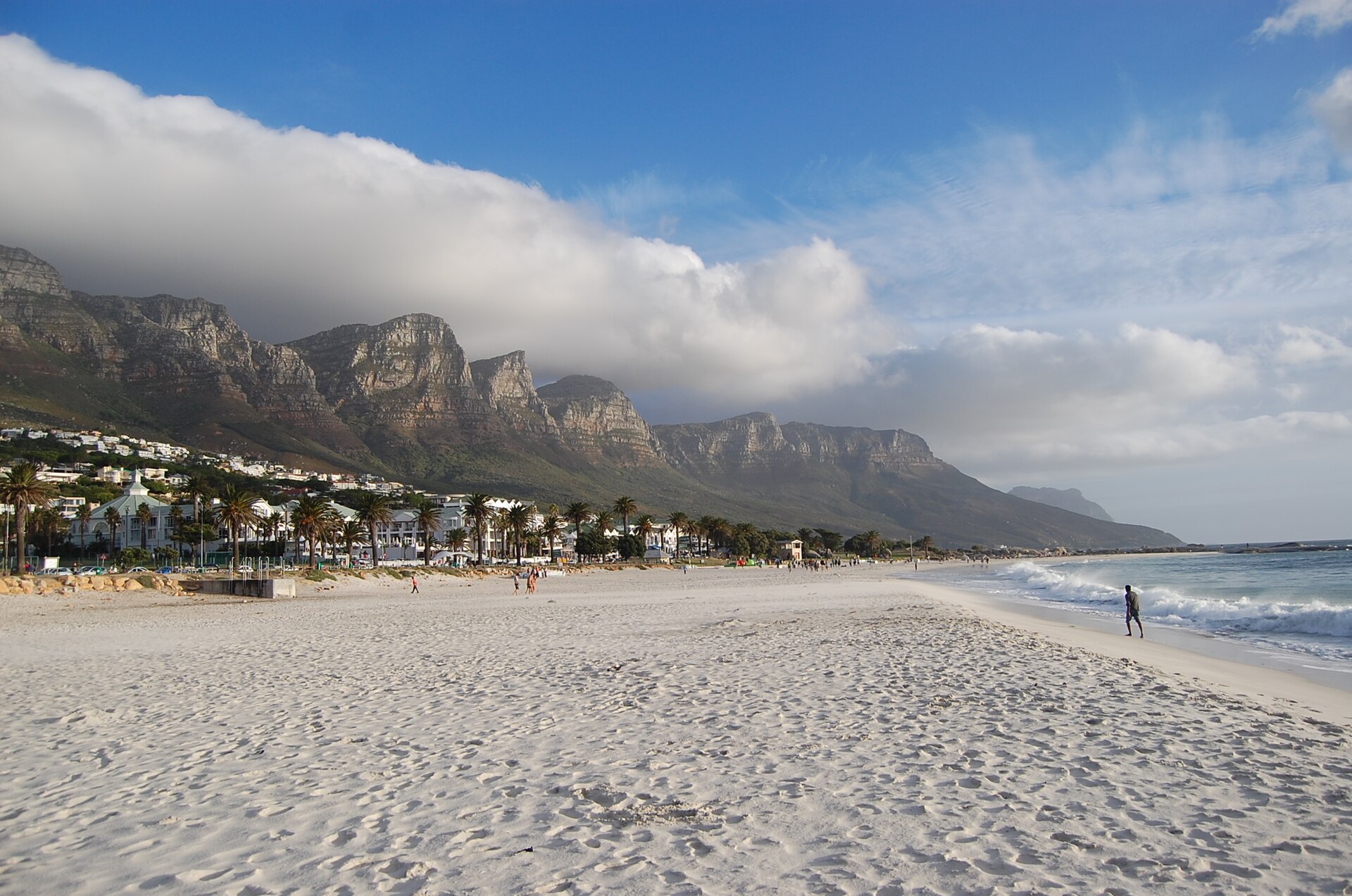
Camps Bay Beach
Victoria Road, Camps Bay, Cape Town, 8005, South Africa
Camps Bay is Cape Town's most famous beach — a white sand crescent backed by the Twelve Apostles mountain range and lined with palm trees, restaurants, and the cocktail bars that make Camps Bay's sunset the most social event on the Atlantic seaboard.
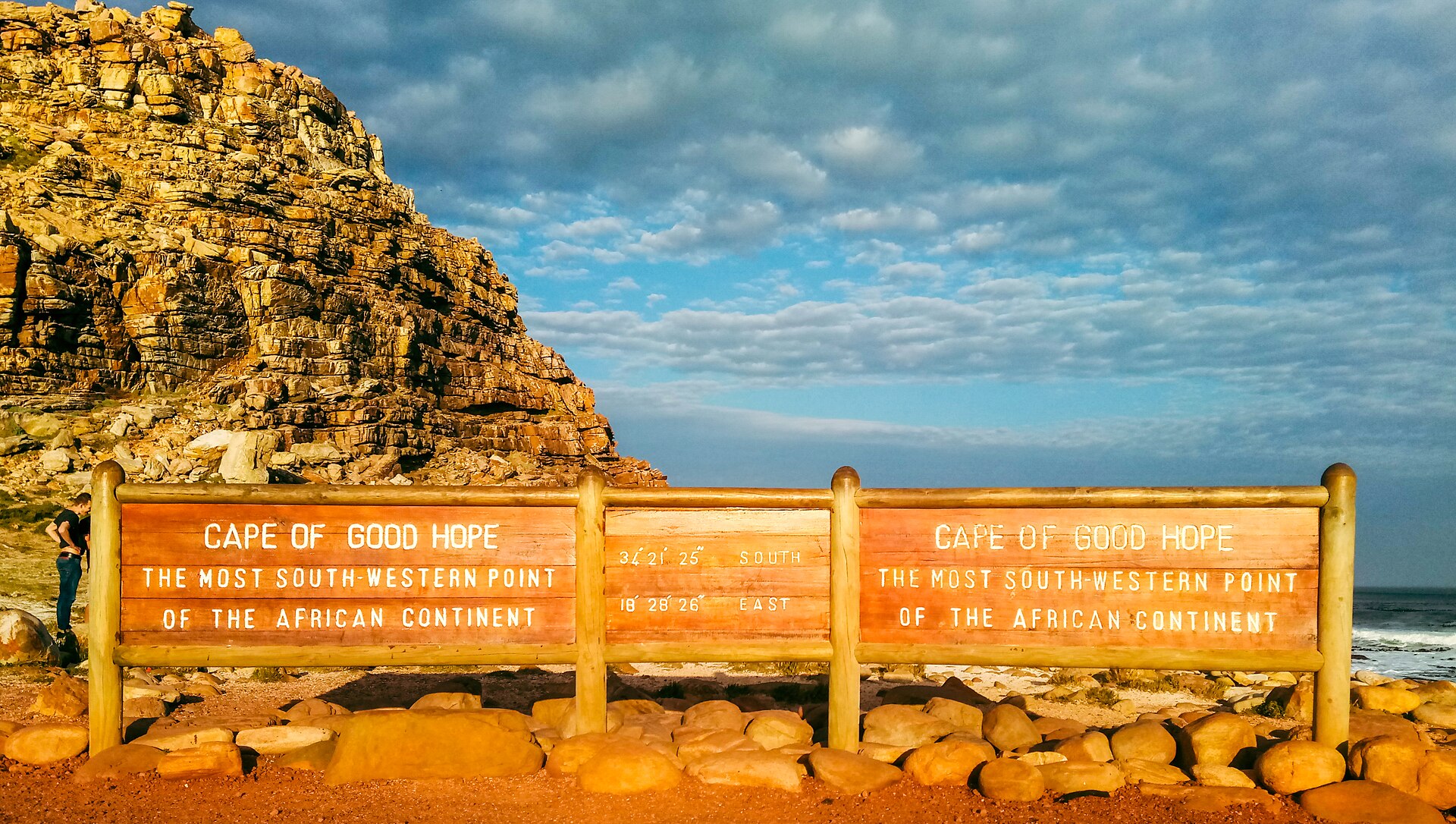
Cape of Good Hope
Cape Town, South Africa
The Cape of Good Hope is the southwestern tip of Africa — a dramatic headland of cliffs, fynbos-covered hills, and crashing ocean that marks the point where the cold Benguela Current from the Atlantic meets the warm Agulhas Current from the Indian Ocean.
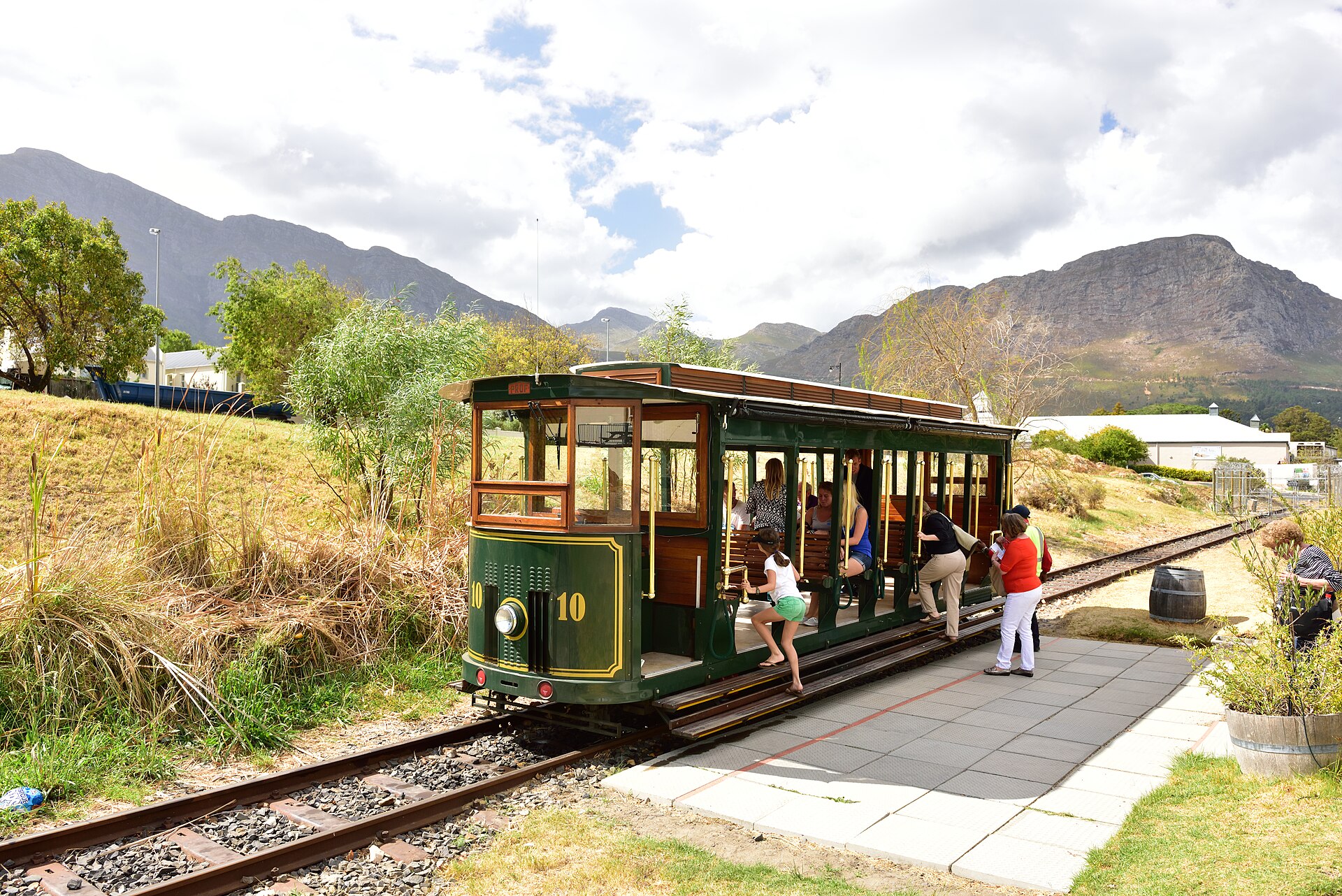
Cape Winelands Tram
Franschhoek Station, Franschhoek
The Franschhoek Wine Tram is the most civilised wine-tasting experience in South Africa — a hop-on hop-off service using vintage tram cars and tram buses that winds through the Franschhoek Valley, stopping at 30+ wine estates along two routes.
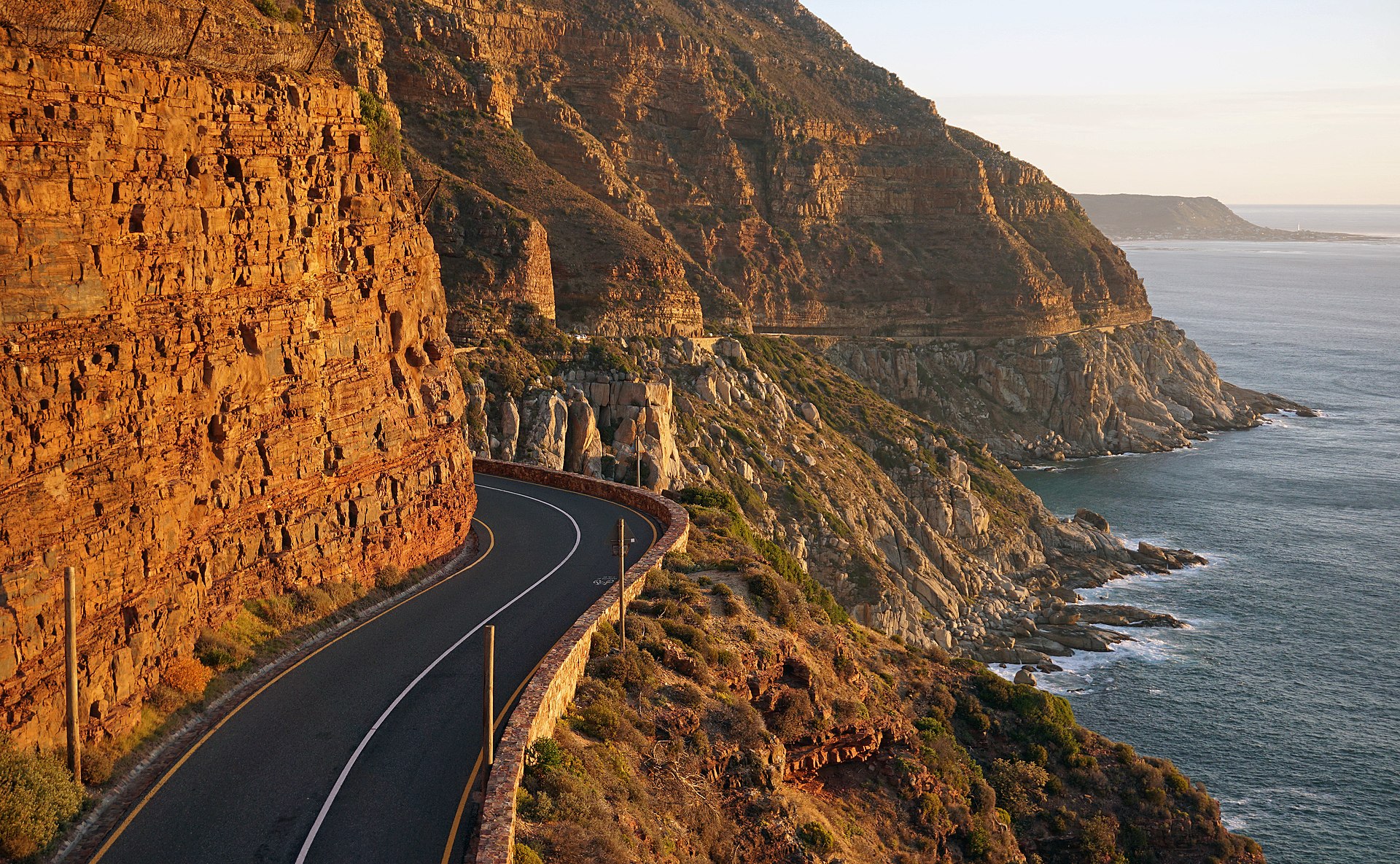
Chapman's Peak Drive
Chapman's Peak Drive, Noordhoek, South Africa
Chapman's Peak Drive is one of the most spectacular coastal roads in the world — a 9-kilometre toll road carved into the cliff face between Hout Bay and Noordhoek that hugs the contours of Chapman's Peak 600 metres above the Atlantic Ocean.
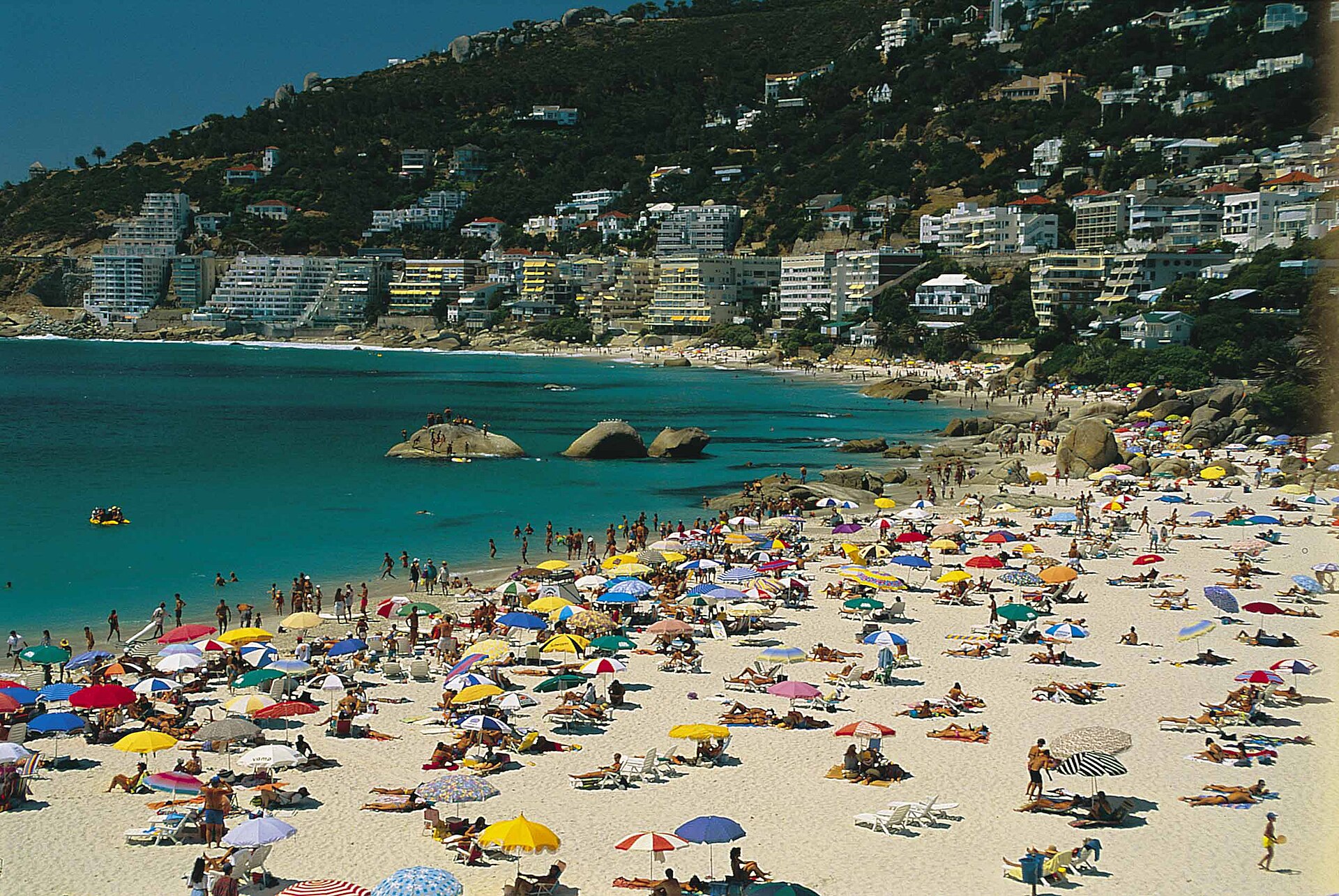
Clifton Beaches
Victoria Road, Camps Bay, Cape Town, 8005, South Africa
Clifton is Cape Town's most exclusive beach — four sheltered coves (numbered 1st through 4th from south to north) beneath the Lion's Head and Twelve Apostles mountains, connected by stairs carved into the granite boulders and protected from the southeaster wind by the mountain behind them.
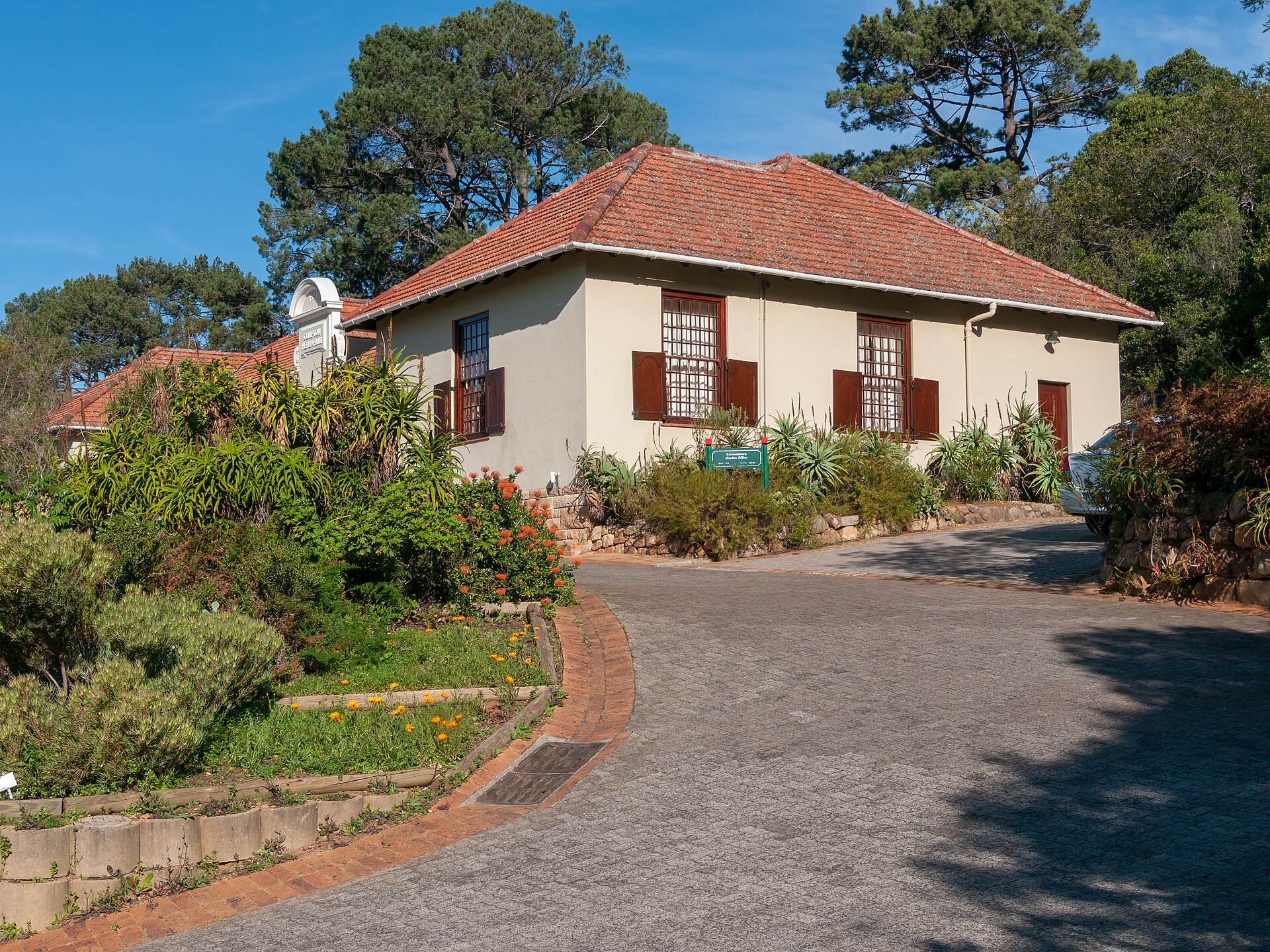
Kirstenbosch National Botanical Garden
Rhodes Drive, Rondebosch, Cape Town, 7700, South Africa
Kirstenbosch is one of the great botanical gardens of the world — 528 hectares on the eastern slopes of Table Mountain that are devoted exclusively to the indigenous flora of Southern Africa, making it the only botanical garden in the world to be set within a natural World Heritage Site.
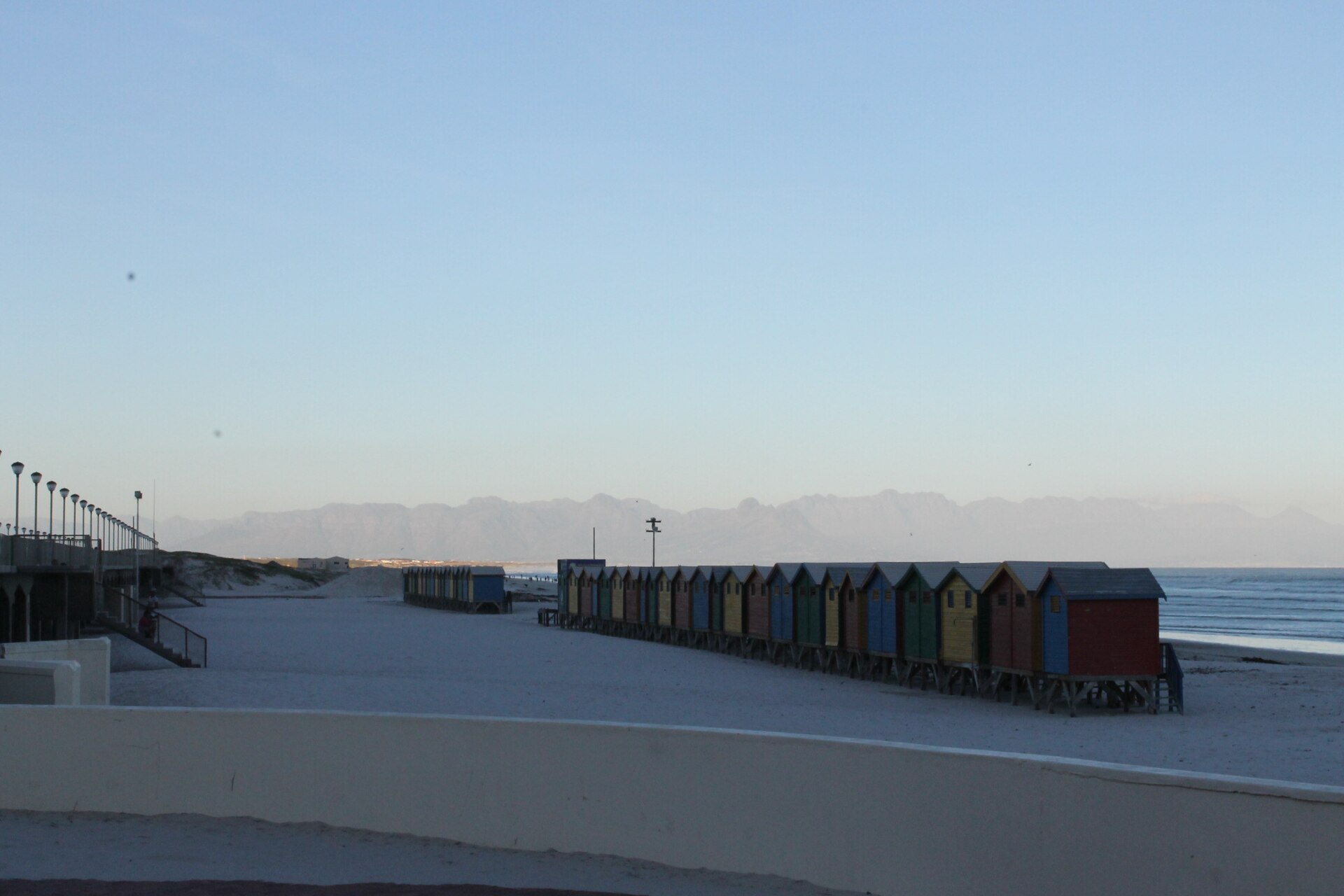
Muizenberg Beach & Surfer's Corner
Beach Road, Mouille Point, Cape Town, 8005, South Africa
Muizenberg is where South Africa learned to surf — a wide, sandy False Bay beach whose gentle waves, warm water (the False Bay side of Cape Town is 5-8°C warmer than the Atlantic side, thanks to the Agulhas Current), and colourful Victorian bathing boxes have made it the city's most popular beginner surf beach and one of the most photographed beaches in South Africa.
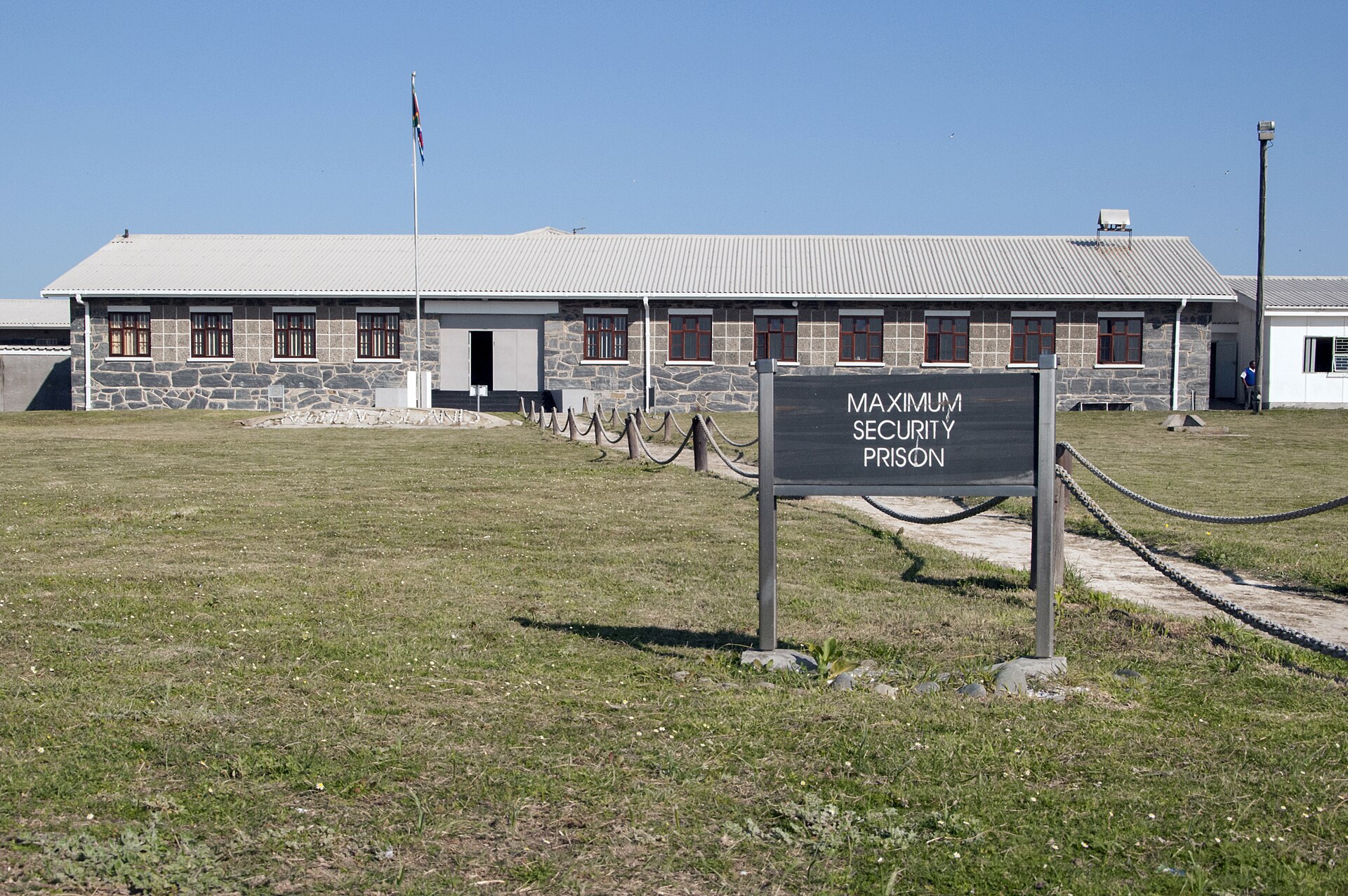
Robben Island
Cape Town, South Africa
Robben Island is where Nelson Mandela spent 18 of his 27 years in prison — a limestone island in Table Bay that served as a political prison during apartheid and is now a UNESCO World Heritage Site and museum where former political prisoners guide visitors through the cells, the quarry, and the spaces where South Africa's most important political leaders were incarcerated for opposing racial segregation.
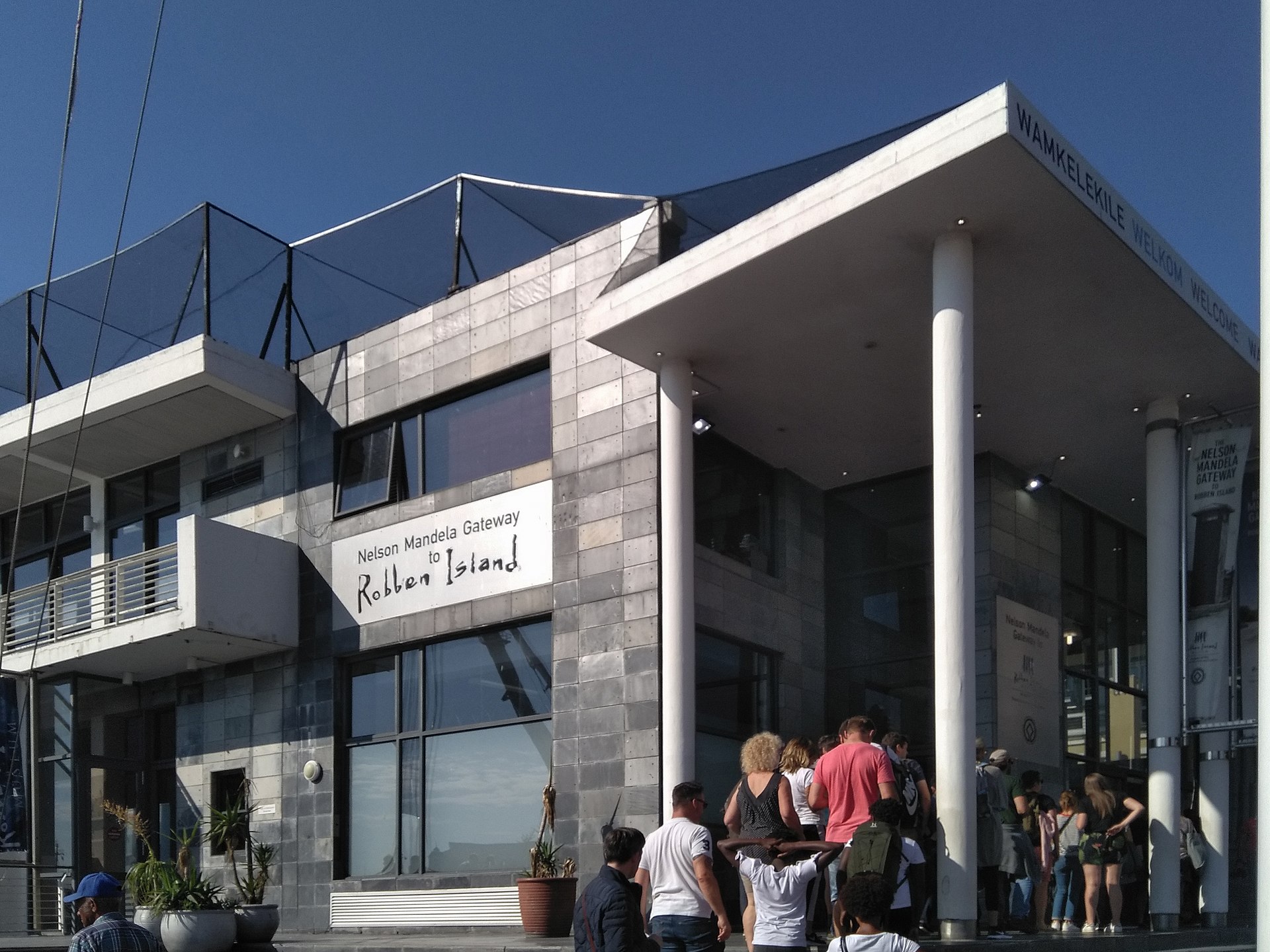
Robben Island Gateway (Nelson Mandela Gateway)
Nelson Mandela Boulevard, Cape Town City Centre, Cape Town, 8001, South Africa
The Nelson Mandela Gateway is the departure point for Robben Island ferries and houses a museum and exhibition space that provides context for the island visit before you board the boat.
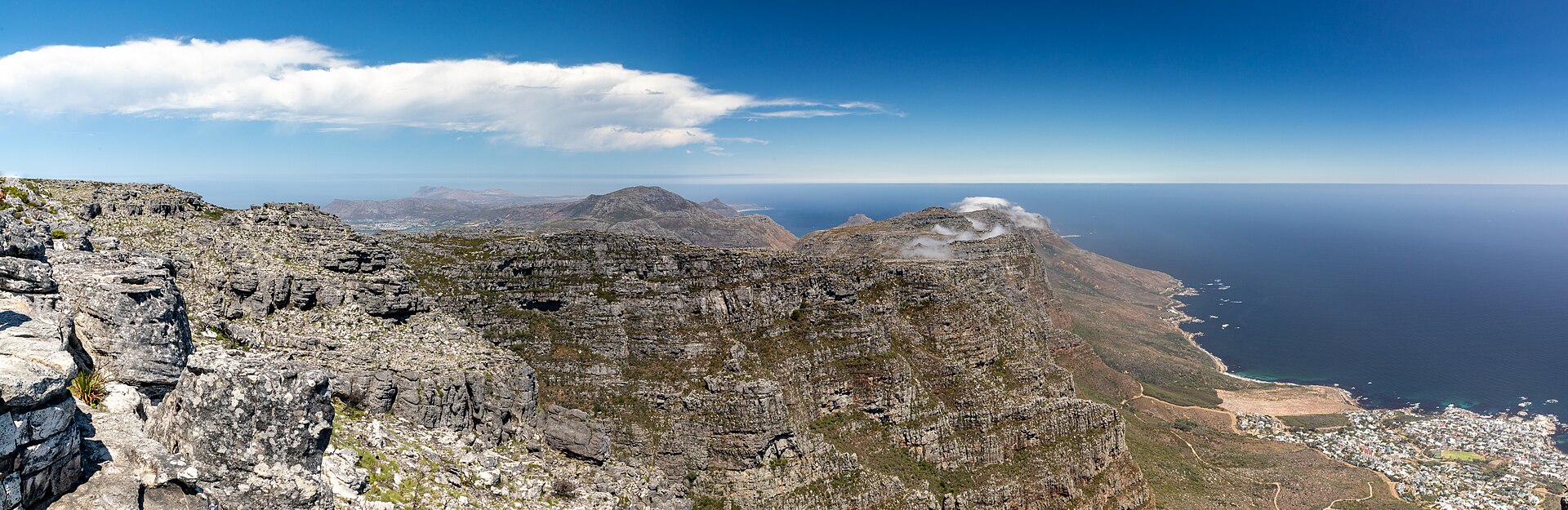
Table Mountain
Table Mountain (Nature Reserve), Cape Town, South Africa
Table Mountain is the most recognisable natural landmark in Africa — a 1,085-metre flat-topped sandstone massif that rises vertically from the city below and provides a panoramic view of Cape Town, the Atlantic and Indian Ocean coastlines, and the Cape Peninsula stretching south toward the Cape of Good Hope.
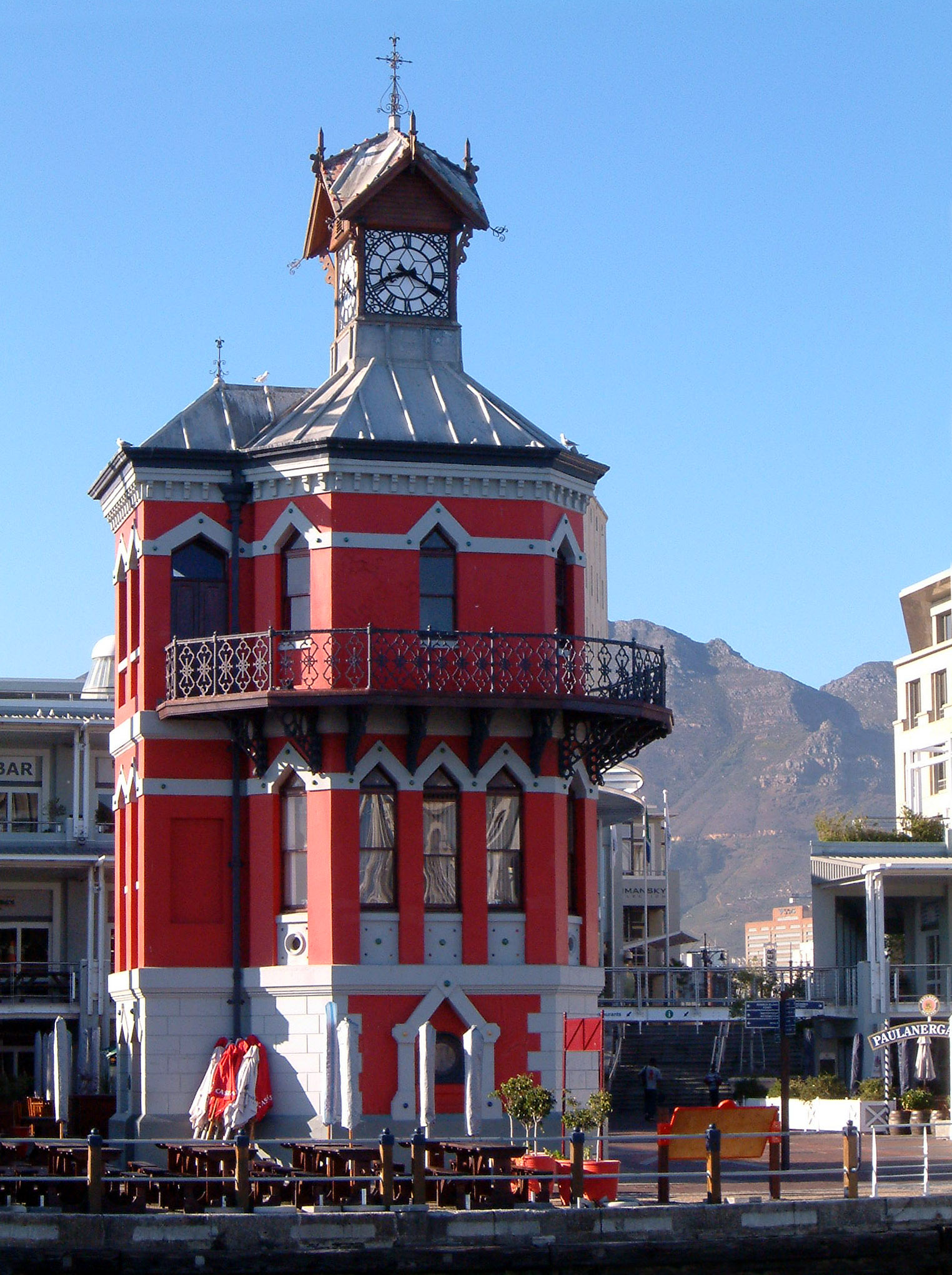
V&A Waterfront
Waterfront Road, Tyger Valley, Bellville, 7530, South Africa
The V&A Waterfront is Cape Town's most visited attraction — a mixed-use harbour development built around the historic Victoria and Alfred docks that combines shopping, dining, museums, and the working harbour in a precinct that draws 24 million visitors a year.
Explore iconic in Cape Town
GPS-guided narration at every landmark. Tap a spot on the map, hear the story. Every fact verified.