Walking Tours in Cape Town
Cape Town: At the Foot of the Mountain
Cape Town sits at the geographic and psychological hinge of the world — the point where the Atlantic and Indian Oceans meet, where the trade routes of Europe and Asia converged for five hundred years, where the Dutch East India Company built a refreshment station that grew into a colony that grew into a country. The city exists because of Table Mountain. Every ship sailing from Amsterdam to Batavia needed a waypoint for fresh water, vegetables, and ship repairs, and Table Mountain was the most visible landmark in the southern hemisphere — a flat-topped flag you could navigate by from three hundred kilometres at sea. What grew up beneath it absorbed Dutch settlers, Malay slaves, indigenous Khoekhoe people, British colonists, Indian indentured workers, and every wave of humanity that the brutal economics of empire threw together. The result is one of the most complex and beautiful cities on earth.
Cape Town: Bo-Kaap & City Centre
Walk the layered soul of Cape Town — through the cobalt-and-coral painted streets of Bo-Kaap, across the Company's Garden, and along the waterfront where Table Mountain watches over everything.
30 Landmarks in Cape Town
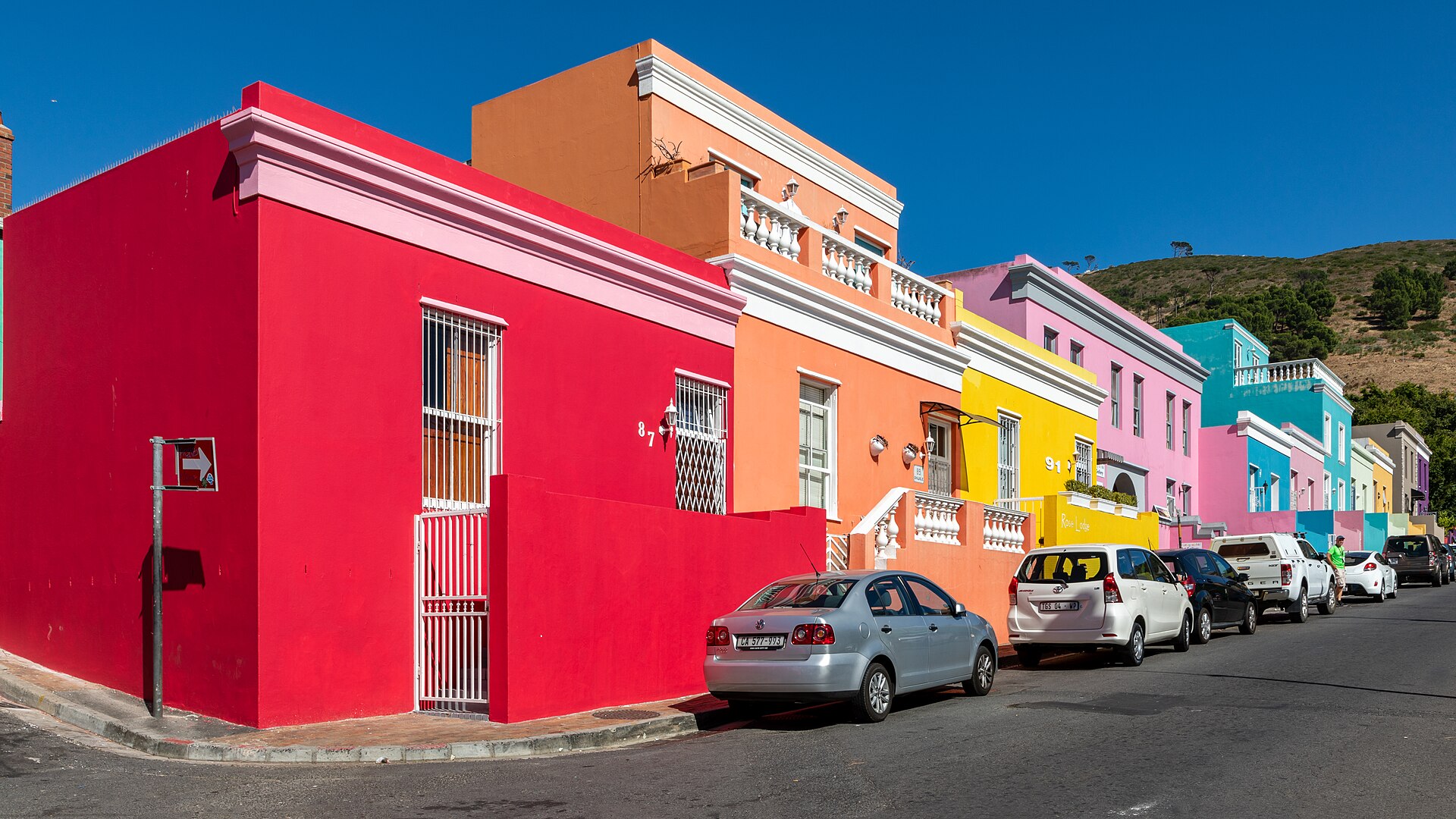
Bo-Kaap
Wale Street, Schotschekloof, Cape Town, 8001, South Africa
Bo-Kaap is the most photogenic neighbourhood in Cape Town — a hillside of brightly painted houses on the slopes of Signal Hill that has been home to the Cape Malay community since the 18th century, when enslaved people from Indonesia, Malaysia, and other parts of Asia were brought to the Cape by the Dutch East India Company. The colourful facades — lime green, cobalt blue, bright pink, saffron yellow — are said to have originated when the formerly enslaved community celebrated their freedom after emancipation in 1834 by painting their previously uniform white houses in joyful colours. The neighbourhood's cobblestone streets, minarets, and the spice-scented air from Cape Malay kitchens create an atmosphere unlike anywhere else in Cape Town. The Auwal Mosque on Dorp Street, built in 1794, is the oldest mosque in South Africa, and the Bo-Kaap Museum (in a house from the 1760s) traces the community's history from slavery through emancipation to the present. The neighbourhood is increasingly under threat from gentrification — property developers have been buying houses at prices that longtime residents can't match — and the tension between heritage preservation and market forces is Cape Town's most pressing urban debate. The food is the neighbourhood's cultural gift to South Africa. Cape Malay cuisine — a fusion of Indonesian, Malaysian, Indian, and Dutch culinary traditions — includes bobotie (a spiced meat bake with egg custard topping), bredies (slow-cooked stews), samoosas, and koeksisters (a syrup-soaked braided doughnut). Several homes and restaurants in Bo-Kaap offer cooking classes that combine food preparation with the history of the Cape Malay community, making them one of the most culturally immersive experiences in the city.
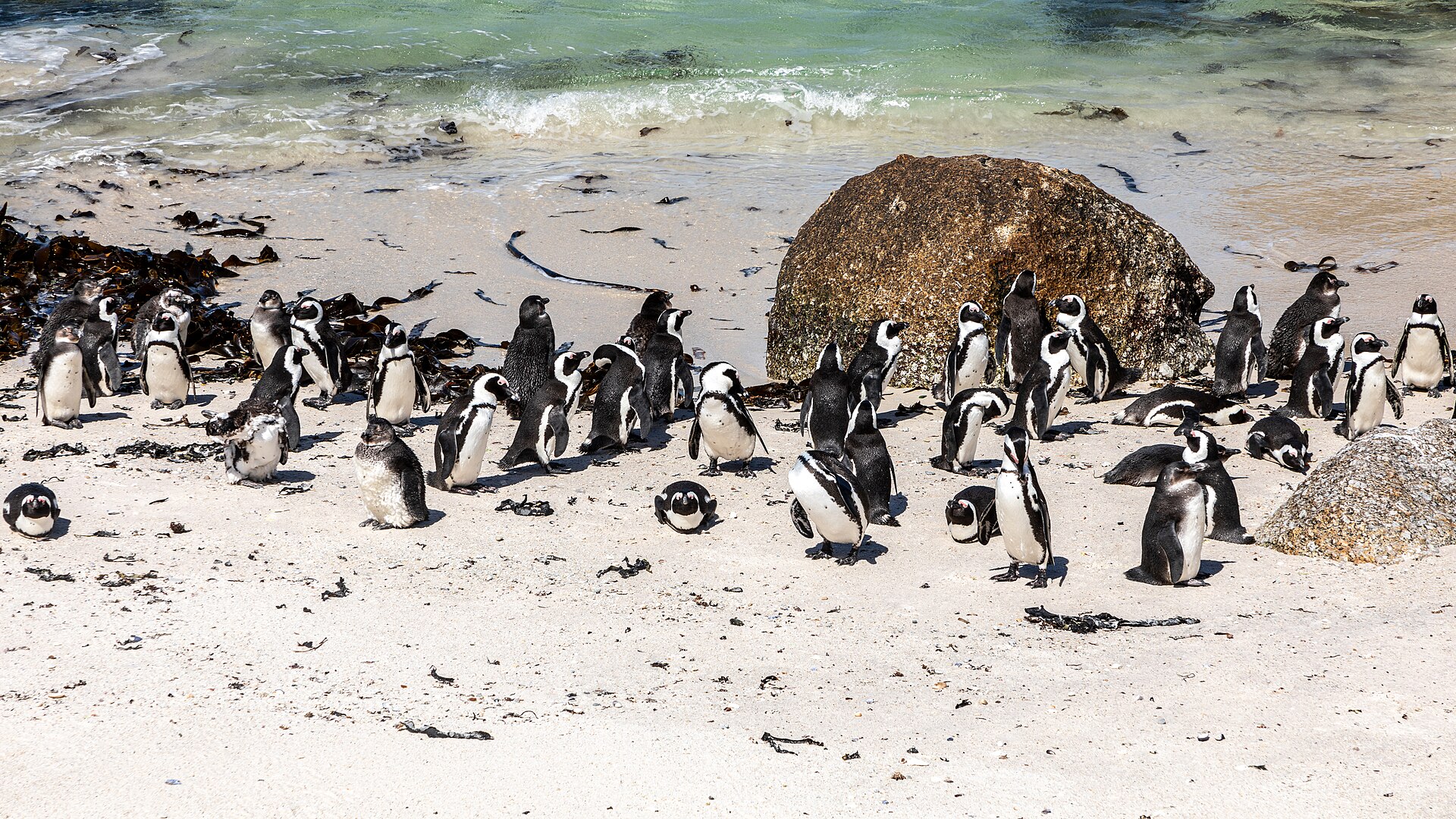
Boulders Beach Penguin Colony
Kleintuin Road, Simon's Town, 7975, South Africa
Boulders Beach is home to a colony of over 2,000 African penguins — one of only a few places in the world where you can sit on a beach within arm's reach of wild penguins going about their business with complete indifference to human presence. The colony established itself at Boulders in 1983 when a pair of penguins decided to nest between the granite boulders, and the population has grown into one of the most accessible penguin viewing experiences on Earth. The beach is sheltered by enormous rounded granite boulders that create a series of coves with calm, clear water — the boulders block the wind and swell, making the water warm enough for swimming (by Cape Town Atlantic standards, which means about 16-18°C). The penguins share the beach with swimmers, and the sight of a penguin waddling past your towel or surfacing next to you while you're swimming is Boulders' unique selling point. African penguins (formerly called Jackass penguins for their donkey-like braying call) are classified as endangered — the population has declined by over 90% since the early 20th century due to egg collection, oil spills, and declining fish stocks. Boulders is one of the conservation success stories, where protected habitat and tourism revenue have helped stabilise the local population. The colony is managed by SANParks (Table Mountain National Park) and there's a small entrance fee. Simon's Town, the naval base town adjacent to Boulders, has seafood restaurants and the charm of a small Cape peninsula village.
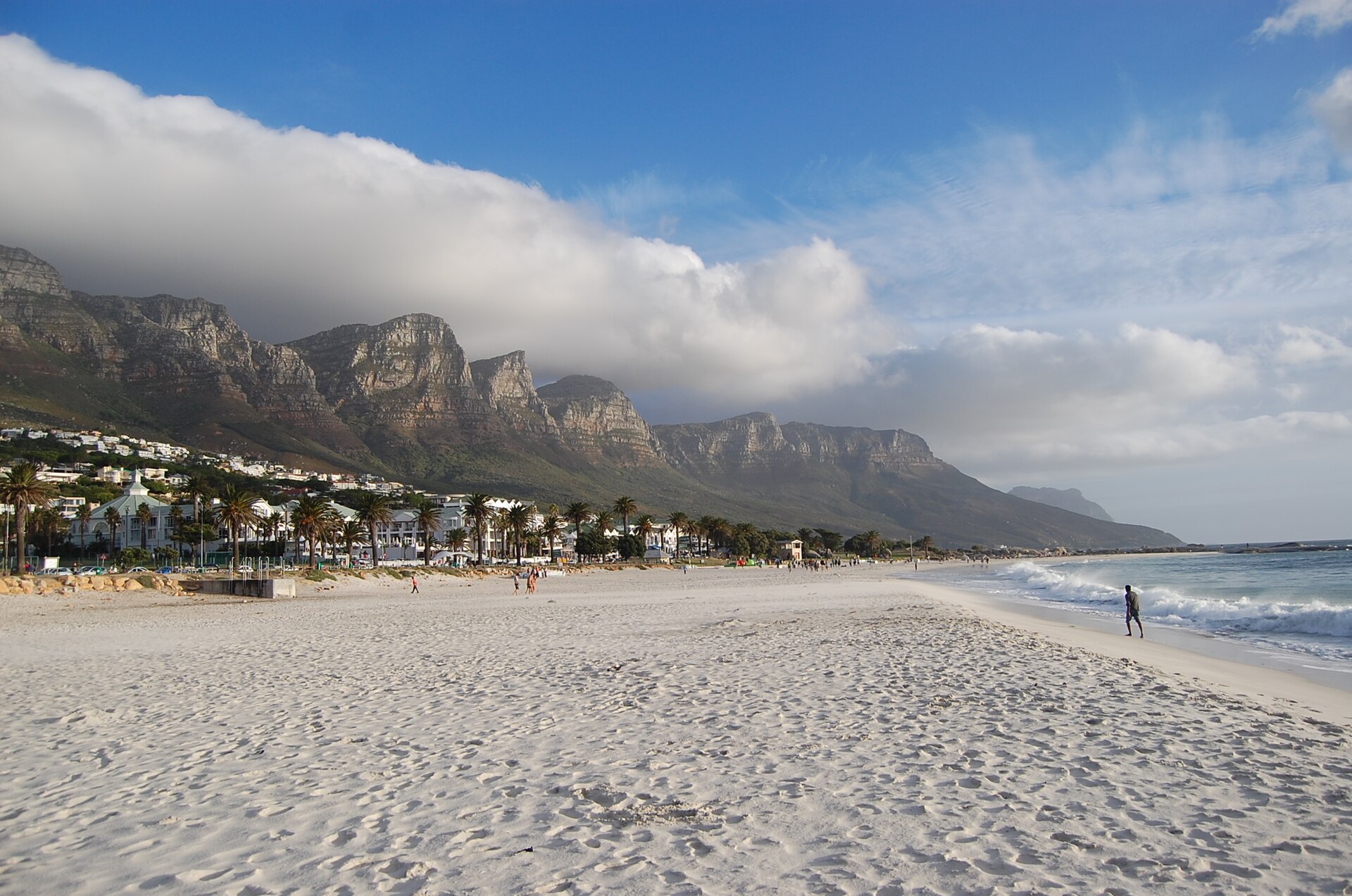
Camps Bay Beach
Victoria Road, Camps Bay, Cape Town, 8005, South Africa
Camps Bay is Cape Town's most famous beach — a white sand crescent backed by the Twelve Apostles mountain range and lined with palm trees, restaurants, and the cocktail bars that make Camps Bay's sunset the most social event on the Atlantic seaboard. The beach faces west, which means the sunset drops directly into the Atlantic in front of you, and the combination of mountain, beach, ocean, and golden light has made this stretch of coastline one of the most photographed in Africa. The water is cold — the Benguela Current keeps the Atlantic coast of Cape Town at about 10-14°C year-round, which means swimming at Camps Bay is brief and invigorating rather than leisurely. The local approach is to wade in, gasp, swim for five minutes, and retreat to a towel or a restaurant terrace, which is a perfectly valid way to use a beach that is more about the view than the swimming. The restaurant strip along Victoria Road serves seafood, sushi, and sundowner cocktails to a crowd that comes as much for the scene as the food. Café Caprice, the anchor establishment, has been the default sunset cocktail destination for two decades, and the terrace crowd on a summer Friday evening — with the mountains turning pink above and the ocean turning gold below — is Cape Town at its most glamorous. The beach is free, the parking is not, and the afternoon southeaster wind ('the Cape Doctor') that keeps the city cool in summer can make Camps Bay uncomfortably breezy by mid-afternoon.
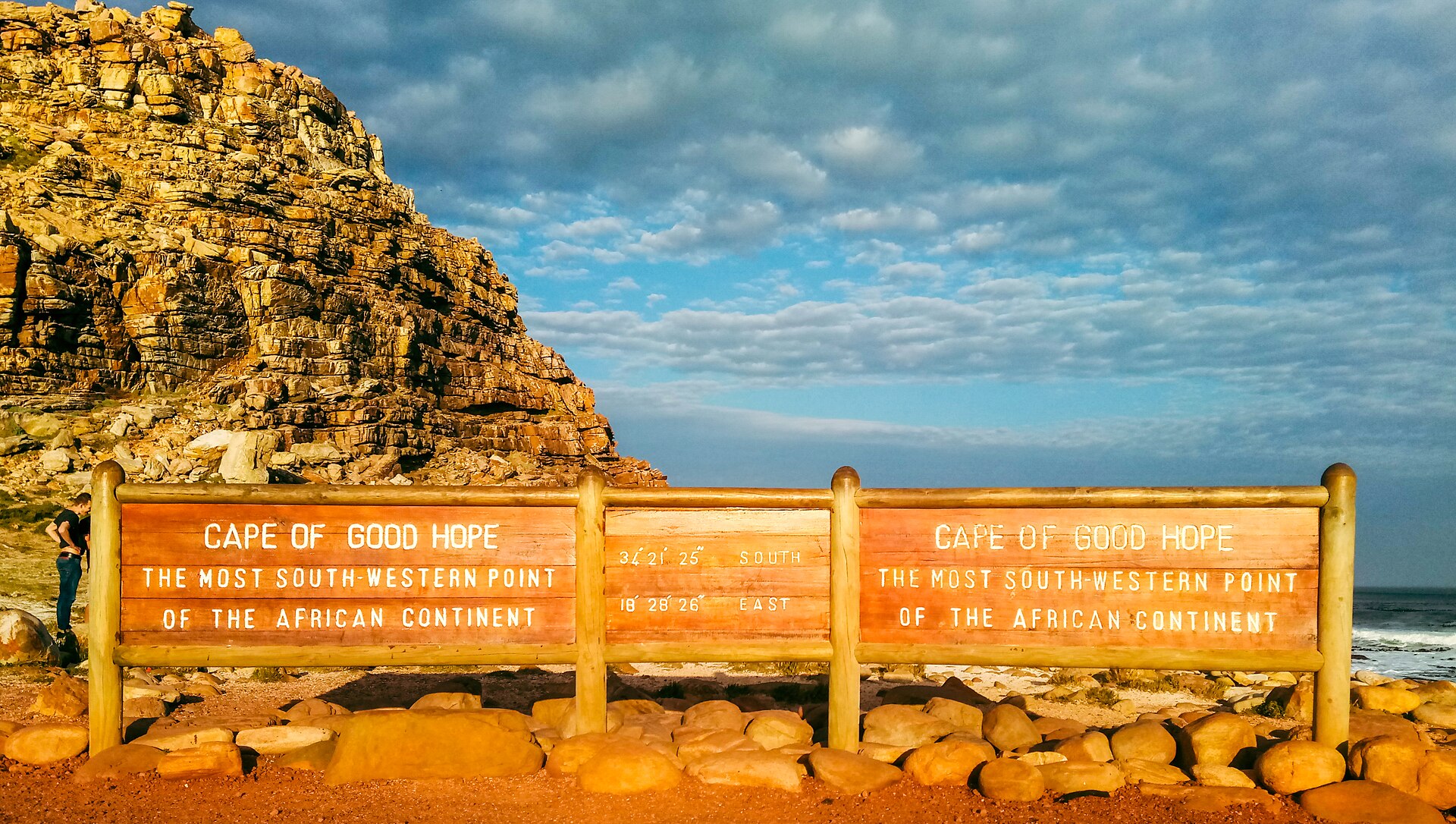
Cape of Good Hope
Cape Town, South Africa
The Cape of Good Hope is the southwestern tip of Africa — a dramatic headland of cliffs, fynbos-covered hills, and crashing ocean that marks the point where the cold Benguela Current from the Atlantic meets the warm Agulhas Current from the Indian Ocean. The cape is not technically the southernmost point of Africa (that's Cape Agulhas, 150km southeast), but its dramatic landscape and its historical significance — this was the landmark that Portuguese sailors rounded on their way to India — make it the symbolic meeting point of two oceans. Cape Point, the rocky promontory at the tip of the peninsula, is reached by a winding road through Table Mountain National Park that passes beaches, baboon troops, ostriches, and the kind of coastal scenery that justifies every superlative written about the Cape Peninsula. The old lighthouse at the top of Cape Point (accessible by funicular or a steep walk) provides views that on a clear day extend to the horizon in every direction — ocean, mountains, cliffs, and the white water where the currents collide. The drive along the peninsula from Cape Town (about 75km) is one of the great coastal drives in the world — passing through Hout Bay, Chapman's Peak Drive (carved into the cliff face 600 metres above the sea), and Simon's Town (home to a colony of African penguins at Boulders Beach that is one of the most popular wildlife experiences in South Africa). The cape is a full-day excursion from Cape Town, and combining it with Simon's Town, Chapman's Peak, and Kalk Bay (a fishing village with excellent restaurants) creates a day trip that covers the full range of the Cape Peninsula's landscapes.
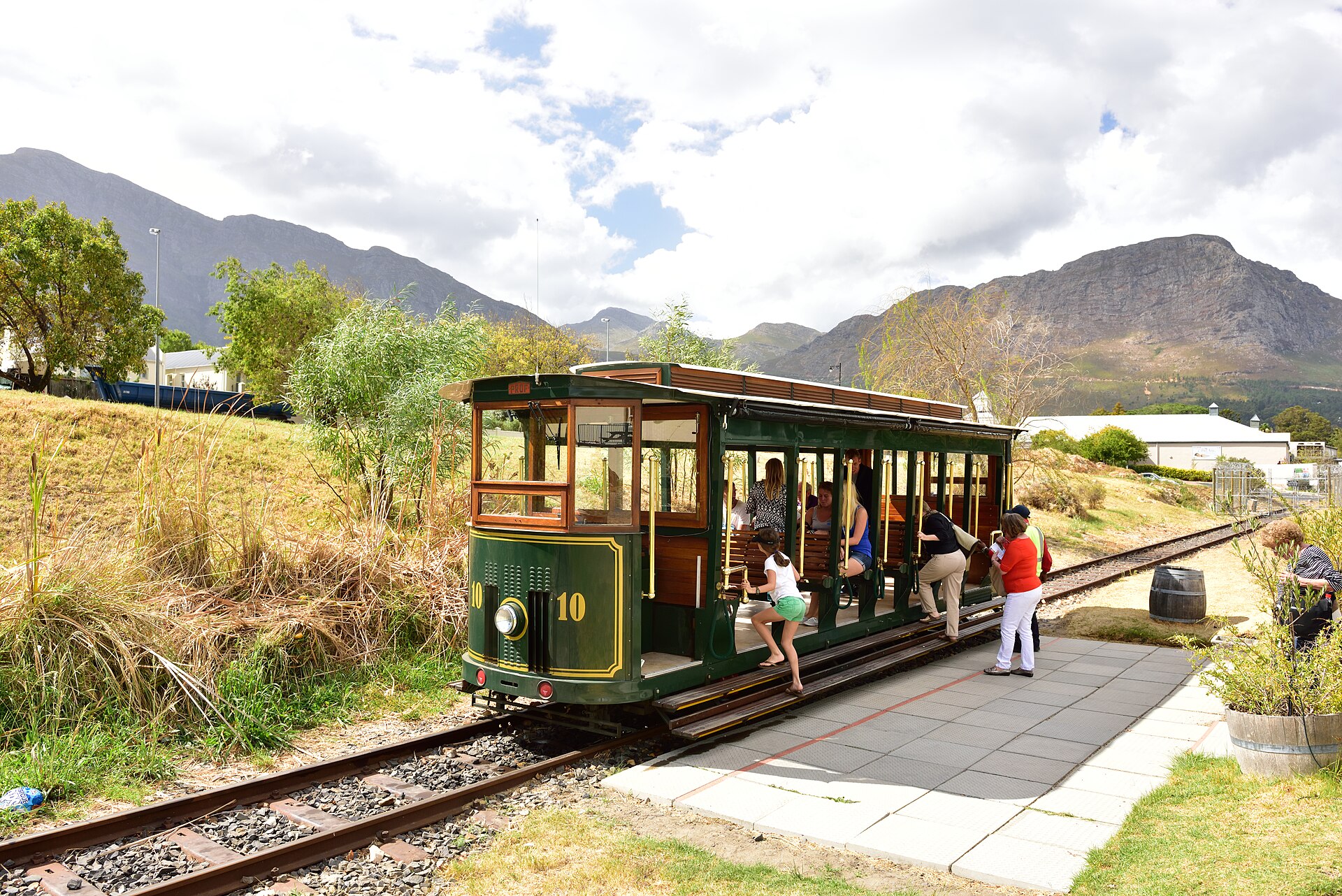
Cape Winelands Tram
Franschhoek Station, Franschhoek
The Franschhoek Wine Tram is the most civilised wine-tasting experience in South Africa — a hop-on hop-off service using vintage tram cars and tram buses that winds through the Franschhoek Valley, stopping at 30+ wine estates along two routes. The tram recreates (loosely) the historic railway that once connected Franschhoek to Paarl, and the combination of gentle pace, vineyard scenery, and the licence to taste wine at multiple estates without driving makes it the most popular wine-tourism attraction in the Western Cape. The tram stops cover a range of estates — from the grand historic properties (Boschendal, founded 1685, whose Cape Dutch homestead under ancient oaks is the defining image of Winelands elegance) to the contemporary (Leopard's Leap, with its modern tasting room and sculpture garden). Most estates charge a modest tasting fee that is waived with a wine purchase, and the wines — Cabernet Sauvignon, Chenin Blanc, Syrah, Pinotage, and the Cap Classique sparkling wines that are South Africa's answer to Champagne — represent the best of the Cape's production. The tram runs daily and must be booked in advance (it sells out regularly in peak season, November through March). The two routes (red and blue) can be combined for a full day, though most visitors find that 4-5 estates is the comfortable limit before tasting fatigue sets in. The return to Cape Town (by car or pre-arranged transfer) follows roads through vineyards with mountain backdrops that make the designated-driver sacrifice worthwhile.
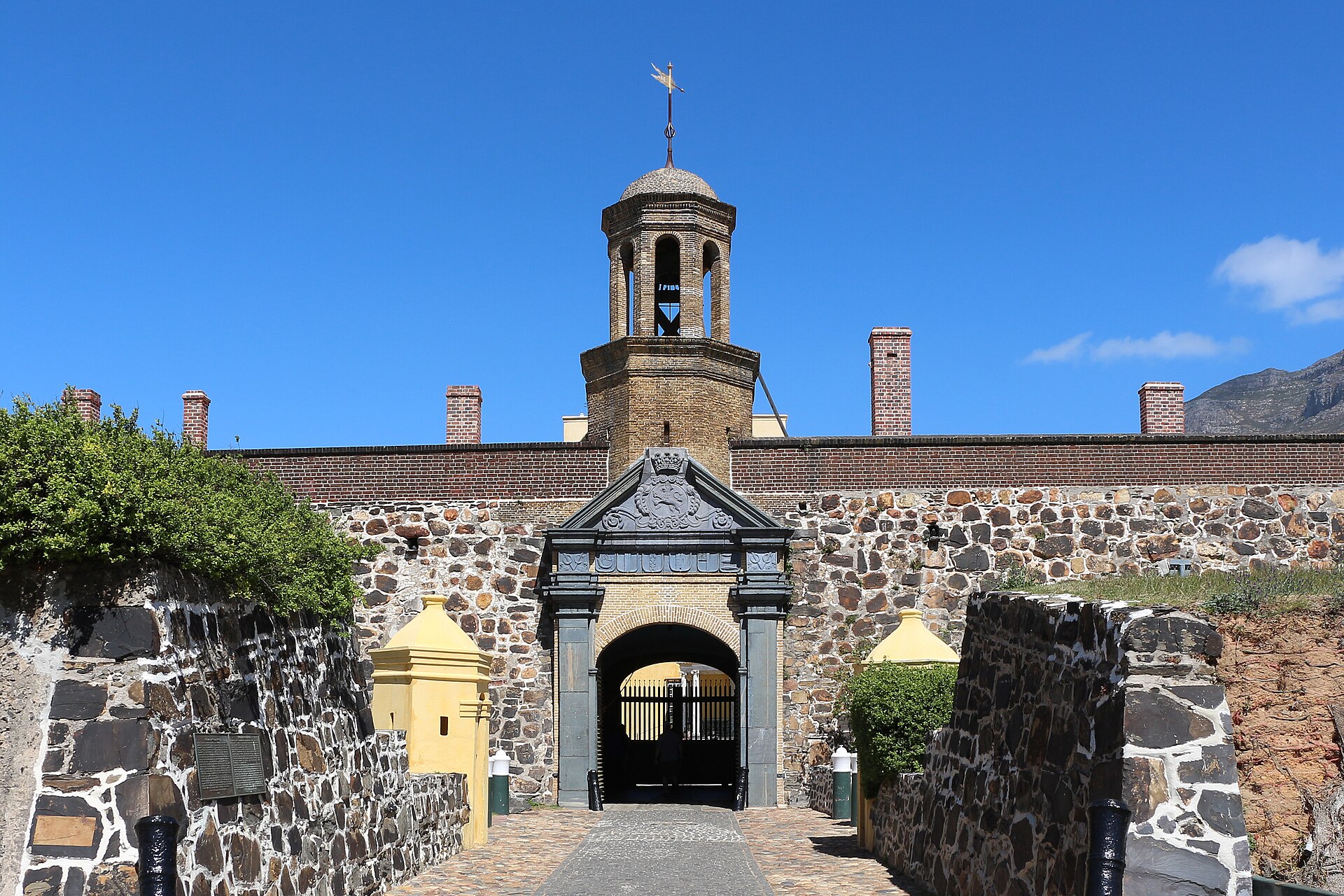
Castle of Good Hope
Darling Street, Cape Town City Centre, Cape Town, 8001, South Africa
The Castle of Good Hope is the oldest surviving colonial building in South Africa — a pentagonal Dutch East India Company fortress completed in 1679 that served as the military and administrative headquarters of the Cape Colony for over two centuries. The castle, with its five bastions (each named after titles of the Prince of Orange), its moat, and its ceremonial entrance (the Kat Balcony, a Rococo gateway that is the finest piece of Dutch colonial architecture at the Cape), is a remarkably intact example of a 17th-century VOC fortress. The interior contains the William Fehr Collection (an important collection of South African historical art, including paintings, furniture, and decorative objects from the Dutch and British colonial periods), a military museum, and the restored governor's quarters that show how the Dutch and later British administrators lived. The Dolphin Pool, a restored water feature in the inner courtyard, and the officers' quarters provide a sense of the domestic life of the fortress. The castle sits in the middle of modern Cape Town — surrounded by the CBD, the Grand Parade (a former military exercise ground now used as a parking lot and occasional market), and the railway station. The contrast between the low, massive stone fortress and the surrounding modern buildings dramatises Cape Town's historical compression — the oldest European building in Southern Africa sits within walking distance of contemporary glass towers, and the 340 years between them can be crossed in five minutes on foot.
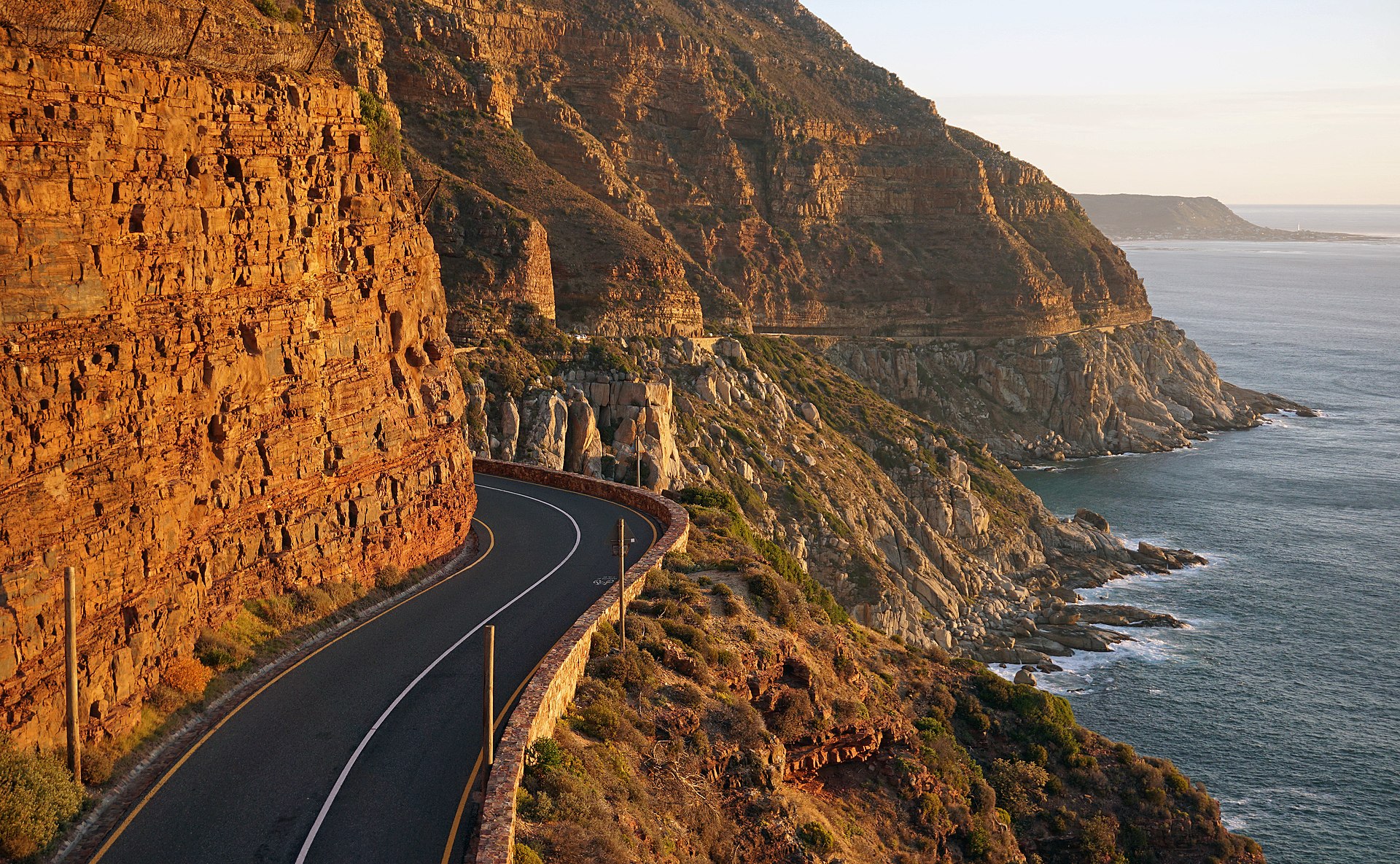
Chapman's Peak Drive
Chapman's Peak Drive, Noordhoek, South Africa
Chapman's Peak Drive is one of the most spectacular coastal roads in the world — a 9-kilometre toll road carved into the cliff face between Hout Bay and Noordhoek that hugs the contours of Chapman's Peak 600 metres above the Atlantic Ocean. The road, built by convict labour between 1915 and 1922, follows the geological boundary between granite below and sandstone above, which provides the natural shelf that the engineers exploited to carve the road into the mountainside. The 114 curves, the sheer drops, and the views — looking south to the Sentinel above Hout Bay, north to Noordhoek's Long Beach stretching in a white arc below, and west across the open Atlantic where the next land is South America — make the drive an experience that operates somewhere between scenic road trip and controlled vertigo. Several viewpoints along the route provide stopping places for photographs, and the contrast between the road's engineering (carved from solid rock, with occasional sections of overhanging cliff above) and the natural landscape (mountain, ocean, fynbos, kelp) is extraordinary. The road is part of the M6, connecting the Atlantic seaboard to the southern peninsula, and is the standard route for the Cape Point day trip. Cyclists ride the road in early morning before traffic builds, and the annual Cape Town Cycle Tour (the world's largest individually timed cycling event) uses Chapman's Peak as its most celebrated segment. The road is occasionally closed due to rockfalls, which is a reminder that the cliff is still actively eroding and that the road exists because human stubbornness temporarily prevailed over geology.
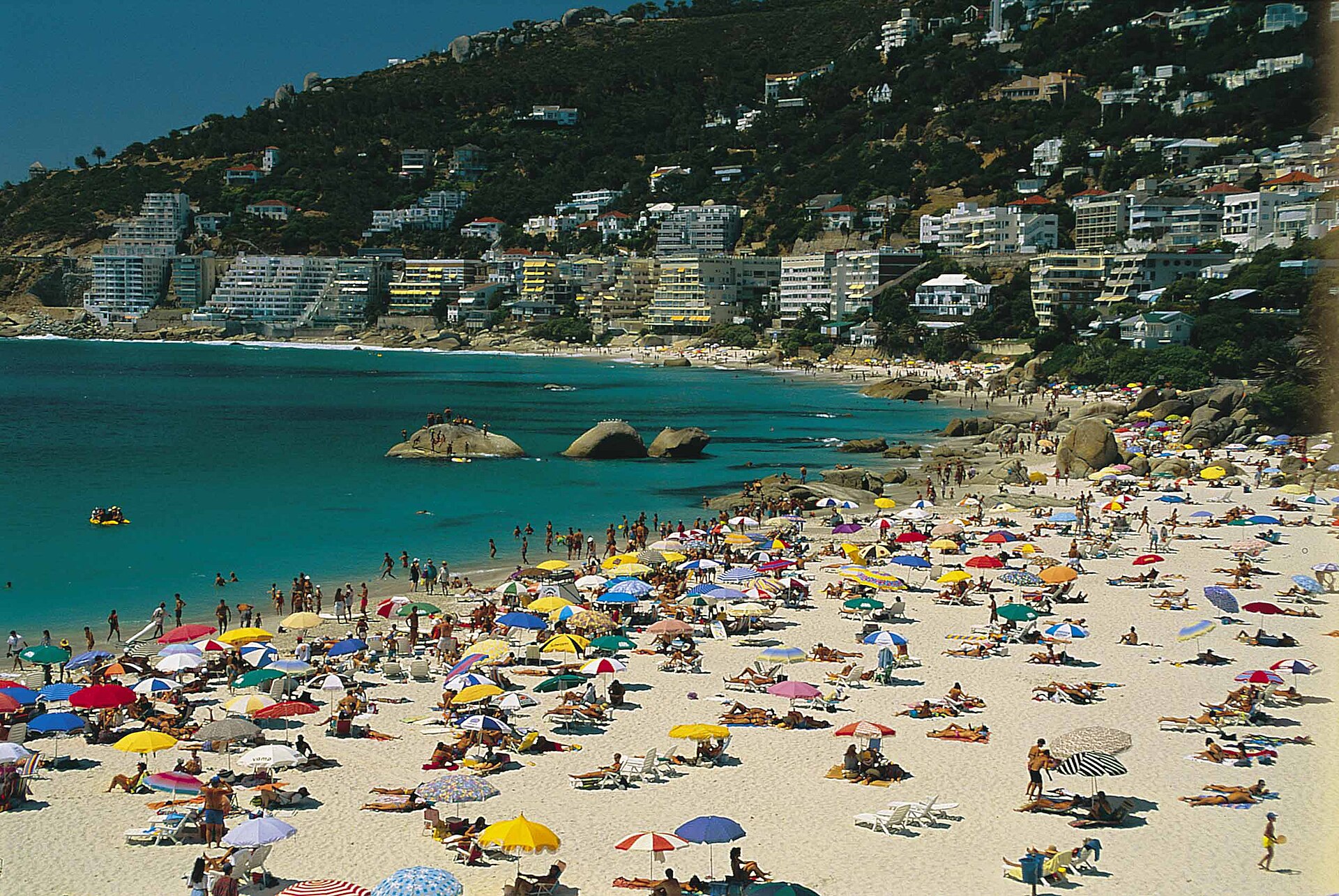
Clifton Beaches
Victoria Road, Camps Bay, Cape Town, 8005, South Africa
Clifton is Cape Town's most exclusive beach — four sheltered coves (numbered 1st through 4th from south to north) beneath the Lion's Head and Twelve Apostles mountains, connected by stairs carved into the granite boulders and protected from the southeaster wind by the mountain behind them. The beaches are small, the water is freezing (Atlantic coast, 10-14°C), and the real estate above them is the most expensive in Africa. Each beach has its own character: 1st Beach is the gay-friendly beach, 2nd is the young professional crowd, 3rd is for families, and 4th Beach (the largest, with the best sunset views) is the most popular all-rounder. The social coding is unofficial and fluid, but the pattern has been consistent for decades. All four beaches have powder-white sand, crystal-clear water (the cold current keeps it pristine), and the mountain backdrop that makes Clifton the most photographed beach in South Africa. The challenge is access — the stairs down to the beaches are steep (equivalent to a 5-storey building) and carry everything you bring, which has the unintended benefit of discouraging casual visitors and keeping the beaches relatively uncrowded for their fame. The sunset from 4th Beach — with the Twelve Apostles turning pink above and the Atlantic turning gold below — is the most glamorous end-of-day experience in Cape Town, and the ritual of champagne-on-a-blanket at sunset is a Clifton institution that the mountain and the ocean have been providing free of charge for considerably longer than the champagne has been affordable.
Company's Garden
Queen Victoria Street, Cape Town City Centre, Cape Town, 8001, South Africa
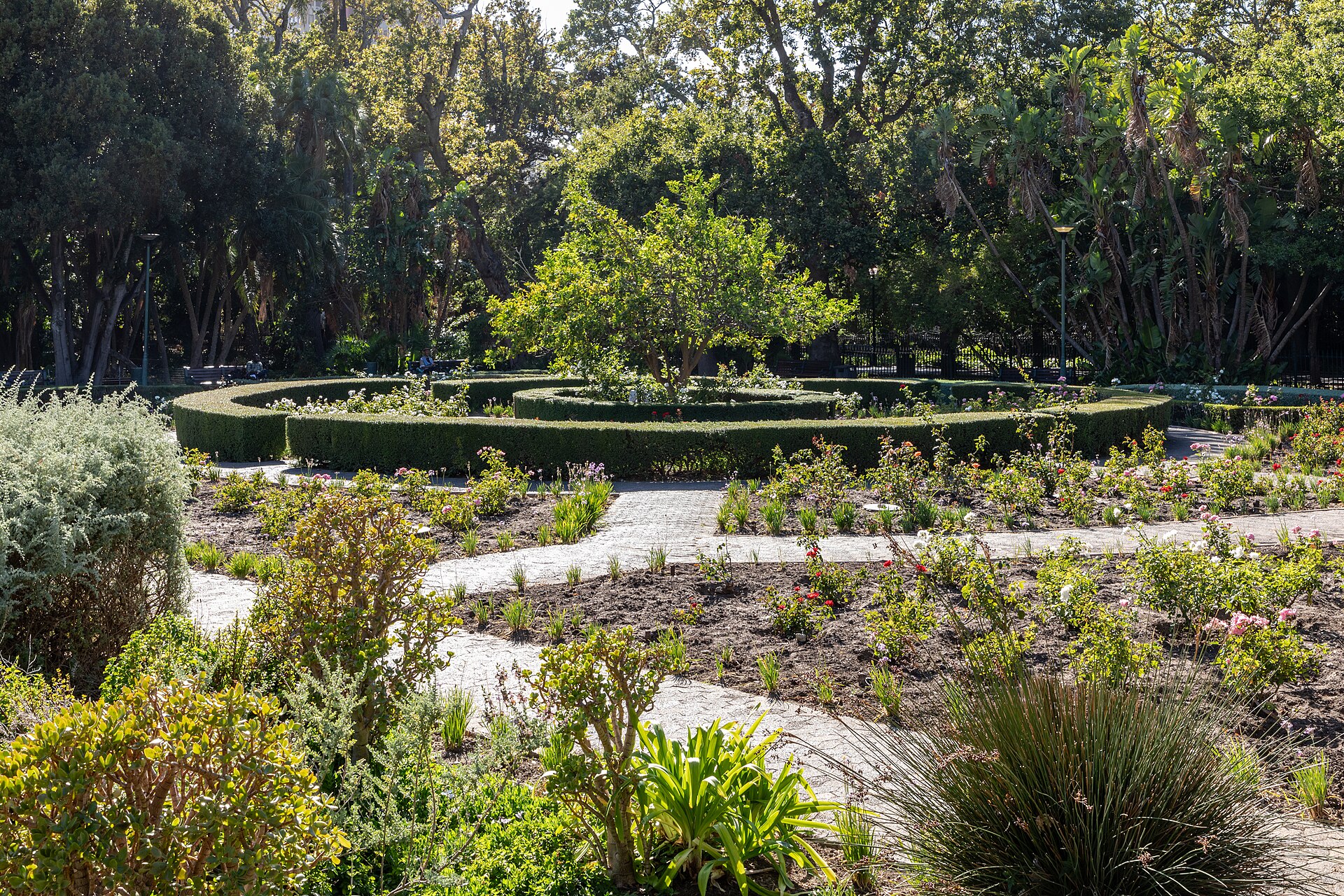
The Company's Garden is Cape Town's oldest green space — established in 1652 by Jan van Riebeeck as a vegetable garden to supply fresh produce to Dutch East India Company ships rounding the Cape, and now a formal garden in the centre of the city that is surrounded by the South African Parliament, the South African Museum, the National Gallery, and the South African Library. The garden's origin as a resupply station for colonial trade routes is the founding act of Cape Town itself — the city exists because ships needed vegetables. The garden contains mature oak trees, rose beds, a fish pond, and an avenue of camphor trees that were planted in the 17th century and are now among the oldest cultivated trees in South Africa. The South African Museum, on the garden's western edge, houses natural history and cultural collections that include San rock art, dinosaur fossils, and the Whale Well (a space containing suspended whale skeletons). The South African National Gallery, at the garden's southern end, has an excellent collection of South African art. The garden's location in the parliamentary precinct means it's surrounded by the institutions of South African democracy, and the walk from the garden through Government Avenue to the Mount Nelson Hotel (Cape Town's most storied colonial-era hotel, known as 'the Nellie') provides a compressed tour of the city's political and social history. The squirrels in the garden are tame enough to eat from visitors' hands, which is either charming or a pest-management failure depending on your perspective.
Constantia Winelands
Groot Constantia Road, Constantia, 7806, South Africa
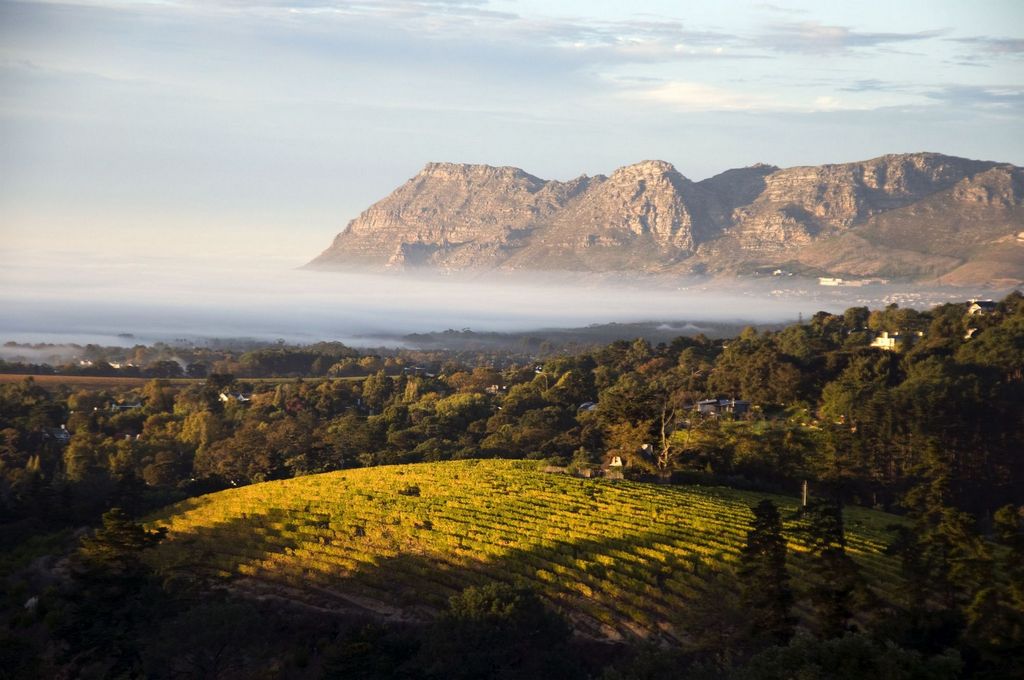
Constantia is the oldest wine-producing region in South Africa — a valley on the eastern slopes of Table Mountain where Simon van der Stel, the first governor of the Cape Colony, established Groot Constantia estate in 1685. The estate's dessert wine, Vin de Constance, was so famous in the 18th and 19th centuries that Napoleon had it shipped to his exile on St Helena, Jane Austen mentioned it in 'Sense and Sensibility,' and the estate's cellar — a Cape Dutch building with a gable designed by Anton Anreith — is one of the finest examples of Cape colonial architecture. The Constantia valley now contains several wine estates — Groot Constantia (the historic original), Klein Constantia (which revived the Vin de Constance in 1986), Buitenverwachting, and Steenberg — all within a few kilometres of each other and all offering tastings, cellar tours, and restaurants with views across the vineyards to the mountain. The wines are primarily Sauvignon Blanc, Chardonnay, and Bordeaux-style reds, and the quality is consistently high — Constantia's cool climate (moderated by the mountain and the nearby ocean) produces wines with an elegance that the hotter Stellenbosch and Franschhoek regions can't always match. The valley is a 20-minute drive from the city centre, making it the most accessible wine region in the world for a major city. Combining wine tasting at Groot Constantia (the history), Klein Constantia (the Vin de Constance), and lunch at Buitenverwachting (the restaurant) creates a half-day excursion that covers 350 years of South African wine history without leaving the Cape Town metropolitan area.
District Six Museum
25 Buitenkant Street, District Six, Cape Town, 7925, South Africa
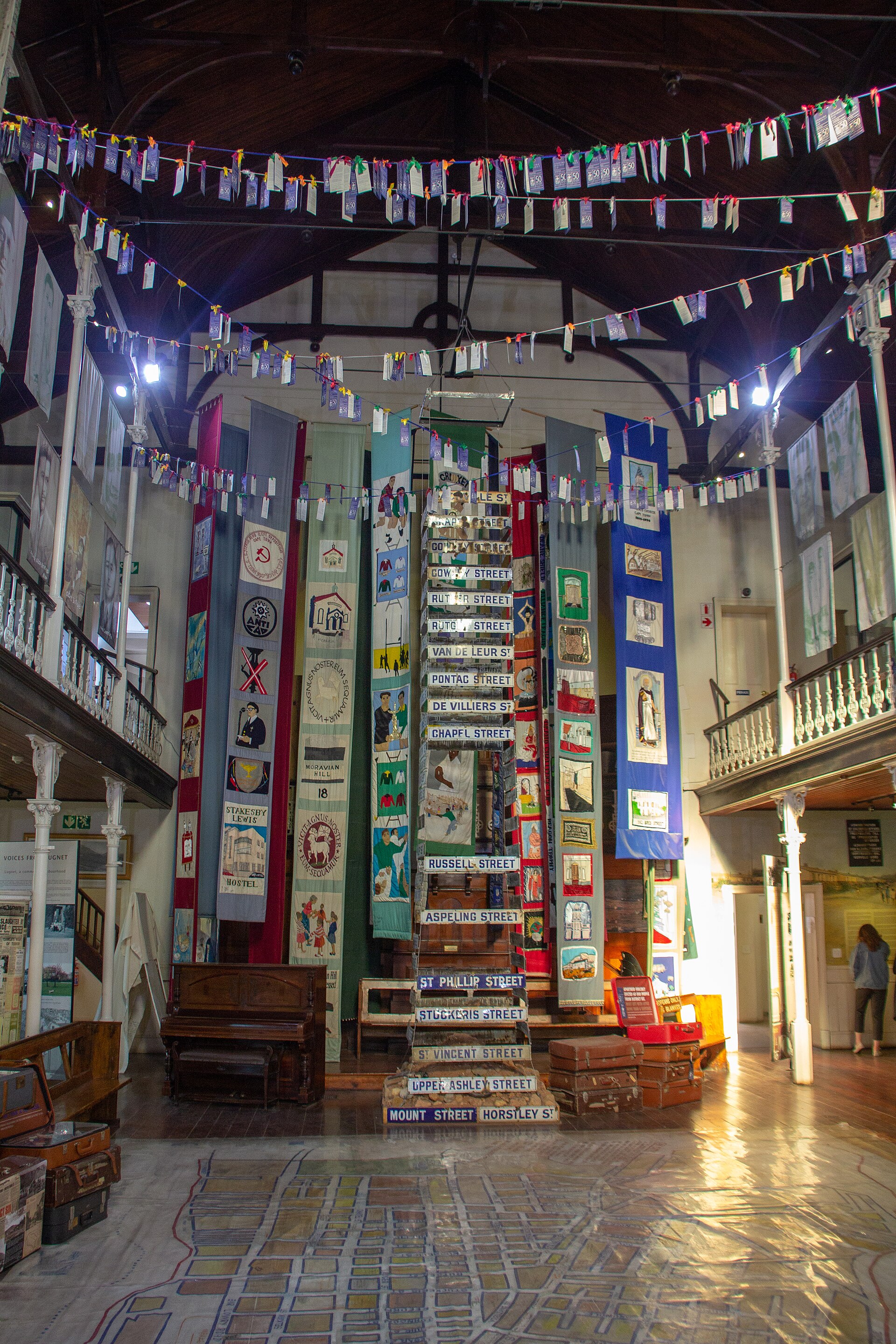
The District Six Museum tells the story of apartheid's most devastating urban act — the forced removal of over 60,000 people from their homes in District Six, a vibrant, multiracial inner-city neighbourhood that was declared a 'white area' under the Group Areas Act in 1966 and systematically bulldozed over the following decade. The museum, housed in the former Central Methodist Church that served as a refuge during the removals, preserves the memory of the community through photographs, personal testimonies, and a floor map of the old streets where former residents can mark where their homes once stood. The floor map is the museum's most powerful feature — a large-scale street plan of the pre-demolition neighbourhood painted on the floor, where visitors walk across the streets that no longer exist and former residents place handwritten signs marking their old addresses, shops, schools, and places of worship. The act of marking a spot on a map that represents a community that was physically erased is a form of testimony that no other museum has replicated. The empty land where District Six once stood — visible from the museum's windows, still largely undeveloped after 50 years — is itself a monument to the destruction. The South African government has been slowly returning land to former residents and their descendants, but the process is ongoing and the empty blocks remain one of Cape Town's most visible reminders of apartheid's legacy. The museum is essential viewing for understanding South Africa's history and its present.

Franschhoek (Day Trip)
Huguenot Road, Le Roux, Franschhoek, 7690, South Africa
Franschhoek is the food and wine capital of South Africa — a small valley town 75 minutes from Cape Town that was settled by French Huguenot refugees in the late 17th century and has evolved into the most concentrated fine-dining destination in the country. The Huguenot heritage is visible in the estate names (La Motte, L'Ormarins, Chamonix, Haute Cabrière), the architecture (Cape Dutch homesteads adapted from French provincial models), and the winemaking tradition that the French settlers brought to a valley the Dutch had already planted. The restaurant scene is extraordinary for a town of 16,000 people — La Colombe, Maison, and Reuben's consistently appear in South Africa's top-10 restaurant lists, and the concentration of quality within the valley makes Franschhoek the easiest place in the country to eat exceptionally well for several meals in a row. The wine tram — a hop-on hop-off service that connects eight tram stops covering 30+ wine estates — provides the most civilised wine-tasting experience in the Winelands, allowing visitors to sample multiple estates without driving. The Huguenot Memorial Museum at the town's eastern end documents the French settlers' flight from religious persecution, their arrival at the Cape, and their assimilation into the broader Cape Dutch community. The monument — three arches representing the Trinity, with a woman figure releasing a bird — and the surrounding rose gardens provide a contemplative bookend to a day that is otherwise dedicated to eating and drinking. The drive from Cape Town via the Helshoogte Pass, with views of the Simonsberg and Groot Drakenstein mountains, is one of the most scenic approaches to any wine region.
Greenmarket Square
Greenmarket Square, Cape Town City Centre
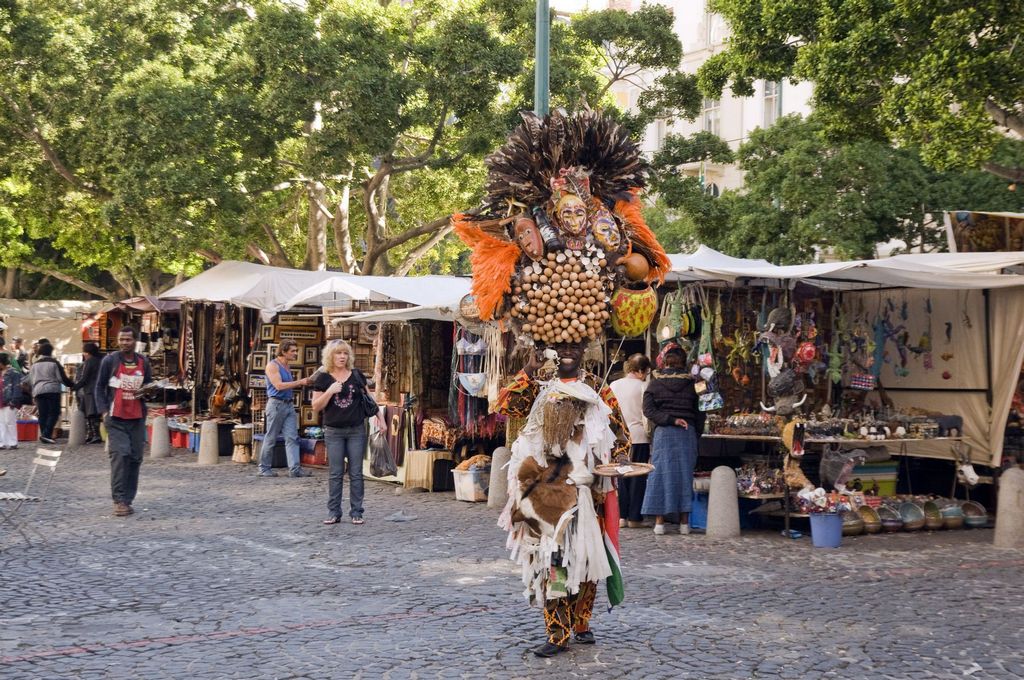
Greenmarket Square is Cape Town's oldest public square — a cobblestoned plaza in the city centre that has hosted a market since the 18th century and now operates as a daily open-air craft market where vendors from across Africa sell carved wood, beadwork, textiles, wire art, and the eclectic range of handmade goods that make South African craft markets some of the most diverse shopping experiences on the continent. The square is surrounded by some of Cape Town's finest colonial-era buildings — the Old Town House (1755), which served as the city's town hall until 1905 and now houses the Michaelis Collection of 17th-century Dutch and Flemish paintings, and the Art Deco Shell Building provide the architectural frame. The cafés along the square's edge serve South African coffee and the city's increasingly sophisticated food scene. The market vendors are predominantly from West and Central Africa — Senegalese, Congolese, Zimbabwean, and Mozambican traders who have brought their craft traditions to Cape Town and adapted them for the tourist market. The quality ranges widely (bargaining is expected and is part of the social transaction), but the best vendors produce work of genuine artistic quality — Shona stone sculptures from Zimbabwe, Zulu beadwork, West African masks, and the recycled-material art (wire sculptures, tin art) that has become a distinctively South African craft genre.
Groot Constantia Wine Estate
Groot Constantia Road, Constantia, 7806, South Africa
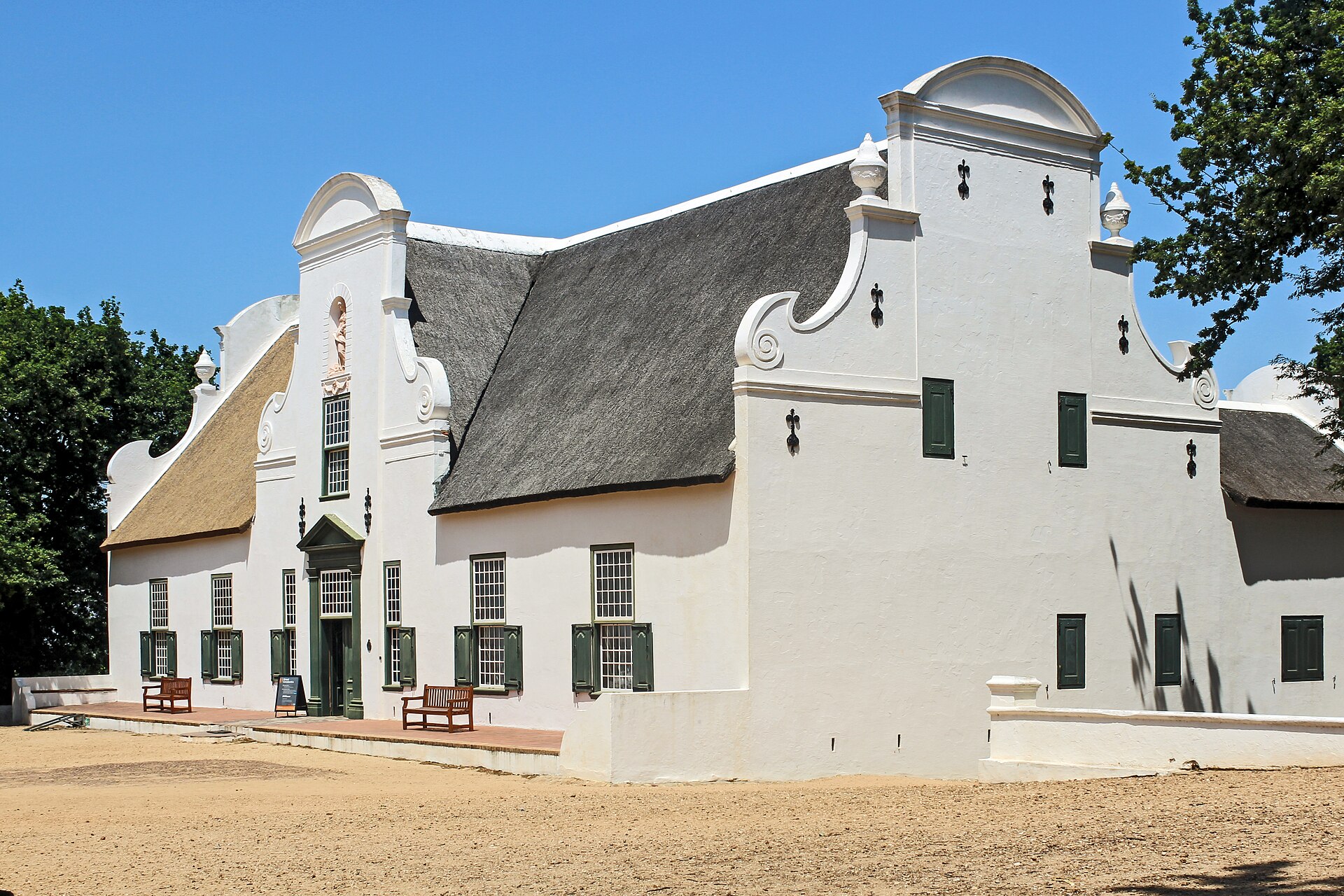
Groot Constantia is the oldest wine estate in South Africa — established in 1685 by Simon van der Stel, the first governor of the Cape Colony, and continuously producing wine for over 340 years. The estate's Cape Dutch homestead, with its ornate gable (decorated with a relief by Anton Anreith depicting a scene of fertility) and whitewashed walls, is one of the finest examples of Cape Dutch architecture and has been declared a national monument. The estate's historical fame rests on its dessert wine — the Vin de Constance, a naturally sweet wine from Muscat de Frontignan grapes that was the most expensive and sought-after wine in 18th and 19th century Europe. Napoleon ordered it shipped to his exile on St Helena, Frederick the Great of Prussia was a devoted customer, and Jane Austen recommended it in 'Sense and Sensibility' as a cure for a broken heart. The wine fell out of production in the late 19th century (due to phylloxera and changing tastes) but was revived by Klein Constantia in 1986. The estate today offers wine tastings (the Gouverneurs Reserve range is excellent), cellar tours, two restaurants (Jonkershuis serves Cape Malay-inspired cuisine in a historic building), and a museum in the original Cape Dutch manor house that documents the estate's history from the Dutch colonial period through British rule to the present. The oak-lined avenue approaching the estate, the mountain backdrop, and the manicured vineyards create a landscape that looks like a painting of colonial-era prosperity.
Hout Bay & Harbour
Hout Bay, South Africa
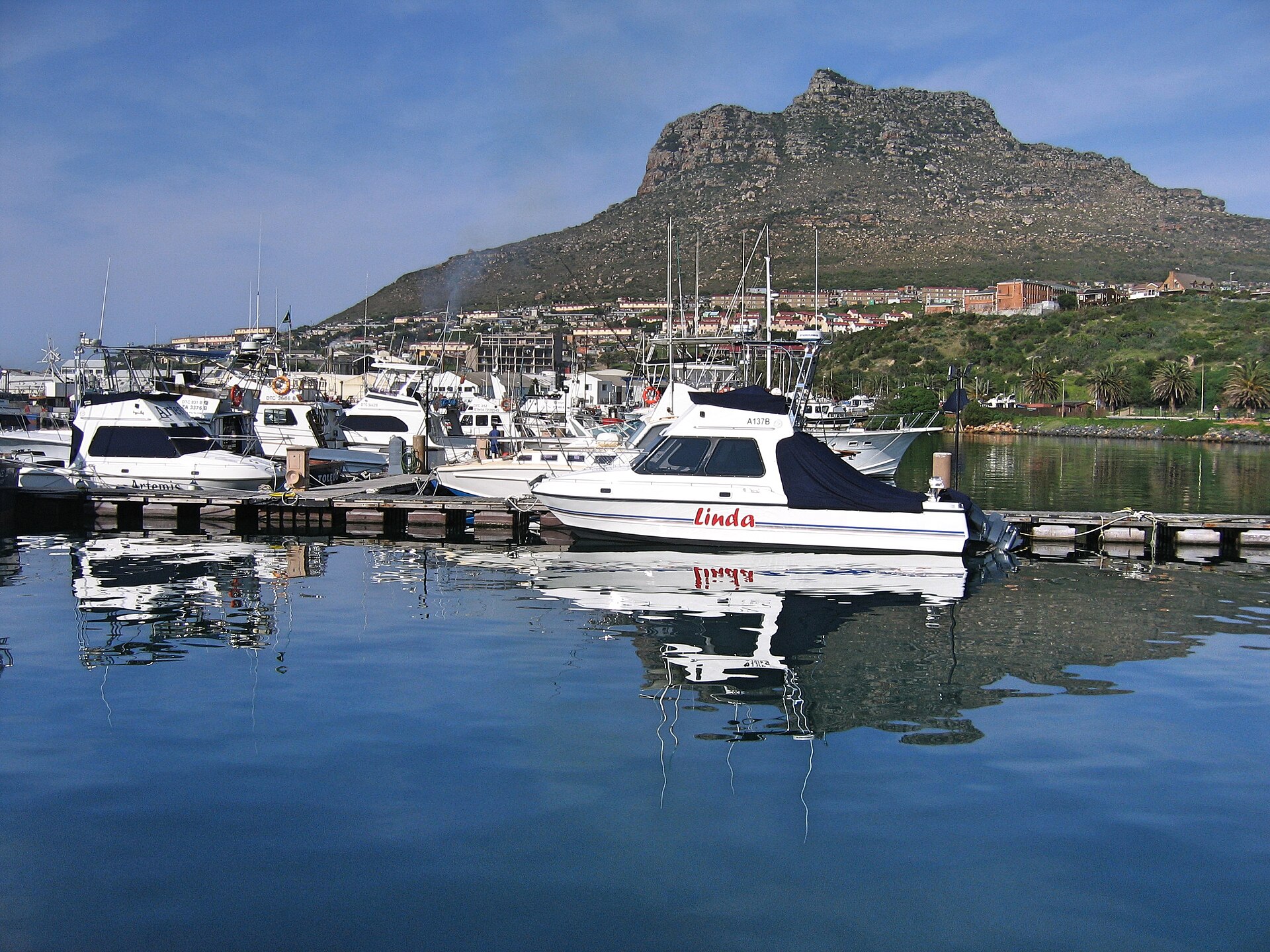
Hout Bay is a working fishing harbour in a dramatic mountain-ringed bay on the Atlantic coast — a village that feels separate from Cape Town despite being only 20 minutes from the city centre. The harbour, with its fleet of fishing boats, a fresh fish market, and the seals that lounge on the breakwater, provides the most authentic fishing-village experience on the Cape Peninsula. The Bay Harbour Market, operating every weekend in a converted warehouse on the harbour, has become one of Cape Town's best food markets — live music, craft stalls, and food vendors serving everything from fresh sushi to South African boerewors rolls in an atmosphere that is more community gathering than commercial event. Mariner's Wharf, the fish-and-chips restaurant on the harbour, has been serving fresh line fish since the 1970s and provides the simplest expression of the harbour's purpose: fish from the boats behind you, battered and fried, eaten overlooking the water. The bay is framed by the Sentinel (a 331-metre rock face that guards the entrance to the harbour), Chapman's Peak to the south, and the Hout Bay mountains behind. Boat trips to Duiker Island (a seal colony of over 5,000 Cape fur seals on a rock outcrop in the bay) depart from the harbour and provide close encounters with seals, seabirds, and the kelp forests that sustain the bay's marine ecosystem. The drive over Chapman's Peak from Hout Bay to Noordhoek is the natural continuation — one of the most spectacular coastal roads in the world.
Kalk Bay
Main Road, Kalk Bay, Fish Hoek, 7975, South Africa
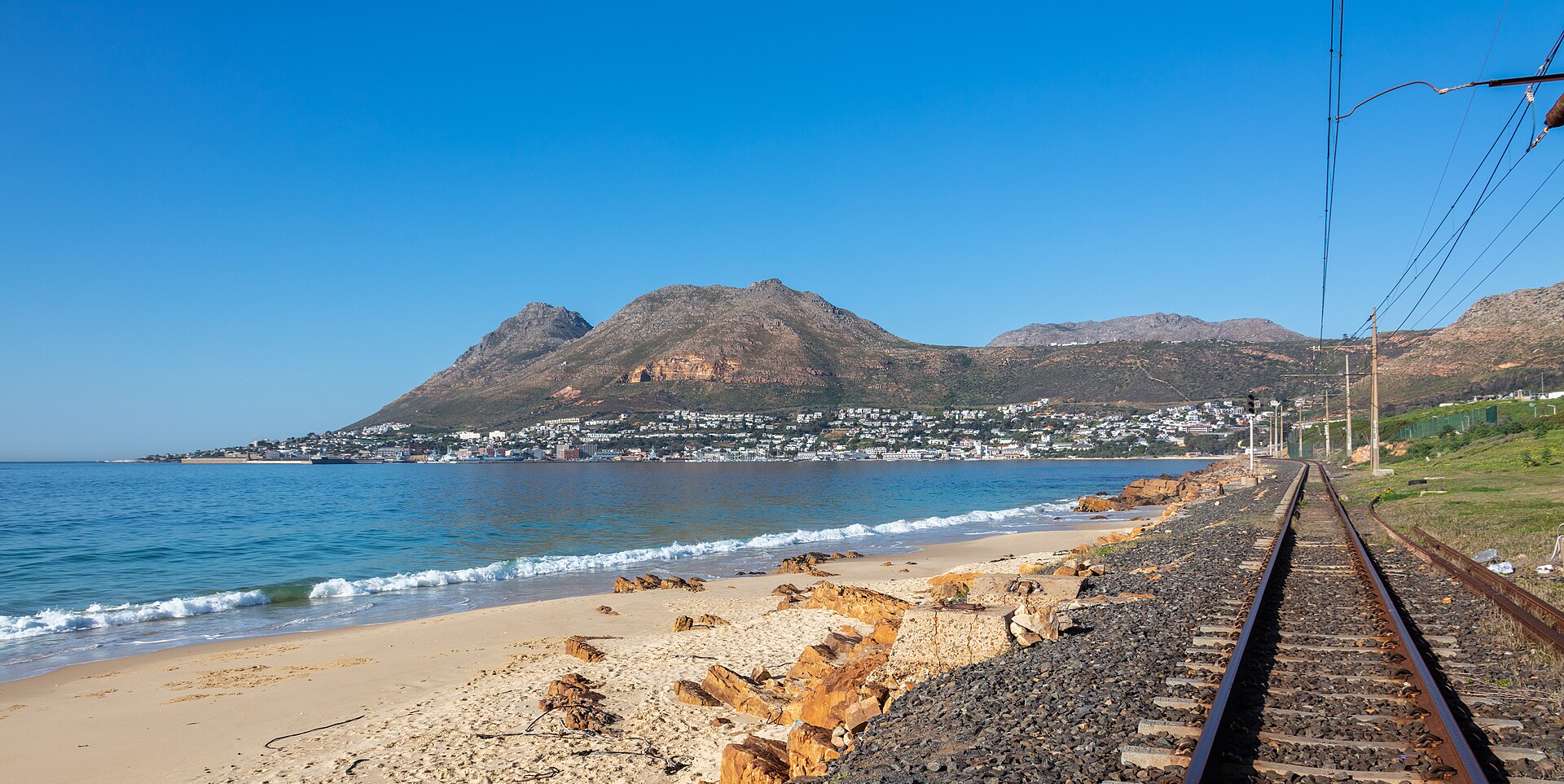
Kalk Bay is the most charming village on the Cape Peninsula — a fishing harbour and main street of antique shops, bookshops, cafés, and restaurants wedged between the mountain and False Bay that has evolved from a working fishing village into a creative community without losing the harbour that gives it character. The fishing boats still land their catch at the harbour every morning, and the quayside fish sales — where fishermen sell their catch directly from the boats to a queue of locals and restaurant buyers — are as authentic a food experience as Cape Town offers. Olympia Café, a single-room restaurant on Main Road that has been serving Mediterranean-influenced breakfasts and lunches since 1995, is consistently rated among the best cafés in Cape Town. The Brass Bell, a pub on the rocks beside the railway line (so close that the train passes within metres of your table), serves seafood and beer with views across False Bay that are the definition of casual. The antique shops along Main Road — cluttered, eclectic, and staffed by people who know their stock — contain the kind of vintage finds that the Woodstock shops sell at twice the price. The harbour's wave pool — a tidal pool carved into the rocks at the harbour's edge — is the most unusual swimming spot in Cape Town: a natural pool filled by wave action, heated by the sun on the surrounding rocks, and used by a daily community of swimmers who gather at dawn regardless of the weather. Kalk Bay is accessible by the Southern Line train, and the ride from central Cape Town along the coast — passing Muizenberg, St James, and the rocky shoreline of False Bay — is one of the most scenic commuter rail journeys in the world.
Kirstenbosch National Botanical Garden
Rhodes Drive, Rondebosch, Cape Town, 7700, South Africa
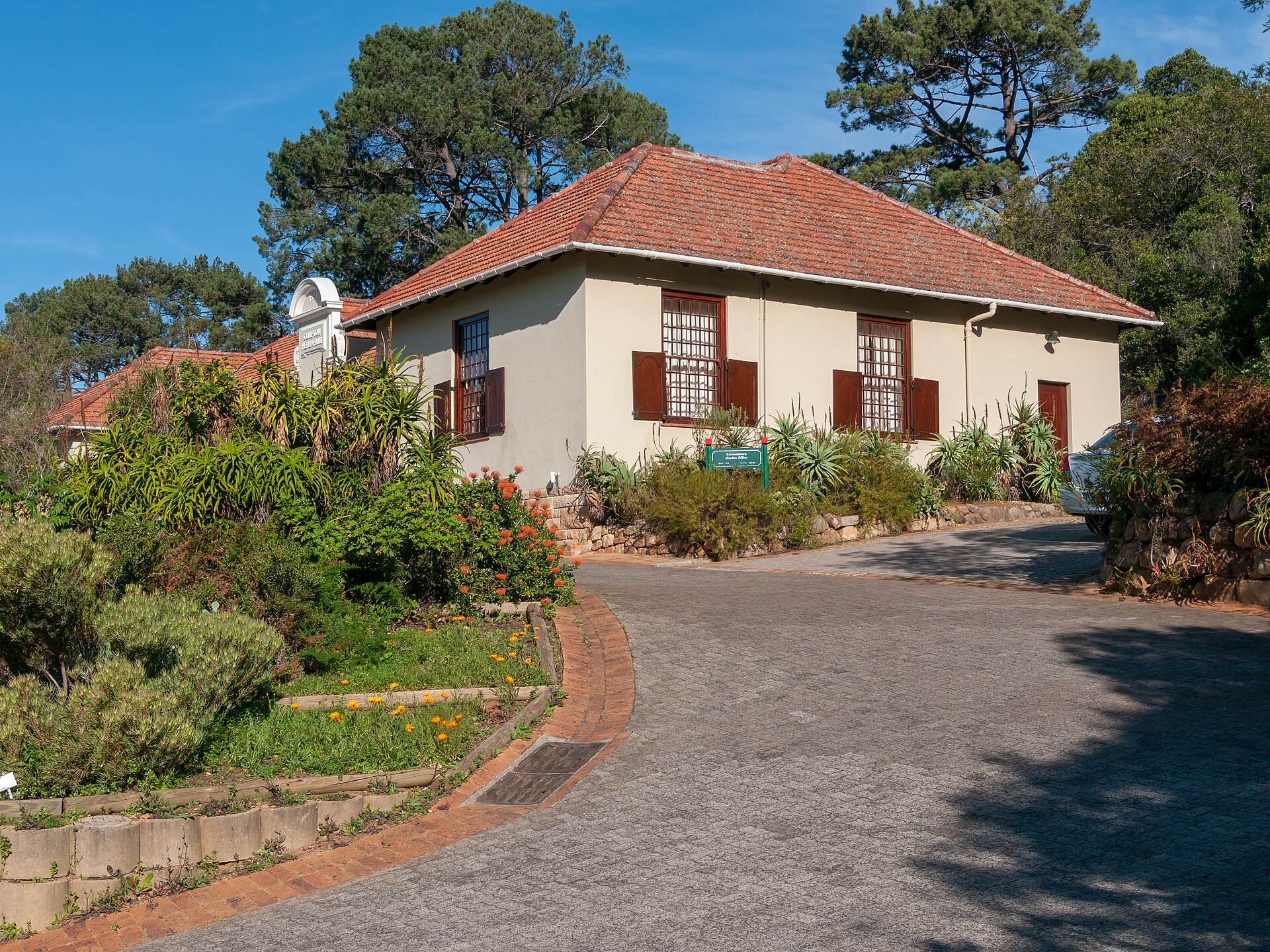
Kirstenbosch is one of the great botanical gardens of the world — 528 hectares on the eastern slopes of Table Mountain that are devoted exclusively to the indigenous flora of Southern Africa, making it the only botanical garden in the world to be set within a natural World Heritage Site. The garden was established in 1913 by botanist Harold Pearson on land bequeathed to the nation by Cecil Rhodes, and the combination of cultivated gardens, natural fynbos, and the mountain rising directly behind creates a setting that no amount of landscape design could improve. The Centenary Tree Canopy Walkway ('Boomslang') is a 130-metre steel-and-timber bridge that winds through and above the tree canopy, providing a snake-like elevated walk through the treetops with views of the garden below and the mountain above. The walkway — designed by Mark Thomas Architects and opened in 2014 — has become the garden's most popular feature, and the perspective of looking down into the canopy rather than up at it reveals the forest structure in a way that ground-level walking can't. The garden's speciality is the Cape Floral Kingdom — the smallest of the world's six floral kingdoms and the most biodiverse. The fynbos section, with its proteas, ericas, and restios, showcases plants that exist nowhere else on Earth. The summer sunset concerts (held on the main lawn on Sunday evenings from November through April) are one of Cape Town's most beloved traditions — bring a picnic blanket, a bottle of South African wine, and sit on the lawn as the sun sets behind Table Mountain while live music fills the garden.
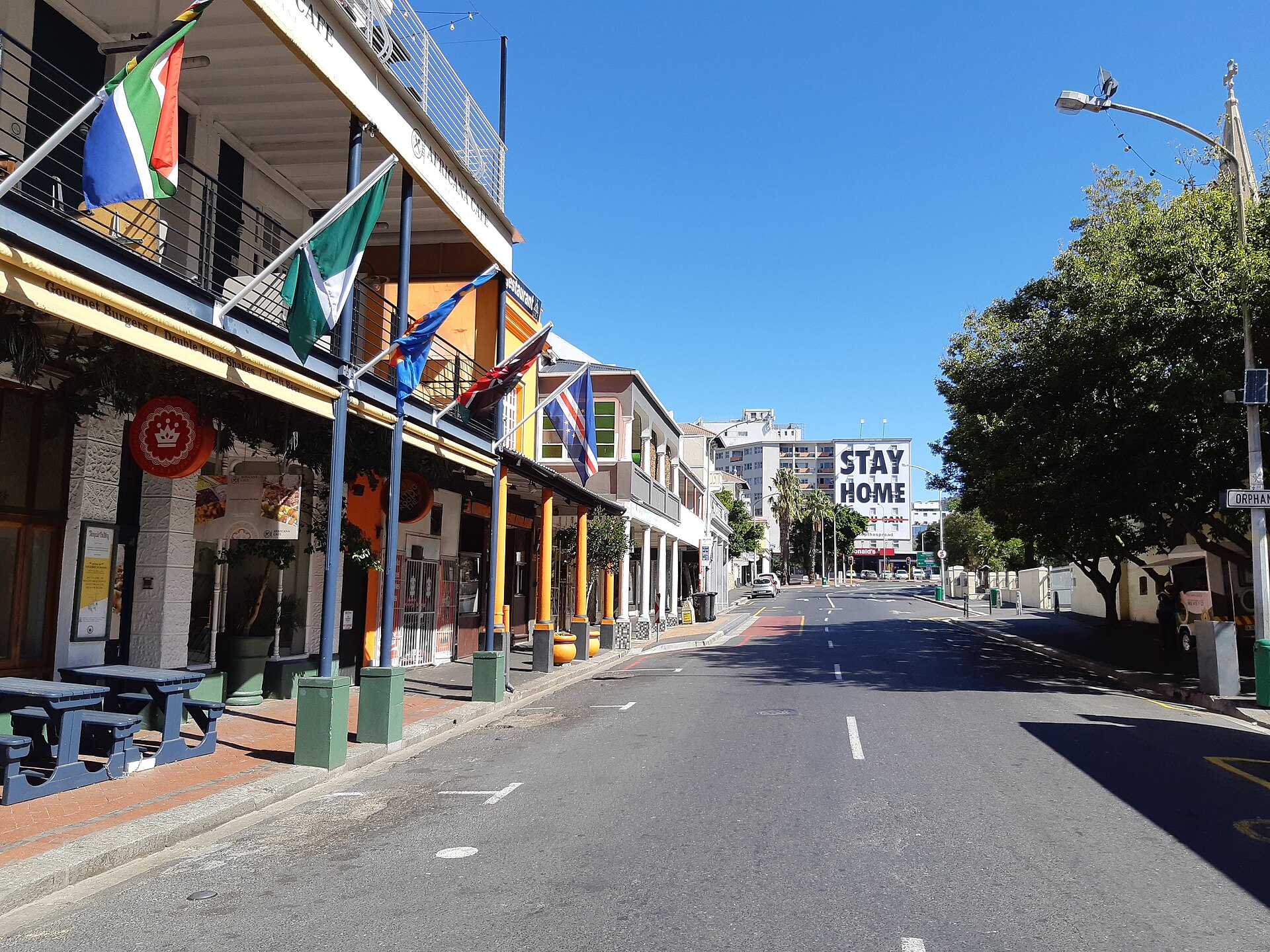
Long Street
Long Street, Cape Town City Centre, Cape Town, 8001, South Africa
Long Street is Cape Town's most famous thoroughfare — a kilometre-long strip of Victorian buildings with ornate cast-iron balconies that houses bars, backpacker hostels, vintage shops, and the nightlife that has made this street the default meeting point for Cape Town's after-dark scene since the 1990s. The architecture is Cape Town at its most decorative — wrought-iron lacework on building facades, pastel-painted Victorian shopfronts, and the kind of ornamental excess that the rest of the city's architecture rarely permits. The street's character shifts as you walk its length — from the formal, commercial end near Parliament at the south to the increasingly bohemian and nocturnal stretch toward Signal Hill at the north. The bookshops (Clarke's Bookshop, specialising in Africana, is an institution), the vintage clothing shops, and the cafés that spill onto the pavement create a daytime street life that is walkable and varied. At night, the bars and clubs take over, and the scene — loud, diverse, and operating on a schedule that extends well past midnight — is the most energetic in the city. Long Street's Victorian buildings are some of the best-preserved in the city centre, and the cast-iron balconies — imported from Britain in the 19th century and assembled on site — give the street a character that is simultaneously colonial and uniquely Cape Townian. The Pan African Market, in a converted Victorian building on Long Street, sells art, crafts, and textiles from across the continent and provides the most concentrated African shopping experience in the city centre.
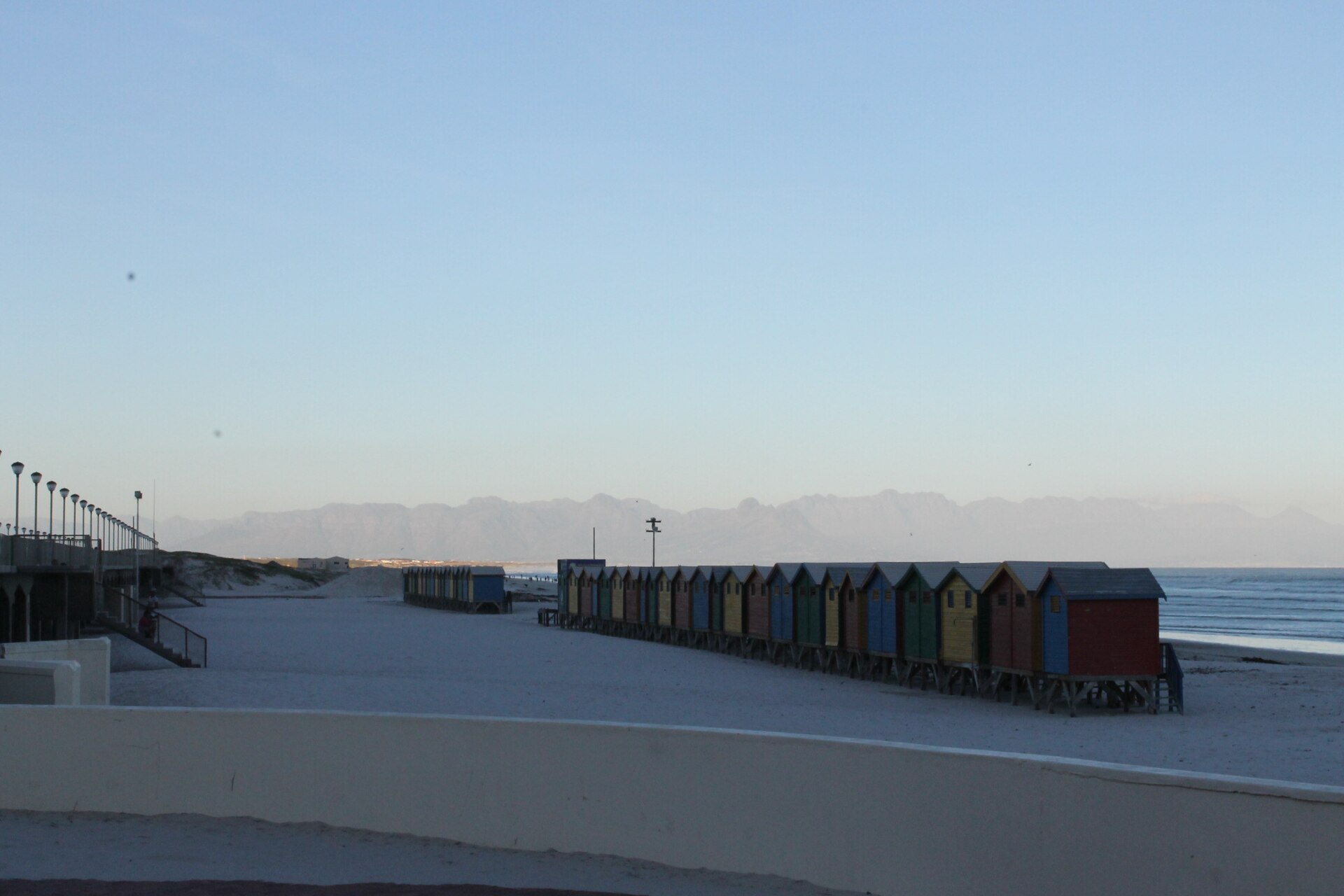
Muizenberg Beach & Surfer's Corner
Beach Road, Mouille Point, Cape Town, 8005, South Africa
Muizenberg is where South Africa learned to surf — a wide, sandy False Bay beach whose gentle waves, warm water (the False Bay side of Cape Town is 5-8°C warmer than the Atlantic side, thanks to the Agulhas Current), and colourful Victorian bathing boxes have made it the city's most popular beginner surf beach and one of the most photographed beaches in South Africa. The row of brightly painted bathing boxes (wooden changing huts dating to the Edwardian era) is Muizenberg's visual signature — a rainbow of primary colours against the white sand that has become the Instagram image of Cape Town's beach culture. The boxes are privately owned and not available for public use, but their photogenic quality draws a steady stream of tourists who photograph them from every angle. Surfer's Corner, the break at the beach's northern end, provides the most consistent beginner waves in Cape Town — long, slow, forgiving waves that break over sand and allow even first-time surfers to stand up (briefly, repeatedly, and with great enthusiasm). Surf schools line the beachfront, and the post-surf coffee culture at Muizenberg's beachfront cafés (Tiger's Milk, the Olive Station) has created a social scene that is the Indian Ocean equivalent of Bondi. The beach is accessible by train from central Cape Town (the Southern Line to Muizenberg station), making it one of the few surf beaches in the world reachable by public transport.
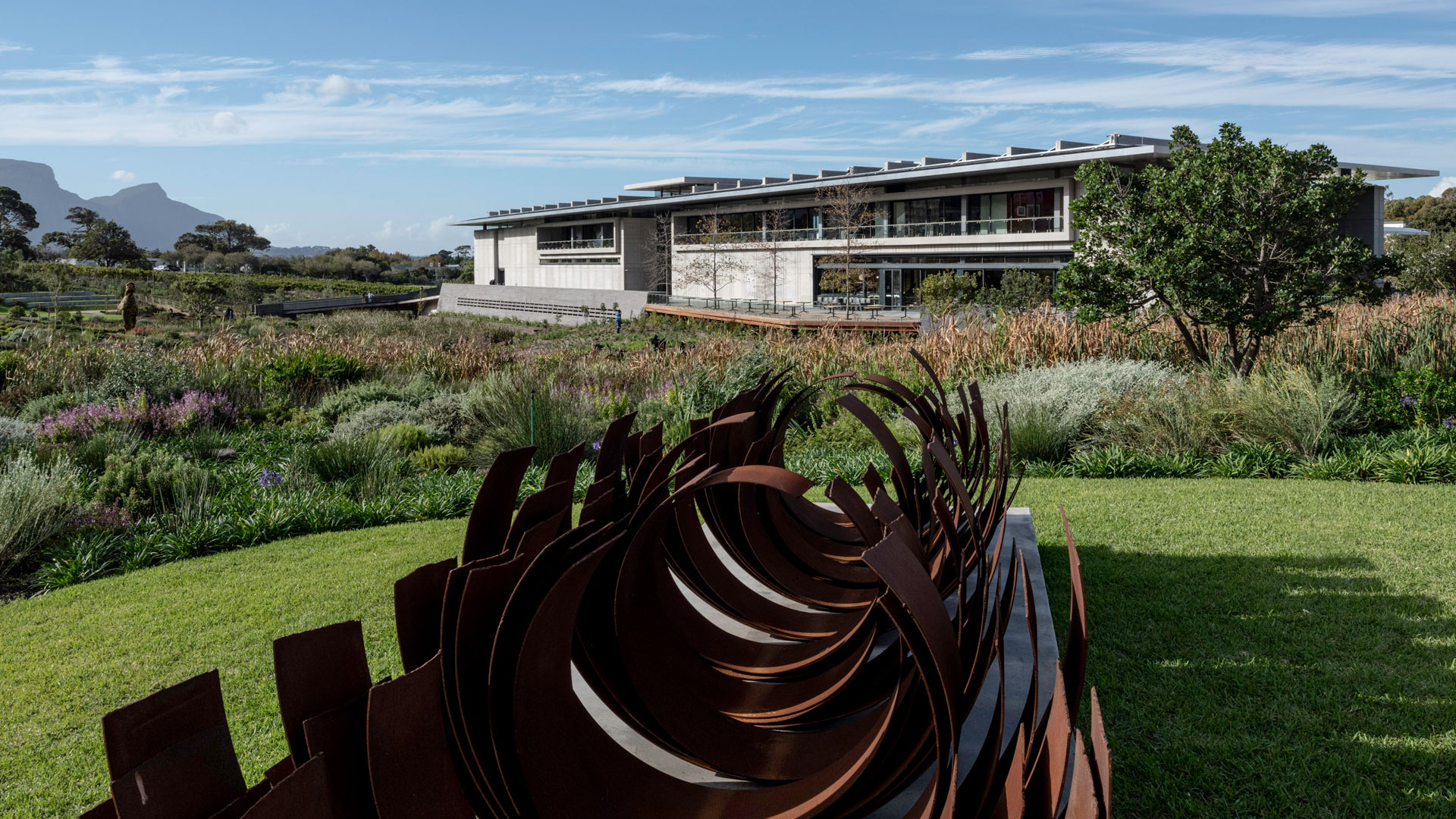
Norval Foundation
4 Steenberg Road, Steenberg, Cape Town, 7945, South Africa
The Norval Foundation is Cape Town's most important contemporary art museum outside Zeitz MOCAA — a purpose-built gallery in the Constantia/Tokai valley that houses the private collection of the Memory and Legacy Foundation alongside rotating exhibitions of contemporary African art. The building, designed by dhk Architects and opened in 2018, sits against the Constantiaberg mountain and uses rammed-earth walls, floor-to-ceiling glass, and the natural landscape to create gallery spaces that are as much about the setting as the art. The collection focuses on contemporary South African and African art — sculpture, painting, installation, and the mixed-media works that characterise the current moment in African contemporary art. The sculpture garden, with works by major South African artists displayed among indigenous fynbos and with Table Mountain visible above the treeline, is one of the most beautiful outdoor art displays in the country. The Skotnes Restaurant & Bar (named after Cecil Skotnes, a pioneering South African printmaker) occupies a terrace overlooking the sculpture garden and serves South African cuisine with Constantia wines — combining art viewing with wine-country dining in a single afternoon. The Norval's location in the Constantia valley, near Groot Constantia and Kirstenbosch, makes it part of a cultural and wine itinerary that covers three centuries of Cape creative production in a single day.
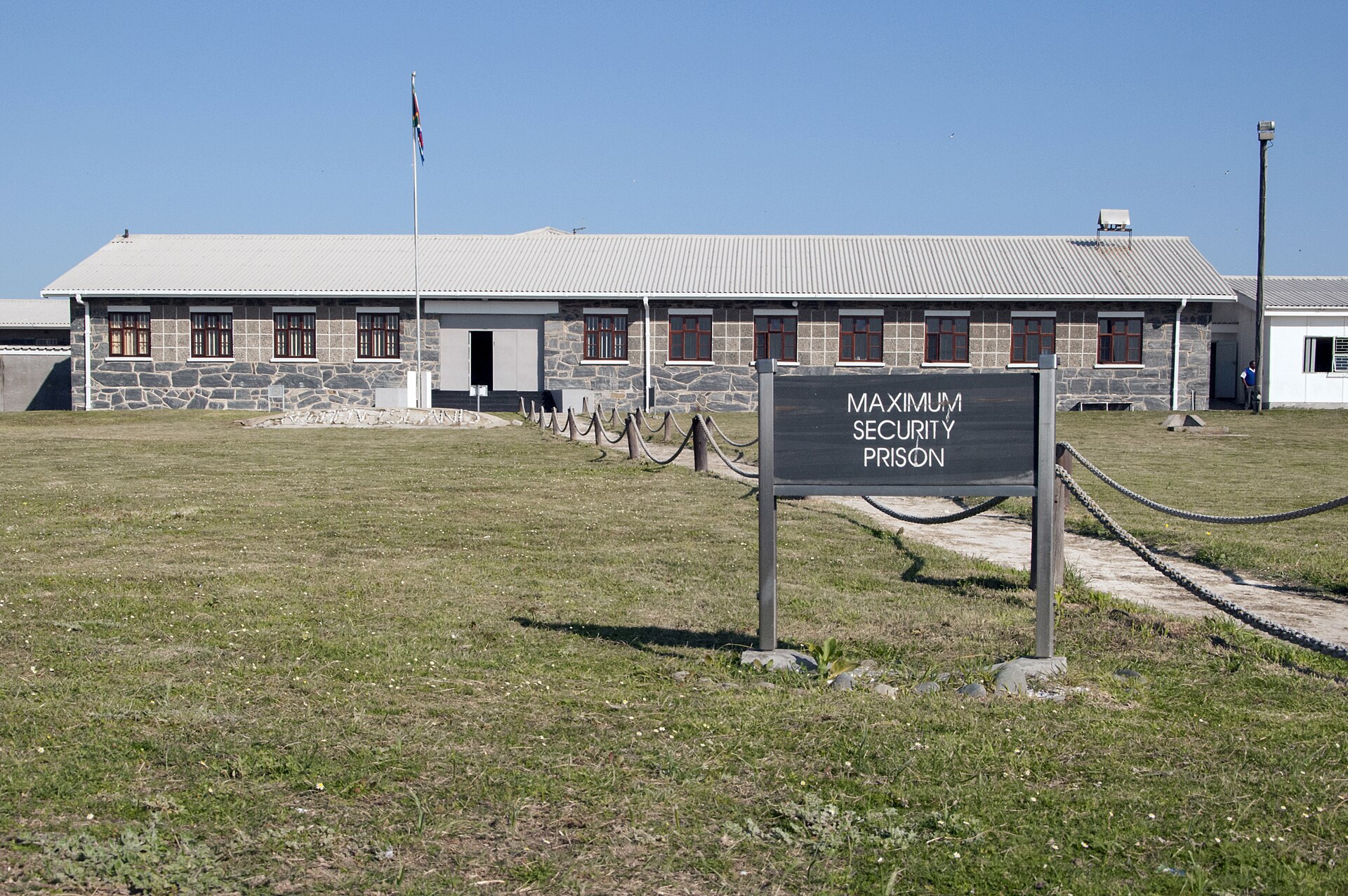
Robben Island
Cape Town, South Africa
Robben Island is where Nelson Mandela spent 18 of his 27 years in prison — a limestone island in Table Bay that served as a political prison during apartheid and is now a UNESCO World Heritage Site and museum where former political prisoners guide visitors through the cells, the quarry, and the spaces where South Africa's most important political leaders were incarcerated for opposing racial segregation. The tour includes the ferry crossing (about 30 minutes from the V&A Waterfront), a bus tour of the island covering the leper colony, the WWII gun emplacements, and the limestone quarry where prisoners including Mandela performed forced labour, and a walking tour of the maximum security prison led by a former political prisoner. Standing in Mandela's cell — a small concrete room with a sleeping mat, a bucket, and a barred window — and hearing a former prisoner describe daily life under apartheid is one of the most emotionally powerful museum experiences in the world. The island's history extends far beyond apartheid — it was used as a leper colony, a mental asylum, a military base, and a grazing ground for sheep at various points since the Dutch arrived in 1652. The juxtaposition of its dark history with its natural beauty (the island has a penguin colony, springbok, and wildflowers that bloom in spring) creates a tension that the museum doesn't resolve but instead holds open as a question about memory, justice, and the landscapes that absorb human suffering. Book tickets well in advance — ferries sell out days ahead, particularly in summer.
Robben Island Gateway (Nelson Mandela Gateway)
Nelson Mandela Boulevard, Cape Town City Centre, Cape Town, 8001, South Africa
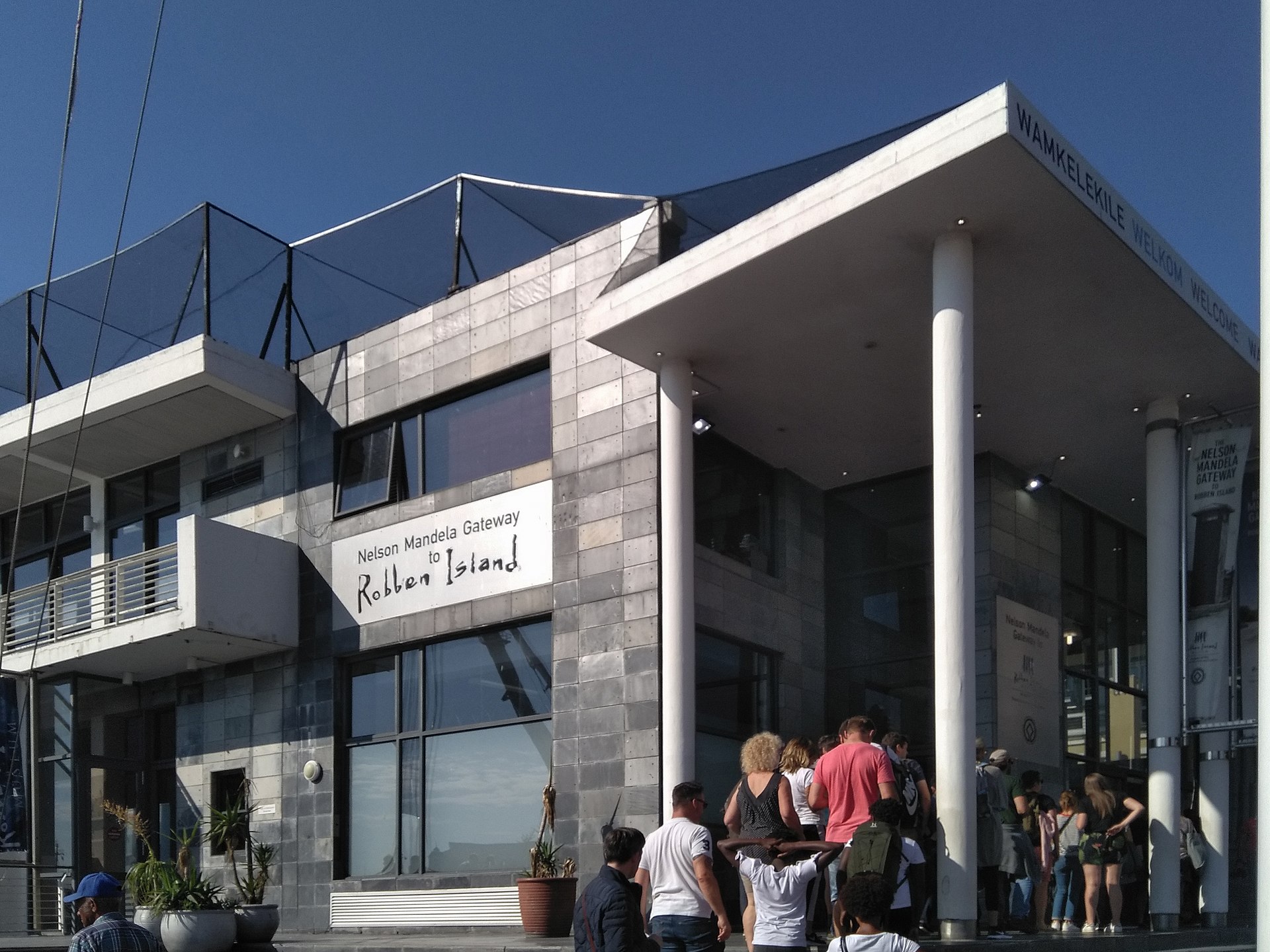
The Nelson Mandela Gateway is the departure point for Robben Island ferries and houses a museum and exhibition space that provides context for the island visit before you board the boat. The gateway building, at the Clock Tower precinct of the V&A Waterfront, contains exhibitions on the history of political imprisonment in South Africa, the anti-apartheid struggle, and the lives of the prisoners who were held on Robben Island from the 1960s to 1991. The exhibitions use photographs, documents, personal artifacts, and recorded testimonies to tell the story of apartheid from the perspective of those who were imprisoned for opposing it. The displays cover not just Mandela (who is the most famous prisoner but was one of thousands) but the broader community of political prisoners — ANC members, PAC activists, trade unionists, and ordinary citizens who were jailed for acts as minor as distributing leaflets or attending banned meetings. The gateway is free to enter even without a Robben Island ferry ticket, and the exhibitions provide essential context that makes the island visit more meaningful. The view from the gateway's terrace — across the harbour to Robben Island, visible as a flat line on the horizon — provides the visual connection between the city and the prison that apartheid's architects designed to be visible but unreachable. Booking ferry tickets well in advance (at least a week in summer) is essential, as tours frequently sell out.
Sea Point Promenade
Beach Road, Mouille Point, Cape Town, 8005, South Africa
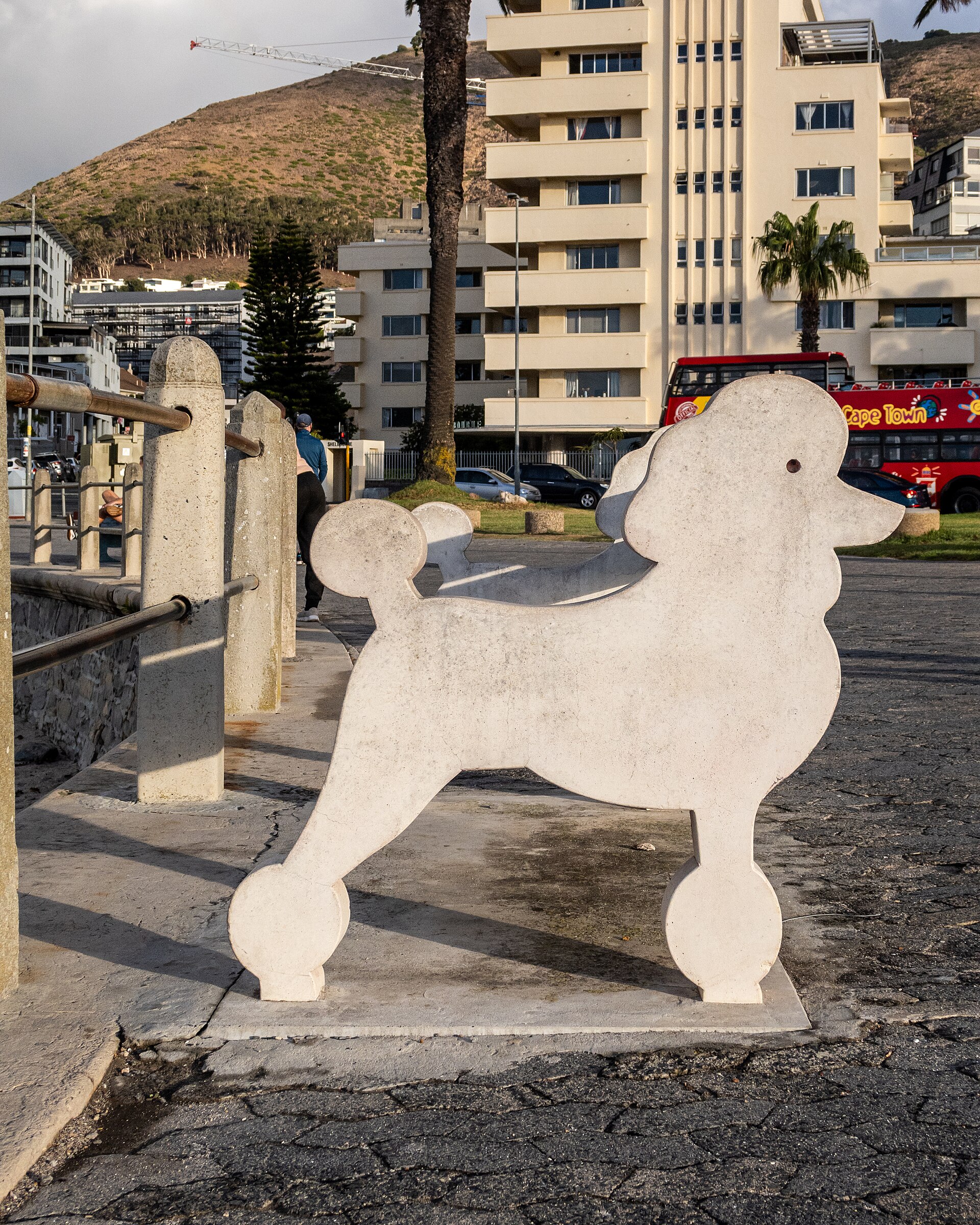
The Sea Point Promenade is Cape Town's most democratic public space — a 5-kilometre oceanfront walkway along the Atlantic seaboard that connects the V&A Waterfront to Bantry Bay and is used daily by joggers, walkers, cyclists, dog-walkers, and the cross-section of Cape Town society that uses the promenade as an outdoor living room. The path is flat, well-lit, and free, making it the most accessible outdoor exercise facility in the city. The promenade passes the Sea Point Pavilion (a public swimming pool complex built in the 1960s on the rocks above the ocean), a series of outdoor exercise stations, children's playgrounds, and the stretch of seafront where the ice cream vendors, açaí bowl stands, and coffee carts that fuel Cape Town's fitness culture set up from dawn. The sunset from the promenade — looking west across the Atlantic with Lion's Head and Signal Hill silhouetted against the sky — is the daily free show that Sea Point residents consider their constitutional right. The ocean alongside the promenade is too cold and rough for swimming (the Atlantic coast water is 10-14°C), but the tidal pools at Graaff's Pool and the Milton Pool provide sheltered sea swimming for the brave. The art installations along the promenade (including a series of sculptures and the rainbow-painted concrete benches) add visual interest to a walk that would be rewarding based on the ocean views alone. The promenade is busiest at sunrise and sunset, when the running and walking crowd creates a social atmosphere that is the healthiest version of Cape Town.
Signal Hill & Lion's Head
Signal Hill Drive, Signal Hill, Cape Town, 8001, South Africa
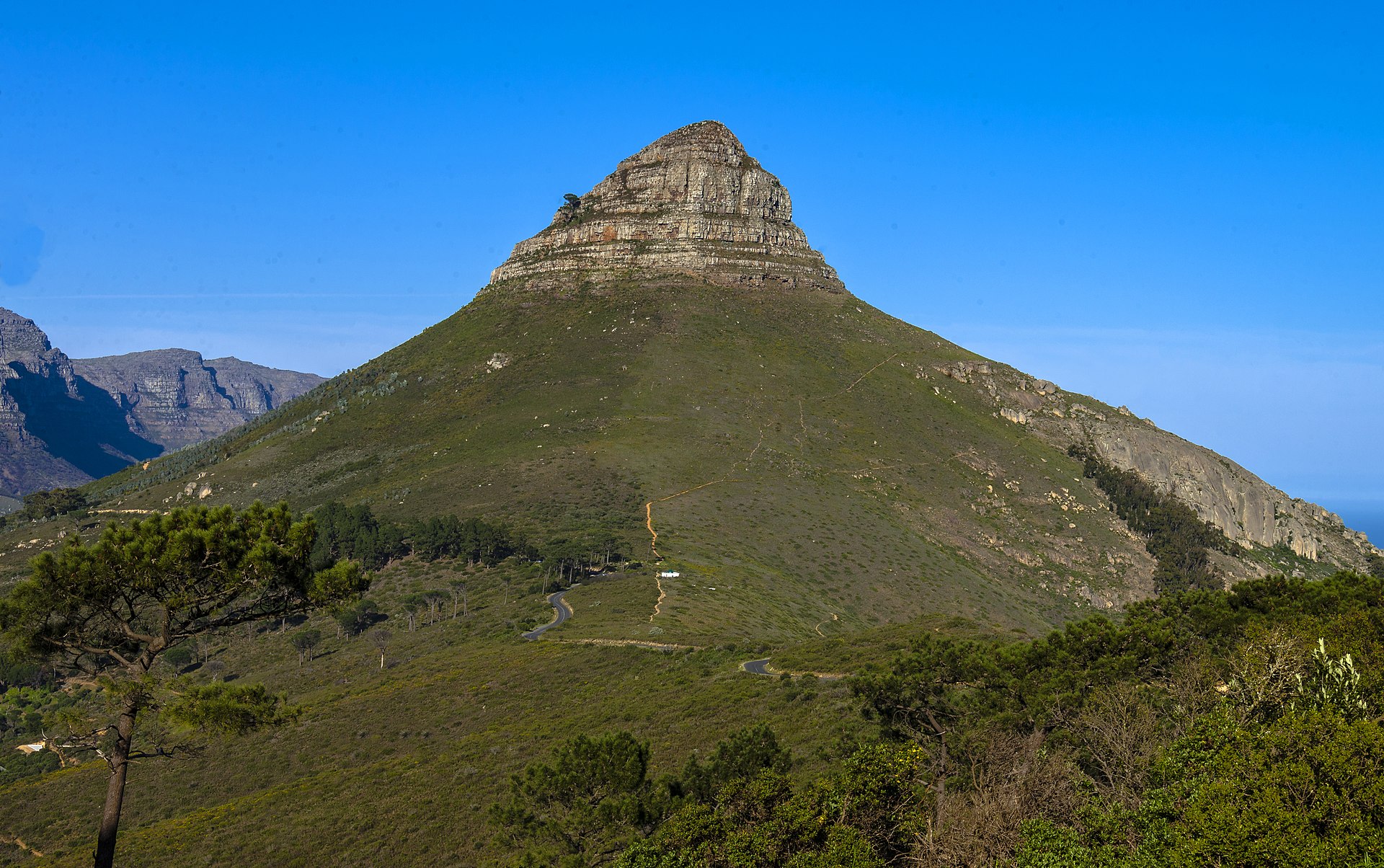
Signal Hill is Cape Town's sunset mountain — a 350-metre promontory between Table Mountain and the sea that provides the most accessible elevated view of the city and is the default destination for the evening crowd that arrives with picnic blankets, wine, and the intention of watching the sun drop into the Atlantic from 350 metres above sea level. The summit of Signal Hill is accessible by car (a road winds to a parking area near the top), which makes it the only elevated viewpoint in Cape Town that doesn't require hiking or a cable car. The Noon Gun, a cannon fired from Signal Hill at exactly noon every day (except Sundays and public holidays) since 1806, is one of the oldest daily traditions in the city — the gun was originally used to allow ships in the harbour to set their chronometers, and the boom reverberating across the city bowl remains a daily punctuation mark that Capetonians set their lives by. Lion's Head, the conical peak between Signal Hill and Table Mountain, is the city's most popular sunset hike — a 2.5-hour round trip that involves scrambling over rocks and climbing metal ladders near the summit, rewarding the effort with a 360-degree panorama that includes Table Mountain, the Atlantic coast, the city bowl, and the Cape Flats stretching east to the Hottentots Holland mountains. Full-moon hikes up Lion's Head, when hundreds of hikers climb by headlamp and moonlight, are one of Cape Town's most distinctive outdoor traditions.
Stellenbosch (Day Trip)
Dorp Street, Stellenbosch Central, Stellenbosch, 7600, South Africa
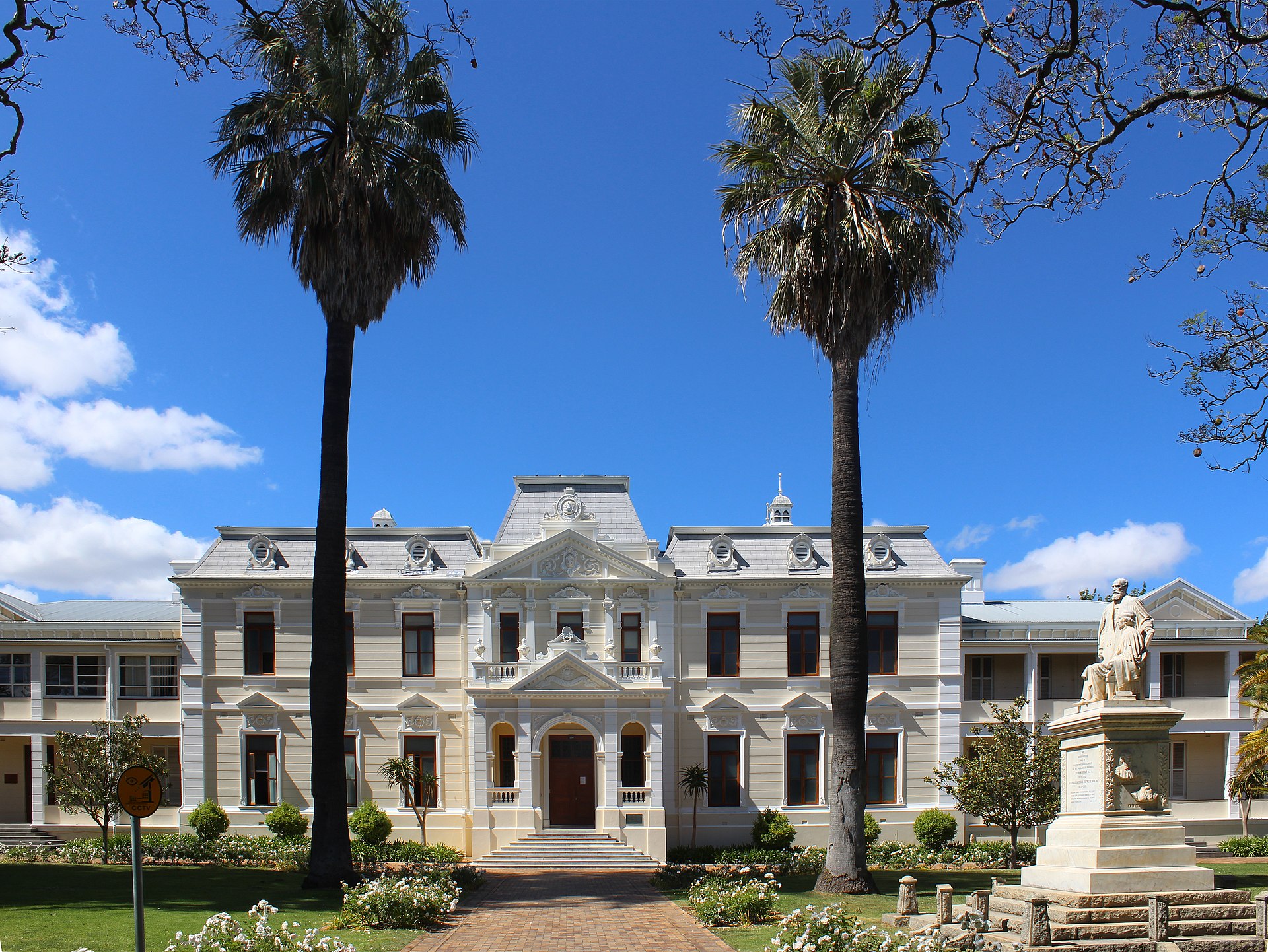
Stellenbosch is the most beautiful wine town in South Africa — the second-oldest European settlement in the country (founded 1679, five years after Cape Town), with a perfectly preserved historic centre of Cape Dutch, Georgian, and Victorian buildings shaded by 300-year-old oak trees that line the streets in a canopy so complete it feels like walking through a green tunnel. The wine region surrounding Stellenbosch is the most prestigious in South Africa — over 200 wine estates producing Cabernet Sauvignon, Pinotage (South Africa's indigenous red grape, a cross of Pinot Noir and Cinsaut created in 1925 at Stellenbosch University), Chenin Blanc, and the Bordeaux-style blends that have established the Cape Winelands as a serious wine-producing region. The estates range from historic (Lanzerac, Vergelegen, Rust en Vrede) to contemporary (Waterford, Tokara), and most offer tastings, cellar tours, and restaurants with vineyard views. Dorp Street, Stellenbosch's oldest commercial street, is a living museum of Cape architecture — the Oom Samie se Winkel (Uncle Samie's Shop, operating since 1791), the Stellenbosch Village Museum (four period houses spanning 1709-1929), and the church and university buildings that give the town its academic character. The Stellenbosch University campus, with its mixture of Cape Dutch and modernist buildings, adds a student energy that keeps the town from becoming a preserved museum. Stellenbosch is 50 minutes from Cape Town by car and accessible by Metrorail, making it the most practical wine day trip from the city.
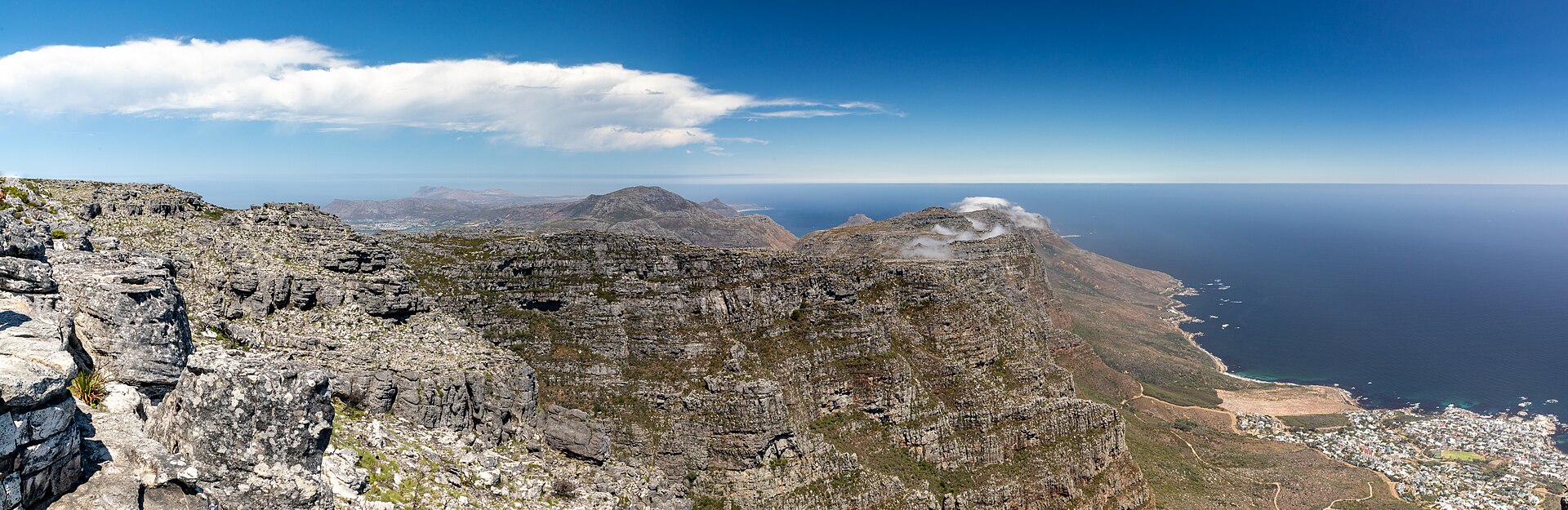
Table Mountain
Table Mountain (Nature Reserve), Cape Town, South Africa
Table Mountain is the most recognisable natural landmark in Africa — a 1,085-metre flat-topped sandstone massif that rises vertically from the city below and provides a panoramic view of Cape Town, the Atlantic and Indian Ocean coastlines, and the Cape Peninsula stretching south toward the Cape of Good Hope. The mountain is one of the oldest mountains on Earth — the sandstone was deposited 600 million years ago, and the flat summit plateau has been eroding at its current elevation for over 6 million years. The Aerial Cableway, operating since 1929, carries visitors to the summit in rotating cable cars that give a 360-degree view during the five-minute ascent. The summit plateau is surprisingly large — about 3 kilometres from end to end — and the walks across the top pass through fynbos vegetation (the Cape's unique shrubland, with more plant species per square metre than any other ecosystem on Earth) with views that shift from the city bowl on the north face to the Twelve Apostles and Atlantic seaboard on the west. Hiking up Table Mountain is the alternative — Platteklip Gorge, the most direct route, takes about 2 hours and involves steep stone steps carved into the cliff face. The mountain's famous 'tablecloth' — the cloud that rolls over the summit when the southeaster wind blows — can engulf the top within minutes, dropping visibility to zero and temperature by 10 degrees, which makes carrying warm layers essential regardless of the weather at sea level. The mountain is a UNESCO World Heritage Site and one of the New 7 Wonders of Nature, and no visit to Cape Town is complete without seeing the city from above.
Two Oceans Aquarium
Dock Road, Cape Town City Centre, Cape Town, 8001, South Africa
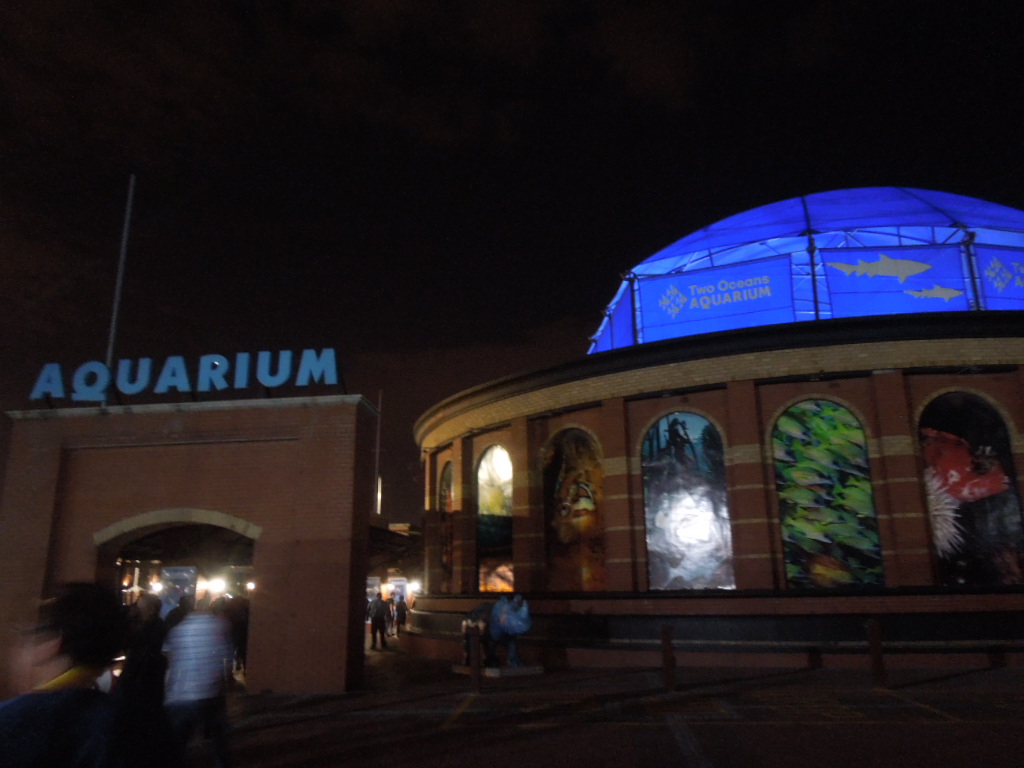
The Two Oceans Aquarium is one of the best aquariums in the Southern Hemisphere — named for the two oceans (Atlantic and Indian) whose marine ecosystems converge at the Cape and whose species fill the aquarium's exhibits with a diversity of marine life that reflects the Cape's position as one of the world's most biodiverse marine environments. The I&J Ocean Exhibit — a massive predator tank containing ragged-tooth sharks, short-tail stingrays, and giant sea turtles — is the centrepiece, and the underwater tunnel that passes through the tank puts you face-to-face with animals that the rocky Cape coastline usually keeps at a distance. The kelp forest exhibit recreates the towering underwater forests that line the Cape's cold Atlantic coast — an ecosystem as productive as a tropical rainforest and home to over 800 species that live nowhere else on Earth. The aquarium's location at the V&A Waterfront makes it a natural stop on any waterfront visit, and the rooftop exhibit — an open-air pool with a backdrop of Table Mountain — provides one of the more unusual marine viewing experiences in any aquarium. The conservation programmes (turtle rehabilitation, African penguin rescue, shark research) give the institution scientific credibility that extends beyond entertainment, and the education centre hosts school groups from across the Western Cape.
V&A Waterfront
Waterfront Road, Tyger Valley, Bellville, 7530, South Africa
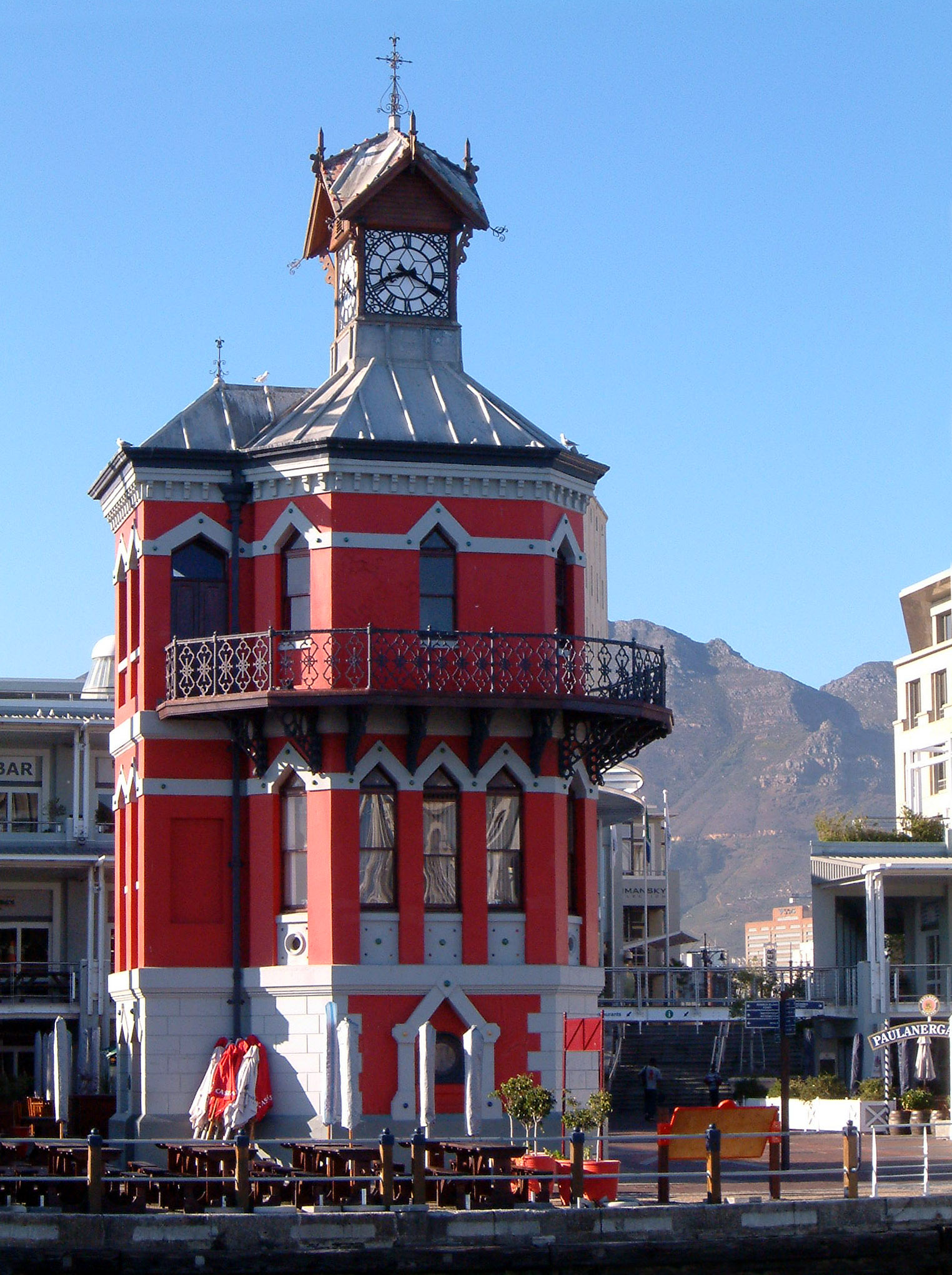
The V&A Waterfront is Cape Town's most visited attraction — a mixed-use harbour development built around the historic Victoria and Alfred docks that combines shopping, dining, museums, and the working harbour in a precinct that draws 24 million visitors a year. The development, which began in 1990 just as apartheid was ending, has become a model for harbour regeneration projects worldwide and is the departure point for Robben Island ferries. The waterfront is anchored by the Zeitz Museum of Contemporary Art Africa (MOCAA), housed in a converted grain silo that is one of the most remarkable adaptive-reuse buildings of the 21st century. The shopping and restaurant scene is extensive — over 450 retail outlets and 80 restaurants serving everything from Cape Malay bobotie to Japanese sushi — and the harbour itself, where fishing boats, yachts, and commercial vessels share the basin, provides the working-port authenticity that purely commercial developments lack. The views from the waterfront — Table Mountain rising directly behind the harbour, the Twelve Apostles visible to the west, Robben Island across the bay — provide the backdrop that makes this one of the most spectacularly sited urban waterfronts in the world. The Two Oceans Aquarium, the Watershed (a craft market in a converted warehouse), and the Cape Wheel observation wheel add family-friendly attractions. The waterfront is safe, well-maintained, and walkable — qualities that, in a city where safety concerns affect tourist movement, make it the default destination for visitors who want to be outdoors without worry.
Woodstock & The Old Biscuit Mill
373 Albert Road, Woodstock, Cape Town, 7925, South Africa
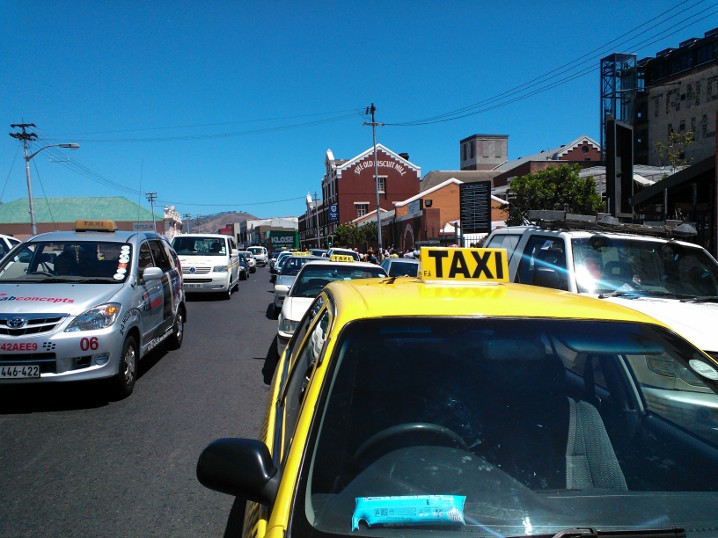
Woodstock is Cape Town's most dynamic neighbourhood — a former industrial district east of the city centre where converted factories, street art, craft breweries, and the Saturday Neighbourgoods Market at the Old Biscuit Mill have created a food and creative scene that is the most exciting in the city. The neighbourhood's transformation from working-class industrial to creative-class bohemian has happened rapidly and controversially — longtime residents face rising rents, and the gentrification debate is live and unresolved. The Old Biscuit Mill, a converted Victorian biscuit factory, is the neighbourhood's anchor — a compound of restaurants, design studios, and artisan food producers that hosts the Neighbourgoods Market every Saturday. The market brings together Cape Town's best food vendors under one roof — from traditional boerewors rolls to artisanal cheese, Cape Malay curries, wood-fired pizza, Ethiopian injera, and the craft beer and local wine that Cape Town's food culture demands. The quality is consistently high, and the atmosphere — a converted factory courtyard packed with food lovers, live music, and the general energy of a city that takes Saturday morning eating seriously — is one of Cape Town's best. The streets around the Biscuit Mill contain some of Cape Town's most impressive street art — large-scale murals by local and international artists covering building facades along Albert Road and the surrounding side streets. The art is constantly changing, and walking the neighbourhood is as much a gallery experience as a food one.
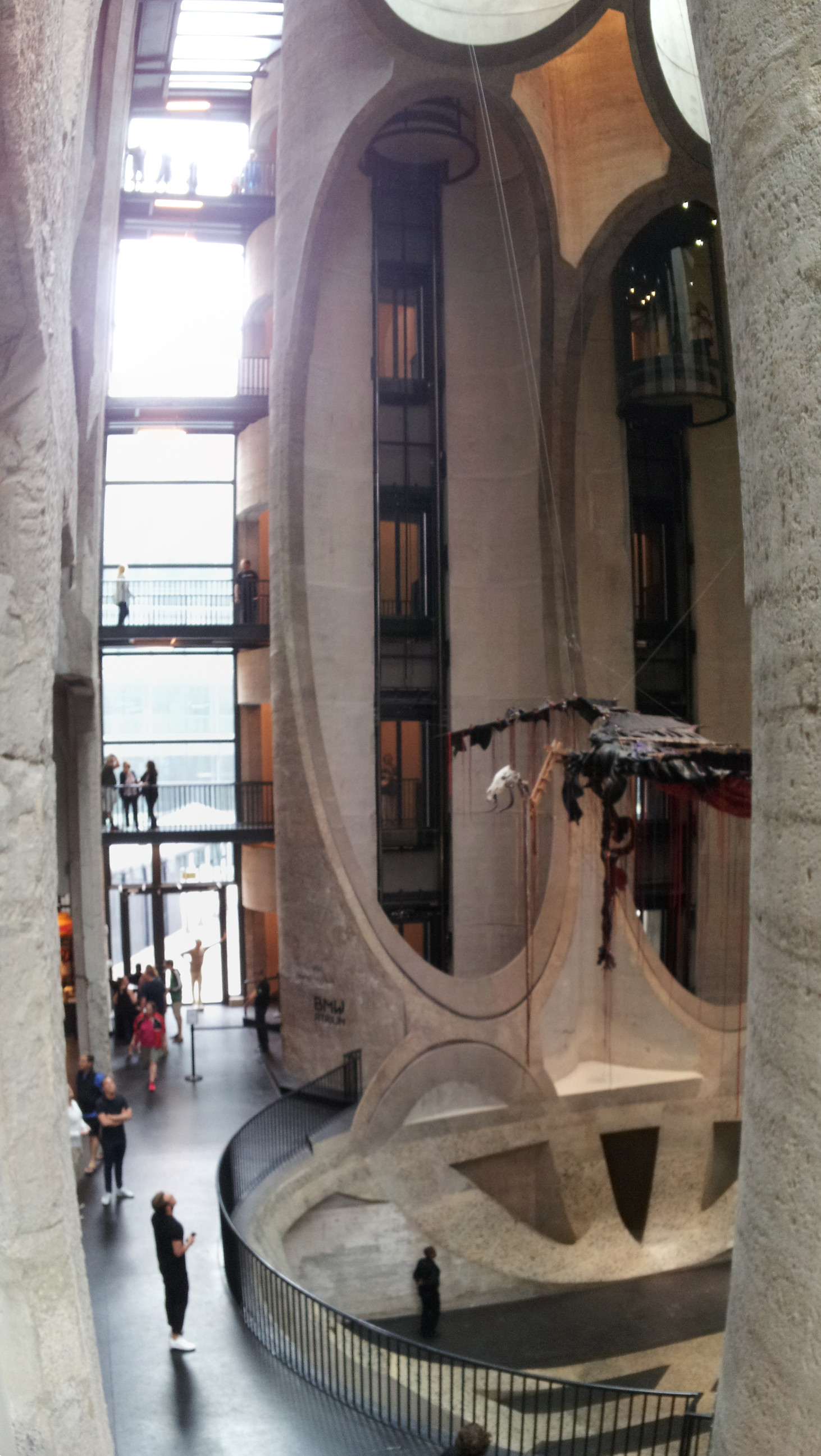
Zeitz MOCAA
Waterfront Road, Tyger Valley, Bellville, 7530, South Africa
The Zeitz Museum of Contemporary Art Africa is the largest museum of contemporary African art in the world — housed in a converted grain silo at the V&A Waterfront that architect Thomas Heatherwick carved into a cathedral of tubes, voids, and soaring concrete surfaces. The building, completed in 2017, is one of the most extraordinary adaptive-reuse projects of the 21st century: Heatherwick took the silo's 42 concrete tubes (each 33 metres tall and 5.5 metres in diameter) and carved organic forms out of the solid concrete between them, creating gallery spaces that are simultaneously industrial and organic. The atrium — a central void carved from the silo tubes, rising the full height of the building — is the most dramatic interior space in Cape Town. The concrete surfaces, marked by the circular imprints of the original grain tubes, catch the light from the glass roof above and create a texture that is unique to this building. The galleries spiralling up from the atrium house a collection of contemporary art from across the African continent that is positioned as a counterpoint to the Western-dominated global art market. The museum's establishment was controversial — funded by Jochen Zeitz (former Puma CEO) and located in one of Cape Town's most expensive areas, the museum has been criticised for importing a European institutional model rather than developing an African one. But the quality of the art, the ambition of the exhibitions, and the sheer power of the building itself make Zeitz MOCAA a cultural landmark that transcends the debate about its origins.