The Museo del Oro Zenú is Cartagena's branch of Colombia's famous Gold Museum system — a compact museum on Plaza de Bolívar dedicated to the Zenú culture, a pre-Columbian civilisation that inhabited the Colombian Caribbean coast from approximately 200 BC to 1600 AD and produced some of the most sophisticated filigree gold work of pre-colonial America. The Zenú were engineers — their earthwork canal systems drained 500,000 hectares of floodplain for agriculture — and metallurgists whose lost-wax casting techniques allowed them to create hollow gold figures with impossibly fine filigree.
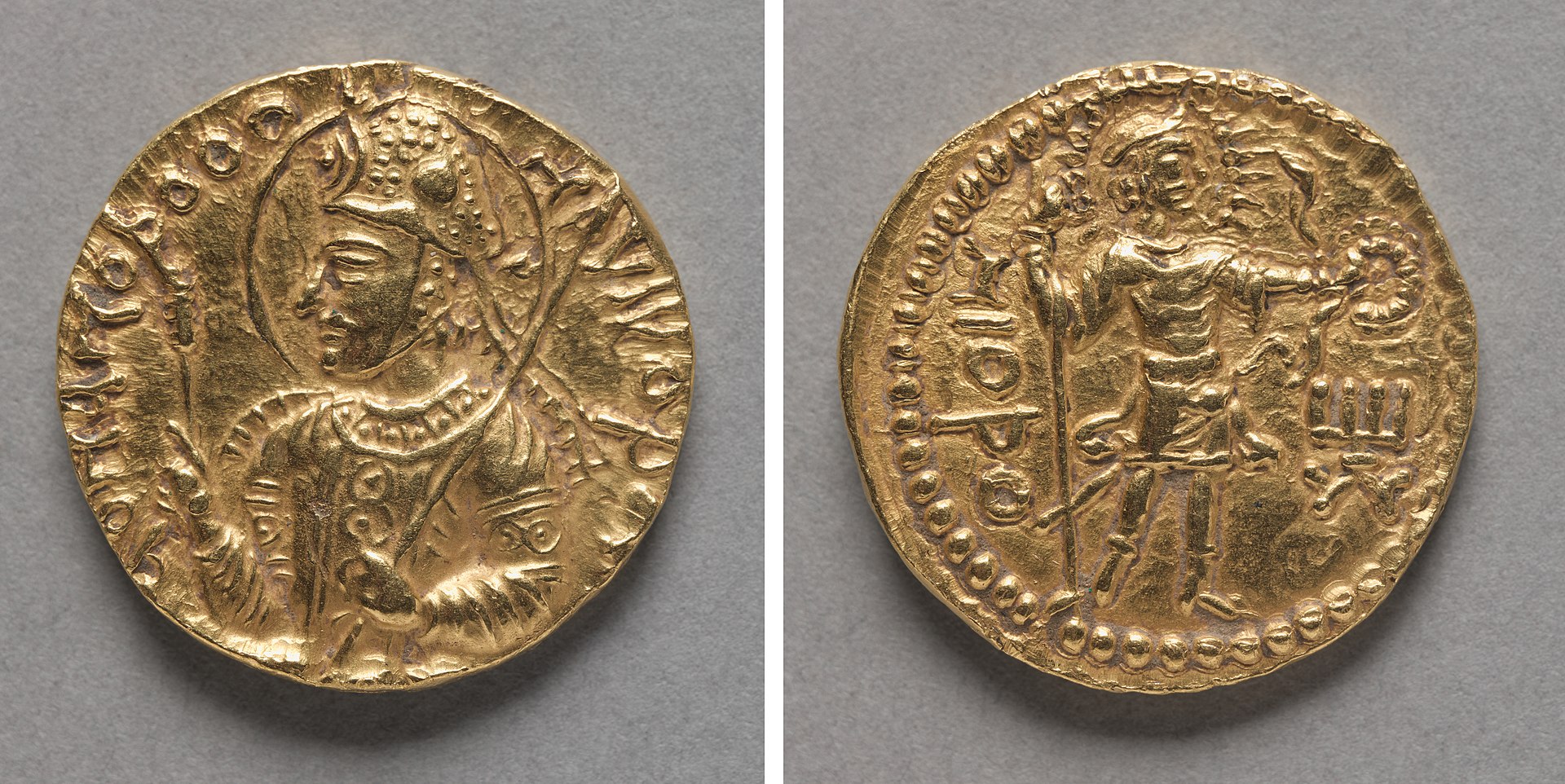
The museum's highlights are the gold nose ornaments, breastplates, and ceremonial staff finials found in Zenú burial mounds — objects that were buried rather than kept by families, a cultural practice that allowed the museum to rebuild a partial record after the colonial melting of gold artifacts for currency. Entry is free.
Verified Facts
The Zenú civilisation existed from approximately 200 BC to 1600 AD
Zenú earthworks drained 500,000 hectares of floodplain
Filigree lost-wax casting was a Zenú technical speciality
Entry to the museum is free
Get walking directions
Plaza de Bolívar, Centro, Cartagena, Colombia