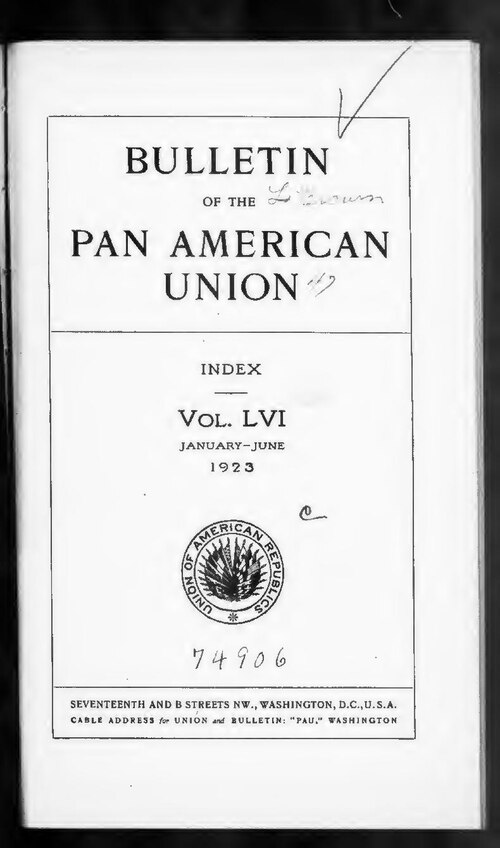
Café Havana & Salsa Culture
Calle de la Media Luna, Getsemaní, Cartagena, Colombia
Café Havana is Cartagena's most famous bar — a live-music venue on the corner of Getsemaní's two main streets that has been the epicentre of the city's salsa scene since it opened and has hosted everyone from Hillary Clinton to the backpackers who discover that salsa dancing in Cartagena is not an optional activity but a social requirement.
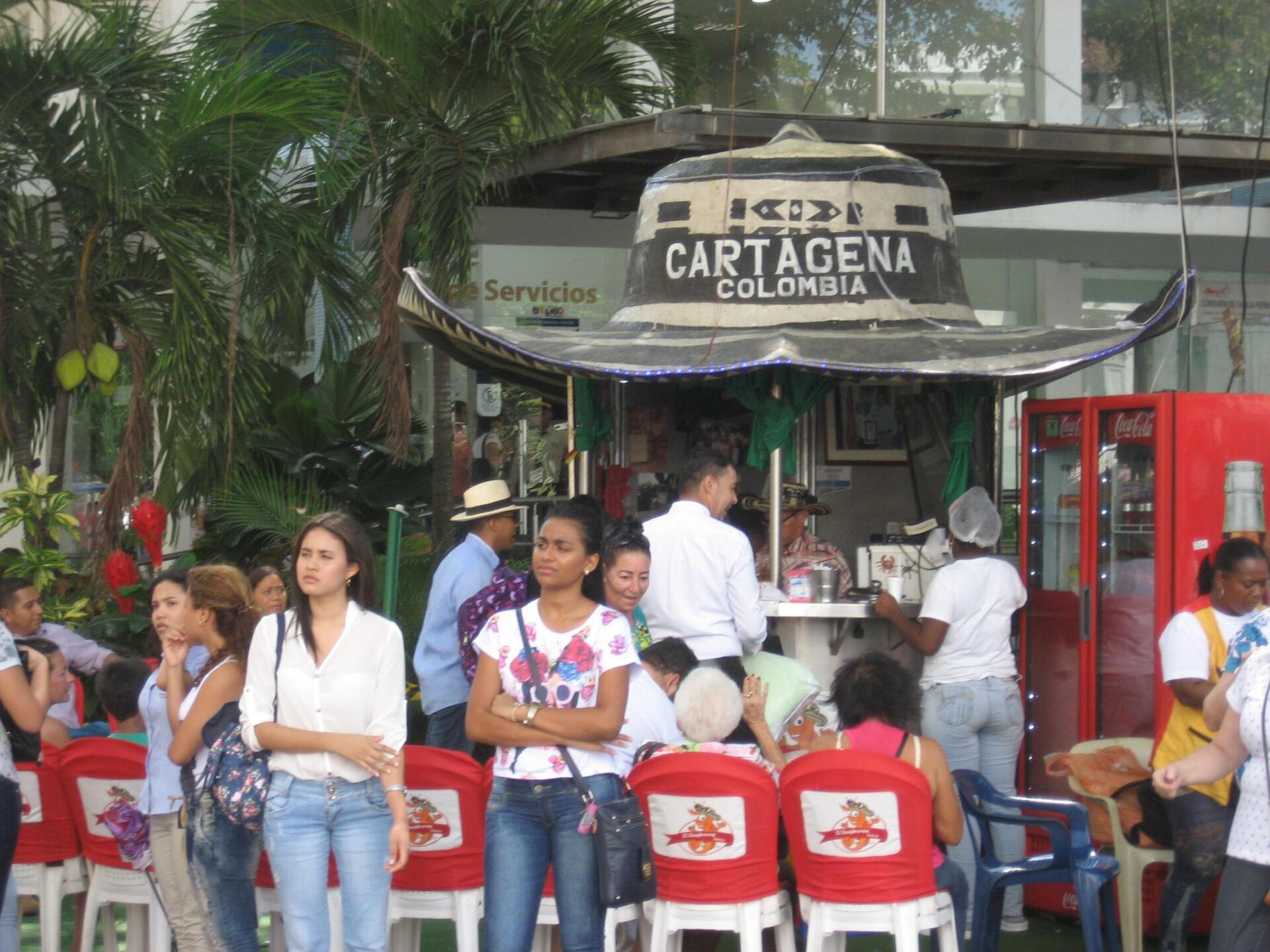
Cartagena Street Food & Ceviche
Cruce por Centro Comercial Getsemaní, Getsemaní, Cartagena, Colombia
Cartagena's street food is Caribbean Colombia at its most flavourful — a cuisine built on seafood, coconut, plantain, and the African-influenced cooking traditions that distinguish the Caribbean coast from the rest of Colombia.
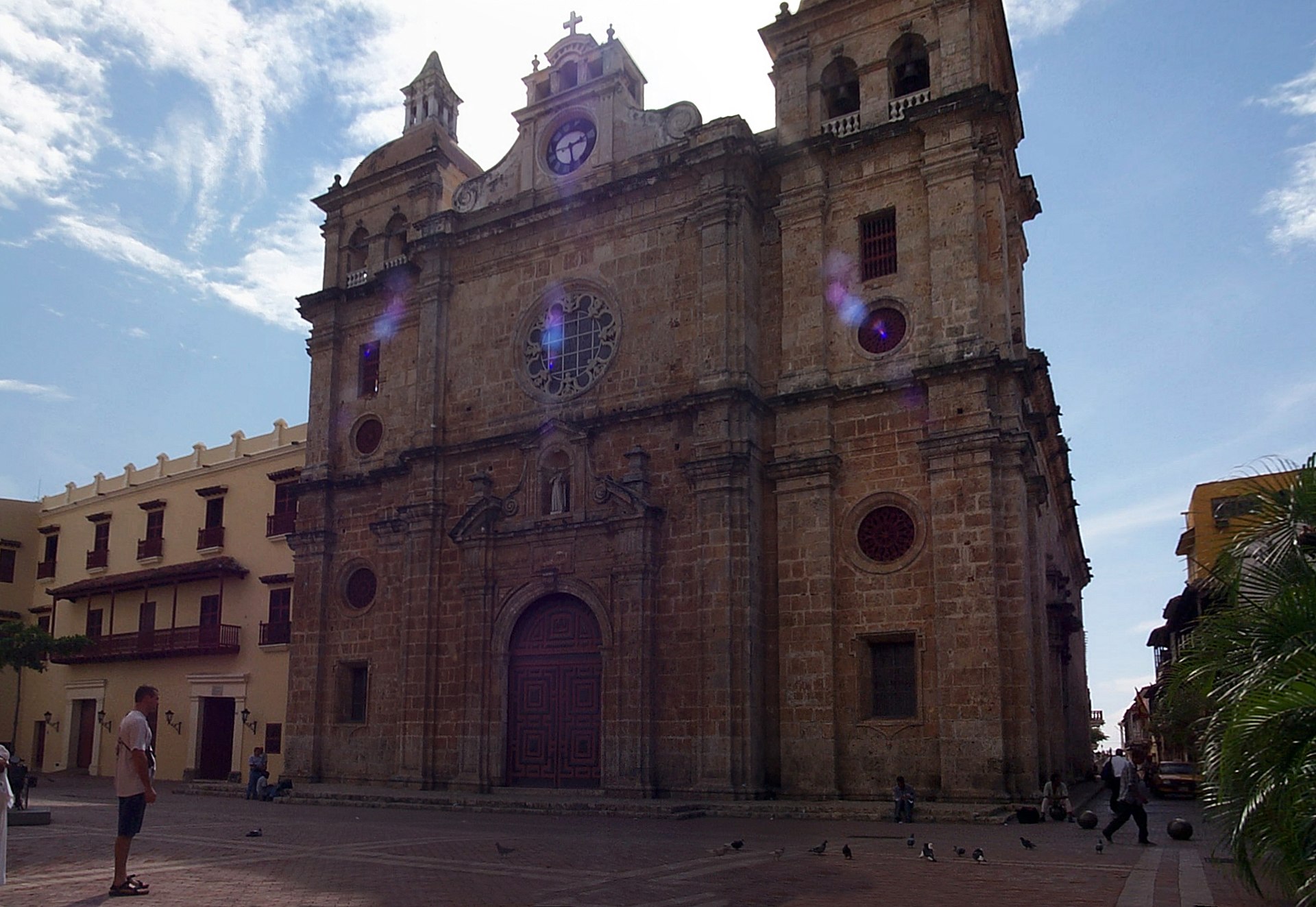
Convento de San Pedro Claver Courtyard
Calle San Pedro Claver, Centro, Cartagena, Colombia
The courtyard of the San Pedro Claver convent — accessible via a separate ticket from the main church — is one of the most beautiful Baroque cloisters in Colombia, a two-storey arcaded square in cream-coloured coral stone with a central well, carved columns, and a fruit garden that has been preserved from the colonial period.
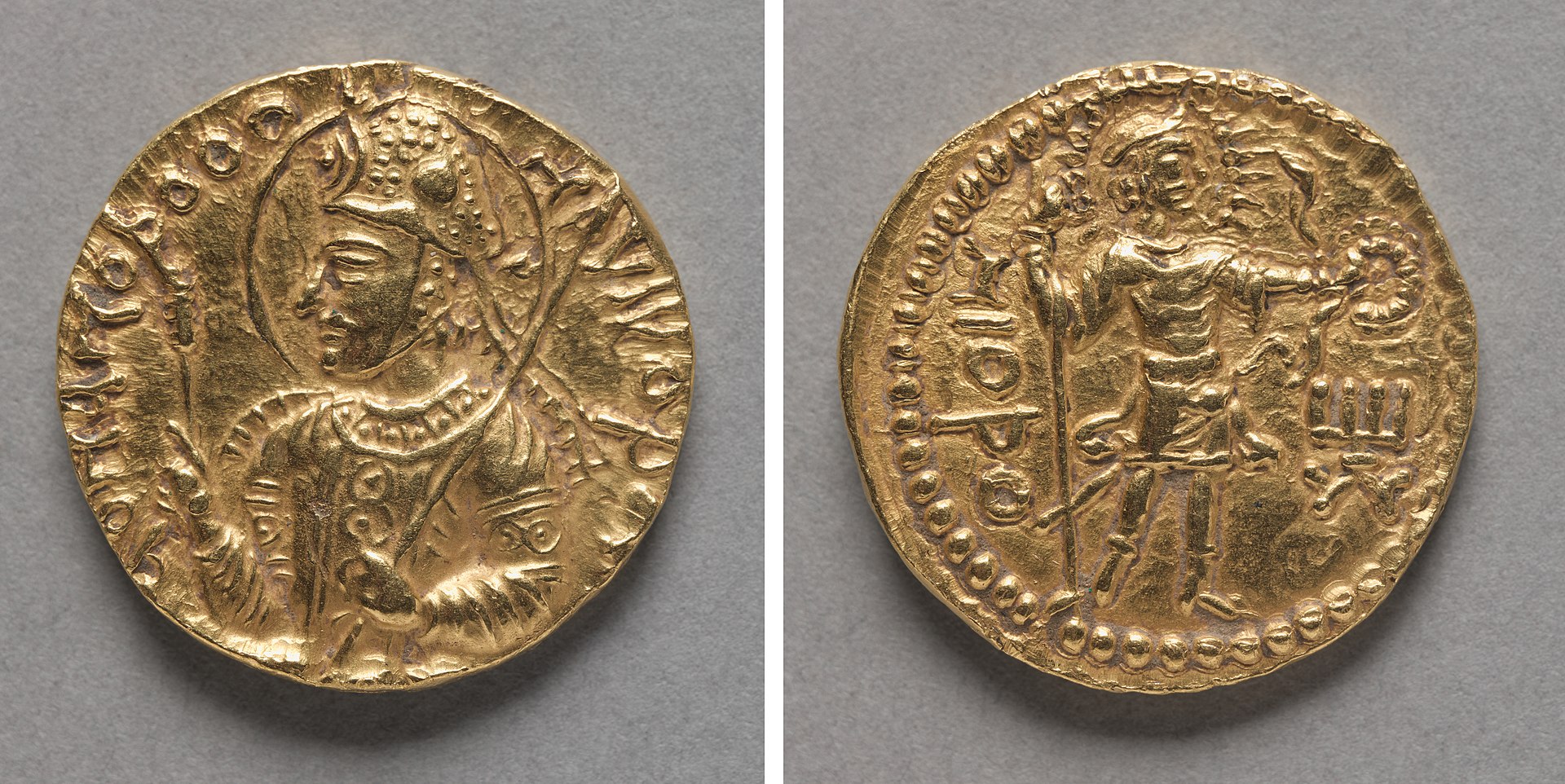
Museo del Oro Zenú
Plaza de Bolívar, Centro, Cartagena, Colombia
The Museo del Oro Zenú is Cartagena's branch of Colombia's famous Gold Museum system — a compact museum on Plaza de Bolívar dedicated to the Zenú culture, a pre-Columbian civilisation that inhabited the Colombian Caribbean coast from approximately 200 BC to 1600 AD and produced some of the most sophisticated filigree gold work of pre-colonial America.
Palenque de San Basilio (Day Trip)
San Basilio del Palenque, Mahates, Colombia
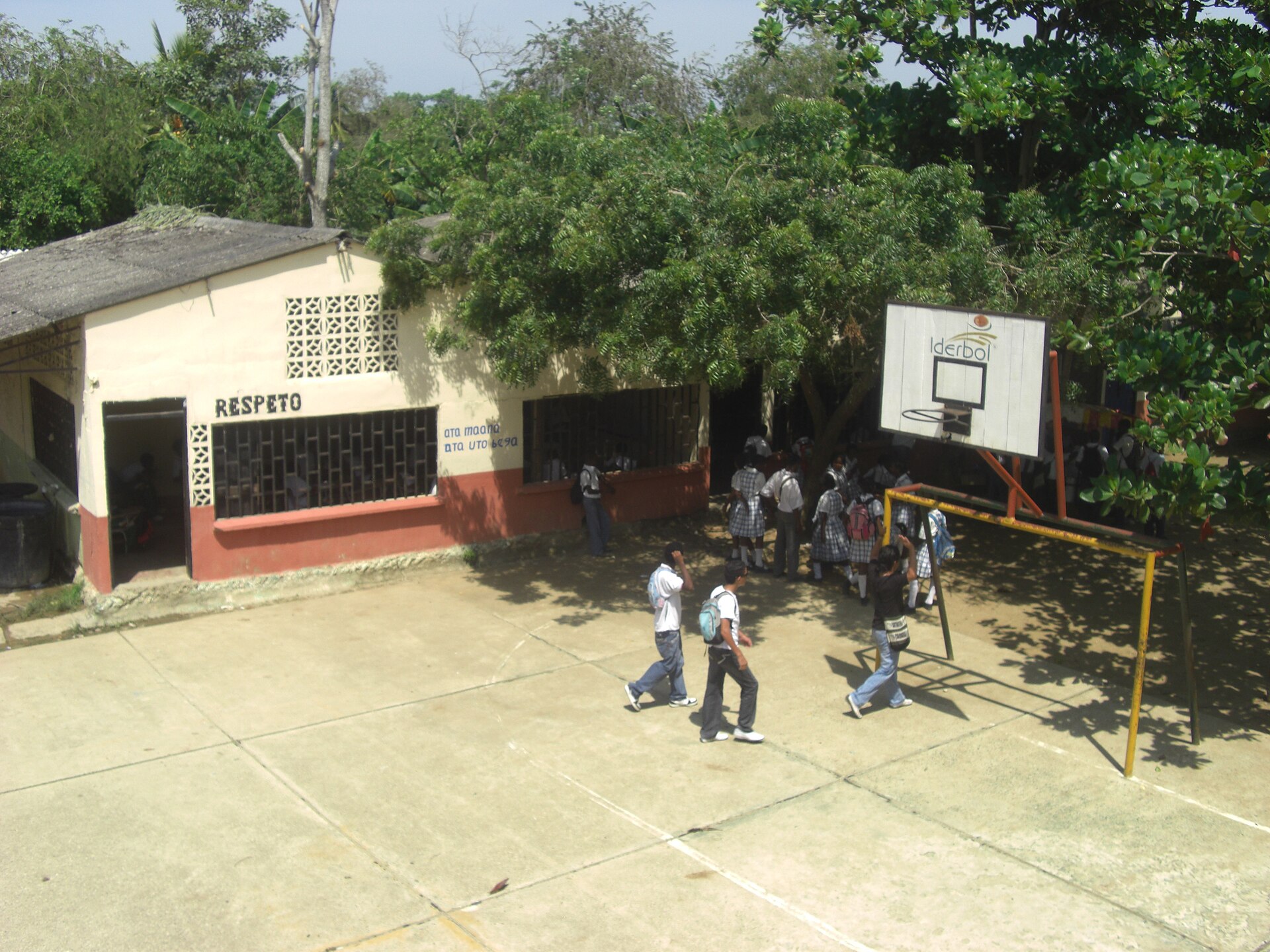
San Basilio de Palenque is the first free Black settlement in the Americas — a village 50 kilometres south of Cartagena founded in the 17th century by escaped enslaved Africans (cimarrones) led by Benkos Biohó, who established an independent community in the foothills that the Spanish were never able to reconquer.
San Pedro Claver Church & Museum
3-101 Calle 31, Centro, Cartagena, 130001, Colombia
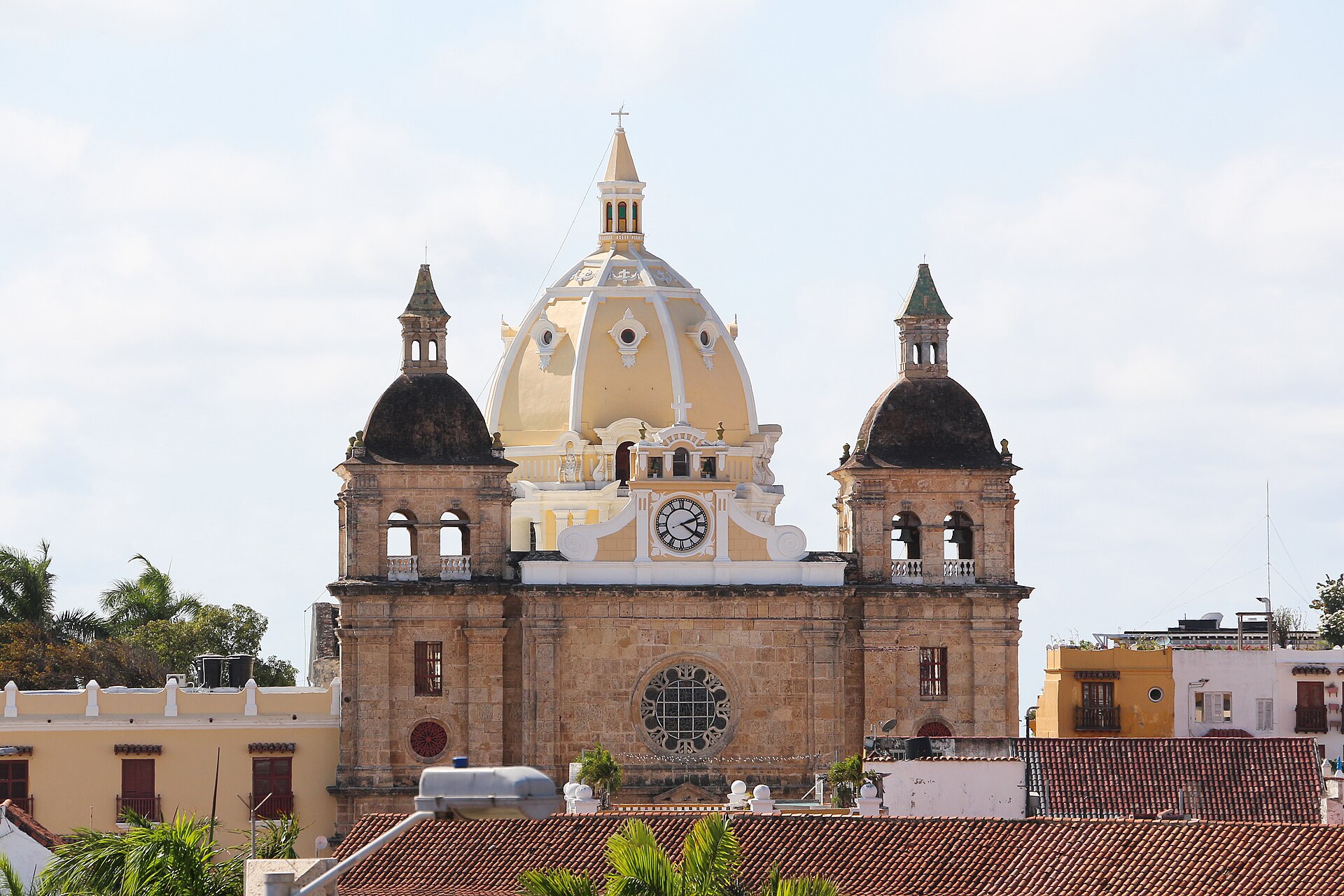
The Church and Monastery of San Pedro Claver honours the Spanish Jesuit priest who spent 40 years (1615-1654) ministering to enslaved Africans arriving at Cartagena's port — meeting the slave ships, providing food and medicine to the captives, baptising an estimated 300,000 people, and campaigning for the humane treatment of the enslaved in a colony whose economy depended on their labour.

Street Art Tour Getsemaní
Getsemaní, Cartagena
Getsemaní's streets are an outdoor art gallery — since the early 2010s the neighbourhood has been transformed by over 200 murals, stencils, and street-art pieces that range from geometric portraits of Afro-Colombian women by artist El Pestilente, to hyperrealistic murals of Getsemaní residents by Luis Jaramillo, to political pieces addressing the neighbourhood's resistance to gentrification.
Teatro Adolfo Mejía
Plaza de la Merced, Centro, Cartagena
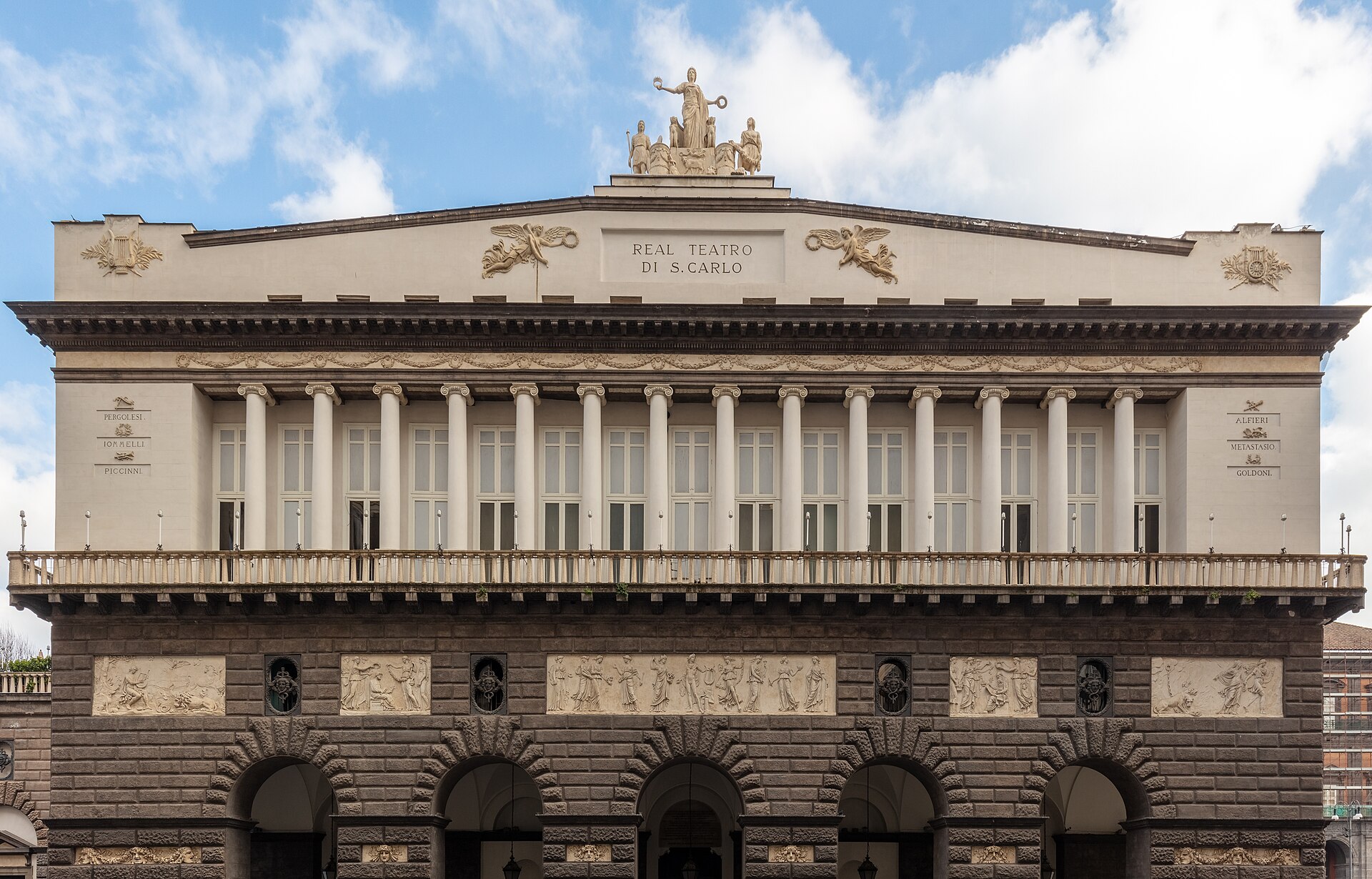
The Teatro Adolfo Mejía (formerly Teatro Heredia) is Cartagena's historic theatre — a Neoclassical opera house opened in 1911 and built on the foundations of a 17th-century convent, with a cream-and-gold interior decorated with murals by Colombian artist Enrique Grau and a horseshoe auditorium inspired by the Palais Garnier in Paris.
Explore culture in Cartagena
GPS-guided narration at every landmark. Tap a spot on the map, hear the story. Every fact verified.