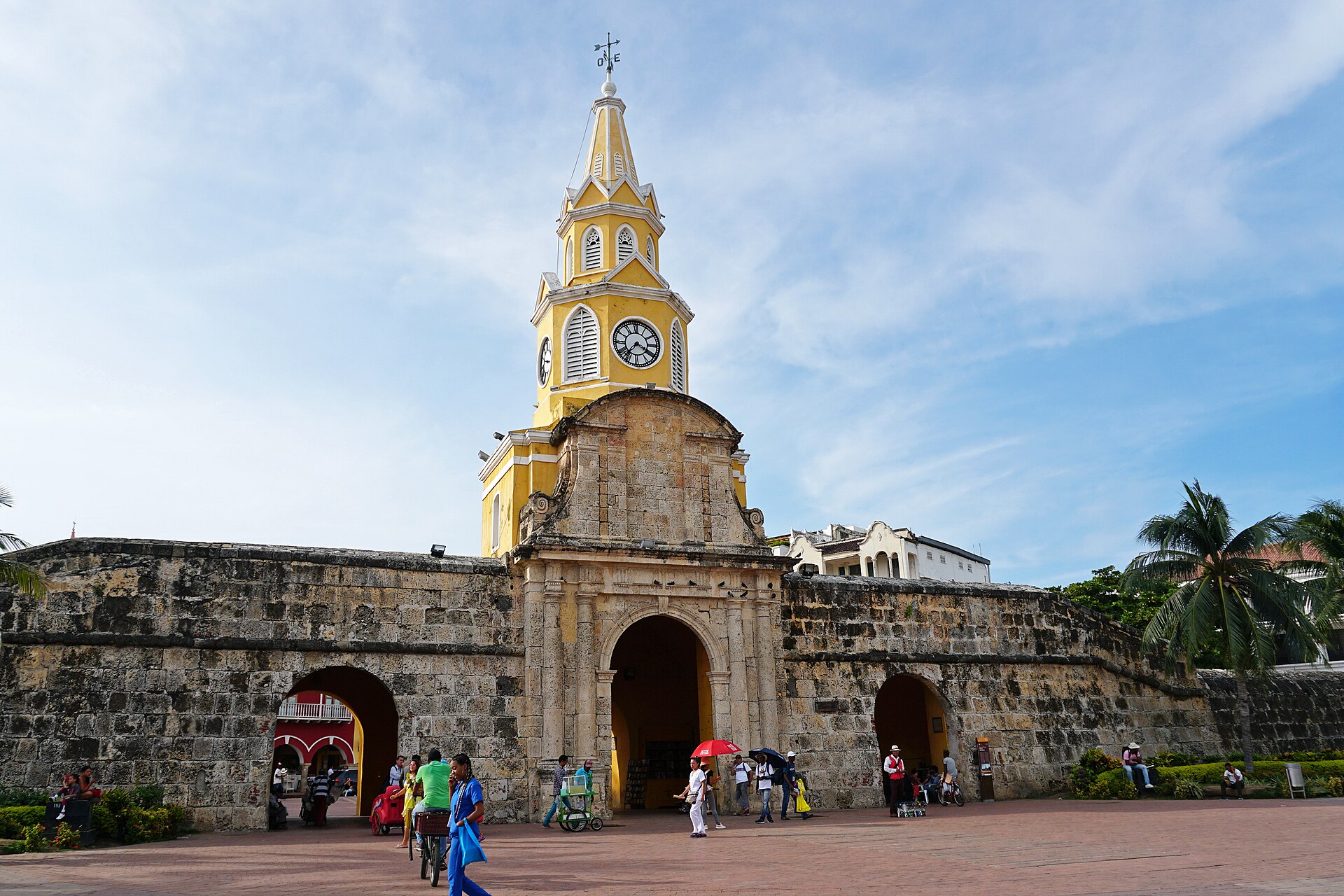
The Walled City is Cartagena's UNESCO World Heritage heart — a 13-kilometre circuit of 17th-century stone walls enclosing a colonial district of cobblestone streets, pastel-painted mansions with wooden balconies draped in bougainvillea, churches, plazas, and the atmospheric decay that makes Cartagena the most photogenic colonial city in South America. The walls were built by the Spanish over two centuries to protect the city's treasure-laden port from pirates and rival empires.
The architecture within the walls is Spanish Colonial at its most tropical — the houses are built around central courtyards (patios), with thick walls for insulation, high ceilings for ventilation, and the wooden balconies (balcones) that extend over the narrow streets, creating shade at street level and private outdoor space above. The restoration of the colonial buildings (accelerated since UNESCO designation in 1984) has converted many into boutique hotels, restaurants, and galleries, creating a living heritage district rather than a museum.
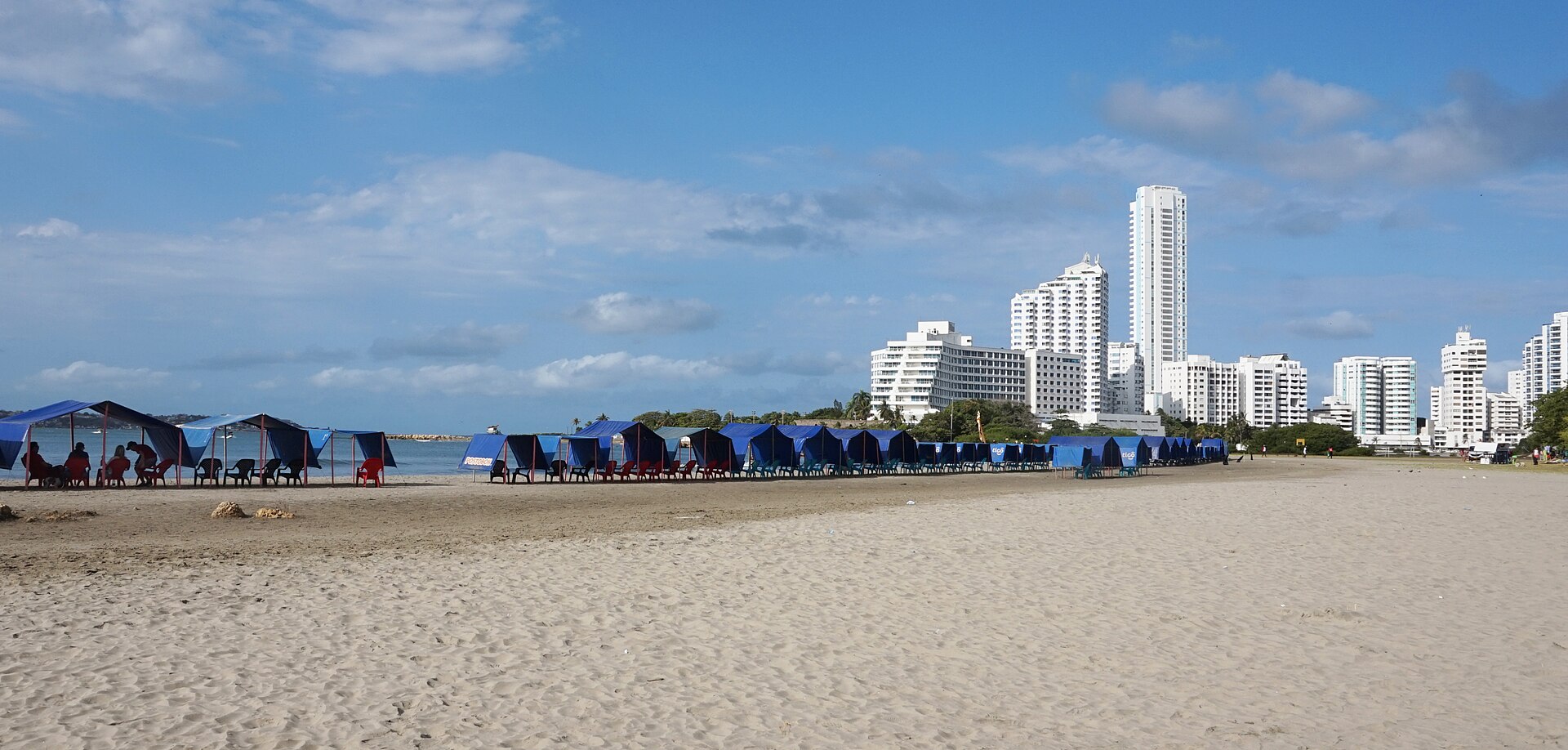
Walking the walls themselves — accessible from several points, particularly the Baluarte de Santo Domingo — provides an elevated perspective across the rooftops of the old city, the Caribbean Sea, and the modern high-rise skyline of Bocagrande in the distance.
Verified Facts
The city walls stretch approximately 13 kilometres
Cartagena's historic centre is a UNESCO World Heritage Site
The walls were built over two centuries to protect against pirates
UNESCO designated the historic centre in 1984
Get walking directions
Cartagena, Cartagena, Colombia