13 Stunning Architecture Landmarks in Cartagena
13 landmarks with verified facts and stories
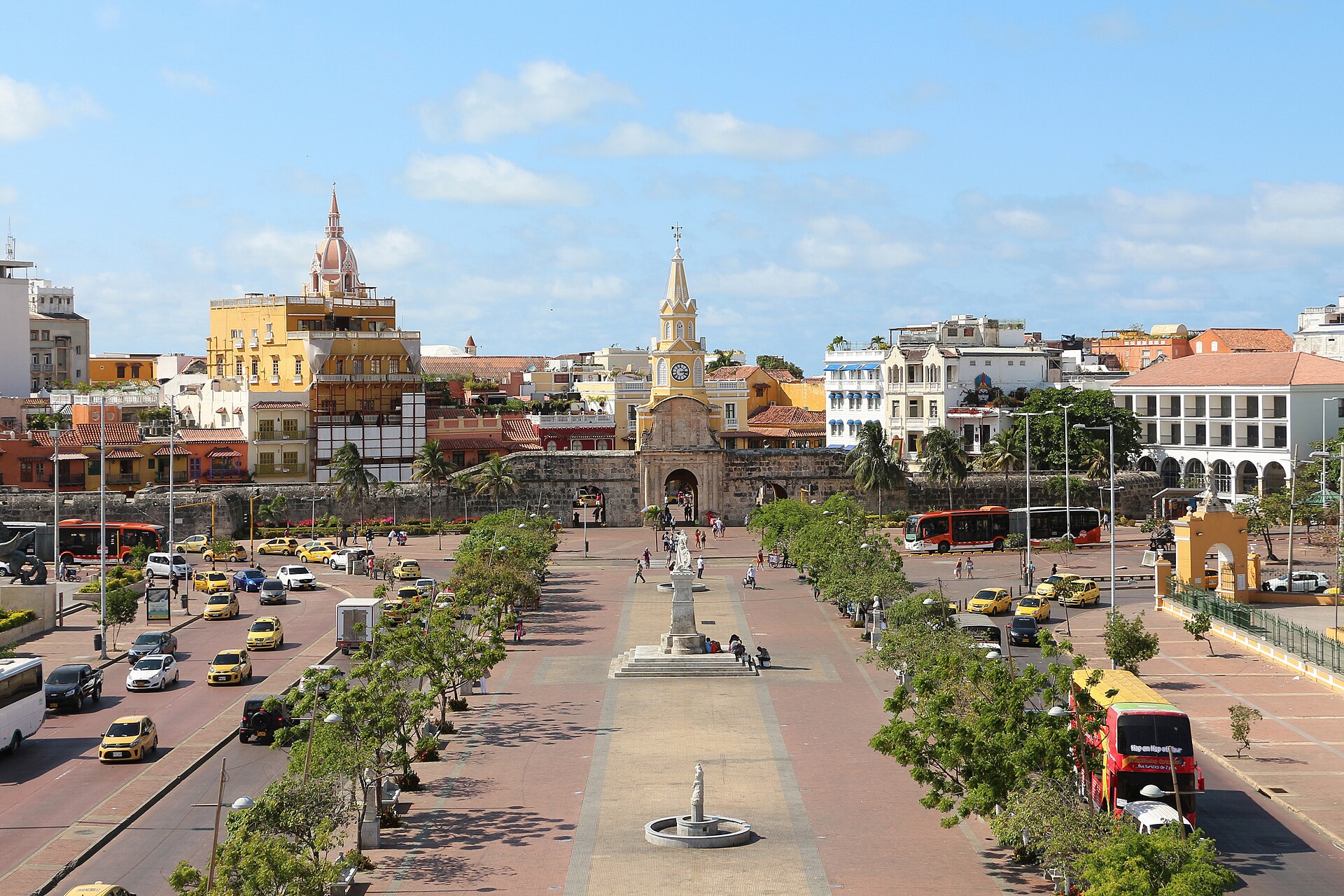
Clock Tower Gate (Torre del Reloj)
3-13 Calle 35, Centro, Cartagena, 130001, Colombia
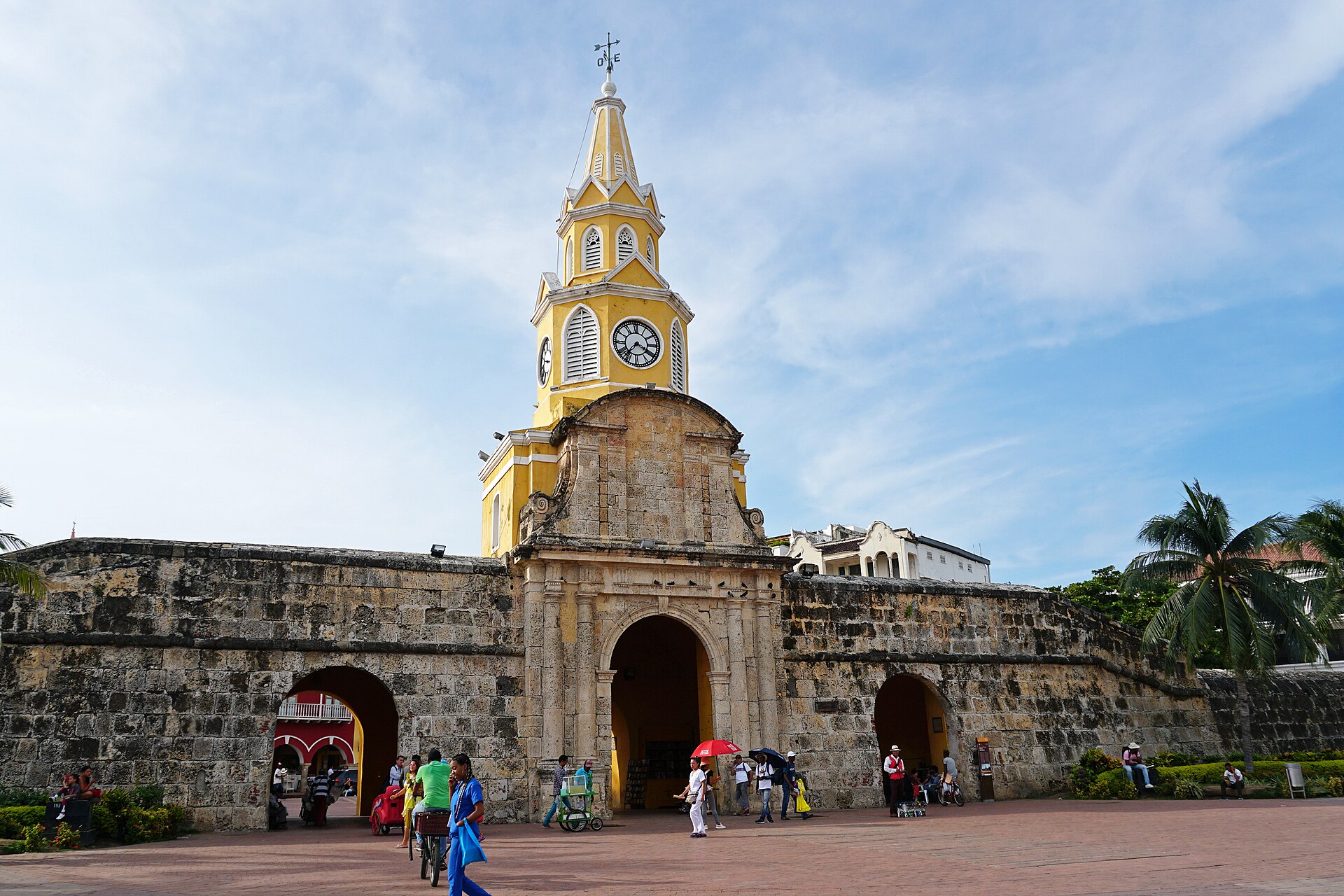
The Clock Tower is the main entrance to Cartagena's walled city — a yellow gateway originally built in the 16th century as a simple military entrance and later crowned with the clock tower that has become the symbol of the city.
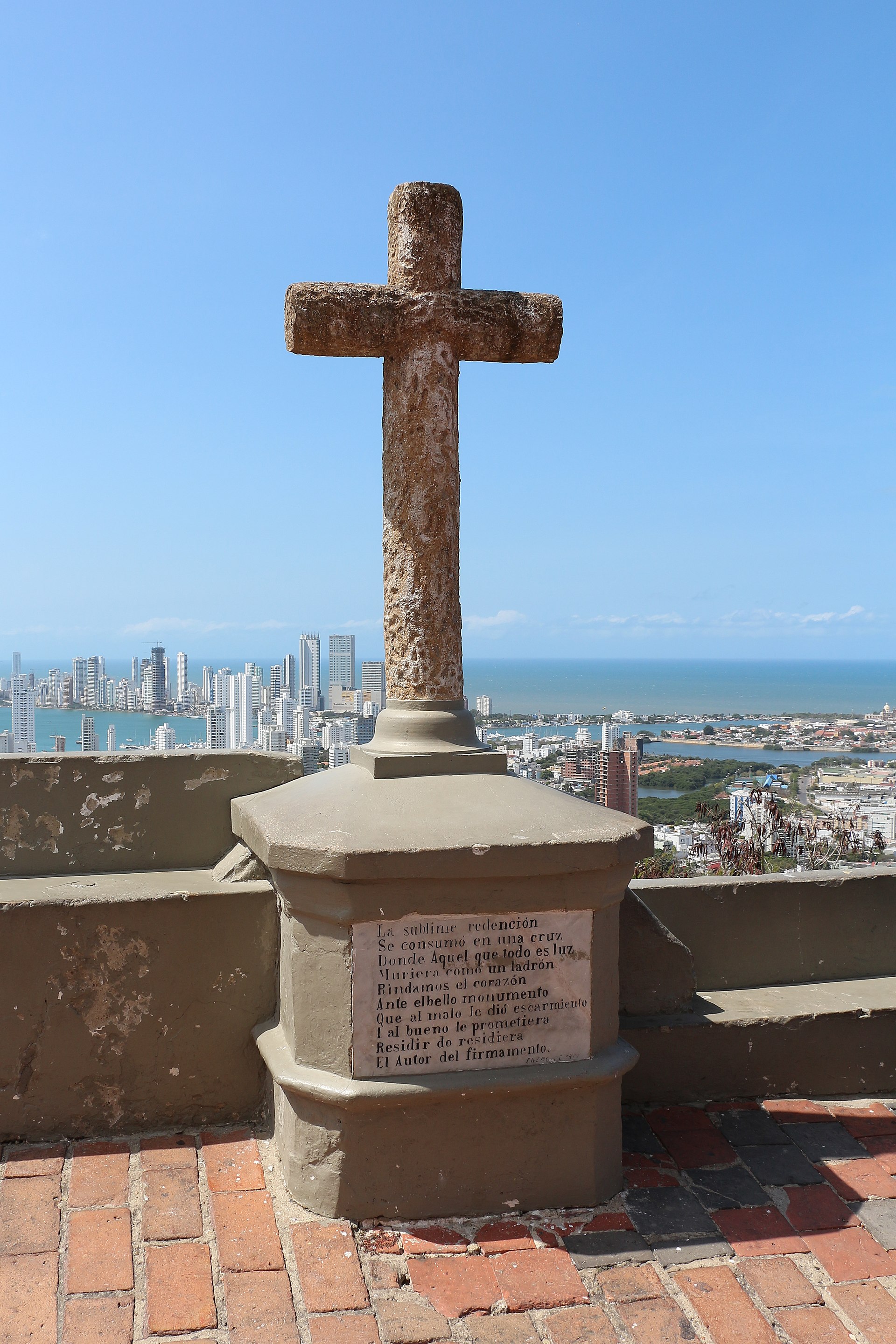
Convento de la Popa
Cerro de la Popa, Cartagena, Colombia
The Convento de la Popa is a 17th-century Augustinian monastery on the highest hill in Cartagena — the Cerro de la Popa (150 metres), whose summit provides the most comprehensive panoramic view of the city: the walled old city, the harbour, Bocagrande, the islands offshore, and the Caribbean stretching to the horizon.
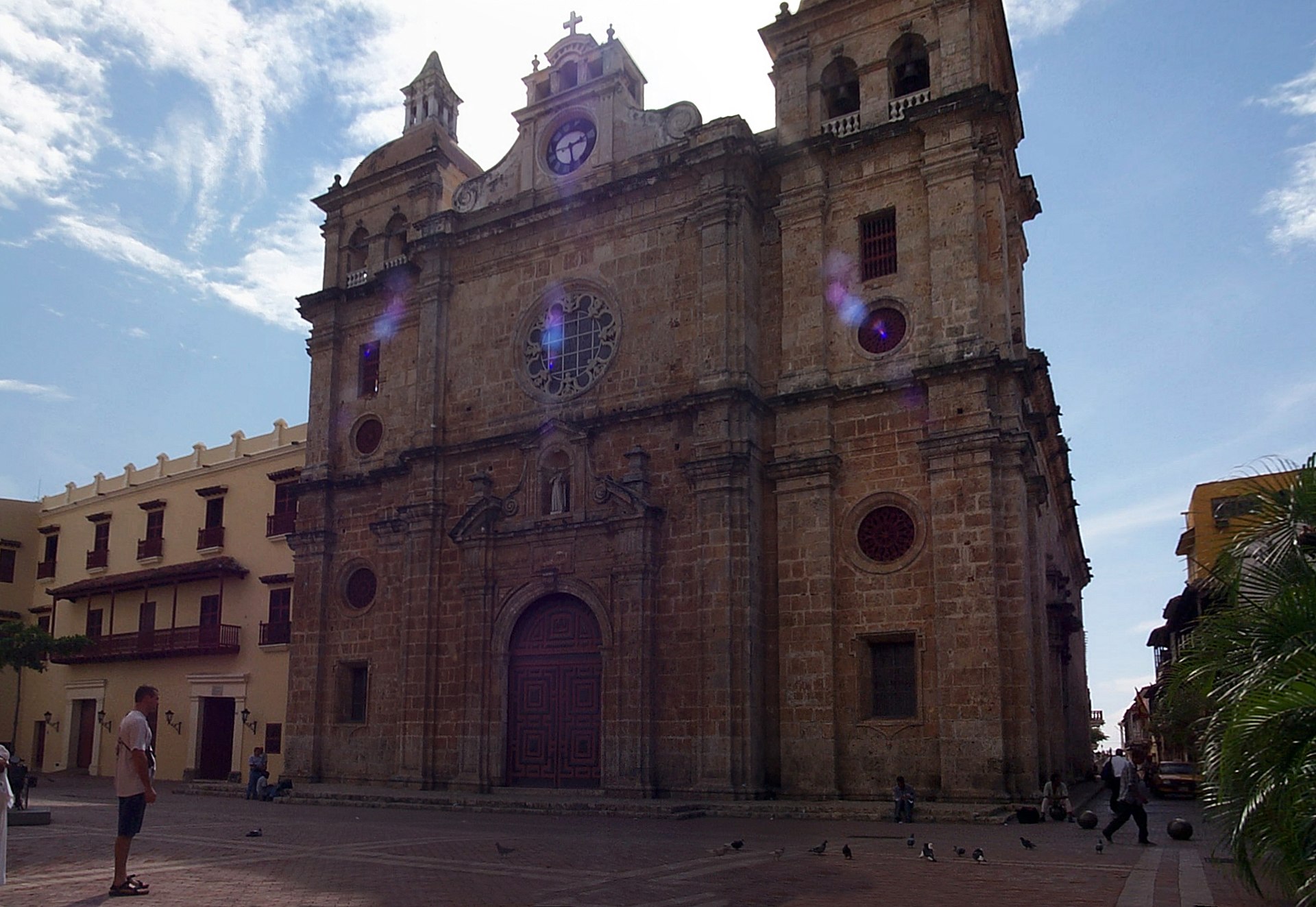
Convento de San Pedro Claver Courtyard
Calle San Pedro Claver, Centro, Cartagena, Colombia
The courtyard of the San Pedro Claver convent — accessible via a separate ticket from the main church — is one of the most beautiful Baroque cloisters in Colombia, a two-storey arcaded square in cream-coloured coral stone with a central well, carved columns, and a fruit garden that has been preserved from the colonial period.
Iglesia de San Pedro Claver
Calle San Pedro Claver, Centro, Cartagena, Colombia
The church and convent of San Pedro Claver — a Jesuit complex completed in 1654 — is the most important site in Cartagena for the history of the African slave trade.
Las Bóvedas
Calle 34, Centro, Cartagena, Colombia
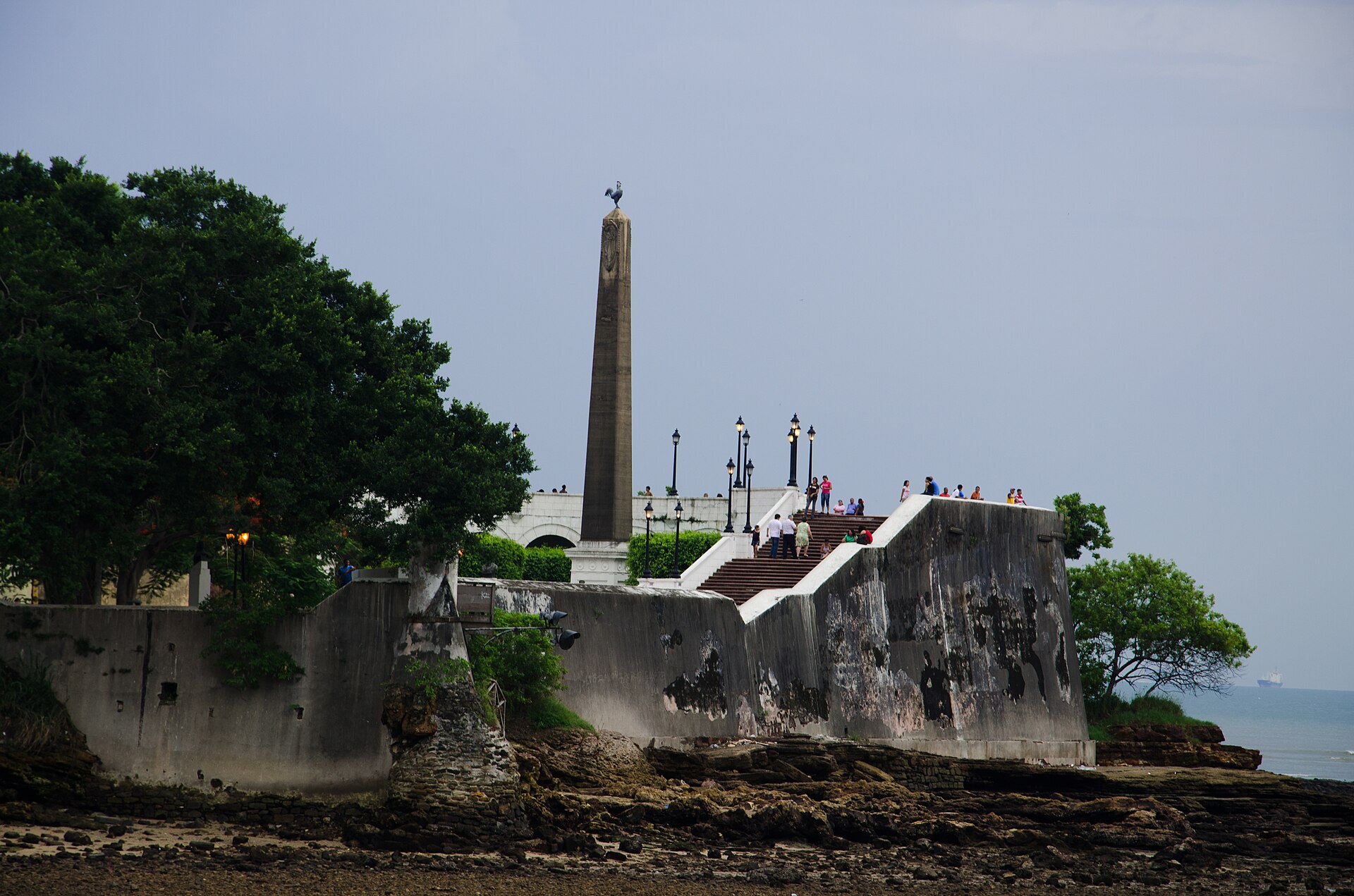
Las Bóvedas are 23 barrel-vaulted dungeons built into the city walls in 1798 at the northern corner of the walled city — originally military storerooms for gunpowder and munitions, later used as prisons during the 19th-century independence wars, and now converted into artisan craft shops selling hammocks, mochilas (woven bags), Colombian coffee, and the emerald jewellery for which Colombia is famous (the country produces an estimated 55% of the world's emeralds).
Palacio de la Inquisición
Plaza de Bolívar, Centro, Cartagena, Colombia
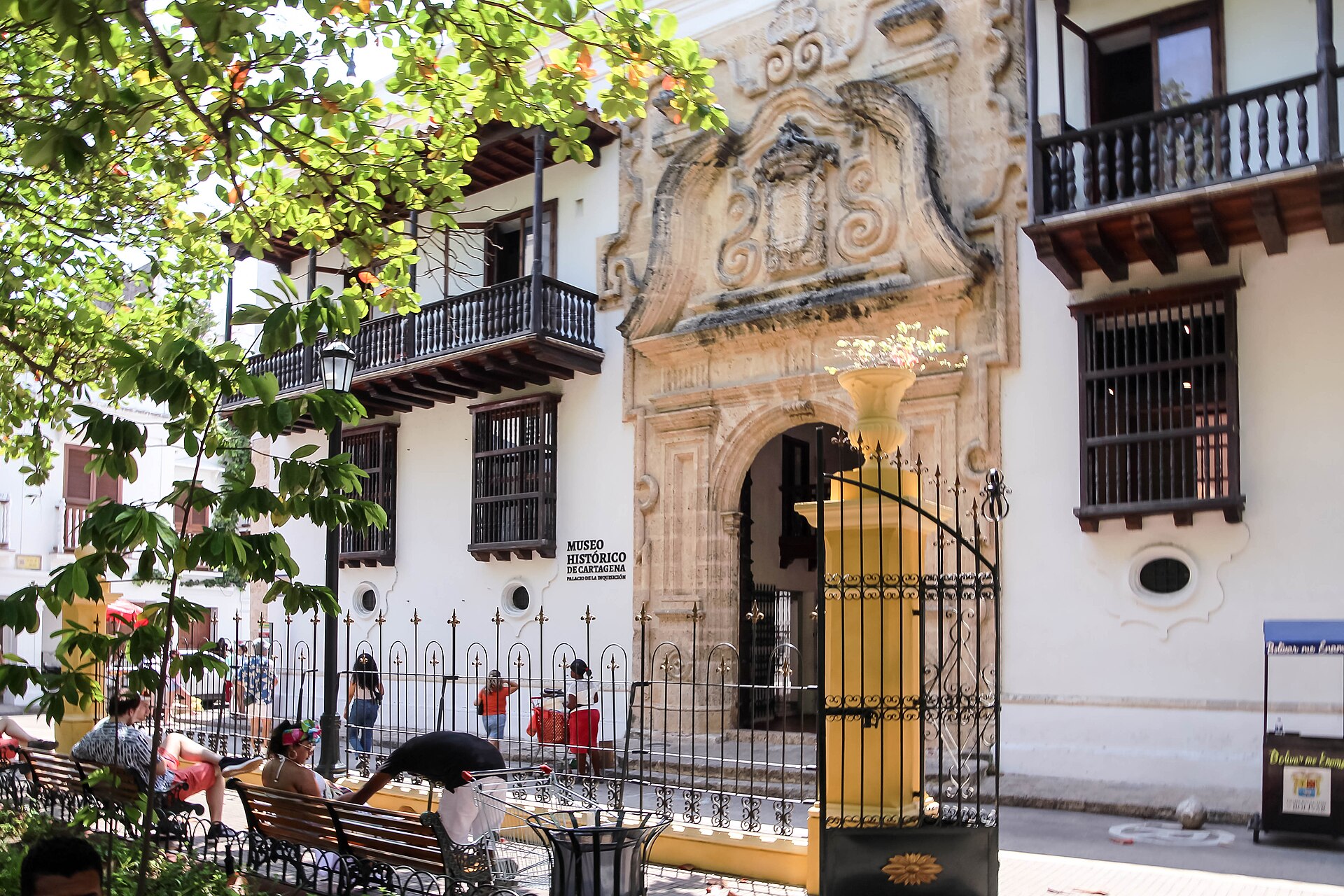
The Palace of the Inquisition is the most historically significant colonial building in Cartagena — a Baroque palace on Plaza de Bolívar that served as the headquarters of the Spanish Inquisition in New Granada from 1610 to 1821.
Plaza de Bolívar & Cathedral
Plaza de Bolívar, Centro, Cartagena, Colombia
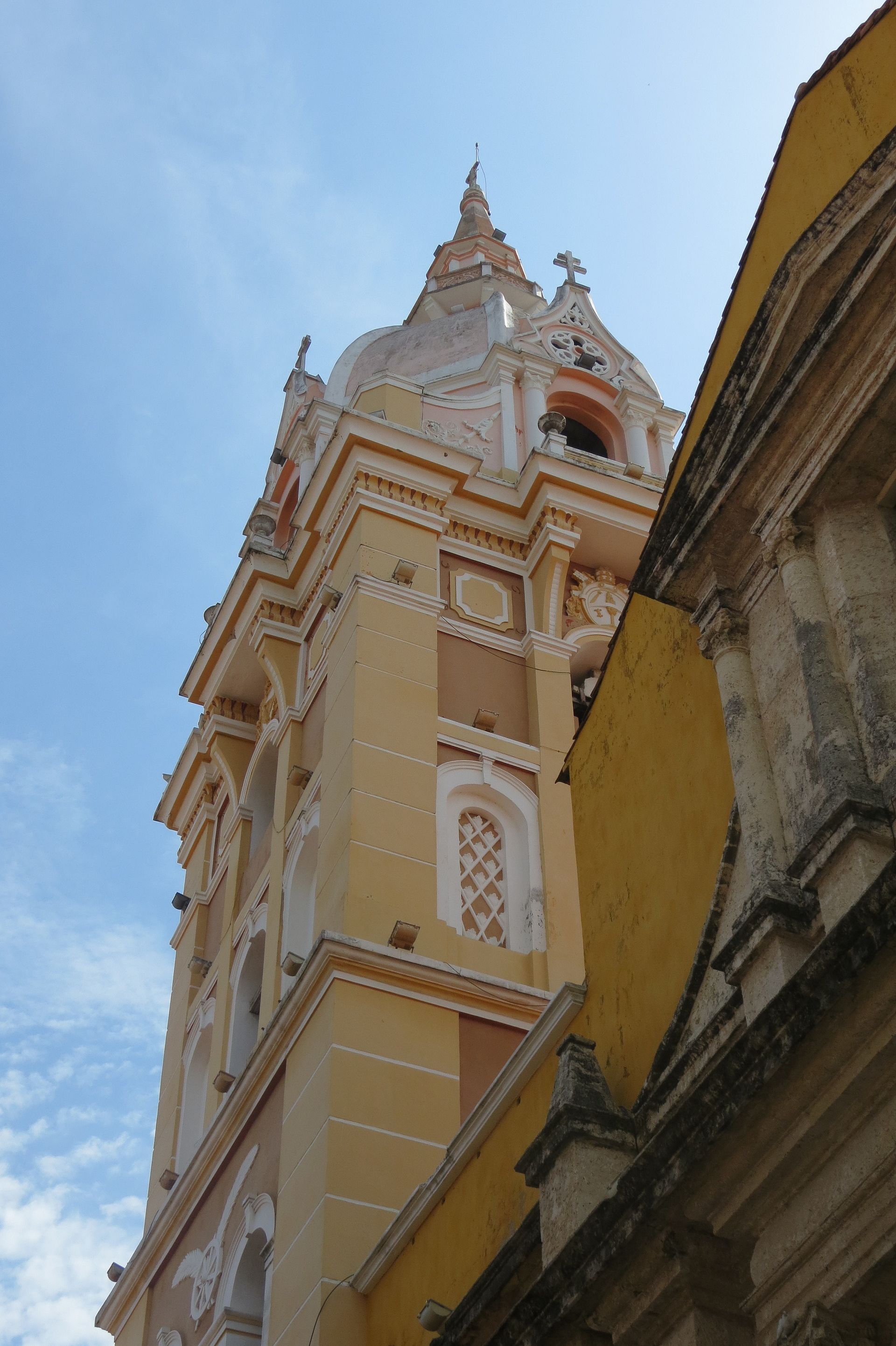
Plaza de Bolívar is the formal heart of Cartagena's old city — a shaded square anchored by a statue of Simón Bolívar (the liberator of Colombia, Venezuela, Ecuador, Bolivia, and Peru) and surrounded by the Palace of the Inquisition (now a museum documenting the Spanish Inquisition's activities in Cartagena), the Cathedral, and the colonial buildings that housed the institutions of Spanish colonial power.
Plaza de la Aduana
Plaza de la Aduana, Centro, Cartagena, Colombia
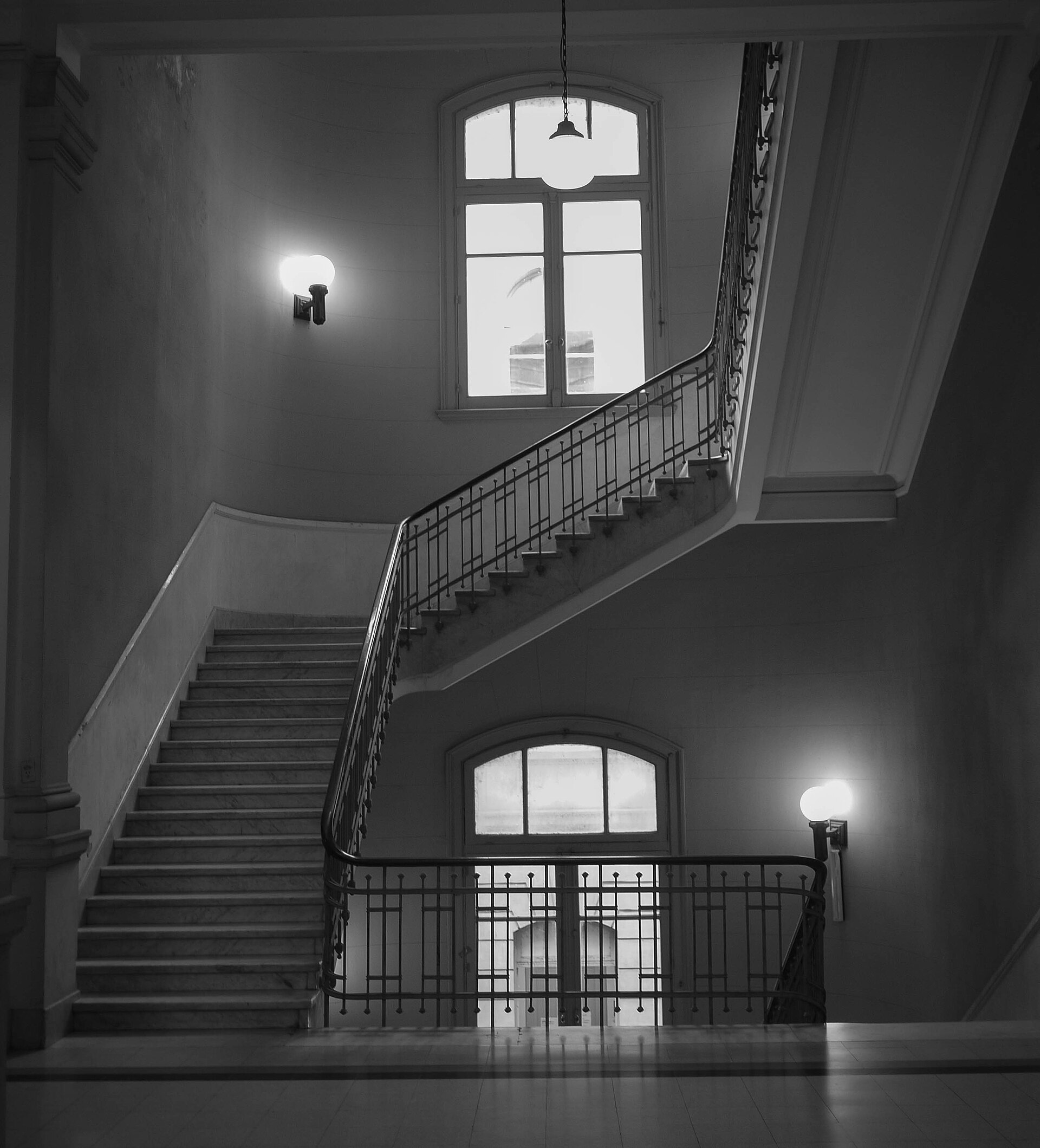
Plaza de la Aduana is the largest and oldest square in Cartagena — a broad trapezoidal plaza used as the main mustering ground of the city since the 16th century, surrounded by the Old Customs House (now the Alcaldía, or city hall), the Palacio Municipal, and the Plaza de los Coches beyond.
Plaza Santo Domingo
Plaza de Santo Domingo, Cartagena
Plaza Santo Domingo is Cartagena's most famous evening plaza — a small square in the walled city dominated by the 16th-century Iglesia de Santo Domingo (the oldest church in Cartagena, completed in 1552) and featuring Fernando Botero's monumental bronze sculpture 'La Gordita' (officially 'Mujer Reclinada'), a voluptuous reclining nude donated by the Colombian sculptor in 2000 that has become the most-photographed statue in the city.
San Pedro Claver Church & Museum
3-101 Calle 31, Centro, Cartagena, 130001, Colombia
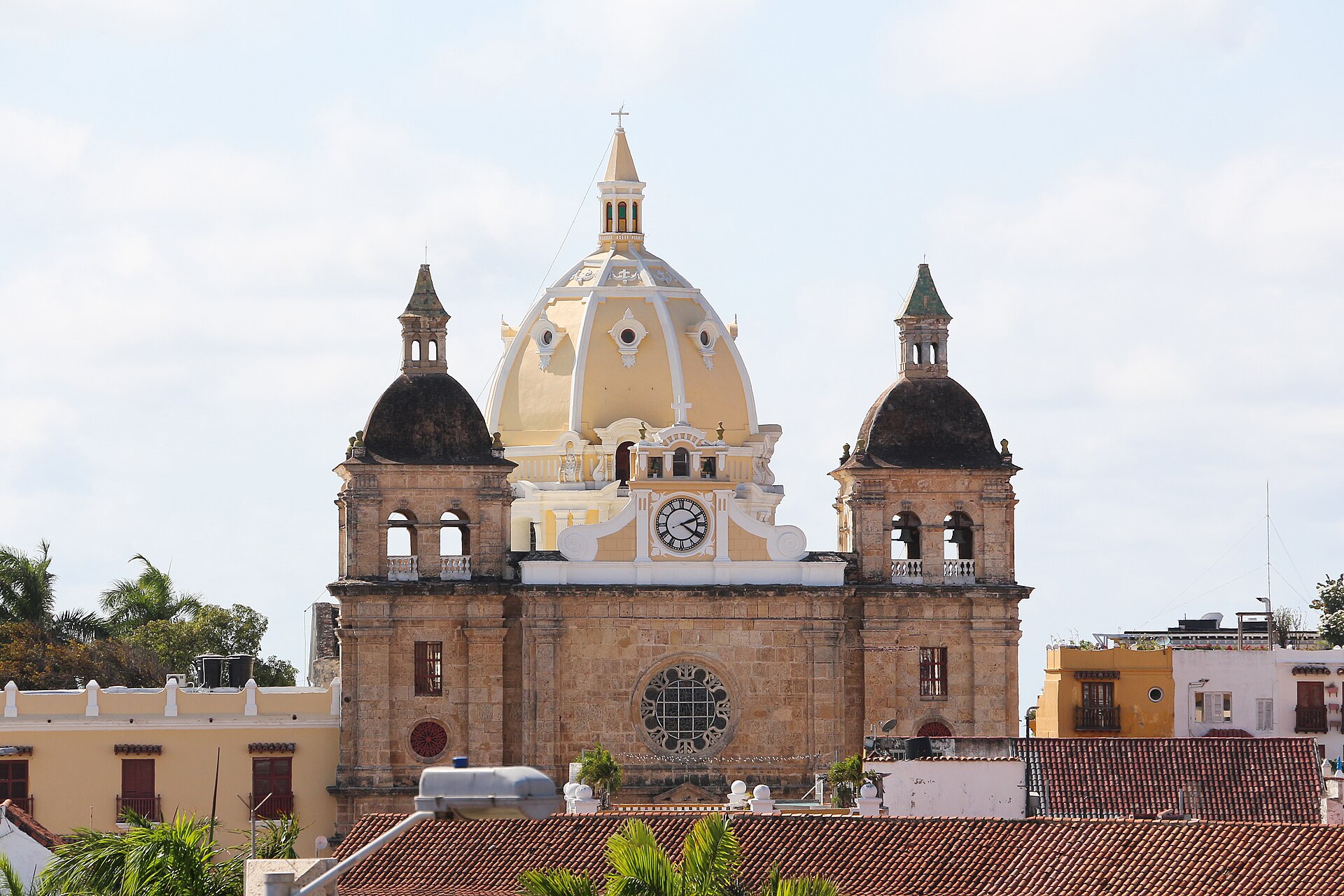
The Church and Monastery of San Pedro Claver honours the Spanish Jesuit priest who spent 40 years (1615-1654) ministering to enslaved Africans arriving at Cartagena's port — meeting the slave ships, providing food and medicine to the captives, baptising an estimated 300,000 people, and campaigning for the humane treatment of the enslaved in a colony whose economy depended on their labour.
Santa Cruz de Manga
Calle Real de Manga, Cartagena
Manga is an island neighbourhood southeast of the walled city — connected by a bridge, less visited by tourists, and home to the largest concentration of Republican-era (late 19th / early 20th century) mansions in Cartagena.
Teatro Adolfo Mejía
Plaza de la Merced, Centro, Cartagena
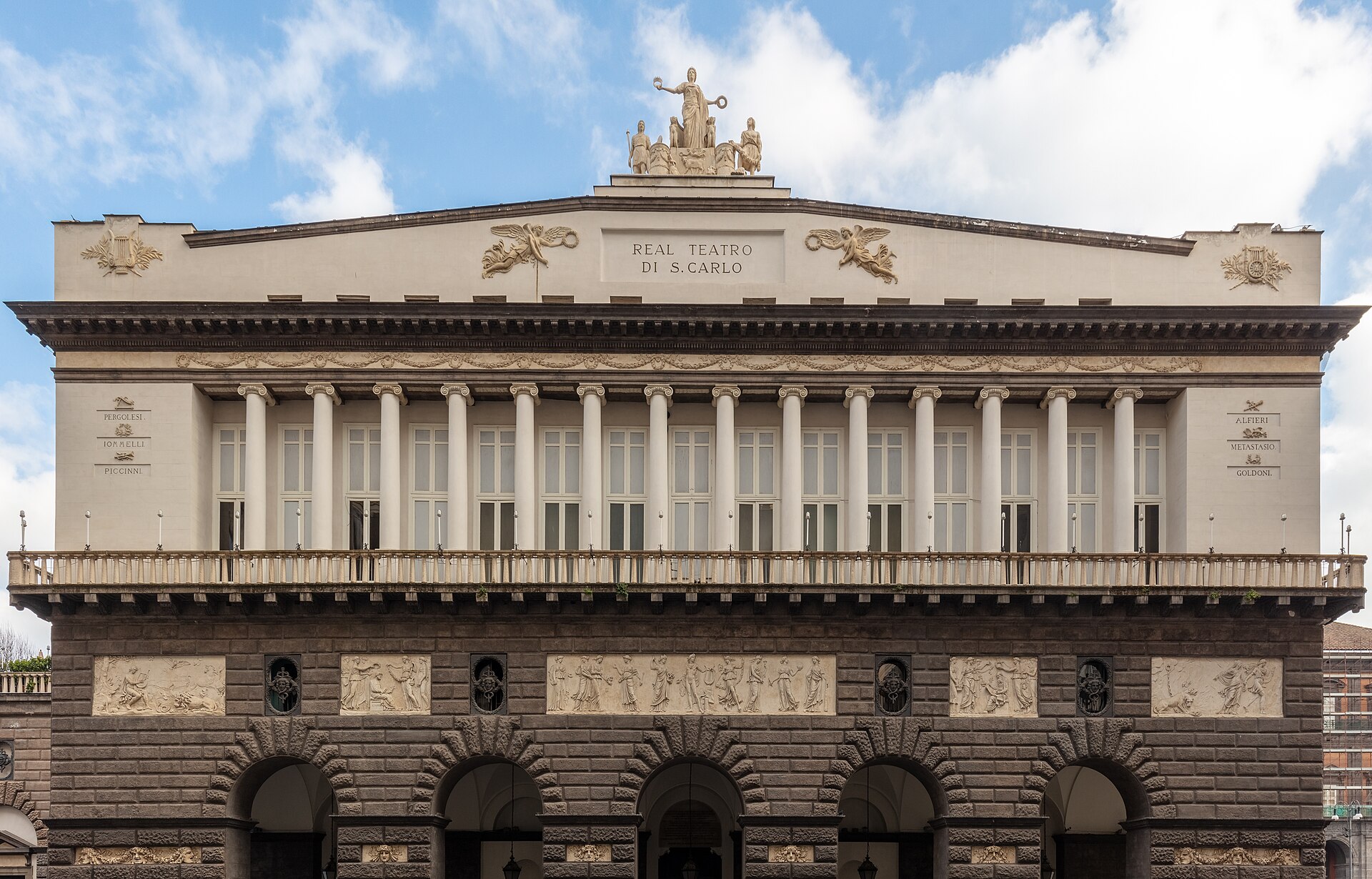
The Teatro Adolfo Mejía (formerly Teatro Heredia) is Cartagena's historic theatre — a Neoclassical opera house opened in 1911 and built on the foundations of a 17th-century convent, with a cream-and-gold interior decorated with murals by Colombian artist Enrique Grau and a horseshoe auditorium inspired by the Palais Garnier in Paris.
Walled City (Ciudad Amurallada)
Cartagena, Cartagena, Colombia
The Walled City is Cartagena's UNESCO World Heritage heart — a 13-kilometre circuit of 17th-century stone walls enclosing a colonial district of cobblestone streets, pastel-painted mansions with wooden balconies draped in bougainvillea, churches, plazas, and the atmospheric decay that makes Cartagena the most photogenic colonial city in South America.
Explore architecture in Cartagena
GPS-guided narration at every landmark. Tap a spot on the map, hear the story. Every fact verified.