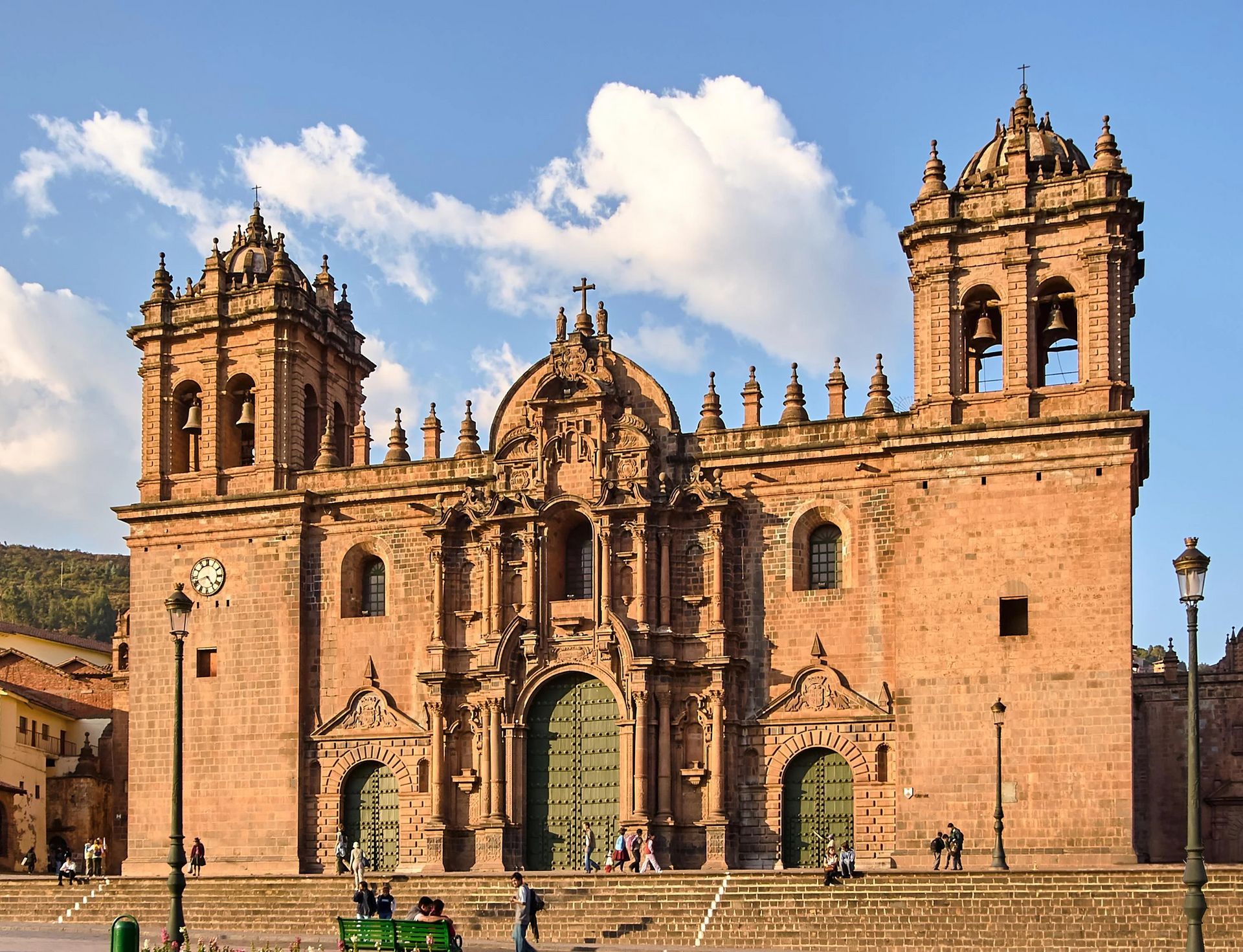
The Cathedral of Cusco is the most important colonial church in Peru — a massive Renaissance and Baroque structure built between 1559 and 1654 using stones quarried from Sacsayhuamán (the Spanish literally disassembled the Inca fortress to build their cathedral), and filled with over 400 paintings from the Cusco School, the artistic movement that produced the most distinctive religious art in the Americas.
The cathedral's collection of Cusco School paintings is its greatest treasure — a corpus of work by indigenous and mestizo artists who adapted European religious iconography to Andean sensibilities, producing Madonnas in triangular skirts that resemble mountains, Last Suppers where Christ eats cuy (guinea pig) instead of lamb, and angels carrying muskets instead of swords. The most famous painting — Marcos Zapata's 'Last Supper' showing cuy on the table — hangs near the entrance and is the most photographed artwork in Peru.
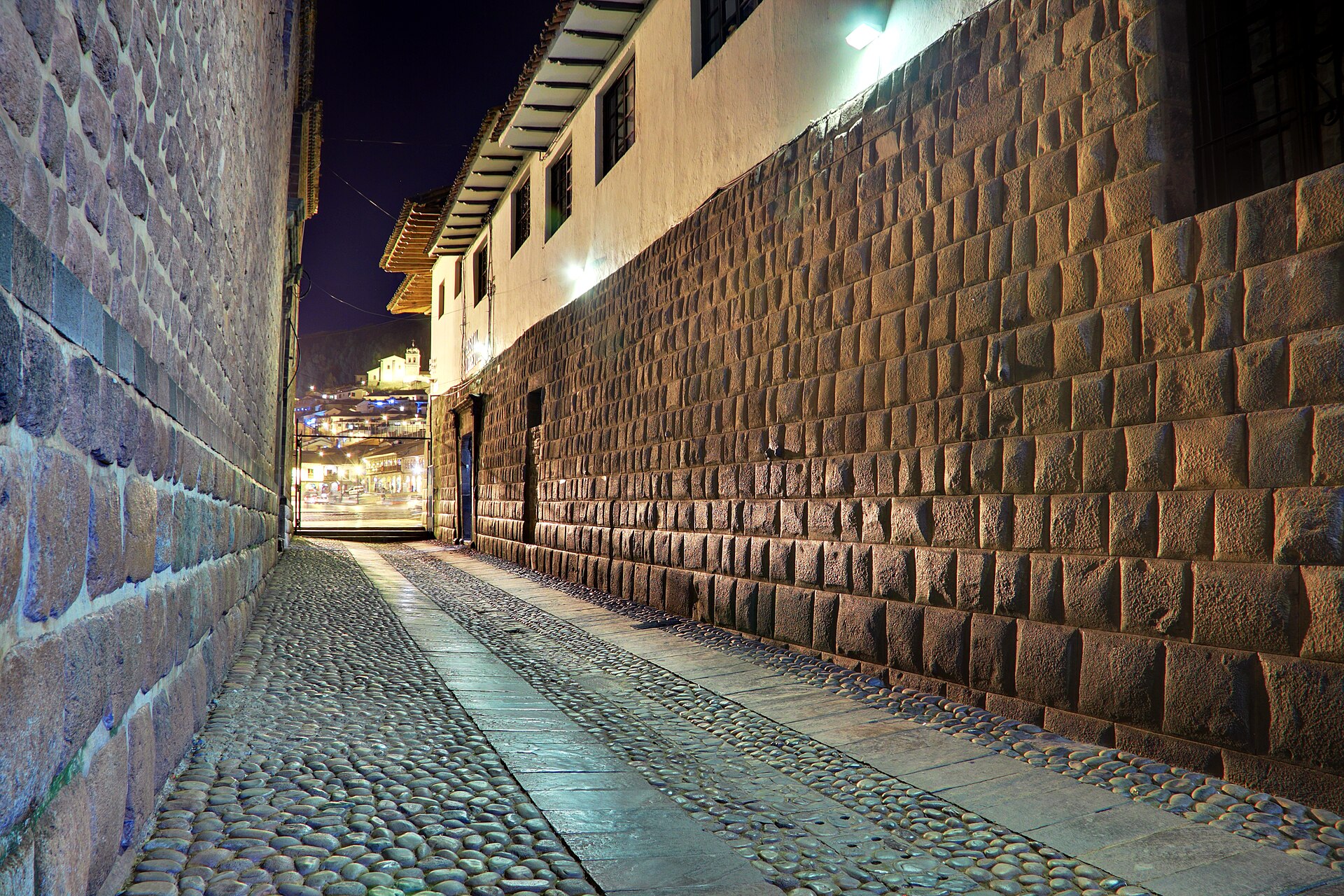
The cathedral's construction on Inca foundations means the building incorporates both the Spanish architectural tradition (barrel vaults, Baroque retables, cedar choir stalls) and the Inca engineering that makes those traditions possible (the foundations are Inca stonework, more stable than anything the Spanish could build). The result is a building that embodies the colonial relationship in stone — Spanish ambition supported by Inca labour and skill.
Verified Facts
The cathedral was built between 1559 and 1654
Stones from Sacsayhuamán were used in the cathedral's construction
The cathedral contains over 400 Cusco School paintings
Marcos Zapata's Last Supper depicts cuy (guinea pig) on the table
Get walking directions
Avenida Arcopata, Cusco, Peru