13 Stunning Architecture Landmarks in Cusco
13 landmarks with verified facts and stories
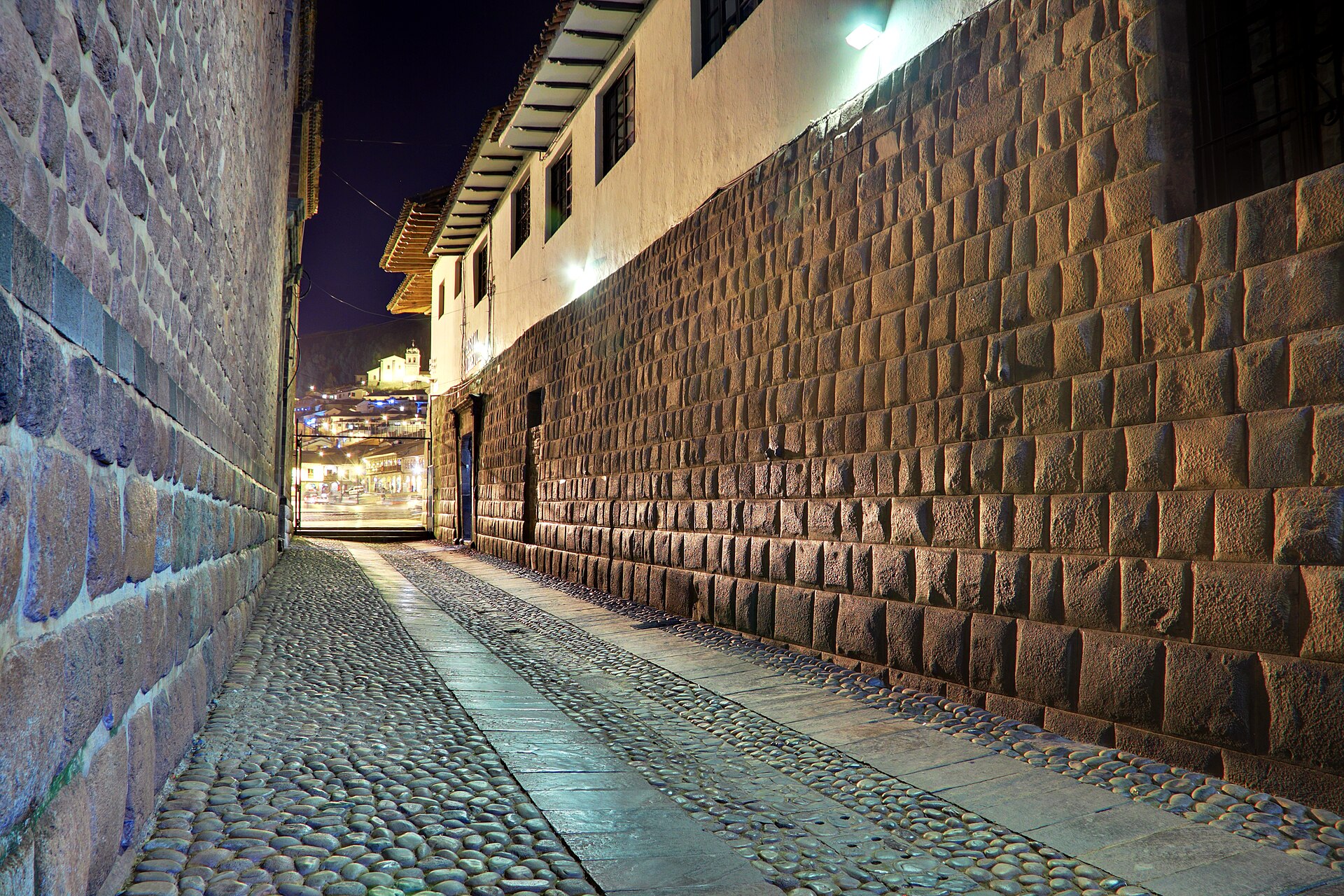
Calle Loreto (Inca Walls)
Loreto, Cusco, Peru
Calle Loreto is the best-preserved Inca street in Cusco — a narrow lane running from the Plaza de Armas southeast toward Qorikancha, flanked on both sides by perfectly fitted Inca stone walls that have been standing since the 15th century.
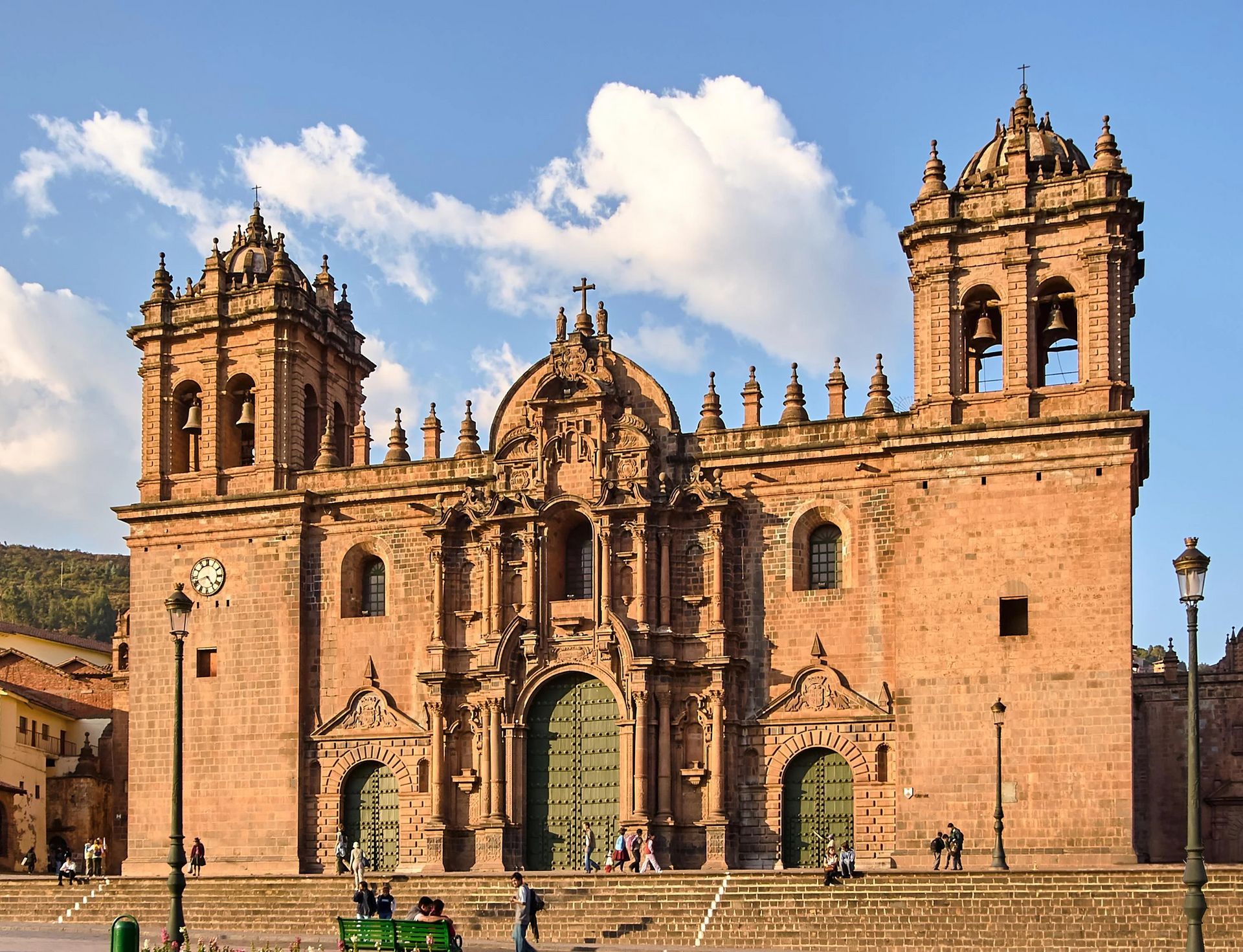
Cusco Cathedral
Avenida Arcopata, Cusco, Peru
The Cathedral of Cusco is the most important colonial church in Peru — a massive Renaissance and Baroque structure built between 1559 and 1654 using stones quarried from Sacsayhuamán (the Spanish literally disassembled the Inca fortress to build their cathedral), and filled with over 400 paintings from the Cusco School, the artistic movement that produced the most distinctive religious art in the Americas.
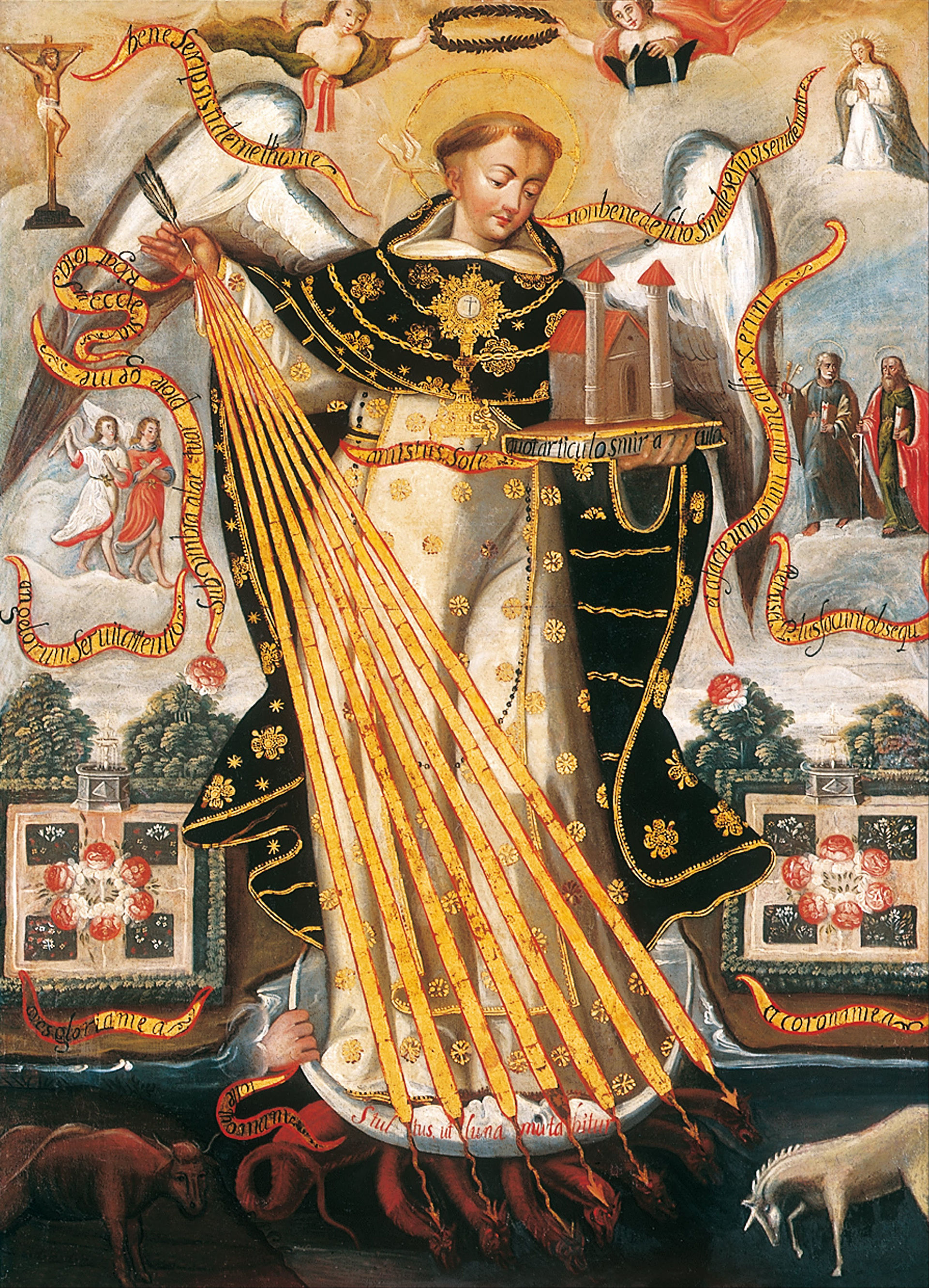
Cusco School of Art & Baroque Churches
Various churches, Historic Centre, Cusco
The Cusco School (Escuela Cusqueña) was the most important artistic movement in colonial South America — a style of painting that developed in Cusco from the 16th to 18th centuries when indigenous and mestizo artists adapted European religious imagery to Andean sensibilities, creating a visual language that is neither purely European nor purely indigenous but a fusion that exists nowhere else.
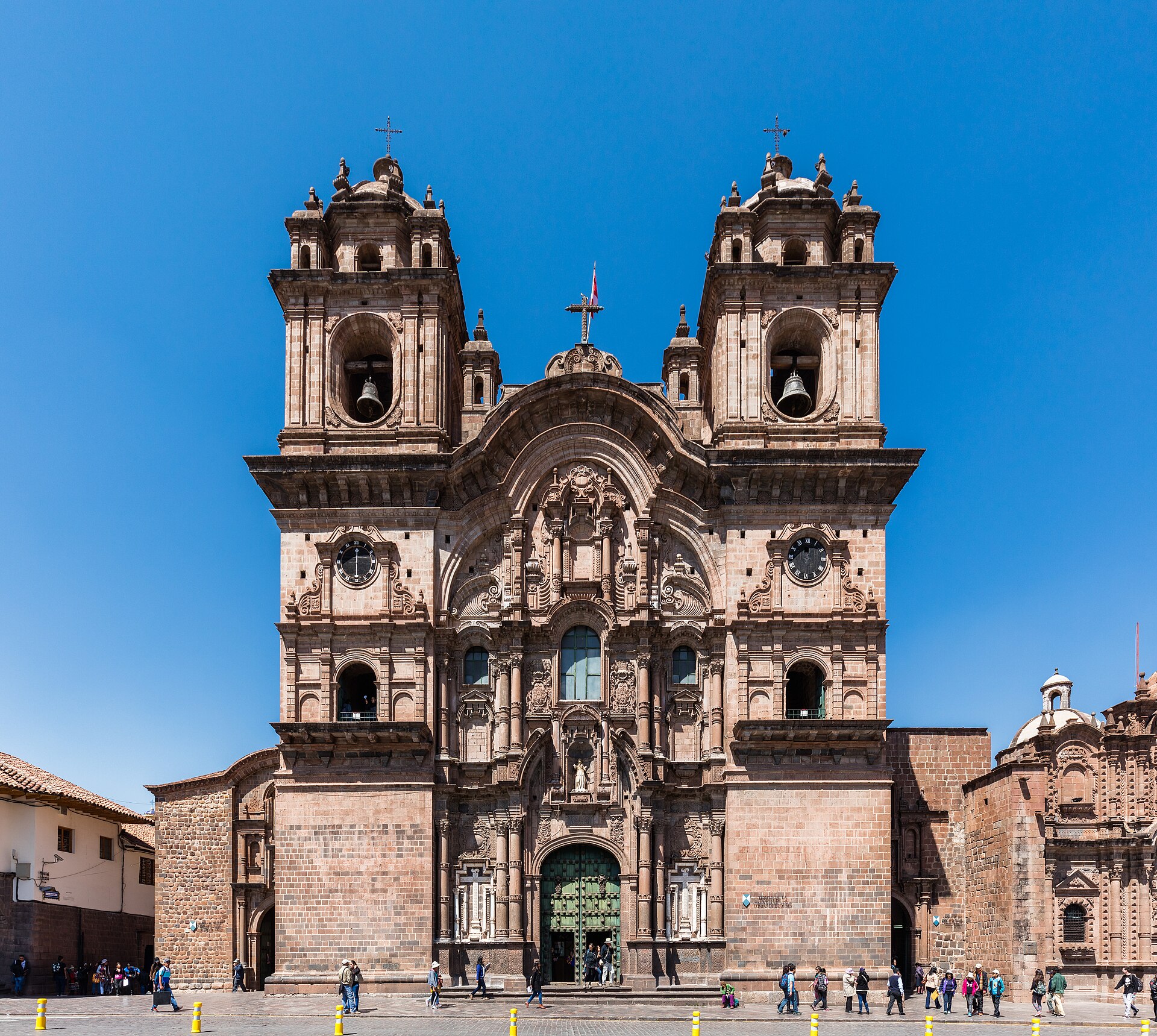
Iglesia de la Compañía de Jesús
Avenida Arcopata, Cusco, Peru
The Church of the Company of Jesus is the most elaborately decorated church in Cusco — a Jesuit church built on the foundations of the Inca Palace of Huayna Capac between 1571 and 1668 whose Baroque facade is so extravagant that the bishop of Cusco complained to the Pope that it outshone his own cathedral (the Pope agreed and ordered the Jesuits to tone it down; they didn't).
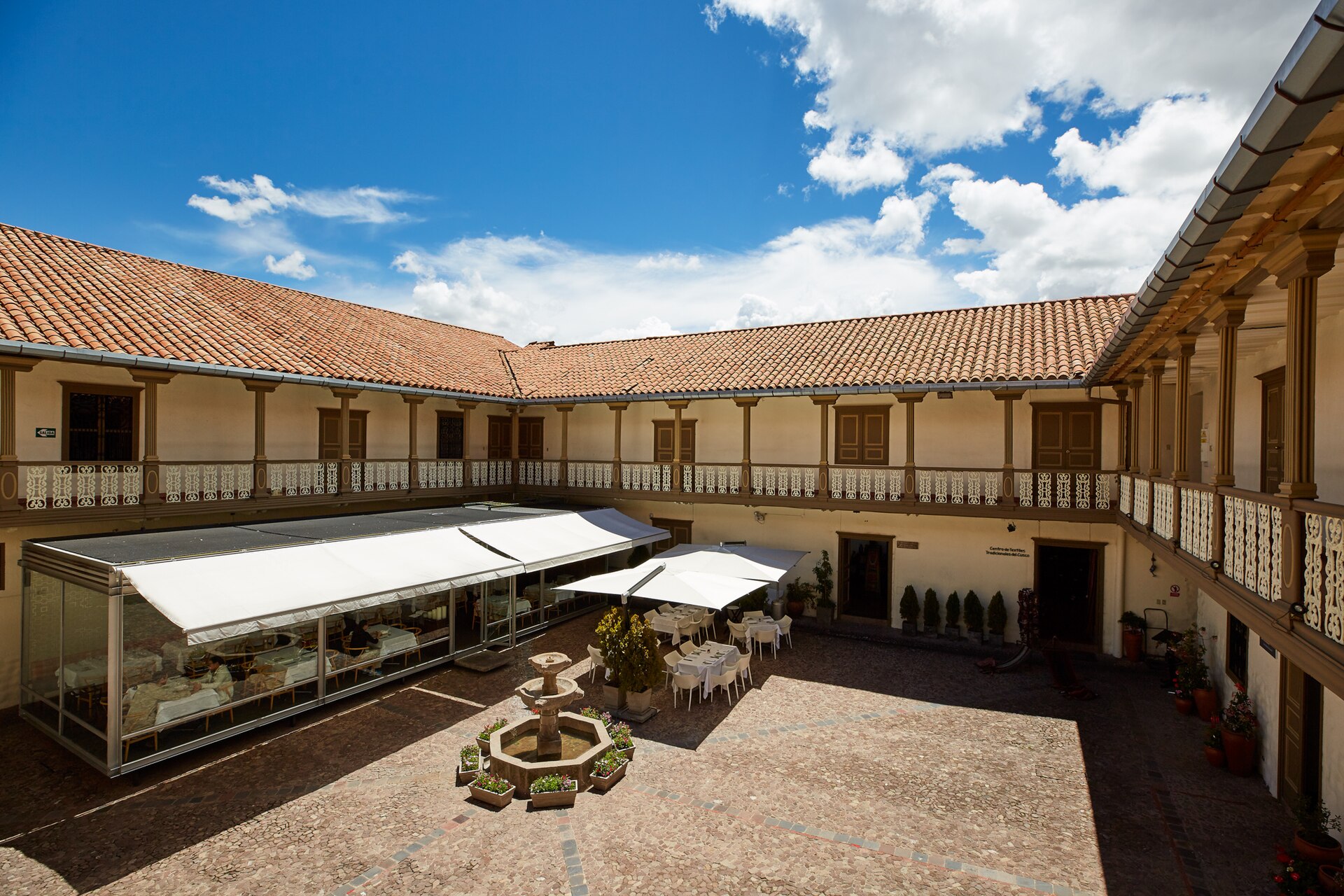
Museo de Arte Precolombino (MAP)
Plaza de las Nazarenas 231, Cusco
The Museo de Arte Precolombino is the finest pre-Columbian art museum in Peru — a curated collection of 450 masterworks selected by Fernando de Szyszlo from the Museo Larco in Lima, displayed in a 15th-century Inca ceremonial building that was later converted into the colonial Casa Cabrera.
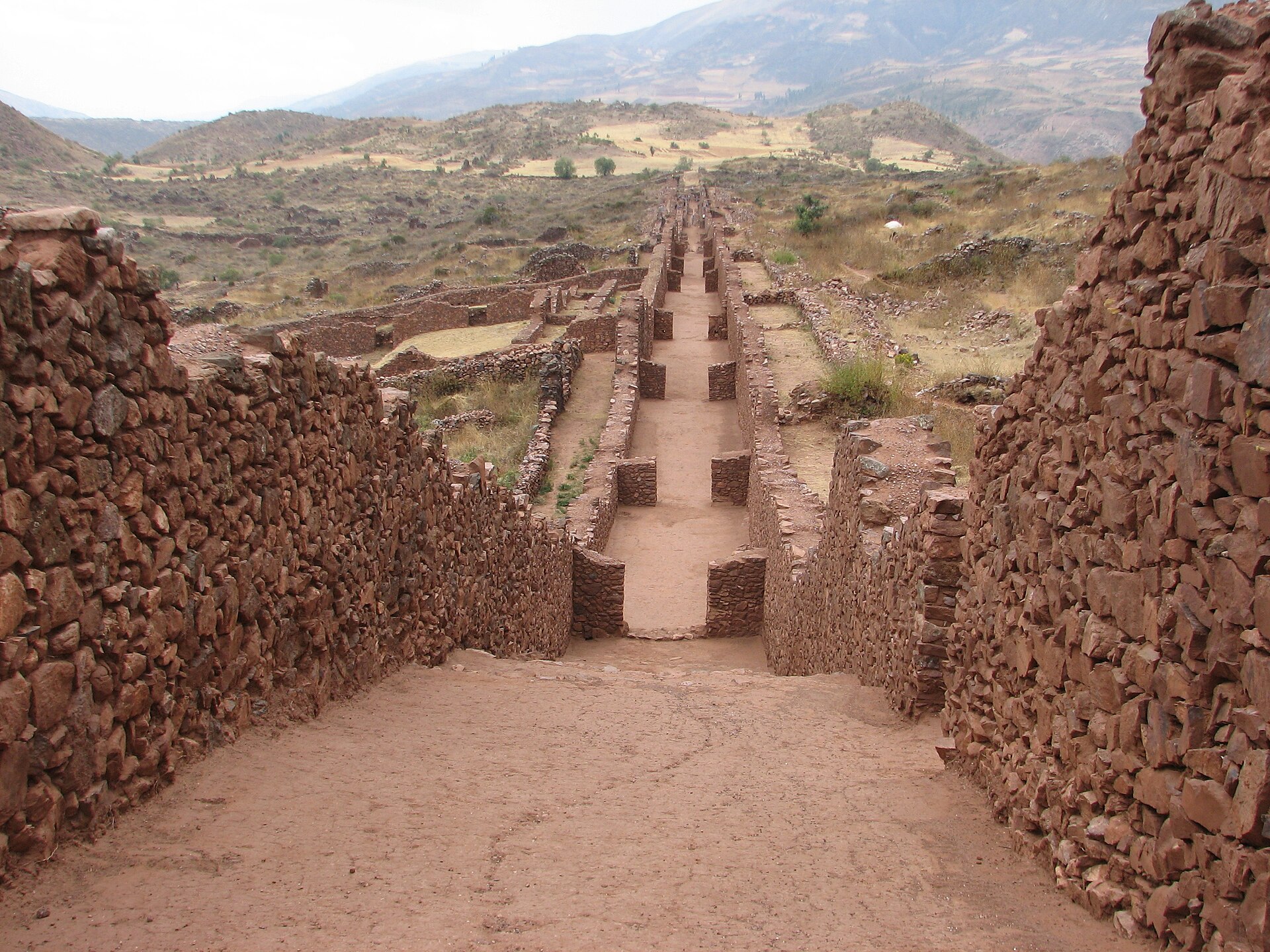
Pikillacta (Pre-Inca Wari Ruins)
Pikillacta, Lucre District, Cusco Region
Pikillacta is the largest pre-Inca archaeological site in the Cusco region — a Wari Empire administrative centre built between 600 and 1000 AD that predates the Inca by several centuries and demonstrates that the Cusco valley was a centre of civilisation long before Manco Cápac founded the Inca dynasty.
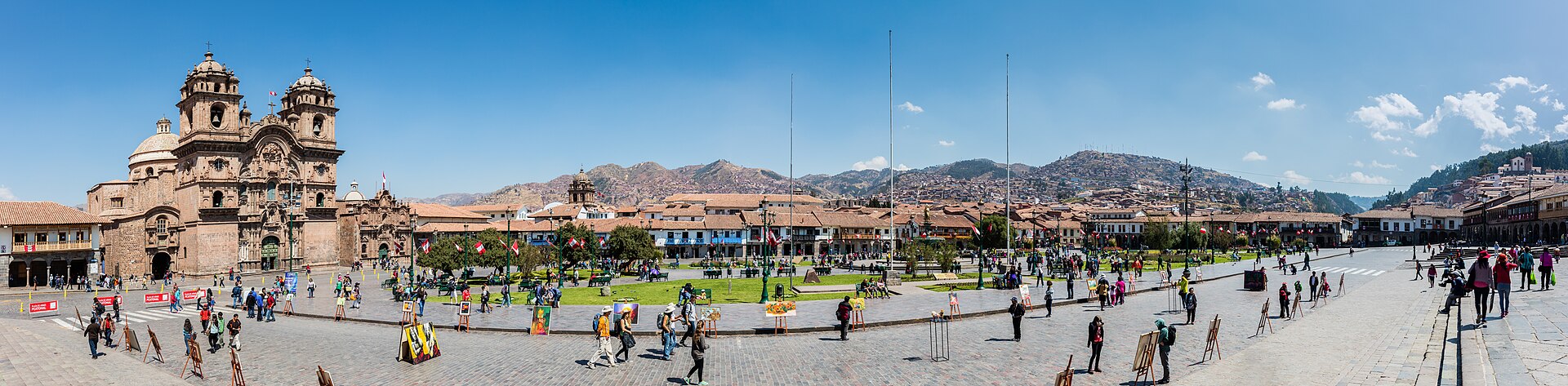
Plaza de Armas
Plaza de Armas, Cusco
The Plaza de Armas is the heart of Cusco and one of the most historically layered public squares in the Americas — the site of the Inca Huacaypata (the great ceremonial plaza of the Inca Empire), rebuilt by the Spanish as the centre of colonial Cusco, and now a UNESCO World Heritage space surrounded by colonial arcades, Baroque churches, and the restaurants and shops that serve the city's modern tourism economy.
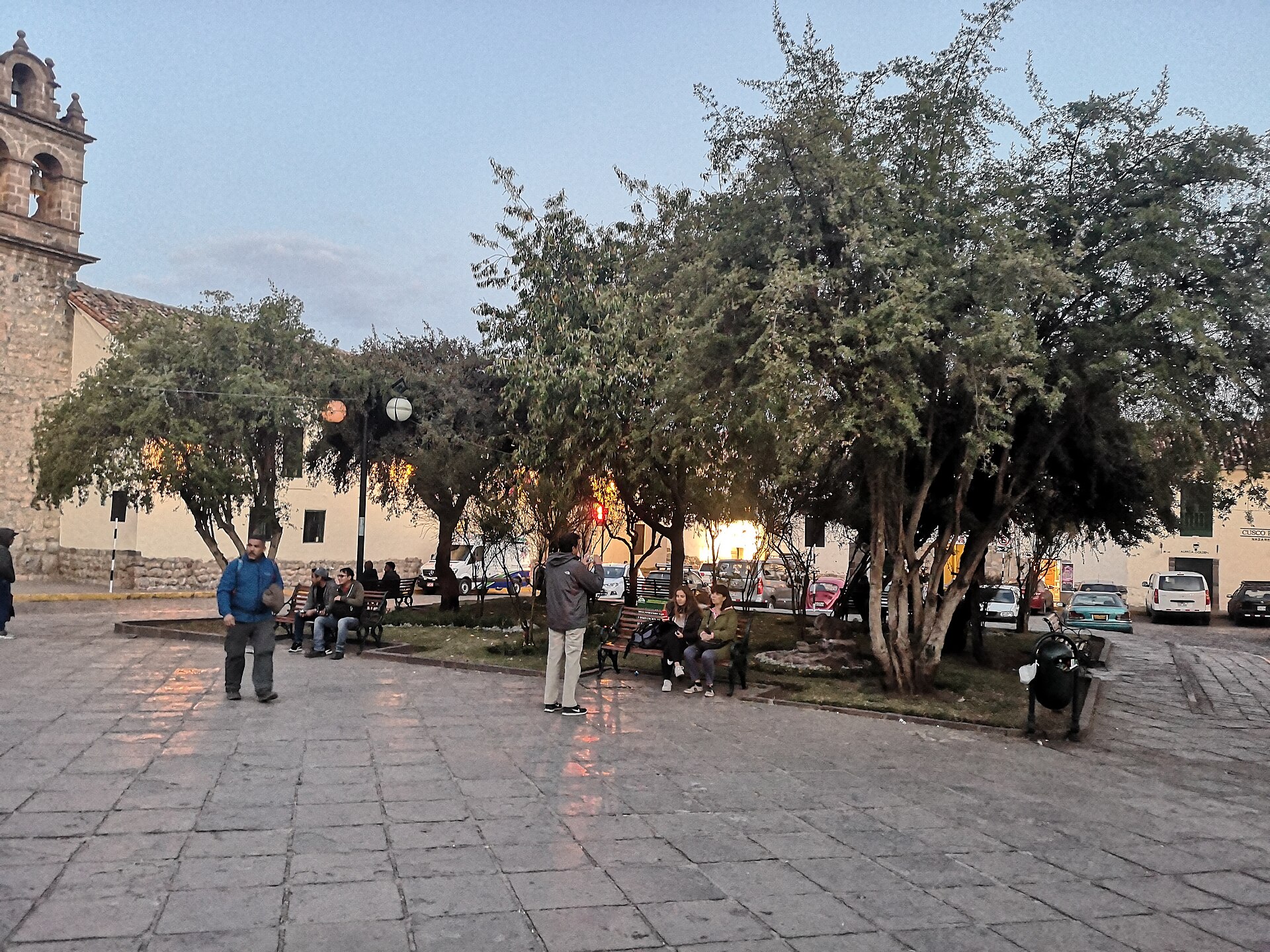
Plaza de las Nazarenas & Surrounding Streets
Plaza de las Nazarenas, Cusco
Plaza de las Nazarenas is Cusco's most elegant small square — a quiet, cobblestoned plaza one block from the Plaza de Armas that is surrounded by the finest colonial mansions in the city, now converted into boutique hotels, restaurants, and the Museo de Arte Precolombino.
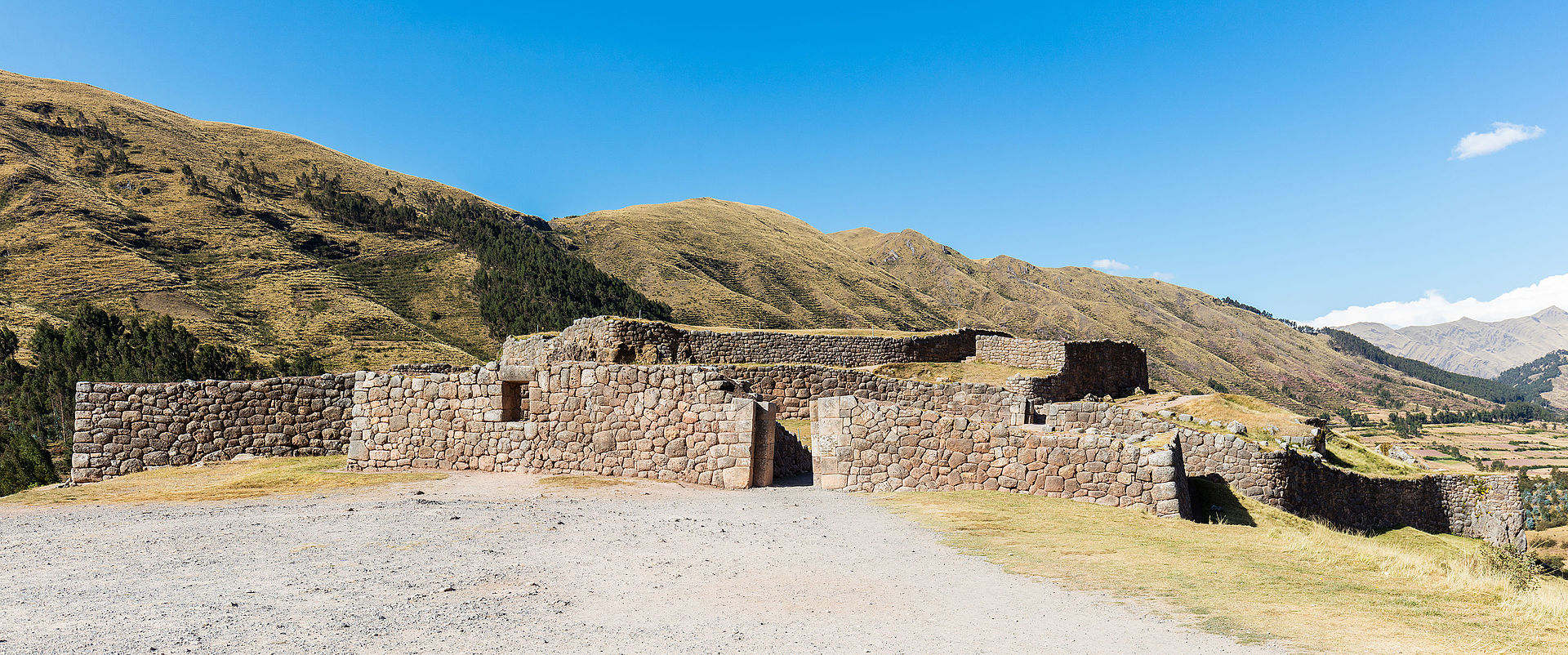
Puca Pucara
Carretera Cusco-Pisac, km 7, Cusco
Puca Pucara ('Red Fortress' in Quechua, from the colour its limestone takes at sunset) is a small Inca ruin 7 kilometres northeast of Cusco on the road to Pisac — probably a military post and tambo (relay station) that guarded the approach to Cusco from the north and served as accommodation for travellers and officials moving between the capital and the Sacred Valley.
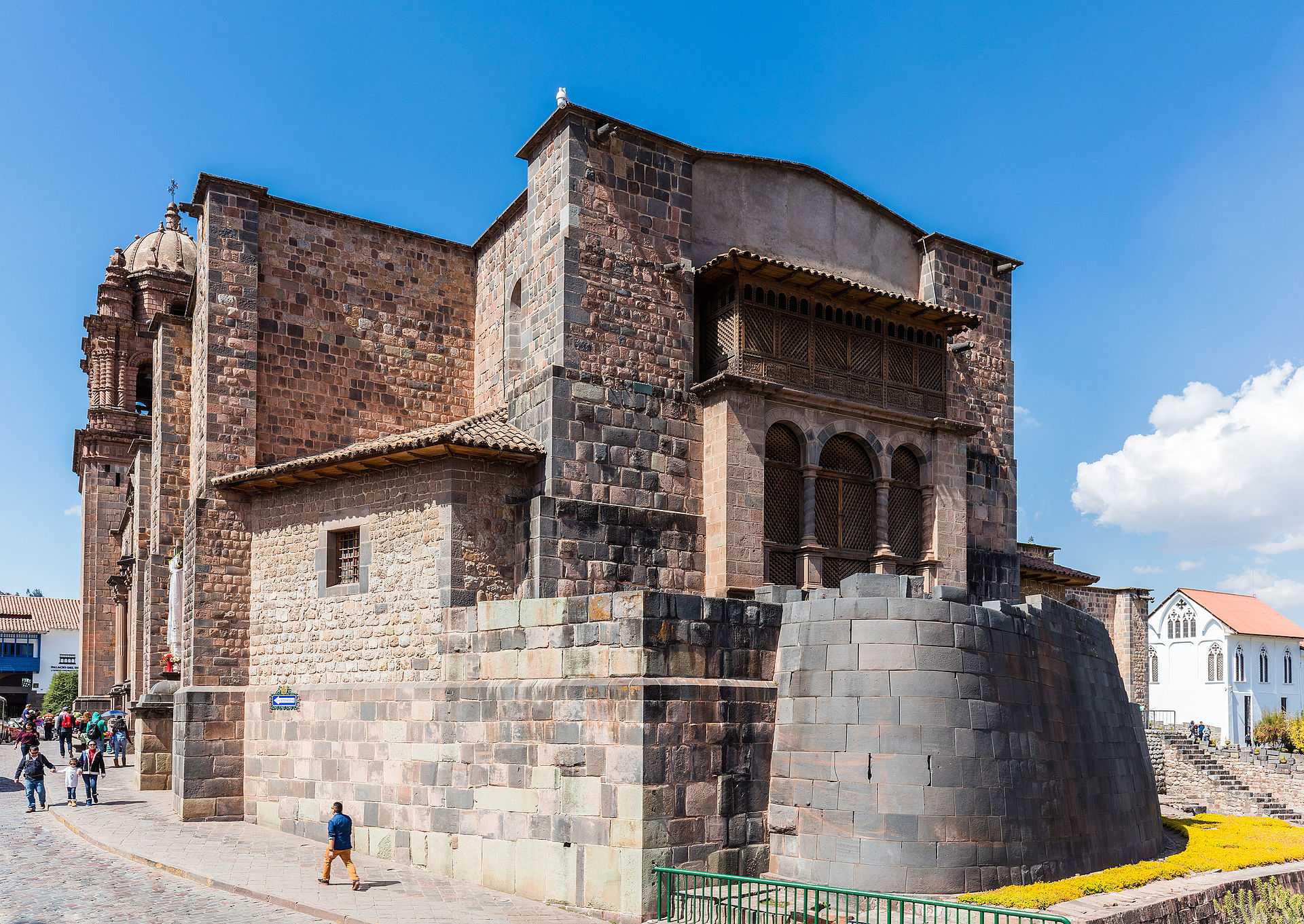
Qorikancha (Temple of the Sun)
Plazoleta Intipampa, Cusco
Qorikancha was the most sacred temple in the Inca Empire — the Temple of the Sun, whose walls were reportedly covered in sheets of gold and whose gardens contained golden replicas of corn, llamas, and flowers.
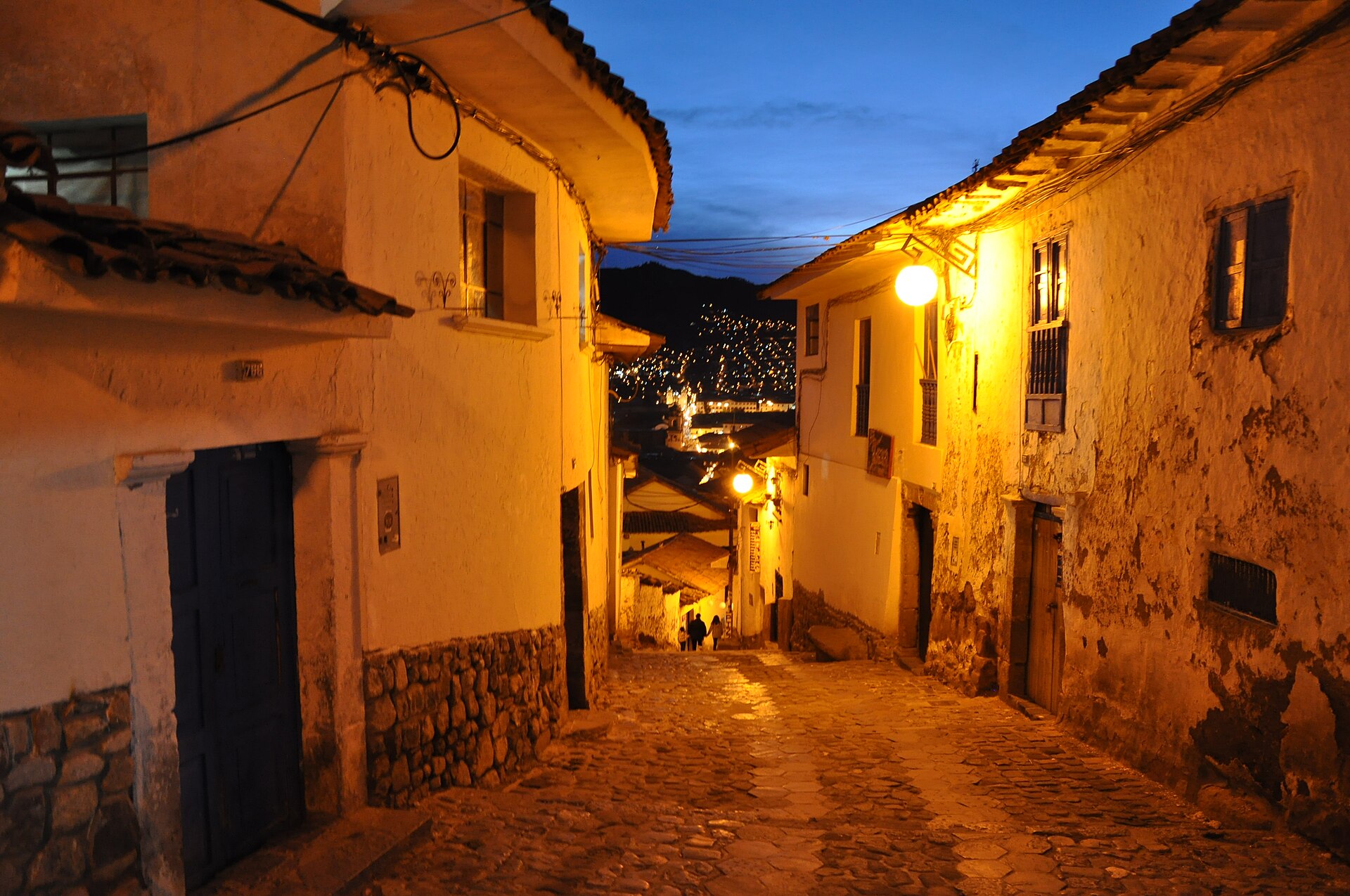
San Blas Neighbourhood
San Blas, Cusco
San Blas is Cusco's artisan quarter — a steep hillside neighbourhood of narrow cobblestone streets, whitewashed houses with blue doors, and the studios of the ceramic artists, painters, woodcarvers, and weavers who have made this district the creative heart of the city since the colonial period.
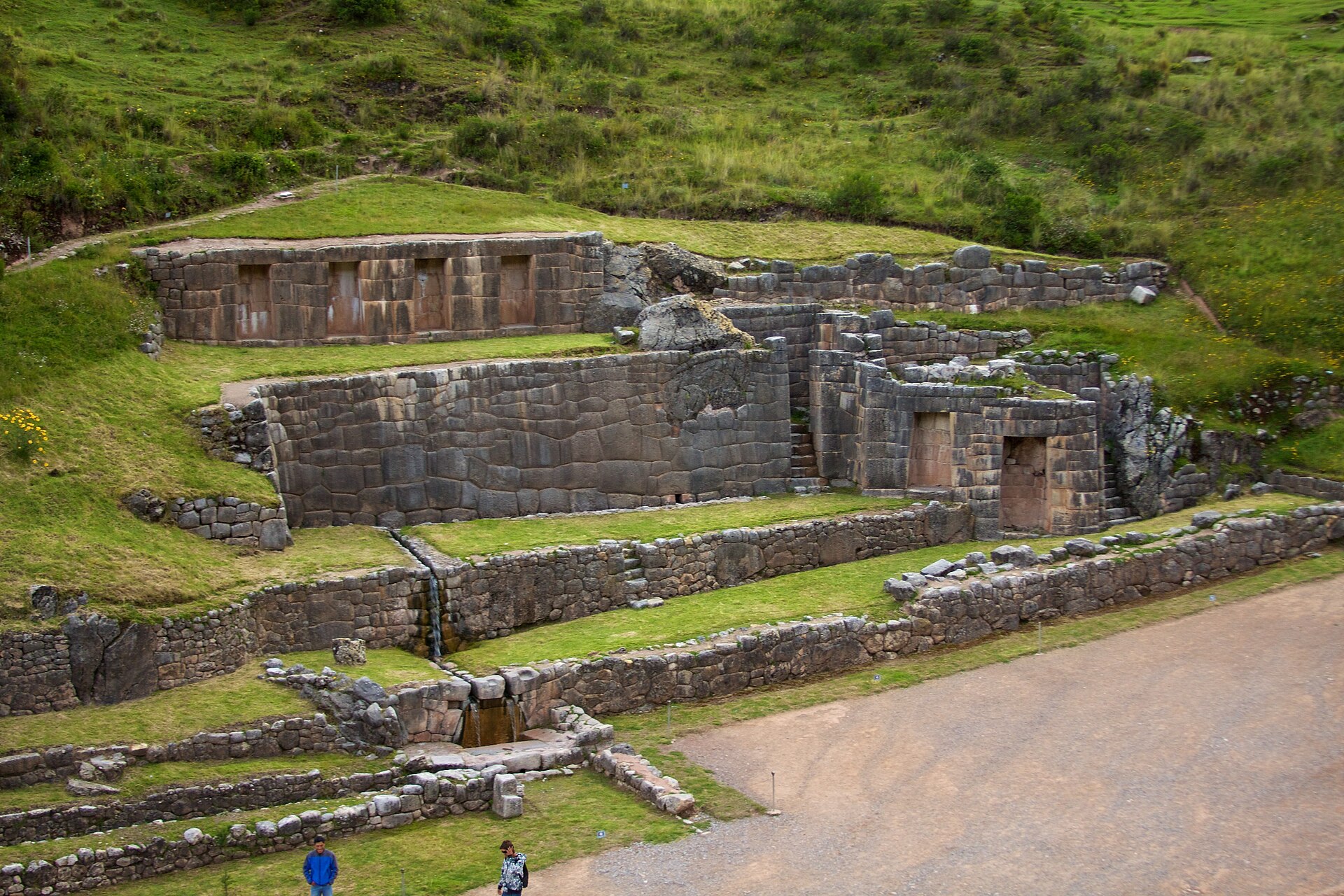
Tambomachay & Inca Water Temple
Tambomachay, Cusco
Tambomachay is an Inca ceremonial site of flowing water — a series of stone channels, aqueducts, and cascading fountains carved into the hillside above Cusco that demonstrate the Inca's reverence for water and their mastery of hydraulic engineering.
Twelve-Angle Stone (Hatunrumiyoc)
Calle Hatunrumiyoc, Cusco
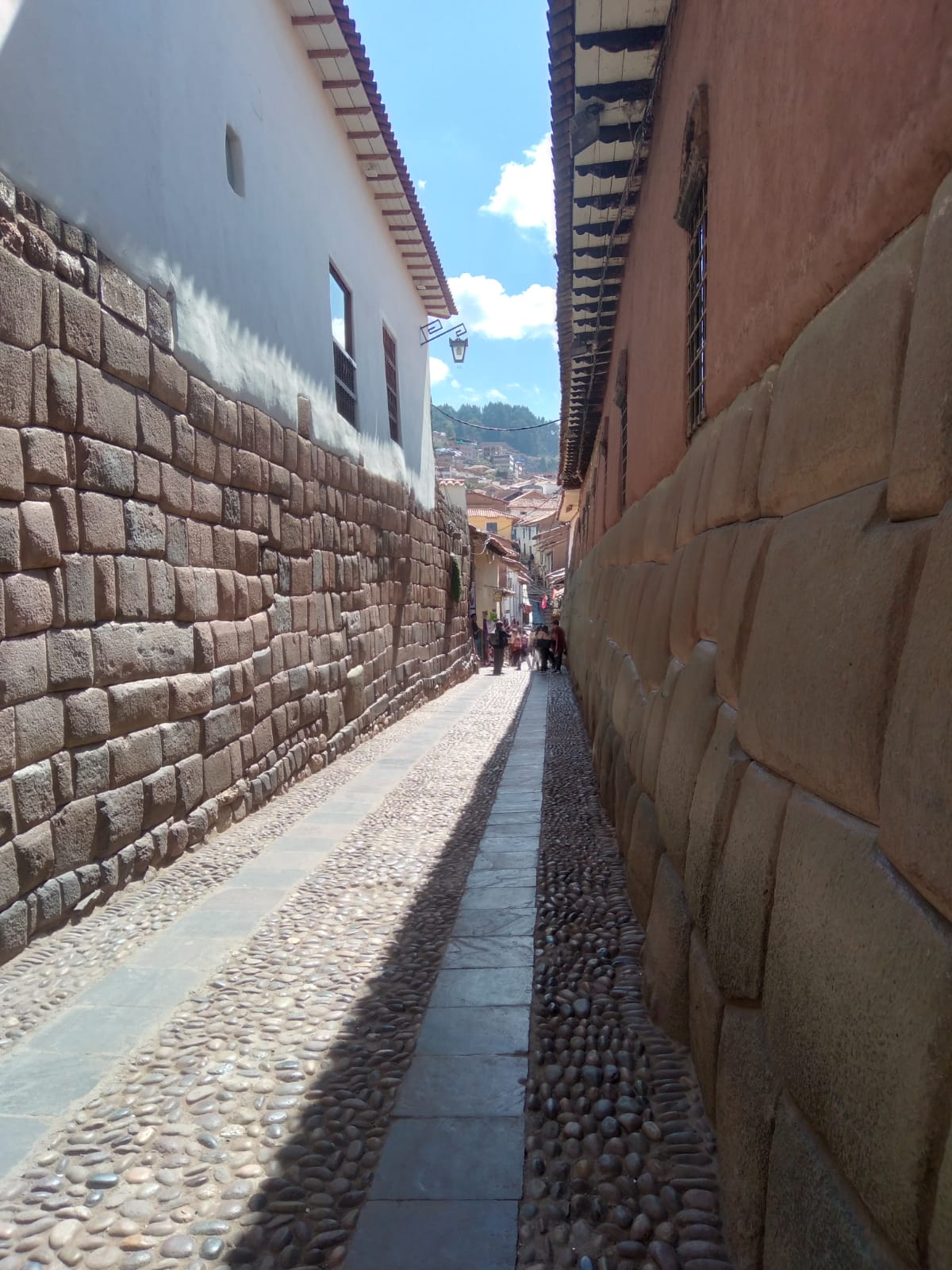
The Twelve-Angle Stone is the most famous individual stone in Inca architecture — a precisely cut andesite block fitted into a wall on Calle Hatunrumiyoc that has twelve angles and edges, each fitting perfectly against the neighbouring stones without mortar.
Explore architecture in Cusco
GPS-guided narration at every landmark. Tap a spot on the map, hear the story. Every fact verified.