Cusco's food culture is one of the most distinctive in the Americas — a highland cuisine built on ingredients that have been cultivated in the Andes for thousands of years and that are only now being discovered by the international food world. Peru has over 3,000 varieties of potato (many cultivated in the highlands around Cusco), hundreds of varieties of corn, and the quinoa, kiwicha, and other Andean grains that the Inca cultivated as staples and that the rest of the world has adopted as superfoods.
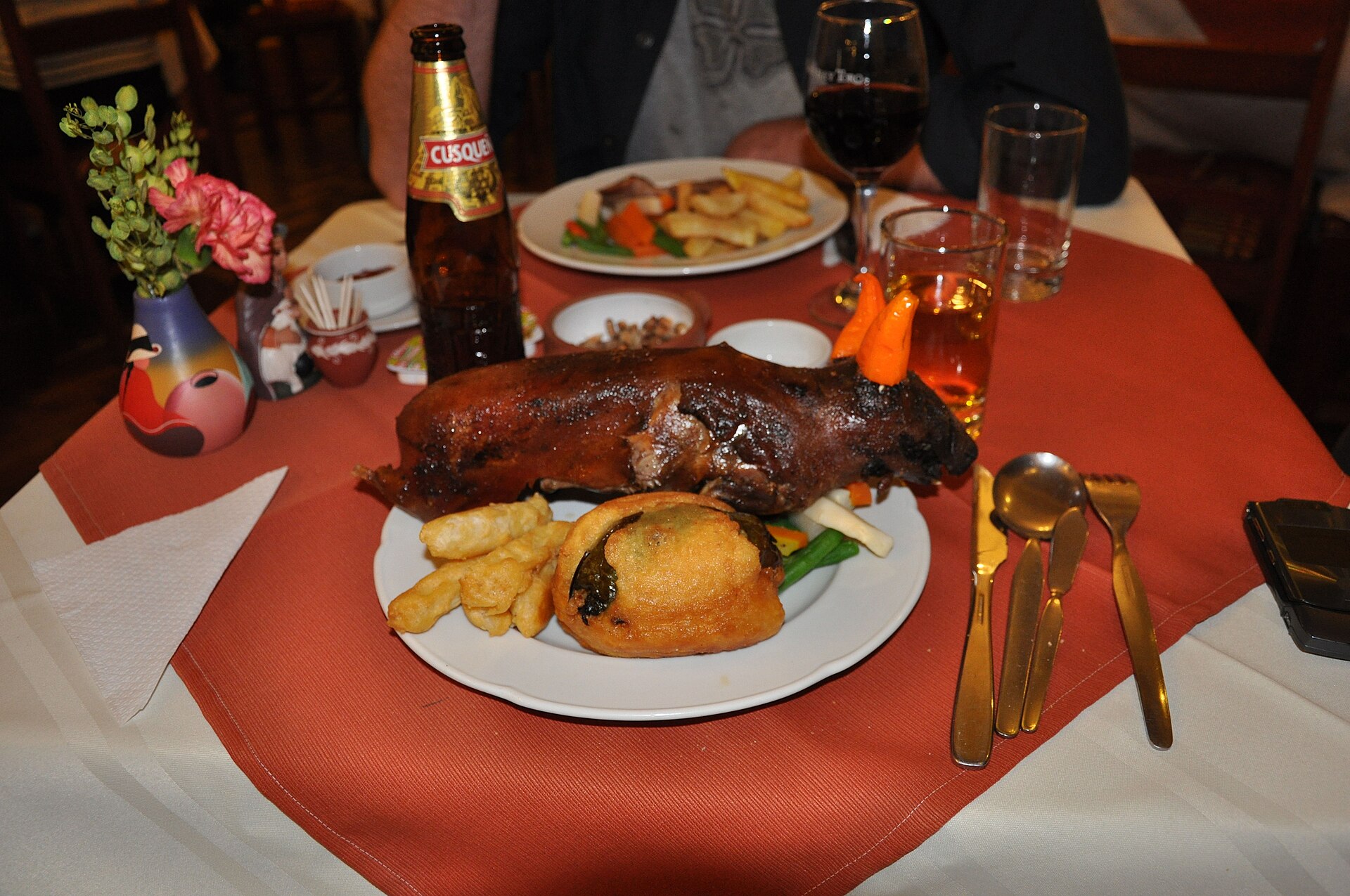
Cuy (roasted guinea pig) is the essential Cusco dish — a whole animal roasted on a spit until the skin is crispy and the meat is tender, served with potatoes and ají (chilli sauce). Cuy has been the primary protein source in the Andes for over 5,000 years, and eating it in Cusco — where it's sold in markets, served in restaurants, and roasted by street vendors — provides a connection to a food tradition that predates the Inca. The flavour is comparable to rabbit, and the cultural resistance that Western visitors sometimes feel is entirely a product of unfamiliarity.
The new Peruvian cuisine movement has reached Cusco — restaurants like Chicha (by Gastón Acurio, Peru's most famous chef) and MAP Café serve sophisticated interpretations of highland ingredients, while the picanterías (traditional restaurants) serve the comfort food — rocoto relleno (stuffed hot peppers), chiriuchu (a cold plate of meats, cheese, and seaweed served during Corpus Christi), and the soups that sustain life at 3,400 metres.
Verified Facts
Peru has over 3,000 varieties of potato
Cuy has been eaten in the Andes for over 5,000 years
Gastón Acurio is Peru's most famous chef
Chicha is Gastón Acurio's restaurant in Cusco
Get walking directions
Various locations, Cusco