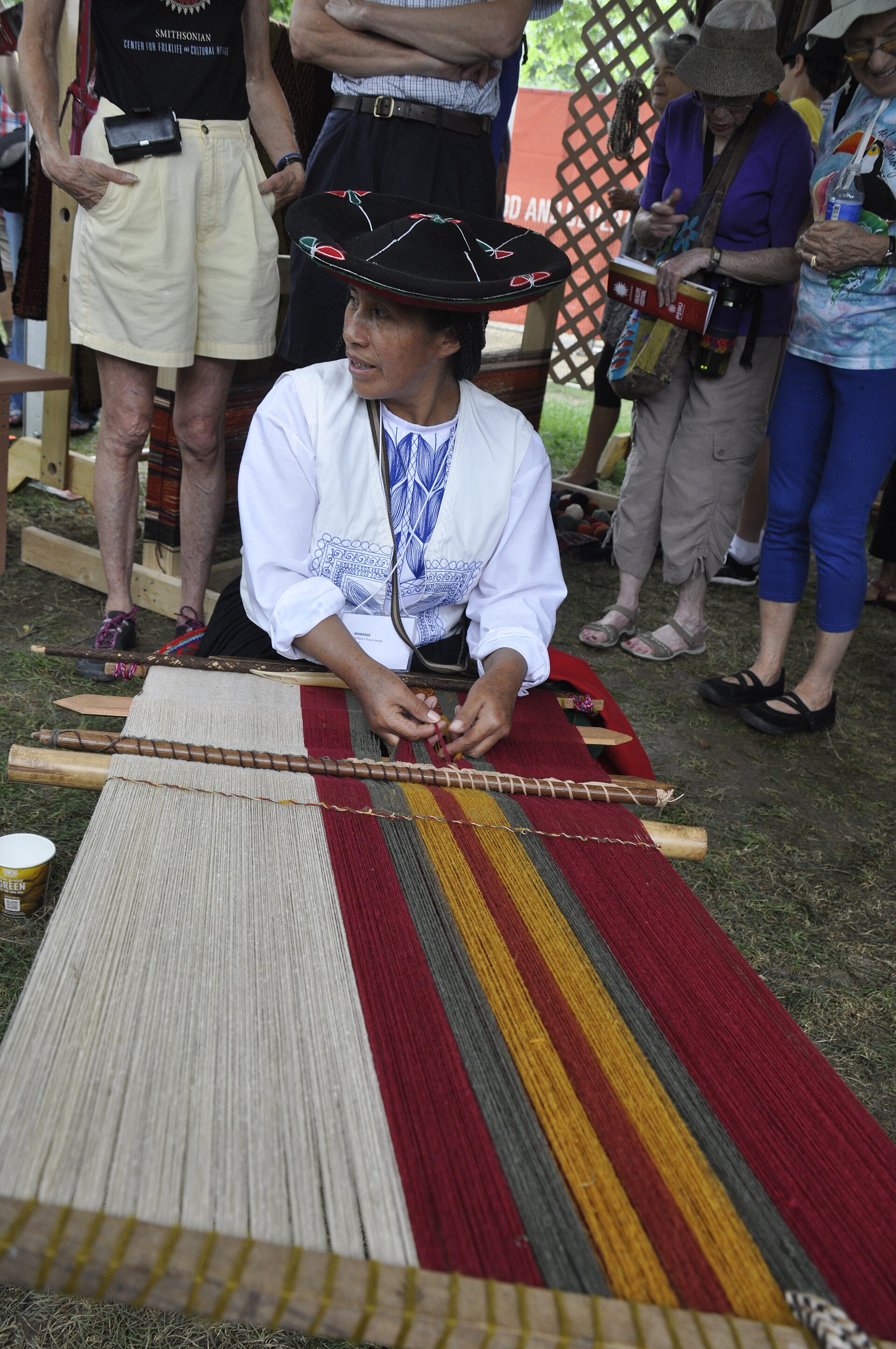
Centro de Textiles Tradicionales del Cusco
Avenida El Sol, Cusco, Peru
The Centre for Traditional Textiles of Cusco is a non-profit organisation and museum that preserves and promotes the weaving traditions of Cusco's Quechua communities — a space where you can watch weavers demonstrate traditional techniques, learn about the symbolism encoded in Andean textile patterns, and buy directly from the communities whose livelihoods depend on maintaining these skills.
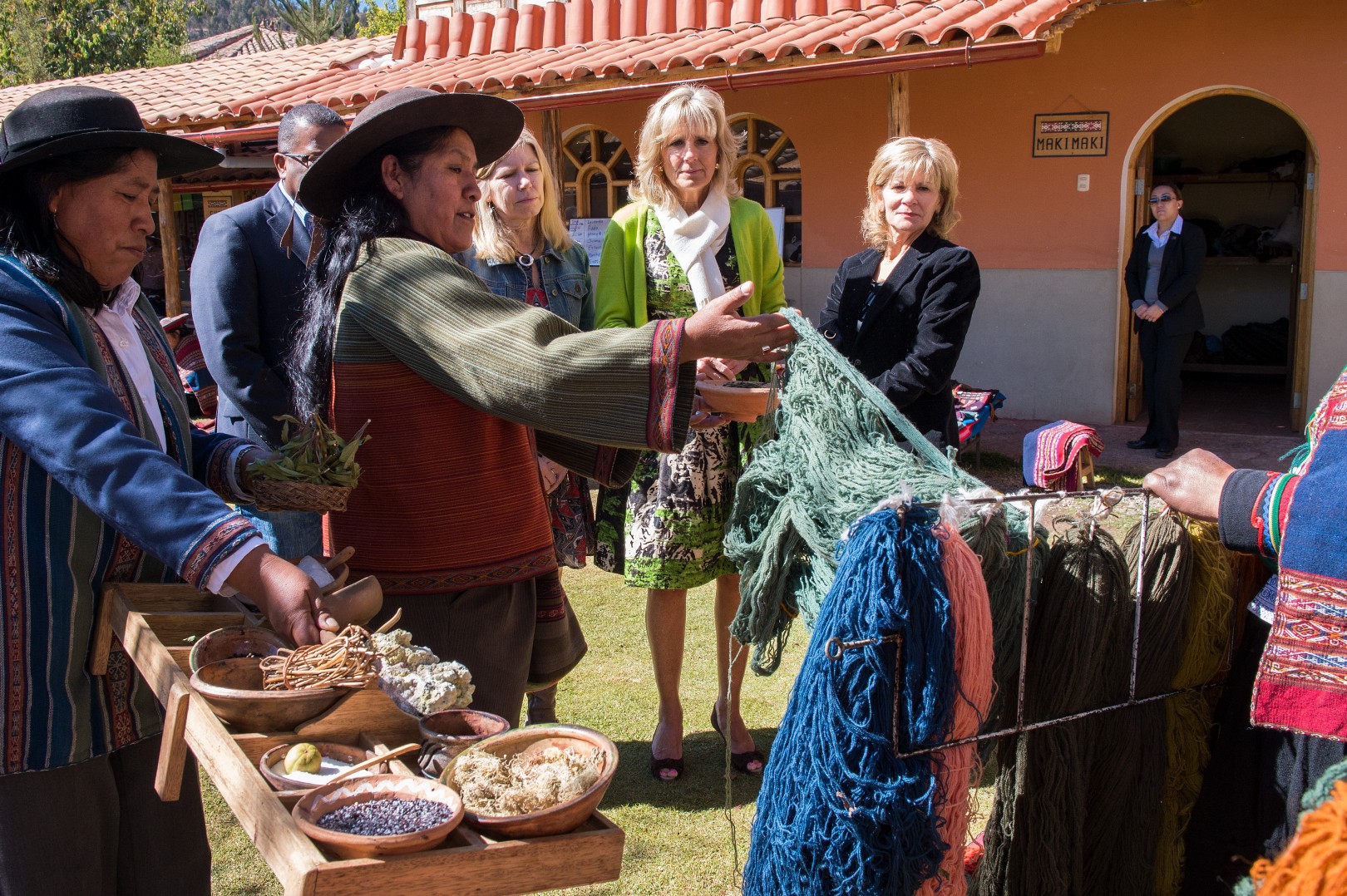
Chinchero Textile Market & Ruins
Chinchero, Sacred Valley, Cusco Region
Chinchero is a highland village 30 kilometres from Cusco at 3,762 metres that combines Inca ruins, a colonial church, and the most authentic traditional textile market in the Sacred Valley.
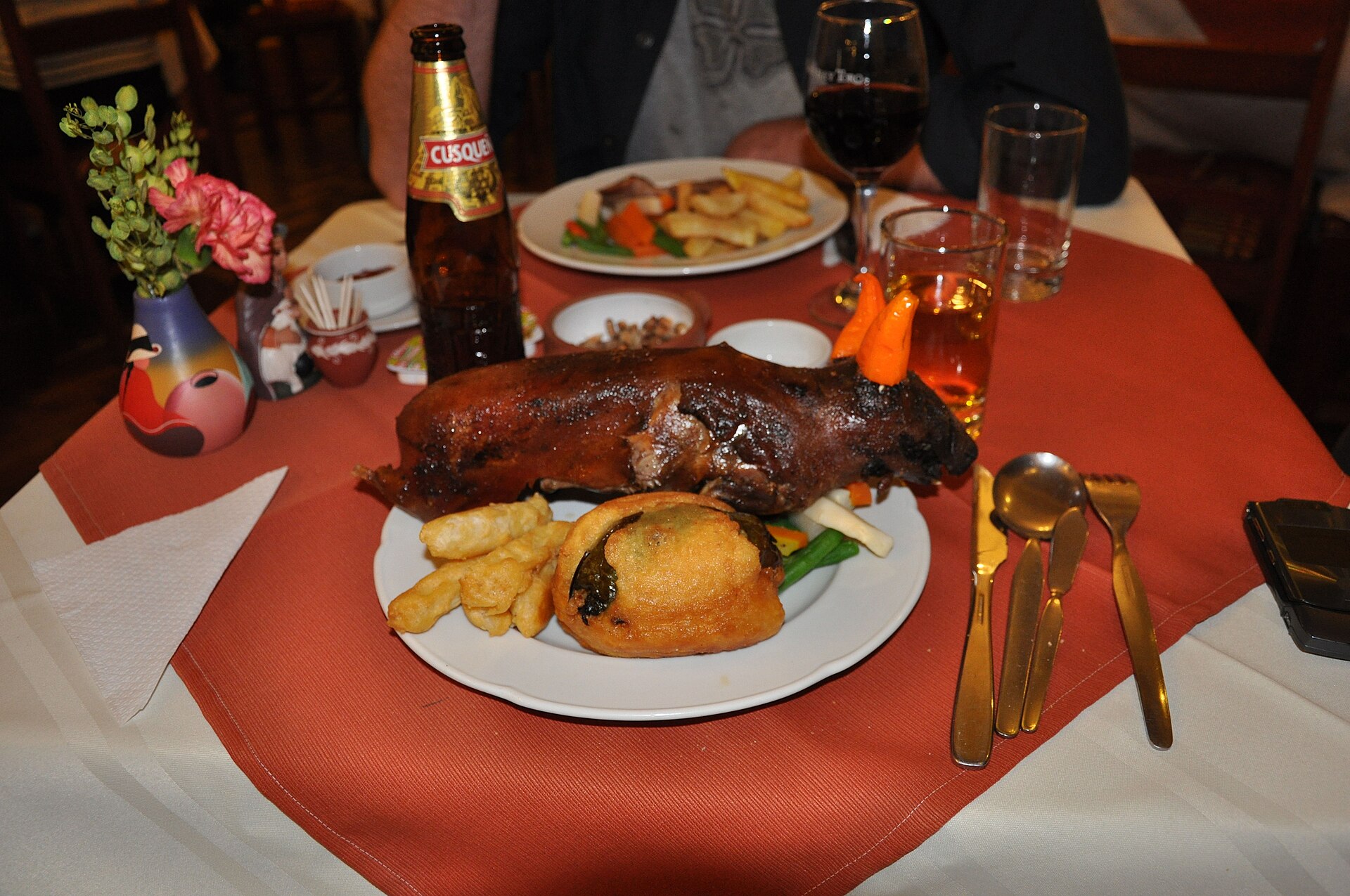
Cusco Food Culture
Various locations, Cusco
Cusco's food culture is one of the most distinctive in the Americas — a highland cuisine built on ingredients that have been cultivated in the Andes for thousands of years and that are only now being discovered by the international food world.
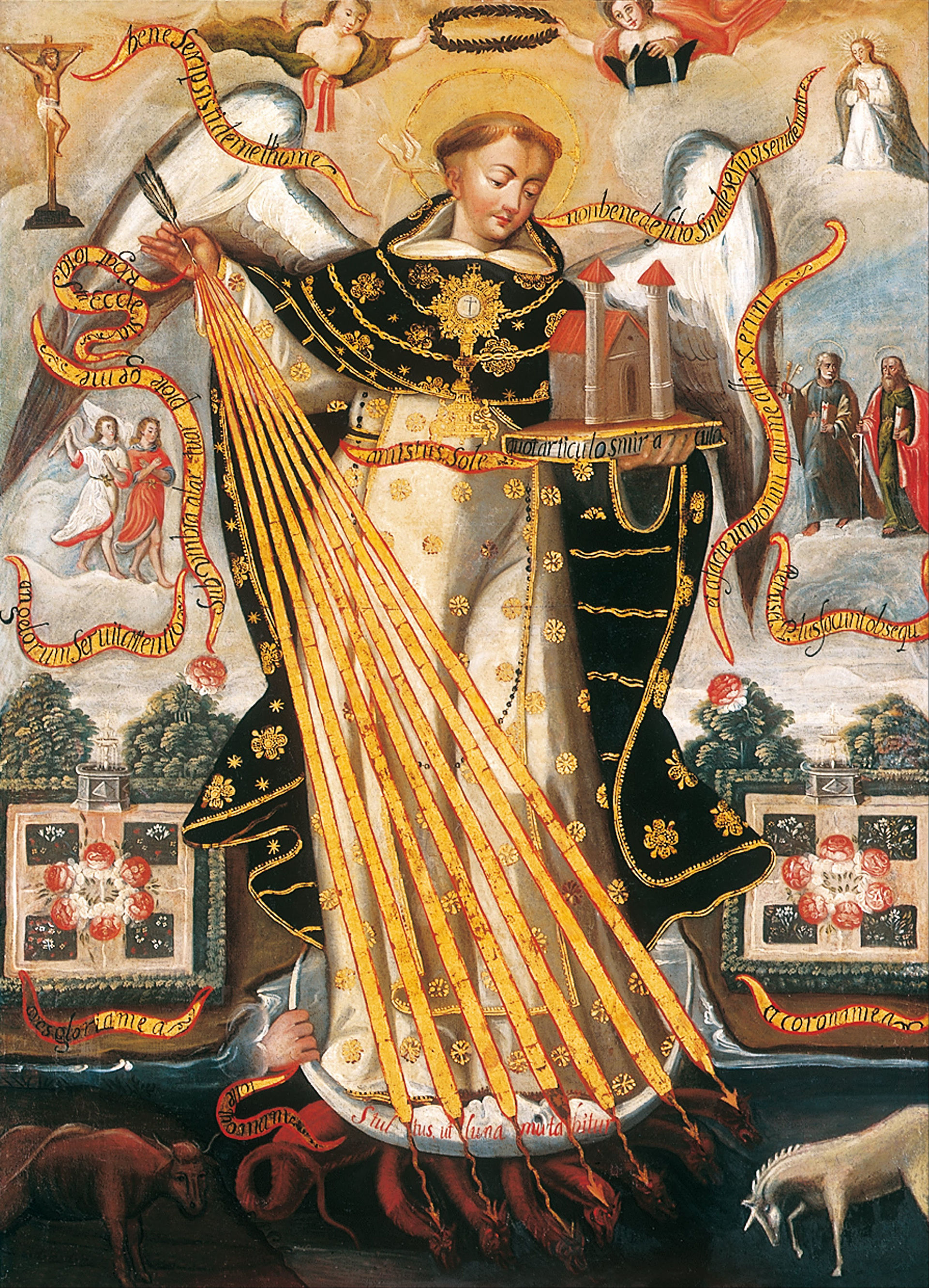
Cusco School of Art & Baroque Churches
Various churches, Historic Centre, Cusco
The Cusco School (Escuela Cusqueña) was the most important artistic movement in colonial South America — a style of painting that developed in Cusco from the 16th to 18th centuries when indigenous and mestizo artists adapted European religious imagery to Andean sensibilities, creating a visual language that is neither purely European nor purely indigenous but a fusion that exists nowhere else.
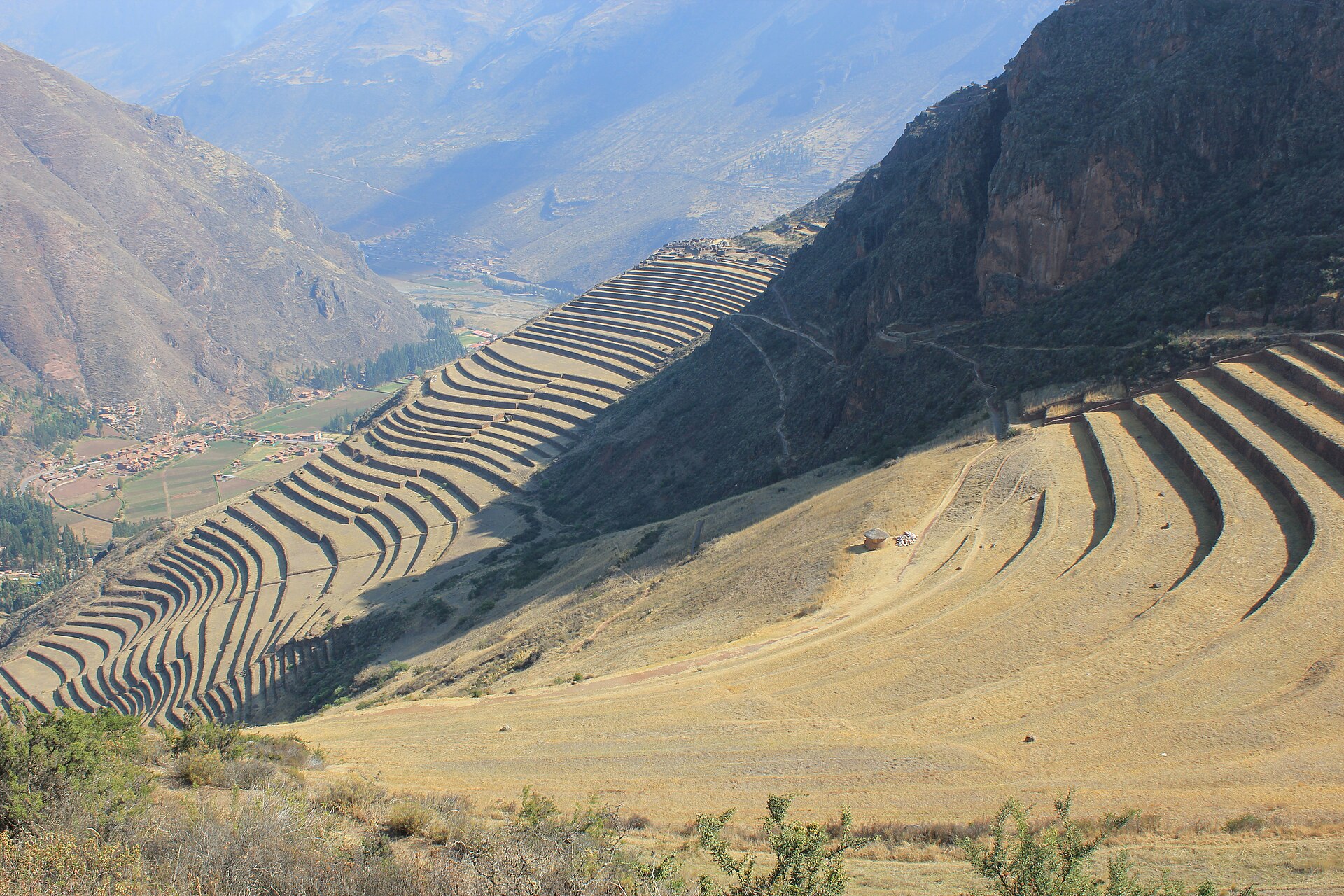
Pisac Ruins & Market
Pisac, Sacred Valley, Cusco Region
Pisac is a Sacred Valley town that combines some of the most dramatic Inca ruins in Peru with the most popular traditional market in the Cusco region.
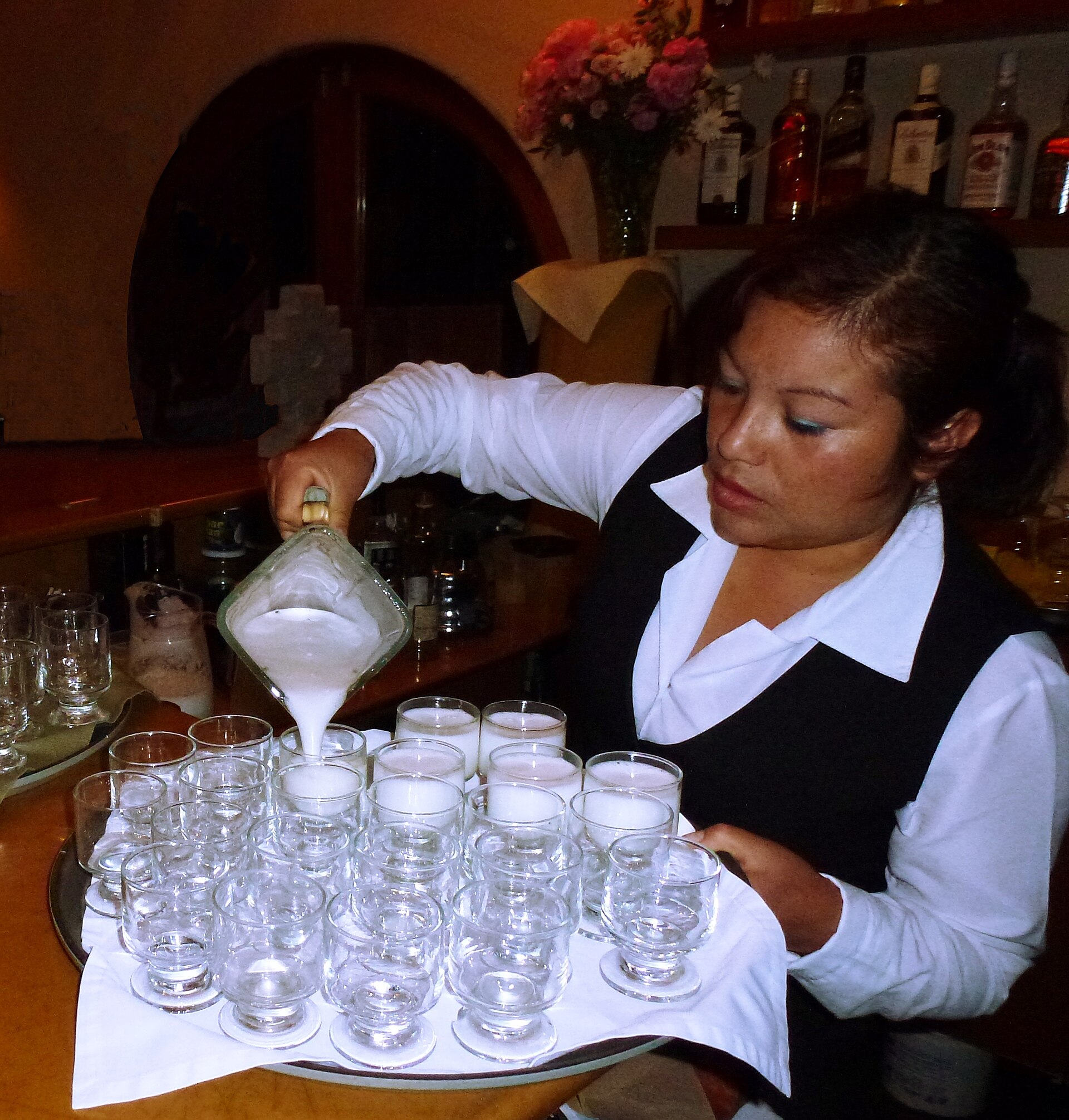
Pisco Sour & Cusco Bar Culture
Plateros, Peru
The pisco sour is Peru's national cocktail — a frothy, citrus-sharp drink made from pisco (a grape brandy distilled in Peru and Chile), lime juice, simple syrup, egg white, and Angostura bitters that is the essential accompaniment to every evening in Cusco.
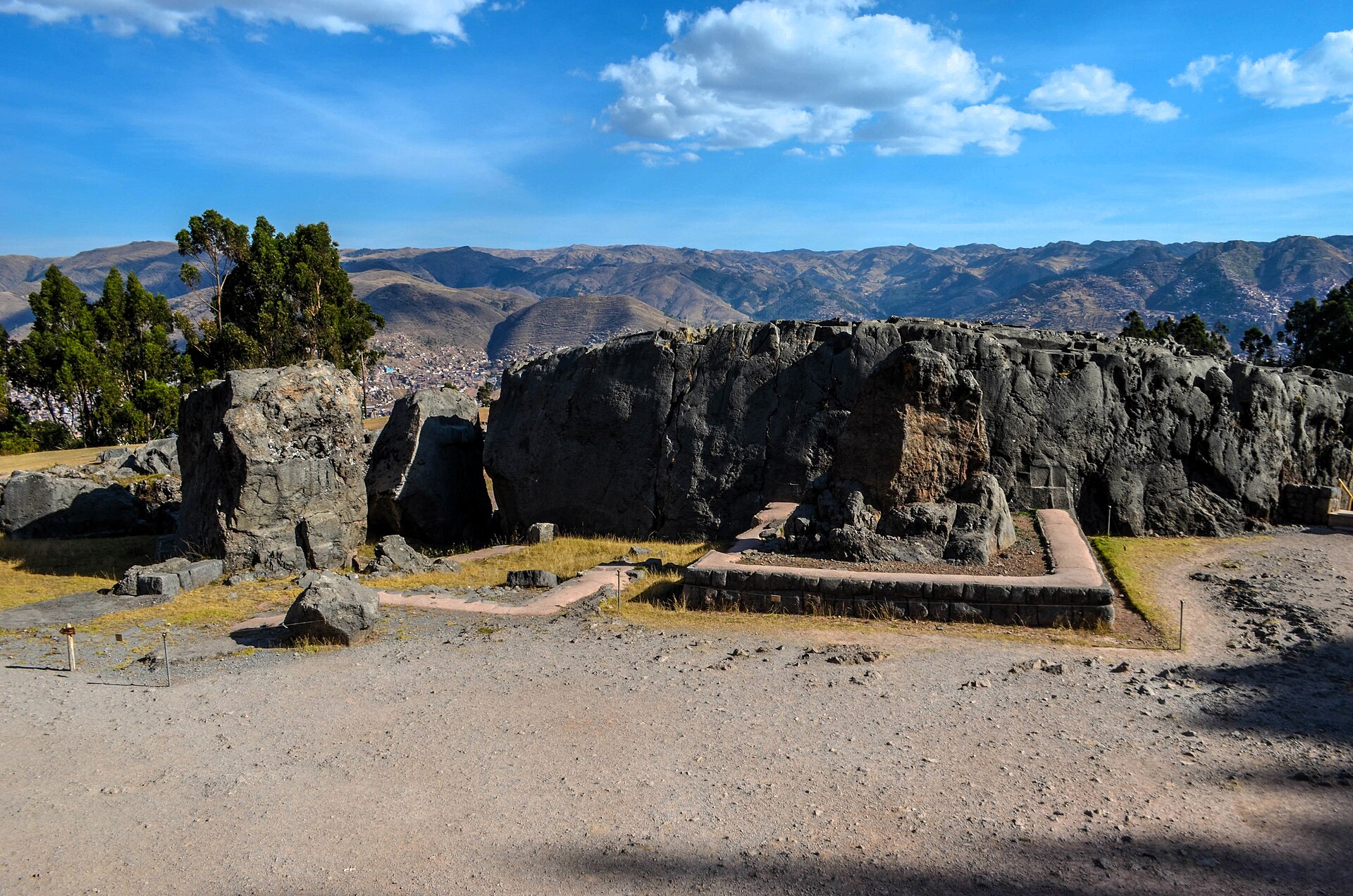
Q'enqo
Q'enqo, Cusco
Q'enqo is an Inca ceremonial site carved from a massive limestone outcrop on the road between Cusco and Sacsayhuamán — a sacred rock whose surface is covered with carved channels (the name means 'zigzag' in Quechua, referring to the zigzag channel carved into the rock's surface), niches, steps, and the altar-like platforms that suggest it was used for astronomical observations and ritual ceremonies.
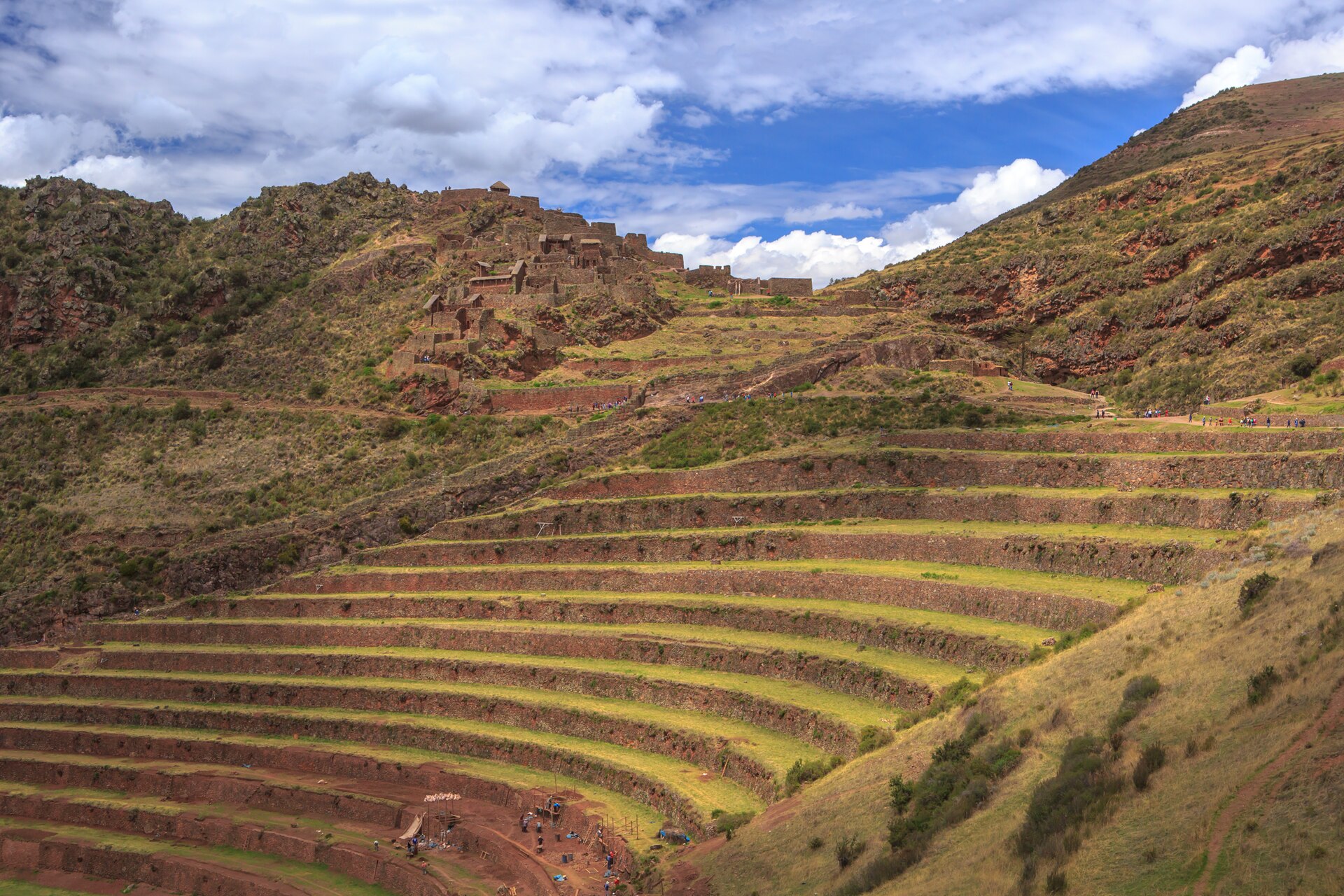
Sacred Valley (Ollantaytambo & Pisac)
Ollantaytambo, Sacred Valley, Cusco Region
The Sacred Valley of the Incas (Valle Sagrado) is the Urubamba River valley northwest of Cusco — a fertile corridor between the highlands and the jungle that was the agricultural heartland of the Inca Empire and now contains the most accessible concentration of Inca ruins outside Machu Picchu.
Salineras de Maras (Salt Mines)
Espaderos, Cusco, Peru
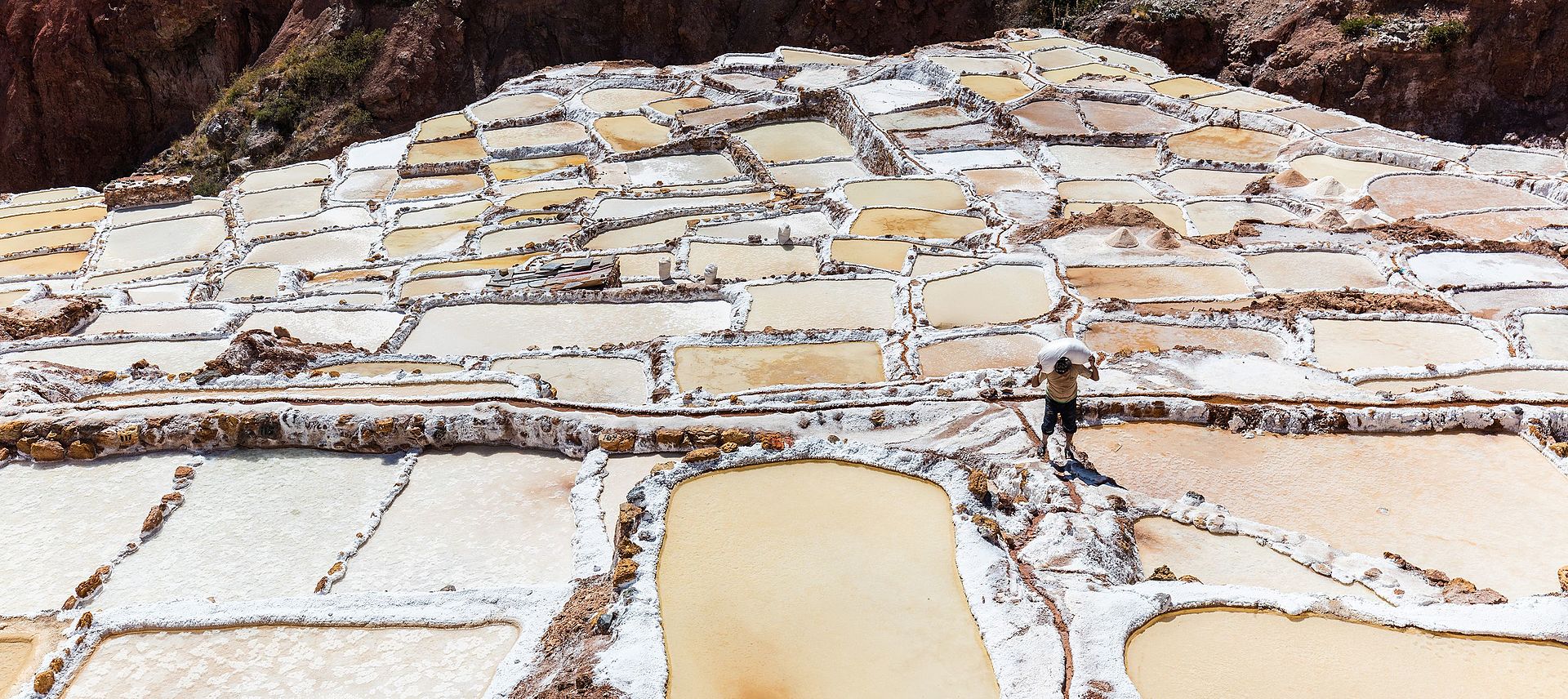
The Salineras de Maras deserve their own entry beyond the combined Moray & Maras listing — they are one of the most visually stunning landscapes in Peru.
San Pedro Market
Túpac Amaru, Cusco, 0801, Peru
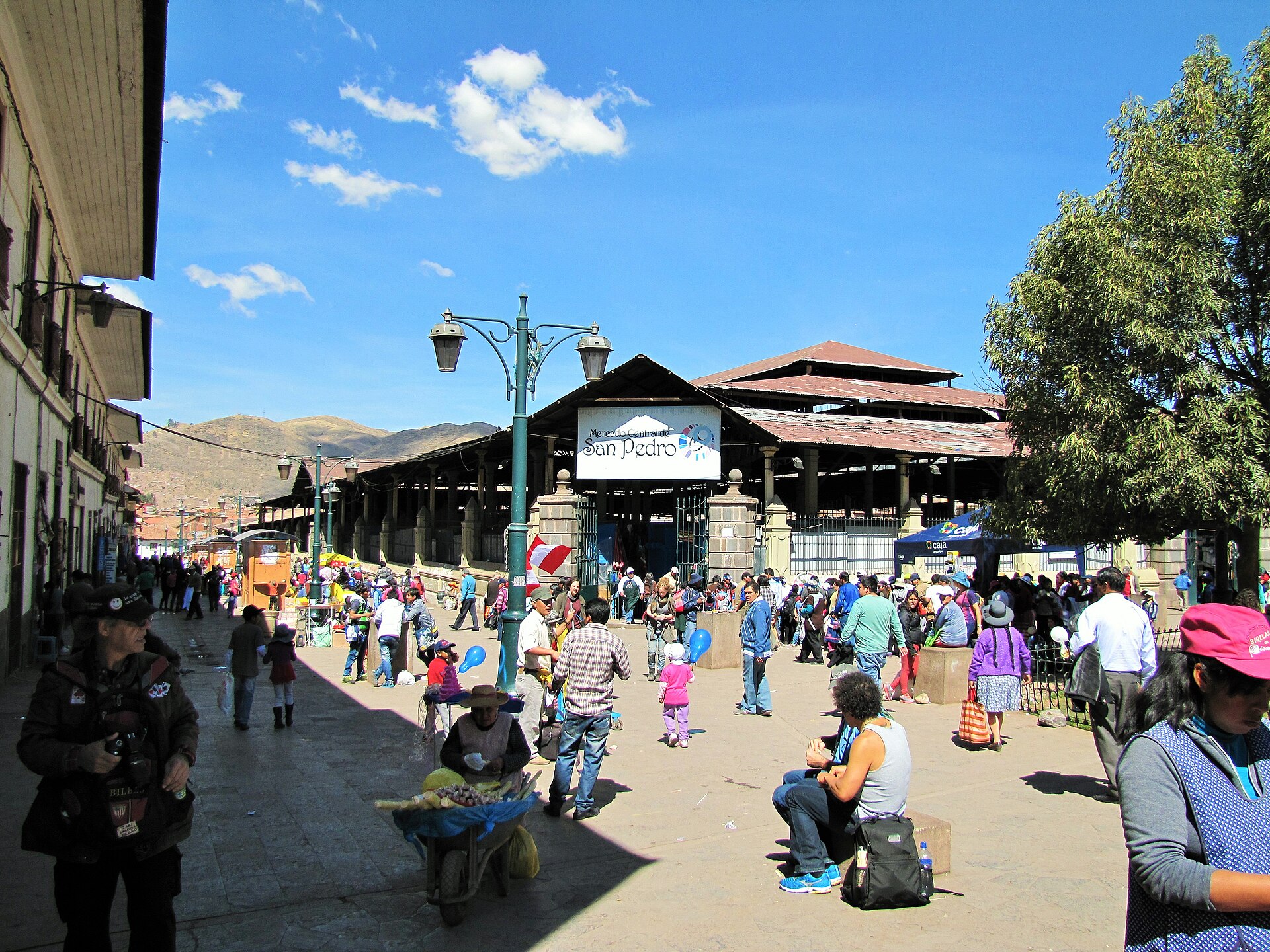
San Pedro Market is Cusco's central market — a two-storey covered hall near the train station where vendors sell the produce, meat, juices, and prepared food that feeds the city's population and provides the most immersive food experience available in the Peruvian highlands.
Explore culture in Cusco
GPS-guided narration at every landmark. Tap a spot on the map, hear the story. Every fact verified.