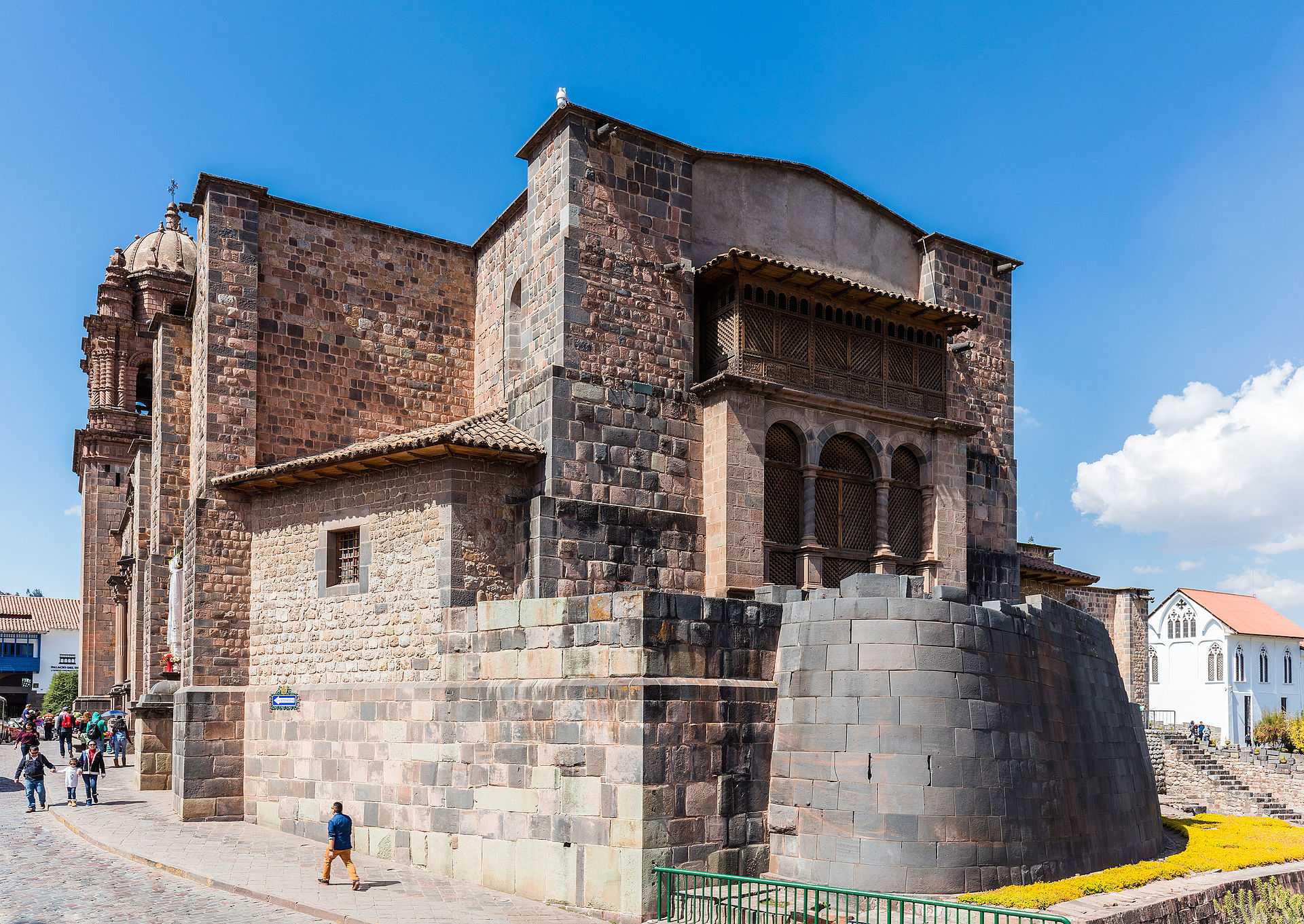
Qorikancha was the most sacred temple in the Inca Empire — the Temple of the Sun, whose walls were reportedly covered in sheets of gold and whose gardens contained golden replicas of corn, llamas, and flowers. The Spanish built the Convent of Santo Domingo directly on top of the Inca foundations in the 16th century, and the resulting structure — a Baroque church sitting on perfectly fitted Inca stonework — is the most powerful visual symbol of the conquest's cultural superimposition.
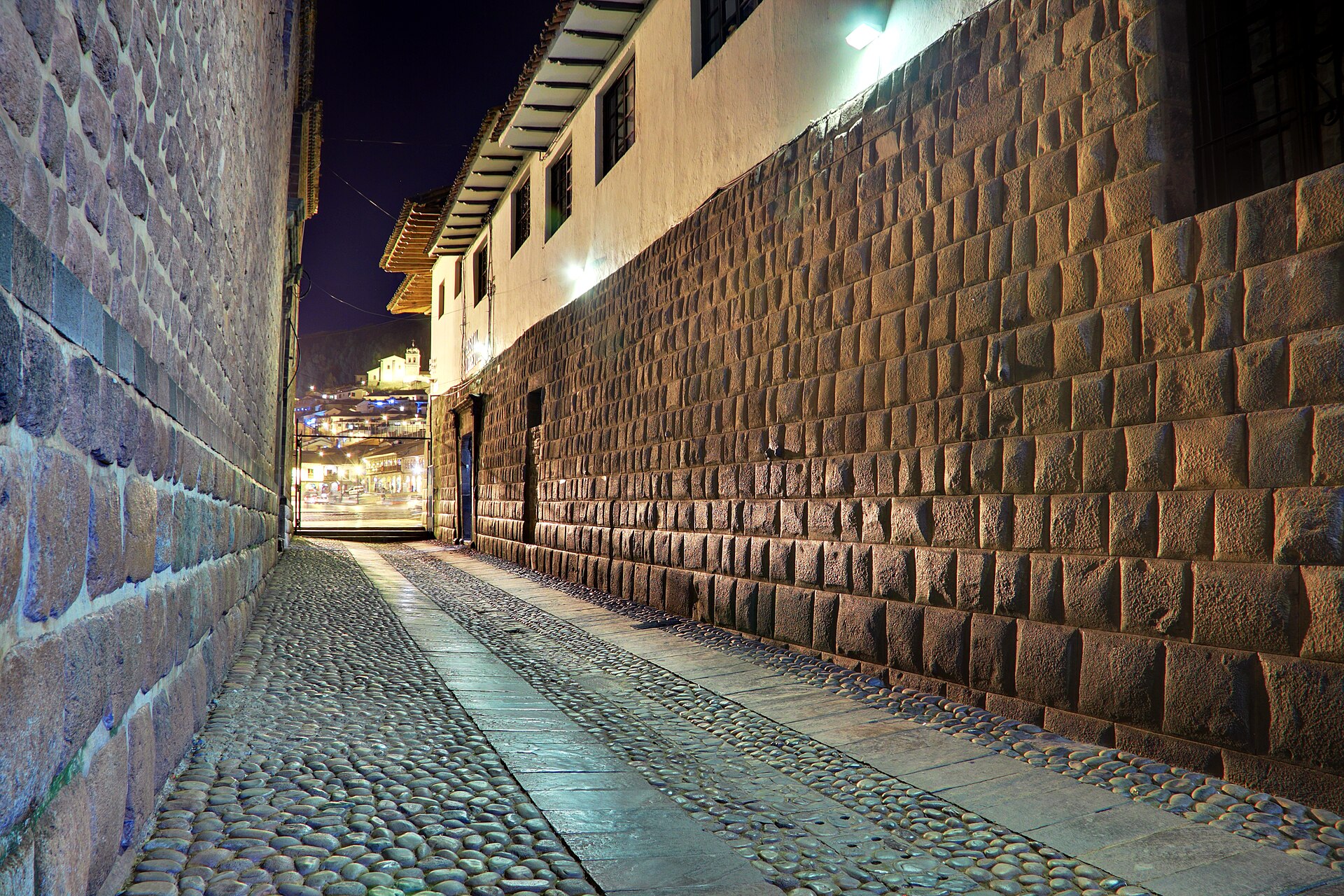
The Inca stonework visible beneath the convent is among the finest anywhere — the curved retaining wall along Avenida del Sol, with its precisely fitted andesite blocks, has survived multiple earthquakes that destroyed the Spanish construction above (the convent has been rebuilt twice; the Inca walls have never needed repair). The niches, trapezoidal doorways, and the astronomical alignments built into the temple's design demonstrate the Inca's sophisticated understanding of engineering and celestial observation.
The convent's museum contains artifacts from both the Inca and colonial periods, and the courtyard — where the Inca original's open-air ceremonial space has been enclosed by colonial cloisters — provides the most compressed encounter with Cusco's layered history. Standing in the courtyard, you see Inca stonework below, colonial architecture above, and the living religious practice of a Dominican convent continuing in a space that was sacred before Christianity arrived in the Americas.
Verified Facts
Qorikancha was the most sacred temple in the Inca Empire
The temple's walls were reportedly covered in gold
The Convent of Santo Domingo was built on top of the Inca temple
The Inca walls have survived earthquakes that destroyed the Spanish construction above
Get walking directions
Plazoleta Intipampa, Cusco