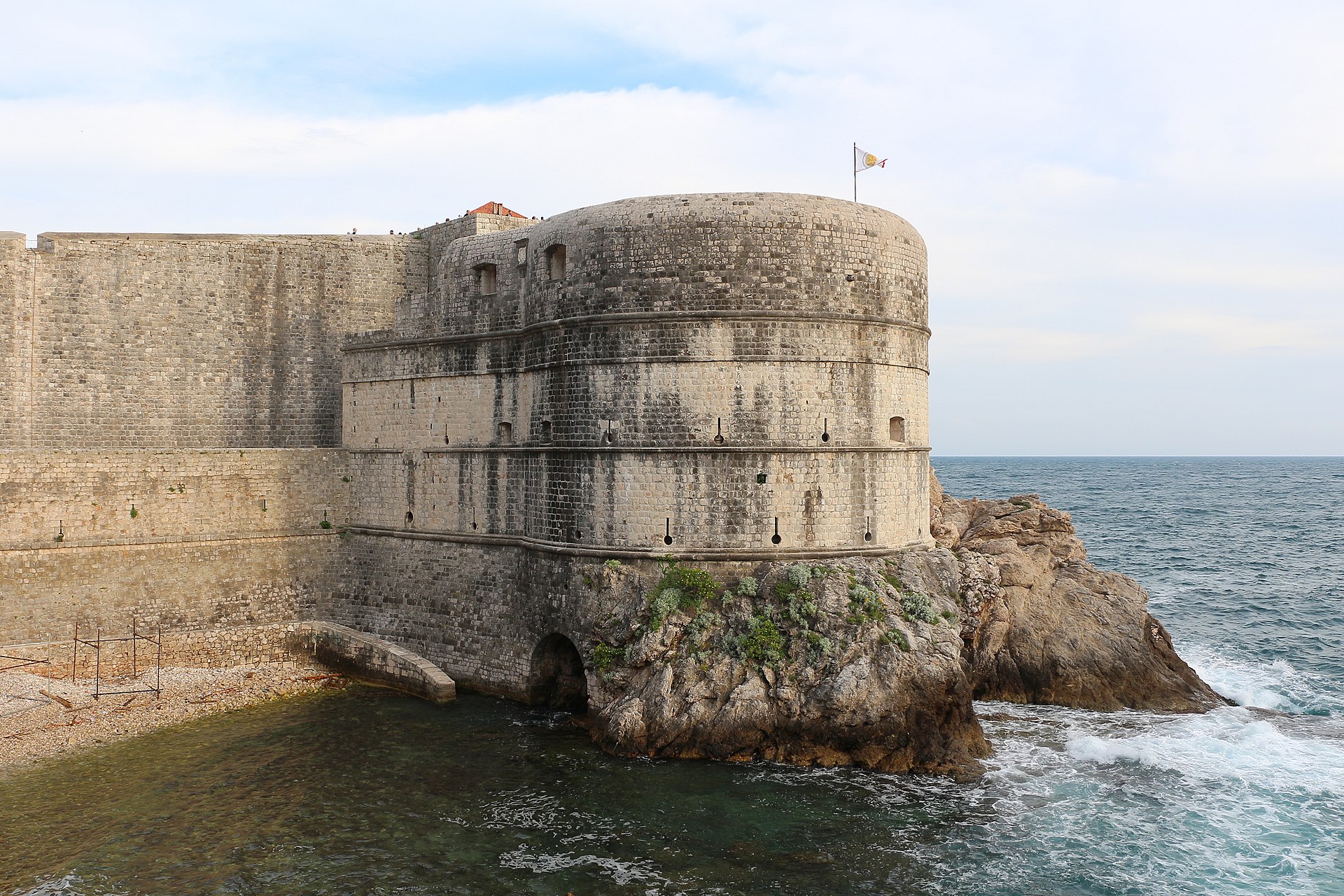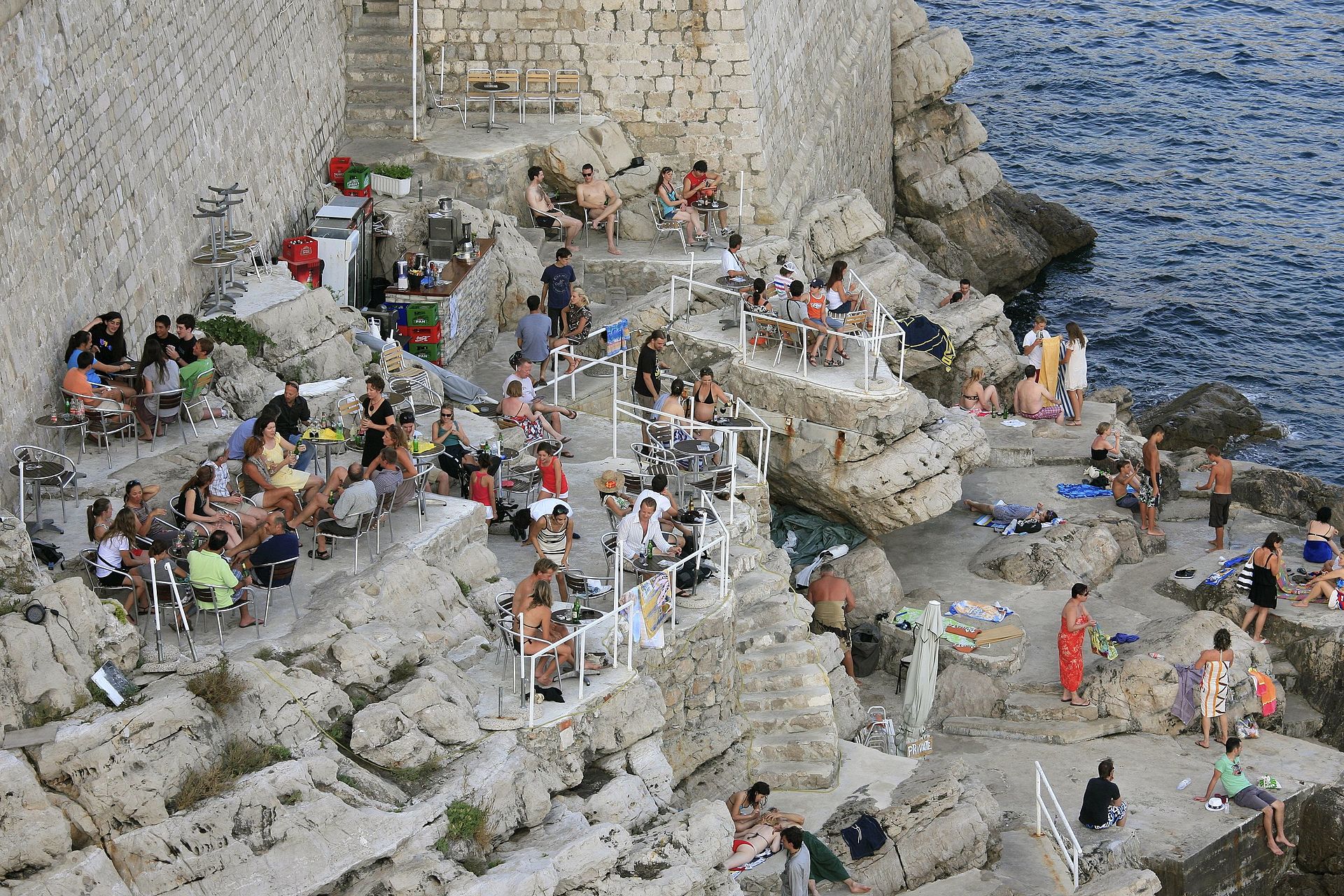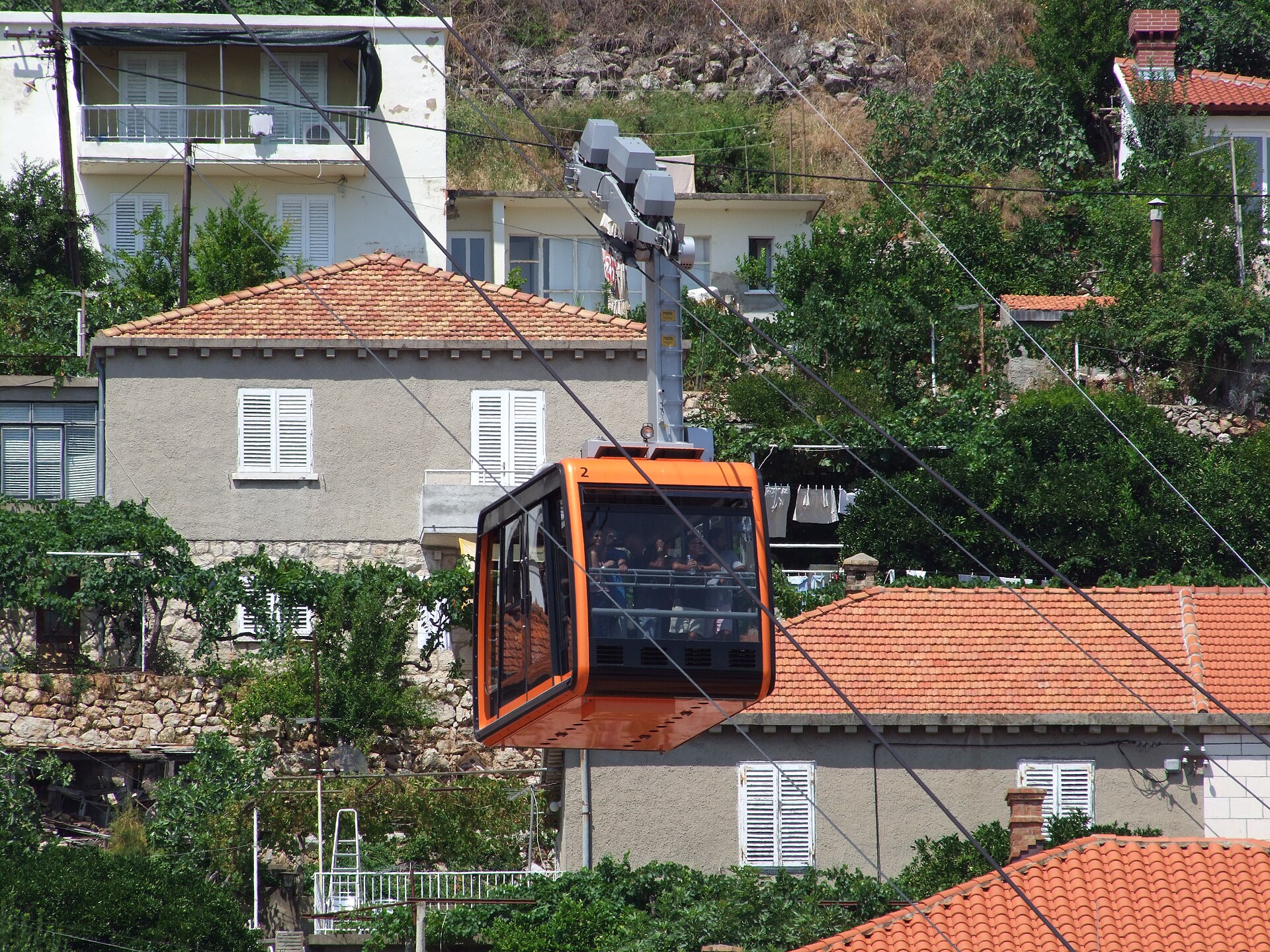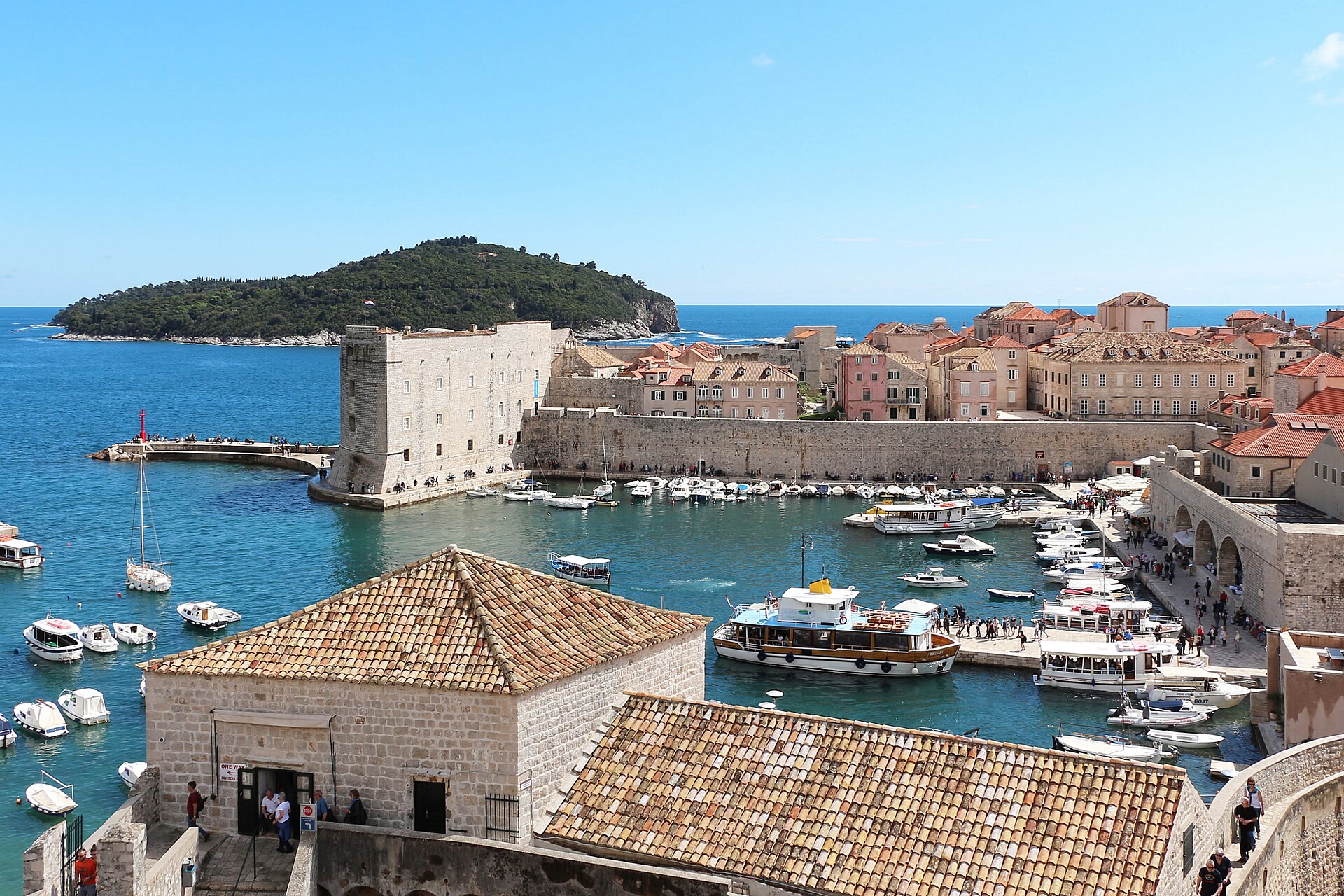
This harbour once held a fleet that rivalled Venice. At its peak in the 16th century, the Republic of Ragusa operated around 180 merchant ships, making it one of the largest maritime powers in the Mediterranean. The Old Port — sheltered by the massive St. John Fortress and the Revelin breakwater — was where the Republic's wealth literally sailed in and out: silk from the East, salt from Ston, wool from England, spices from everywhere.
The port is defined by the enormous St. John Fortress (Sveti Ivan), which curves around the eastern harbour wall. Built in stages from the 14th to 16th century, the fortress now houses the Maritime Museum on its upper floors and the Dubrovnik Aquarium in its ground-level vaults. The Maritime Museum tells the story of how a tiny city-state with no natural resources beyond a good harbour and clever diplomats became a genuine naval power. At one point, Ragusa had consulates in over 80 cities.
The Porporela breakwater extends from the fortress into the sea, and walking to its tip gives you one of the best free views in the city — Fort Lovrijenac to the west, Lokrum Island straight ahead, and the city walls rising behind you. Locals come here at sunset. Tourists come during the day. Both groups are making the right call.
Today the port is home to small fishing boats, water taxis to Lokrum, and the tourist boats that ferry day-trippers to the Elaphiti Islands. The contrast between its current sleepy character and its former commercial power is striking. What was once the engine room of a Mediterranean trading empire is now a place where you buy ice cream and watch kayakers paddle past.
Verified Facts
The Republic of Ragusa operated around 180 merchant ships at its peak in the 16th century
St. John Fortress, which defines the harbour, houses the Maritime Museum and the Dubrovnik Aquarium
The Republic of Ragusa maintained consulates in over 80 cities worldwide
Get walking directions
Kneza Damjana Jude, Grad, Dubrovnik, 20000, Croatia