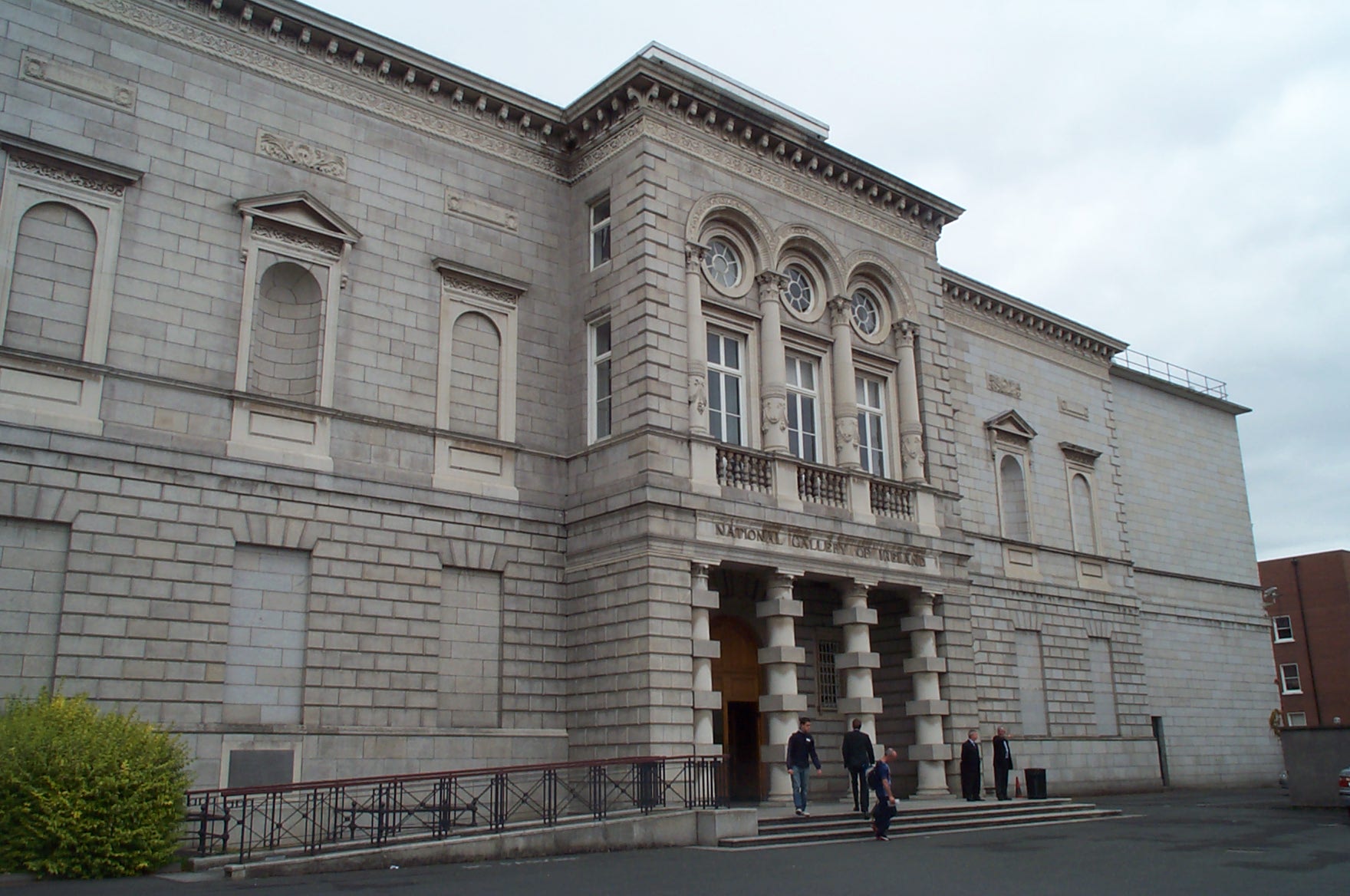
This museum contains the finest collection of Celtic gold in the world, and it won't cost you a cent to see it. The National Museum of Ireland's archaeology branch, housed in a stunning Victorian Palladian building on Kildare Street since 1890, holds treasures that span 7,000 years of Irish civilization — from Mesolithic flint tools to medieval Viking hoards.
The gold collection alone is staggering. The Or: Ireland's Gold exhibition displays prehistoric gold objects that were crafted between 2200 and 500 BC — lunulae (crescent-shaped neck pieces), torcs, bracelets, and dress fasteners of extraordinary sophistication. Ireland was one of the major gold-producing regions of prehistoric Europe, and the artisans who made these pieces achieved a technical mastery that still impresses metallurgists today.
Then there are the bog bodies. The Kingship and Sacrifice exhibition displays Iron Age human remains preserved in peat bogs for over 2,000 years, their skin, hair, and fingernails still intact. These aren't gentle deaths — the bodies show evidence of extreme violence, and scholars believe they may have been ritual sacrifices of deposed kings. Old Croghan Man, found in County Offaly in 2003, still has his fingernails, and they're manicured. He was a nobleman before someone killed him and buried him in a bog.
Other highlights include the Ardagh Chalice and the Tara Brooch — two of the masterpieces of early medieval metalwork — and an extensive Viking collection drawn from excavations across Dublin. The building itself, with its ornate rotunda entrance and mosaic floors, is worth visiting as architecture alone. Free admission means there's no excuse not to come.
Verified Facts
Houses the finest collection of Celtic and prehistoric gold in the world, spanning 2200-500 BC
The Kingship and Sacrifice exhibition displays Iron Age bog bodies preserved for over 2,000 years
The museum has been in its Victorian Palladian building on Kildare Street since 1890
Key treasures include the Ardagh Chalice and the Tara Brooch, masterpieces of early medieval metalwork
Old Croghan Man, a bog body found in 2003, still has intact manicured fingernails
Get walking directions
Kildare Street, Dublin 2