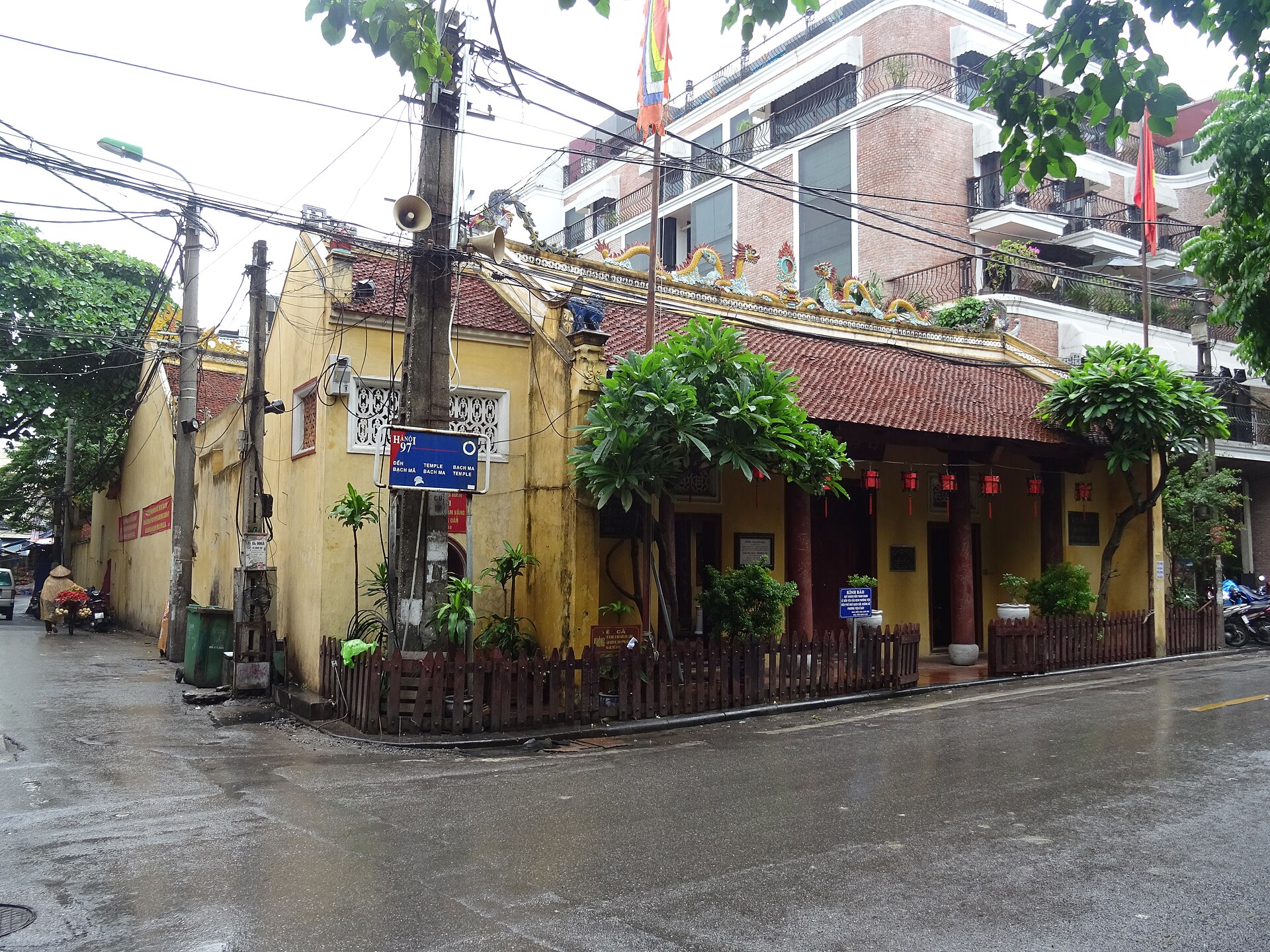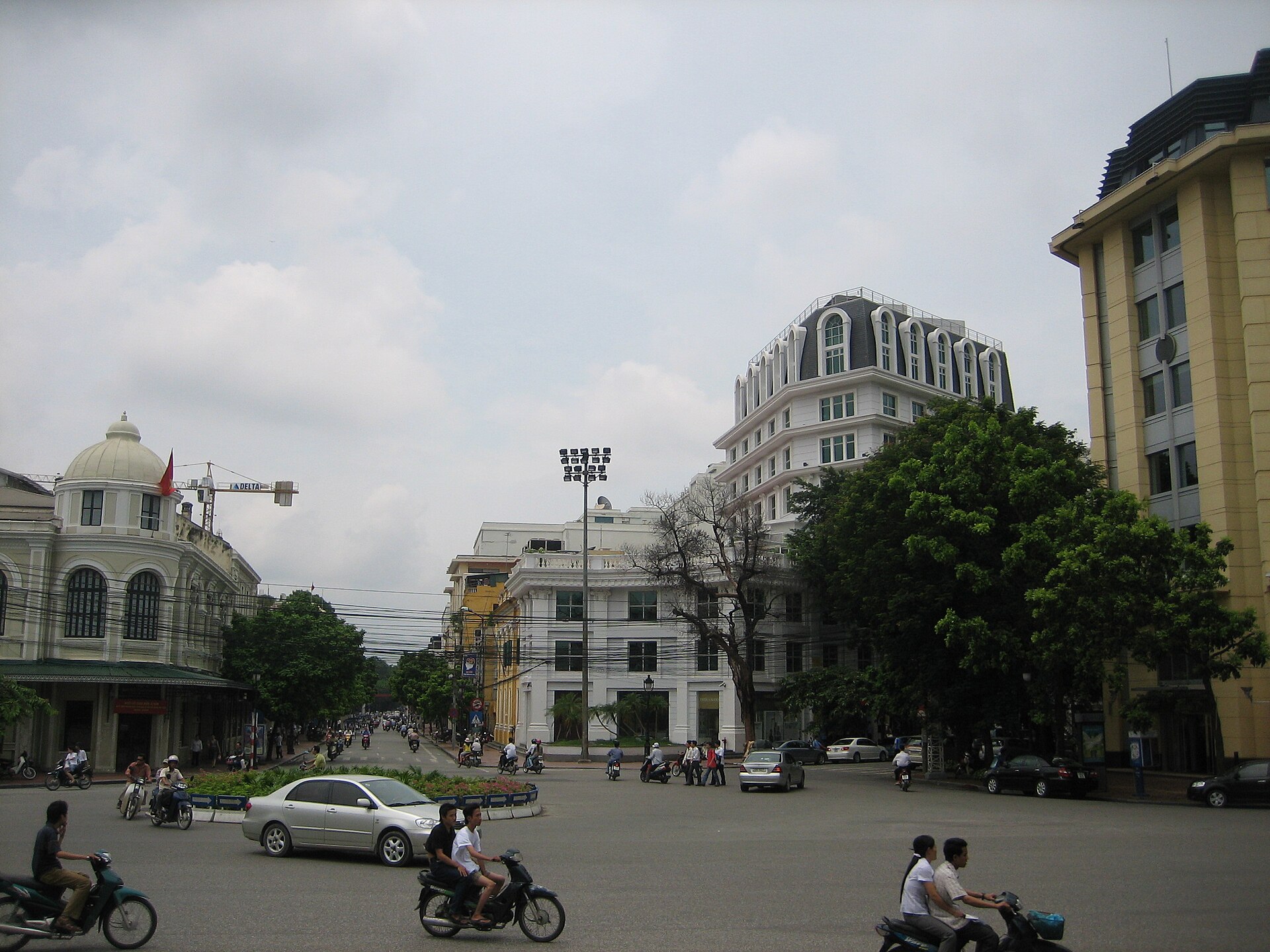
Hanoi's French Quarter is the colonial-era district south of Hoàn Kiếm Lake — a grid of tree-lined boulevards, yellow-painted villas, and the institutional buildings (the Opera House, the Sofitel Metropole hotel, the State Bank) that the French built to administer Indochina. The architecture is tropical Beaux-Arts and Art Deco — louvered shutters, covered balconies, ceiling fans, and the ochre-yellow colour that the French applied to buildings across their colonial empire from Pondicherry to Phnom Penh.
The Sofitel Legend Metropole, Hanoi's most famous hotel, has been operating since 1901 and counts Somerset Maugham, Charlie Chaplin, and Jane Fonda among its former guests. The hotel's bar — where Graham Greene is said to have written parts of 'The Quiet American' — is the most atmospheric colonial-era drinking establishment in the city. The bomb shelter beneath the hotel, discovered during renovations in 2011, was used by guests and staff during the American bombing.
The French Quarter has evolved — many villas now house government offices, embassies, or upscale restaurants — but the street plan (wide boulevards at right angles, a contrast to the Old Quarter's medieval tangle), the tree canopy (tamarind, flame, and frangipani trees planted by the French), and the architectural scale (two and three-storey villas with gardens, not the vertical tube houses of the Old Quarter) remain distinctly colonial. Walking from the Old Quarter into the French Quarter is like walking from medieval Hanoi into 19th-century Paris — a transition of about 200 metres and 800 years.
Verified Facts
The Sofitel Legend Metropole has been operating since 1901
Graham Greene reportedly wrote parts of 'The Quiet American' at the Metropole
A bomb shelter was discovered beneath the Metropole during 2011 renovations
The French Quarter's grid layout contrasts with the Old Quarter's medieval streets
Get walking directions
24 Hai Ba Trung, Trang Tien, Hanoi, Vietnam