Walking Tours in Hanoi
30 Landmarks in Hanoi
Bạch Mã Temple
37 Bach Mai, Cau Den, Hanoi, Vietnam
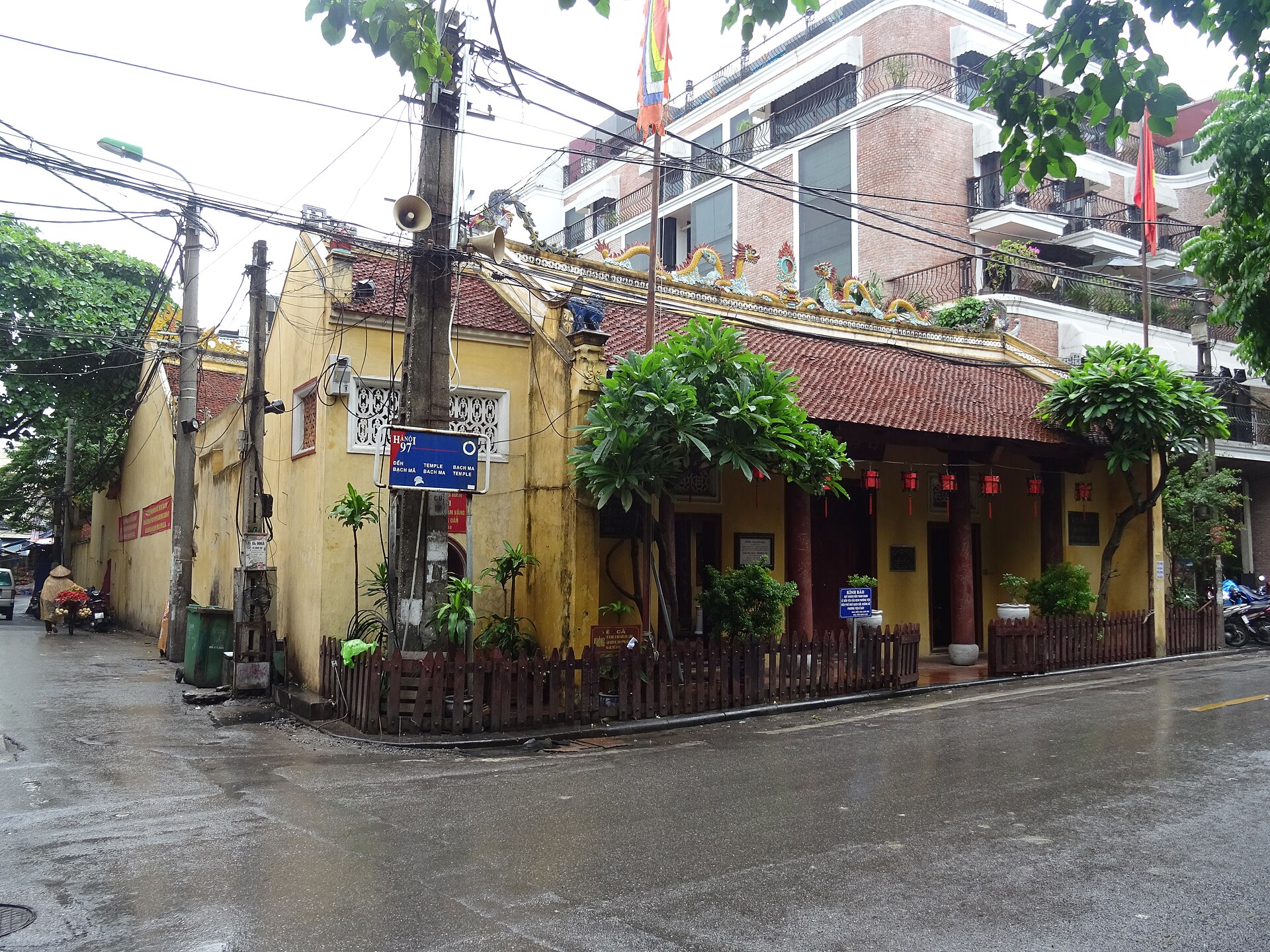
Bạch Mã Temple is the oldest temple in Hanoi's Old Quarter — an 11th-century shrine dedicated to the White Horse spirit (Bạch Mã) that according to legend guided King Lý Thái Tổ in building the walls of his new capital, Thăng Long (the imperial name for Hanoi). The temple sits on Hàng Buồm (Sail Street), one of the busiest commercial streets in the Old Quarter, and stepping through its gates is one of those Hanoi transitions where the noise of the street drops away and incense-scented calm replaces it. The temple's current buildings date to the 18th century, though the site has been sacred since the city's founding in 1010. The interior contains a carved wooden palanquin (used to carry the White Horse spirit in procession), a collection of bronze bells and drums, and the altars where neighbourhood residents make offerings to the guardian spirit of the city. The temple is one of four temples that traditionally guarded Thăng Long's cardinal directions — Bạch Mã guards the east. The temple's Hàng Buồm location makes it a natural stop on any Old Quarter walk — the surrounding streets are among the most commercially active in the quarter, and the contrast between the temple's quiet courtyards and the street's chaotic commerce demonstrates the coexistence of sacred and commercial life that defines Vietnamese urbanism.
Bat Trang Ceramic Village
Bat Trang, Hanoi, Vietnam
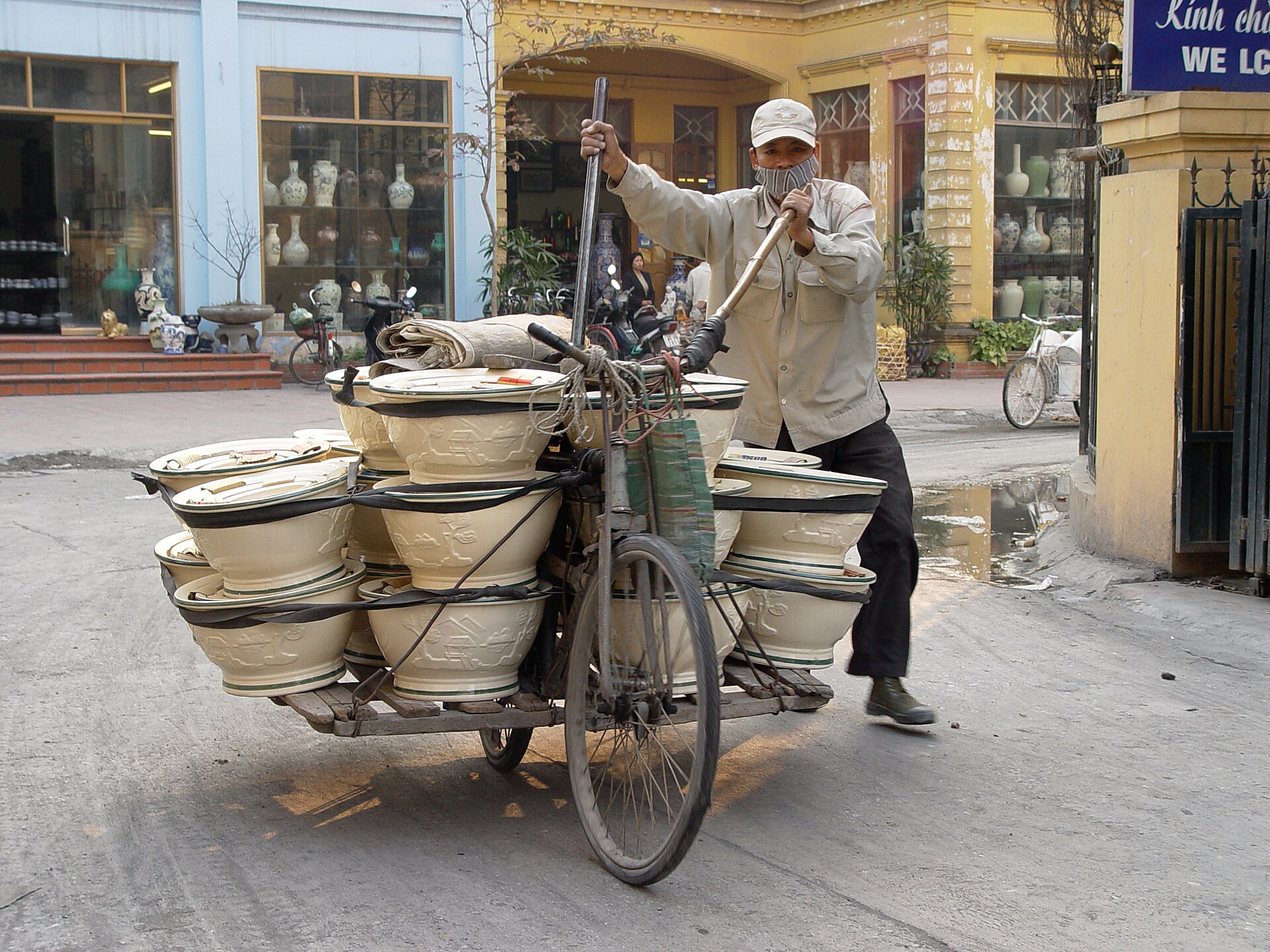
Bat Trang is a 700-year-old ceramic village on the Red River, 15 kilometres southeast of central Hanoi, that has been producing pottery, porcelain, and ceramic art since the 14th century. The village supplied the Vietnamese royal court, exported ceramics along maritime trade routes to Japan and Southeast Asia, and continues to produce both traditional and contemporary ceramic work in family workshops that line the village streets. The village is accessible by bus from Hanoi and provides one of the most hands-on craft experiences available near the city — visitors can try their hand at the potter's wheel, paint their own ceramics, and watch master potters produce the blue-and-white ware and celadon that Bat Trang is famous for. The village market sells finished ceramics at factory prices.
Bia Hoi Corner (Ta Hien Street)
Ta Hien Street, Hoan Kiem, Hanoi
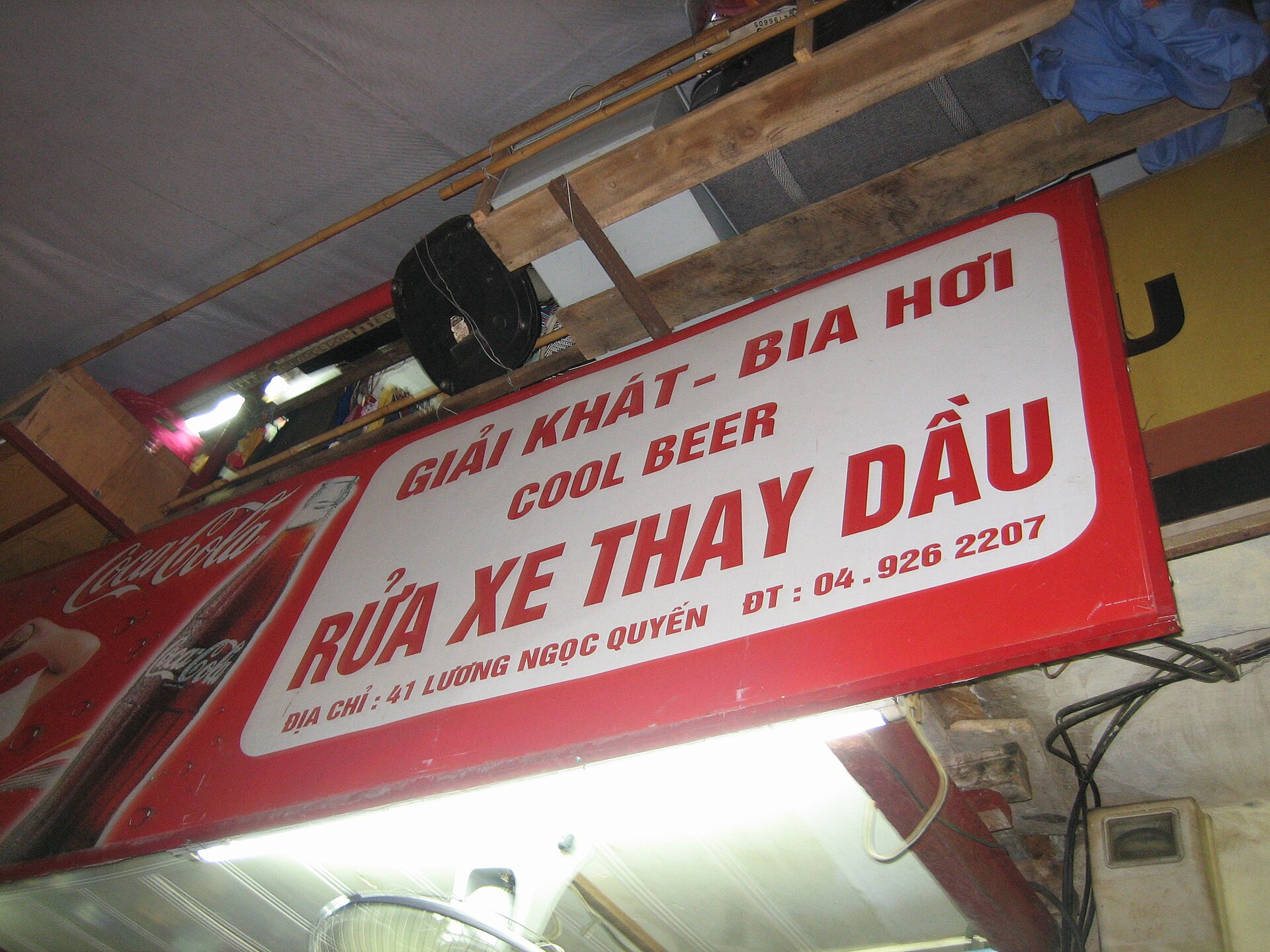
Bia Hoi Corner is the epicentre of Hanoi's street drinking culture — the intersection of Ta Hien and Luong Ngoc Quyen streets in the Old Quarter where tiny plastic stools, tiny plastic tables, and the world's cheapest fresh beer (bia hoi, brewed daily without preservatives and sold for about 5,000 VND / /bin/zsh.20 per glass) create what is probably the most democratic drinking experience on Earth. Bia hoi is a uniquely Vietnamese institution — a light, low-alcohol lager that is brewed fresh every morning and delivered to street-side kegs by noon, meant to be consumed that day. The beer is pale, mild, and refreshing rather than complex, and the experience of drinking it — sitting on a stool 20cm off the ground, surrounded by Vietnamese workers, tourists, and the motorbike traffic that passes within centimetres of your knees — is the Hanoi experience distilled to its essence. Ta Hien street has become the de facto backpacker and tourist drinking street (prices have risen slightly from the cheapest levels, and the crowd is more international than local), but the surrounding Old Quarter streets maintain the authentic bia hoi tradition. The evening scene — hundreds of people sitting on the street, the clatter of glasses, the smoke from grilled snack vendors — is Hanoi's answer to the European beer garden, adapted for a tropical climate and a culture that treats the pavement as a living room.
Bún Chả Hương Liên (Obama Restaurant)
24 Le Van Huu, Pham Dinh Ho, Hanoi, Vietnam
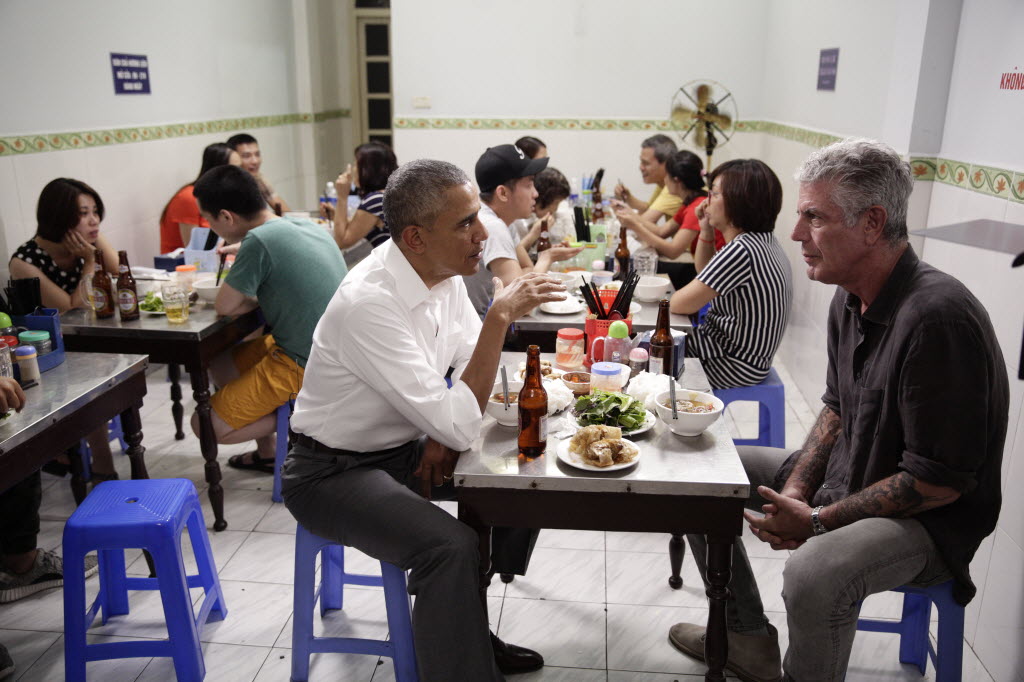
Bún Chả Hương Liên became the most famous restaurant in Hanoi on May 23, 2016, when President Barack Obama and chef Anthony Bourdain sat on plastic stools, drank Hanoi beer, and ate bún chả for a total bill of $6 — an episode of Bourdain's 'Parts Unknown' that generated more tourism interest in Hanoi than any government campaign. The restaurant immediately created the 'Combo Obama' (the exact meal the pair ordered) and preserved the table behind a glass partition as a quasi-shrine. The bún chả itself — charcoal-grilled pork patties and sliced pork belly served with cold rice vermicelli, fresh herbs, and a dipping broth of fish sauce, vinegar, sugar, garlic, and chilli — is Hanoi's most beloved lunch dish and was the perfect choice for Bourdain to introduce American audiences to Vietnamese food: simple, inexpensive, intensely flavoured, and impossible to eat without getting your hands dirty. The restaurant is a 10-minute walk south of Hoàn Kiếm Lake, in a neighbourhood of residential streets and local shops that most tourists don't reach. The bún chả is excellent (Hương Liên was already popular before Obama's visit), and the experience of eating the same meal, in the same restaurant, on the same type of plastic stool, for the same price, connects you to a moment when Vietnamese food culture entered the global mainstream. The Combo Obama remains the most-ordered item on the menu, and the glass-enclosed table draws a steady stream of visitors who photograph it with the same reverence that tourists apply to far more significant landmarks.
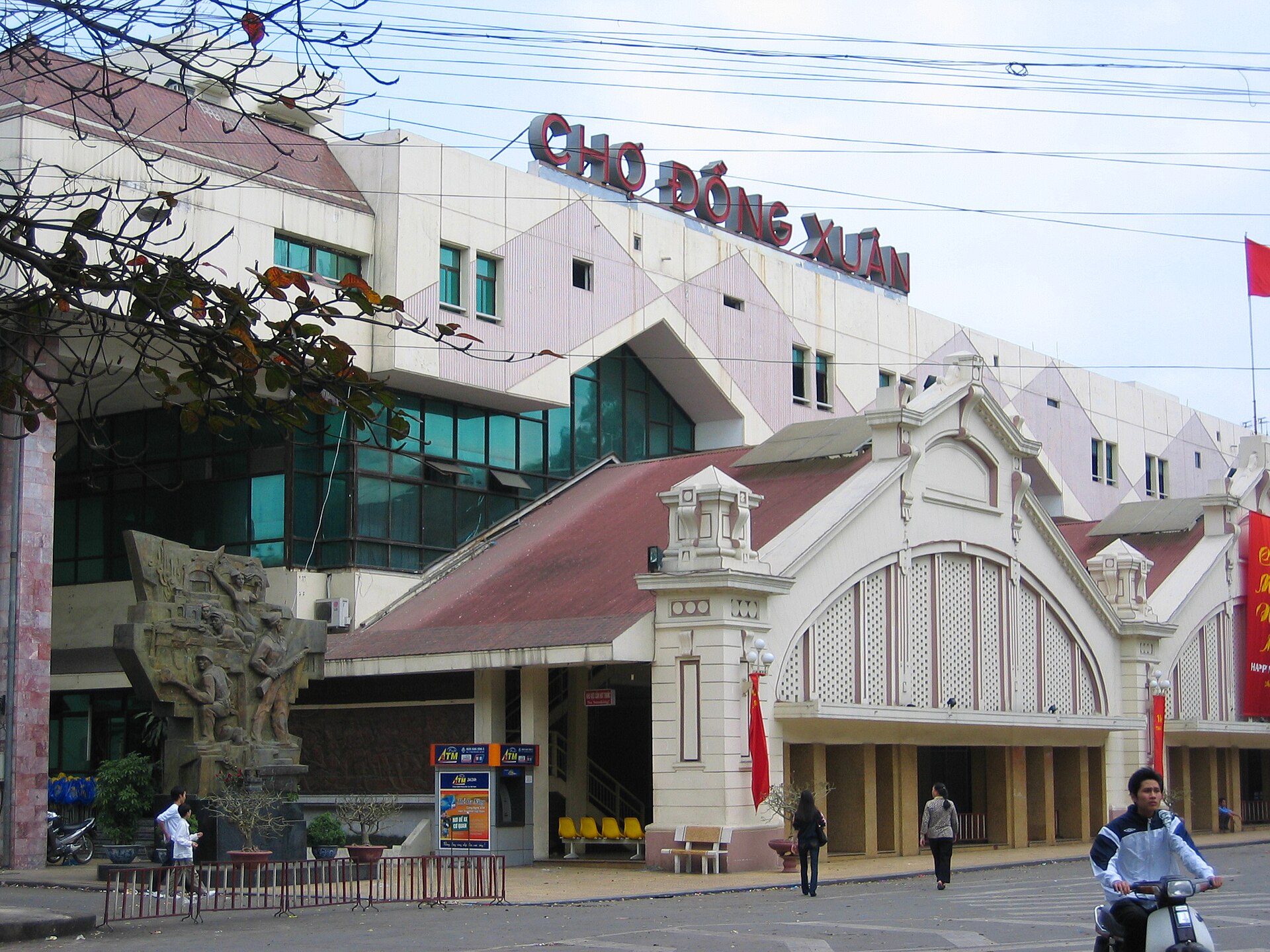
Đồng Xuân Market
Đồng Xuân, Hoàn Kiếm, Hanoi
Đồng Xuân Market is the largest covered market in Hanoi — a four-storey concrete building at the northern edge of the Old Quarter that has been the wholesale and retail centre of the city since the French built the original market halls in 1889. The market was rebuilt after a fire in 1994 and now houses hundreds of stalls selling everything from clothing and household goods to dried foods, spices, and the live animals that Vietnamese cooking requires. The ground floor is the most visitor-friendly — food stalls, coffee vendors, and the dried goods section where the spices, herbs, and preserved ingredients that define Vietnamese cooking are sold in quantities that range from tourist-sized bags to restaurant-scale sacks. The upper floors are wholesale — clothing, fabrics, and household goods packed floor to ceiling in stalls that supply the city's retailers and the traders who come from across northern Vietnam. The streets surrounding Đồng Xuân are an extension of the market — Hàng Chiếu (Mat Street), Hàng Mã (Paper Street), and the connecting alleys are packed with specialist vendors whose goods spill from their shops onto the pavement, creating a commercial density that makes the market building feel like the orderly centre of a chaotic orbit. The Friday, Saturday, and Sunday night market along Hàng Đào and Hàng Ngang streets transforms the Old Quarter's main commercial arteries into a pedestrian night market of street food, clothing, and the kind of cheerful commerce that Hanoi has been conducting for a thousand years.
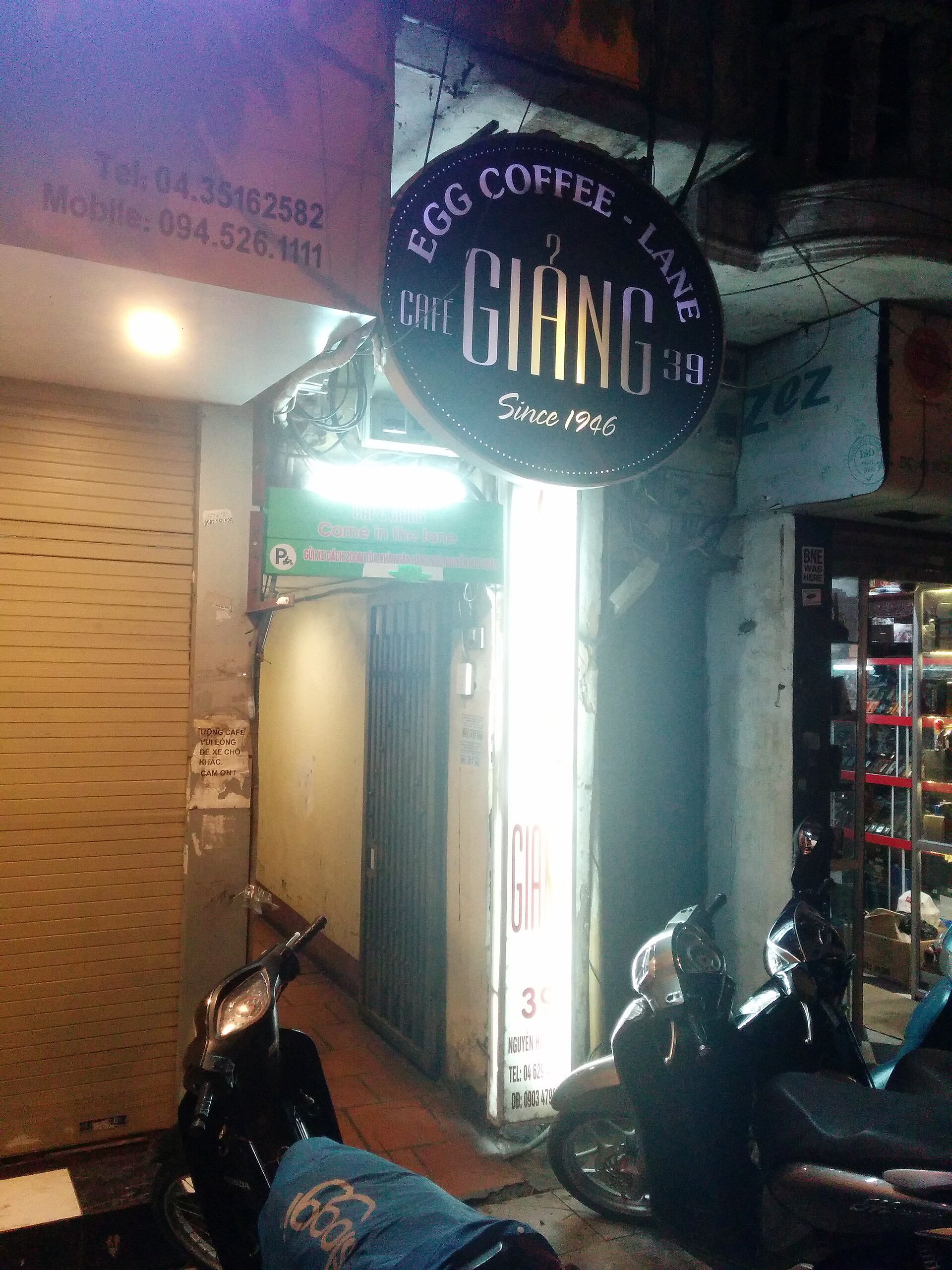
Egg Coffee at Café Giảng
39 Nguyen Huu Huan, Ly Thai To, Hanoi, Vietnam
Café Giảng is where egg coffee was invented — a tiny, unassuming café on Nguyễn Hữu Huân street in the Old Quarter where Nguyễn Văn Giảng created cà phê trứng in 1946 by whipping egg yolk with condensed milk and Vietnamese coffee when fresh milk was scarce during the First Indochina War. The drink — a thick, custard-like foam over strong, dark coffee — has become Hanoi's signature beverage and is now served in cafés across the city, but Giảng remains the original and arguably the best. The café is on the second floor of a narrow building (look for the small sign and the steep staircase), and the seating — tiny stools and tables in rooms that overlook the street — provides the intimate, improvised atmosphere that defines Hanoi's café culture. The egg coffee arrives in a small cup set in a bowl of hot water (to keep it warm), and the experience of cracking through the sweet, frothy egg layer to reach the dark, bitter coffee below is one of those sensory experiences that makes Hanoi's food culture unique. Giảng's grandson now runs the café, making it a three-generation family business, and the consistency of the recipe (Giảng egg coffee uses only fresh egg yolk, condensed milk, sugar, and Vietnamese drip coffee, with no butter or cheese as some newer recipes add) is guarded with the kind of quiet proprietary pride that characterises Hanoi's food artisans. The café is a 2-minute walk from Hoàn Kiếm Lake and is best visited in the afternoon, when the Old Quarter's pace slows and the combination of strong coffee and the street view from the tiny windows creates a moment of stillness in the city's perpetual motion.
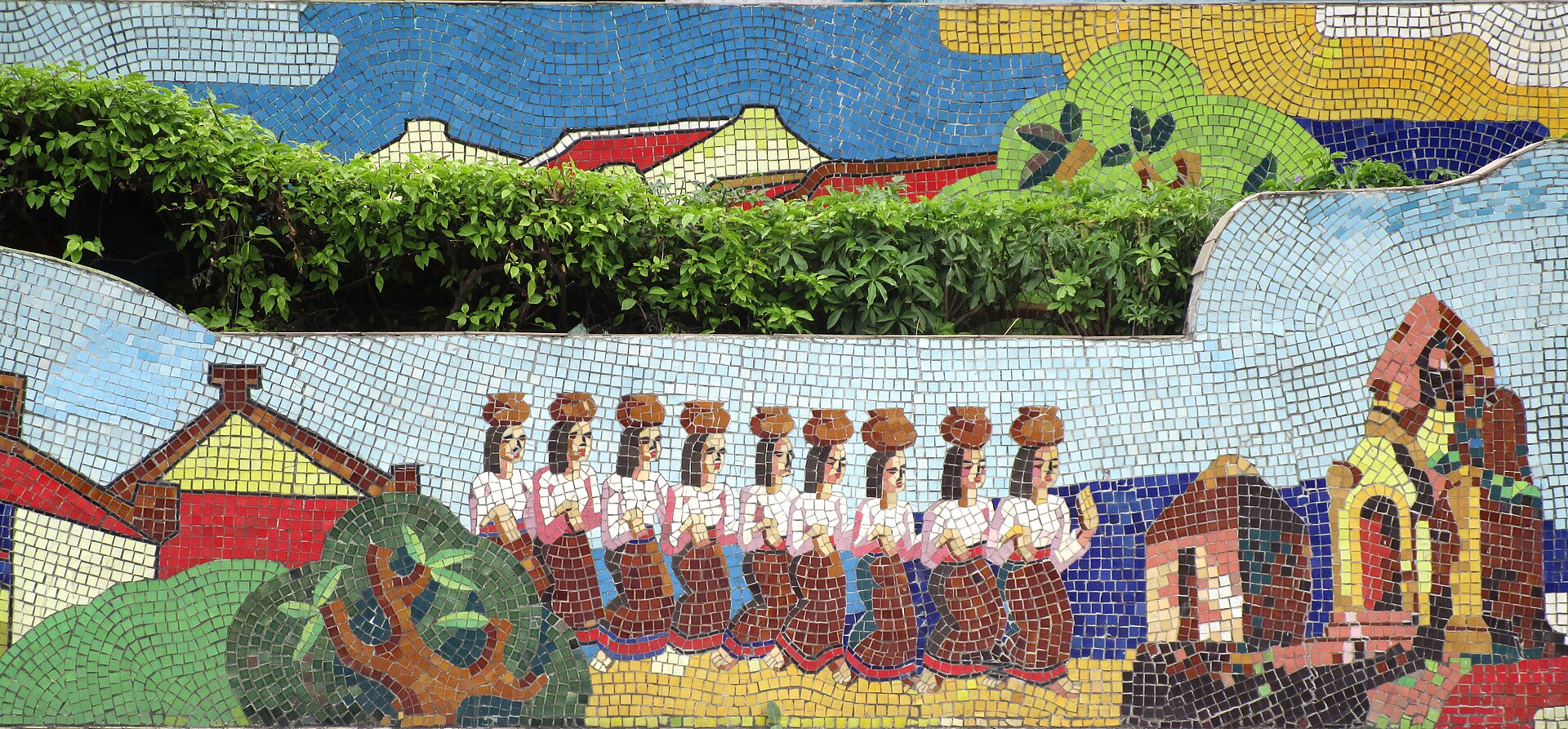
Hanoi Ceramic Mosaic Mural
Tran Quang Khai, Chuong Duong, Hanoi, Vietnam
The Hanoi Ceramic Mosaic Mural is the longest ceramic mural in the world — a 4-kilometre mosaic stretching along the dyke walls of the Red River, created in 2010 to celebrate Hanoi's 1,000th anniversary. The mural was designed by Vietnamese artist Nguyễn Thu Thủy and assembled by artists, students, and citizens from across Vietnam and around the world, using millions of ceramic tiles to depict scenes from Vietnamese history, culture, mythology, and daily life. The mural follows the Trần Quang Khải and Yên Phụ roads along the Red River dyke, and the scale is staggering — 4 kilometres of continuous artwork that took four years to complete and involved contributions from 20 countries. The sections range from traditional motifs (lotus flowers, dragons, rice paddies) to abstract contemporary designs, and the quality varies from accomplished mosaic art to enthusiastic community contributions, which is the point — the mural is a collective expression rather than a single artistic vision. The mural is free, visible from the road, and best seen by bicycle — the dyke road is a popular cycling route, and riding alongside the mural provides the continuous scrolling experience that the artwork was designed for. The mural has faced maintenance challenges (some sections have suffered from weather damage and traffic vibration), but the core remains intact and provides one of the most unusual outdoor art experiences in any Asian city.
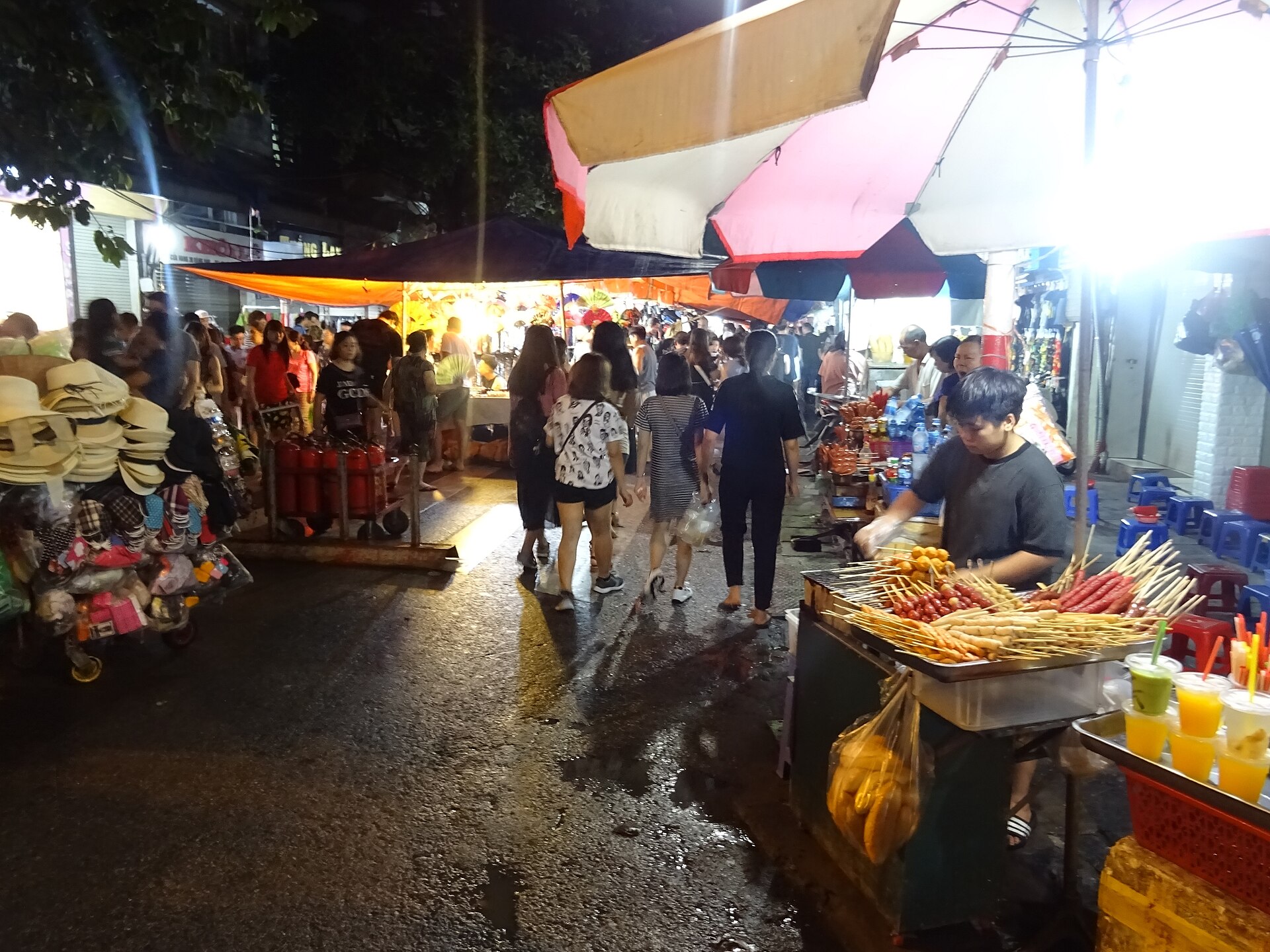
Hanoi Old Quarter Night Market
Hàng Đào, Hoàn Kiếm, Hanoi
The Old Quarter Night Market transforms the streets around Hàng Đào, Hàng Ngang, and Hàng Buồm into a pedestrian zone every Friday, Saturday, and Sunday evening from about 6pm to midnight — closing the streets to motorbikes and opening them to foot traffic, food vendors, musicians, and the general atmosphere of a city that comes alive after dark. The market stretches from Đồng Xuân Market south to Hoàn Kiếm Lake, and the food is the main attraction — phở vendors, bún chả stalls, fresh spring roll makers, ice cream carts, and the sellers of chè (Vietnamese sweet dessert soups) who set up along the route. The evening pedestrianisation changes the character of the Old Quarter completely — without the constant motorbike traffic, the narrow streets become a walking space where you can actually look up at the tube-house architecture and the colonial-era balconies that the daytime chaos makes it impossible to notice. The market's atmosphere is more local than tourist — Vietnamese families stroll with ice cream, teenagers gather around street performers, and the elderly sit on low stools playing chess while the crowd flows around them. The Hàng Buồm section, near the Bạch Mã Temple, tends to have live music performances on a small stage. The combination of warm evening air, street food, pedestrian freedom, and the energy of a city that treats its public spaces as communal property makes the night market one of Hanoi's essential experiences.
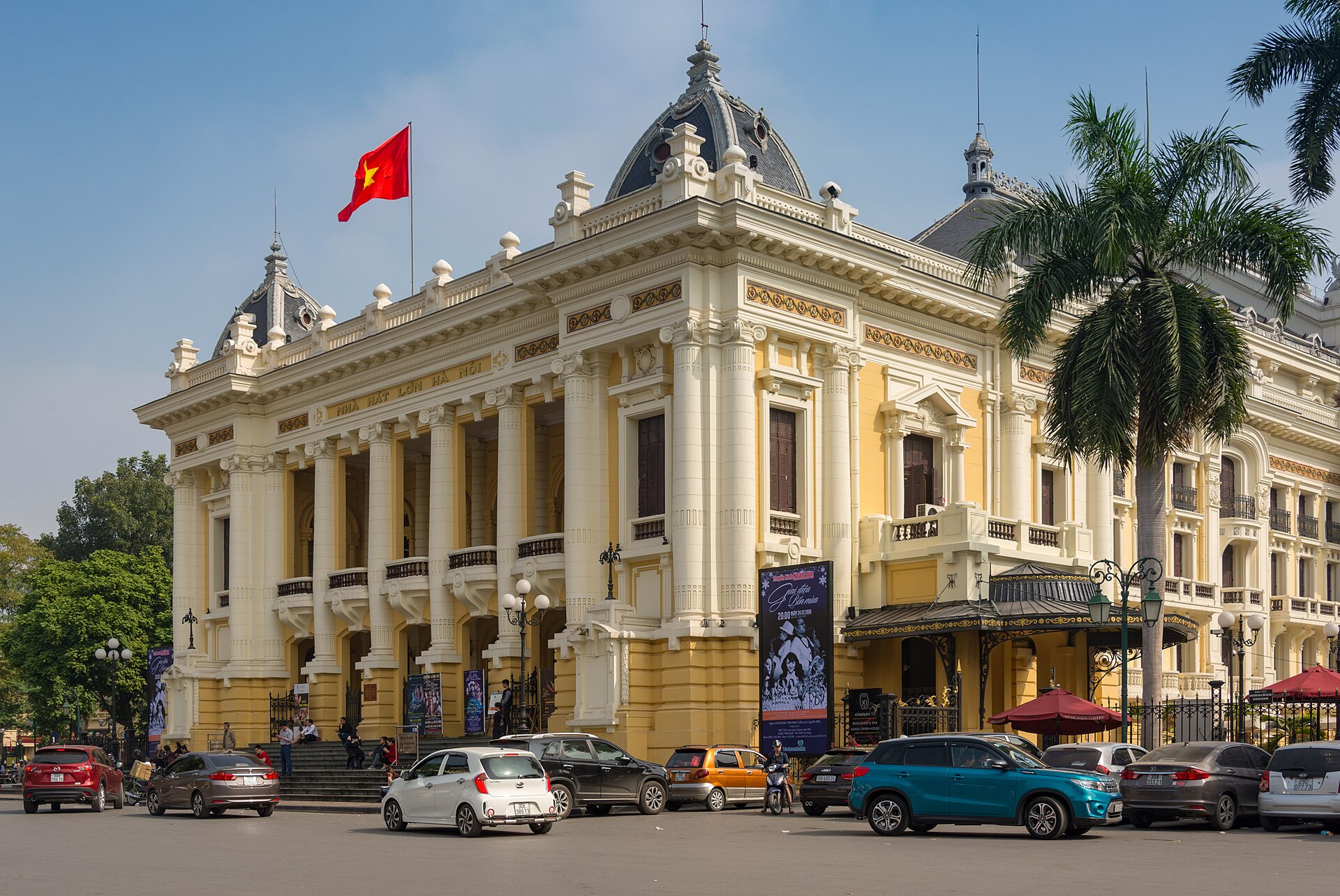
Hanoi Opera House
1 Tràng Tiền, Hoàn Kiếm, Hanoi
The Hanoi Opera House is the finest colonial building in Vietnam — a Beaux-Arts theatre modelled on the Palais Garnier in Paris, completed in 1911, and designed to bring French high culture to the capital of Indochina. The building's columned facade, mansard roof, and ornate interior — marble staircases, gilded balconies, crystal chandeliers — were intended to make French colonists feel at home and Vietnamese subjects feel awed, and the building achieved both objectives. The Opera House played a pivotal role in the August Revolution of 1945 — the Việt Minh gathered here on August 19 and marched from the theatre to seize government buildings, ending French colonial rule and establishing the Democratic Republic of Vietnam. The building thus transitioned in a single day from a symbol of colonial culture to a stage for revolutionary history, which is the kind of ironic transformation that Hanoi's architecture specialises in. The interior was restored in 1997 with French assistance and now hosts Vietnamese and international performances — opera, ballet, traditional Vietnamese music (nhạc cổ truyền), and the water puppet shows (múa rối nước) that are Hanoi's most distinctive performing art. The building sits at the eastern end of Tràng Tiền street, and the broad plaza in front — flanked by the Hilton Hanoi Opera and the luxury boutiques that have colonised the French Quarter — provides the most Parisian streetscape in Southeast Asia.
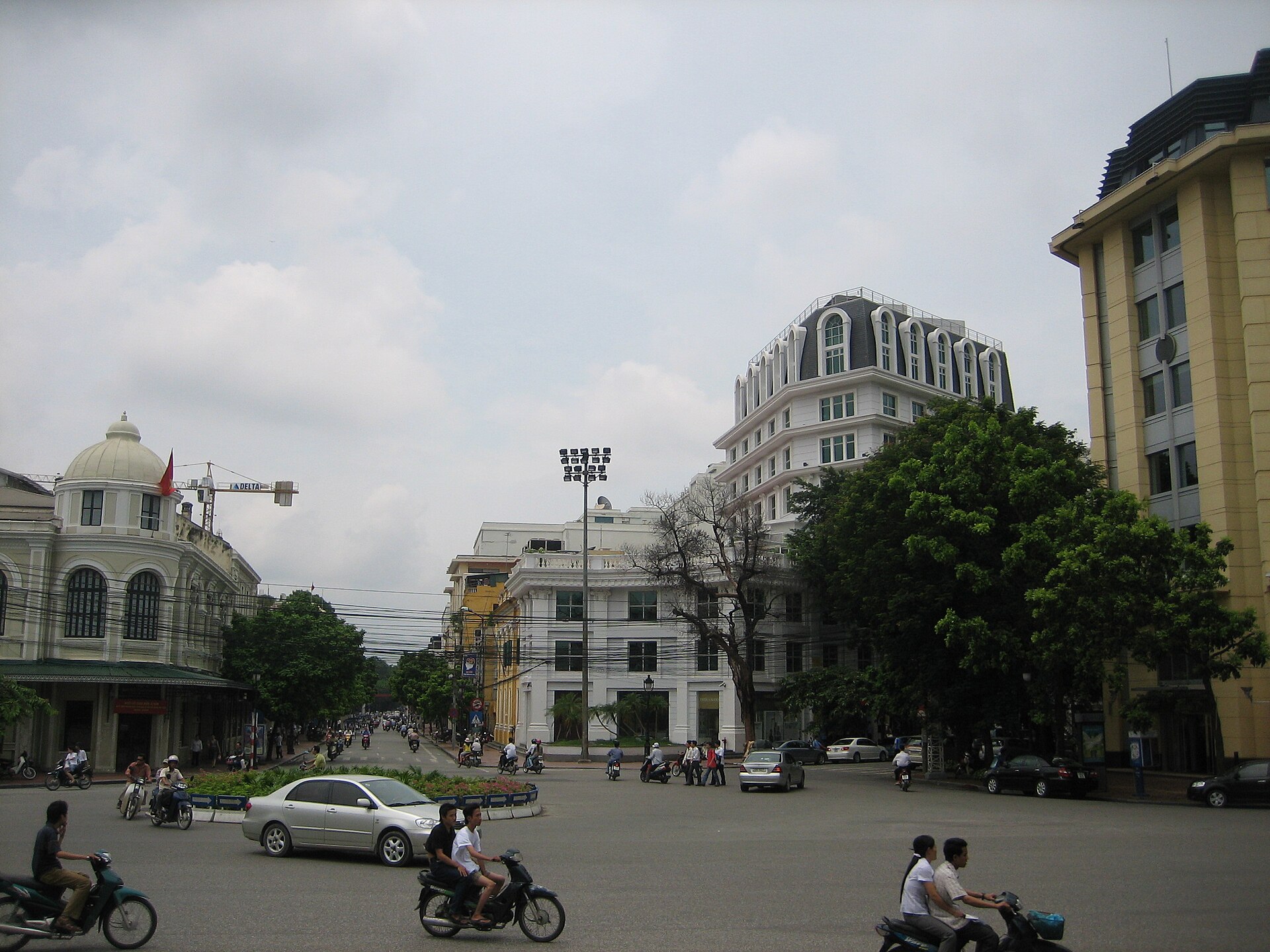
Hanoi's French Quarter
24 Hai Ba Trung, Trang Tien, Hanoi, Vietnam
Hanoi's French Quarter is the colonial-era district south of Hoàn Kiếm Lake — a grid of tree-lined boulevards, yellow-painted villas, and the institutional buildings (the Opera House, the Sofitel Metropole hotel, the State Bank) that the French built to administer Indochina. The architecture is tropical Beaux-Arts and Art Deco — louvered shutters, covered balconies, ceiling fans, and the ochre-yellow colour that the French applied to buildings across their colonial empire from Pondicherry to Phnom Penh. The Sofitel Legend Metropole, Hanoi's most famous hotel, has been operating since 1901 and counts Somerset Maugham, Charlie Chaplin, and Jane Fonda among its former guests. The hotel's bar — where Graham Greene is said to have written parts of 'The Quiet American' — is the most atmospheric colonial-era drinking establishment in the city. The bomb shelter beneath the hotel, discovered during renovations in 2011, was used by guests and staff during the American bombing. The French Quarter has evolved — many villas now house government offices, embassies, or upscale restaurants — but the street plan (wide boulevards at right angles, a contrast to the Old Quarter's medieval tangle), the tree canopy (tamarind, flame, and frangipani trees planted by the French), and the architectural scale (two and three-storey villas with gardens, not the vertical tube houses of the Old Quarter) remain distinctly colonial. Walking from the Old Quarter into the French Quarter is like walking from medieval Hanoi into 19th-century Paris — a transition of about 200 metres and 800 years.
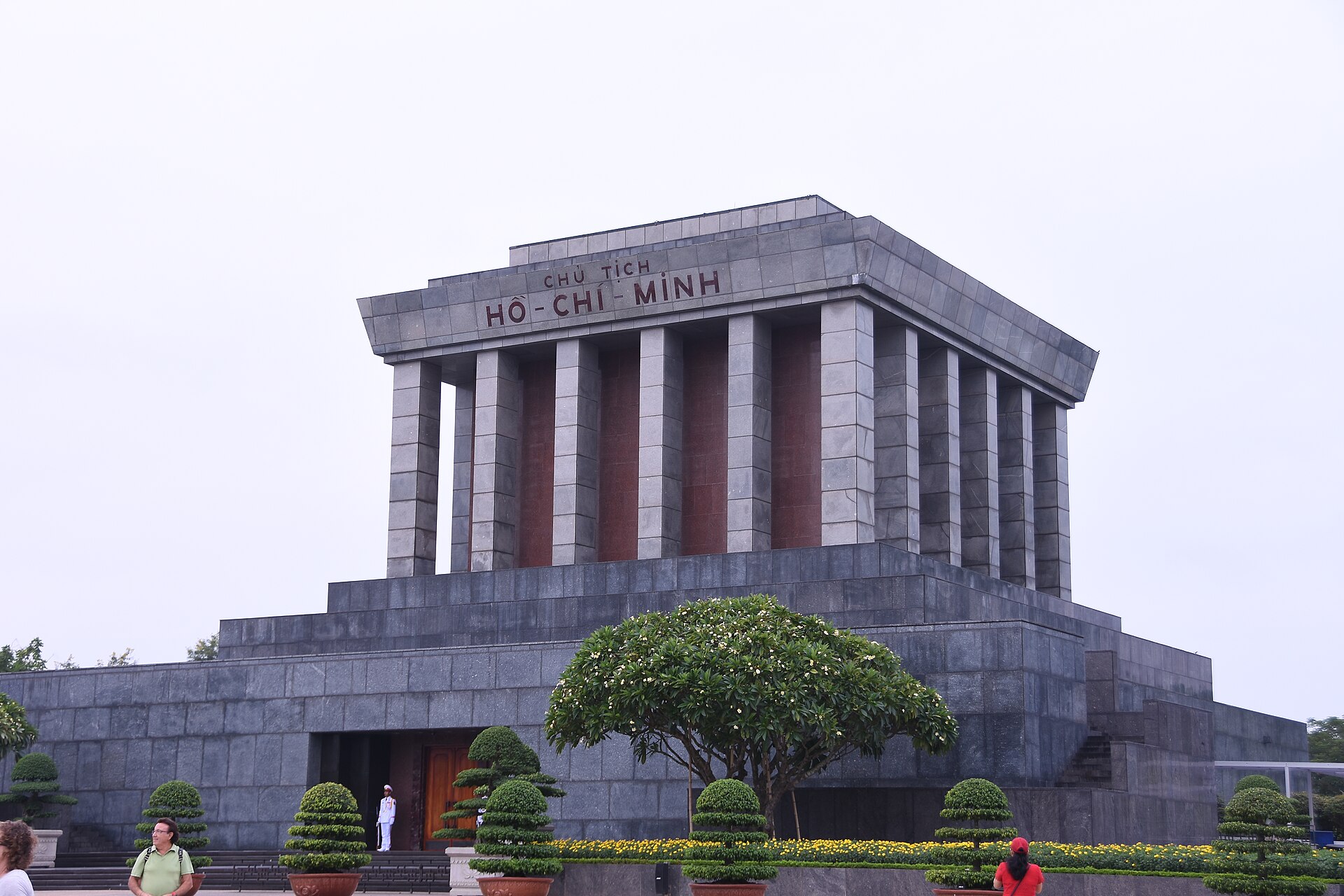
Hồ Chí Minh Mausoleum & Complex
2 1 Dich Vong Hau Lane, Dich Vong Hau, Hanoi, Vietnam
The Hồ Chí Minh Mausoleum is where the embalmed body of Vietnam's founding father lies in state — a granite and marble structure on Ba Đình Square modelled on Lenin's Mausoleum in Moscow, where visitors queue in silence to file past the glass sarcophagus containing the preserved remains of the man who led Vietnam's independence movement and is universally known as 'Uncle Ho.' The mausoleum was completed in 1975, and the irony that Hồ Chí Minh requested cremation and the scattering of his ashes has not prevented the Vietnamese state from preserving his body as a national relic. Ba Đình Square, in front of the mausoleum, is where Hồ Chí Minh read Vietnam's Declaration of Independence on September 2, 1945 — a document that quotes the American Declaration of Independence and the French Declaration of the Rights of Man, reflecting Hồ's belief that Vietnam's fight for independence was part of a universal struggle for self-determination. The square is the site of national ceremonies and is patrolled by immaculately uniformed guards. The surrounding complex includes Hồ Chí Minh's Stilt House (a modest wooden house on stilts where he lived and worked from 1958 to 1969, preferring its simplicity to the Presidential Palace next door), the Presidential Palace (a French colonial mansion that Hồ used for official functions but refused to sleep in), and the One Pillar Pagoda (a small Buddhist pagoda built on a single stone pillar in a lotus pond, rebuilt after French destruction in 1954). The complex is free, though the mausoleum has limited hours and a strict dress code.
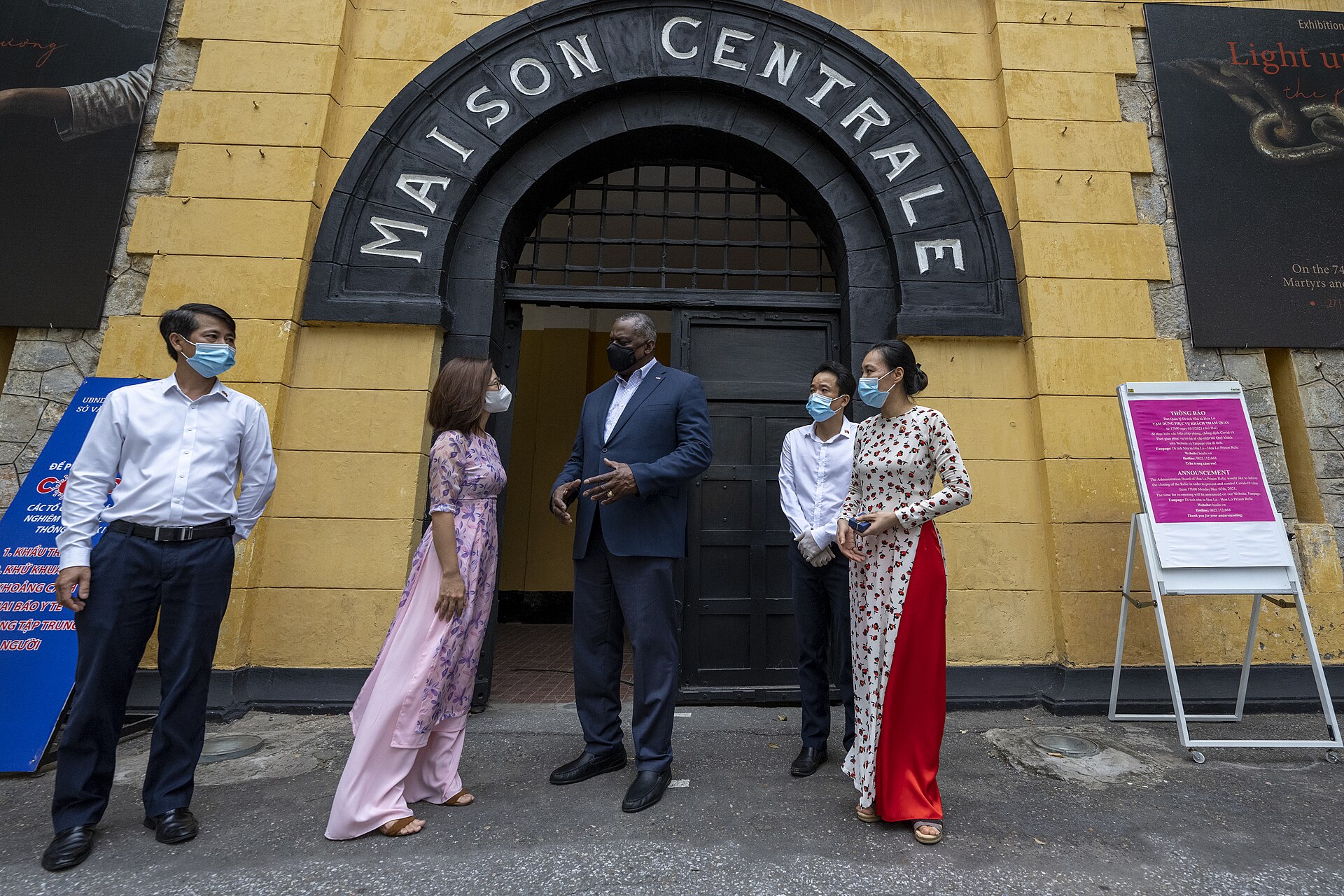
Hỏa Lò Prison (Hanoi Hilton)
1 Hỏa Lò, Hoàn Kiếm, Hanoi
Hỏa Lò Prison is one of the most historically complex sites in Hanoi — a French colonial prison built in 1896 that was used to hold Vietnamese political prisoners during the independence struggle and later became the prison where American pilots shot down during the Vietnam War were held as POWs. The Americans nicknamed it the 'Hanoi Hilton,' and Senator John McCain was among the most famous prisoners held here. The museum's Vietnamese narrative focuses primarily on the prison's French colonial use — the conditions under which Vietnamese independence fighters were imprisoned, tortured, and executed by the French administration. The displays include the guillotine used for executions, the leg shackles that held prisoners in their cells, and the tunnels through which prisoners attempted (sometimes successfully) to escape. The American POW section, by contrast, presents the prisoners as having been treated humanely — a version of events that American survivors dispute and that reflects the ongoing complexity of Vietnam-US historical narratives. The prison was mostly demolished in the 1990s to make way for the Hanoi Towers residential and commercial complex, and the remaining section (about a quarter of the original) has been preserved as a museum. The juxtaposition of the colonial-era prison walls with the luxury apartment towers built on the former prison grounds is Hanoi's most literal example of the country's post-war transformation — from imprisonment to property development in a single generation.
Hoàn Kiếm Lake & Ngọc Sơn Temple
Ho Hoan Kiem, Hang Bac, Hanoi, Vietnam
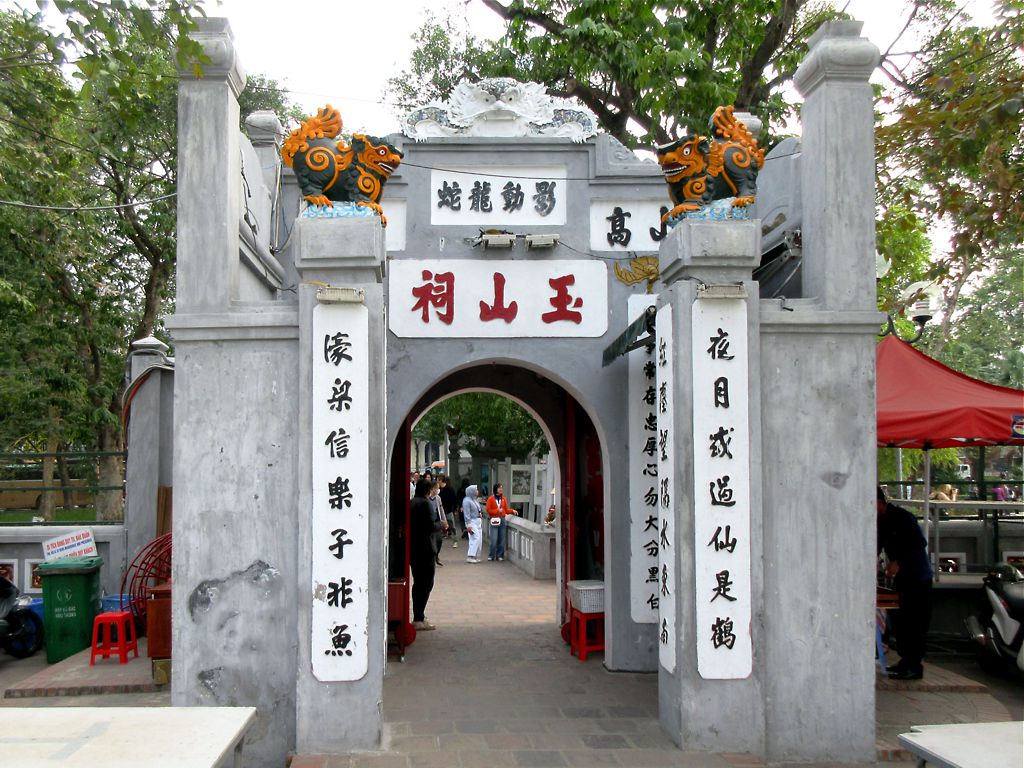
Hoàn Kiếm Lake is the spiritual heart of Hanoi — a small, green lake in the centre of the city whose name means 'Lake of the Returned Sword,' referring to a legend in which a 15th-century Vietnamese king returned a magical sword to a golden turtle in the lake after using it to defeat the Chinese Ming dynasty. The Turtle Tower (Tháp Rùa), a small pavilion on an island in the southern part of the lake, and the Ngọc Sơn Temple (Temple of the Jade Mountain) on an island in the northern part are the two landmarks that give the lake its identity. Ngọc Sơn Temple, reached by the iconic red-painted Thê Húc Bridge (the 'Sunbeam Bridge'), is an 18th-century Confucian and Buddhist temple dedicated to the scholar Văn Xương and the military hero Trần Hưng Đạo. The temple is small and atmospheric — incense smoke, altar offerings, and the preserved body of a giant softshell turtle (Rafetus swinhoei, one of the rarest species on Earth) that was caught in the lake in 1968 and is now displayed in a glass case. The species, which grew up to 2 metres long, was the basis for the sword-returning turtle legend, and the last known individual in Hoàn Kiếm Lake died in 2016. The lake's shores are Hanoi's most popular public space. Early morning tai chi practitioners, evening joggers, couples on benches, and the weekend pedestrian zone (when the surrounding streets are closed to traffic) create a social atmosphere that is the closest Hanoi gets to a European piazza. The view from the lakeside at sunset — the Turtle Tower silhouetted against a pink sky, the Old Quarter's lights beginning to flicker behind the trees — is one of Vietnam's most romantic urban scenes.
Long Biên Bridge
Long Bien Bridge, Phuc Tan, Hanoi, Vietnam
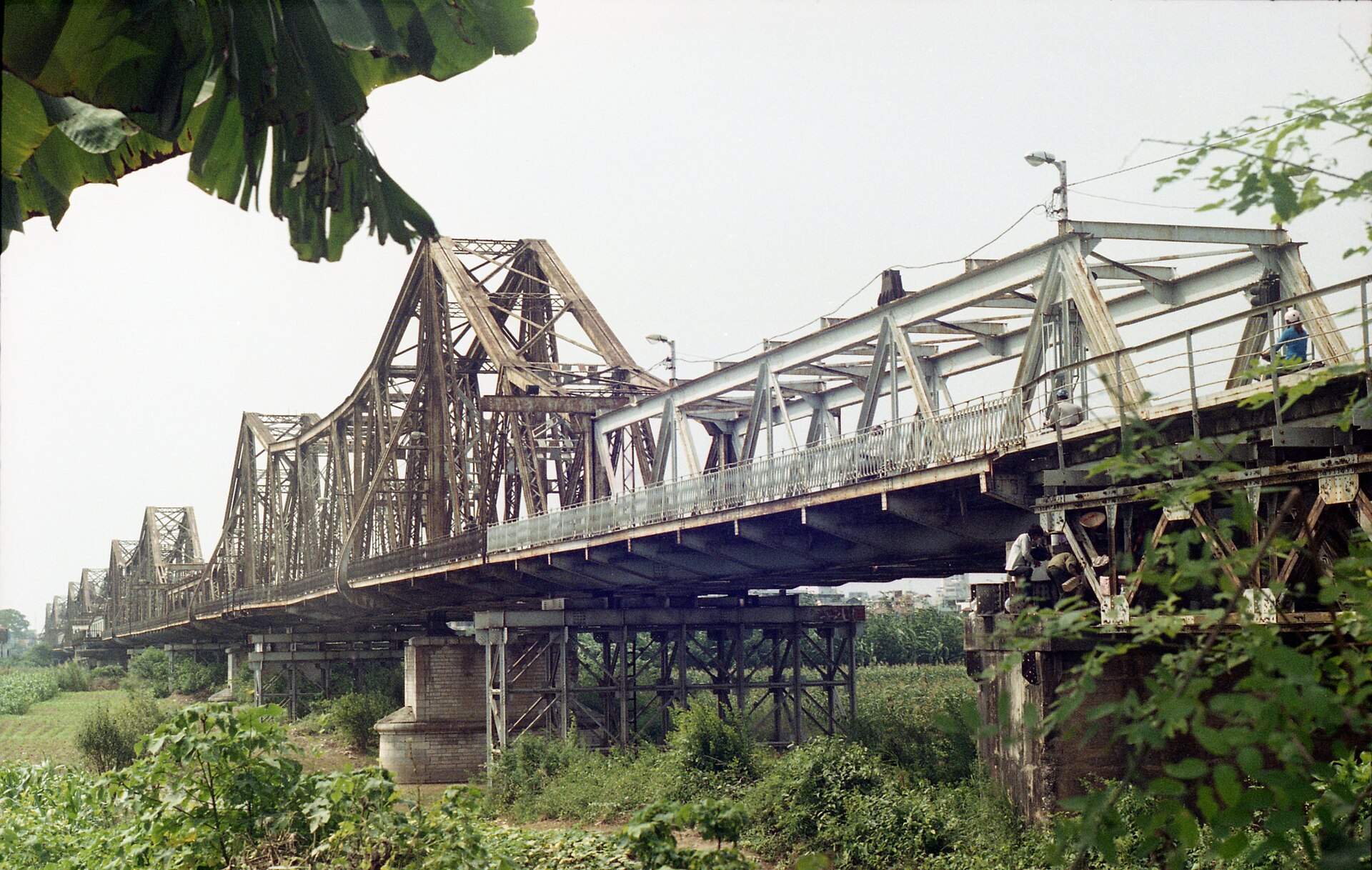
Long Biên Bridge is the most historically significant structure in Hanoi — a 1.7-kilometre steel cantilever bridge across the Red River designed by the same firm (Daydé & Pillé) that built the Eiffel Tower and completed in 1903 as the first steel bridge in Indochina. The bridge was a strategic target during the American bombing of North Vietnam, and the damage it sustained — repaired repeatedly by Vietnamese engineers during the war — is still visible in the patched sections and mismatched steel that give the bridge its scarred, resilient appearance. The bridge carries a single railway track flanked by motorbike and bicycle lanes, and crossing it on foot or motorbike provides views of the Red River, the Old Quarter's waterfront, and the banana plantations and market gardens on the alluvial islands in the river below. The morning market on the bridge's lower deck — where vendors sell produce directly from the river islands — is one of Hanoi's most photogenic and least touristed food experiences. Long Biên's survival through the American War (the Vietnamese name for what Americans call the Vietnam War) has made it a symbol of Vietnamese resilience — the bridge was bombed repeatedly between 1967 and 1972, was repaired each time, and continued carrying supplies to the front despite being one of the most heavily targeted pieces of infrastructure in the conflict. The French colonial engineering, the American bomb damage, and the Vietnamese repairs are all visible in the bridge's structure, creating a physical record of 120 years of Vietnamese history in steel.
Museum of Ethnology
Nguyen Van Huyen, Dich Vong, Hanoi, Vietnam
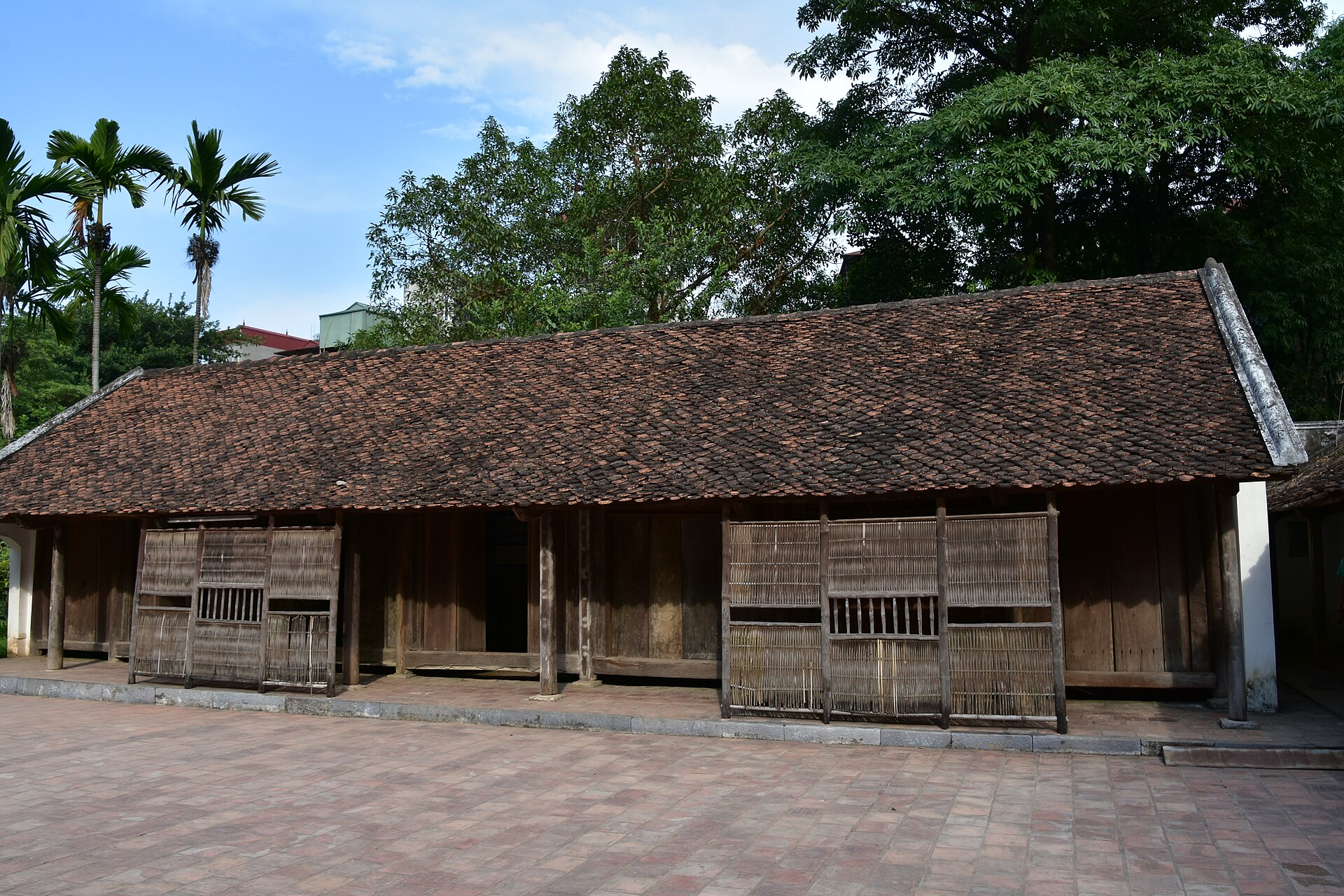
The Vietnam Museum of Ethnology is the best museum in Hanoi — a thoughtfully curated institution in the Cầu Giấy district that documents the cultures, traditions, and daily lives of Vietnam's 54 ethnic groups through artifacts, photographs, and full-scale reconstructions of traditional houses in the outdoor exhibition garden. The museum provides the context for Vietnam's diversity that the homogeneous urban experience of Hanoi cannot. The indoor galleries display traditional clothing, agricultural tools, religious objects, and the musical instruments that each ethnic group uses, with the kind of detailed labelling and contextual explanation that makes the collection accessible rather than overwhelming. The Tày, Dao, H'mong, Ê Đê, and Bahnar communities are represented through reconstructed interiors and the personal objects that define daily life — from weaving looms and rice wine jars to the elaborate silver jewellery that marks social status in highland communities. The outdoor garden is the museum's masterpiece — full-scale reconstructions of traditional houses from across Vietnam, built by craftspeople from the communities they represent. The Bahnar communal house (rông), a towering thatched structure reaching 19 metres, is the most impressive — a building type that serves as the social and ceremonial centre of Central Highlands villages. The Tày stilt house, the Ê Đê longhouse, and the Việt (Kinh) northern delta house complete an architectural tour of Vietnam that would take weeks to see in person. The museum is 7 kilometres west of the Old Quarter — a taxi ride that is worth the effort.
Museum of Fine Arts
66 Nguyen Thai Hoc, Dien Bien, Hanoi, Vietnam
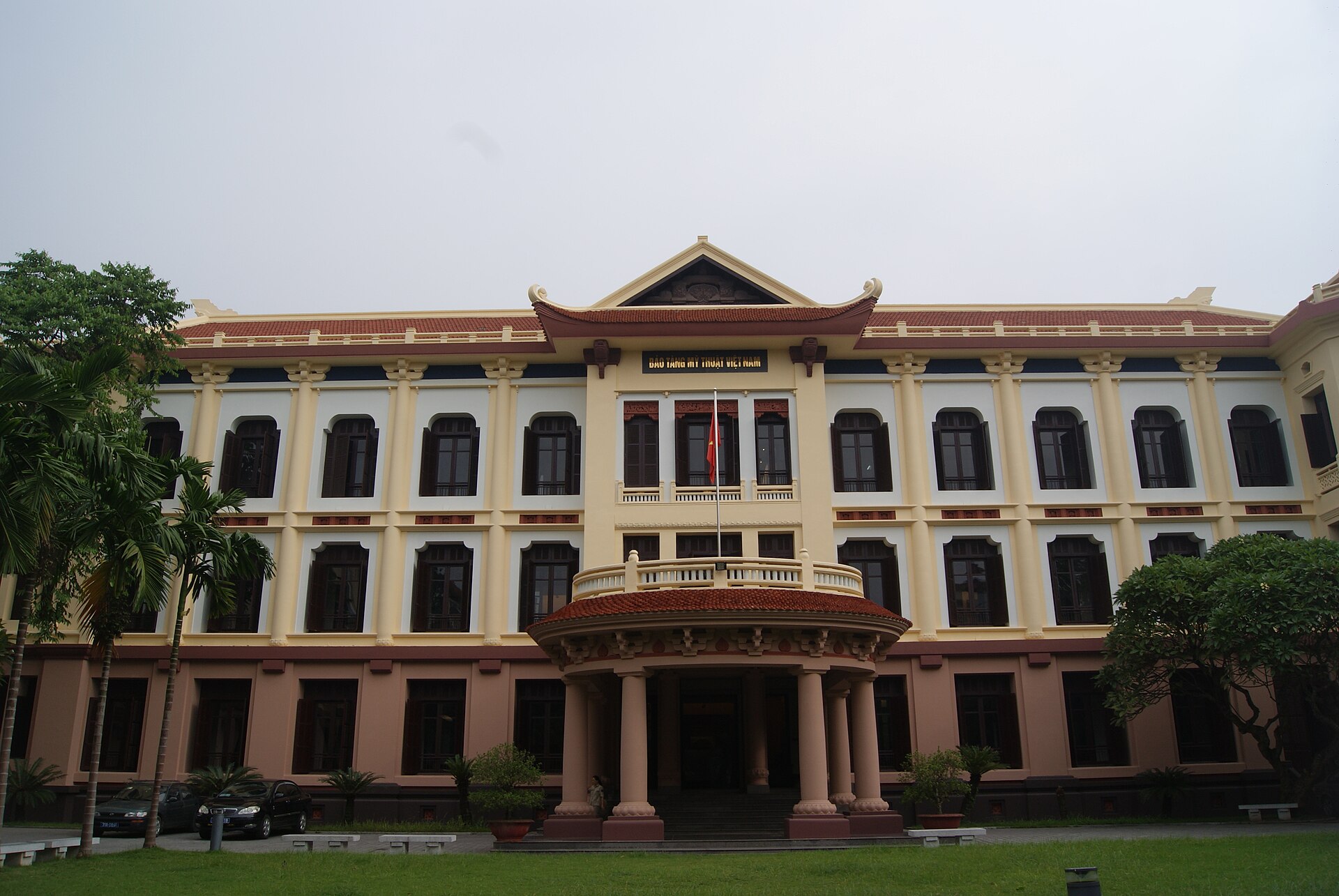
The Vietnam Fine Arts Museum is the national art collection — housed in a French colonial building near the Temple of Literature that displays Vietnamese art from the prehistoric period through Buddhist sculpture, Nguyen dynasty court art, French-influenced modernism, and the wartime and post-war periods that produced some of the most distinctive art in Southeast Asia. The collection's strength is its range — Đông Sơn bronze drums from 2,000 years ago sit alongside 11th-century Buddhist stone carvings, Cham Hindu sculpture, Nguyen dynasty lacquerware, and the oil paintings of the Indochina School (Vietnamese artists trained at the French-founded École des Beaux-Arts de l'Indochine in the 1920s-30s who created a fusion of Vietnamese subject matter and European technique). The lacquer paintings — a medium unique to Vietnamese art, using layers of natural lacquer to create surfaces of extraordinary depth and luminosity — are the collection's most distinctive works. The wartime art section, showing paintings and sculptures created during the American War, provides an alternative perspective to the military museums — artists documenting not battles but daily life, landscape, and the persistence of beauty during decades of conflict. The building itself, a converted colonial-era school, adds a further layer of Franco-Vietnamese cultural dialogue. The museum is modestly priced, rarely crowded, and provides the art-historical context that the historical museums and street culture of Hanoi can't independently convey.
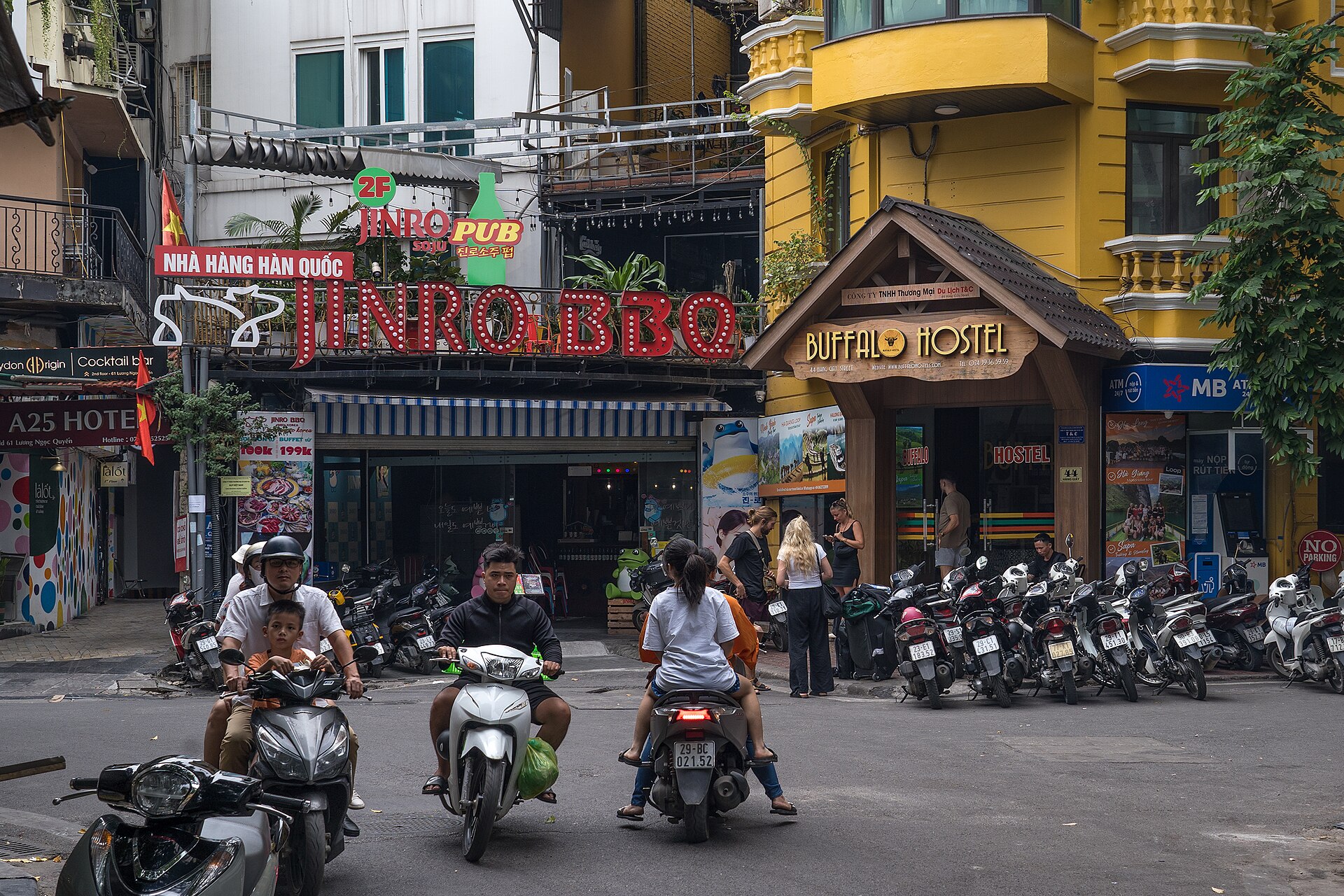
Old Quarter (36 Streets)
Ho Hoan Kiem, Hang Bac, Hanoi, Vietnam
Hanoi's Old Quarter is one of the most chaotic, beautiful, and sensory-overwhelming urban experiences in Asia — a dense grid of narrow streets north of Hoàn Kiếm Lake that has been a commercial district for over 1,000 years, with each street traditionally specialising in a single trade. Hàng Bạc (Silver Street), Hàng Gai (Silk Street), Hàng Mã (Paper Street), Hàng Thiếc (Tin Street) — the names map a medieval economy that has evolved but not disappeared, and walking through the Quarter is like walking through a living museum of Vietnamese commerce. The streets are narrow, the buildings are tube houses (narrow frontages, deep interiors, three to five storeys tall), and every available surface is occupied — by motorbikes, street food vendors, barbers, shoe repairers, coffee sellers, and the general activity of a neighbourhood where 70,000 people live and work in an area smaller than a large shopping mall. The motorbikes deserve special mention: the traffic in the Old Quarter follows no visible rules but operates on an unspoken collective logic that, once you stop being terrified by it, reveals itself as remarkably efficient. The street food is the Old Quarter's greatest gift. Phở (the beef noodle soup that defines Vietnamese cuisine), bún chả (grilled pork with noodles, the dish Obama ate with Anthony Bourdain), bánh mì (the baguette sandwich that is France's tastiest colonial legacy), and egg coffee (cà phê trứng, coffee topped with whipped egg yolk) are all available within a few blocks, served from tiny stalls where you sit on plastic stools 30 centimetres high and eat food that is better than anything served in a restaurant.
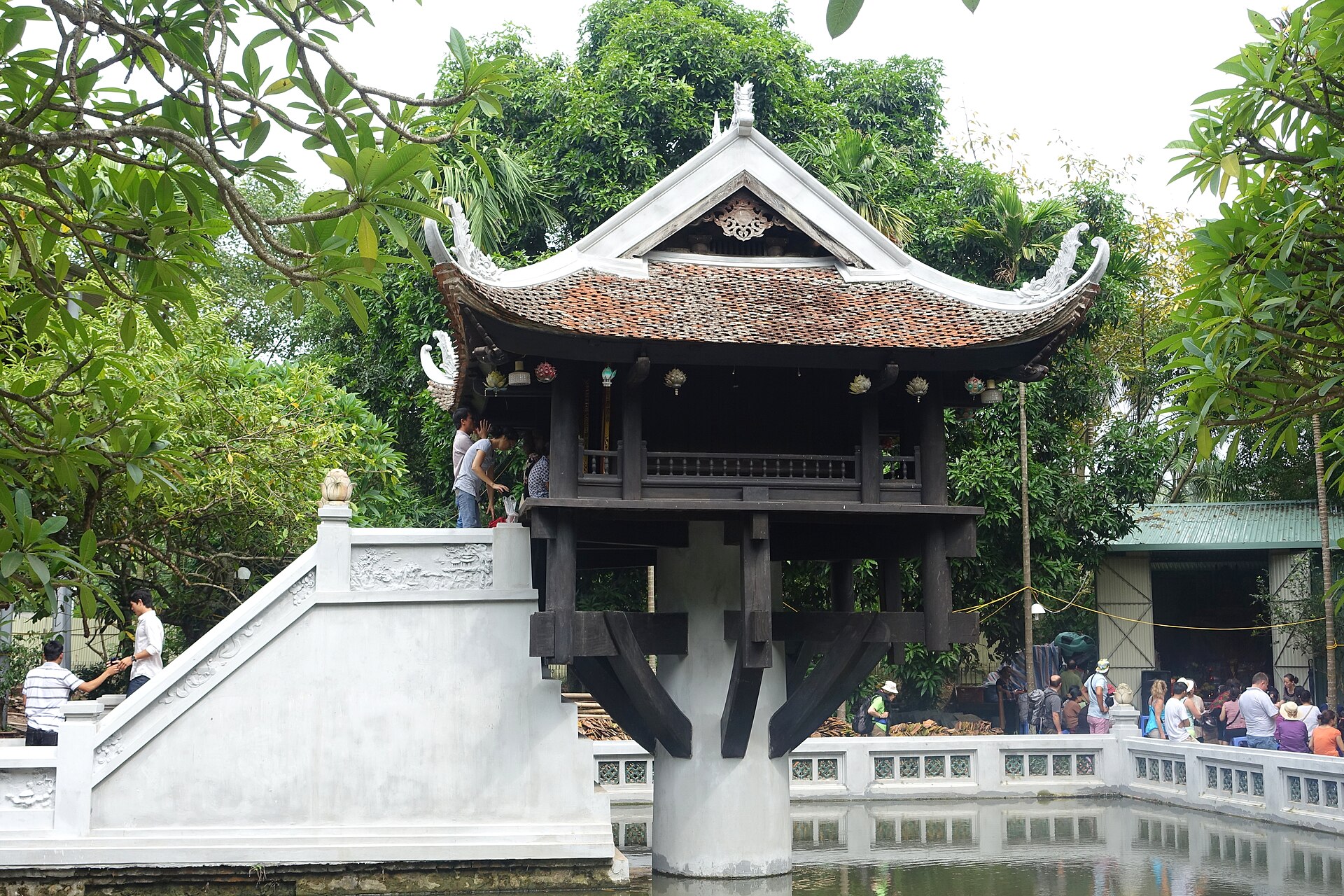
One Pillar Pagoda (Chùa Một Cột)
Chùa Một Cột, Ba Đình, Hanoi
The One Pillar Pagoda is one of Vietnam's most iconic structures — a small Buddhist temple built on a single stone pillar in a lotus pond, designed to resemble a lotus flower rising from the water. The original pagoda was built in 1049 by Emperor Lý Thái Tông, who dreamed that the bodhisattva Quan Âm (Avalokiteśvara) handed him a baby son while seated on a lotus flower. The emperor built the pagoda in gratitude for the subsequent birth of his heir. The pagoda is tiny — the wooden temple on the pillar measures only about 3 metres square — but its design is unique in Buddhist architecture. The single stone pillar supporting the temple creates the illusion of a lotus blossom floating on the water of the surrounding pond, which was the explicit intention of the 11th-century builders. The current structure is a reconstruction — the French destroyed the original in 1954 as they withdrew from Indochina, and the Vietnamese rebuilt it in 1955. The pagoda sits in the Hồ Chí Minh complex, adjacent to the mausoleum and the Presidential Palace, and is typically visited as part of the Ho Chi Minh itinerary. The pagoda is free to visit and takes only a few minutes, but its elegance — a single idea (lotus on water) expressed in the simplest possible architecture — makes it one of the most memorable structures in Hanoi despite its diminutive size.
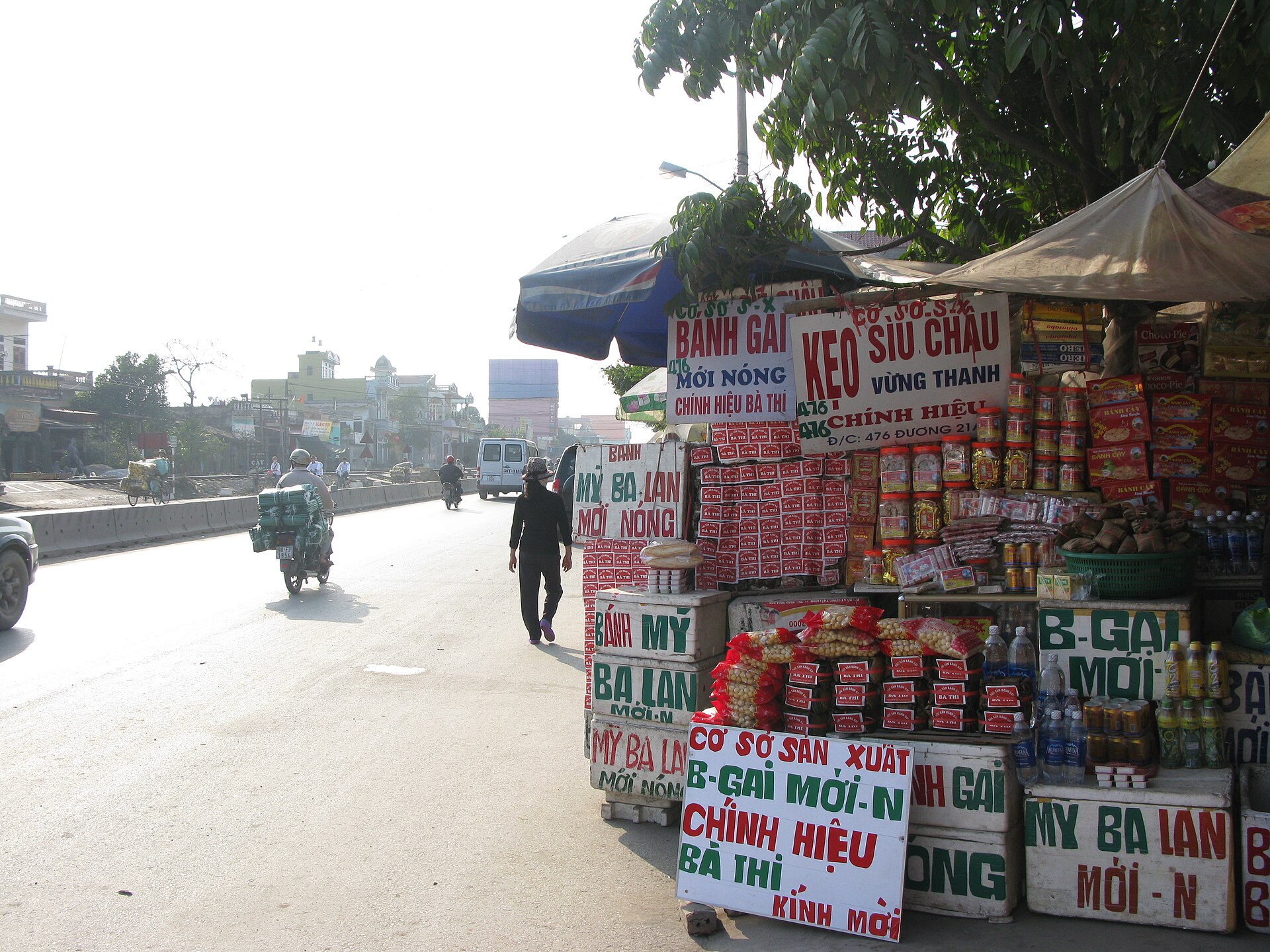
Phở & Street Food Culture
Doi Can, Doi Can, Hanoi, Vietnam
Hanoi is the birthplace of phở — the beef noodle soup that has become Vietnam's most famous culinary export and one of the defining dishes of 21st-century food culture. The Hanoi version (phở Bắc) is simpler and cleaner than the southern (Saigon) version — a clear, deeply flavoured beef broth ladled over flat rice noodles and thin slices of rare or cooked beef, garnished with nothing more than fresh herbs, lime, and chilli. No bean sprouts, no hoisin sauce — those are southern additions that northern purists regard as heresy. The street food culture in Hanoi extends far beyond phở. Bún chả (charcoal-grilled pork patties served with cold rice noodles and a dipping broth of fish sauce, vinegar, sugar, and garlic) is the lunch dish that Hanoians eat most passionately. Bánh cuốn (steamed rice rolls filled with minced pork and mushrooms) is the breakfast. Chả cá Lã Vọng (turmeric-marinated fish with dill, served sizzling at your table with rice noodles) is the dish that an entire street is named after. Egg coffee (cà phê trứng), invented at Café Giảng in 1946 when milk was scarce, is the drink. Eating street food in Hanoi involves sitting on plastic stools at tiny tables on the pavement, surrounded by motorbikes, watching the cook prepare your food in a kitchen the size of a cupboard. The experience is uncomfortable by Western restaurant standards and extraordinary by any measure of food quality — the specialisation (many stalls serve a single dish, perfected over decades) produces a level of consistency and depth that full-menu restaurants can't match.
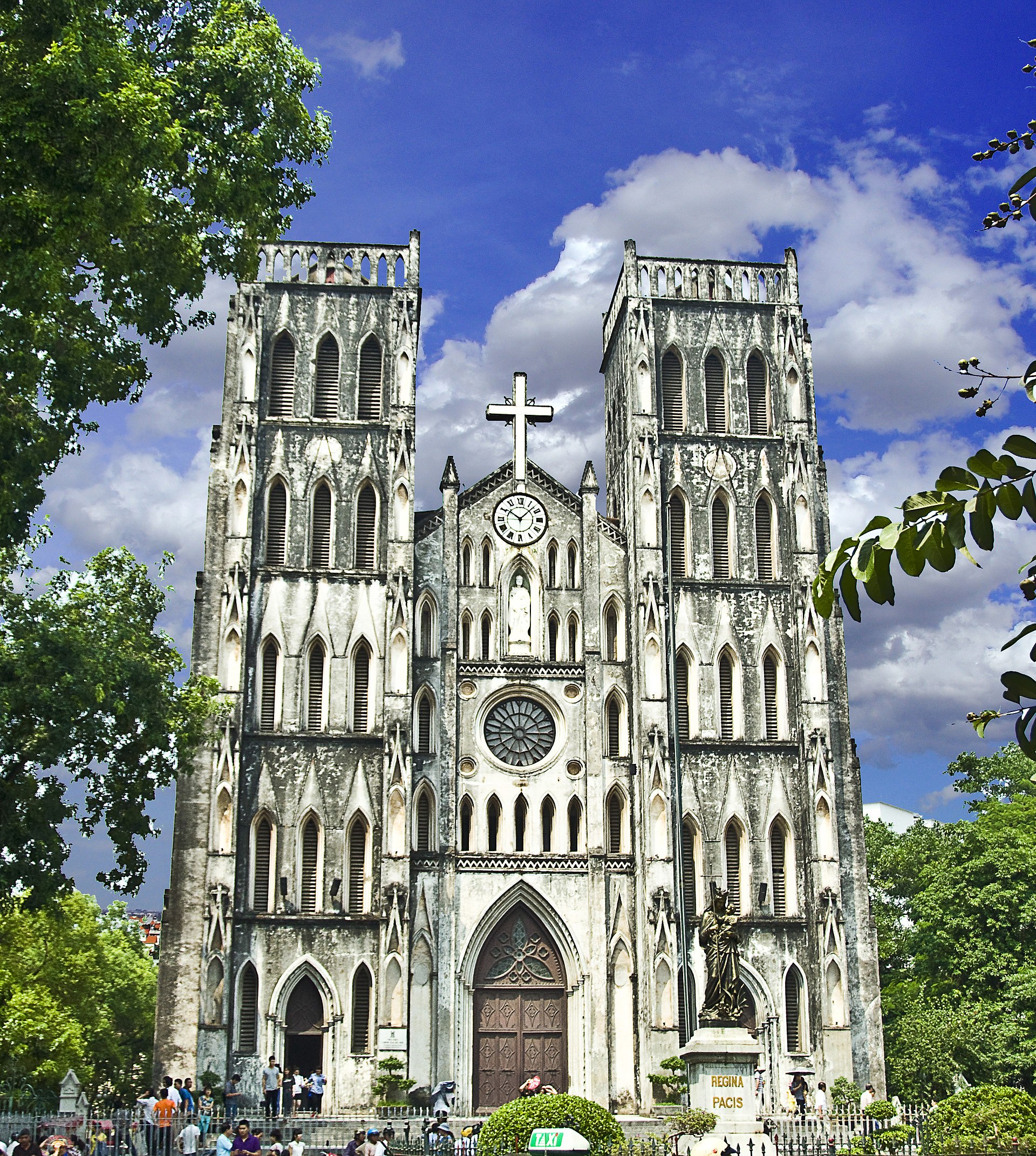
St. Joseph's Cathedral
40 Nhà Chung, Hoàn Kiếm, Hanoi
St. Joseph's Cathedral is Hanoi's most prominent colonial-era building — a Neo-Gothic church completed in 1886 by the French administration that was modelled on Notre-Dame de Paris and is the spiritual centre of Hanoi's Catholic community, which numbers over a million in a country where 7% of the population is Catholic (the legacy of French missionary activity dating to the 17th century). The cathedral's twin square towers, dark stone facade, and stained glass windows are surprisingly effective transpositions of European Gothic to a tropical setting — the building looks like a piece of France dropped into Hanoi, which was exactly the colonial intention. The interior is dim, incense-scented, and decorated with Vietnamese Catholic art that blends European iconography with Vietnamese aesthetic sensibilities, creating a visual style that exists nowhere else. The square in front of the cathedral (Nhà Thờ, literally 'Church') has become one of Hanoi's most popular gathering spots — surrounded by cafés, fashion boutiques, and the ice cream and milk tea shops that young Vietnamese queue for on weekends. The area around the cathedral is the closest Hanoi has to a French Quarter — the surrounding streets (Nhà Chung, Lý Quốc Sư, Ấu Triệu) contain colonial-era buildings, bakeries selling genuine baguettes and croissants, and the French culinary legacy that makes Vietnamese food the world's most successful fusion cuisine.
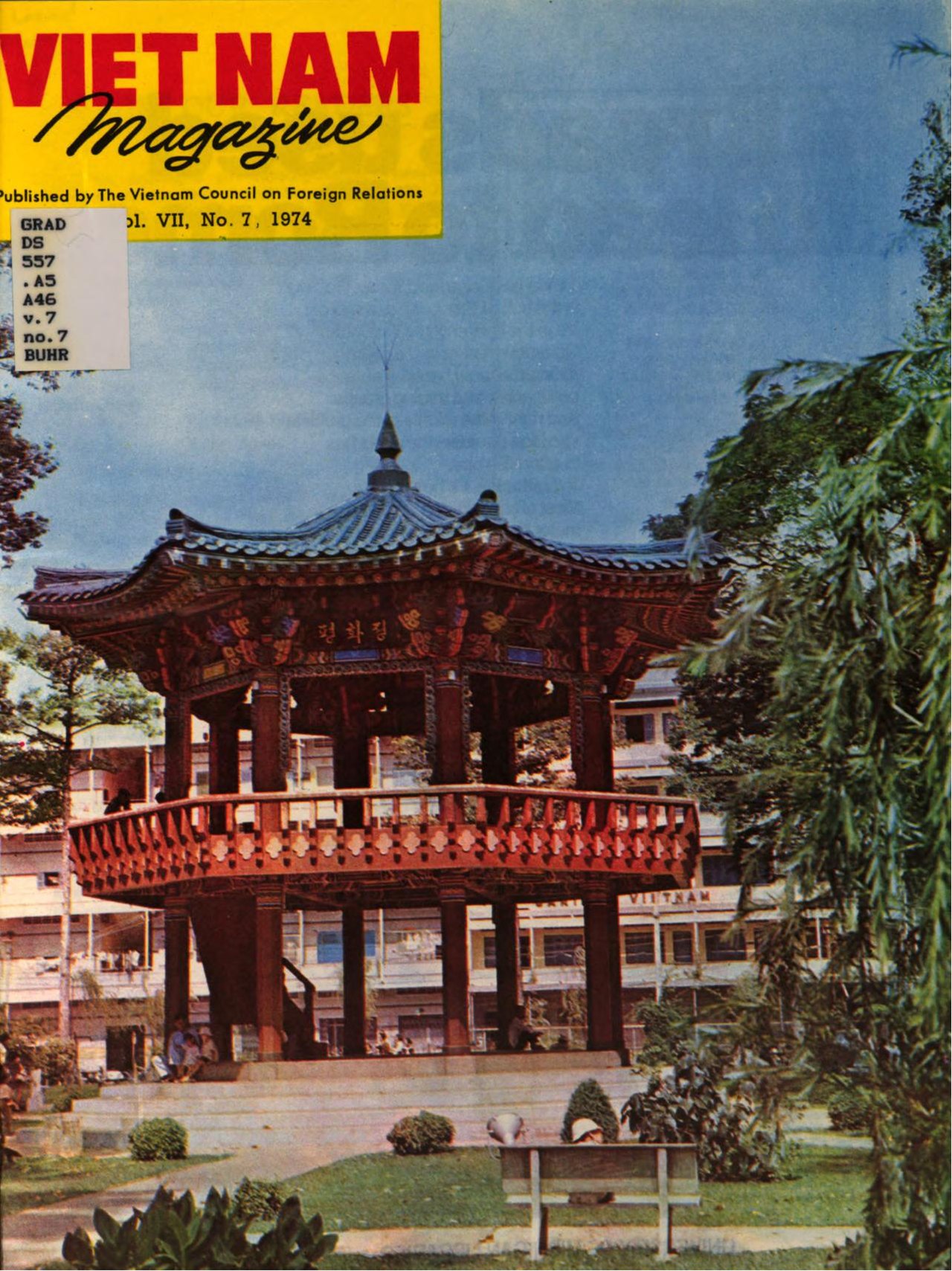
Tây Hồ (West Lake) Lotus Pond & Temples
71 Ngõ 50 Đặng Thai Mai, P. Quảng An, Hà Nội, Việt Nam
Phủ Tây Hồ is the most important mother goddess temple in northern Vietnam — a complex of shrines on a peninsula extending into West Lake that is dedicated to the worship of the Holy Mother (Thánh Mẫu), a deity from Vietnam's indigenous folk religion that blends Buddhist, Taoist, and animist traditions in a uniquely Vietnamese spiritual practice. The temple is packed with worshippers on the 1st and 15th of each lunar month, when the incense smoke, chanting, and the sheer number of devotees create an atmosphere of collective spiritual energy. The temple's West Lake setting is spectacular — the peninsula extends into the largest lake in Hanoi, and the approach along the lakeside path passes lotus ponds (the lotus blooms from May through August, filling the lake with pink flowers), fishpond restaurants, and the shrimp cake (bánh tôm) vendors who have been frying at the lakeside for generations. The lotus-viewing experience — sitting at a lakeside café watching the flowers open in the morning sun — is one of Hanoi's most peaceful seasonal pleasures. The surrounding Tây Hồ district has become the most desirable residential area in Hanoi — lakeside apartments, international restaurants, and the kind of quiet, tree-lined streets that the Old Quarter's density makes impossible. The cycle around West Lake (approximately 17 kilometres) passes through the full spectrum of Tây Hồ life — temples, restaurants, apartment towers, old village houses, and the waterside gardens that make West Lake Hanoi's escape from itself.
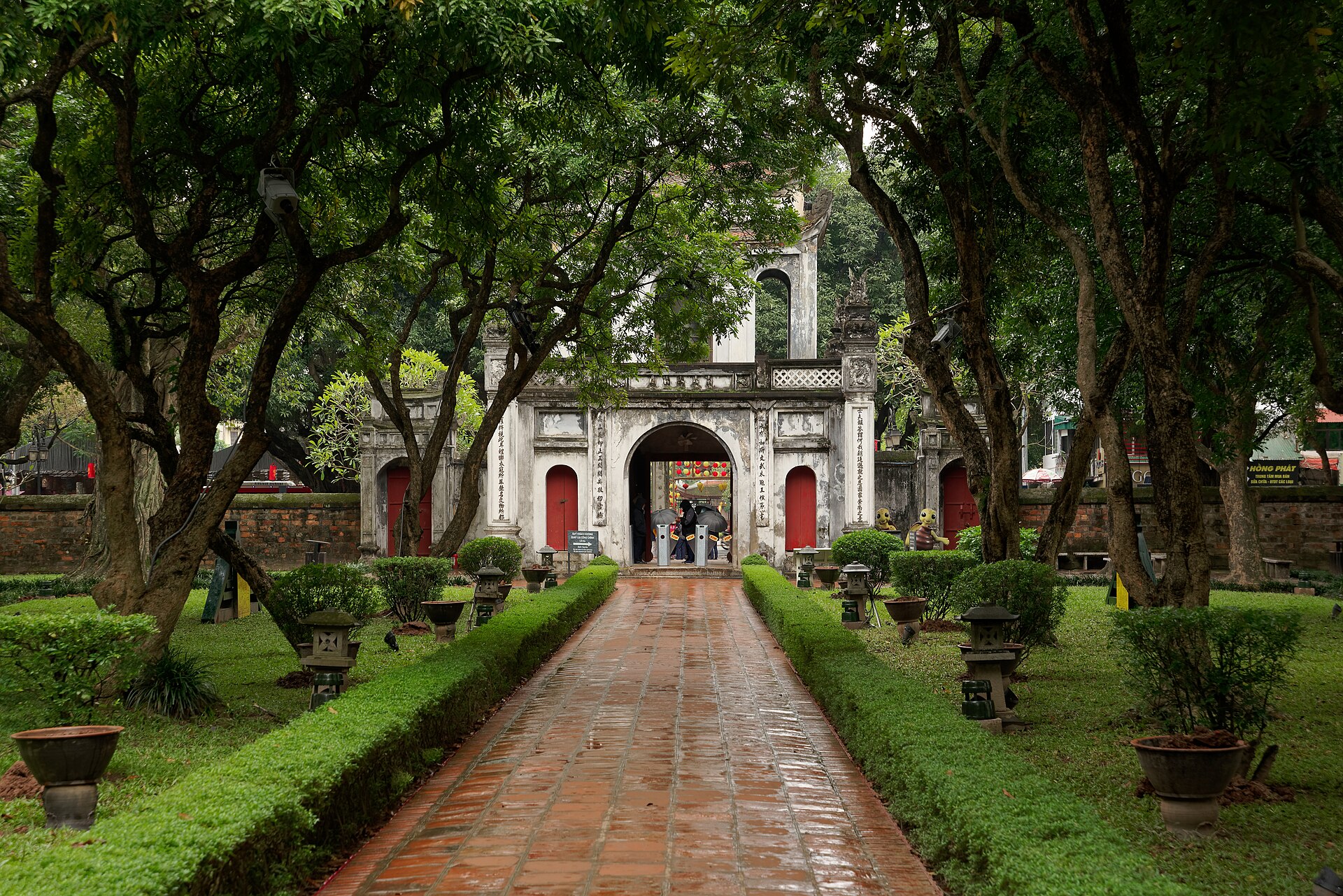
Temple of Literature (Văn Miếu)
Quoc Tu Giam, Van Mieu, Hanoi, Vietnam
The Temple of Literature is Vietnam's most important historical monument — a Confucian temple and the site of the country's first national university, founded in 1070 by Emperor Lý Thánh Tông and operating continuously for over 700 years until the French colonial administration closed it in the 19th century. The temple complex is the finest example of traditional Vietnamese architecture in Hanoi, and the stelae (stone tablets) recording the names of doctoral graduates from 1442 to 1779 are a UNESCO-listed documentary heritage. The complex is arranged as five courtyards connected by gates, each progressively more sacred. The first courtyard is a formal garden. The second contains the Khue Văn Pavilion, a graceful two-storey structure that has become the symbol of Hanoi (it appears on the city's official emblem). The third courtyard houses the stelae — 82 stone tablets mounted on stone turtles, each recording the names, birthplaces, and examination results of successful candidates from the triennial doctoral examinations. The fourth and fifth courtyards contain the main temple buildings and the shrine to Confucius. The stelae are the Temple's most significant feature historically — they represent a continuous record of Vietnamese intellectual life spanning 337 years and demonstrate the central role that Confucian education played in Vietnamese governance. Students touch the stone turtle heads for luck before exams (the heads are polished smooth by generations of anxious hands), and the temple grounds are the traditional site for Hanoi's graduation photographs, filling the courtyards with students in áo dài (traditional dress) every spring.
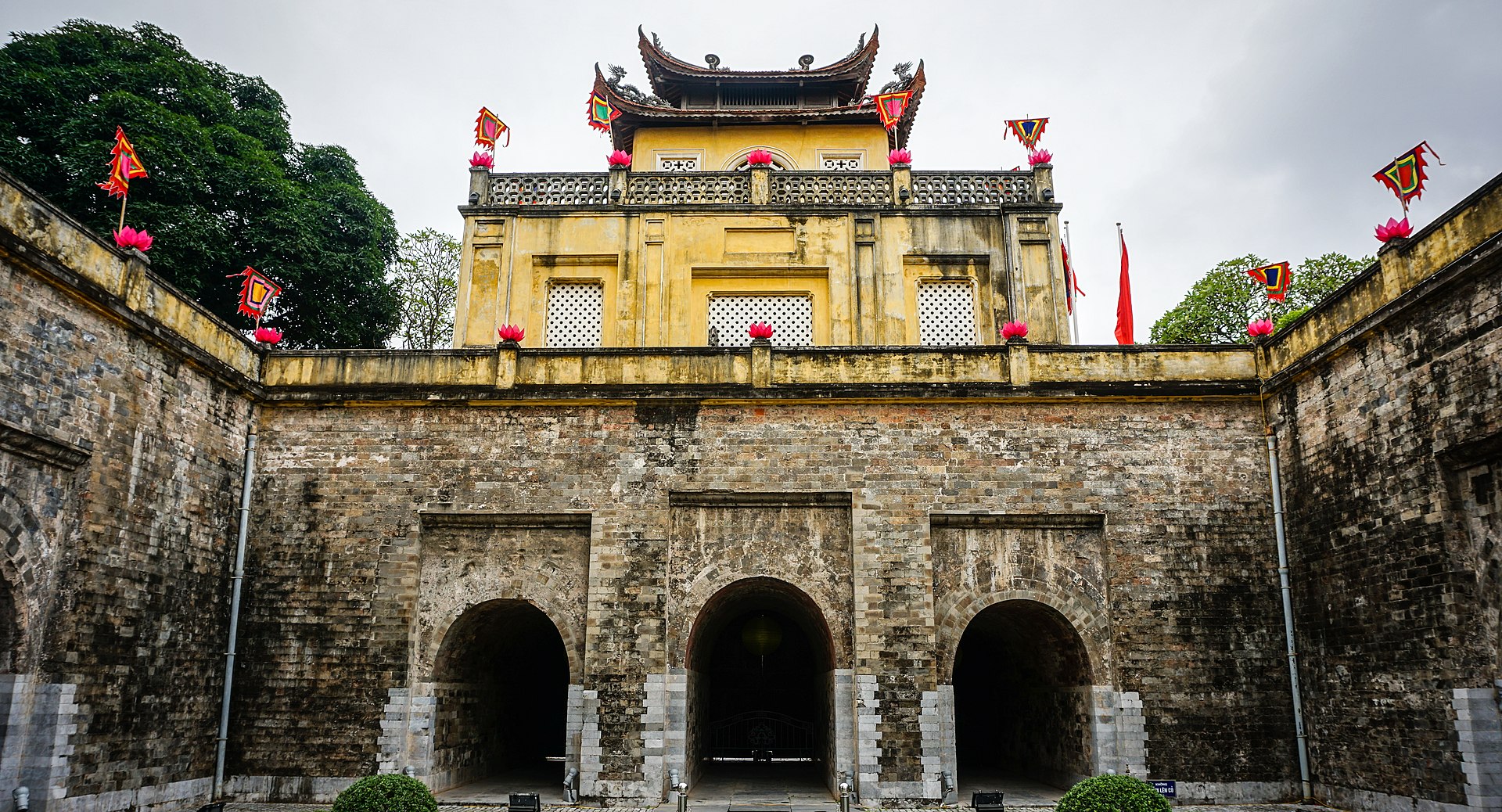
Thăng Long Imperial Citadel
19C Hoang Dieu, Dien Bien, Hanoi, Vietnam
The Imperial Citadel of Thăng Long is a UNESCO World Heritage Site that preserves the remains of 1,300 years of continuous political power in Hanoi — from the 7th-century Chinese Tang dynasty fortress through the Vietnamese Lý, Trần, and Lê dynasties to the French colonial period and the Vietnam War, when the D67 underground bunker beneath the citadel served as the command centre for North Vietnam's military operations. The excavations that began in 2002 (when construction work uncovered archaeological remains) have revealed layers of foundations, ceramics, coins, and architectural elements from every period of Hanoi's history, making the citadel one of the most important archaeological sites in Southeast Asia. The Đoan Môn (Main Gate), a massive stone gateway from the 15th century, and the Flag Tower (Cột Cờ), built during the Nguyễn dynasty in 1812 and now the symbol of Hanoi's military history, are the most visible surviving structures. The D67 bunker, built in 1967 as a bomb-proof command centre during the American air war, is one of the most fascinating parts of the site — a network of underground rooms where General Võ Nguyên Giáp and the North Vietnamese military leadership directed operations during the heaviest bombing campaigns in history. The bunker's spartan furnishing — desks, telephones, maps, and the camp beds where generals slept between planning sessions — provides a physical connection to decisions that shaped the 20th century.
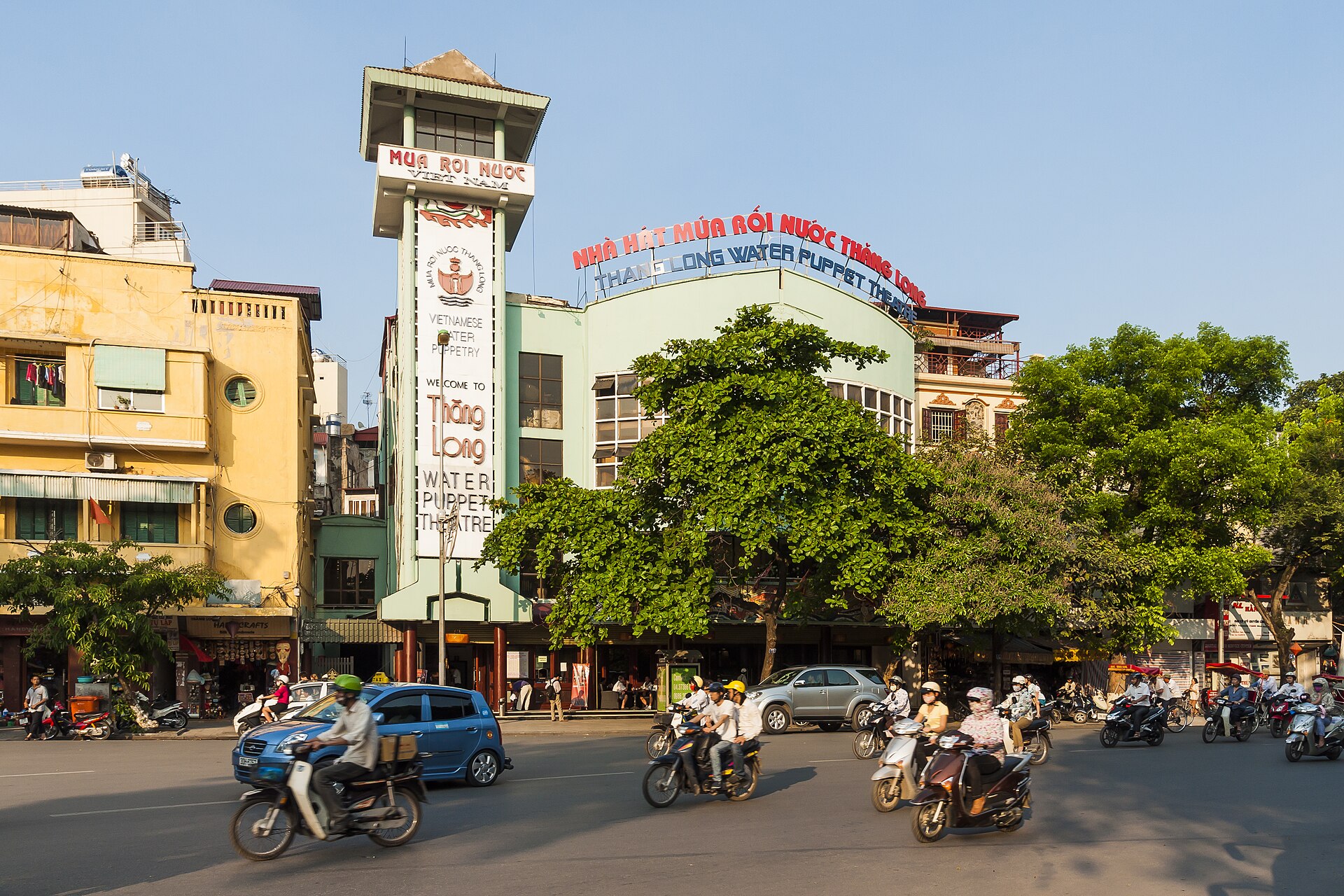
Thăng Long Water Puppet Theatre
57B Dinh Tien Hoang, Hang Bac, Hanoi, Vietnam
Water puppetry (múa rối nước) is Hanoi's most distinctive performing art — a tradition that originated in the flooded rice paddies of the Red River Delta over 1,000 years ago, where farmers manipulated wooden puppets on the water's surface using submerged bamboo rods and strings. The Thăng Long Water Puppet Theatre, on the northern shore of Hoàn Kiếm Lake, is the premier venue for this art form and performs multiple shows daily to audiences that include both tourists and Vietnamese families. The puppets, carved from fig wood and lacquered in bright colours, perform on a stage that is a waist-deep pool of water. The puppeteers stand behind a bamboo screen at the back of the pool, immersed in water to their waists, manipulating the puppets using rods and strings that run underwater. The effect — brightly coloured figures dancing, fighting, fishing, and celebrating on the water's surface while dragons emerge from below and fireworks explode above — is magical in a way that technology-dependent entertainment rarely achieves. The shows present scenes from Vietnamese mythology and rural life — the legend of the restored sword (Hoàn Kiếm), the dance of the four sacred animals (dragon, unicorn, turtle, phoenix), rice planting, fishing, and the festivals that mark the Vietnamese agricultural calendar. Live musicians (using traditional instruments including the đàn bầu monochord and the đàn tranh zither) accompany the performance. Shows run 5-6 times daily and tickets sell out — book online or arrive early for the box office queue.
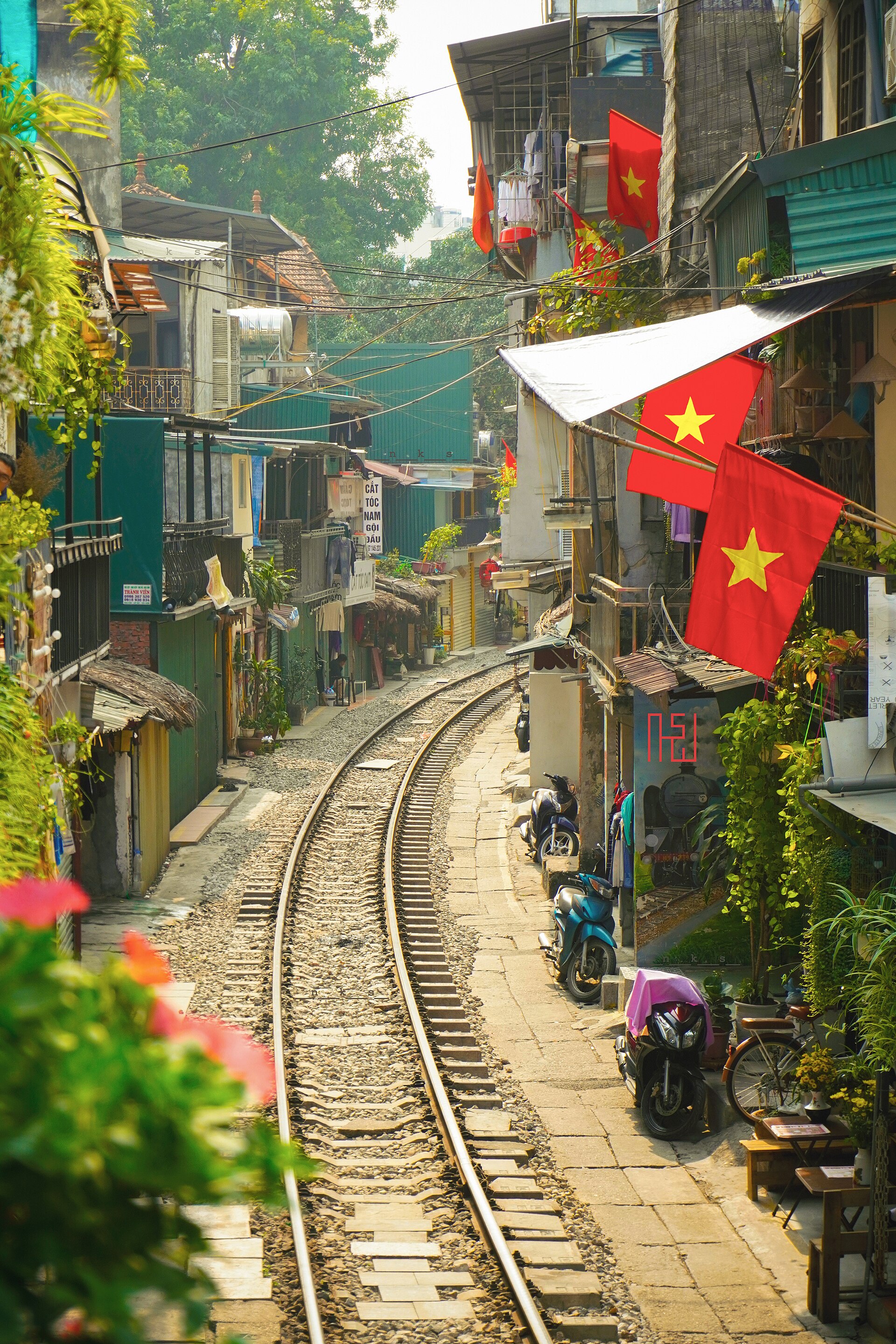
Train Street (Phố Tàu)
3 Tran Phu, Hang Bong, Hoan Kiem, Vietnam
Train Street is one of the most surreal urban experiences in the world — a narrow residential alley in the Old Quarter where a fully operational railway line runs between houses that are separated from the tracks by less than two metres. Twice daily, a train passes through the alley, and the residents — who have been living alongside the tracks since the French built the railway in the early 20th century — fold their chairs, pull in their laundry, and press against their doorways as the train rumbles past close enough to touch. The street became an international social media sensation in the late 2010s, with cafés opening along the tracks to serve tourists who came to photograph the train passing within arm's reach of their coffee cups. The Vietnamese authorities periodically close the cafés and restrict access for safety reasons (standing on an active railway line to take a selfie is exactly as dangerous as it sounds), but the street reopens, the cafés return, and the cycle continues. The experience — sitting in a café with your back against a house wall, hearing the horn, watching the café staff calmly fold the tables inward, and then feeling the vibration as a full-sized locomotive passes two metres from your face — is genuinely thrilling and genuinely unsafe, which is why the authorities keep trying to shut it down and why visitors keep coming back. The train schedule is posted at the cafés (typically morning and afternoon), and the wait between trains is spent drinking Vietnamese coffee and observing the neighbourhood life of an alley that exists in the absurd overlap between domestic space and industrial infrastructure.
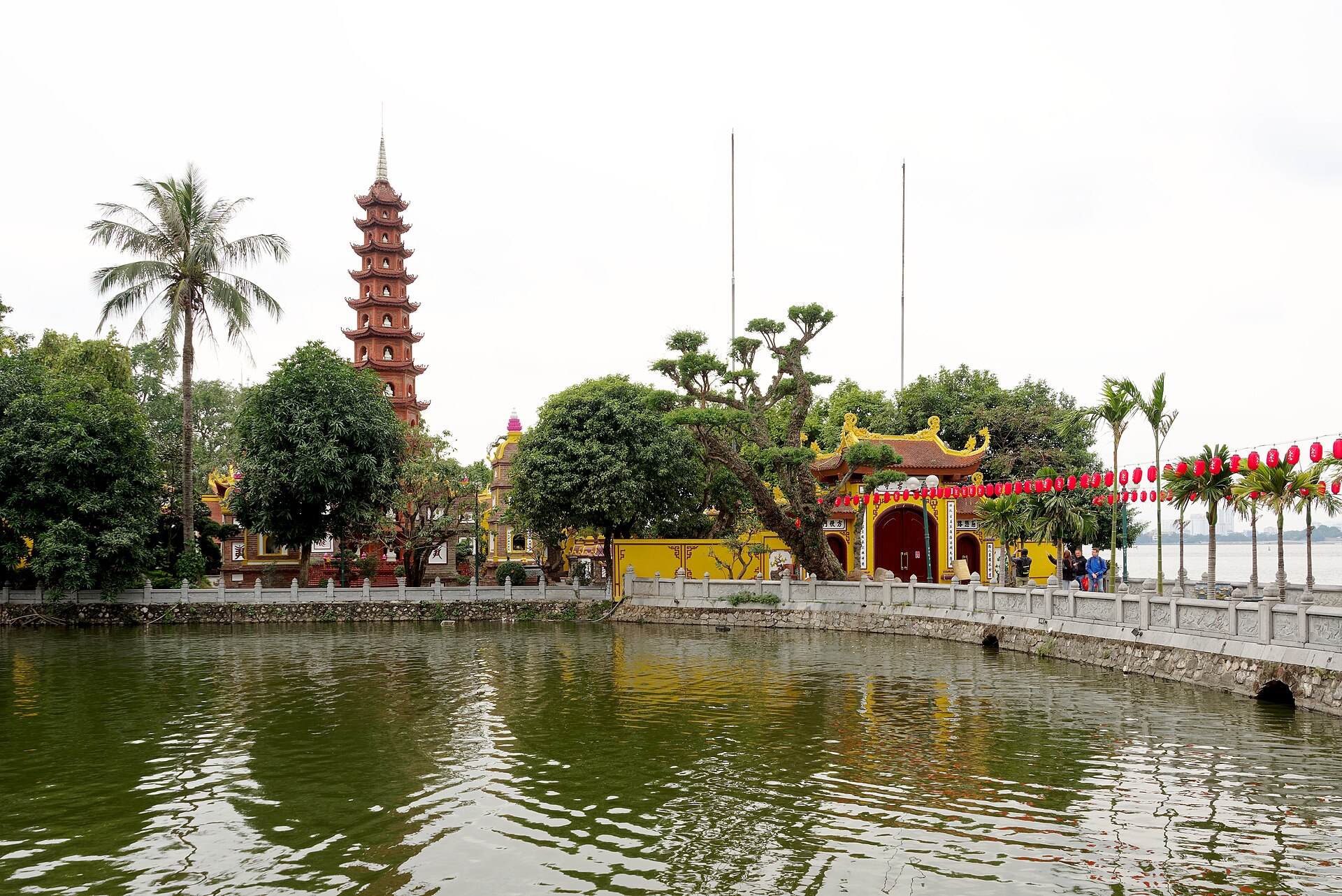
Trấn Quốc Pagoda
Tay Ho, Quang An, Hanoi, Vietnam
Trấn Quốc Pagoda is the oldest Buddhist temple in Hanoi — founded in the 6th century during the reign of Emperor Lý Nam Đế and relocated to its current position on a small island in West Lake in the 17th century. The pagoda's multi-tiered tower, rising 15 metres above the lake on its tiny island and reflected in the water below, is one of Hanoi's most photographed landmarks and one of the most beautiful Buddhist structures in Vietnam. The tower has 11 storeys, each containing a niche with a white Buddha statue, and the red-brick and timber structure is surrounded by bodhi trees (said to be descended from cuttings of the original Bodhi tree under which the Buddha achieved enlightenment). The pagoda sits on a causeway extending from Thanh Niên road, which divides West Lake from Trúc Bạch Lake, and the setting — water on both sides, the pagoda's tower reflected in the lake, the city skyline visible across the water — creates a scene that photographers chase at every hour of the day. The pagoda is an active place of worship, and visitors on the 1st and 15th of each lunar month (the traditional prayer days) will find the temple crowded with devotees burning incense and making offerings. The sunset view from the causeway — the pagoda silhouetted against an orange sky with the lake reflecting the colours — is one of Hanoi's most romantic images.
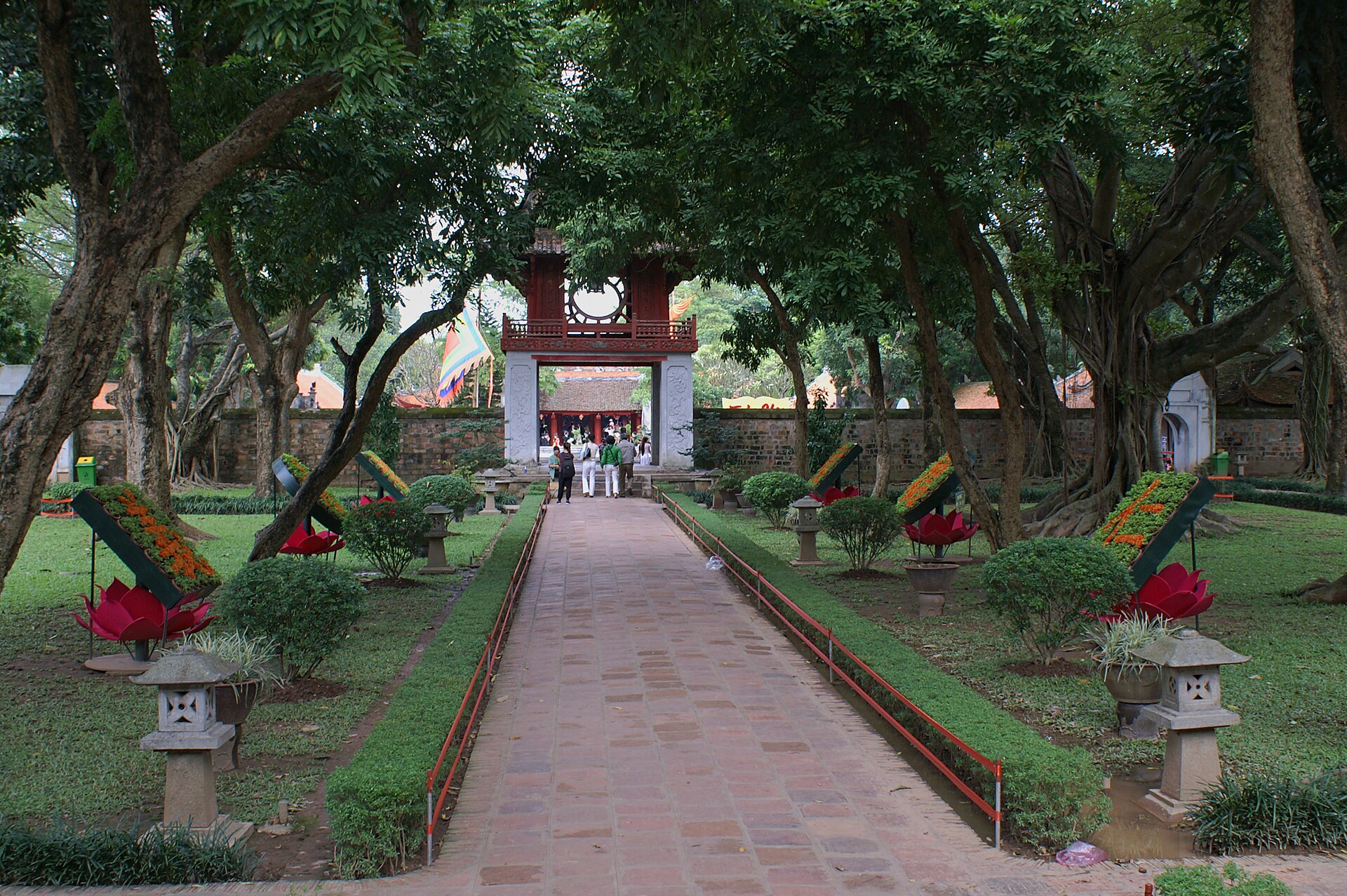
Van Mieu Lake & Quoc Tu Giam Garden
Quoc Tu Giam, Van Mieu, Hanoi, Vietnam
The garden and lake surrounding the Temple of Literature provide one of Hanoi's most peaceful green spaces — a landscape of ancient banyan trees, lotus ponds, and the kind of manicured tranquillity that Vietnamese temple gardens have cultivated for centuries. The Thien Quang Lake (Heaven's Light Lake) adjacent to the temple grounds is a popular early-morning gathering spot for tai chi practitioners and the elderly residents who use the lakeside paths for their daily exercise. The garden connects to the wider network of Hanoi's lakes and parks — the city has over 100 lakes, more than any other capital in Southeast Asia, and the green corridors between them provide walking routes that avoid the traffic-choked main roads. The area around Van Mieu is one of Hanoi's quietest residential neighbourhoods, with tree-lined streets of French colonial villas that have been converted into embassies and cultural institutions.
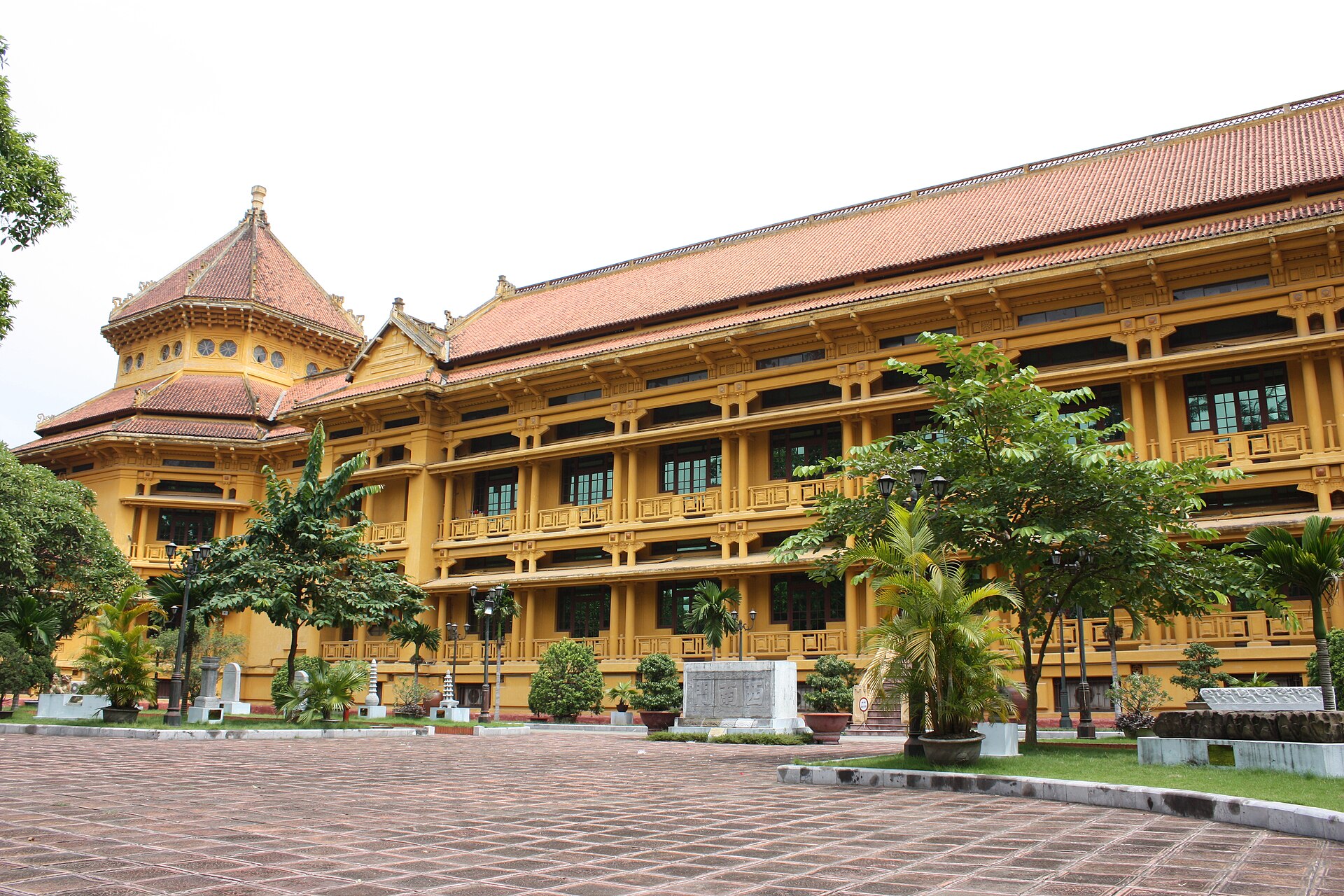
Vietnam National Museum of History
1 Trang Tien, Hoan Kiem, Hanoi
The Vietnam National Museum of History occupies a handsome French colonial building on Trang Tien street that traces Vietnamese civilisation from prehistoric times through the Bronze Age Dong Son culture, the thousand years of Chinese domination, the independent Vietnamese dynasties, French colonialism, and the wars that defined the 20th century. The collection includes Dong Son bronze drums (2,000 years old, decorated with scenes of daily life), Cham Hindu sculpture from central Vietnam, Ly and Tran dynasty ceramics, and the artifacts of Vietnamese court culture. The building itself — designed by French architects in the 1920s as the museum of the Ecole Francaise d'Extreme-Orient — is one of the finest colonial structures in Hanoi, with a blend of Art Deco and Indochinese architectural elements. The museum is less visited than the Ho Chi Minh complex and provides a quieter, more scholarly experience of Vietnamese history.
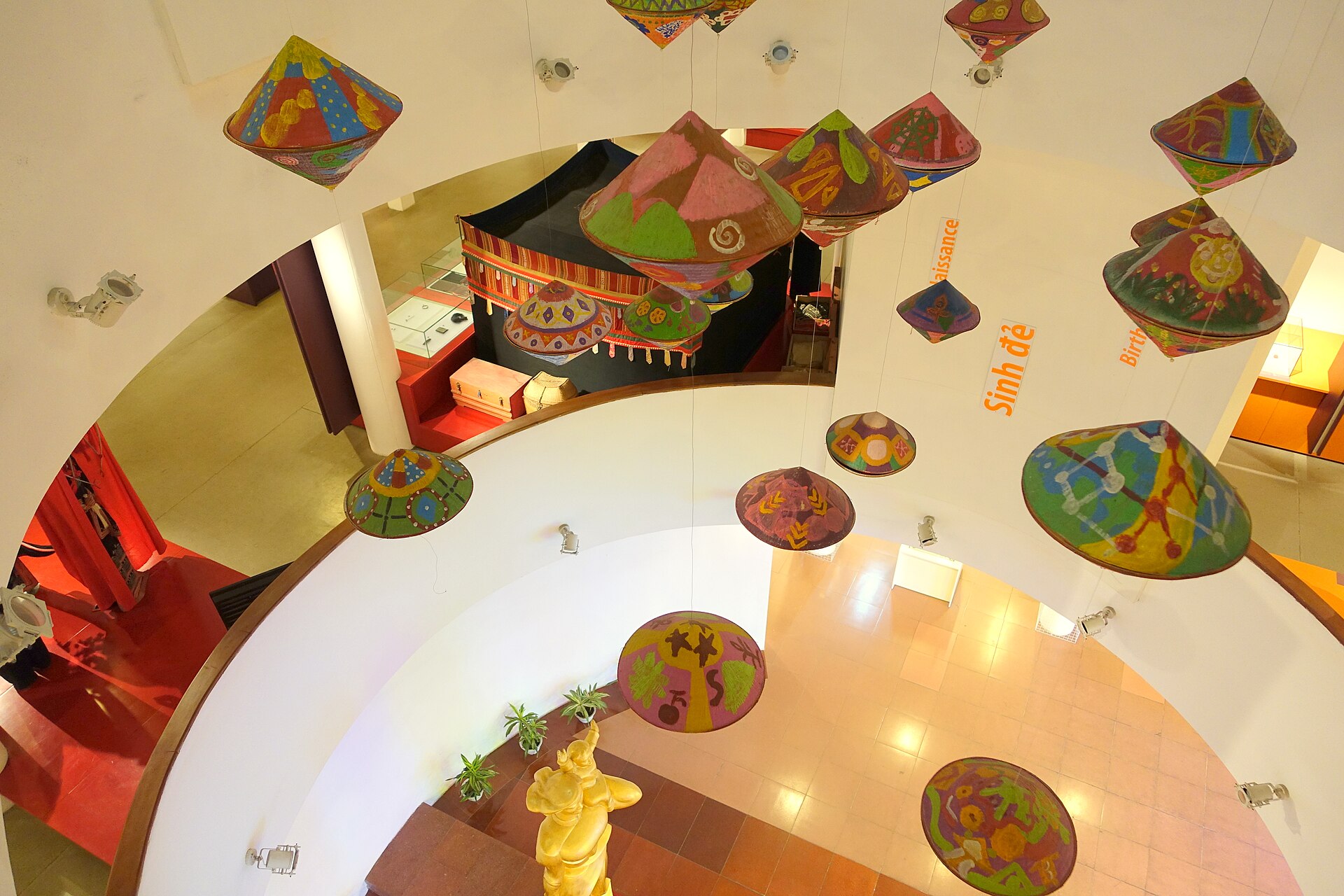
Vietnamese Women's Museum
36 Ly Thuong Kiet, Hang Bai, Hanoi, Vietnam
The Vietnamese Women's Museum is one of the best museums in Vietnam — a four-storey exhibition on the roles of women in Vietnamese history, from the Trưng Sisters (who led a rebellion against Chinese rule in 40 AD and remain national heroes) through the war years (when women served as soldiers, spies, and the logistical backbone of both the anti-French and anti-American resistance) to the present day. The museum's approach is both celebratory and scholarly, and the exhibits — personal artifacts, photographs, oral histories, and the textiles and clothing that women produced and wore — tell a story of agency and resilience that many visitors find more compelling than the political museums elsewhere in the city. The street vendor exhibition is particularly excellent — documenting the women who carry shoulder poles (đòn gánh) through the streets selling fruit, flowers, and food in one of Hanoi's most enduring images. The exhibit explains the economics, the physical demands, and the social role of street vending in a way that transforms a photographic cliché into a portrait of a working life. The museum's coverage of ethnic minority women — the 54 ethnic groups of Vietnam, each with distinct dress, traditions, and social structures — provides context for the diversity of Vietnamese culture that the homogeneous urban experience of Hanoi can obscure. The building is modern, well-designed, and air-conditioned (a significant attraction in Hanoi's summer heat), and the museum shop sells high-quality textiles and crafts sourced from women's cooperatives across the country.
West Lake (Hồ Tây)
Trung Tam Ha Noi To, Dong Ngac, Hanoi, Vietnam
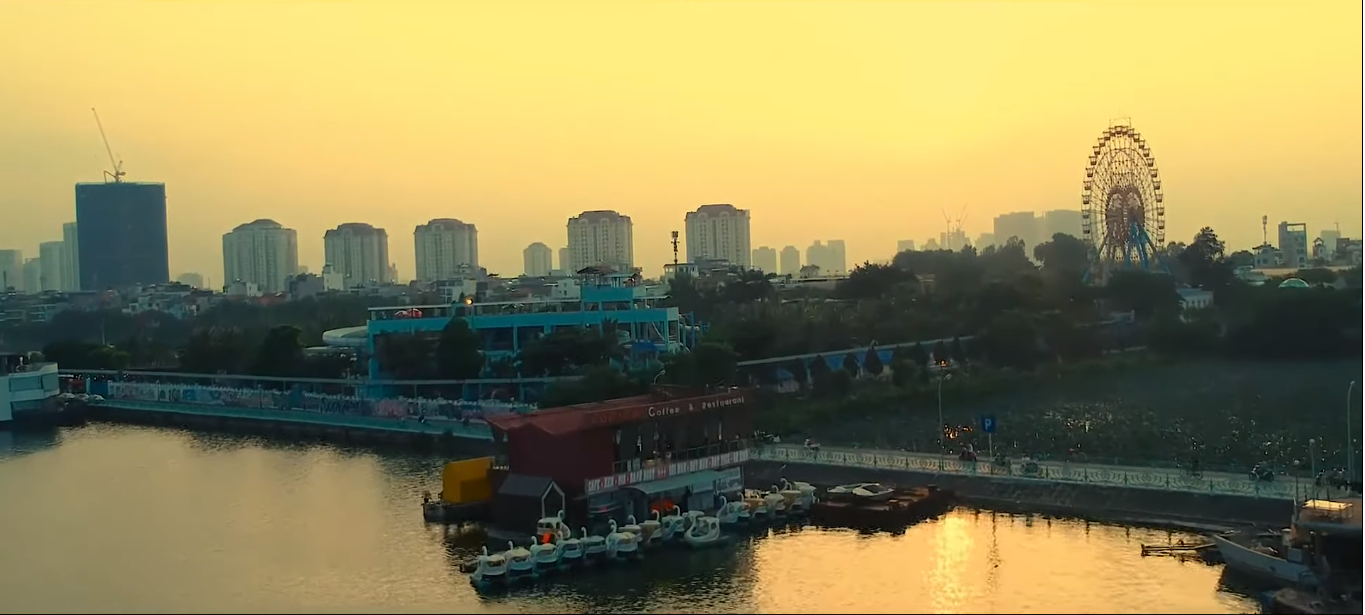
West Lake is Hanoi's largest lake — a 500-hectare body of water northwest of the Old Quarter that has been a retreat for Vietnamese royalty, French colonists, and modern Hanoians who escape the city's density by walking, cycling, or sitting at the lakeside cafés that ring the shore. The lake is surrounded by pagodas, temples, and the kind of residential development that reflects Hanoi's transformation from socialist austerity to capitalist ambition. Trấn Quốc Pagoda, on a small island connected to the eastern shore by a causeway, is the oldest Buddhist temple in Hanoi — founded in the 6th century and moved to its current location in the 17th century. The multi-tiered pagoda, rising above the lake with the city skyline behind, is one of Hanoi's most photographed landmarks, and the combination of ancient pagoda, water, and modern towers captures the temporal layering that defines the city. The lakeside road (Thanh Niên, meaning 'Youth,' because it was built by young volunteers in the 1950s) divides West Lake from the smaller Trúc Bạch Lake and is one of Hanoi's most pleasant cycling routes. The Tây Hồ district around the northern shore has become Hanoi's expat quarter, with international restaurants, craft breweries, and the Xuân Diệu strip of lakeside bars that provide the closest thing Hanoi has to a waterfront entertainment district. The shrimp cake vendors along the lakeside — selling bánh tôm, deep-fried shrimp fritters, at tables overlooking the water — are a Hanoi institution.