9 Local Spots in Hanoi Tourists Don't Know About
9 landmarks with verified facts and stories
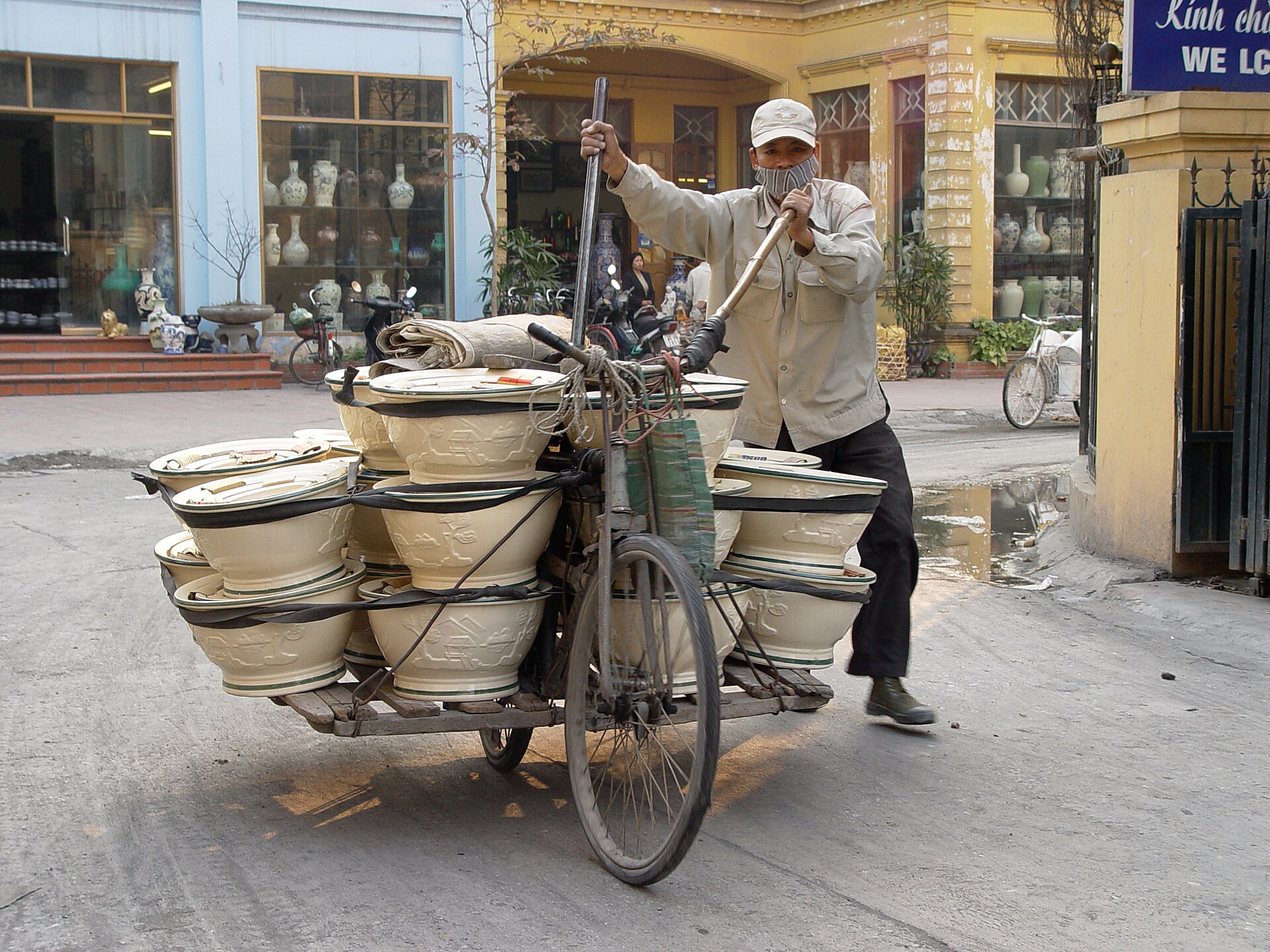
Bat Trang Ceramic Village
Bat Trang, Hanoi, Vietnam
Bat Trang is a 700-year-old ceramic village on the Red River, 15 kilometres southeast of central Hanoi, that has been producing pottery, porcelain, and ceramic art since the 14th century.
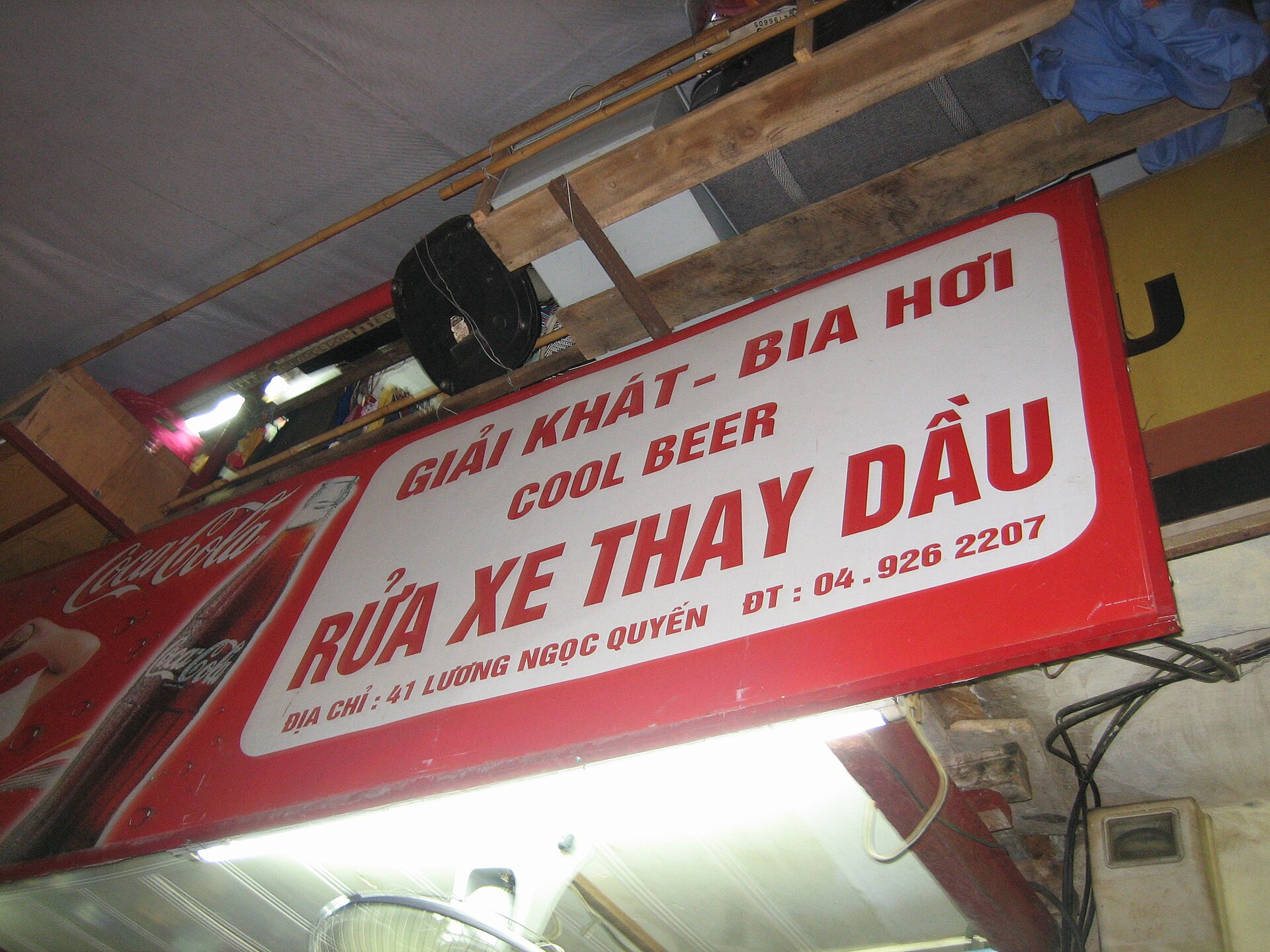
Bia Hoi Corner (Ta Hien Street)
Ta Hien Street, Hoan Kiem, Hanoi
Bia Hoi Corner is the epicentre of Hanoi's street drinking culture — the intersection of Ta Hien and Luong Ngoc Quyen streets in the Old Quarter where tiny plastic stools, tiny plastic tables, and the world's cheapest fresh beer (bia hoi, brewed daily without preservatives and sold for about 5,000 VND / /bin/zsh.
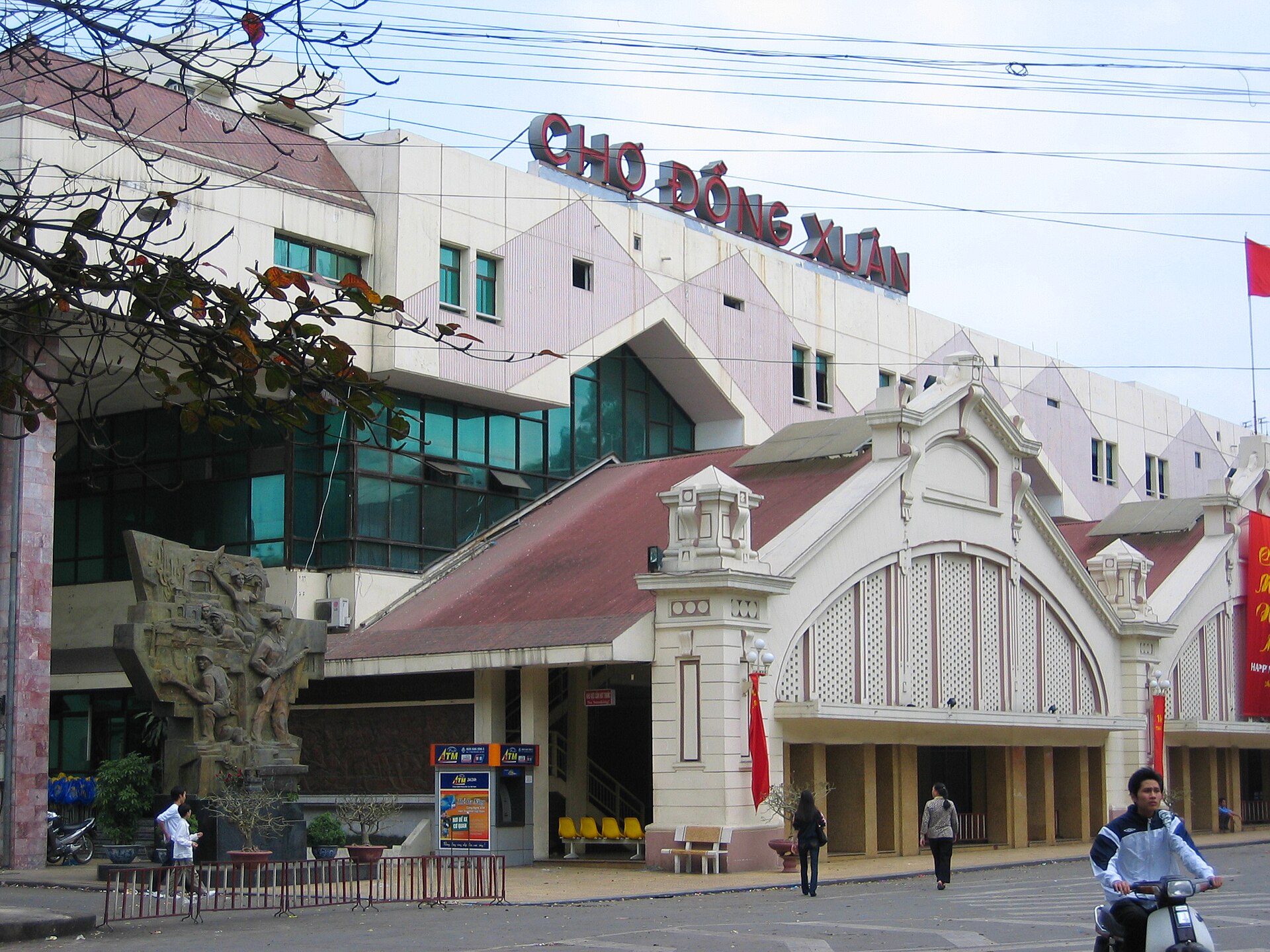
Đồng Xuân Market
Đồng Xuân, Hoàn Kiếm, Hanoi
Đồng Xuân Market is the largest covered market in Hanoi — a four-storey concrete building at the northern edge of the Old Quarter that has been the wholesale and retail centre of the city since the French built the original market halls in 1889.
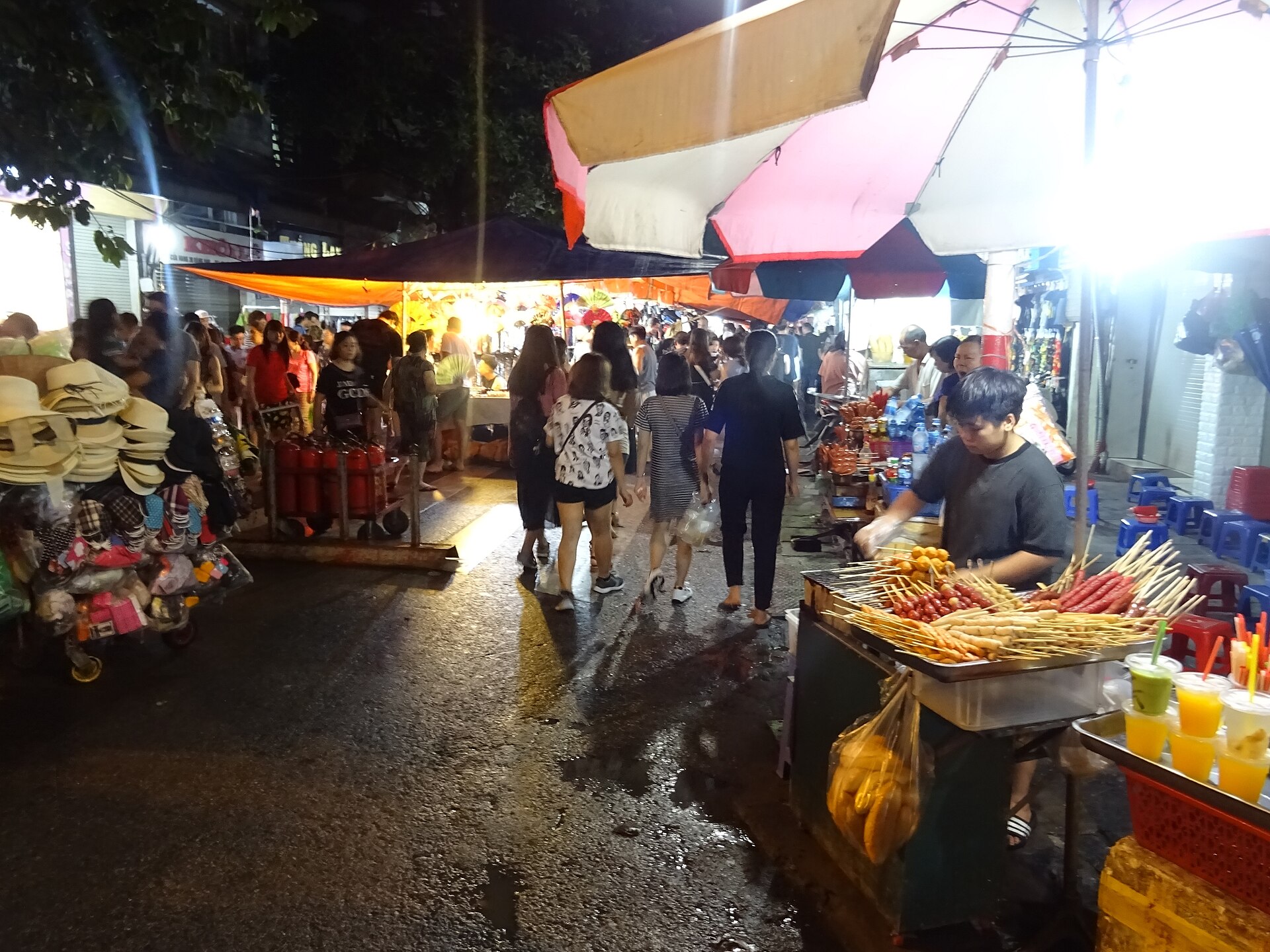
Hanoi Old Quarter Night Market
Hàng Đào, Hoàn Kiếm, Hanoi
The Old Quarter Night Market transforms the streets around Hàng Đào, Hàng Ngang, and Hàng Buồm into a pedestrian zone every Friday, Saturday, and Sunday evening from about 6pm to midnight — closing the streets to motorbikes and opening them to foot traffic, food vendors, musicians, and the general atmosphere of a city that comes alive after dark.
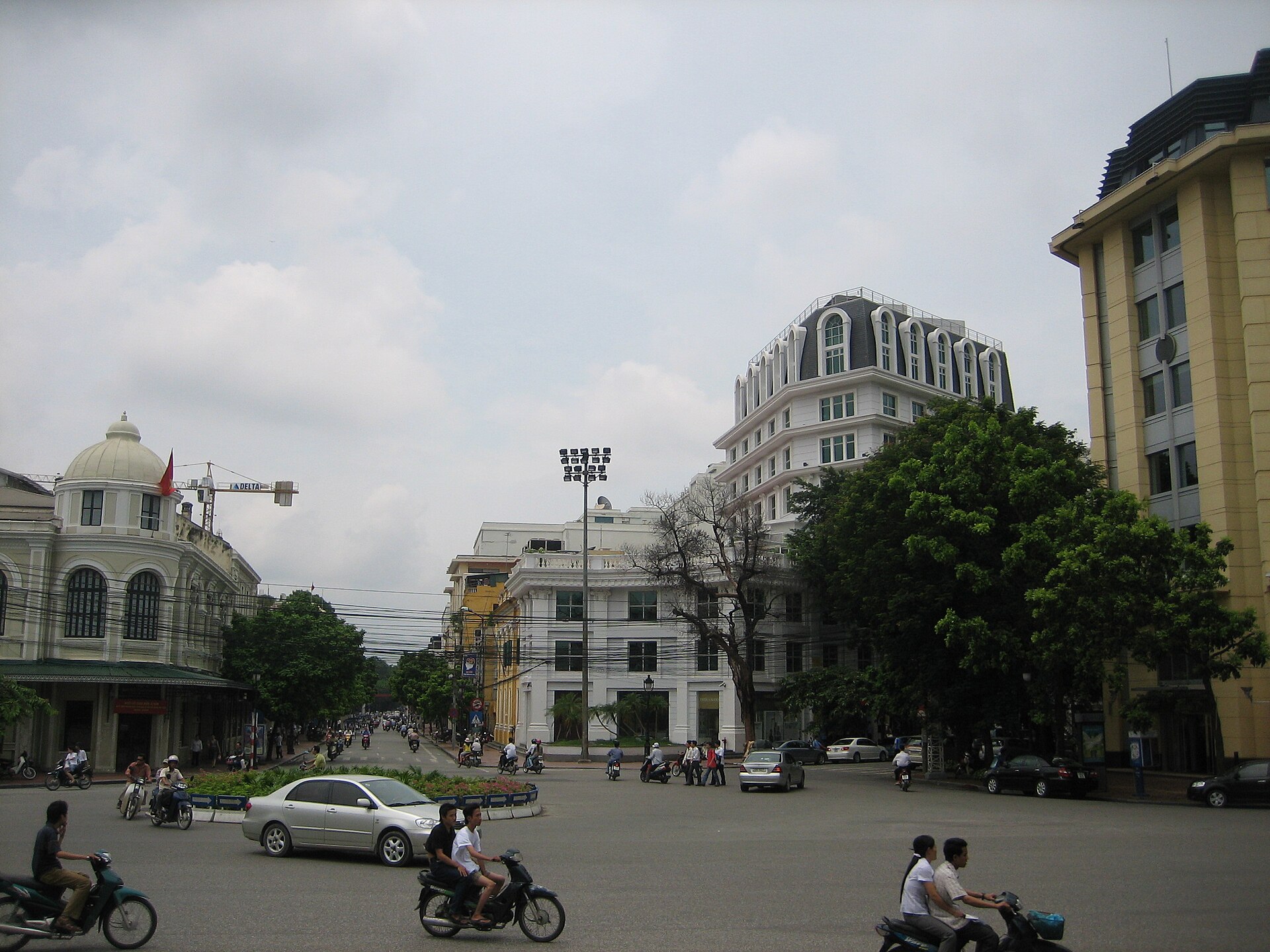
Hanoi's French Quarter
24 Hai Ba Trung, Trang Tien, Hanoi, Vietnam
Hanoi's French Quarter is the colonial-era district south of Hoàn Kiếm Lake — a grid of tree-lined boulevards, yellow-painted villas, and the institutional buildings (the Opera House, the Sofitel Metropole hotel, the State Bank) that the French built to administer Indochina.
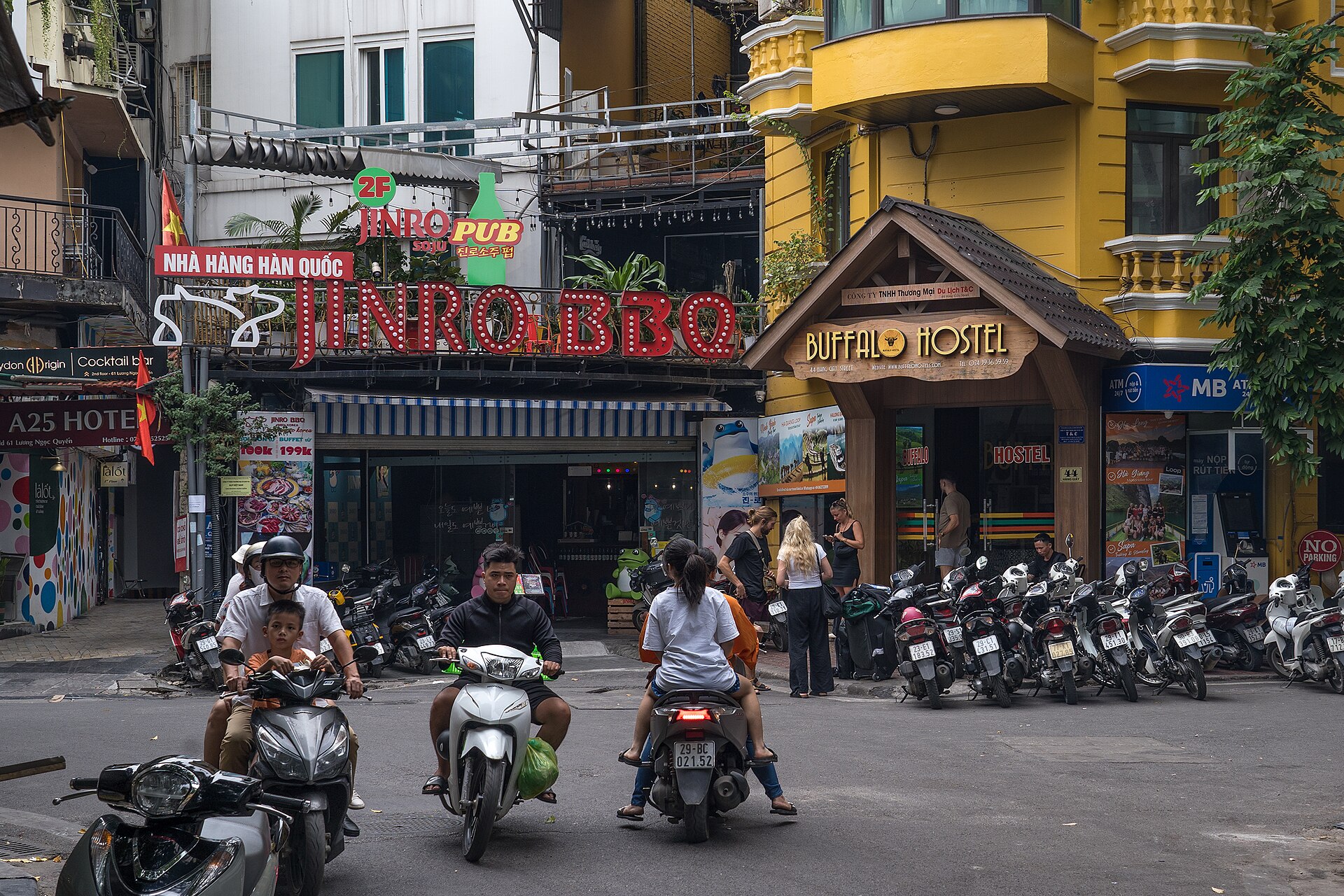
Old Quarter (36 Streets)
Ho Hoan Kiem, Hang Bac, Hanoi, Vietnam
Hanoi's Old Quarter is one of the most chaotic, beautiful, and sensory-overwhelming urban experiences in Asia — a dense grid of narrow streets north of Hoàn Kiếm Lake that has been a commercial district for over 1,000 years, with each street traditionally specialising in a single trade.
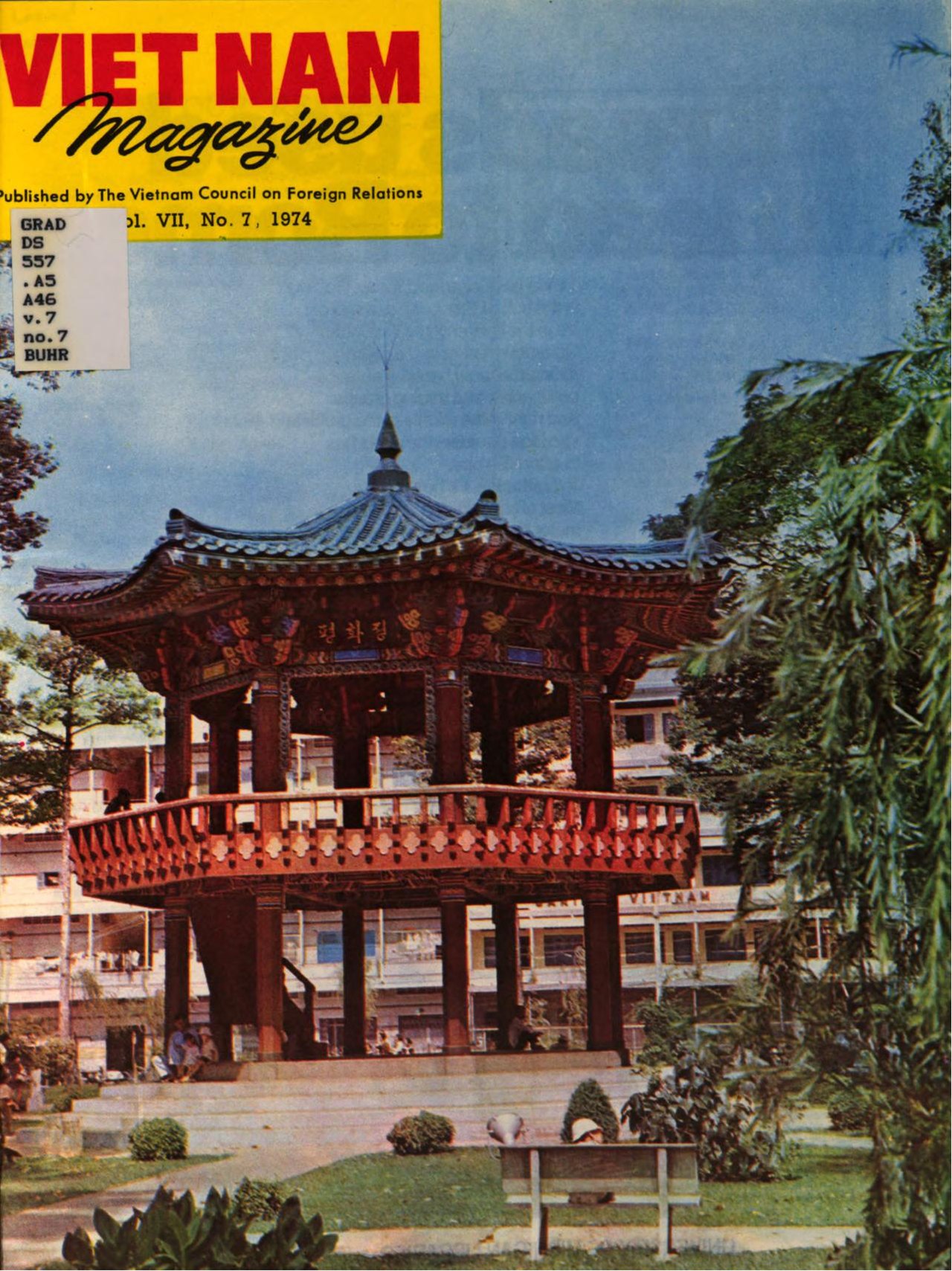
Tây Hồ (West Lake) Lotus Pond & Temples
71 Ngõ 50 Đặng Thai Mai, P. Quảng An, Hà Nội, Việt Nam
Phủ Tây Hồ is the most important mother goddess temple in northern Vietnam — a complex of shrines on a peninsula extending into West Lake that is dedicated to the worship of the Holy Mother (Thánh Mẫu), a deity from Vietnam's indigenous folk religion that blends Buddhist, Taoist, and animist traditions in a uniquely Vietnamese spiritual practice.
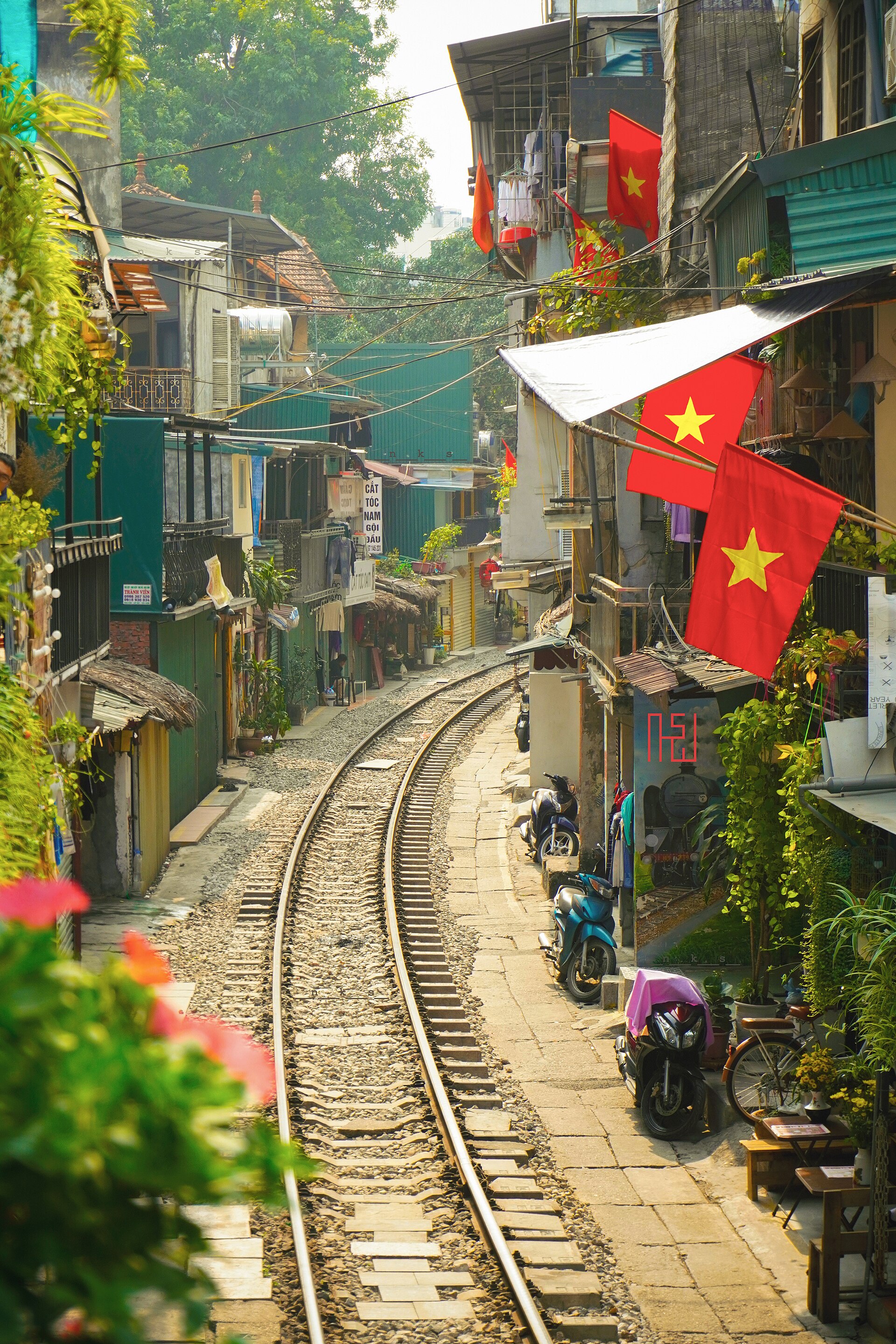
Train Street (Phố Tàu)
3 Tran Phu, Hang Bong, Hoan Kiem, Vietnam
Train Street is one of the most surreal urban experiences in the world — a narrow residential alley in the Old Quarter where a fully operational railway line runs between houses that are separated from the tracks by less than two metres.
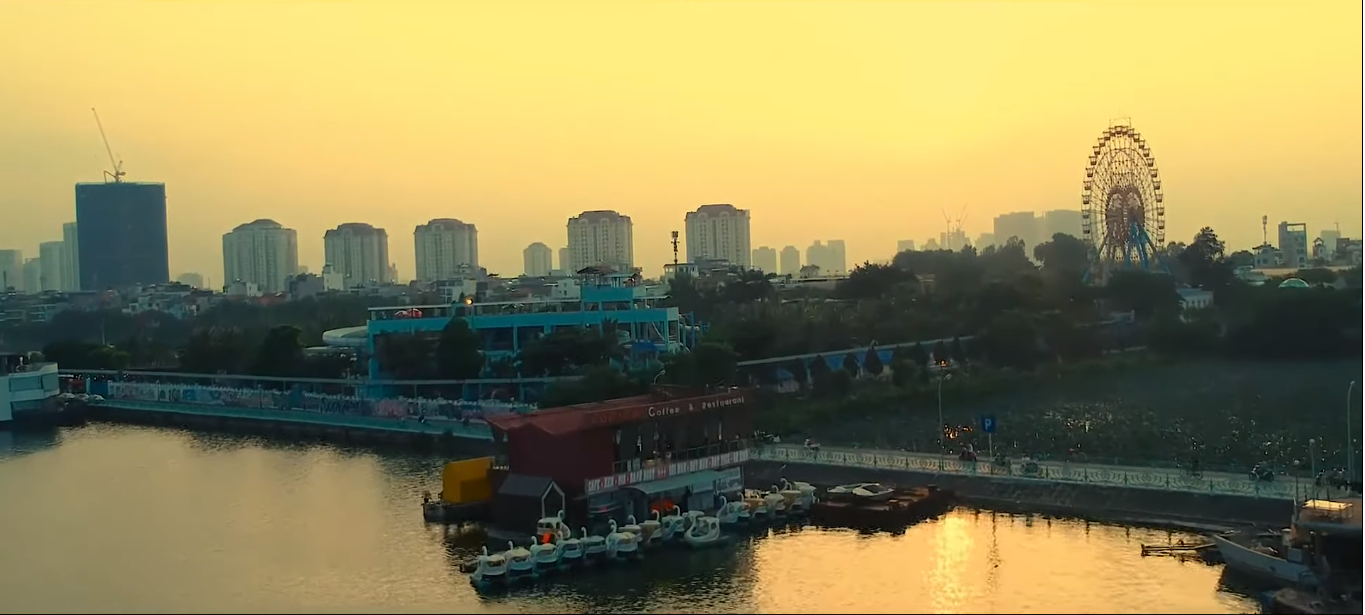
West Lake (Hồ Tây)
Trung Tam Ha Noi To, Dong Ngac, Hanoi, Vietnam
West Lake is Hanoi's largest lake — a 500-hectare body of water northwest of the Old Quarter that has been a retreat for Vietnamese royalty, French colonists, and modern Hanoians who escape the city's density by walking, cycling, or sitting at the lakeside cafés that ring the shore.
Explore local life in Hanoi
GPS-guided narration at every landmark. Tap a spot on the map, hear the story. Every fact verified.