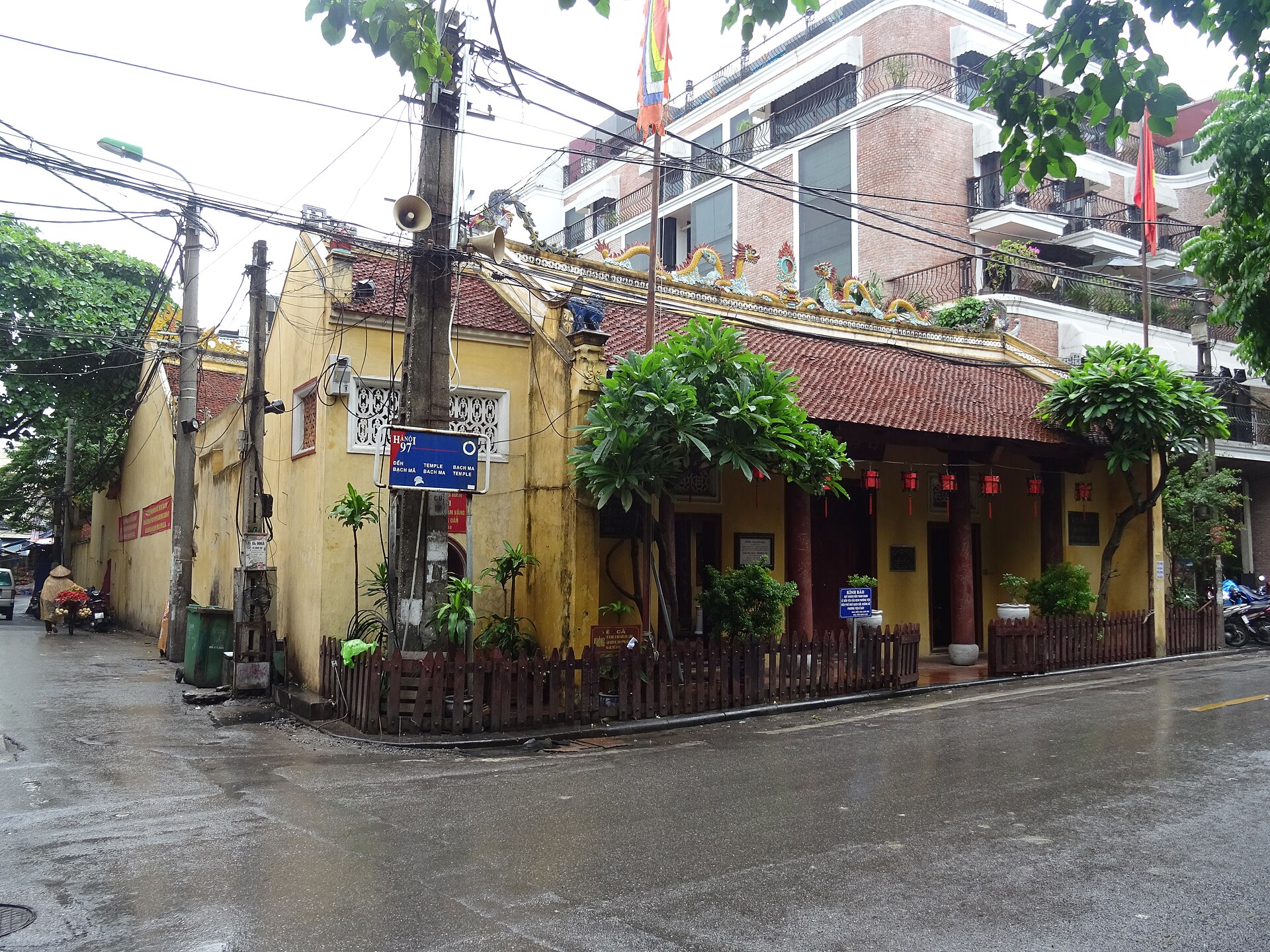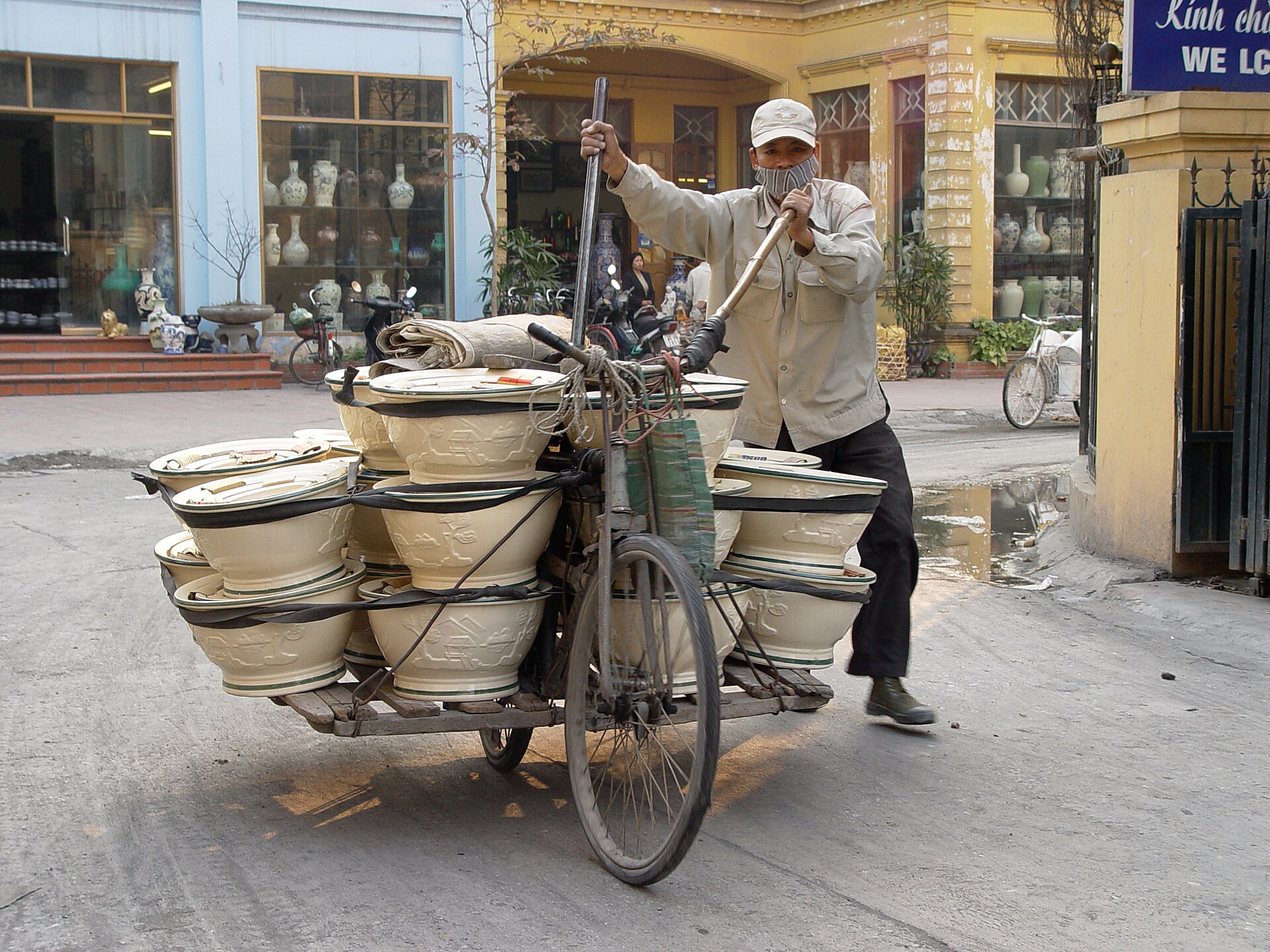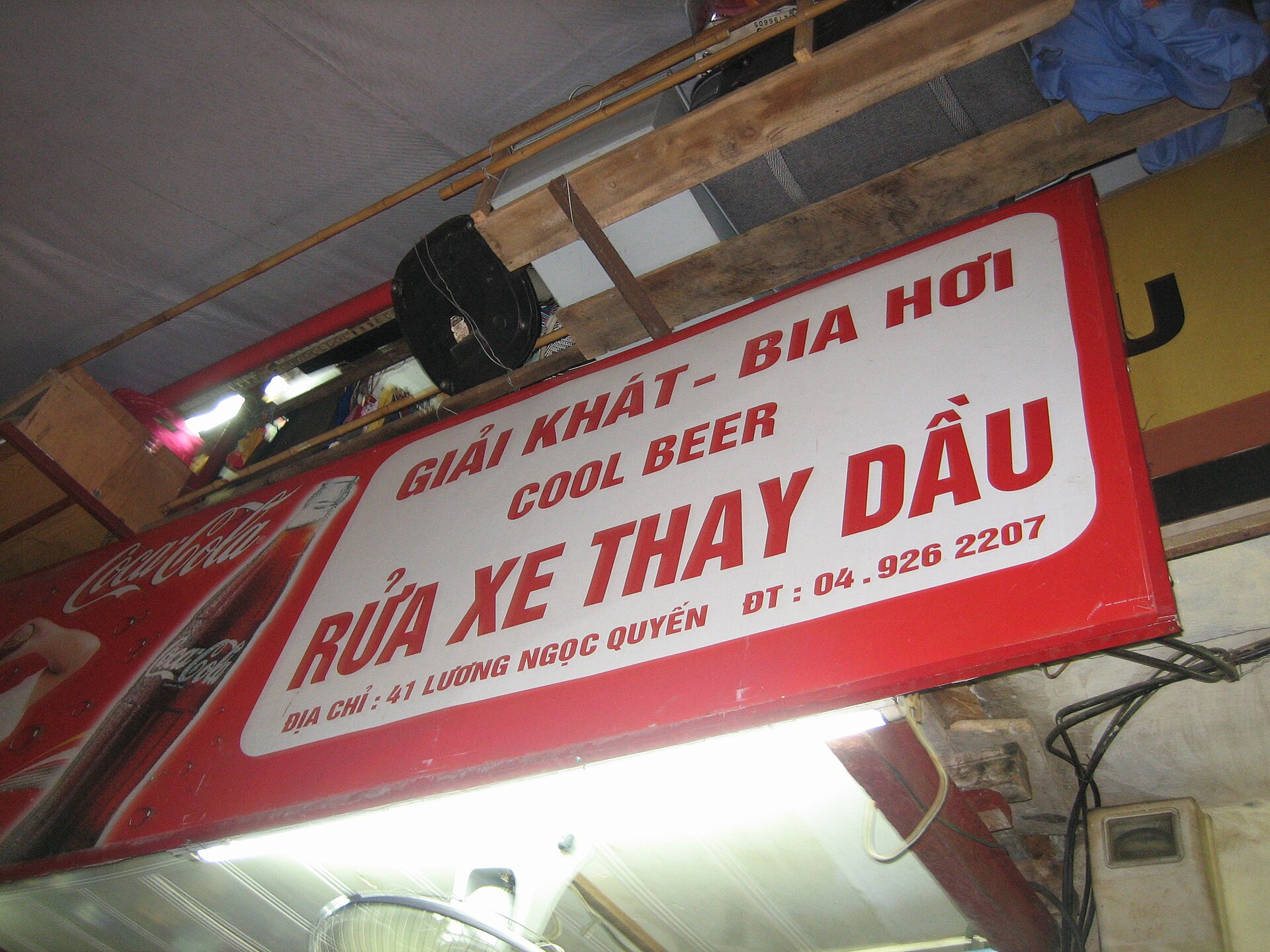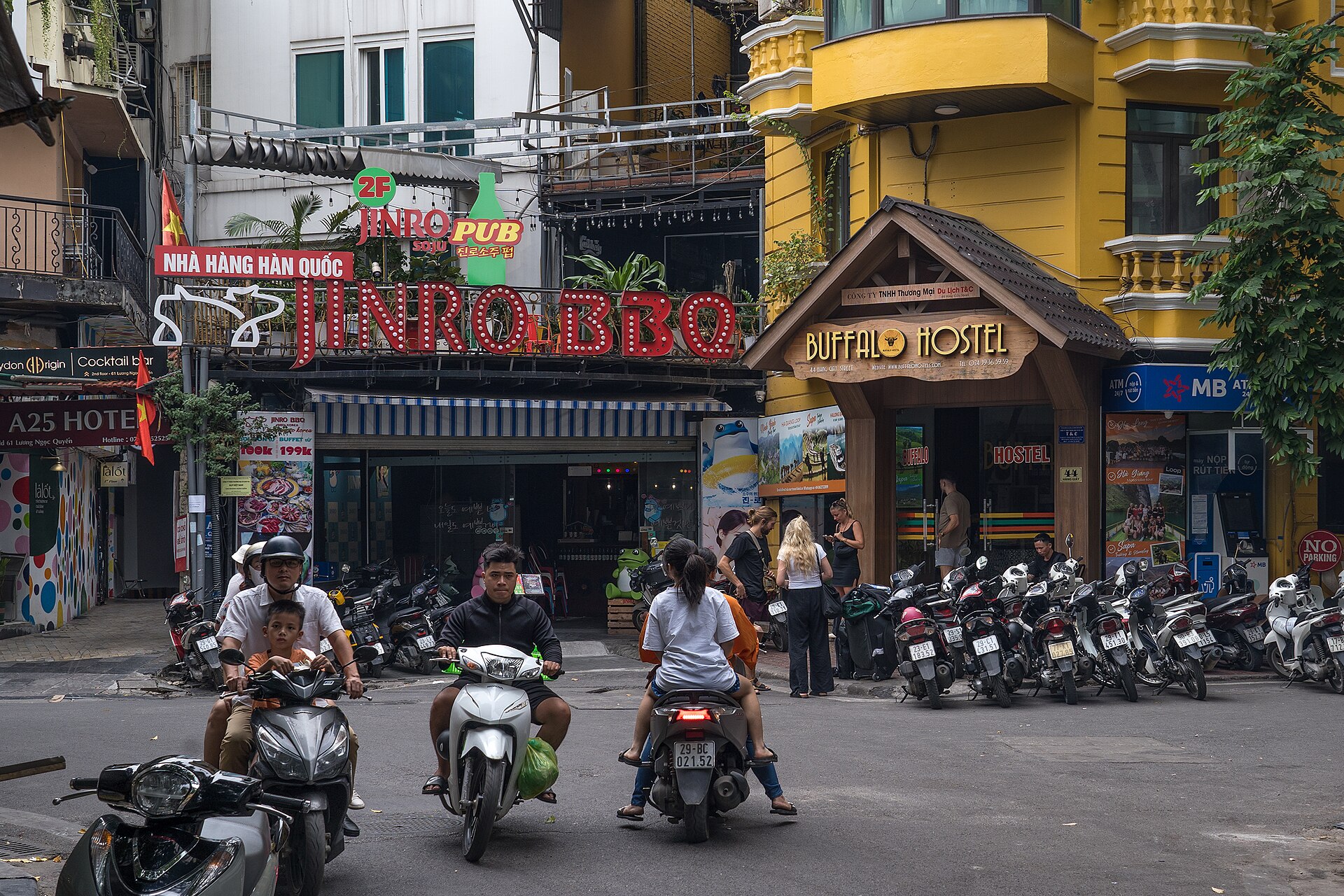
Hanoi's Old Quarter is one of the most chaotic, beautiful, and sensory-overwhelming urban experiences in Asia — a dense grid of narrow streets north of Hoàn Kiếm Lake that has been a commercial district for over 1,000 years, with each street traditionally specialising in a single trade. Hàng Bạc (Silver Street), Hàng Gai (Silk Street), Hàng Mã (Paper Street), Hàng Thiếc (Tin Street) — the names map a medieval economy that has evolved but not disappeared, and walking through the Quarter is like walking through a living museum of Vietnamese commerce.
The streets are narrow, the buildings are tube houses (narrow frontages, deep interiors, three to five storeys tall), and every available surface is occupied — by motorbikes, street food vendors, barbers, shoe repairers, coffee sellers, and the general activity of a neighbourhood where 70,000 people live and work in an area smaller than a large shopping mall. The motorbikes deserve special mention: the traffic in the Old Quarter follows no visible rules but operates on an unspoken collective logic that, once you stop being terrified by it, reveals itself as remarkably efficient.
The street food is the Old Quarter's greatest gift. Phở (the beef noodle soup that defines Vietnamese cuisine), bún chả (grilled pork with noodles, the dish Obama ate with Anthony Bourdain), bánh mì (the baguette sandwich that is France's tastiest colonial legacy), and egg coffee (cà phê trứng, coffee topped with whipped egg yolk) are all available within a few blocks, served from tiny stalls where you sit on plastic stools 30 centimetres high and eat food that is better than anything served in a restaurant.
Verified Facts
The Old Quarter has been a commercial district for over 1,000 years
Each street traditionally specialised in a single trade
Approximately 70,000 people live in the Old Quarter
Obama and Bourdain ate bún chả together in Hanoi in 2016
Get walking directions
Ho Hoan Kiem, Hang Bac, Hanoi, Vietnam