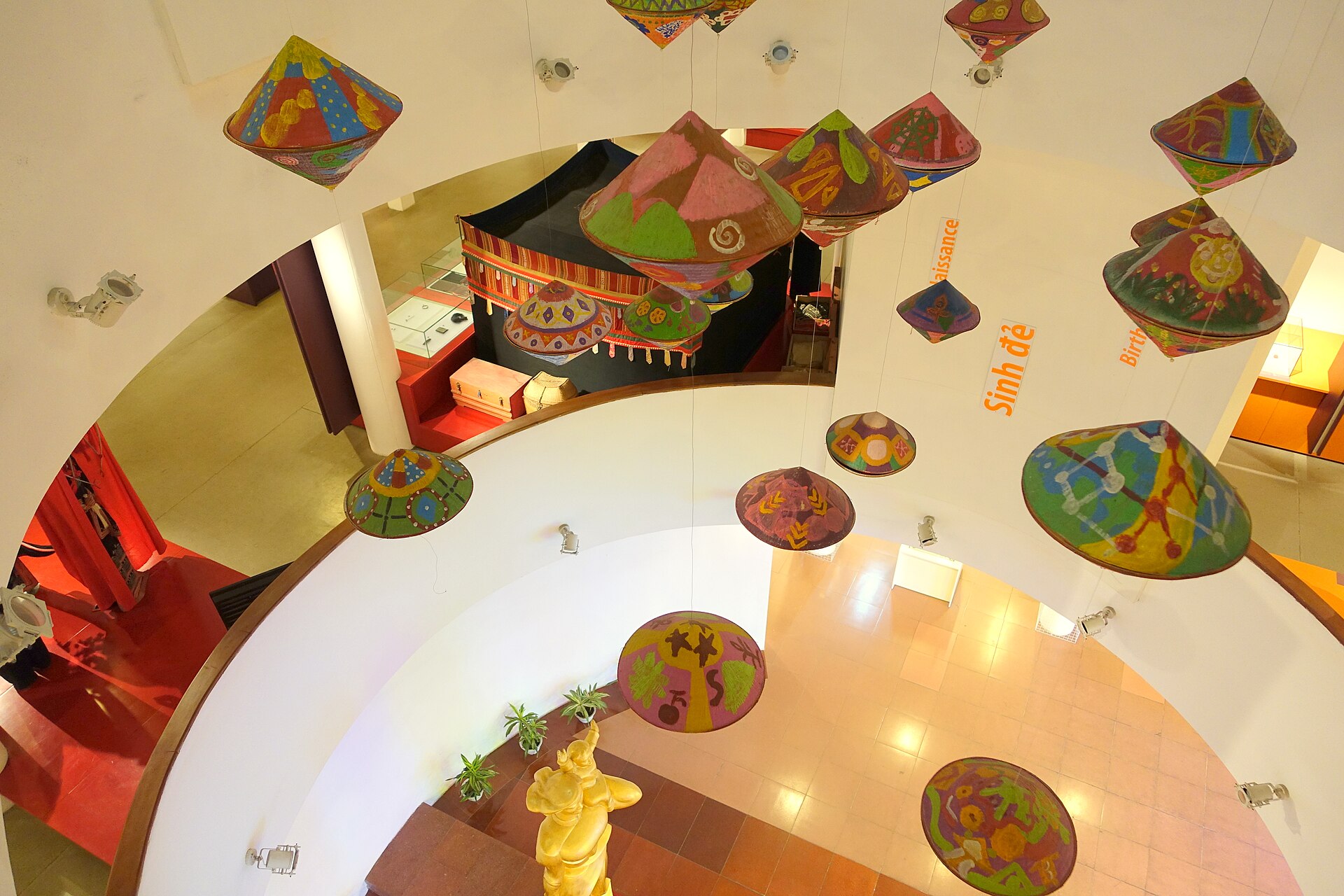
The Vietnamese Women's Museum is one of the best museums in Vietnam — a four-storey exhibition on the roles of women in Vietnamese history, from the Trưng Sisters (who led a rebellion against Chinese rule in 40 AD and remain national heroes) through the war years (when women served as soldiers, spies, and the logistical backbone of both the anti-French and anti-American resistance) to the present day. The museum's approach is both celebratory and scholarly, and the exhibits — personal artifacts, photographs, oral histories, and the textiles and clothing that women produced and wore — tell a story of agency and resilience that many visitors find more compelling than the political museums elsewhere in the city.
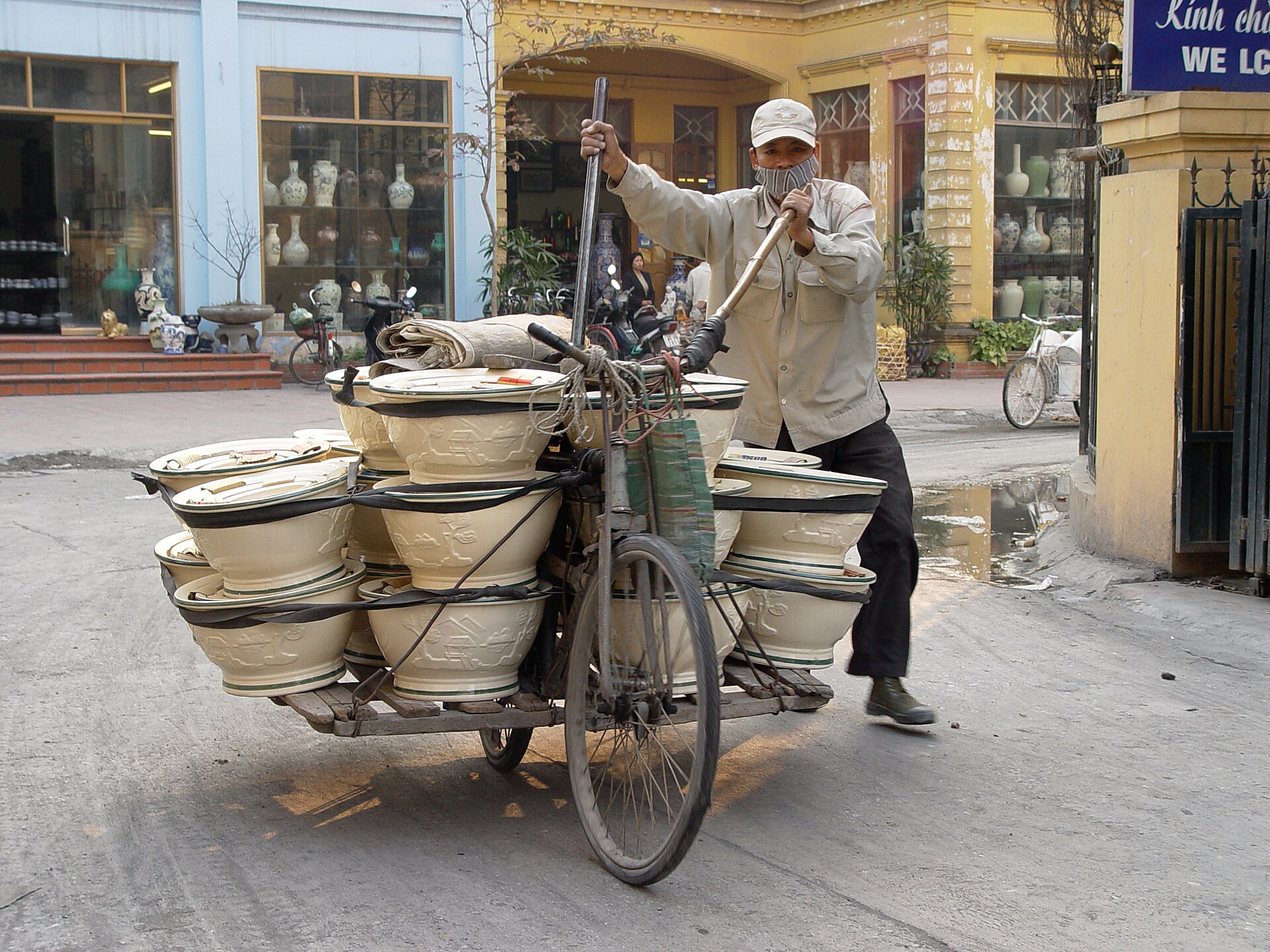
The street vendor exhibition is particularly excellent — documenting the women who carry shoulder poles (đòn gánh) through the streets selling fruit, flowers, and food in one of Hanoi's most enduring images. The exhibit explains the economics, the physical demands, and the social role of street vending in a way that transforms a photographic cliché into a portrait of a working life.
The museum's coverage of ethnic minority women — the 54 ethnic groups of Vietnam, each with distinct dress, traditions, and social structures — provides context for the diversity of Vietnamese culture that the homogeneous urban experience of Hanoi can obscure. The building is modern, well-designed, and air-conditioned (a significant attraction in Hanoi's summer heat), and the museum shop sells high-quality textiles and crafts sourced from women's cooperatives across the country.
Verified Facts
The Trưng Sisters led a rebellion against Chinese rule in 40 AD
Vietnam has 54 officially recognised ethnic groups
The museum is located on Lý Thường Kiệt street
Đòn gánh are traditional shoulder poles used by street vendors
Get walking directions
36 Ly Thuong Kiet, Hang Bai, Hanoi, Vietnam