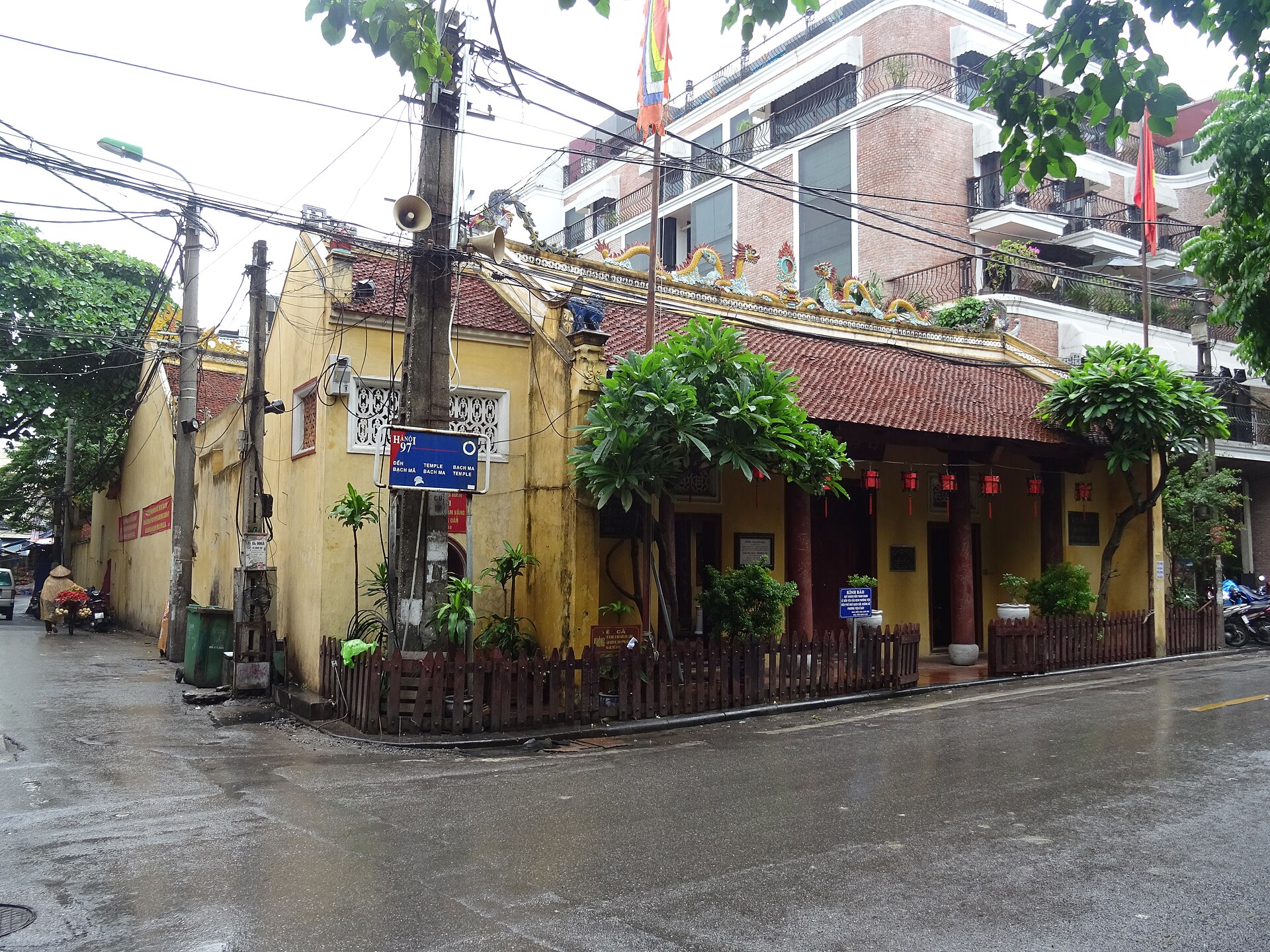
Bạch Mã Temple
37 Bach Mai, Cau Den, Hanoi, Vietnam
Bạch Mã Temple is the oldest temple in Hanoi's Old Quarter — an 11th-century shrine dedicated to the White Horse spirit (Bạch Mã) that according to legend guided King Lý Thái Tổ in building the walls of his new capital, Thăng Long (the imperial name for Hanoi).
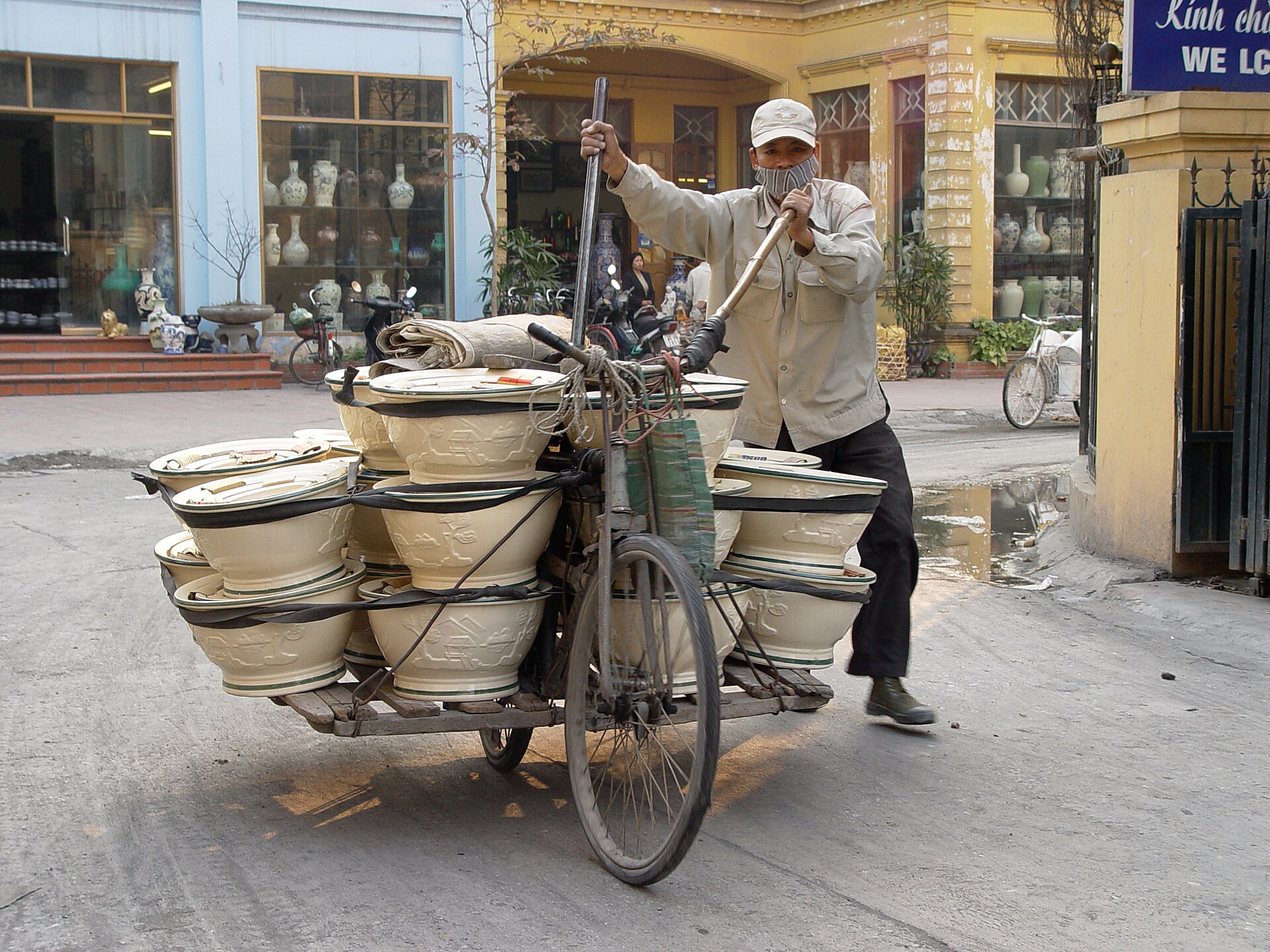
Bat Trang Ceramic Village
Bat Trang, Hanoi, Vietnam
Bat Trang is a 700-year-old ceramic village on the Red River, 15 kilometres southeast of central Hanoi, that has been producing pottery, porcelain, and ceramic art since the 14th century.
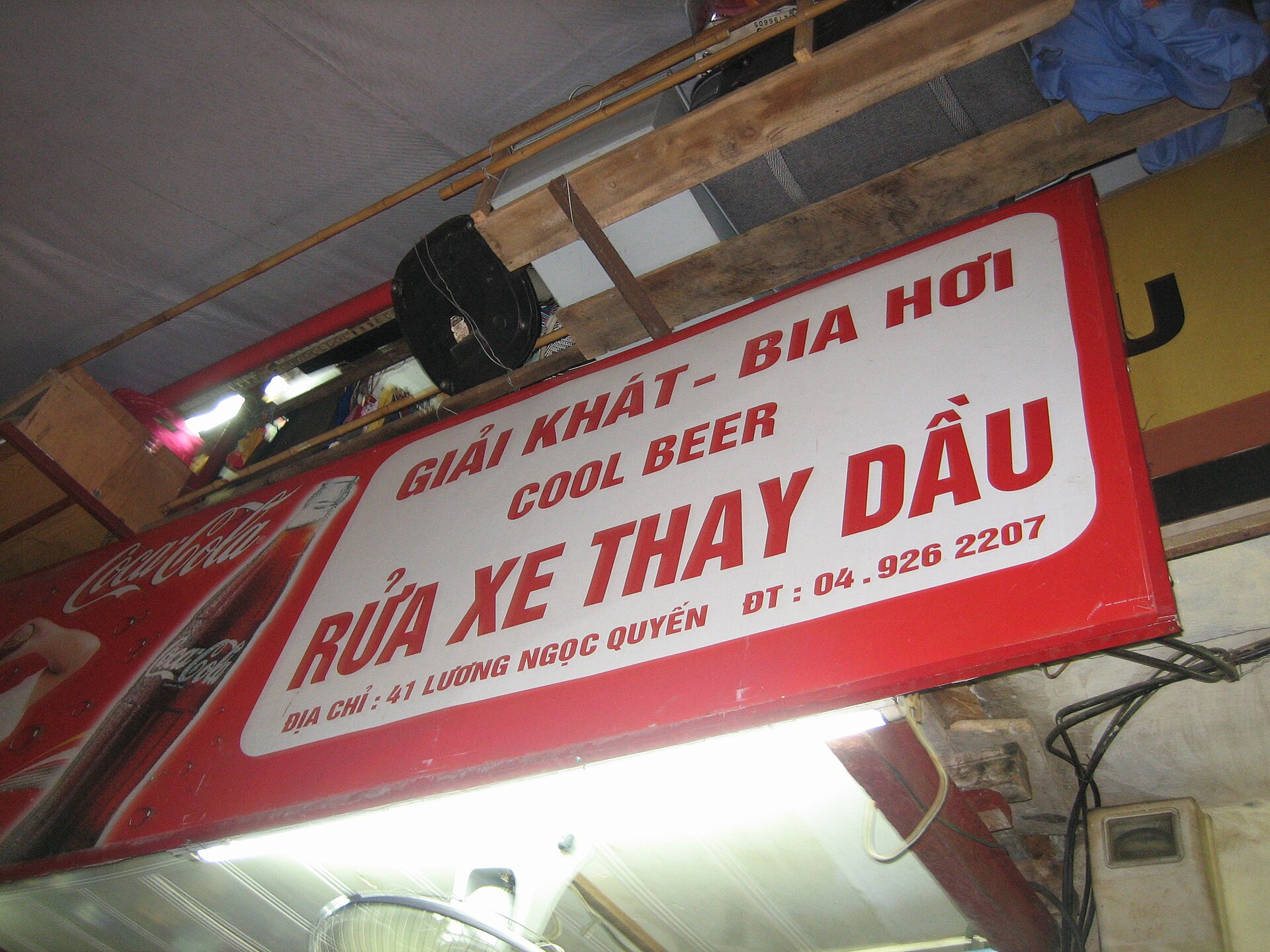
Bia Hoi Corner (Ta Hien Street)
Ta Hien Street, Hoan Kiem, Hanoi
Bia Hoi Corner is the epicentre of Hanoi's street drinking culture — the intersection of Ta Hien and Luong Ngoc Quyen streets in the Old Quarter where tiny plastic stools, tiny plastic tables, and the world's cheapest fresh beer (bia hoi, brewed daily without preservatives and sold for about 5,000 VND / /bin/zsh.
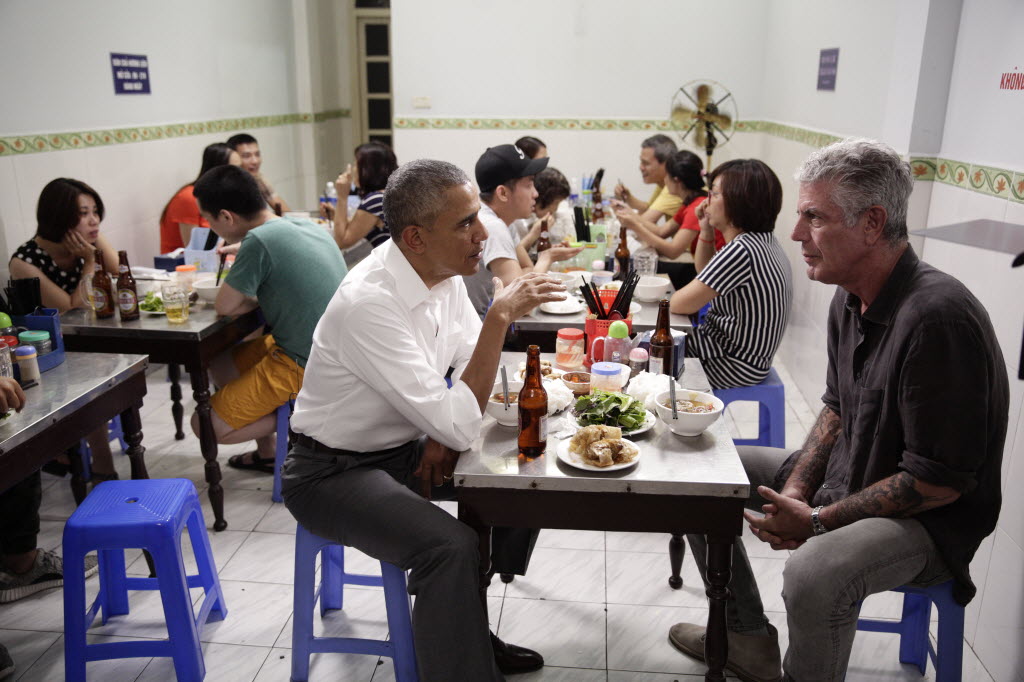
Bún Chả Hương Liên (Obama Restaurant)
24 Le Van Huu, Pham Dinh Ho, Hanoi, Vietnam
Bún Chả Hương Liên became the most famous restaurant in Hanoi on May 23, 2016, when President Barack Obama and chef Anthony Bourdain sat on plastic stools, drank Hanoi beer, and ate bún chả for a total bill of $6 — an episode of Bourdain's 'Parts Unknown' that generated more tourism interest in Hanoi than any government campaign.
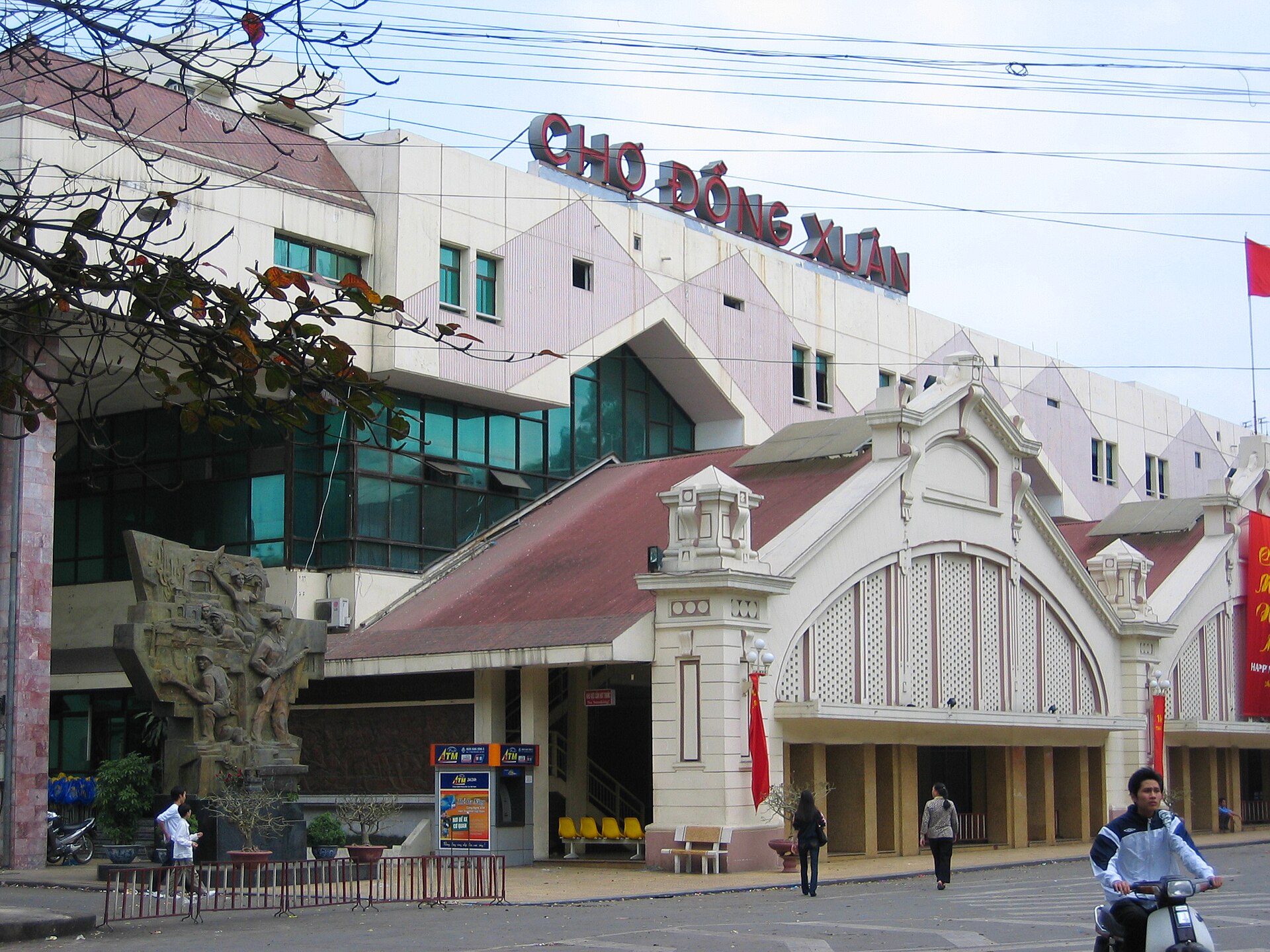
Đồng Xuân Market
Đồng Xuân, Hoàn Kiếm, Hanoi
Đồng Xuân Market is the largest covered market in Hanoi — a four-storey concrete building at the northern edge of the Old Quarter that has been the wholesale and retail centre of the city since the French built the original market halls in 1889.
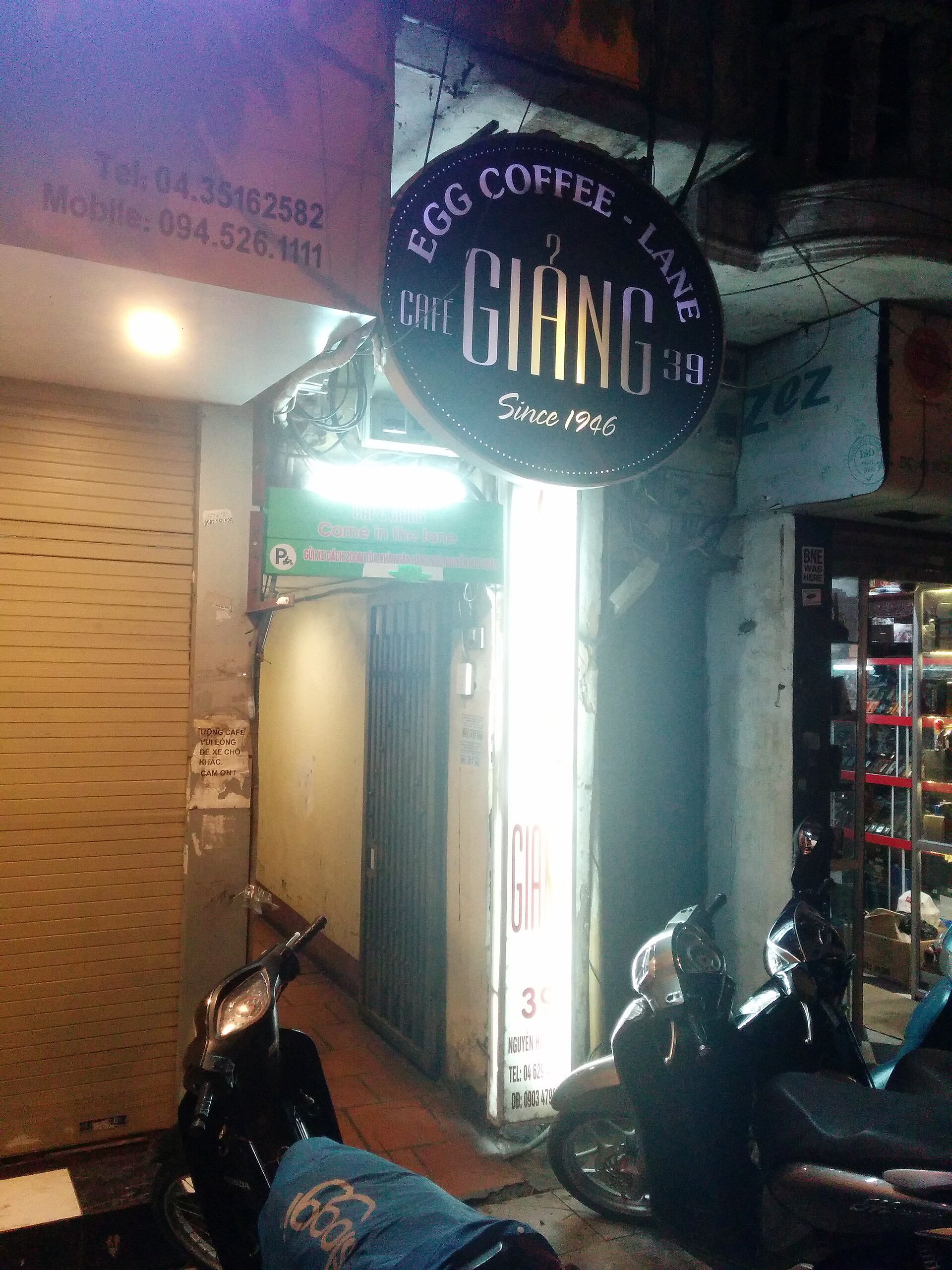
Egg Coffee at Café Giảng
39 Nguyen Huu Huan, Ly Thai To, Hanoi, Vietnam
Café Giảng is where egg coffee was invented — a tiny, unassuming café on Nguyễn Hữu Huân street in the Old Quarter where Nguyễn Văn Giảng created cà phê trứng in 1946 by whipping egg yolk with condensed milk and Vietnamese coffee when fresh milk was scarce during the First Indochina War.
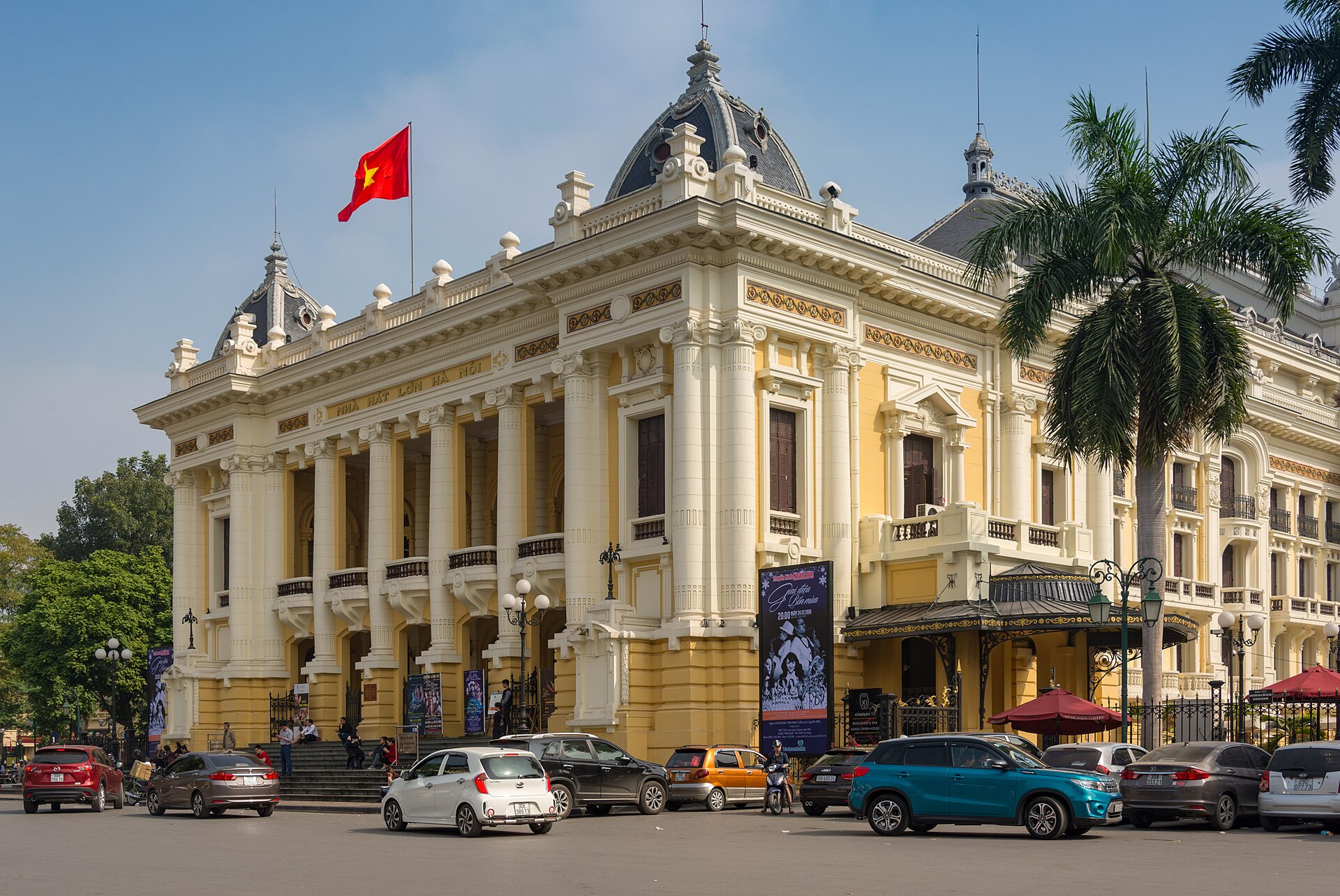
Hanoi Opera House
1 Tràng Tiền, Hoàn Kiếm, Hanoi
The Hanoi Opera House is the finest colonial building in Vietnam — a Beaux-Arts theatre modelled on the Palais Garnier in Paris, completed in 1911, and designed to bring French high culture to the capital of Indochina.
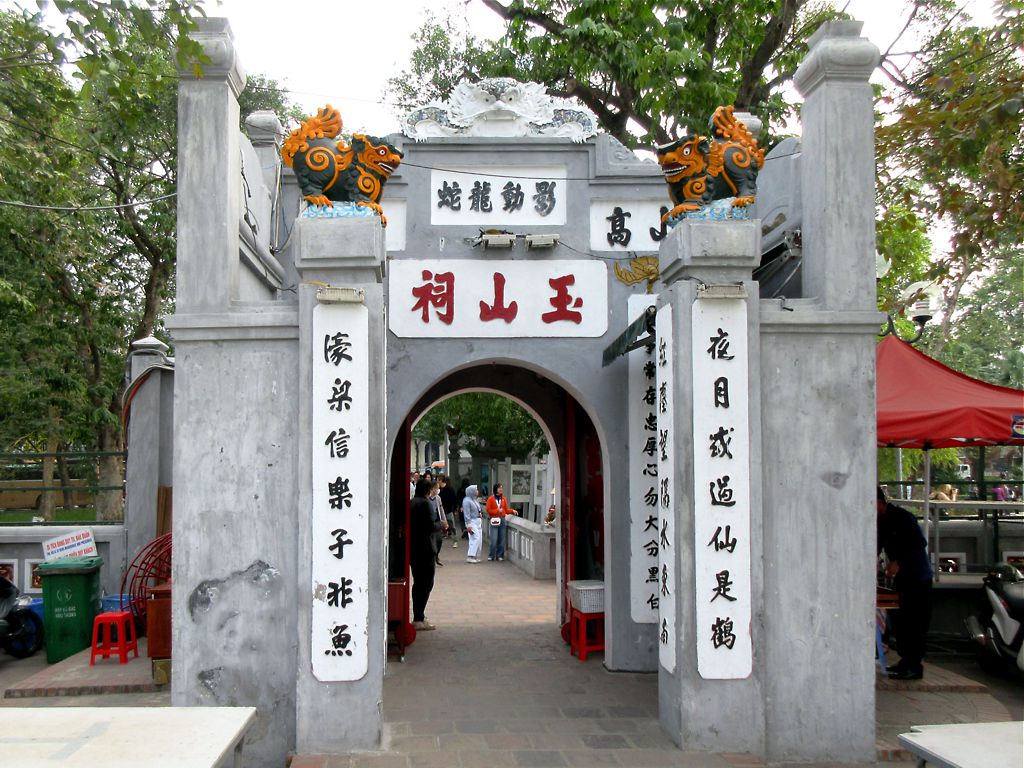
Hoàn Kiếm Lake & Ngọc Sơn Temple
Ho Hoan Kiem, Hang Bac, Hanoi, Vietnam
Hoàn Kiếm Lake is the spiritual heart of Hanoi — a small, green lake in the centre of the city whose name means 'Lake of the Returned Sword,' referring to a legend in which a 15th-century Vietnamese king returned a magical sword to a golden turtle in the lake after using it to defeat the Chinese Ming dynasty.
Museum of Ethnology
Nguyen Van Huyen, Dich Vong, Hanoi, Vietnam
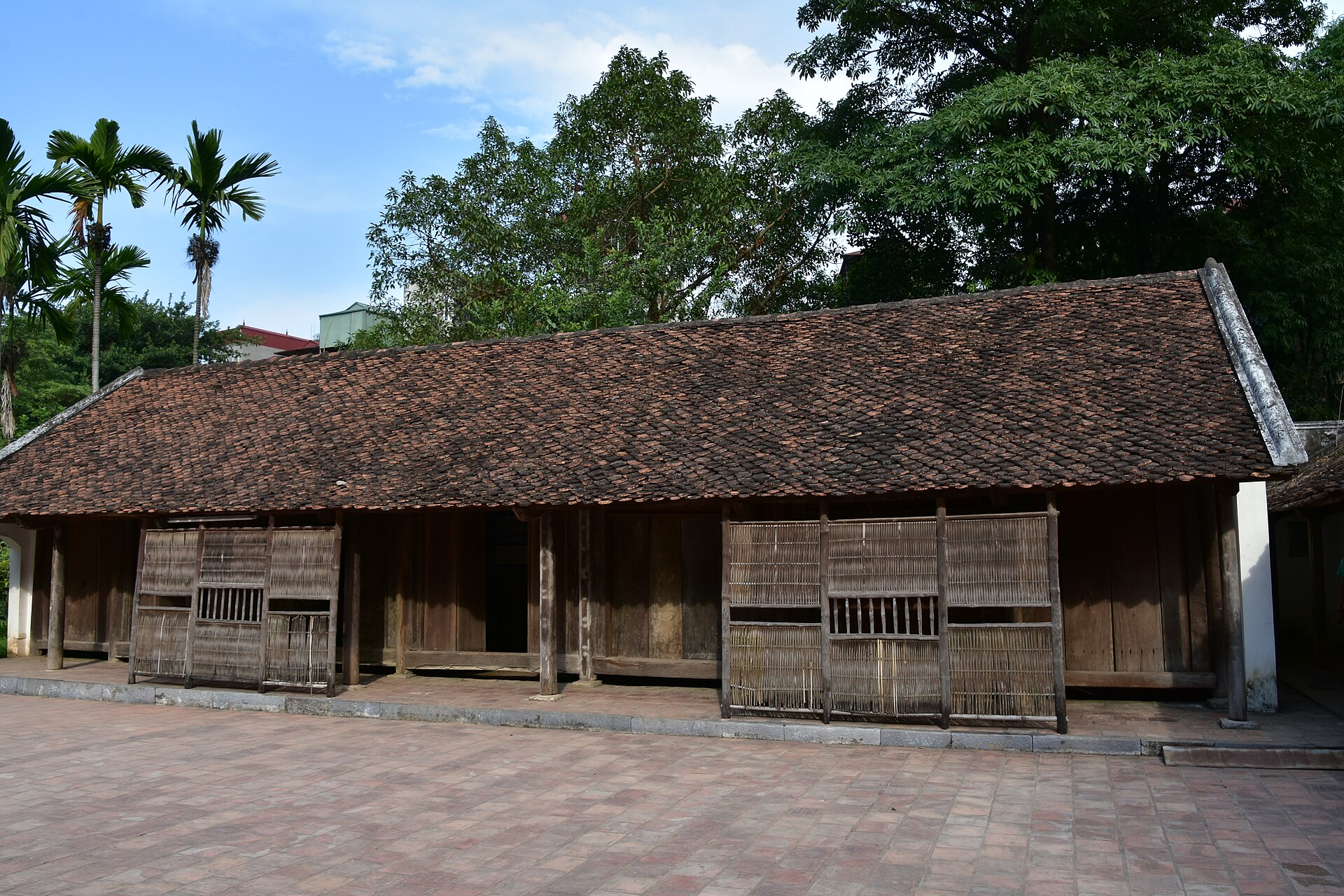
The Vietnam Museum of Ethnology is the best museum in Hanoi — a thoughtfully curated institution in the Cầu Giấy district that documents the cultures, traditions, and daily lives of Vietnam's 54 ethnic groups through artifacts, photographs, and full-scale reconstructions of traditional houses in the outdoor exhibition garden.
One Pillar Pagoda (Chùa Một Cột)
Chùa Một Cột, Ba Đình, Hanoi
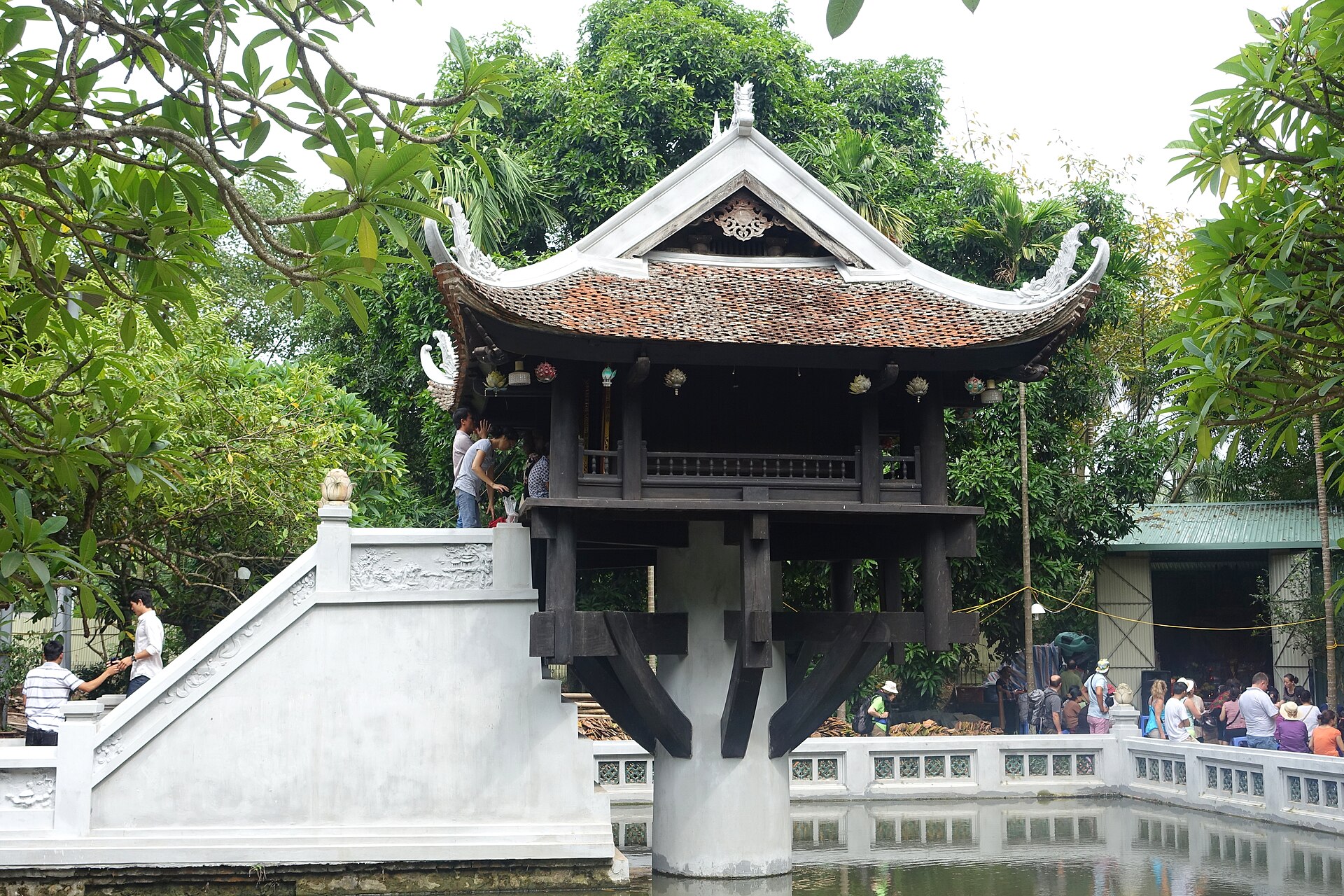
The One Pillar Pagoda is one of Vietnam's most iconic structures — a small Buddhist temple built on a single stone pillar in a lotus pond, designed to resemble a lotus flower rising from the water.
Phở & Street Food Culture
Doi Can, Doi Can, Hanoi, Vietnam
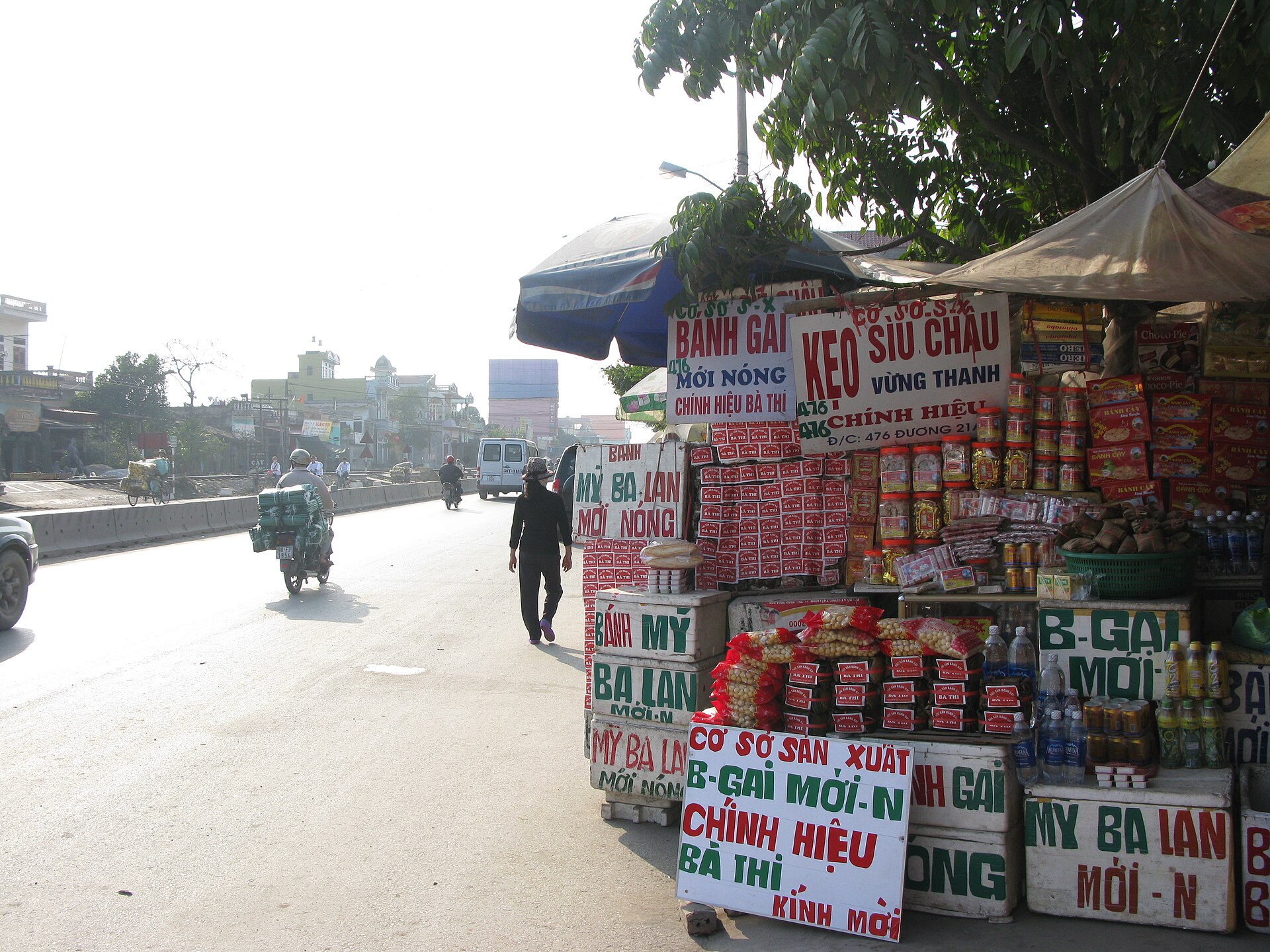
Hanoi is the birthplace of phở — the beef noodle soup that has become Vietnam's most famous culinary export and one of the defining dishes of 21st-century food culture.
Tây Hồ (West Lake) Lotus Pond & Temples
71 Ngõ 50 Đặng Thai Mai, P. Quảng An, Hà Nội, Việt Nam
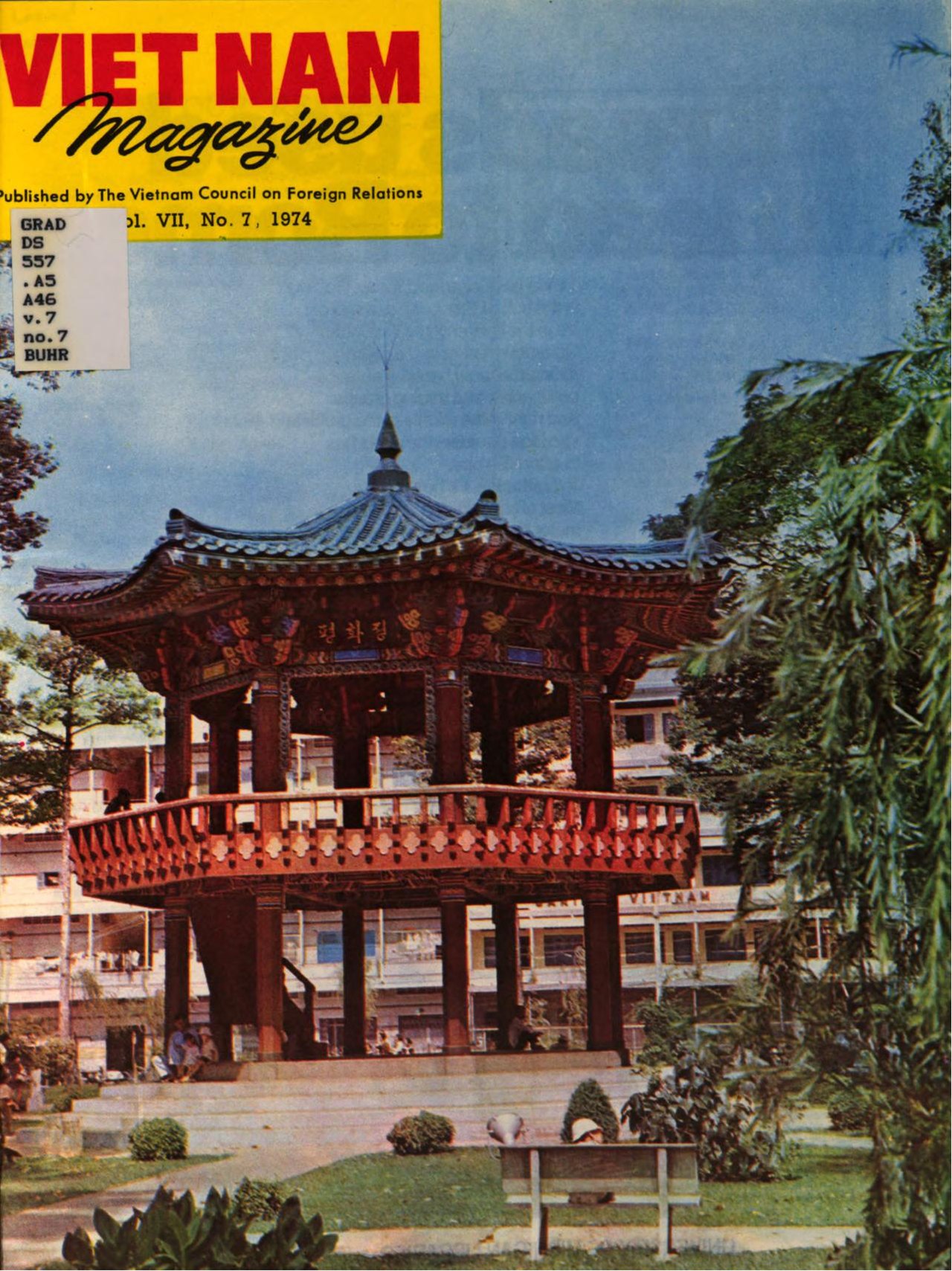
Phủ Tây Hồ is the most important mother goddess temple in northern Vietnam — a complex of shrines on a peninsula extending into West Lake that is dedicated to the worship of the Holy Mother (Thánh Mẫu), a deity from Vietnam's indigenous folk religion that blends Buddhist, Taoist, and animist traditions in a uniquely Vietnamese spiritual practice.
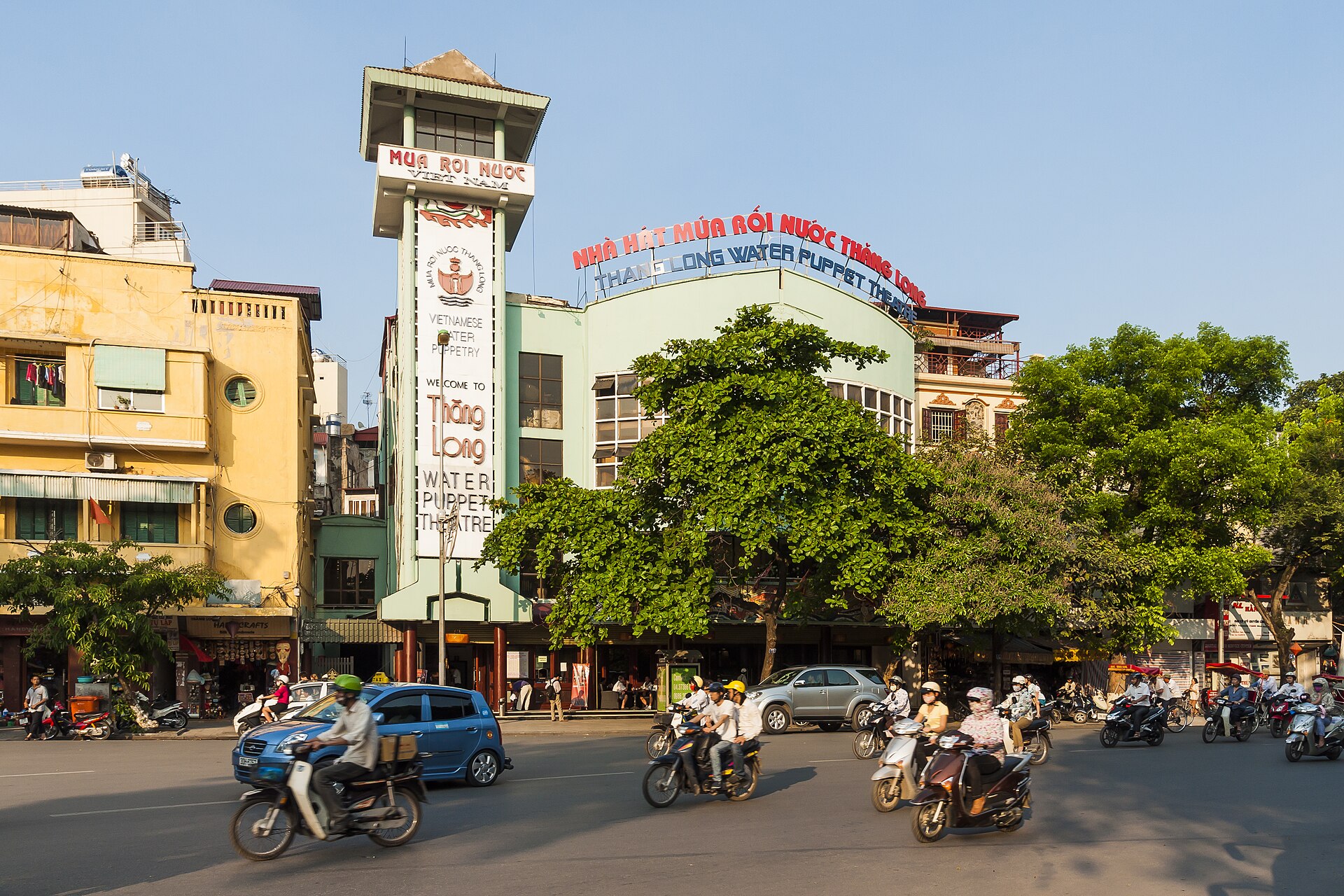
Thăng Long Water Puppet Theatre
57B Dinh Tien Hoang, Hang Bac, Hanoi, Vietnam
Water puppetry (múa rối nước) is Hanoi's most distinctive performing art — a tradition that originated in the flooded rice paddies of the Red River Delta over 1,000 years ago, where farmers manipulated wooden puppets on the water's surface using submerged bamboo rods and strings.
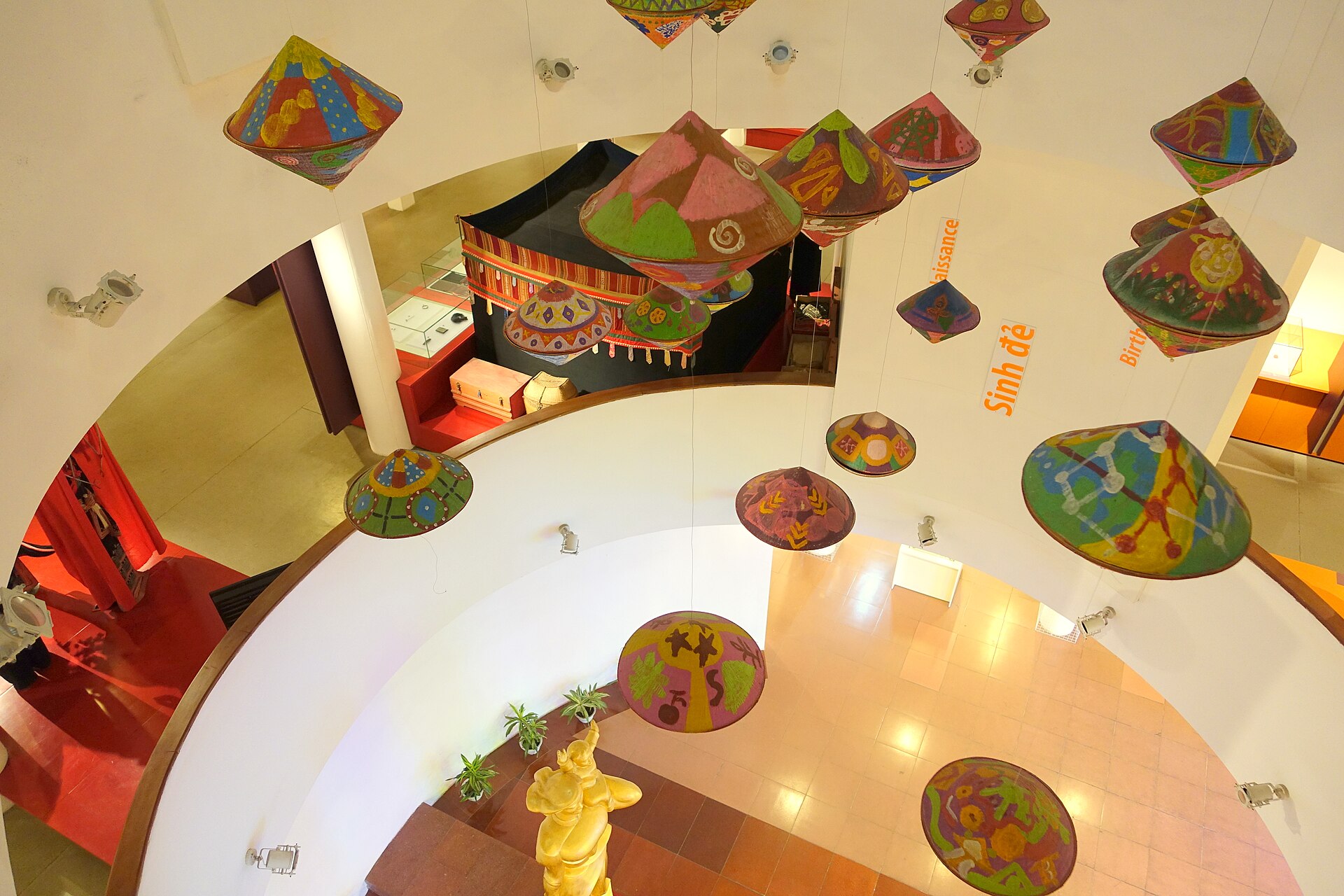
Vietnamese Women's Museum
36 Ly Thuong Kiet, Hang Bai, Hanoi, Vietnam
The Vietnamese Women's Museum is one of the best museums in Vietnam — a four-storey exhibition on the roles of women in Vietnamese history, from the Trưng Sisters (who led a rebellion against Chinese rule in 40 AD and remain national heroes) through the war years (when women served as soldiers, spies, and the logistical backbone of both the anti-French and anti-American resistance) to the present day.
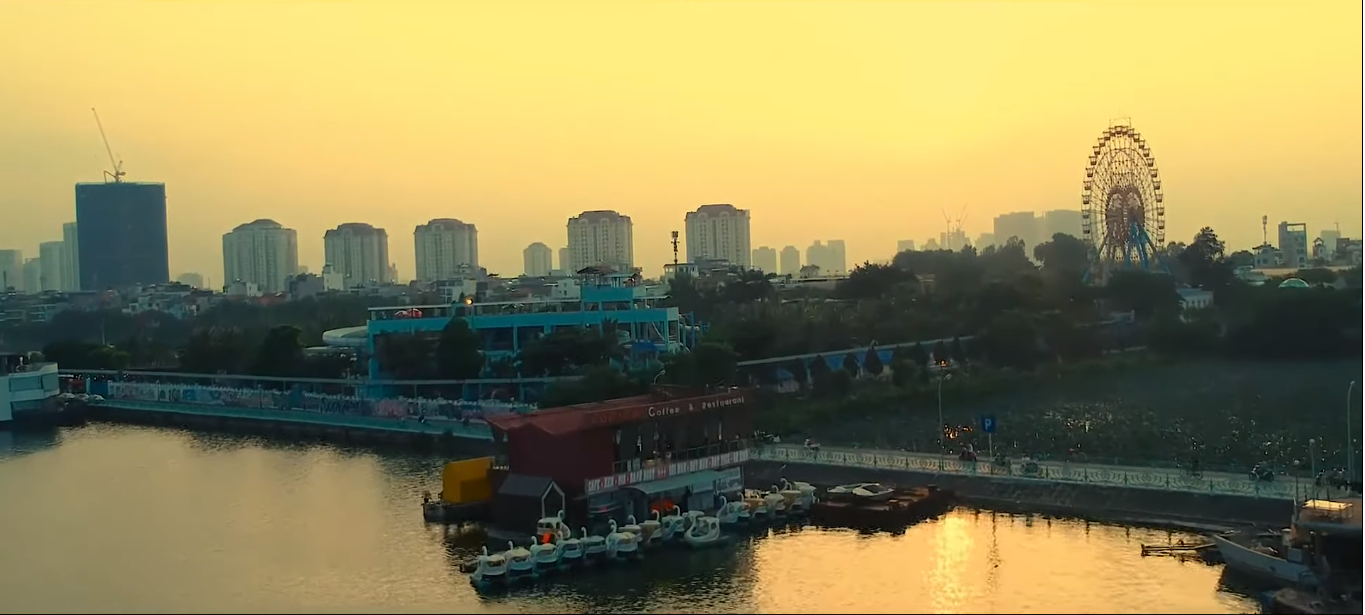
West Lake (Hồ Tây)
Trung Tam Ha Noi To, Dong Ngac, Hanoi, Vietnam
West Lake is Hanoi's largest lake — a 500-hectare body of water northwest of the Old Quarter that has been a retreat for Vietnamese royalty, French colonists, and modern Hanoians who escape the city's density by walking, cycling, or sitting at the lakeside cafés that ring the shore.
Explore culture in Hanoi
GPS-guided narration at every landmark. Tap a spot on the map, hear the story. Every fact verified.